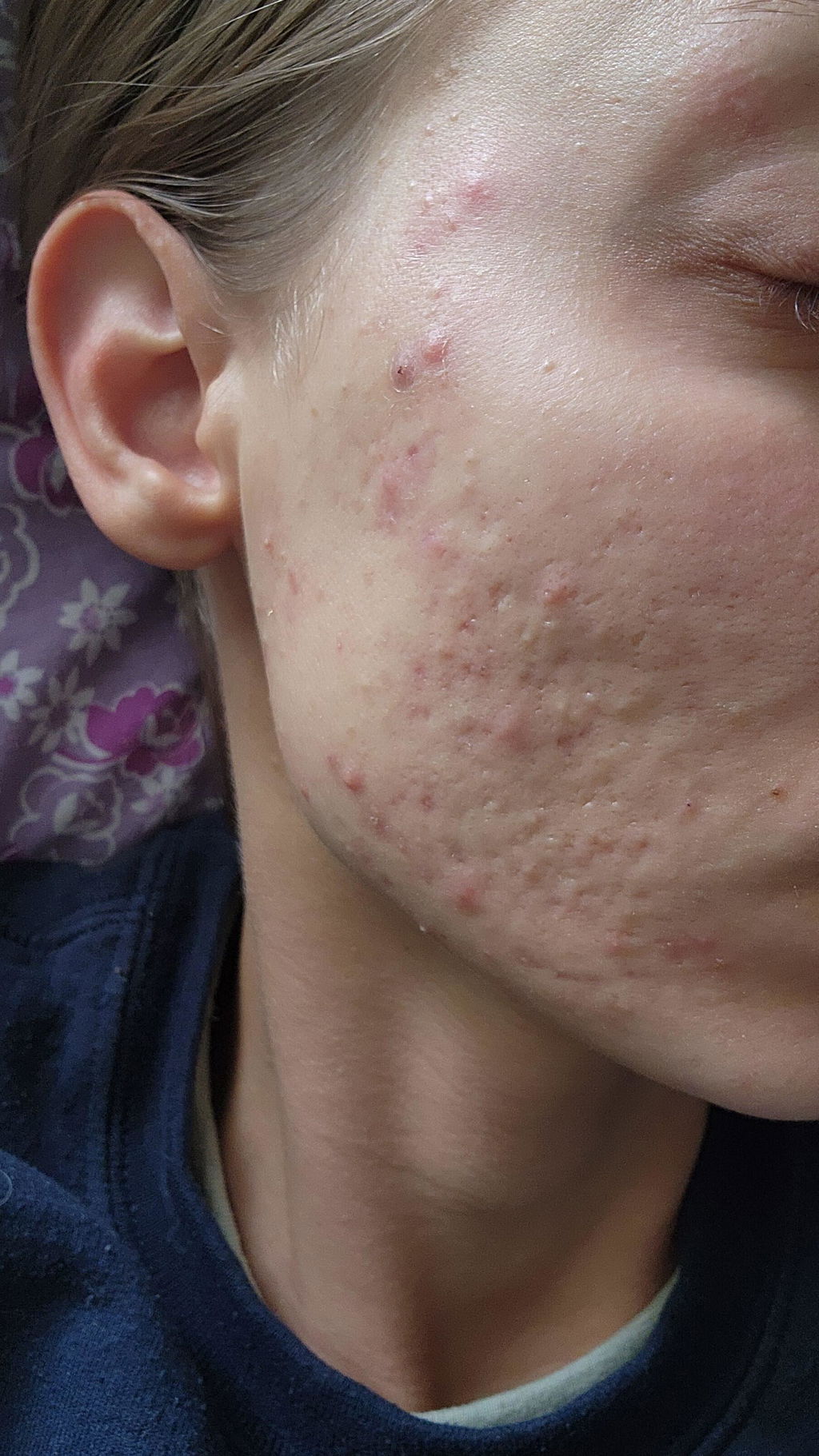
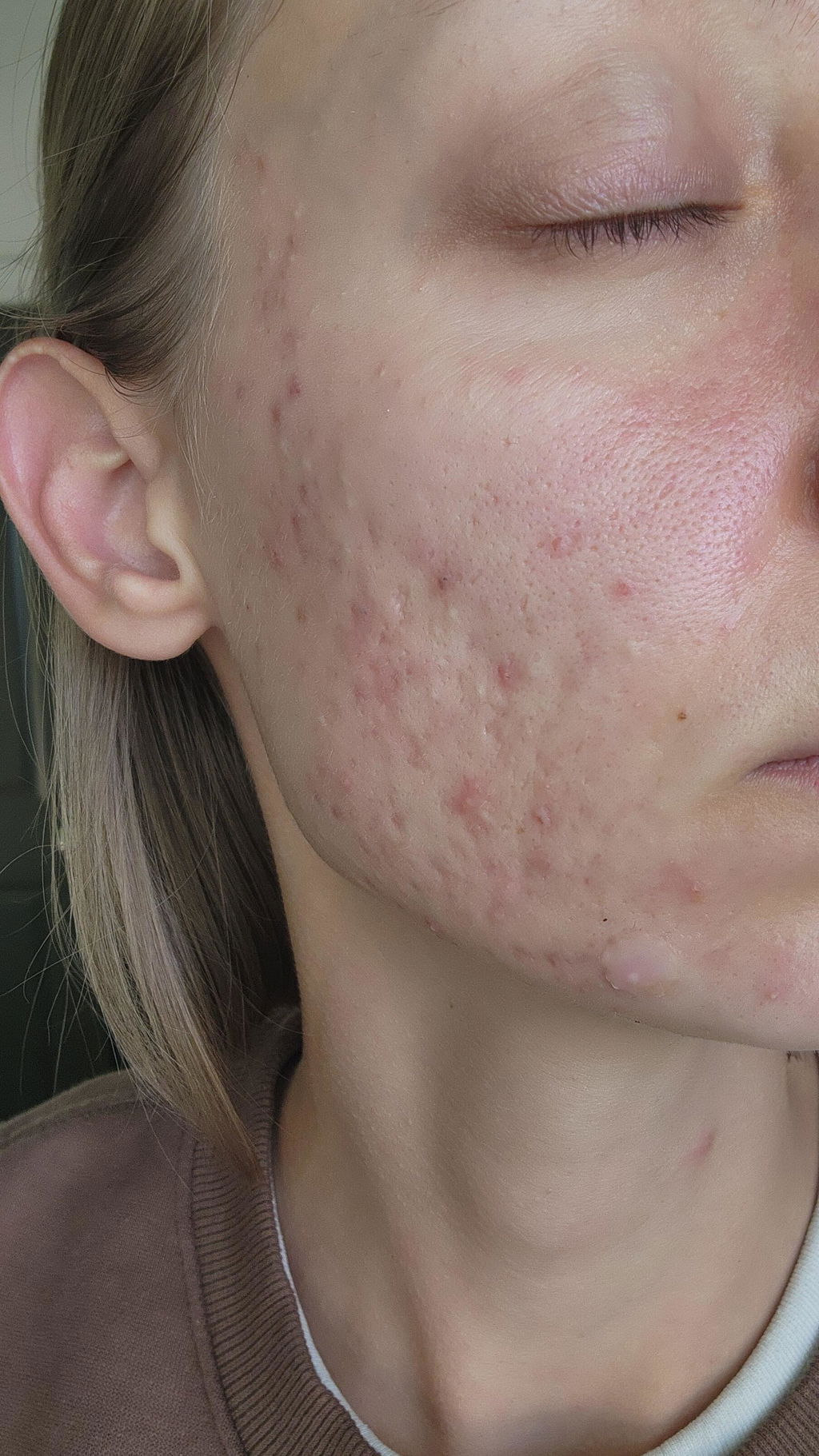
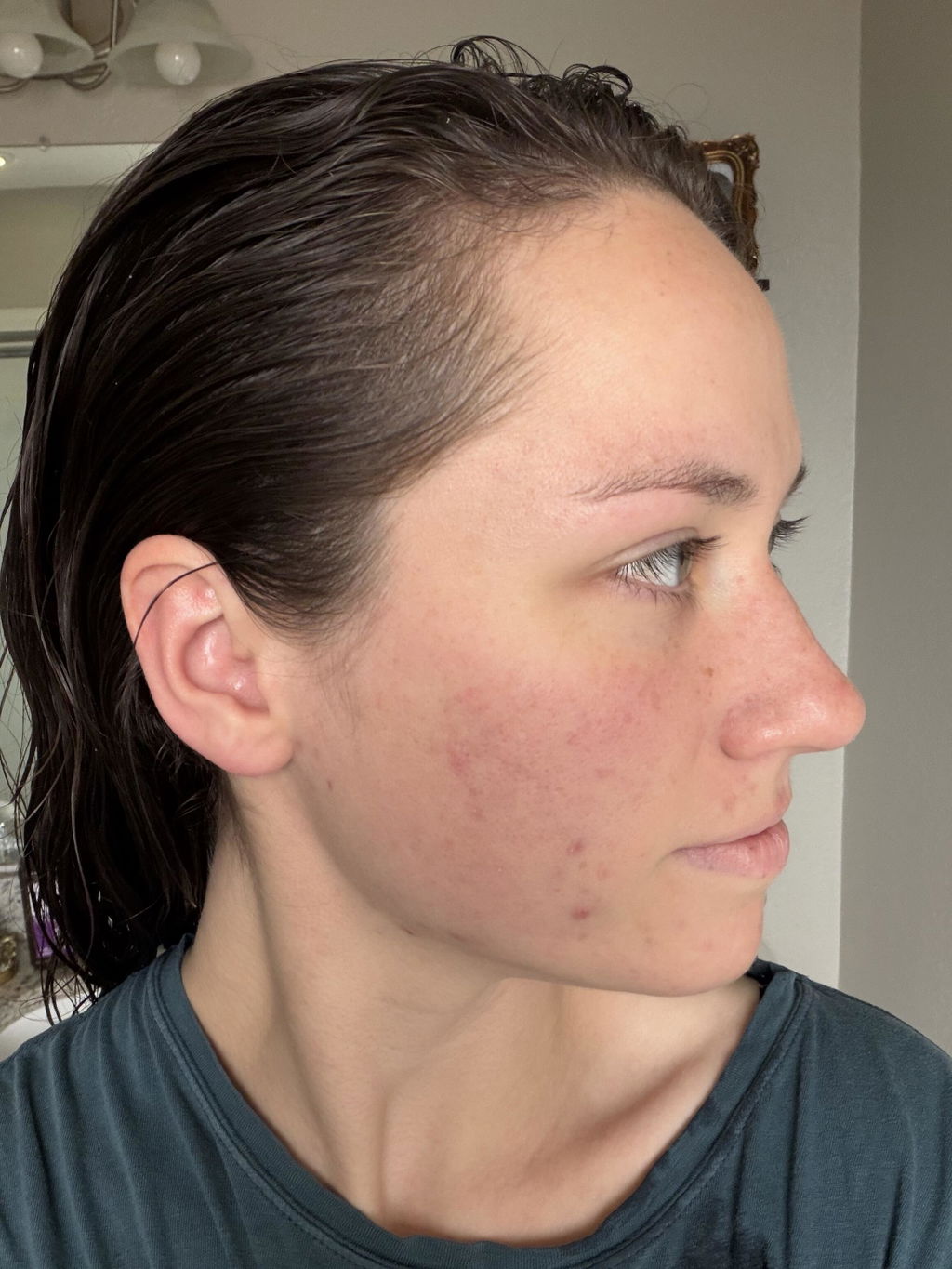
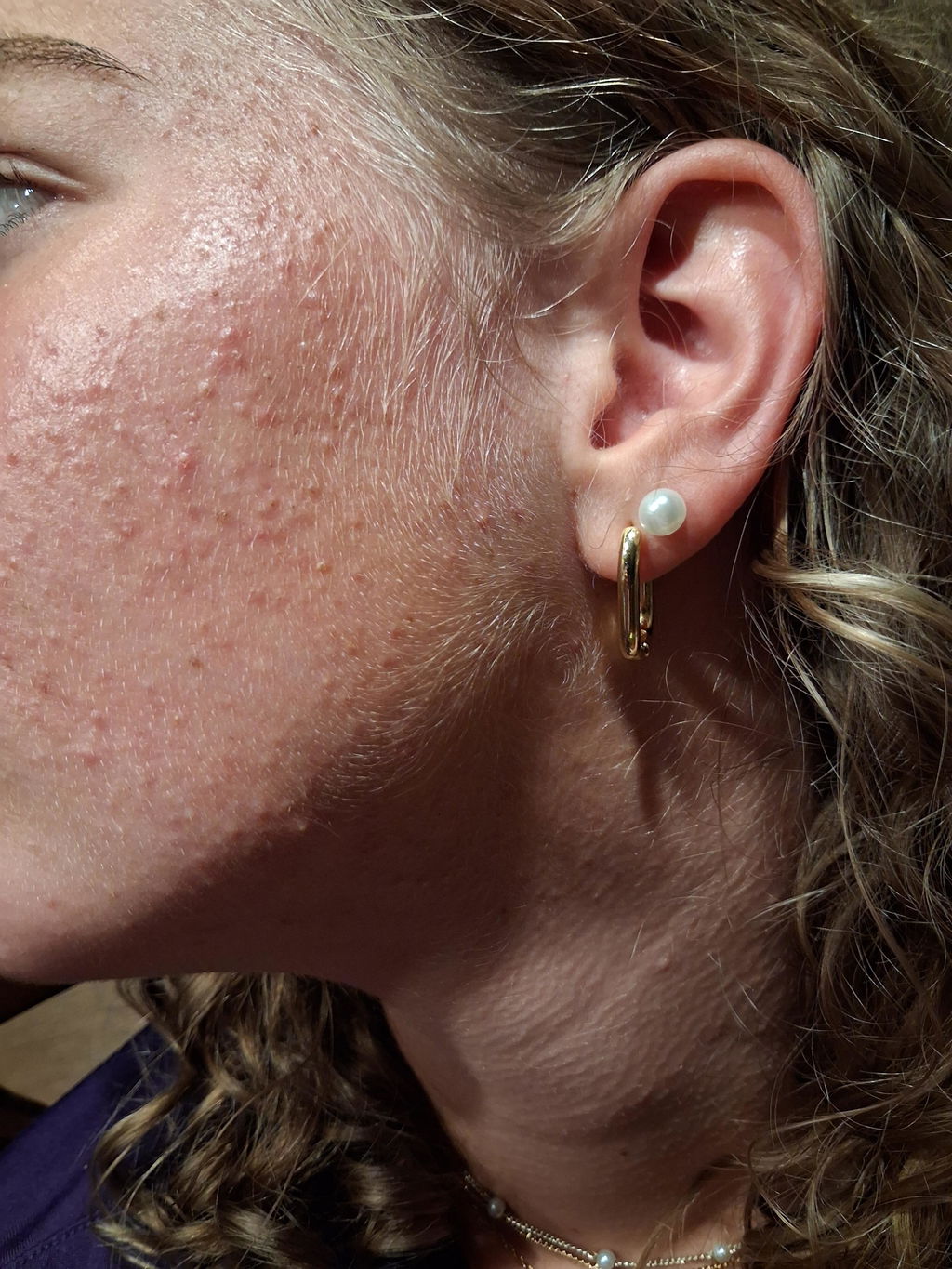
My jawline broke out three weeks before my niece's wedding. Stress, I told myself. Hormones, maybe. I had been repeating that same story for months. Then a colleague asked me one simple question. Have you ever tried cutting sugar for thirty days. Just thirty. I rolled my eyes at her. I did it anyway. What happened next surprised me, and the mechanism behind why is the entire reason I am writing this.
Why a 30-day no-sugar experiment is worth your attention
A 30-day no-sugar experiment means cutting added sugars and concentrated sweeteners from your meals for one month. No honey, agave, maple, coconut sugar, or artificial substitutes. Whole fruit stays in. The goal is to lower chronic insulin output, calm low-grade inflammation, and give your gut microbiome room to recover its diversity.
In my practice I see the same skin story every single week. Adult women, late twenties through fifties, who eat clean by any reasonable standard. They have stubborn jawline acne, dull tone, or skin that never quite catches up to how well they think they live. They blame hormones. Hormones are part of it. Sugar is the part nobody traces back to its source.
This was my own experiment. I tracked everything. Photos every morning. Notes on cravings, sleep, mood, and skin. By day eleven I knew something real was happening. By day thirty the mirror told a story I had not seen since my early twenties. So what is actually going on under the surface.
Glycation, AGEs, and why sugar quietly ages collagen
Glycation is a chemical reaction where excess glucose binds to collagen and elastin fibers in your skin. This creates advanced glycation end products, called AGEs. AGEs make collagen brittle, yellowed, and inflexible. Once formed they cannot be reversed, only prevented. This is why sugar-heavy diets correlate strongly with deeper wrinkles and sallow tone.
Collagen has a half-life of around fifteen years in healthy skin. When AGEs accumulate, that timeline collapses. You can actually feel this in your face. It is the loss of bounce. The slow shift from luminous to leathery. The dermatology literature has been clear on this for two decades, with reviews like Gkogkolou and Bohm in Dermato-Endocrinology outlining how dietary and endogenous AGEs cross-link collagen and damage elasticity.
Here is the part most articles skip. Your body also makes AGEs internally every time blood sugar runs high after a meal. So the doughnut is not just calories. It is a chemical reaction happening inside your dermis for the next several hours.
Topical collagen products cannot undo this. The fix is upstream. Lower the glucose load and you slow the cross-linking. You can pair that with bioavailable collagen support to give your skin raw building blocks. But none of it matters if the sugar keeps coming.
The insulin spike to IGF-1 to sebum pipeline
Every sugar spike triggers an insulin release. Insulin elevates insulin-like growth factor 1, or IGF-1. IGF-1 binds to receptors on your sebaceous glands and tells them to produce more oil. It also amplifies androgen activity. The result is the exact adult acne pattern most women see along the jaw, chin, and around the mouth.
Dermatology researchers have been writing about this for years. Bodo Melnik has published extensively on how high glycemic load diets raise IGF-1, IGF-1 raises sebum, and sebum plus inflamed pores plus shifted skin bacteria equals breakouts that refuse to respond to topical creams.
In my practice the women who clear their skin permanently are the ones who lower their glycemic load first. Not the ones with the most expensive serums. Not even the ones with the strictest skincare routines. The food is the lever.
This is why a barrier-repairing tallow cream can calm what is on the surface without addressing the signal coming from the inside. You really do need both.
What sugar does to your gut microbiome diversity
Sugar narrows the diversity of bacterial species living in your colon. High intakes feed sugar-loving species while starving the fiber-fermenting species that produce short-chain fatty acids. Less diversity means a weaker gut barrier, more lipopolysaccharide leakage, and more systemic inflammation that eventually surfaces on your skin.
A 2022 study from Kawano and colleagues, published in Cell, traced how dietary sugar selectively wipes out a class of filamentous bacteria in the gut. Those bacteria normally protect against metabolic syndrome and inflammatory disease. When they vanish, the gut barrier loosens. Lipopolysaccharides from gram-negative bacteria slip into circulation. Your immune system stays low-grade activated. Your skin pays the bill.
This is the gut-skin axis in one sentence. A leaky gut creates a reactive face.
Short-chain fatty acids like butyrate are the workhorses of a healthy colon lining. They are produced when good bacteria ferment prebiotic fiber. No fiber, no butyrate. No butyrate, no tight junctions. Sugar accelerates the entire cascade.
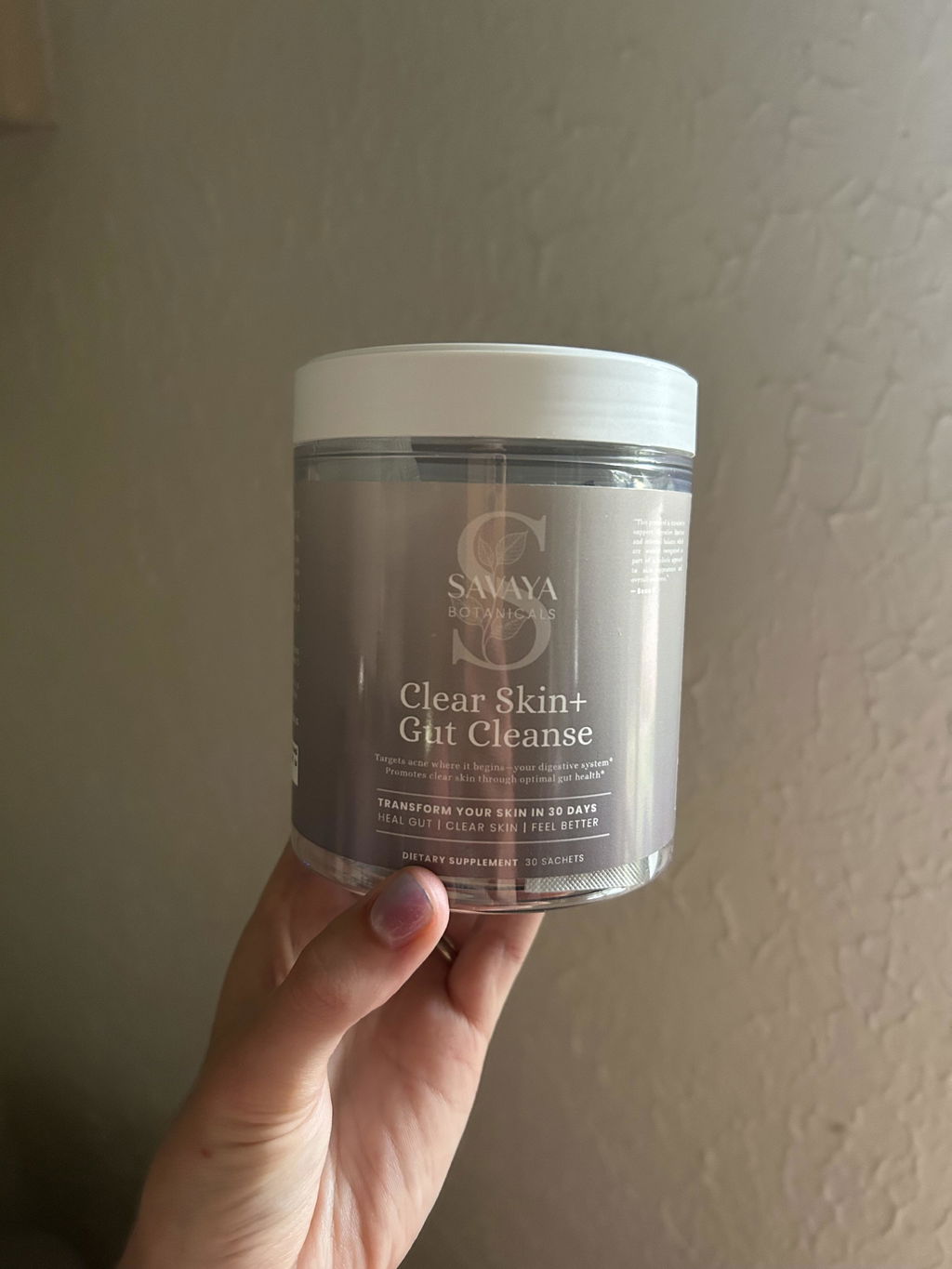
For clients stuck in this pattern I often start with a targeted gut cleanse to rebalance the microbial population, then layer in fermented foods and prebiotic fiber to rebuild diversity from there.
Your skin is the report card of your gut. Sugar is the test you keep failing without realizing it.
Hidden sugars in foods marketed as healthy
The biggest blind spot in any sugar reset is the foods marketed as wellness staples. Flavored yogurts, granola, kombucha, oat milk, protein bars, store-bought dressings, dried fruit, and almost every smoothie from a chain shop carry far more added sugar than people expect. Reading the added sugar line on every label is non-negotiable.
I have clients show me their pantries before we start. We almost always find the same culprits.
- Flavored Greek yogurt with twelve to eighteen grams of added sugar per cup
- Store-bought granola, often eight to sixteen grams per small serving
- Kombucha, four to fourteen grams, frequently invisible on the front of the bottle
- Sweetened oat milk and almond milk, four to eight grams per cup
- Protein bars and snack bars, eight to twenty-two grams per bar
- Bottled smoothies, twenty-five to sixty grams per bottle
- Salad dressings, marinades, ketchup, barbecue sauce, teriyaki
- Plant-based milks, breakfast cereals labeled natural, granola butters
None of these look like candy. That is the trap. For thirty days you read every label. Anything ending in ose, plus syrups, juice concentrates, and softened words like cane juice or malted barley, all count. I tell clients to assume the food is sweetened until the label proves otherwise.
Week by week, what actually happened to my skin
Each week of a 30-day sugar reset carries a distinct biological signature. Week one is the crash and fluid loss. Week two is the gut microbial shift. Week three is insulin sensitivity recovery and reduced sebum output. Week four is collagen turnover and the visible glow most people associate with skin transformation.
Week 1: The crash and the puffiness drain
The first four days were rough. Headaches, low energy, the kind of irritability that makes you snap at people you love. Cortisol was working overtime because my body was used to glucose on demand. By day five my under-eyes looked less puffy. Sugar pulls water into tissues. Cut it, and the face de-puffs faster than any cream can deliver. This is the HPA axis catching its breath.
Week 2: The gut turns the corner
Days eight through fourteen the cravings dropped sharply. My digestion changed. Less bloating, more regular elimination, a calmer feeling after meals. This is when the microbiome starts producing more short-chain fatty acids. The vagus nerve gets a clearer signal. Skin tone evens out slightly. My jawline stopped recruiting new breakouts.
Week 3: Sebum production resets
By day eighteen my T-zone was visibly less oily. IGF-1 was finally settling. I was sleeping deeper, which matters because skin repair runs on deep sleep cycles. Pores looked smaller. Old breakouts faded faster than usual. This is the week people start telling you something looks different about you, even if they cannot name it.
Week 4: The glow nobody can fake
Days twenty-two through thirty was the part that felt almost unfair. Skin tone brighter, texture smoother, fine lines around my eyes softer. Collagen does not regenerate fully in thirty days, but the inflammatory load drops enough that existing collagen looks better. Cheekbones I had forgotten about returned. I took my final photo on day thirty and could not believe the comparison.
How to run your own 30-day sugar reset
A 30-day sugar reset has four moving parts. Zero added sugar including artificial sweeteners. Twenty to thirty grams of protein at every meal. Seven to nine hours of sleep on a consistent schedule. Gut microbiome support through fermented foods or a structured supplement. Caffeine is allowed without sweeteners. Whole fruit is allowed in moderation.
Here is the protocol I now give my clients. You can adapt it to your life.
- Empty the pantry. Bag up anything with added sweeteners. Donate or toss. Visual access is half the battle.
- Plan three breakfast templates. Eggs with sauteed greens. Plain Greek yogurt with berries and seeds. Avocado and smoked salmon on sourdough.
- Add protein to every meal. Twenty to thirty grams keeps blood sugar steady and shuts down cravings within a week.
- Drink a tablespoon of apple cider vinegar in water before carb-heavy meals. This blunts the post-meal glucose spike.
- Walk ten minutes after dinner. Muscle contractions clear glucose without insulin.
- Feed the microbiome daily. Sauerkraut, kimchi, and kefir, plus prebiotic fibers like cooked and cooled potato, onions, and oats.
- Sleep seven to nine hours. Sleep loss raises ghrelin and sugar cravings within forty-eight hours.
- Cover the mineral gap. Many sugar cravings are mineral deficiencies in disguise. Mineral-rich sea moss covers a wide range of trace minerals without having to think about it.
For skin that stays irritated or breakouts that keep coming back, small daily habits matter more than one-off changes. That is where Clear Skin+ Max Detox comes in — a daily acai-based detox blend that helps support your skin as part of your everyday routine.
Meal ideas that do not feel like punishment
A no-sugar meal plan should be satisfying, mineral-rich, and easy to assemble. Focus on protein, healthy fats, fermented foods, and slow carbohydrates like sweet potato, quinoa, and oats. Plan three breakfasts, three lunches, and three dinners on rotation so you never have to think hard at six in the evening.
Some of my go-to combinations:
- Breakfast: Two pasture eggs scrambled with spinach and a side of berries. Or unsweetened kefir with chia seeds, walnuts, and cinnamon. Or sourdough toast with avocado, smoked salmon, and lemon.
- Lunch: Big salad with rotisserie chicken, olives, feta, cucumber, olive oil and lemon. Or salmon with roasted sweet potato and a side of sauerkraut. Or lentil soup with crusty sourdough.
- Dinner: Grilled steak with sauteed garlic greens. Or chicken thigh tray bake with onions and root vegetables. Or wild salmon with quinoa and roasted broccoli.
- Snacks: Greek yogurt with cinnamon, hard cheeses, raw nuts, sliced apple with almond butter, hard boiled eggs with sea salt.
- Drinks: Sparkling water with lemon and sea salt, herbal tea, black coffee, slow-simmered bone broth.
Notice what is missing. Smoothie bowls, oat milk lattes, granola, flavored yogurt, kombucha. They feel healthy. They are sugar deliveries in disguise.
• • •
If you want to go beyond thirty days, especially when your skin has been telling the same story for years, the structured 12-week program walks you through microbiome, liver, and lymph together. It is the protocol I built around the patterns I keep seeing in my practice.
Frequently asked questions
What counts as added sugar during a 30-day reset?
Any sweetener added during cooking or processing counts. This includes honey, maple syrup, agave, coconut sugar, brown rice syrup, date syrup, monk fruit blends, stevia blends, and all artificial sweeteners. Whole fruit eaten with the fiber intact does not count. Fruit juice does.
Why does sugar cause acne in adult women?
Sugar raises insulin, which raises insulin-like growth factor 1 (IGF-1). IGF-1 stimulates sebaceous glands to produce more oil and amplifies androgen activity. The combination clogs pores and shifts skin bacteria toward inflammation. The pattern is most visible along the jawline, chin, and around the mouth.
How long does it take to see skin changes from cutting sugar?
Most people see reduced puffiness and brighter eyes within five to seven days. Sebum production usually settles between day fourteen and twenty-one. Visible texture and tone changes appear between days twenty-five and thirty as inflammation drops and the microbiome begins producing more short-chain fatty acids.
Can I drink alcohol during a no-sugar experiment?
For the cleanest reset, no. Alcohol metabolizes like sugar in the liver and disrupts insulin sensitivity and gut barrier function for hours afterward. If you choose to include it, pick dry red wine or a spirit with sparkling water, and keep it to one drink, no more than twice a week.
Is it safe to do a 30-day sugar reset while breastfeeding or pregnant?
Cutting added sugar is generally well tolerated during pregnancy and breastfeeding because the diet stays nutrient-dense. Keep whole fruits, root vegetables, and whole grains in for steady energy. Speak with a practitioner who knows your situation before adding any supplemental cleanse or detox protocol.