By Sarah Mitchell | Holistic Health Practitioner
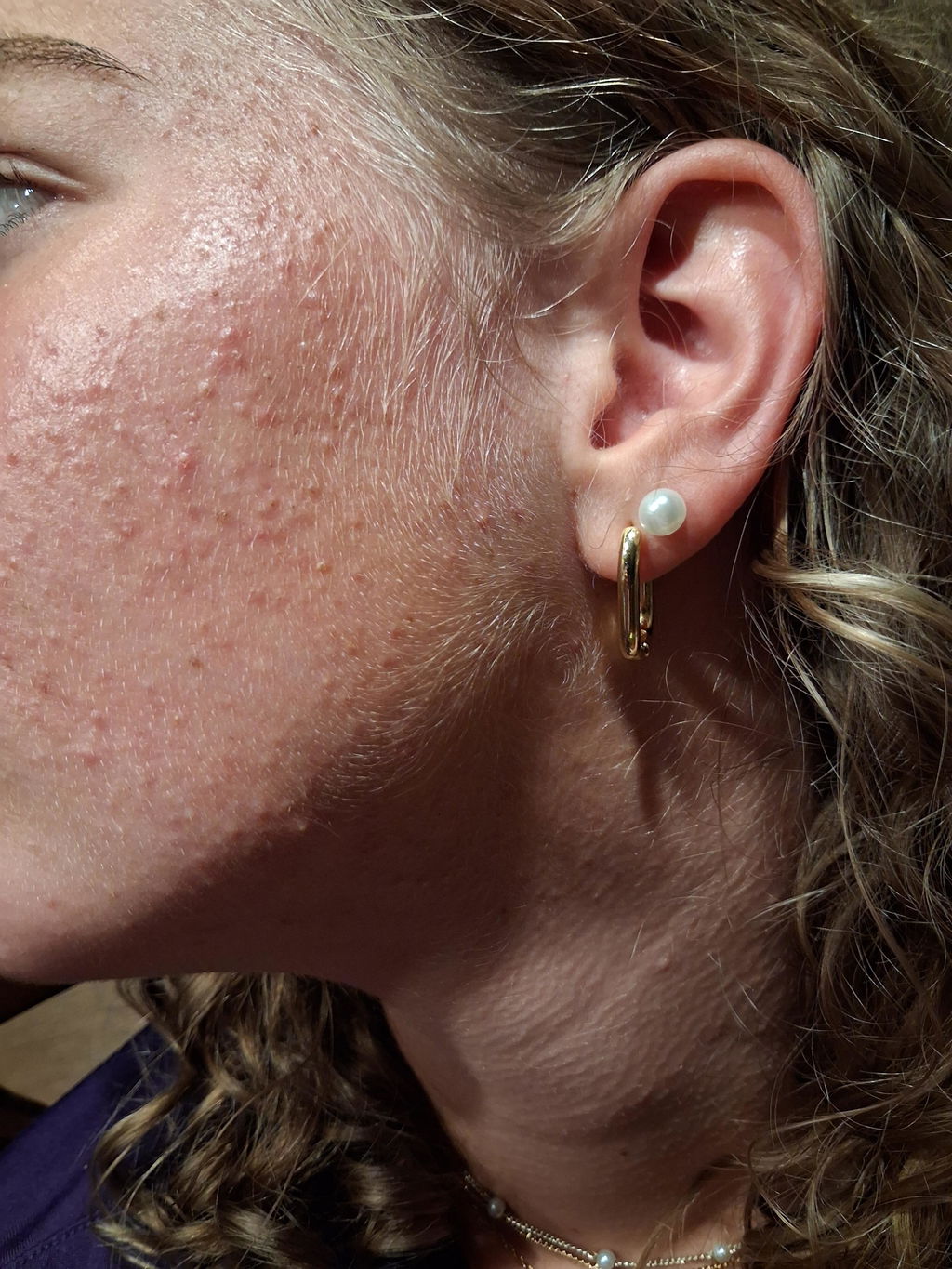
My dermatologist told me my skin was "just reactive." My aesthetician blamed city pollution. My mom said I needed more sleep.
Nobody mentioned my gut.
It took seven years of antibiotics, prescription retinoids, $300 serums, and one brutally honest functional medicine doctor to finally hear the words that changed everything: "Your skin is reporting from your gut. That's where we need to look."
I'm Sarah Mitchell, and I work as a holistic health practitioner. I sit with clients every week who have pristine skincare shelves and persistently inflamed, dull, or broken-out skin. Almost without exception, the root issue isn't topical. It's systemic. It's digestive.
Your gut and your skin are in constant, bidirectional communication through what researchers now call the gut-skin axis. When one struggles, the other signals distress - usually in ways that get misread as "sensitive skin" or "hormonal acne" or "just how your skin is."
Research published in Frontiers in Microbiology and the Journal of Investigative Dermatology has confirmed what functional medicine has understood for decades: disrupted gut microbiome balance drives measurable inflammatory, immune, and barrier changes that show up directly on your face.
Here are the seven warning signs I see most in practice - and the gut mechanism behind each one.
* * *
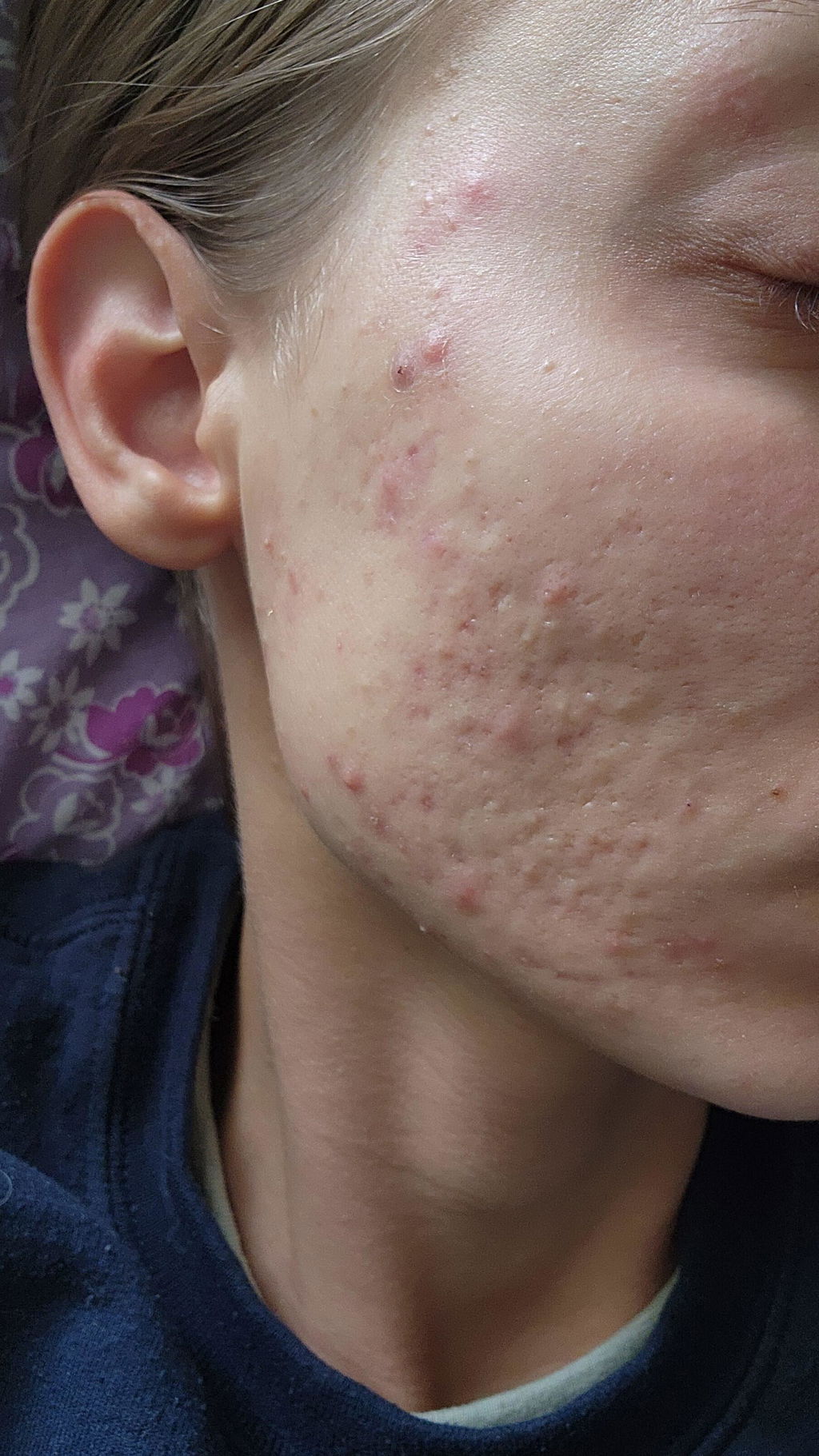
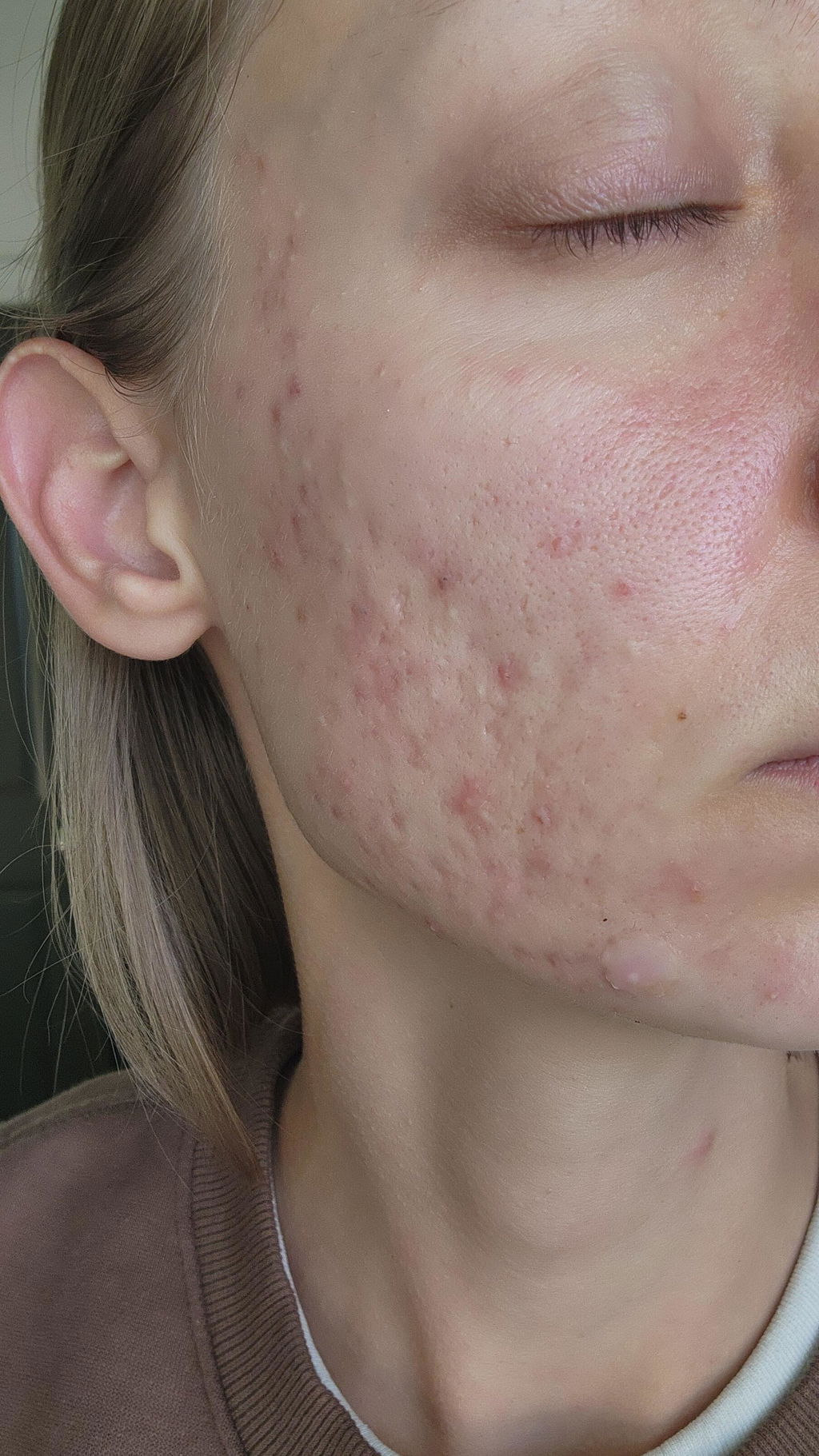
Warning Sign 1: Chronic Acne That Topicals Cannot Touch
You cycle through cleansers. You've tried the prescription retinoids, the benzoyl peroxide, the niacinamide serums. Maybe you get a week of clearer skin - then the cycle restarts. The acne comes back in the same spots, on roughly the same schedule.
This pattern almost always has an internal driver.
The gut mechanism: Your microbiome regulates systemic inflammation. When bacterial balance tips toward dysbiosis - too many opportunistic strains, not enough Lactobacillus and Bifidobacterium - your immune system mounts a low-grade but persistent inflammatory response. That inflammation travels through the bloodstream and surfaces through the skin as papules, pustules, and cystic lesions.
A 2016 study in Gut Pathogens found that acne patients had significantly lower populations of Lactobacillus species compared to clear-skinned controls. A separate meta-analysis in the Journal of the American Academy of Dermatology found that oral probiotic supplementation produced measurable reductions in acne lesion counts - without any topical changes.
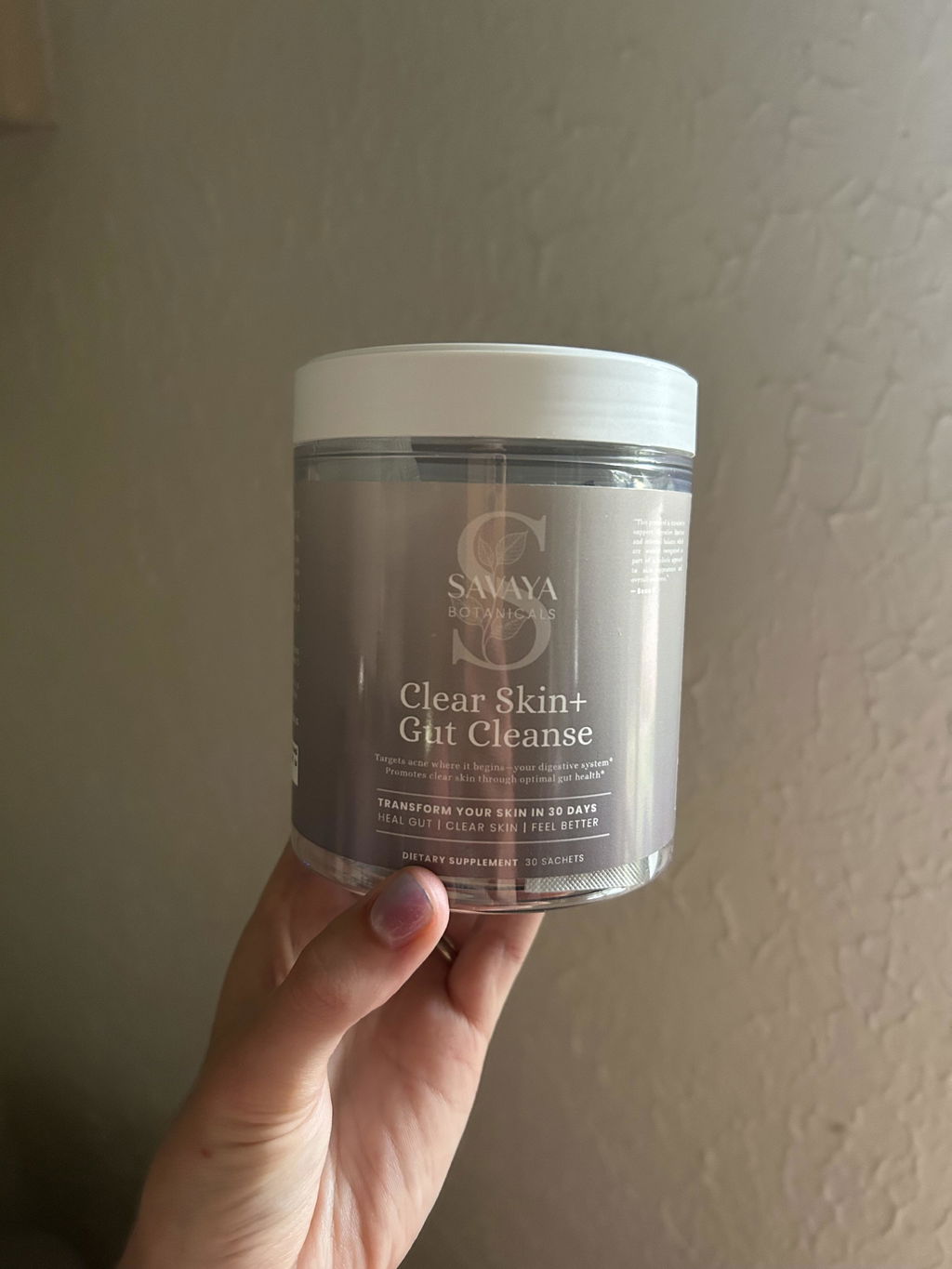
No spot treatment can resolve a bacterial imbalance that originates in your intestines. If your acne is persistent and topical-resistant, the starting point is a gut microbiome cleanse designed to clear overgrowth, reseed beneficial strains, and bring the inflammatory baseline down before it has a chance to reach your skin.
* * *
Warning Sign 2: Eczema That Flares After Eating
The timing often gets dismissed because the delay can be 24 to 72 hours. You eat something on Saturday night and your inner elbows flare on Monday. It feels disconnected. It isn't.
The gut mechanism: Increased intestinal permeability - what functional medicine practitioners call leaky gut - allows partially digested food particles and bacterial byproducts to pass through the gut lining into systemic circulation. The immune system flags these as foreign. For people with genetic predisposition to atopic conditions, that immune activation expresses as skin inflammation: the hallmark red, itchy, weeping patches of eczema.
Research published in the Journal of Allergy and Clinical Immunology confirmed that children with eczema showed measurably greater intestinal permeability than controls - and that gut barrier repair led to improvement in skin symptoms. The same pattern holds in adult-onset eczema.
The repair work happens at the gut wall. Sea moss is exceptionally well-suited here - its marine-sourced prebiotic fiber feeds the bacterial populations (particularly Akkermansia muciniphila) that maintain the mucosal lining of the gut. Think of it as internal scaffolding for a leaking wall. Its 92 trace minerals also support the enzymatic processes involved in gut lining regeneration.
* * *
Warning Sign 3: Rosacea Triggered by Stress
Most rosacea conversations center on topical triggers: heat, spice, alcohol, UV. Those are real. But if your rosacea predictably flares during stressful periods - difficult weeks at work, family conflict, poor sleep - the trigger is deeper than what you're applying to your face.
The gut mechanism: The gut-brain-skin axis connects your digestive system directly to your stress response. Cortisol elevation - even moderate, chronic cortisol from everyday stress - disrupts the gut mucosal lining, reduces secretory IgA (the immune protein that protects the gut surface), and alters microbiome composition within 24 to 48 hours.
Multiple studies have documented an association between rosacea and Helicobacter pylori overgrowth - a bacterial pathogen that thrives in a stress-compromised gut environment. A meta-analysis published in the Journal of Gastroenterology and Hepatology found that eradicating H. pylori produced significant improvement in rosacea symptoms in a substantial proportion of patients.
Stress will always exist. The question is whether your gut is resilient enough to process it without sending the signal to your skin. The full detox protocol addresses the bacterial landscape directly - and includes liver support, which matters because cortisol metabolites are liver-processed. A congested liver amplifies skin reactivity from stress hormones that don't clear efficiently.
* * *
Warning Sign 4: Dull, Tired Skin Despite a Consistent Routine
This one is particularly disheartening. You're consistent. You double cleanse, vitamin C every morning, retinol every third night, SPF without fail. And still: flat, gray, lifeless skin that looks like it didn't get the memo about your skincare routine.
The gut mechanism: Skin luminosity depends on cellular turnover, collagen synthesis, and microcirculation - all of which require a steady supply of specific nutrients: zinc, vitamin A, vitamin C, B vitamins, essential fatty acids. Your gut is responsible for absorbing and delivering all of these.
When the gut is inflamed, sluggish, or dysbiotic, absorption efficiency drops across the board. Your skin cells are building with whatever fractional amounts make it through a compromised digestive system. Even excellent diet and supplementation can't compensate for poor gut absorption - you're pouring nutrients into a bucket with holes in it.
Your gut has to be functional before the rest of your protocol can work at full capacity. Beauty collagen strips provide bioavailable collagen precursors that support skin structure directly - but they perform exponentially better in a gut environment that can actually absorb and deploy them. Fixing absorption fixes everything downstream.
* * *
Warning Sign 5: Dark Circles That Sleep Doesn't Fix
You know the advice. Sleep more, drink more water, use a cold roller. You've tried it. You wake up with seven or eight hours behind you and still look like you pulled an all-nighter. The problem isn't your sleep schedule.
The gut mechanism: Chronic gut inflammation triggers systemic histamine elevation. Histamine causes blood vessel dilation and increased vascular permeability - and the under-eye area, where skin is thinnest in the body, shows this most visibly as the bluish-purple discoloration most people call "just genetics."
Simultaneously, gut-driven inflammation activates pro-inflammatory cytokines - particularly IL-6 and TNF-alpha - that research has linked to periorbital hyperpigmentation. A 2019 paper in the Journal of Cosmetic Dermatology identified elevated IL-6 as a specific driver of under-eye darkening independent of age and UV exposure.
Many people with persistent dark circles have subclinical food sensitivities - most commonly to gluten, dairy, and eggs - that keep histamine levels chronically elevated without producing obvious digestive symptoms. A daily acai-based detox blend like Clear Skin+ Max Detox helps support the body's natural detoxification processes, which may play a role in under-eye discoloration, without changing a single topical product.
* * *
Warning Sign 6: Slow Wound Healing and Lingering Post-Blemish Marks
A spot that should clear in a week is still visible at three weeks. A small cut takes two months to fully resolve. Post-inflammatory hyperpigmentation that hangs around for six months. This often gets attributed to "slow skin" or sensitive genetics. The gut connection is almost never discussed.
The gut mechanism: Wound healing requires three sequential phases - inflammation, proliferation, and remodeling - each dependent on specific micronutrients. Zinc triggers collagen synthesis and epithelial repair. Vitamin C is required for hydroxylation of proline in collagen chains. Vitamin A drives keratinocyte differentiation. All three are absorbed in the small intestine and all three are compromised by gut inflammation.
A 2019 study in the International Wound Journal found that patients with chronic, slow-healing wounds had significantly lower serum zinc levels and measurably different microbiome profiles than healthy healing controls. The researchers specifically recommended gut microbiome intervention as part of wound care protocols.
Sea moss is one of the most concentrated natural sources of bioavailable zinc available - and critically, it comes packaged with the prebiotic fiber that rebuilds the gut environment where zinc absorption actually occurs. You're addressing the delivery problem and the infrastructure simultaneously.
* * *
Warning Sign 7: Sudden Sensitivity to Products You Have Used for Years
This one is particularly unsettling. Your trusted moisturizer starts stinging. Your gentle cleanser feels stripping. The serum you've relied on for two years suddenly causes redness. Nothing about the products has changed. Something about you has.
The gut mechanism: Skin barrier integrity is directly regulated by the gut microbiome through short-chain fatty acids (SCFAs) - particularly butyrate, propionate, and acetate - produced by fermentation of prebiotic fiber by beneficial gut bacteria. These SCFAs travel through the bloodstream and influence gene expression involved in skin barrier formation, including filaggrin synthesis and ceramide production.
When dysbiosis reduces beneficial bacteria, SCFA production drops. With less butyrate reaching the skin, barrier gene expression changes. The skin becomes more reactive to ingredients it previously tolerated, more susceptible to environmental triggers, and slower to recover from any disruption. This is a measurable biological change, not imagination.
While rebuilding the gut internally, supporting the skin barrier externally is smart parallel strategy. Tallow cream is uniquely suited for a compromised barrier because its fatty acid profile - including oleic, palmitic, and stearic acids - mirrors human sebum almost exactly. It supports barrier repair without introducing synthetic surfactants or preservatives that a reactive barrier might respond to.
* * *
What These Seven Signs Share
If you recognized yourself in three or more of those signs, you're not imagining patterns. You're seeing the same underlying issue expressed in different ways: a gut ecosystem pushed past its capacity to maintain internal balance. Whether the trigger was antibiotics, chronic stress, dietary shift, or years of processed food - the downstream effects look consistent.
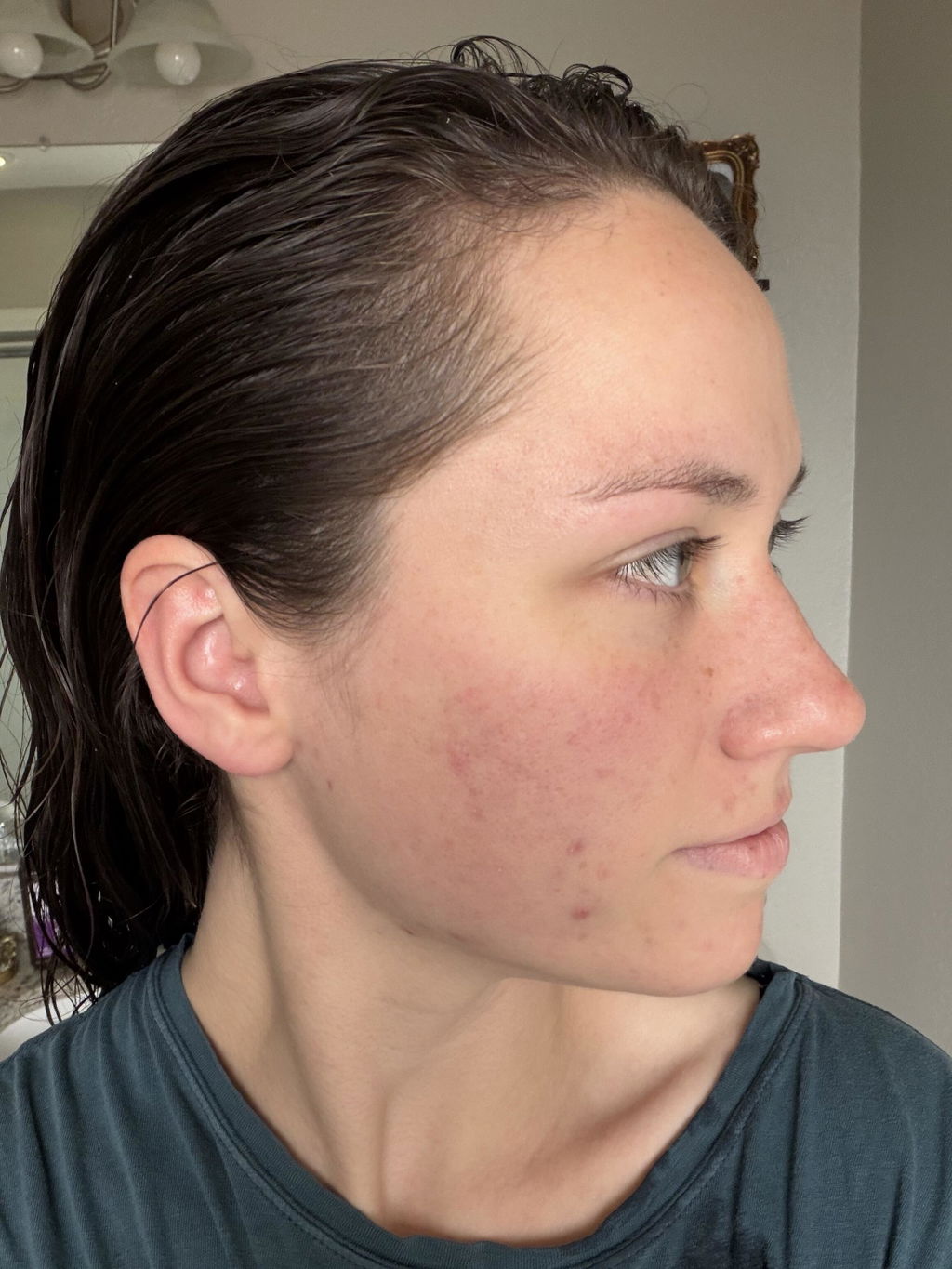
The gut is remarkably responsive when you address it directly. I've watched clients go from cyclic, treatment-resistant acne to clear skin within sixty to ninety days of a targeted gut protocol - without changing a single topical product. I've seen dark circles fade significantly, eczema quiet down, and barrier sensitivity resolve - all from the inside out.
The skin reports. The gut decides.
* * *
A Protocol to Start With
If you want to approach this systematically, here is the framework I walk clients through:
- Reset the microbiome first. The gut microbiome cleanse clears opportunistic bacterial overgrowth and reseeds beneficial strains. This is the foundation - everything else builds on it.
- Mineralize from the ocean. Sea moss provides the 92-mineral base that your gut lining, immune function, and skin cells all need to operate. Marine-sourced, bioavailable, and compatible with almost every dietary approach.
- Calm the skin barrier externally in parallel. Tallow cream protects and repairs the skin surface while internal healing is underway - bridging the gap so your barrier doesn't deteriorate further while your gut recovers.
- Go deeper for entrenched patterns. For persistent, multi-symptom presentations, the full detox protocol addresses liver congestion, lymphatic clearance, and microbiome restoration as a coordinated system rather than isolated targets.
This approach is slower than a spot treatment and faster than the next seven years of topicals that don't work. The difference is that the results hold.
* * *
Frequently Asked Questions About the Gut-Skin Connection
How long does it take to see skin changes after starting a gut healing protocol?
Most people notice changes in skin texture, inflammation frequency, and reactivity within 2 to 4 weeks of a focused gut protocol. More significant shifts - reduced acne frequency, improved skin tone, better barrier resilience - typically emerge between 6 and 12 weeks. The microbiome takes time to reestablish, but it responds consistently when given the right inputs.
Can gut health really cause dark circles, or is that just genetic?
Both genetics and gut health contribute. Your genetics set the predisposition - your gut environment determines how that predisposition expresses itself. Many people with genetic tendency toward dark circles see measurable improvement when they reduce systemic inflammation and histamine levels through gut work. It may not disappear entirely, but it often improves far more than any topical ever could.
How do I know if my eczema is gut-related vs. a simple external sensitivity?
Gut-driven eczema typically follows an internal pattern: flares correlate with specific foods or high-stress periods, appear in predictable locations (inner elbows, behind knees, around the mouth), and are often accompanied by subtle digestive symptoms like bloating, irregular digestion, or other food sensitivities. External sensitivity tends to react to topical triggers without that internal pattern. If you notice a consistent correlation between what you eat or how stressed you are and when your skin flares, the gut is almost certainly involved.
Do I need to completely eliminate processed food to heal my gut-skin connection?
Perfection is not the goal and not necessary. What produces the most change is consistent reduction of the highest-impact inflammatory inputs - processed seed oils, refined sugar, alcohol - combined with consistent addition of gut-supportive inputs: prebiotic fiber, fermented foods, mineral-rich whole foods, and targeted supplementation where diet falls short. Small, sustainable changes compound significantly over 60 to 90 days.
Can I continue using topical skincare while doing a gut healing protocol?
Yes - and I actively recommend it. Internal healing and external support work synergistically. While your gut heals and systemic inflammation decreases, protecting the skin surface externally reduces the reactive load your barrier has to manage. The key is simplifying your routine during the healing phase: fewer active ingredients, more barrier-supportive formulations. Less is reliably more when the gut-skin connection is actively being repaired.