By Sarah Mitchell | Holistic Health Practitioner
Let me ask you something uncomfortable: what if your skincare routine is completely irrelevant to your actual skin problem?
I don't mean that to sound harsh. But after 11 years working with clients in functional health — and after my own embarrassing stint spending $400/month on serums while my forehead stayed stubbornly congested — I've come to believe that most skin struggles aren't skin problems at all.
They're gut problems wearing skin as a costume.
In 2023, a landmark review published in Frontiers in Microbiology analyzed 42 clinical studies and confirmed what holistic practitioners have suspected for decades: the gut microbiome directly regulates skin inflammation, barrier integrity, and immune response. The researchers found that individuals with disrupted gut flora were significantly more likely to present with inflammatory skin conditions — regardless of their topical skincare habits.
That study changed the way I talk to clients. Because here's the truth: if your gut is struggling, your skin will show it. Always. And once you know what to look for, the signs are impossible to miss.
Here are the 7 warning signs your gut is actively sabotaging your skin — and what's actually happening beneath the surface.
———
Warning Sign #1: Chronic Acne That Laughs at Your Topicals
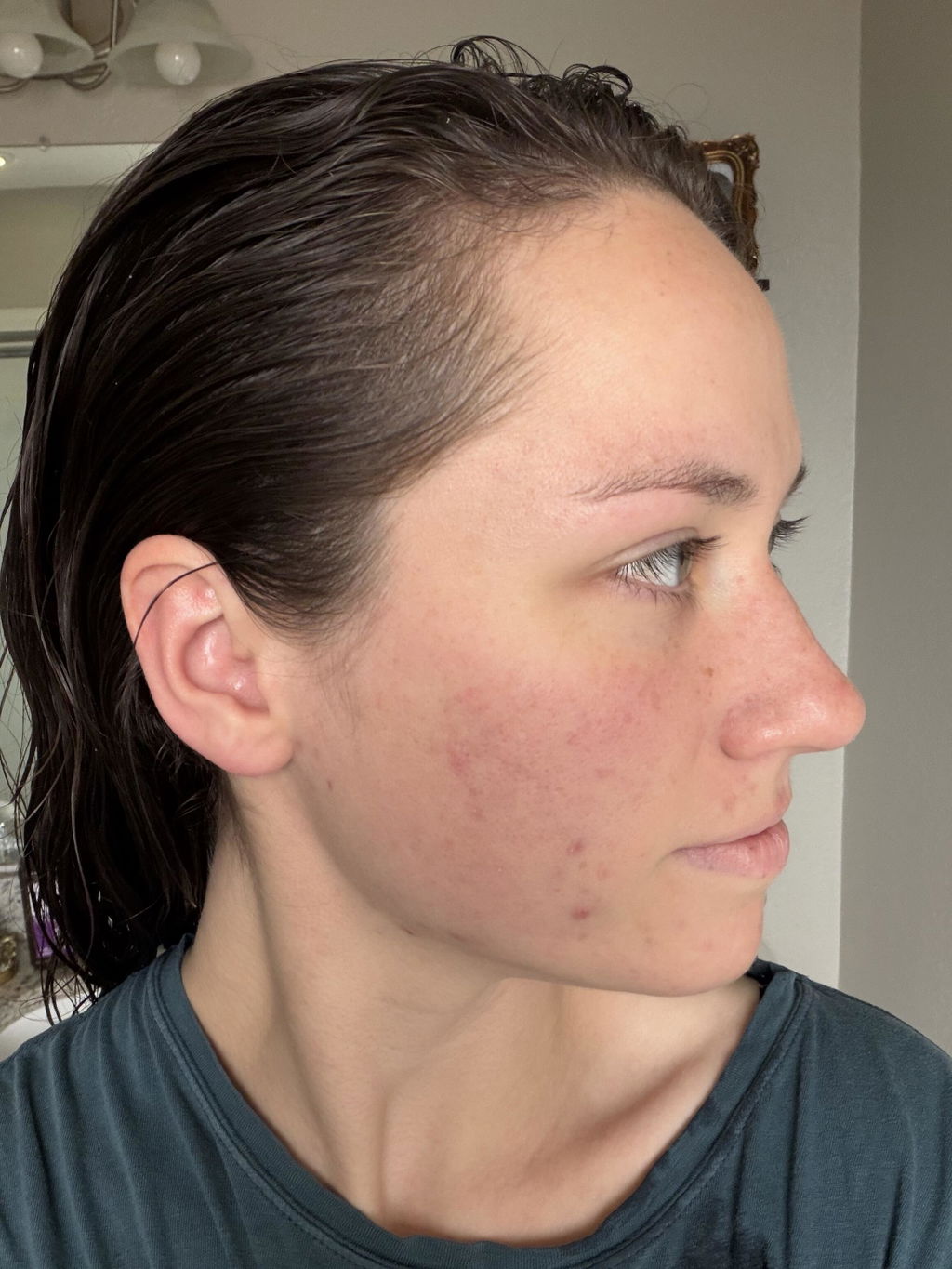
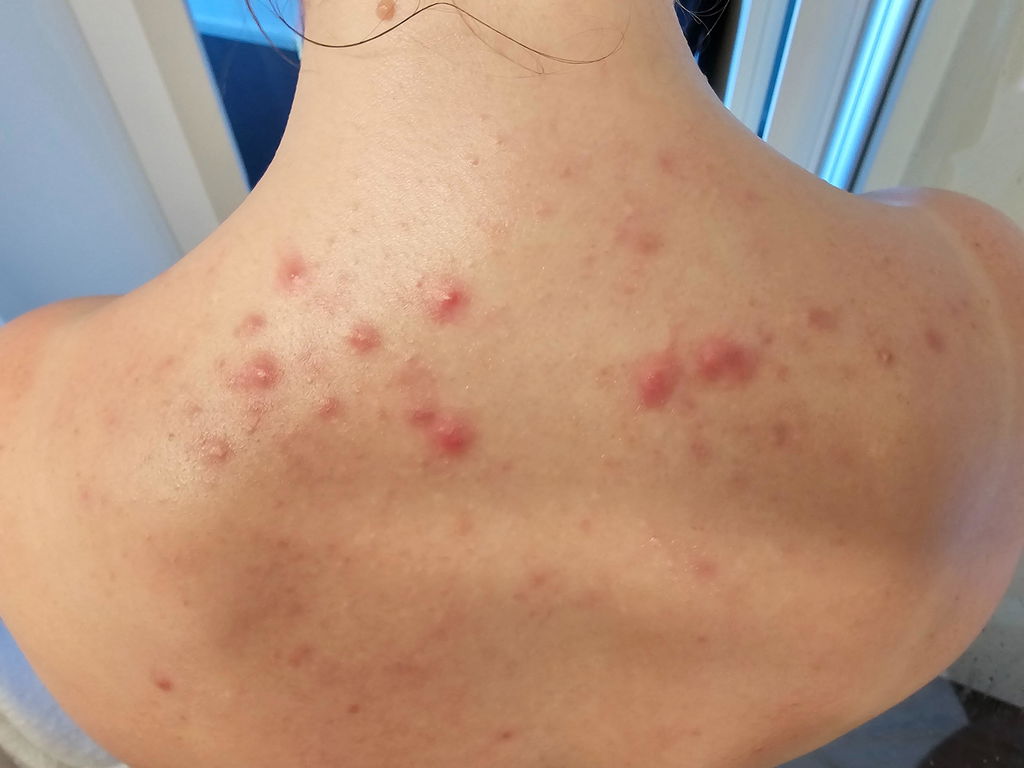
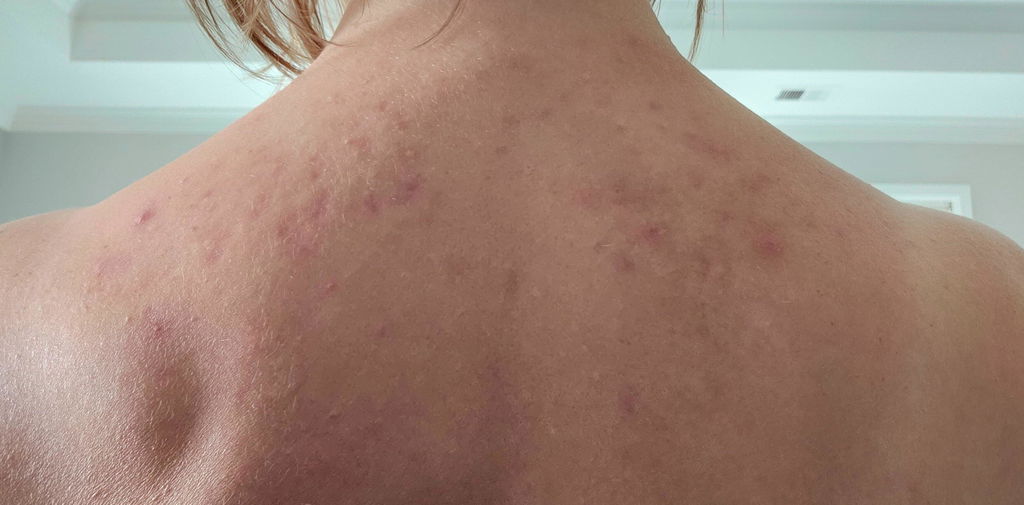
You've tried the benzoyl peroxide. The salicylic acid. The retinol. Maybe even the prescription stuff. And yet those cystic breakouts along your jawline and chin keep coming back, month after month, like they own the place.
Here's what's happening: your gut microbiome controls systemic inflammation via something called the gut-skin axis. When beneficial bacteria like Lactobacillus and Bifidobacterium decline (from stress, antibiotics, processed foods, or sugar), opportunistic bacteria take over and trigger a low-grade inflammatory cascade throughout your entire body.
That inflammation reaches your skin as elevated sebum production, hyperkeratinization of pores, and the perfect breeding ground for C. acnes. A 2021 study in Dermato-Endocrinology found that 54% of acne patients had measurable gut dysbiosis, and that probiotics alone — no topicals — reduced inflammatory acne lesions by 32% in 12 weeks.
No serum in the world can fix a systemic inflammatory signal coming from your gut. If you've been fighting acne topically for more than 3 months without sustained results, the battle is happening in the wrong location.
Starting with a targeted microbiome gut cleanse to clear out the inflammatory backlog is often the first real shift clients notice — not just in their gut, but in their skin's texture within weeks.
———
Warning Sign #2: Eczema Flares After Eating Certain Foods
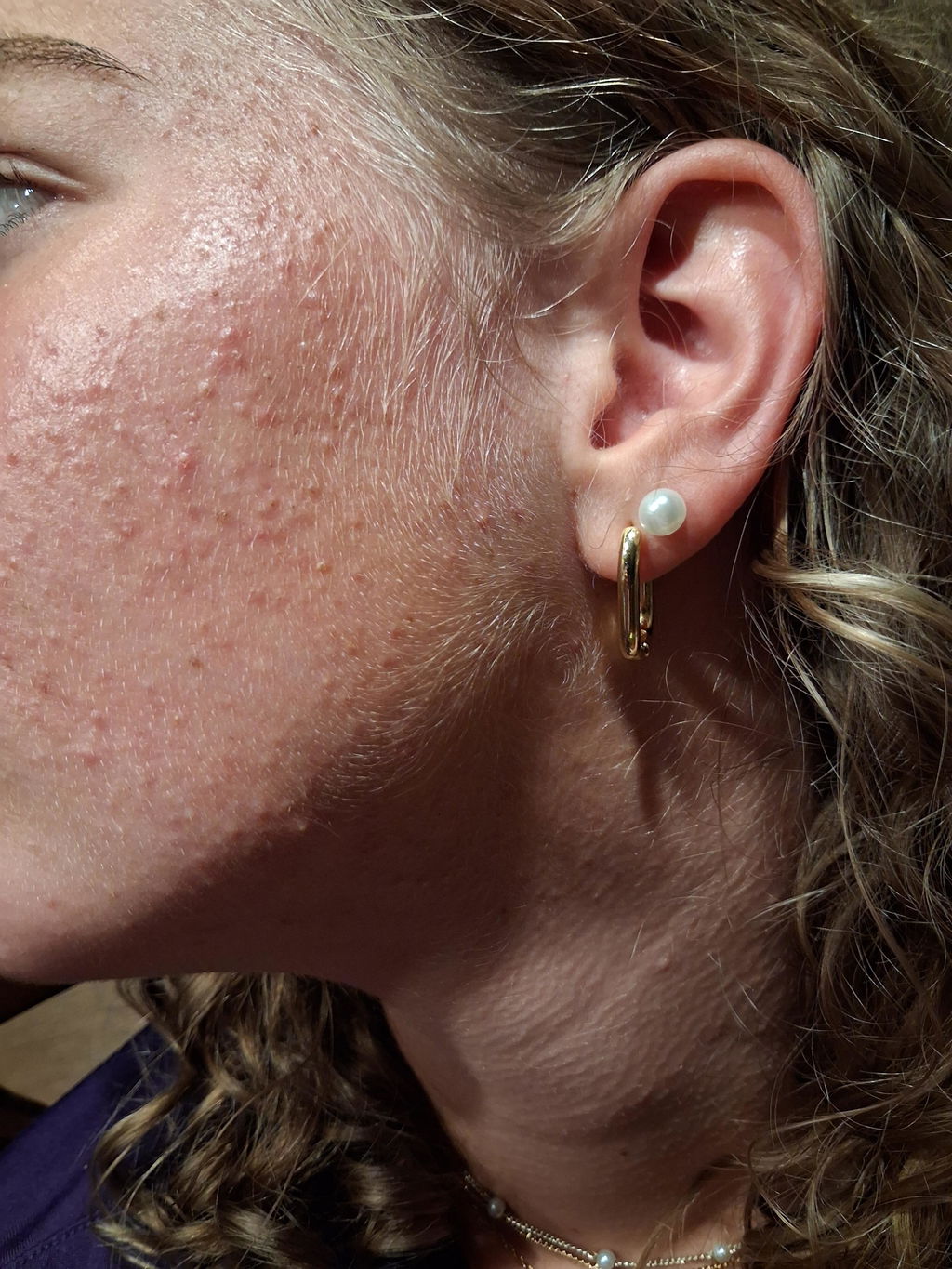
If you notice your skin gets redder, itchier, or more inflamed within hours of eating — particularly after wheat, dairy, or processed sugar — your gut is sending you an urgent message.
The mechanism here involves intestinal permeability, commonly called "leaky gut." When the tight junctions between intestinal cells become compromised (from a disrupted microbiome, chronic stress, or NSAID use), partially digested food proteins escape into the bloodstream. Your immune system, correctly identifying these as foreign invaders, mounts an attack — and that immune response triggers mast cell activation in the skin.
The result? Histamine release, vasodilation, inflammation. In people with a genetic predisposition, this presents as eczema.
Research published in the Journal of Allergy and Clinical Immunology (2022) demonstrated that children with eczema had markedly lower gut microbiome diversity than healthy controls — specifically lower levels of Faecalibacterium prausnitzii, a bacterium known to produce butyrate, a short-chain fatty acid that directly seals intestinal tight junctions.
When the gut wall is compromised, no amount of moisturizer restores what's being destroyed from the inside.
———
Warning Sign #3: Rosacea That Gets Worse Under Stress
Rosacea is often framed as a vascular disorder — and at the surface level, it is. But research increasingly points to the gut-brain-skin axis as its true origin story.
When you're under stress, your body releases cortisol and adrenaline. These hormones directly alter gut motility, reduce secretory IgA (your gut's immune defense), and shift your microbiome composition toward pro-inflammatory species within 24-72 hours of a stressor. The result is increased gut permeability, elevated systemic inflammation, and vasodilatory signals that reach the facial capillaries.
Multiple studies have found a striking connection between rosacea and small intestinal bacterial overgrowth (SIBO). A 2008 trial in Clinical Gastroenterology and Hepatology found that eradicating SIBO led to complete or near-complete remission of rosacea in 96% of participants — results that held at 9-month follow-up. A more recent 2020 meta-analysis confirmed that rosacea patients are significantly more likely to have GI disorders including SIBO, IBD, and Helicobacter pylori infection.
If your rosacea predictably worsens after difficult weeks, your stress response isn't just going to your head — it's going straight to your gut, and your skin is the messenger.
———
Warning Sign #4: Dull, Tired-Looking Skin (Despite a Solid Skincare Routine)
You're using vitamin C. You're sleeping 7-8 hours. You're drinking water. And yet every morning you look in the mirror and think: why do I look so exhausted?
Skin luminosity is directly tied to two things your gut controls: nutrient absorption and oxidative stress levels.
A compromised microbiome reduces your ability to absorb fat-soluble vitamins (A, D, E, K), zinc, iron, and B vitamins — all of which are critical for cellular turnover, collagen synthesis, and antioxidant activity in skin cells. You could be eating a perfect diet and still be functionally deficient if your gut isn't processing it properly.
Additionally, gut dysbiosis drives the production of lipopolysaccharides (LPS) — toxic byproducts from gram-negative bacteria that, when they breach the gut wall, create systemic oxidative stress. This accelerates skin aging at the cellular level, impairs mitochondrial function in keratinocytes, and gives skin that flat, gray, tired appearance that no highlighter can fix.
This is where something like sea moss genuinely earns its reputation — its 92 naturally occurring minerals directly fill the micronutrient gaps that gut dysfunction creates, giving your skin the raw materials it needs from the outside in while you work on restoring the gut from the inside out.
———
Warning Sign #5: Persistent Dark Circles (That Aren't Just Tiredness)
Dark circles caused by fatigue go away after a good night's sleep. The kind I'm talking about don't — they're there every morning, blue-purple or brownish, regardless of how much rest you got.
These persistent dark circles often signal chronic low-grade inflammation and impaired detoxification, both rooted in the gut.
When the liver is under stress from processing inflammatory metabolites produced by a dysbiotic gut, it becomes less efficient at clearing waste products from the blood. The delicate, thin skin under the eyes — which has very little subcutaneous fat — becomes a literal window into your body's inflammatory burden. Pooling of deoxygenated blood and inflammatory pigments (particularly hemoglobin breakdown products) creates that stubborn shadow that concealer barely dents.
A 2019 study in the Journal of Clinical and Aesthetic Dermatology found that subjects with periorbital hyperpigmentation had significantly elevated markers of systemic inflammation compared to controls. Gut health wasn't the stated focus — but every one of the inflammatory markers they measured is directly downstream of gut dysbiosis.
Targeting the source with a comprehensive full detox protocol — one that addresses both gut ecology and hepatic detox pathways — consistently produces results that eye creams simply cannot.
———
Warning Sign #6: Slow Wound Healing and Lingering Post-Acne Marks
A small blemish that should fade in 5 days takes 3 weeks. A minor scratch stays visible for months. Post-inflammatory hyperpigmentation from acne you had last summer is still there.
Slow healing is one of the most direct signals of gut-driven nutrient depletion and immune dysregulation.
Wound healing requires: zinc (for keratinocyte proliferation), vitamin C (for collagen synthesis), vitamin A (for epithelial repair), and a regulated immune response that progresses through inflammation, proliferation, and remodeling phases in an orderly sequence. A compromised gut impairs absorption of all three micronutrients and dysregulates immune signaling — leaving the healing cascade stuck in a chronic inflammatory loop.
Research published in Advances in Wound Care (2021) demonstrated that the gut microbiome plays a direct regulatory role in cutaneous healing through immune modulation and systemic nutrient bioavailability. Subjects with higher microbiome diversity showed measurably faster wound closure times and less post-inflammatory pigmentation.
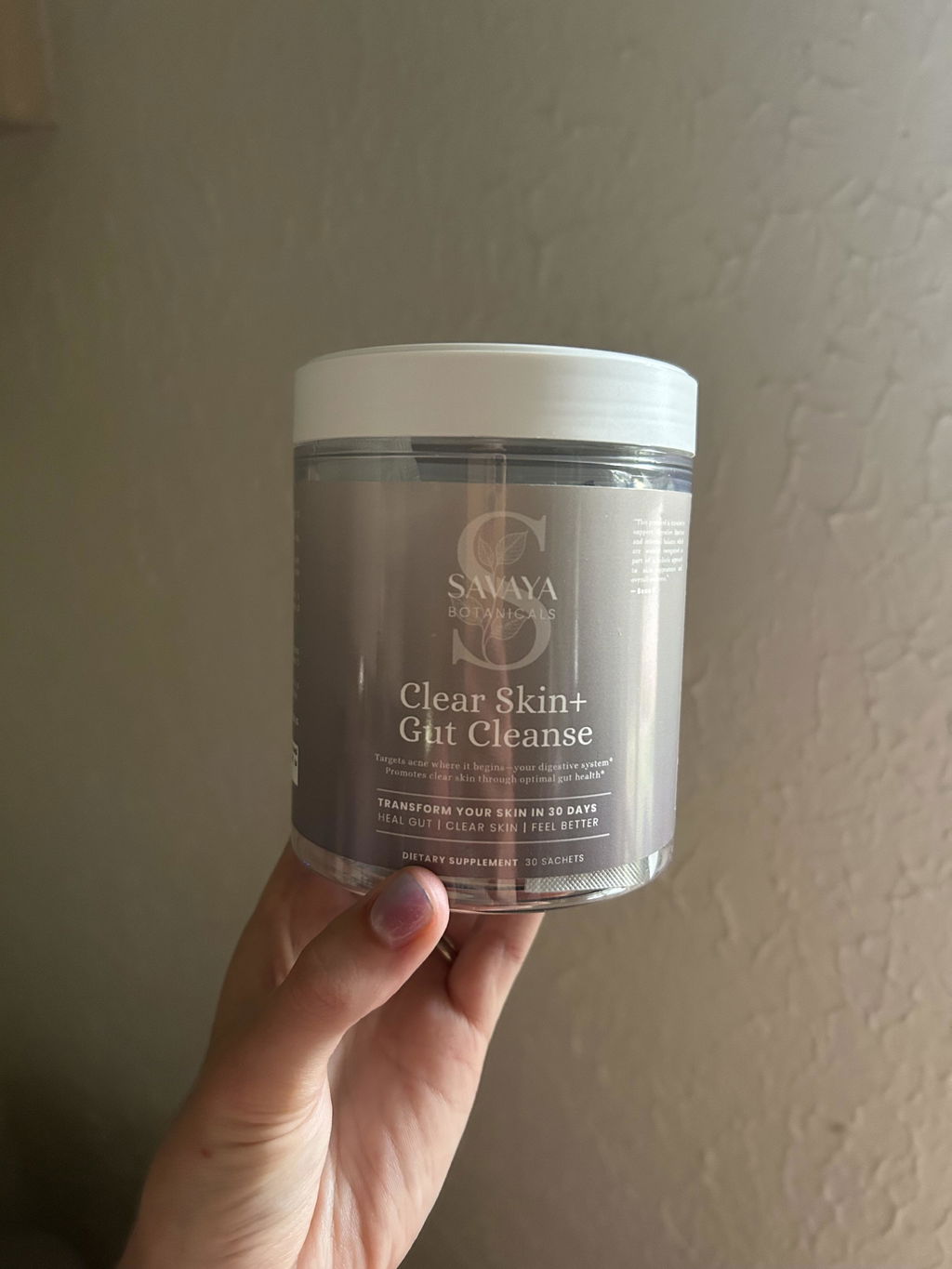
If you're lingering in the hyperpigmentation phase long after a breakout should have resolved, your gut may be rationing healing resources. Clear Skin+ Max Detox is a daily acai blend that helps support a healthy gut environment, which plays a role in your skin's natural repair process.
———
Warning Sign #7: Sudden Sensitivity to Products You Previously Tolerated
You've used the same moisturizer for two years. Then one day, it starts stinging. Or a new product everyone swears by leaves your face red and reactive. Products that should be gentle feel like sandpaper.
This isn't bad luck or seasonal. This is your skin barrier breaking down — and the gut is usually responsible.
The skin barrier is maintained by ceramides, natural moisturizing factors, and a healthy acid mantle. All of these require adequate levels of essential fatty acids, B vitamins, and zinc — nutrients that, as we've established, are poorly absorbed when gut integrity is compromised.
But there's a second mechanism: your gut microbiome is in direct communication with your skin's immune cells (Langerhans cells and mast cells) via cytokine signaling. When gut dysbiosis triggers a systemic Th2 immune shift (the "allergic" immune pathway), skin mast cells become hyperactivated and respond to previously tolerated topical ingredients as if they were threats.
A 2020 paper in Microorganisms showed that skin barrier dysfunction and gut microbiome disruption consistently co-occur, sharing common immune pathways mediated by IL-4, IL-13, and TSLP — the same cytokines implicated in both atopic dermatitis and food allergy.
When clients come to me with sudden widespread product sensitivity, I rarely reach for elimination diets first. I reach for gut restoration — and layer in a barrier-supporting topical like tallow cream, which provides the exact lipid profile the barrier needs while the gut heals underneath. Collagen support alongside it helps rebuild the structural proteins that keep skin resilient during the transition.
———
What To Do If You Recognize More Than 2 of These Signs
First: this is actually good news. It means there's a root cause — and root causes can be addressed.
The path I recommend to clients who come to me with these patterns:
- Clear the inflammatory backlog. Before rebuilding, you need to remove the toxic debris that's been accumulating in your gut. A targeted gut cleanse helps clear this out without stripping beneficial flora.
- Support detox pathways. Your liver processes everything your gut lets through. A comprehensive detox protocol covers both gut ecology and hepatic support.
- Replenish minerals systematically. Gut dysfunction creates nutrient depletion. Sea moss — with its 92 naturally occurring minerals — fills these gaps comprehensively while your gut rebuilds.
- Support your skin barrier topically while the gut heals. This is a critical step most people skip. Using tallow cream nightly gives your barrier the lipids it needs to stay intact during the healing phase, so you don't have to choose between treating the inside and protecting the outside.
The skin is extraordinarily responsive once you stop fighting it from the outside and start supporting it from the inside. Most of my clients see a meaningful shift within 6-8 weeks of addressing gut health seriously — not just in their skin, but in their energy, digestion, and mood as well.
Because none of these systems work in isolation. Your gut knows that, even if the skincare industry hasn't caught up yet.
———
Frequently Asked Questions About the Gut-Skin Connection
Can gut health really cause acne, or is that just a wellness trend?
It's well-supported by peer-reviewed research, not just wellness culture. Studies published in journals including Frontiers in Microbiology, Dermato-Endocrinology, and Gut Microbes have confirmed measurable links between gut microbiome composition and inflammatory skin conditions including acne, eczema, and rosacea. The gut-skin axis is now a recognized area of dermatological research.
How long does it take for gut-healing changes to show in the skin?
In my clinical experience, consistent gut support plays a role in skin clarity and texture over time, since the microbiome and skin barrier both have longer renewal cycles. Clear Skin+ Max Detox, a daily acai-based detox blend, helps support that process.
Which skin conditions are most strongly linked to gut health?
The strongest research connections are with acne vulgaris, atopic dermatitis (eczema), rosacea, and psoriasis. Emerging research also links gut dysbiosis to accelerated skin aging, periorbital hyperpigmentation, and impaired wound healing. Generally, any inflammatory or barrier-related skin condition warrants investigation of gut health.
Does improving gut health mean I have to give up my skincare routine?
Not at all — but you may want to simplify it temporarily. When your skin is reactive and your gut is healing, fewer actives are often better. Focus on a simple barrier-supporting routine (gentle cleanser, mineral SPF, and a restorative moisturizer like tallow cream) while the internal work happens. As gut health improves, your skin will typically tolerate a fuller routine again.
What is the gut-skin axis?
The gut-skin axis refers to the bidirectional communication network between the gastrointestinal tract and the skin, mediated through immune signaling, the nervous system, and shared metabolic pathways. Research shows that changes in gut microbiome composition directly influence skin immune responses, barrier integrity, sebum production, and inflammatory activity — making gut health foundational to skin health.