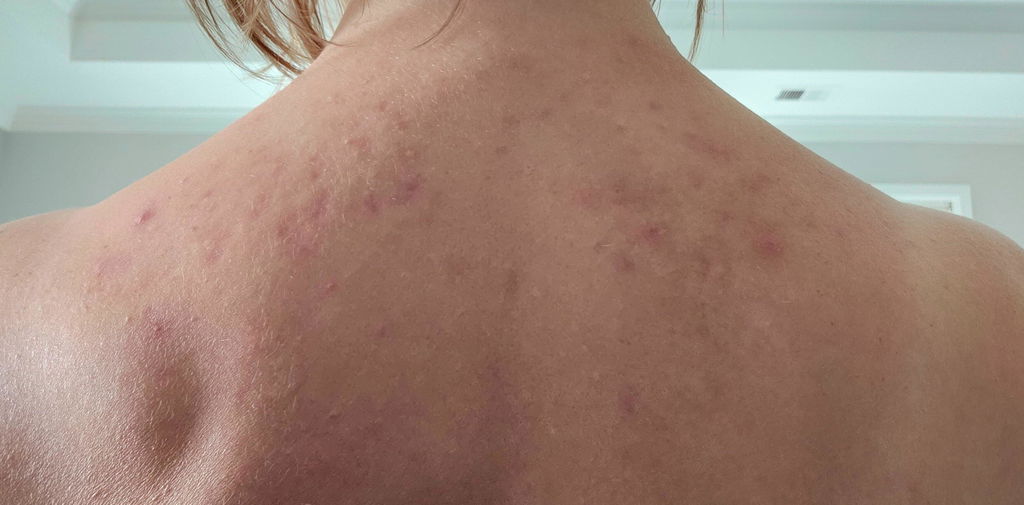
Last Tuesday, a woman in my practice — let's call her Jen — slid her phone across the table and said, "I've spent $2,300 on skincare this year and my skin looks worse than when I started." I looked at her cabinet full of serums and retinols and acids, and I asked her one question that changed everything: "How's your digestion?"
She stared at me like I'd spoken another language.
Here's the thing most dermatologists won't tell you: your skin is a mirror. Not of what you put ON it — but of what's happening deep inside your gut. After twelve years in holistic health, I've watched hundreds of women pour money into topicals while the real problem sat in their intestines, quietly sabotaging every product they tried.
The science is catching up. A 2024 study in Dermatology Practical & Conceptual found that acne patients had 28% higher levels of TMAO — a gut-derived inflammatory metabolite — than people with clear skin. Researchers at Frontiers in Immunology confirmed that people with eczema have significantly less diverse gut microbiomes. And a landmark study in the Journal of the American Academy of Dermatology found that rosacea patients were 13 times more likely to have small intestinal bacterial overgrowth.
Your gut is talking. Your skin is just translating.
Here are seven warning signs that your gut — not your skincare routine — is the real problem.
———
1. Chronic Acne That Won't Respond to Topicals
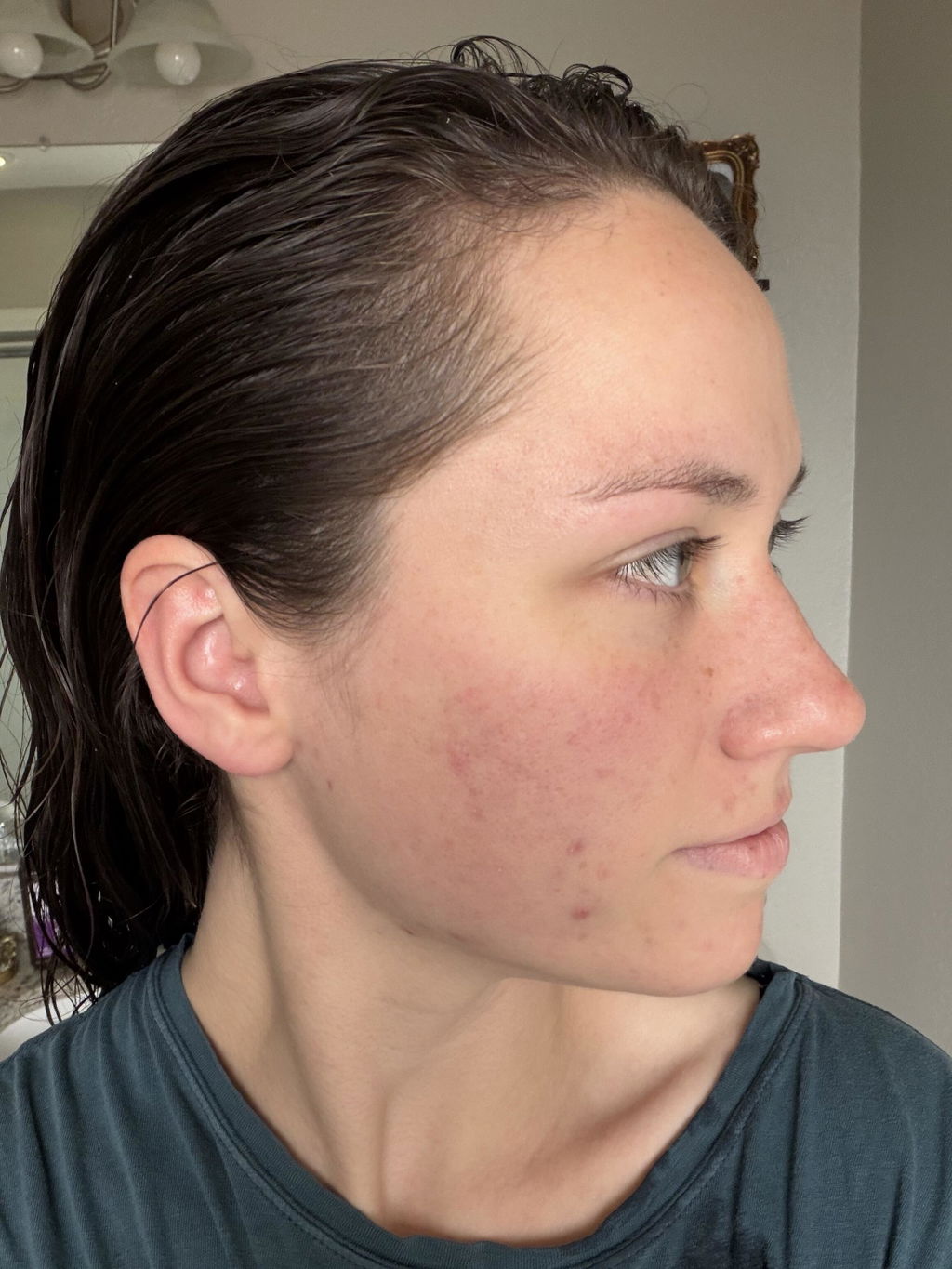
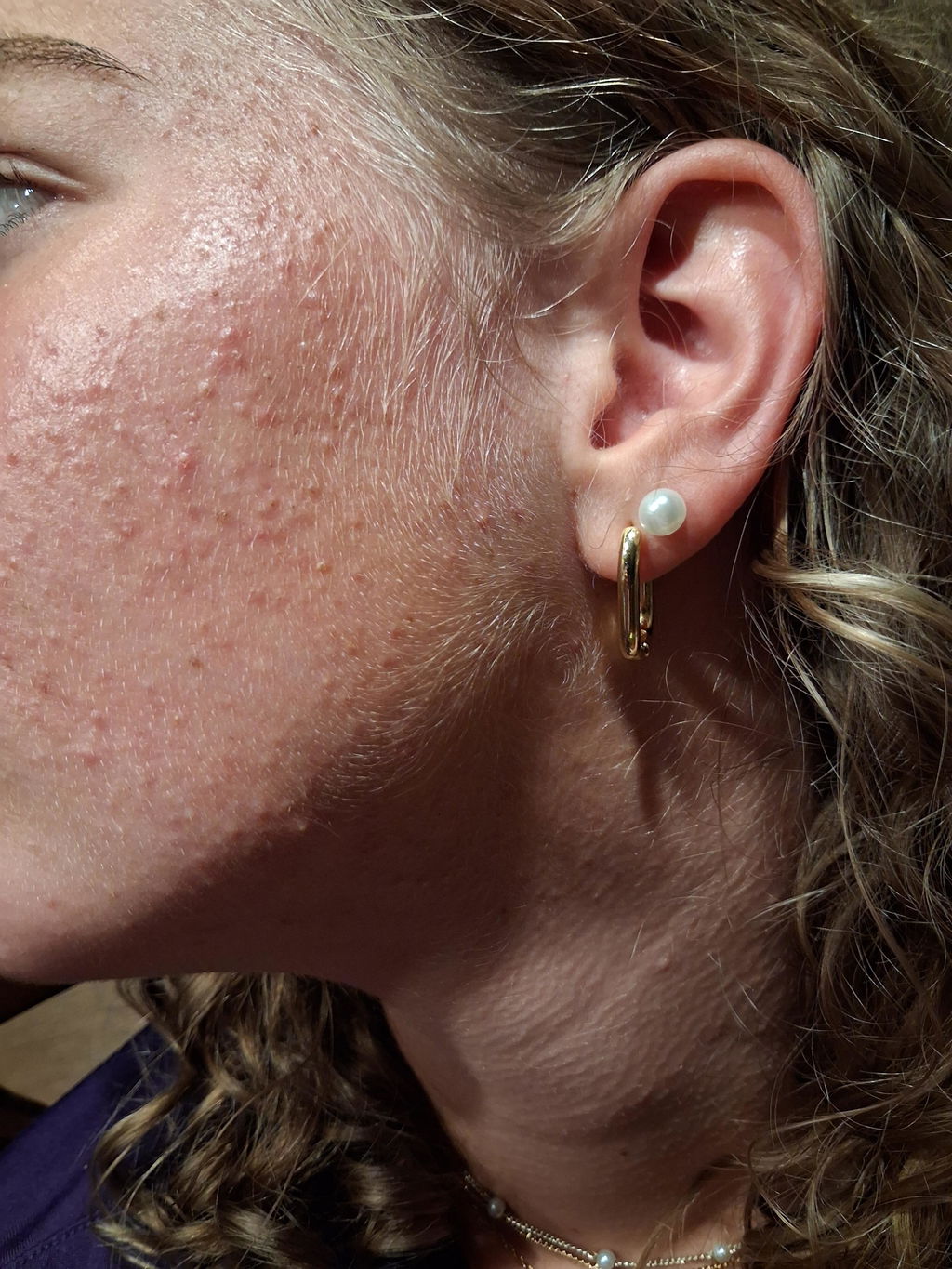
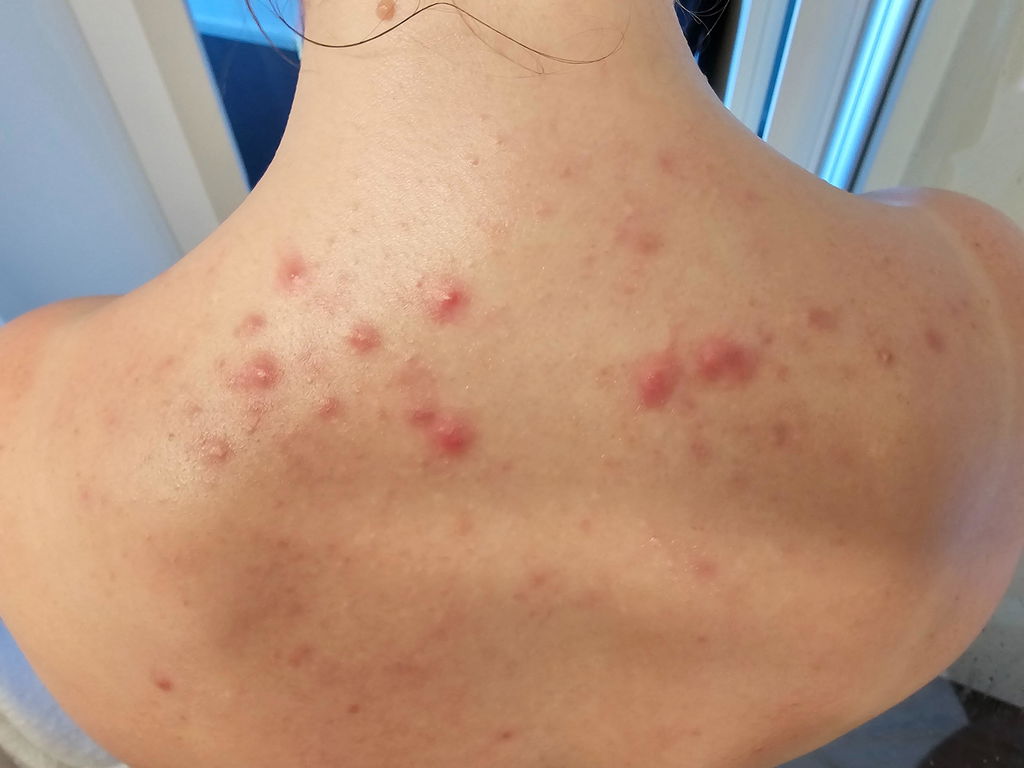
You've tried benzoyl peroxide. Salicylic acid. Retinol. Maybe even prescription antibiotics. The breakouts keep coming back — or they shift location, moving from your chin to your cheeks to your jawline like they're playing a game you can't win.
That's because the fire isn't on your face. It's in your gut.
When your intestinal lining becomes permeable — what functional medicine calls "leaky gut" — lipopolysaccharide endotoxins slip through into your bloodstream. These bacterial fragments trigger a systemic inflammatory cascade that shows up as persistent, treatment-resistant acne. The 2024 study I mentioned earlier measured TMAO (trimethylamine N-oxide), a metabolite produced by gut bacteria, and found it was significantly elevated in acne patients compared to controls.
No serum in the world can outrun inflammation that starts in your intestines. This is why I often suggest starting from the inside — a focused gut cleanse protocol can help rebalance the bacterial environment that's fueling those breakouts in the first place.
2. Eczema Flares That Follow What You Eat
If you've ever noticed your eczema raging after certain meals — dairy, gluten, processed foods, even high-sodium dishes — that's not a coincidence. That's your gut sending a distress signal through your skin.
Research published in Scientific Reports (2025) found that people with atopic dermatitis had significantly higher concentrations of leaky gut biomarkers — including Reg3A, IL-10, and I-FABP — and that these markers correlated directly with disease severity. A separate 2024 study found that just one extra gram of sodium per day increased the risk of severe eczema by 11%.
The mechanism? When your gut barrier is compromised, undigested food particles and toxins cross into your bloodstream. Your immune system treats them as invaders, mounting an inflammatory response that manifests on your skin. Meanwhile, reduced production of short-chain fatty acids — especially butyrate, which gut bacteria create from dietary fiber — weakens both your intestinal wall and your skin barrier simultaneously.
The connection is direct, measurable, and reversible.
3. Rosacea That Gets Worse Under Stress
Rosacea has always been treated as a skin-only condition. Topical creams. Laser treatments. Avoiding triggers. But the most striking research I've seen in years comes from the gut.
Dr. Parodi and colleagues found that 46% of rosacea patients had small intestinal bacterial overgrowth (SIBO) — and when they treated the SIBO, the skin lesions regressed in nearly all patients. Even more remarkable: at the three-year follow-up, the majority remained symptom-free.
Stress makes this worse through a vicious loop. Chronic stress slows gut motility, allowing bacteria to overgrow in the small intestine. Those bacteria produce inflammatory compounds that cross into your bloodstream and trigger facial flushing and papules. More stress, more bacterial overgrowth, more rosacea. It's a cycle that no amount of green-tinted concealer can fix.
Addressing the root — clearing bacterial overgrowth and supporting gut integrity — is where real progress begins. A comprehensive approach like the Max Detox protocol targets this kind of deep internal reset.
4. Dull, Tired Skin Despite an Impeccable Skincare Routine
This is the one that breaks my heart most. Women who do everything "right" — double cleanse, vitamin C serum, SPF 50, weekly masks — and still look exhausted.
A 2024 review in MDPI Nutrients described it perfectly: when your gut is dysbiotic, it transforms from a "gateway of nourishment" into a "gatekeeper of malabsorption." Your gut bacteria are supposed to break down food into bioavailable vitamins and minerals — vitamin A for cell turnover, vitamin C for collagen synthesis, zinc for repair, essential fatty acids for moisture. When the microbiome is off, you can eat a perfect diet and still be nutritionally starved at the cellular level.
Your skin cells are hungry. Your $90 hyaluronic acid can't feed them.
This is exactly why mineral-dense whole foods matter so much for skin radiance. Sea moss, for instance, delivers 92 of the 102 minerals your body needs in a form your gut can actually absorb — it's the kind of foundational nutrition that gives your skin something real to work with.
5. Dark Circles That No Eye Cream Can Touch
Dark circles are one of those symptoms everyone attributes to lack of sleep. And sure, sleep matters. But I see plenty of well-rested women with deep purple shadows that no concealer fully covers.
The gut connection here runs through two pathways. First, histamine: certain gut bacteria produce excess histamine, which causes blood vessels — including the delicate capillaries under your eyes — to dilate and become more visible through the thin periorbital skin. Second, chronic low-grade gut inflammation elevates systemic inflammatory markers that cause fluid retention and vascular changes around the eyes.
Research exploring the gut-eye axis (PMC, 2023) is beginning to map these connections with the same rigor as the established gut-skin axis. The under-eye area is simply one of the first places systemic inflammation becomes visible — the skin there is less than half a millimeter thick.
When clients address their gut inflammation, the dark circles are often one of the first things to improve. It's subtle at first — maybe week two or three — but unmistakable.
6. Cuts, Blemishes, and Marks That Take Forever to Heal
A pimple that lingers for weeks. A small scratch that stays pink for months. Post-inflammatory hyperpigmentation that refuses to fade. If your skin seems to heal in slow motion, your gut might be the bottleneck.
A comprehensive 2024 review in Burns Trauma detailed how the gut microbiome directly influences wound repair through immune regulation. Your gut bacteria modulate the inflammatory and proliferative phases of healing — when the microbiome is disrupted, these phases stall. Meanwhile, research in Nature Communications (2024) revealed that the relationship is bidirectional: skin wounds actually alter gut bacteria composition, which can further delay healing.
Oral probiotics have been shown to accelerate wound healing by improving nutrient absorption, regulating immune function, and reducing systemic inflammation. Specific strains like Lacticaseibacillus casei and Bifidobacterium have been linked to faster tissue repair in clinical settings.
For stubborn marks and slow-healing skin, supporting recovery from both inside and outside makes a difference. Internally, an acai-based detox blend can help support your body from within. Externally, a nutrient-rich tallow cream can nourish the skin barrier with biocompatible fats while your gut does the deeper repair work.
7. Your Skin Suddenly Reacts to Products It Used to Tolerate
This is the warning sign that scares people the most. A moisturizer you've used for years suddenly causes stinging. A gentle cleanser makes you red. Your skin seems to reject everything — and you start wondering if you've developed allergies overnight.
You probably haven't. What's more likely: your gut barrier has weakened, and it's dragging your skin barrier down with it.
A 2024 study in Frontiers in Allergy examined how intestinal permeability and food antigens interact with immune hypersensitivity. When the gut barrier breaks down, your immune system becomes hypervigilant — primed to react to substances it would normally ignore. This systemic immune dysregulation extends to the skin, lowering its tolerance threshold for topical products.
Research published in Gut Microbes (2025) described this as a bi-directional, microbiota-driven relationship: gut dysbiosis activates signaling pathways that disrupt tissue homeostasis at the skin site, creating what's essentially an overreactive immune state that makes your skin sensitive to things that never bothered it before.
The solution isn't fewer products. It's rebuilding the gut barrier so your immune system can calm down — and your skin can tolerate normal life again.
———
The Pattern No One Talks About
Here's what I want you to notice: every single one of these seven signs traces back to the same root — a compromised gut barrier, an imbalanced microbiome, or both. Different symptoms, same origin.
That's why treating each symptom separately — acne cream here, eczema ointment there, rosacea gel on top — never produces lasting results. You're treating the translation, not the message.
The women I've worked with who finally see lasting change are the ones who flip the script. They stop chasing symptoms on the surface and start rebuilding from the inside. They focus on gut integrity, microbial diversity, mineral nutrition, and reducing the inflammatory load that's been silently wrecking their skin for years.
It's not glamorous. Nobody's posting "day 4 of my gut cleanse" on Instagram with the same enthusiasm as a new serum unboxing. But at week six, when their skin starts glowing without filters — that's when they understand.
Where to Start
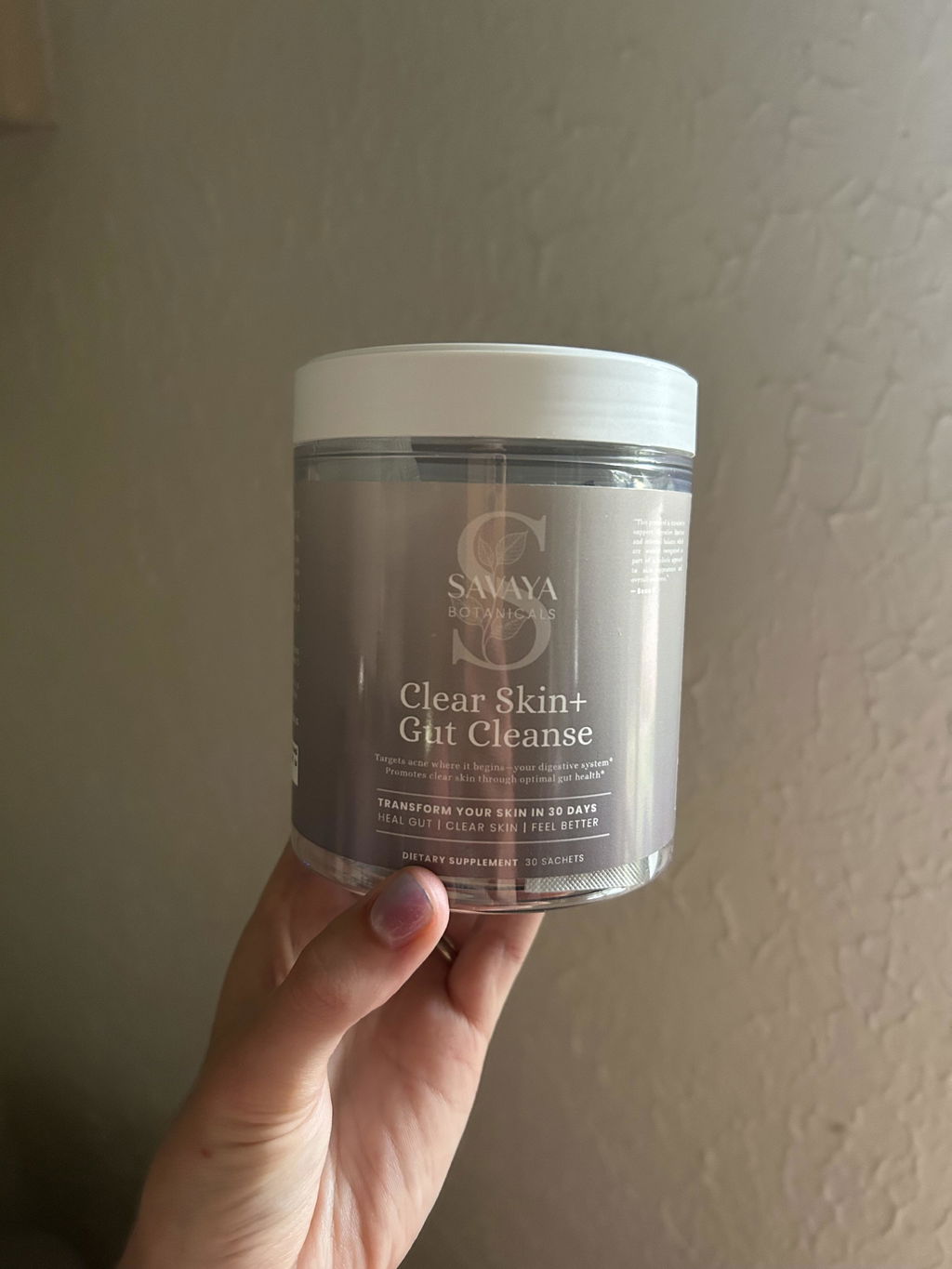
If you recognized yourself in three or more of these signs, your gut is almost certainly involved. The approach I recommend focuses on supporting your gut from the inside out. Clear Skin+ Max Detox is an acai-based blend that helps support gut health and replenishes minerals, and can be paired with collagen support for the gut-skin axis.
You don't need another serum. You need to listen to what your skin has been trying to tell you.
———
Frequently Asked Questions
Can gut health really affect your skin?
Yes — and the research is substantial. The gut-skin axis is a well-documented bidirectional communication pathway. Studies published in journals like the Journal of the American Academy of Dermatology, Frontiers in Immunology, and Nature Communications have confirmed that gut dysbiosis, intestinal permeability, and microbial imbalances directly influence skin conditions including acne, eczema, rosacea, and premature aging. When gut bacteria are out of balance, they produce inflammatory metabolites that travel through the bloodstream and trigger skin symptoms.
How long does it take to see skin improvements after healing your gut?
Most people notice initial changes within 2-4 weeks — often starting with reduced puffiness, brighter complexion, and fewer new breakouts. More significant improvements like clearing of chronic acne, reduced eczema flares, and fading of dark circles typically appear between weeks 6-12. The gut lining regenerates roughly every 3-4 weeks, so a full gut-healing protocol usually takes 8-12 weeks to produce lasting skin results.
What foods cause the worst skin problems through the gut?
The biggest offenders are highly processed foods, refined sugar, excess dairy (especially conventional milk), alcohol, and high-sodium packaged foods. Research shows that extra sodium alone increases eczema risk by 11% per gram. These foods disrupt gut bacteria balance, increase intestinal permeability, and reduce production of beneficial short-chain fatty acids that protect both your gut lining and your skin barrier.
Why does stress make my skin break out?
Stress directly affects your gut through the gut-brain-skin axis. Chronic stress slows gut motility, promotes bacterial overgrowth (SIBO), and increases intestinal permeability. Studies show rosacea patients with SIBO were 13 times more likely to have the condition than controls. Stress hormones like cortisol also alter gut bacteria composition and weaken the intestinal barrier, allowing inflammatory compounds to reach your skin through the bloodstream.
Is the gut-skin connection the same as the gut-brain connection?
They're closely related. The gut-brain axis and gut-skin axis share many of the same communication pathways — including the immune system, the vagus nerve, and microbial metabolites like short-chain fatty acids. In fact, researchers now refer to the "gut-brain-skin axis" as a single interconnected system. Emotional stress affects the gut, which affects the skin, which affects self-image, which increases stress — creating a cycle that can only be broken by addressing gut health as the central hub.