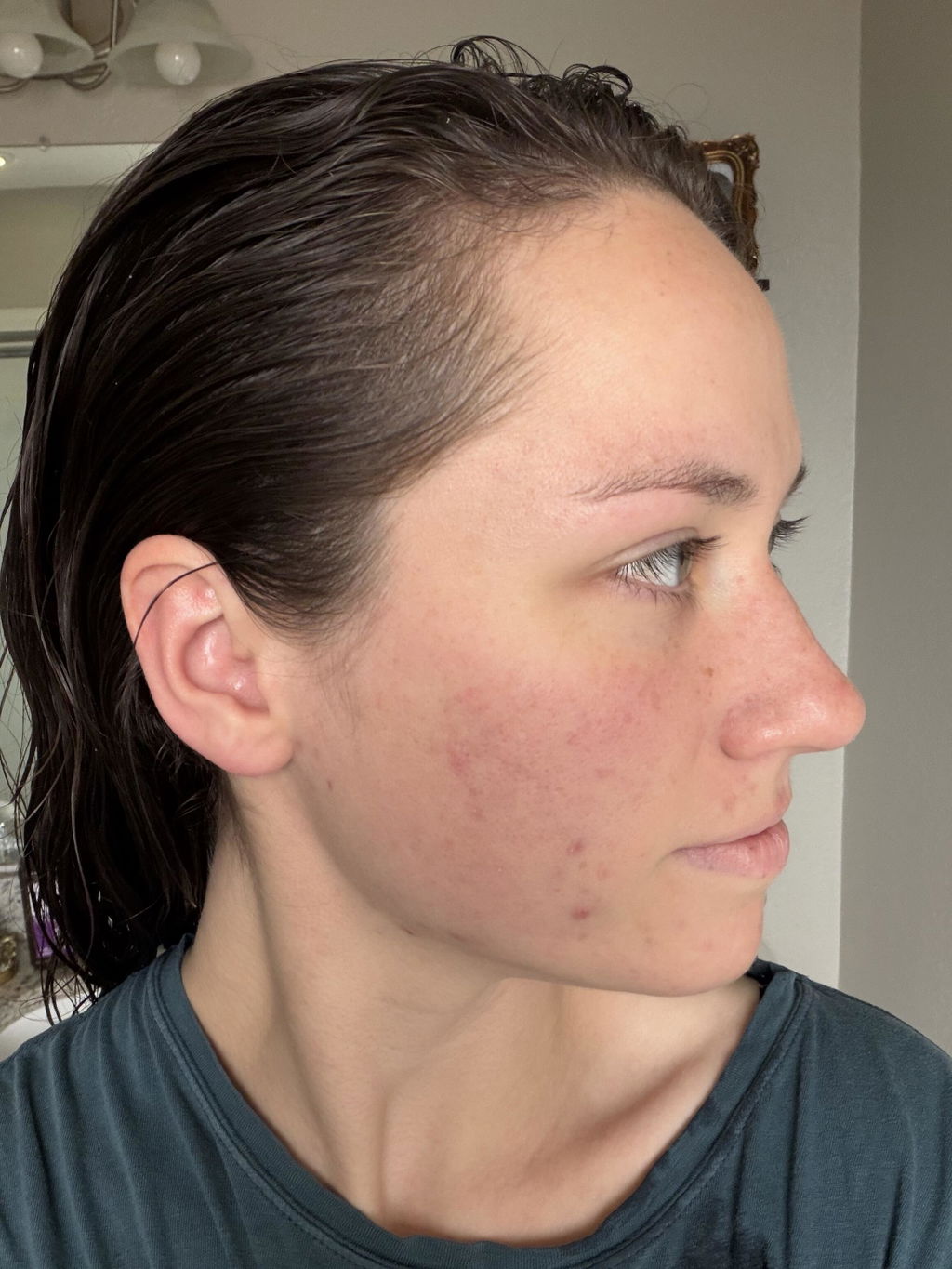
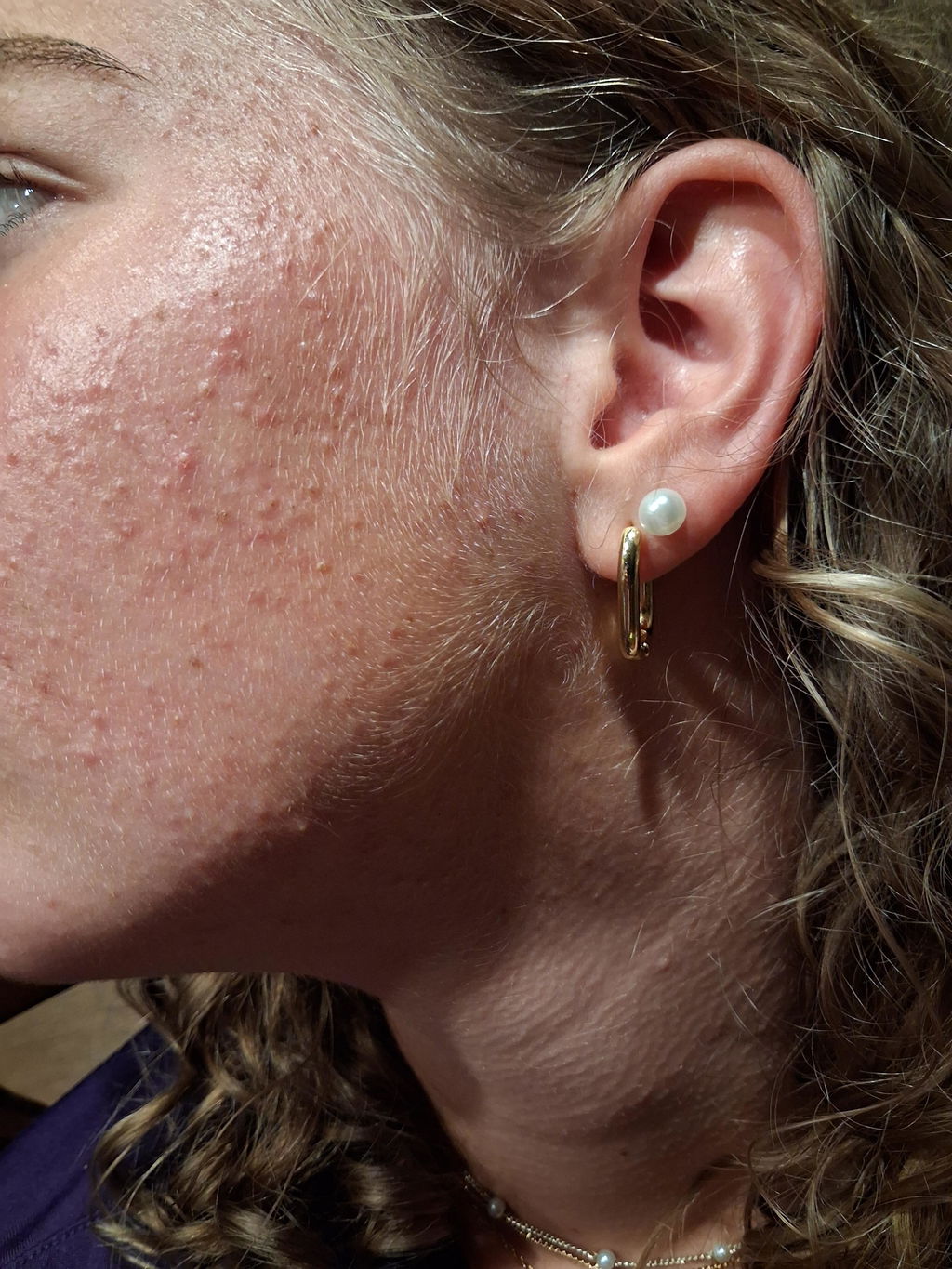
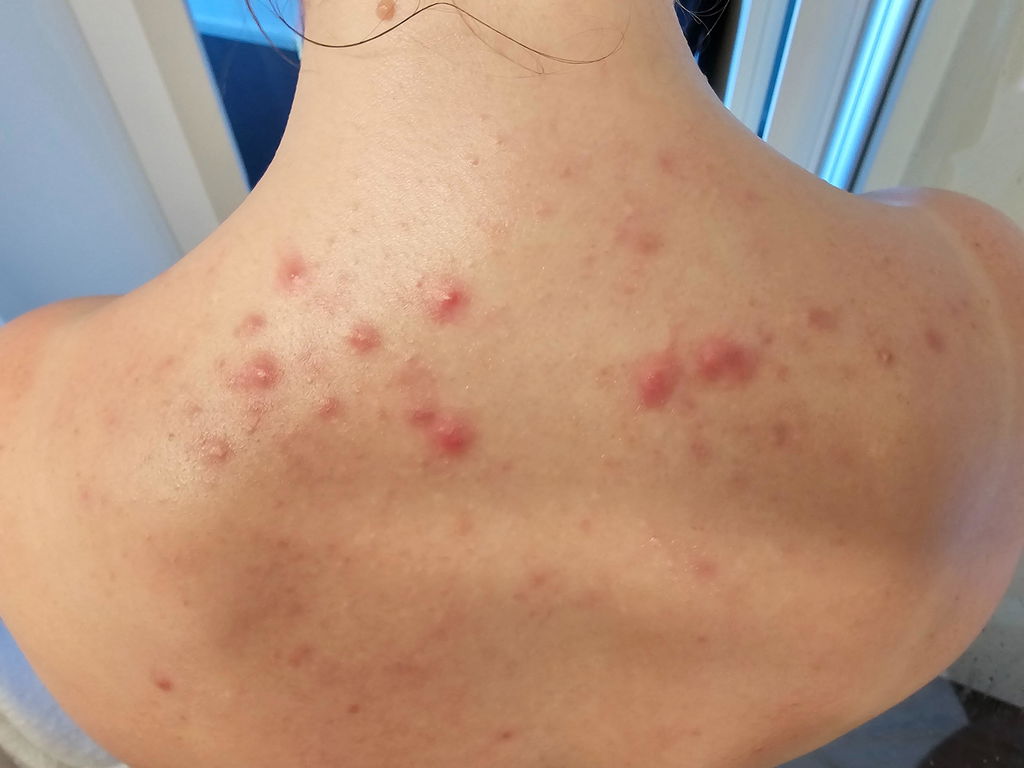
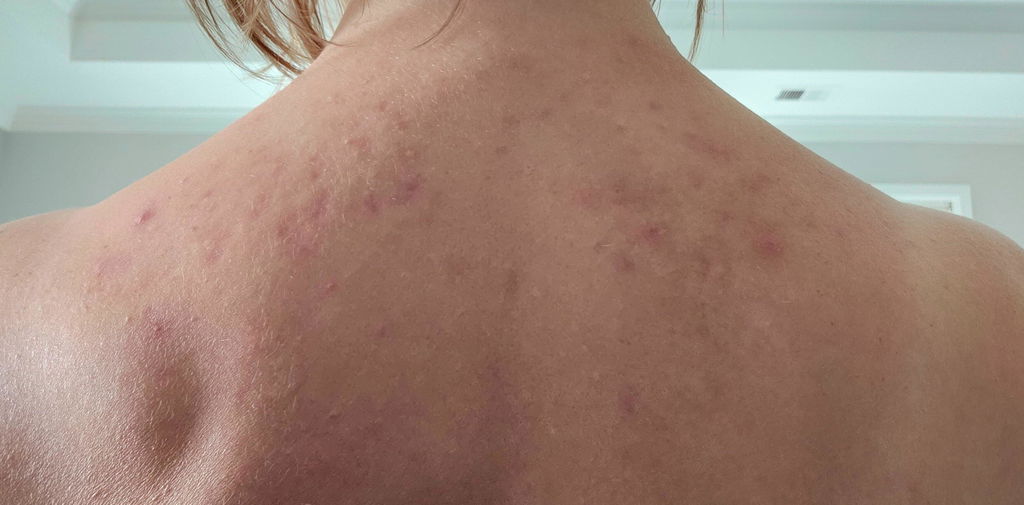
My dermatologist told me my acne was "just hormonal." Three months and four hundred eighty dollars of prescriptions later, my skin was worse and my anxiety was sky-high. Then a functional medicine practitioner asked me one question that flipped everything: "How are you sleeping, and how's your digestion?"
That question opened a door. On the other side was a body of research most dermatologists never mention — the gut-brain-skin axis. It explains why your skin breaks out three days after a hard meeting, why exam season covered your face in cysts, and why no topical retinoid can fix a problem that started in your nervous system.
If you've been treating your acne from the outside for years and getting nowhere, this is the conversation nobody had with you.
Your Skin Isn't a Surface Problem
Skin is not a wall. It's a permeable, responsive organ wired directly to your central nervous system through millions of cutaneous nerve fibers. Every emotion you feel, every cortisol spike, every poor night of sleep — your skin gets the memo. Acne, in particular, is one of the loudest signals your body uses to say "something upstream is broken."
Modern research, including a landmark paper in Frontiers in Microbiology, has confirmed what holistic practitioners suspected for decades: the gut, brain, and skin are in constant biochemical conversation. Disrupt one, and the others start screaming.
The Cortisol-Gut-Acne Pathway: How Stress Literally Becomes a Pimple
Here's the cascade nobody on social media explains correctly:
- Stress activates the HPA axis. Your hypothalamus signals your pituitary, which tells your adrenals to release cortisol.
- Cortisol opens your gut lining. Within hours, elevated cortisol weakens the tight junction proteins — zonulin in particular — that hold your intestinal cells together.
- The gut becomes permeable. Endotoxins (lipopolysaccharides, or LPS) from bacteria that should stay inside the gut start leaking into your bloodstream.
- Systemic inflammation kicks in. Your immune system reads LPS as an invader and floods your body with inflammatory cytokines — TNF-alpha, IL-6, and IL-1β.
- Sebaceous glands respond. Cortisol and inflammatory cytokines hijack your sebocytes, ramping up oil production and triggering hyperkeratinization, the clogged-pore mechanism behind every breakout.
- C. acnes bacteria thrive. With more oil and a weaker localized immune response, the bacteria associated with acne explode in population.
This is why a single tough week can trigger a breakout that lasts a month. The acne you see on day twelve was set in motion by a cortisol spike on day one.
The Vagus Nerve — Your Built-In Skin Calmer
The vagus nerve is the longest cranial nerve in your body, and it's the master regulator of the gut-brain-skin axis. About eighty percent of its fibers are afferent — they carry information from your gut up to your brain, not the other way around. Your gut is, biochemically speaking, doing most of the talking.
When your vagal tone is high (measured by heart rate variability, or HRV), your parasympathetic nervous system dominates. Digestion runs smoothly. Your gut barrier stays sealed. Inflammation stays low. Skin stays clear.
When vagal tone collapses — chronic stress, poor sleep, too much caffeine, scrolling at one in the morning — your sympathetic system takes over. Digestion slows. The intestinal barrier loosens. Inflammation rises. Acne follows.
Improving vagal tone is one of the highest-leverage things you can do for your skin, and it costs exactly zero dollars.
What the Research Actually Shows About Stress-Induced Acne
A 2017 study in Acta Dermato-Venereologica followed 144 students through final exam season. Acne severity tracked almost perfectly with self-reported stress levels — not with diet changes, not with hygiene changes. The skin worsened in lockstep with the cortisol curve.
A landmark paper by Stanford dermatologist Whitney Bowe, published in Gut Pathogens, reviewed seventy years of evidence linking gut dysbiosis to acne. Patients with acne were significantly more likely to show small intestinal bacterial overgrowth (SIBO) and depleted levels of beneficial Lactobacillus and Bifidobacterium species.
Another trial in Beneficial Microbes found that probiotics combined with stress reduction reduced acne lesions by up to forty percent over twelve weeks — without a single topical treatment.
Translation: when you fix the gut and calm the nervous system, the skin follows. Every time.
———
The Practices That Actually Lower Cortisol and Clear Skin
I want to be honest with you. "Reduce stress" is the most useless advice in wellness. You can't will your nervous system into calm. You have to send it physical signals that say "you are safe."
Here are the practices that have changed my skin and my clients' skin — each one backed by real neuroscience, not Instagram folklore.
Cold Exposure (Ninety Seconds, Daily)
A 30-to-90 second cold finish at the end of your normal shower triggers a massive vagus nerve response. Research from Dr. Andrew Huberman's lab at Stanford shows cold exposure increases dopamine by 250 percent — sustained for hours, unlike caffeine — and trains your nervous system to enter and exit stress states quickly. The people I work with who do this consistently report fewer breakouts within four to six weeks. The cold isn't the point. The recovery from the cold is the point.
Physiological Sigh Breathing (Five Minutes, Twice Daily)
The single most powerful breath pattern for vagal tone is the physiological sigh: two short inhales through the nose, one long exhale through the mouth. Two minutes of this drops cortisol measurably. I do it in the morning before coffee and at night before bed. Clients who add this to their routine see calmer skin within three weeks. No app, no equipment, no excuse.
Sleep Hygiene — The Non-Negotiable One
Cortisol should peak around 7 a.m. and bottom out at midnight. Blue light, late meals, and 11 p.m. doom-scrolling flatten that curve. Cortisol stays elevated all night. Your gut barrier never gets to repair — most of its repair work happens between 11 p.m. and 3 a.m. — and you wake up with a brand new pimple.
The fix is brutally simple:
- No screens sixty minutes before bed
- Blackout curtains, room at 65°F
- Last meal three hours before sleep
- Magnesium glycinate at dinner
- Ten minutes of morning sunlight to anchor your circadian rhythm
This alone outperforms most acne supplements in real-world results. And it's free.
Targeted Gut Support From the Inside Out
You can do all the breathwork in the world, but if your gut is colonized by the wrong bacteria, the inflammation never fully resolves. This is where I lean on a few specific tools.
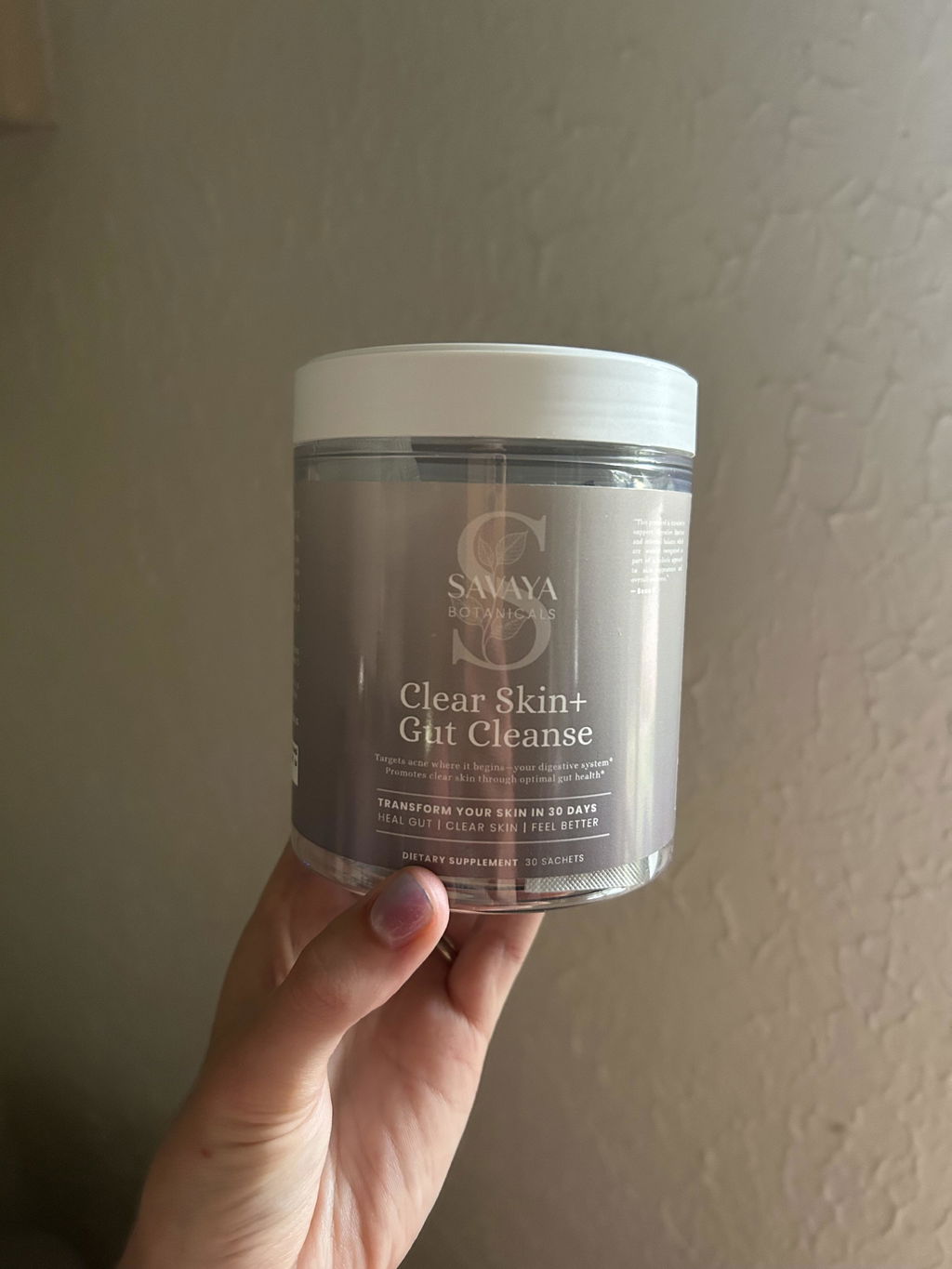
A short-course microbiome reset clears bacterial overgrowth and gives the gut barrier a real chance to heal. For deeper cases — especially if you've been on multiple rounds of antibiotics or long-term birth control — a full detox protocol addresses the liver-gut-skin loop together, which is usually the missing piece for people who have tried everything else.
I also drink sea moss every morning. It's one of the only foods on earth that contains 92 of the 102 minerals your body actually needs, and its soluble fiber feeds the exact bacteria that produce short-chain fatty acids — the molecules that physically seal the gut lining from the inside. It's not a miracle. It's a deeply nourishing baseline that most people are missing entirely.
For skin barrier support from within, collagen strips deliver the amino acids glycine and proline that your gut and skin both need to rebuild. Glycine in particular is calming to the nervous system — a small but real assist for vagal tone.
How Long Until You See Real Results?
This is the question everyone asks, so here's the honest timeline I share with my clients.
- Week 1-2: You'll feel calmer. Sleep deepens. Digestion improves. Skin still looks the same.
- Week 3-4: Existing breakouts heal faster. Fewer new ones forming.
- Week 6-8: Skin tone evens. Inflammation visibly reduces. Texture softens.
- Week 10-12: You stop reacting to stress with breakouts. This is the real win.
This is why I start my mornings with Clear Skin+ Max Detox, a daily acai blend that supports the process. Not because skin is slow, but because nervous systems take time to recalibrate. You're undoing years of dysregulation, and that takes patience.
What I Wish My Dermatologist Had Told Me
The skin is the slowest organ to show damage and the slowest to show repair. By the time acne appears on your face, the imbalance has been brewing for weeks inside. By the time it disappears, you've been doing the right things for weeks.
If you've been treating acne from the outside and nothing is working, the problem is almost never your face. It's the conversation between your brain, your gut, and your stress response. Fix that conversation, and the skin follows. Always.
———
Where to Start
If you're ready to stop chasing topicals and start treating the root, the Microbiome Gut Cleanse is where I tell every new client to begin. It's a gentle but effective reset that calms inflammation at the source — exactly where stress damage starts.
Pair it with a jar of tallow cream at night to nourish and seal the skin barrier from the outside, and you've got both ends of the axis covered while your nervous system catches up.
Your skin is trying to tell you something. The question is whether you're listening to the surface — or to the message underneath.
Frequently Asked Questions
Can stress really cause acne even if I eat clean?
Yes. Cortisol opens the gut lining regardless of what you eat. You can eat organic, avoid sugar, and still leak inflammation into your bloodstream if your nervous system is dysregulated. Diet matters, but it cannot out-clean a chronic fight-or-flight response. The nervous system has to be addressed alongside the food, not after it.
How do I know if my acne is gut-related or purely hormonal?
Gut-driven acne is usually inflammatory — red, painful, deeper cysts — and tends to cluster along the chin, jawline, and cheeks. It worsens with stress and improves with sleep. Pure hormonal acne tracks the menstrual cycle precisely. Most acne is actually both, and addressing the gut helps either way because it lowers the systemic inflammation that hormones amplify.
What's the fastest way to improve vagal tone naturally?
Cold exposure is the fastest. A 60-to-90 second cold finish to your shower, done daily, will measurably shift HRV within two to three weeks. Breathwork — specifically the physiological sigh — is a close second and entirely free. Stack both for compounding results. Sleep is the foundation underneath them both, so don't skip that.
Do probiotics actually clear acne, or is that a myth?
Probiotics alone are inconsistent. Probiotics paired with prebiotic fiber, real stress reduction, and a cleaner gut environment — that protocol works. Think of it like tending a garden: you can't just throw seeds (probiotics) onto hard, depleted soil. You have to prepare the soil first (gut cleanse) and water it daily (fiber, hydration, low stress).
Can I do this without buying any supplements?
Yes. You can dramatically improve your skin with just sleep, cold exposure, breathwork, fiber-rich whole foods, and consistent stress reduction. Supplements accelerate the process and fill nutritional gaps, but they are never the foundation. The foundation is your nervous system. Build that first, then layer in targeted support where it actually moves the needle.