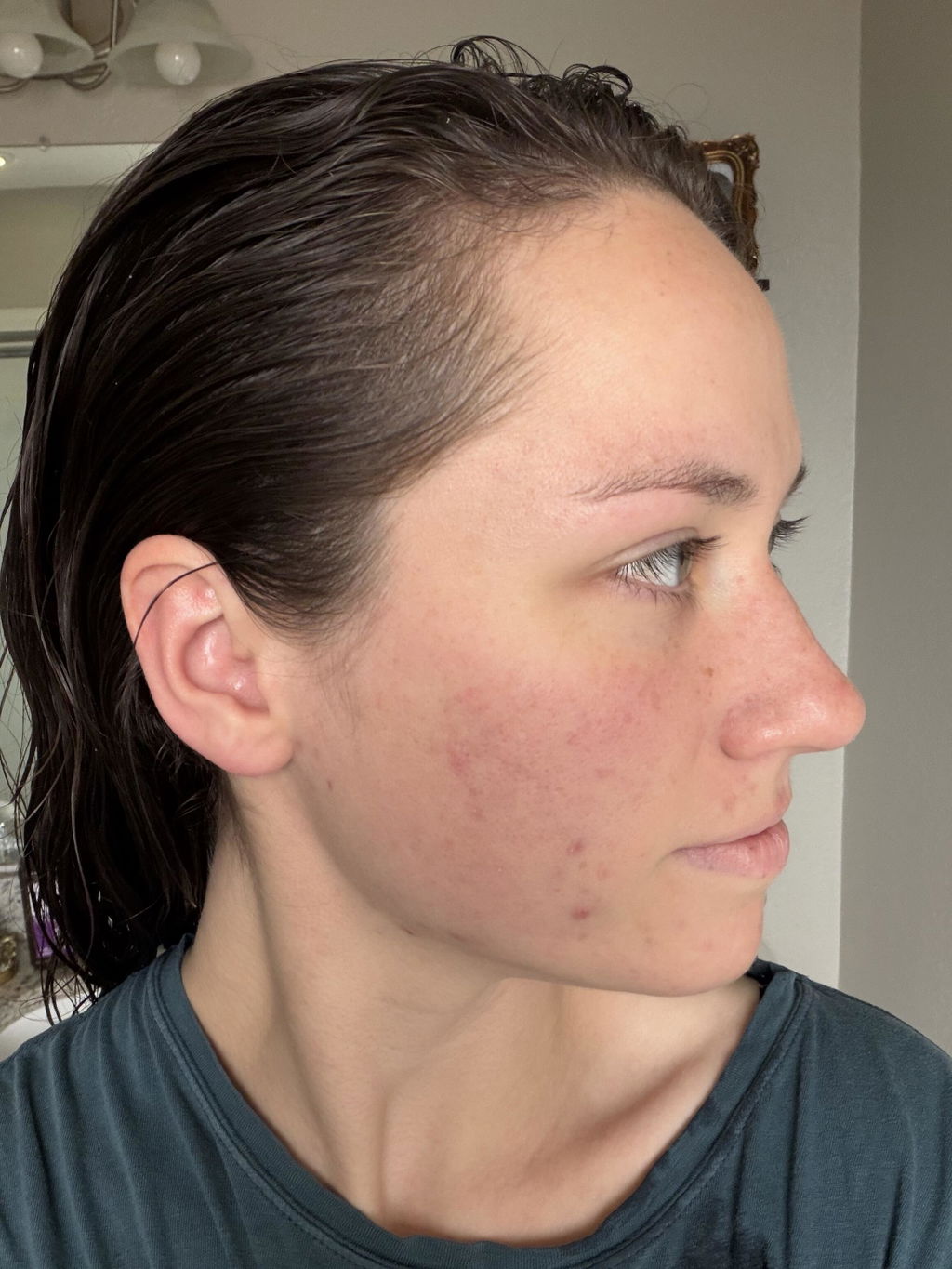
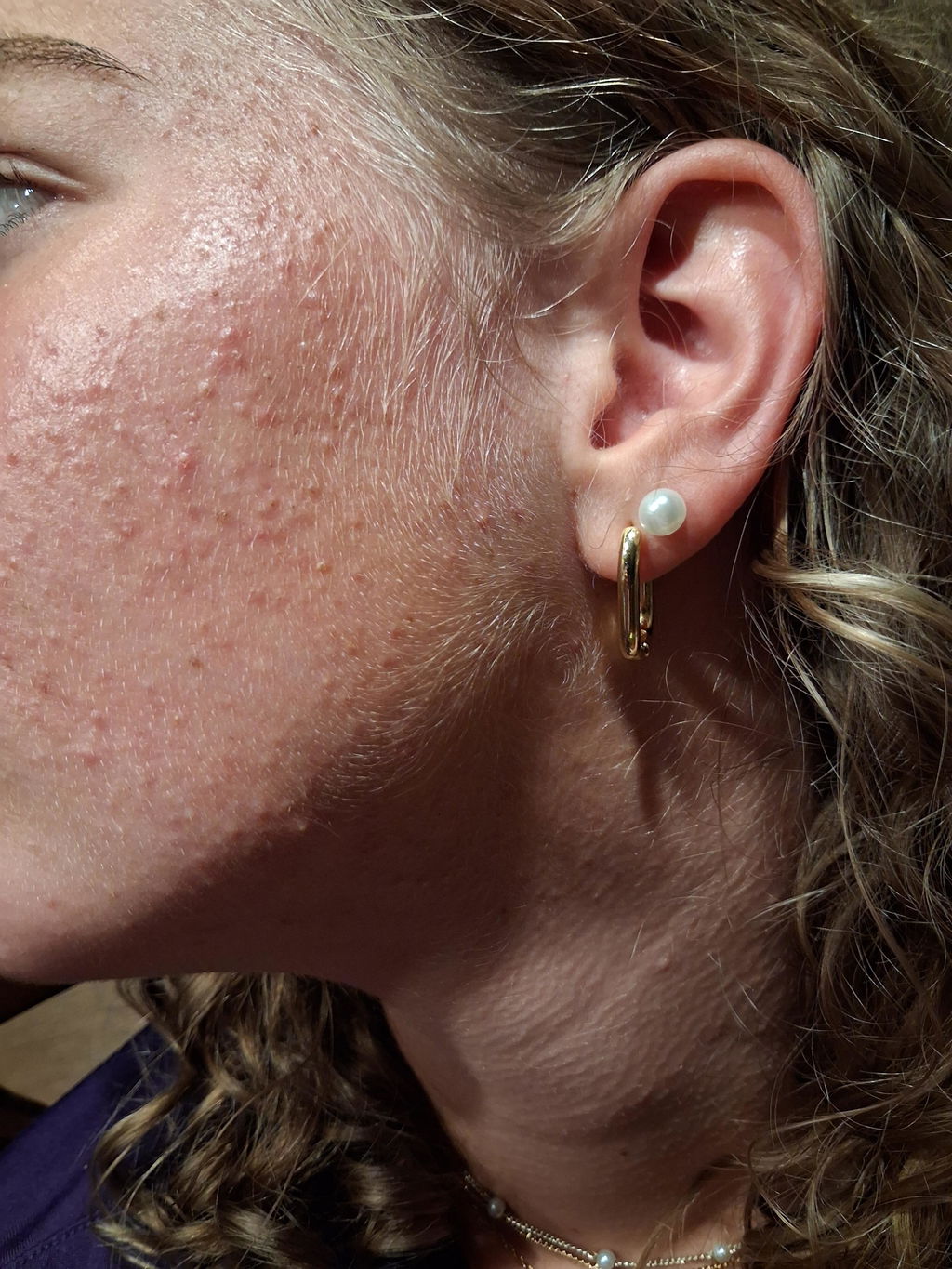
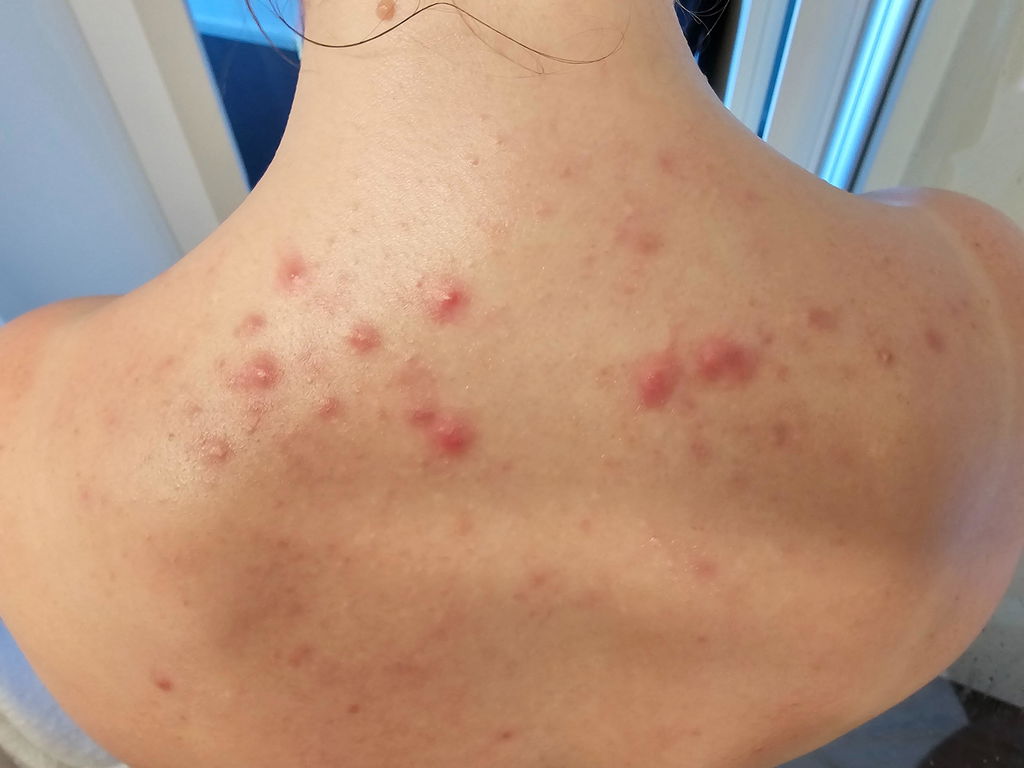
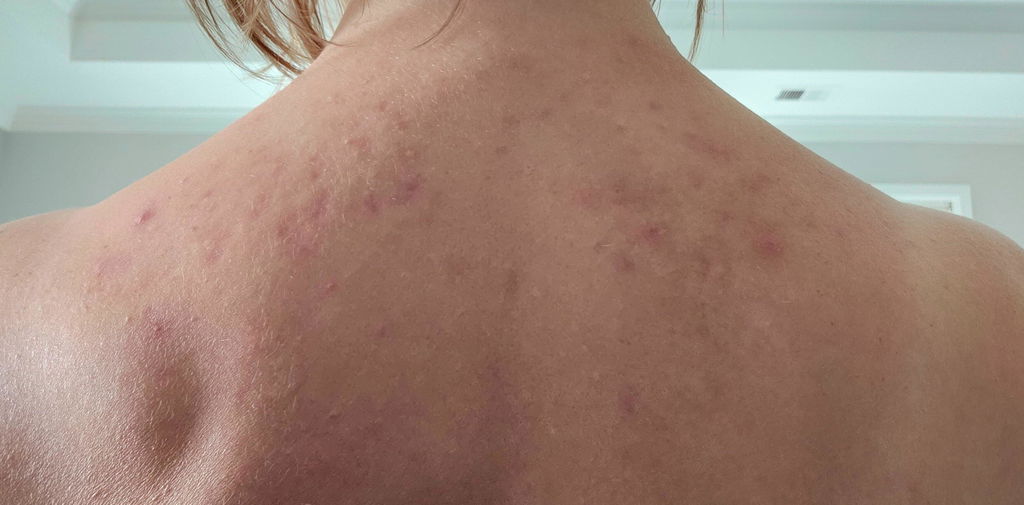
By month four on doxycycline, my skin was glowing. By month nine, I had cystic acne in places I'd never broken out before — my jawline, my back, even my chest. My dermatologist's answer? A stronger antibiotic. That moment is when I stopped trusting the protocol and started reading the research.
If you've cycled through minocycline, doxycycline, tetracycline, or clindamycin and watched your skin get worse a few months after stopping, you are not imagining it. You are not unlucky. You are experiencing a documented biological pattern that almost no one is willing to talk about in a fifteen-minute office visit. I'm going to walk you through exactly what happens inside your gut, your skin, and your hormones when you take long-term oral antibiotics for acne — and what I tell every woman who comes to me after the rebound.
The Honeymoon Phase: Why Antibiotics Feel Like a Miracle (At First)
The first eight to twelve weeks on oral antibiotics often look like the breakthrough you've been praying for. Inflammation drops. Cysts shrink. New breakouts slow down. There is a reason for this, and it's not the reason your derm probably gave you.
Antibiotics don't "cure" acne. They suppress Cutibacterium acnes (the bacteria formerly called P. acnes) and dampen the immune system's inflammatory response. That's it. They are firefighters spraying water on a kitchen fire while the gas line behind the wall is still leaking. The flame dies down, you feel relieved, and nobody fixes the leak.
Then month four, five, or six arrives. And the leak finds a new way out.
The Rebound: What's Actually Happening Inside Your Body
The rebound effect after long-term acne antibiotics is so consistent that women on dermatology forums describe it in almost identical language. Here's a thread I saved from a popular skincare community last year:
"I was on minocycline for 14 months. Skin was clear by month 3. I came off slowly under my derm's guidance. Three months later my entire jawline and chest erupted in deep painful cysts. Worse than before I ever started. My derm acted shocked. I wasn't shocked. I was furious."
"Doxy for a year. Came off. Six months of bliss. Then BOOM — fungal acne all over my forehead, cysts on my chin, bloating, brain fog, yeast infections back to back. I had no idea my gut was the problem until I started reading."
These women are describing the same thing in different words: post-antibiotic dysbiosis. A microbiome stripped of its diversity, recolonized by opportunistic species, and unable to regulate inflammation, hormones, or skin barrier function the way it used to.
Microbiome Destruction: The Specific Bacteria You're Losing
Your gut hosts roughly 38 trillion microbes representing over a thousand species. Long-term antibiotics don't surgically target C. acnes — they carpet-bomb everything sensitive. The collateral damage falls hardest on the beneficial species that protect your skin from the inside:
- Lactobacillus species — produce lactic acid, regulate skin pH, suppress inflammation. Tetracyclines wipe them out at a 60-80% reduction rate.
- Bifidobacterium — train your immune system to tolerate, not overreact. Essential for histamine balance. Drops by 90%+ on doxycycline.
- Akkermansia muciniphila — the species that protects your gut lining and keeps "leaky gut" from triggering systemic inflammation. Devastated by long-term antibiotics.
- Faecalibacterium prausnitzii — produces butyrate, the short-chain fatty acid that calms inflammation everywhere, including your skin.
- Roseburia — another butyrate producer linked directly to lower acne severity in 2021 and 2023 studies.
When these species die off, the bacteria that survive are typically the antibiotic-resistant strains — and the fungi. Which brings us to the part nobody warns you about.
Candida Overgrowth: Why Your Forehead Is Suddenly Bumpy
If you've ever had a friend tell you "my skin got worse on antibiotics in this weird, small-bump, itchy way" — that is fungal acne. Technically Malassezia folliculitis, often paired with intestinal Candida albicans overgrowth. Antibiotics kill bacterial competition, and the yeast that's always present in your gut and on your skin suddenly has unlimited real estate.
Signs your antibiotics triggered Candida:
- Small uniform bumps on the forehead, hairline, or chest that don't respond to benzoyl peroxide
- Sugar cravings that feel out of your control
- Recurrent yeast infections or oral thrush
- White-coated tongue
- Bloating worse after fruit, bread, or wine
- Brain fog the day after carbs
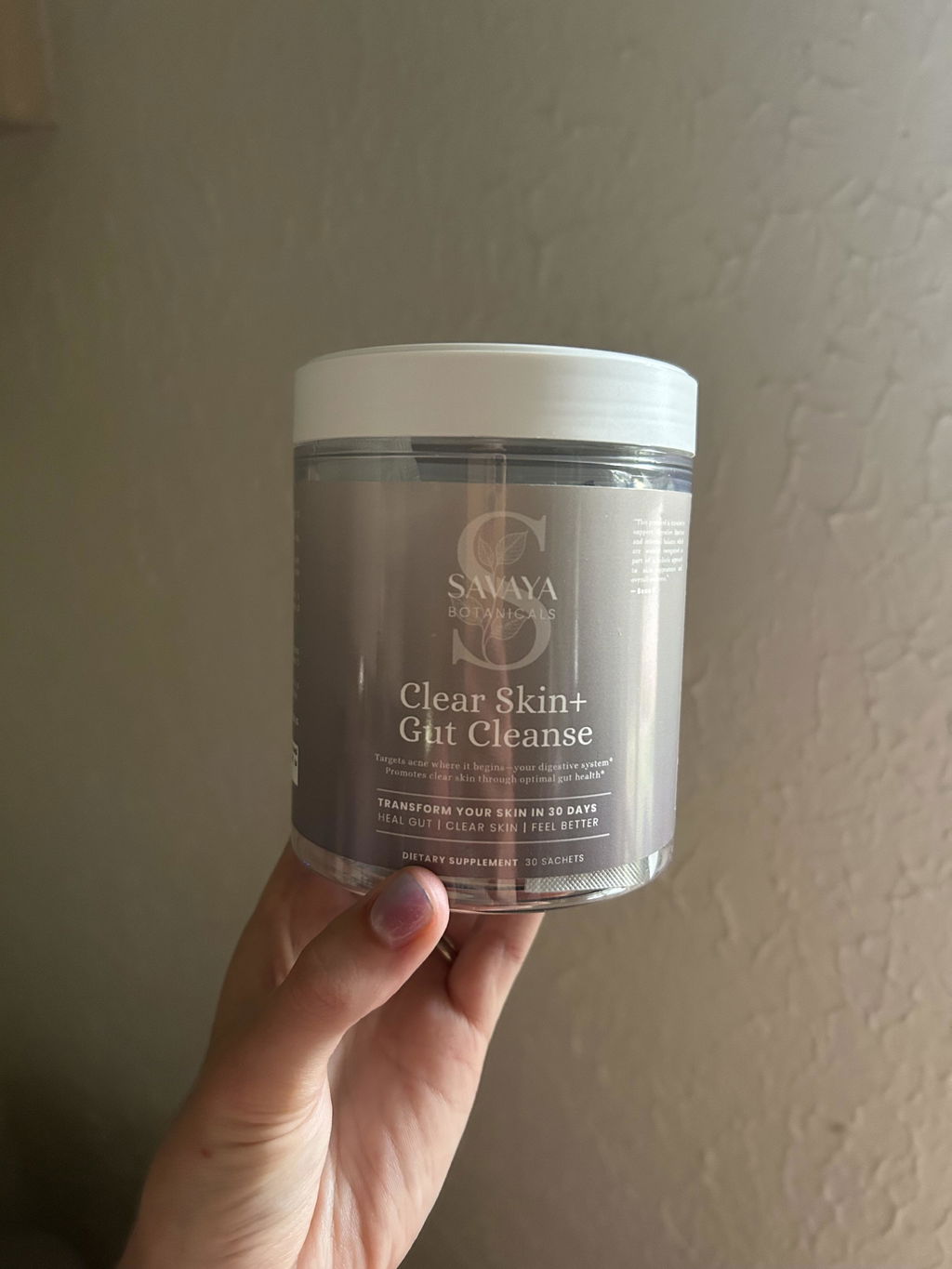
This is one of the reasons I lean so heavily on a structured gut reset when women come off long courses of antibiotics. A daily microbiome gut cleanse with binders, prebiotic fiber, and bitter herbs starves the yeast and pulls toxins out before they recirculate.
Antibiotic Resistance: The Quiet Problem You're Creating
Every time you take a long course of oral antibiotics for something that is fundamentally a hormonal, inflammatory, and gut-driven issue, you are training the bacteria living inside you to survive antibiotics. This is not theoretical. A 2022 study in the British Journal of Dermatology found measurable antibiotic resistance in skin and gut samples of acne patients after just twelve weeks of doxycycline use — resistance that persisted for over a year after discontinuation.
The consequence is not only that the antibiotic stops working for your acne. It's that if you ever get a urinary tract infection, a sinus infection, or a serious bacterial illness, the first-line drugs may simply fail. Women I work with have learned this the hard way at thirty-two, after a UTI that wouldn't respond to anything.
C. difficile: The Worst-Case Scenario No One Mentions
I'll keep this short because it scares people, but you deserve to know. Clostridioides difficile infection is a severe and sometimes life-threatening colon infection that occurs almost exclusively after antibiotic use. Clindamycin (often prescribed topically and orally for acne) is one of the highest-risk antibiotics for triggering it. Cases in young women on long-term acne antibiotics have been rising steadily since 2018.
Symptoms are explosive watery diarrhea, severe abdominal cramping, fever, and dehydration. If you've recently been on antibiotics and develop these, treat it as an emergency. This is one piece of the puzzle that should be enough on its own to question the long-term antibiotic model for acne.
———
The 2022 Research on Microbiome Recovery: 6 to 12 Months, Minimum
Here's the data that changed how I counsel every client. Two landmark studies published in 2022 — one in Nature Microbiology, the other in Cell Host & Microbe — tracked gut microbiome recovery in adults after standard antibiotic courses.
The findings, summarized plainly:
- Microbiome diversity does not fully return on its own. Six months post-antibiotic, the average participant had recovered only 60-75% of their pre-treatment diversity.
- Several keystone species — including Akkermansia, Faecalibacterium, and certain Bifidobacterium strains — failed to return at all in 30-40% of participants even at the twelve-month mark.
- Spontaneous recovery was significantly faster in participants who consumed high-fiber, polyphenol-rich, and mineral-dense diets and slowest in those eating standard Western diets.
- Targeted reseeding — meaning specific probiotics paired with prebiotic fibers and mineral support — cut recovery time roughly in half.
In other words: if you took antibiotics for acne and did nothing afterward, your gut is likely still depleted six, nine, or twelve months later. That depletion is almost certainly part of why your skin keeps cycling.
What to Do Instead: The Holistic Approach That Actually Works
I want to be clear: there is a time and place for antibiotics. Severe nodular acne in a teenager with scarring risk. A short course before isotretinoin. Acute infection. I am not anti-medicine. I am anti-using-a-twelve-month-bacterial-suppression-protocol-on-a-hormonal-inflammatory-gut-driven-condition.
For most adult acne — the cystic jawline acne, the chin breakouts, the chest and back flares that come and go with your cycle, the stress acne, the post-pill acne — the real protocol looks nothing like what you'll get at a dermatology office.
Here's the framework I use:
1. Stop the bleeding (weeks 1-2)
Cut the inputs that are feeding the fire — refined sugar, seed oils, dairy if you're sensitive, alcohol, and excessive caffeine. Start a gentle binder protocol to begin pulling endotoxins out of circulation. This is where I introduce the microbiome gut cleanse sachets as a daily morning ritual.
2. Drain the swamp (weeks 3-6)
Open elimination pathways: liver, lymph, bowel, skin. Bitter herbs, castor oil packs, dry brushing, sweating. This is where my clients run the Max Detox protocol — a structured 21-day reset that addresses the liver-gut-skin axis directly without nuking your microbiome the way antibiotics do.
3. Reseed and remineralize (weeks 6-12)
This is where the magic happens. Once the gut terrain is cleared, you start putting the keystone species back. Diverse fermented foods. Prebiotic-rich vegetables. And the single most underrated tool I've found for replenishing the minerals antibiotics deplete: wildcrafted sea moss. It contains 92 of the 102 minerals the human body requires, including the iodine, zinc, selenium, and sulfur that skin healing depends on.
4. Rebuild the matrix (ongoing)
Antibiotics damage the gut lining and impair collagen synthesis. You need raw materials. Marine collagen strips are the easiest way I've found to get a clinical dose of types I and III collagen daily without choking down a chalky powder. Pair with vitamin C from food and the skin starts to look fundamentally different by week eight.
5. Protect the barrier (topical, daily)
While the inside is healing, you don't want to keep stripping your skin from the outside. Skip the actives during repair. Use something biocompatible. I keep grass-fed tallow cream on my nightstand because the fatty acid profile mirrors human sebum and feeds the skin barrier instead of fighting it.
The clients who follow this full sequence — gut cleanse, detox, mineral repletion, collagen, barrier support — almost always tell me the same thing at the three-month mark: "I'm not just clear, I look like I'm glowing from the inside." That's because they are. The skin is the report card of the gut.
———
The 12-Week Reset: Putting It All Together
If reading all of that feels like a lot, I get it. That's actually why I keep it simple these days — a scoop of Clear Skin+ Max Detox stirred into my morning routine, an easy acai-based blend rather than a stack of steps to remember. It's not flashy. It's not supposed to be. It's just one small habit that helps support the same foundation I've been describing all along.
If you're standing at the post-antibiotic cliff right now, watching your skin spiral and wondering whether the protocol that worked for a season is going to keep working — please know there is a different path. Your gut can heal. Your skin will follow. You don't need another prescription. You need terrain.
Frequently Asked Questions About Antibiotics and Acne
How long does it take for the gut microbiome to recover after long-term antibiotics?
Based on 2022 research published in Nature Microbiology and Cell Host & Microbe, full microbiome recovery typically takes six to twelve months, and several keystone bacterial species may not return at all without targeted reseeding through prebiotics, probiotics, and mineral repletion. Diet quality during recovery dramatically affects speed.
Why does my acne come back worse after I stop antibiotics?
The rebound effect is caused by post-antibiotic dysbiosis — your gut and skin microbiomes lose the beneficial species that regulate inflammation, hormones, and sebum production. Opportunistic bacteria, yeast (including Candida), and antibiotic-resistant strains move into the space, often producing worse, more inflammatory, and harder-to-treat breakouts than the original acne.
Can I take probiotics while on antibiotics to prevent damage?
Probiotics taken during antibiotic treatment offer some protection but are limited because the antibiotic continues to kill incoming beneficial strains. A more effective approach is to support the gut throughout with binders, prebiotic fiber, and mineral-rich foods like sea moss, and then commit to a structured 12-week reseeding protocol once the antibiotic course ends.
Are there any holistic alternatives to antibiotics for moderate adult acne?
Yes — for hormonal and inflammatory adult acne, the most effective protocols address gut health, liver detox pathways, blood sugar regulation, mineral deficiencies (especially zinc, selenium, and iodine), and skin barrier integrity. A combined gut cleanse, structured detox, mineral repletion with sea moss, collagen support, and a biocompatible topical like tallow consistently outperforms long-term antibiotic use for the underlying root causes.
What is fungal acne and is it caused by antibiotics?
Fungal acne, technically Malassezia folliculitis, presents as small uniform itchy bumps on the forehead, hairline, chest, or back. It is frequently triggered or worsened by antibiotic use because killing skin and gut bacteria allows naturally present yeasts like Malassezia and Candida to overgrow without competition. Standard acne treatments don't work and often make it worse.
———
Where to Start If You're Coming Off Antibiotics
If your skin is currently rebounding and you don't know where to begin, start with the gut. Always the gut. I recommend Clear Skin+ Max Detox, a daily acai-based blend that helps support your gut alongside the dosing and lifestyle habits that matter after antibiotics. It's one piece of the picture, not the whole plan.
With care for your terrain,
Sarah Mitchell
Holistic Health Practitioner