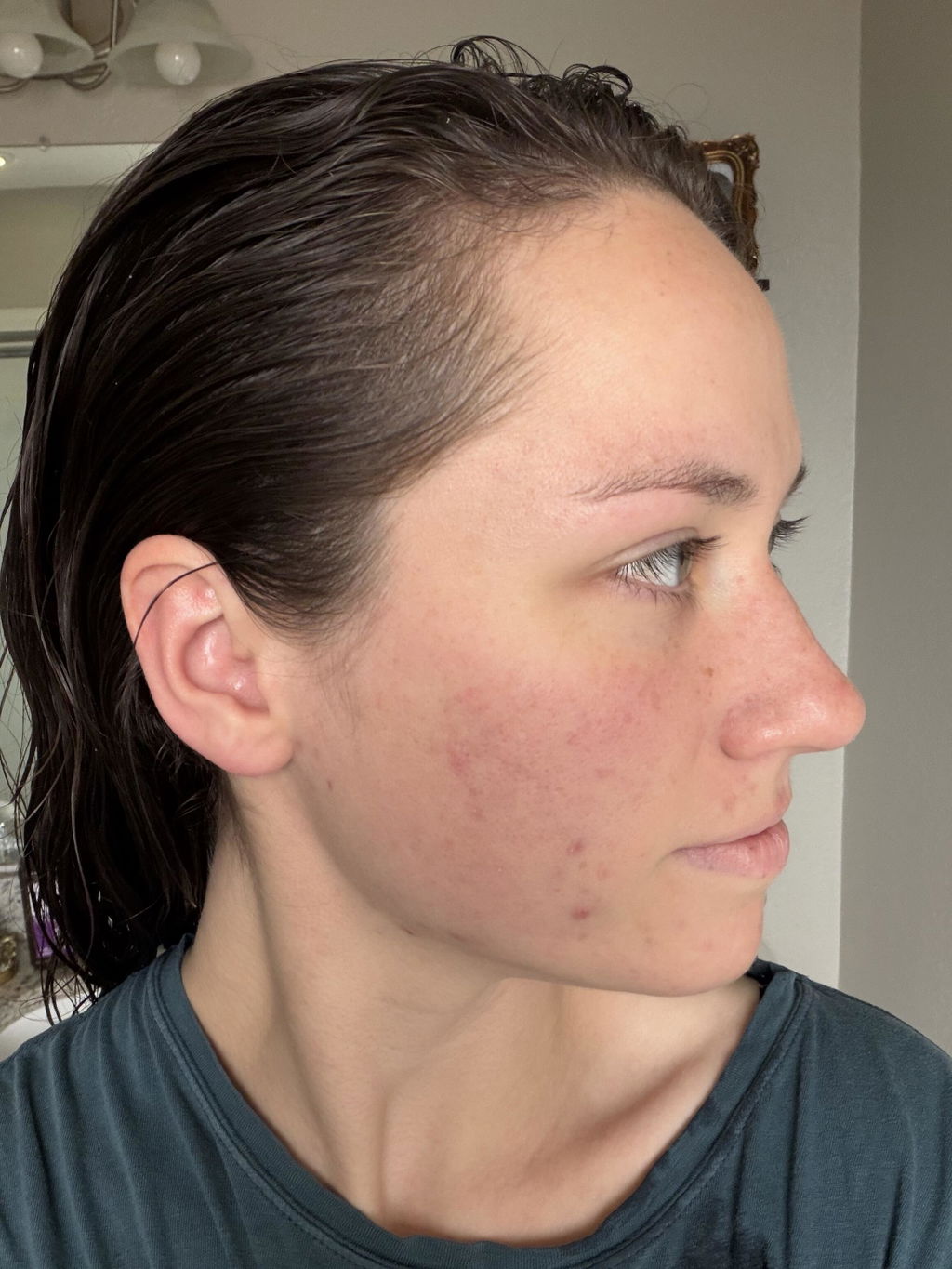
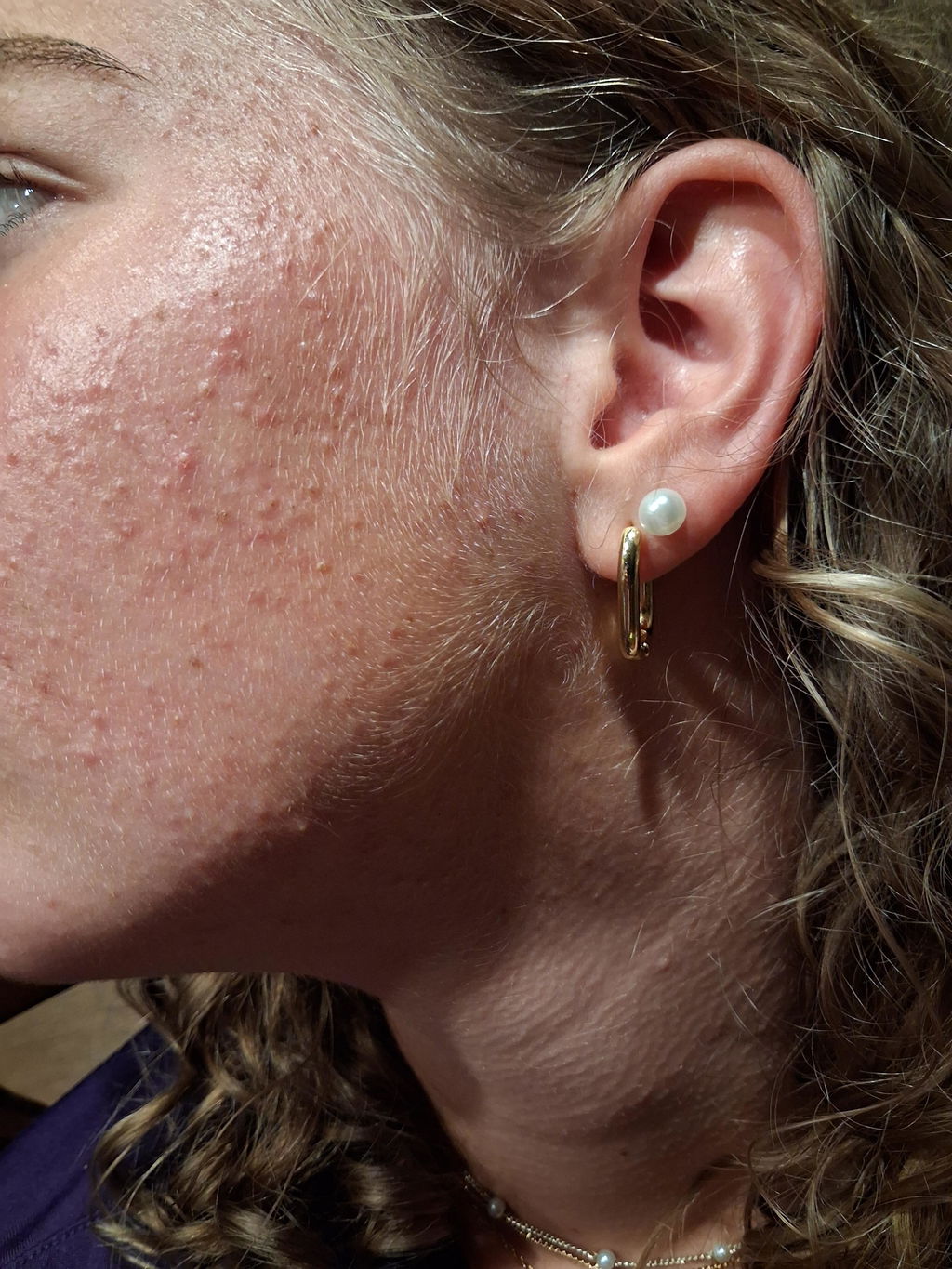
A client of mine sat across from me last spring, exhausted. She had been on tretinoin for two years, three serums deep, and her cheeks were still erupting every cycle. We did not touch her skincare. We changed one thing. Sugar. Thirty days later her skin looked clearer than it had in a decade, and her energy was steady for the first time since college. That is not magic. That is biology.
What Sugar Actually Does to Your Skin
Sugar damages skin through a process called glycation. When excess glucose floats in your bloodstream, it bonds to collagen and elastin proteins, creating advanced glycation end products, or AGEs. These rigid molecules stiffen the protein fibers that keep your skin bouncy and resilient. The result is sagging, dullness, and a slow erosion of structural support.
This happens slowly, then all at once. Collagen has a half-life of about fifteen years in healthy skin, so the damage compounds quietly for a long time before it shows up in the mirror. AGEs also generate oxidative stress, which fuels inflammation in the dermis. Research published in the British Journal of Dermatology has linked higher AGE accumulation to visible aging, dullness, and reduced skin elasticity.
The sugar in your morning latte is not just empty calories. It is a structural enemy of your collagen.
The Insulin Spike That Feeds Your Breakouts
Eating sugar spikes insulin. Insulin triggers a growth signal called insulin-like growth factor 1, or IGF-1, which tells your skin's sebocytes to pump out more oil. More oil plus inflammation equals clogged pores and persistent breakouts. This is why high-glycemic diets are repeatedly linked to acne in clinical research, while low-glycemic eating consistently shows improvement.
A 2007 study by Smith and colleagues in the American Journal of Clinical Nutrition put young men on a low-glycemic-load diet for twelve weeks. They had measurably fewer acne lesions and lower androgen activity than the control group. A 2012 Korean trial in Acta Dermato-Venereologica found similar results. The mechanism is consistent. Sugar drives insulin. Insulin drives IGF-1. IGF-1 drives sebum and androgens. Sebum and androgens drive breakouts.
This is the chain that no topical can interrupt from the outside.
How Sugar Quietly Reshapes Your Gut Microbiome
Sugar feeds the wrong bacteria. A high-sugar diet reduces microbial diversity within days, increases inflammatory species, and weakens the gut barrier. Diversity is the single best marker of a resilient microbiome, and once it drops, the gut-skin axis breaks down. Sugar is one of the fastest ways to lose that diversity.
David and colleagues at Harvard, publishing in Nature in 2014, showed that the human gut microbiome shifts measurably within 24 to 48 hours of a dietary change. Townsend and colleagues, in PNAS in 2019, demonstrated that dietary sugar silences a colonization factor used by beneficial Bacteroides species, essentially evicting them from the gut wall. The species that take their place are sugar-tolerant, produce fewer short-chain fatty acids like butyrate, and tend to raise circulating lipopolysaccharide, a molecule that drives systemic inflammation when it leaks across a permeable gut barrier.
This is the gut-skin axis in real time. Less diversity, weaker barrier, more dysbiosis, more zonulin, more intestinal permeability, more inflammation in circulation, more breakouts on your face.
The "Healthy" Foods Quietly Spiking Your Blood Sugar
Most of the sugar Americans eat is hidden in foods marketed as wellness staples. Granola, flavored yogurt, smoothie bowls, protein bars, kombucha, oat milk, and almost every bottled sauce contain more sugar than people realize. Reading the back of the label is the single most useful habit you can build this week.
Here is what I look for in my practice when a client tells me she eats clean but breaks out anyway:
- Granola and "natural" cereals: 12 to 22 grams of sugar per cup
- Flavored Greek yogurt: 18 to 24 grams per cup
- Most protein bars: 14 to 20 grams
- Bottled smoothies: 35 to 60 grams
- Sweetened plant milks: 7 to 12 grams per cup
- Jarred tomato sauce: 8 to 12 grams per half cup
- Salad dressings: 4 to 8 grams per tablespoon
- Coconut water: 11 to 15 grams per cup
- Kombucha: 8 to 14 grams per bottle
None of these are villains in isolation. Stack four of them across a single day and you are running on the same glucose load as a soda habit.
My 30-Day No-Sugar Experiment, Week by Week
I have run this protocol with clients more times than I can count, and the pattern repeats almost exactly each time. The first week is the hardest. By week four, the skin does what no cream can do on its own. Here is the rhythm I see in nearly every reset, including the one I tracked on myself last winter.
Week 1: The Withdrawal. Headaches around day three. Energy crashes mid-afternoon. Strong cravings, especially after dinner. Sleep can get worse before it gets better. Cortisol often runs higher this week as the body negotiates with the absence of glucose hits. The skin does not look better yet. It may even look slightly worse as the gut starts shifting.
Week 2: The Shift. Cravings soften. Energy stabilizes. Morning puffiness around the eyes drops noticeably. Sleep deepens. This is where the gut bacteria begin rebalancing. Beneficial species that were starved out by sugar start to rebound, and the quiet inflammation in your face begins to fall.
Week 3: The Reveal. Skin tone evens. Pores look less congested. The redness that lives under the jawline and along the hairline starts to settle. Clients tell me their makeup sits differently. Some notice that hormonal breakouts arrive smaller and clear faster than they used to.
Week 4: The Glow. Under-eyes brighter. Skin texture smoother to the touch. A natural luminosity returns that no highlighter can fake. The bonus most people do not expect is that the relationship with food becomes calmer. Sugar stops controlling the schedule. That is the deeper win.
How to Do Your Own 30-Day Reset
A real sugar reset is simple, but not easy. Cut added sugar, refined flour, and sweetened beverages for thirty days. Keep whole fruit, modest amounts of whole grains, and starchy vegetables. Eat protein and fat with every meal to stabilize blood sugar. Sleep seven to nine hours. Drink water before coffee. Do not overcomplicate the rest.
A few rules I give every client:
- Front-load protein at breakfast, 25 to 30 grams. In my practice this single shift handles most of the afternoon cravings.
- Eat fat with every meal. Avocado, olive oil, pasture butter, tallow. Fat slows glucose absorption.
- Walk for ten minutes after dinner. It blunts the post-meal glucose curve more than most supplements do.
- Never grocery shop hungry. Decisions made on an empty stomach will sabotage week two.
- Replace, do not deprive. Swap the sweet thing for a satisfying thing.
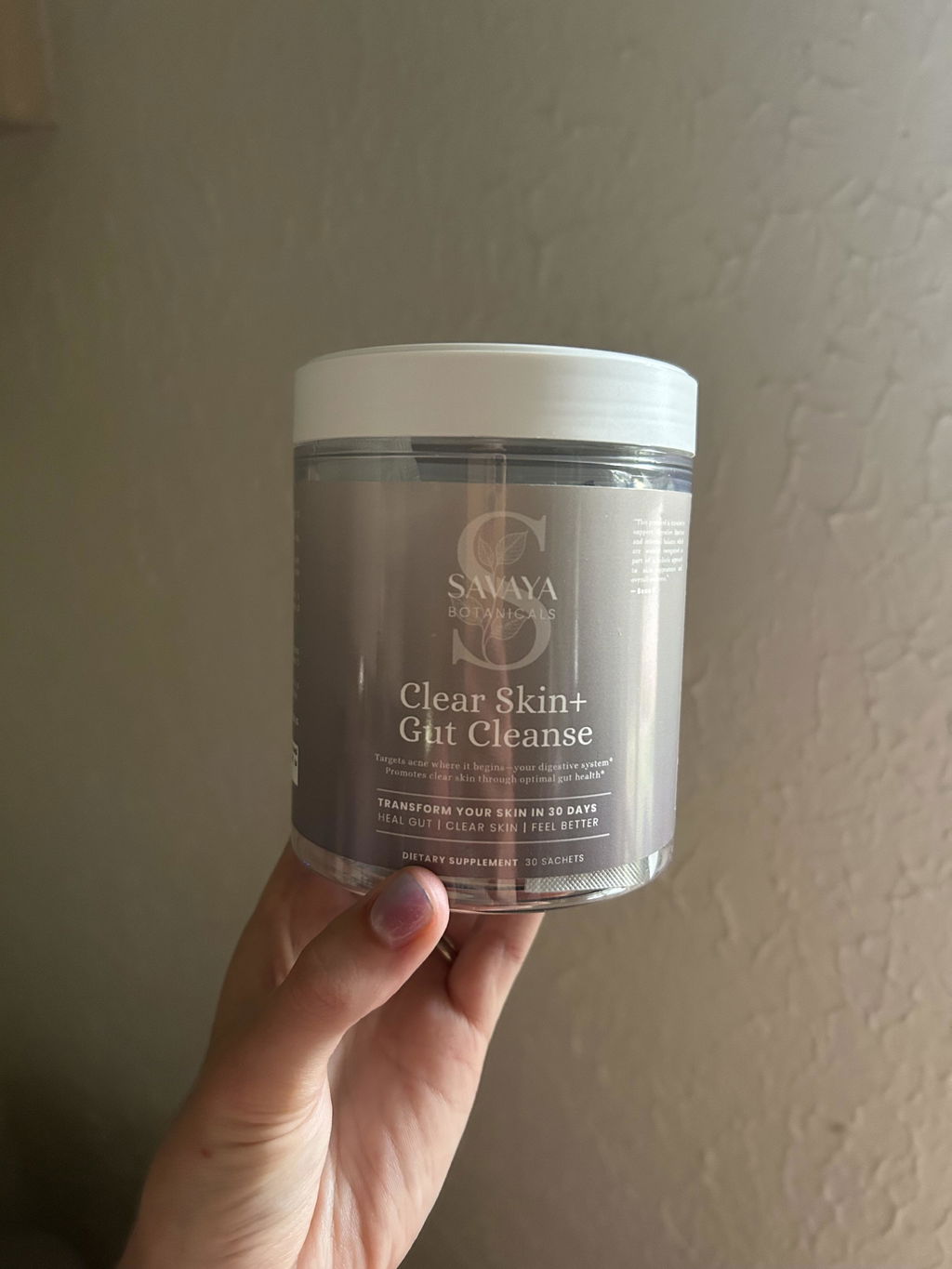
Many women find the reset works faster when paired with a targeted gut cleanse, because clearing dysbiotic bacteria gives the new microbiome room to grow. If your gut feels sluggish or stuck after years of sugar, a daily acai detox blend can help support that reset. For mineral support during the reset, I lean on mineral-rich sea moss, which delivers iodine, zinc, and the trace minerals that skin and thyroid both need when you are clearing inflammation. For skin that stays irritated and keeps coming back, this is the pattern I focus on most when building a reset like this. At night, a barrier-repairing tallow cream supports the skin's lipid layer while it rebuilds.
The internal work is doing most of the lifting. The topical work is supporting it.
Meal Ideas That Do Not Feel Like Punishment
The reason most sugar resets fail is that the food gets boring by day six. That is a planning problem, not a willpower problem. The meals below are the rotation I give clients, all built to keep blood sugar steady, support the gut, and actually taste like food a human wants to eat.
Breakfast
- Two eggs scrambled in butter with sautéed greens and half an avocado
- Plain full-fat Greek yogurt with cinnamon, walnuts, and a handful of blueberries
- Smoked salmon, sliced cucumber, and a soft-boiled egg
Lunch
- Grilled chicken thigh, roasted sweet potato, and a big arugula salad with olive oil and lemon
- Wild salmon, quinoa, sautéed zucchini, and a side of fermented sauerkraut
- Lentil and vegetable soup with a slice of sourdough and pasture butter
Dinner
- Grass-fed steak, mashed cauliflower, roasted Brussels sprouts
- Slow-roasted chicken, garlicky greens, baked carrots
- Sheet-pan white fish with olives, tomatoes, and capers over a small portion of rice
Snacks
- Apple slices with almond butter
- A square of 90 percent dark chocolate with sea salt
- Olives, sardines, or a handful of macadamia nuts
- Plain yogurt with cinnamon and a few raspberries
The plate is full. Nobody is hungry. The difference is what is missing. No syrup-glazed granola at 8 a.m. No bottled smoothie at noon. No flavored yogurt cup at 3 p.m. The skin notices within three weeks.
Sugar is the only ingredient that ages your collagen, feeds your breakouts, and starves your microbiome at the same time. Removing it is the most underrated skincare decision you can make.
If you want to pair the 30-day reset with internal support, the simplest place to start is this microbiome reset alongside 92 trace minerals from the ocean. Both work with the mechanism, not around it.
• • •
Frequently Asked Questions
What happens to your skin when you quit sugar for 30 days?
Most people notice clearer pores, less redness, and brighter under-eyes by the end of the first month. The first ten days can include withdrawal symptoms like headaches and cravings, but week two onward usually brings deeper sleep, steadier energy, and a visible drop in inflammation. Glycation slows almost immediately, while collagen and microbiome repair build over weeks.
How long until I see results from cutting sugar?
The gut starts shifting within 24 to 48 hours. Skin usually responds between days 14 and 21, with the most dramatic changes in week four. Hormonal breakouts often shrink and clear faster within two cycles. If you are also rebuilding the gut barrier or rebalancing dysbiosis, give it eight to twelve weeks for full results.
Can I have fruit during a no-sugar reset?
Yes. Whole fruit comes with fiber that slows glucose absorption and feeds beneficial gut bacteria. Berries, apples, pears, and citrus are excellent choices. Skip juice and dried fruit, which behave more like concentrated sugar. The goal is to remove added sugar and refined carbohydrates, not to fear naturally occurring sugars wrapped in fiber.
Is a 30-day no-sugar reset safe?
For most healthy adults, yes. Removing added sugar is one of the lowest-risk dietary shifts you can make. Some people feel fatigued or moody in the first week as the body adjusts. Eating enough protein, fat, and starchy vegetables prevents most of that. If you are pregnant, nursing, or managing a medical condition, work with a practitioner who knows your history.
Why does sugar cause acne?
Sugar spikes insulin, which raises IGF-1, which tells sebocytes to produce more oil and increases androgen activity. At the same time, sugar feeds inflammatory bacteria in the gut, weakens the intestinal barrier, and raises systemic inflammation. The combination drives both the oil and the inflammation that turn a clear pore into a breakout.