By Sarah Mitchell | Holistic Health Practitioner
I want to challenge something your dermatologist may have told you.
For years, antibiotics have been handed out for acne like candy — doxycycline, minocycline, tetracycline. And yes, your skin might clear up in the first few weeks. You feel hopeful. You think you've finally found the answer.
Then, three months later, the acne comes back — often worse than before. Sound familiar?
I've worked with hundreds of clients navigating this exact cycle. What they didn't know — what most people don't know — is that antibiotics don't just kill acne-causing bacteria. They stage a full-scale assault on the ecosystem that was supposed to protect your skin in the first place.
Let's talk about what's actually happening inside your body when you take antibiotics for acne — and why the conventional approach is setting so many people up for a longer, harder battle.
———
The "Honeymoon Phase": Why Antibiotics Seem to Work at First
When you start antibiotics for acne, the initial results can feel miraculous. Redness fades. Pustules dry up. Your skin looks smoother than it has in years.
This happens because oral antibiotics like doxycycline and minocycline do two things simultaneously: they kill Cutibacterium acnes (formerly P. acnes) — the bacteria most associated with inflammatory acne — and they reduce systemic inflammation through a secondary mechanism that has nothing to do with the microbiome.
But here's the catch: they're not selective. Antibiotics cannot distinguish between "bad" bacteria and the thousands of beneficial microbial strains that form your gut and skin microbiome. Every course of antibiotics is essentially carpet-bombing a rainforest to kill one invasive species.
———
The Microbiome Massacre: Specific Bacteria Destroyed by Acne Antibiotics
Your gut is home to roughly 38 trillion microorganisms. Among the most critical for skin health are:
- Lactobacillus rhamnosus — regulates cortisol response and reduces inflammatory skin flares linked to stress-triggered acne
- Bifidobacterium longum — produces short-chain fatty acids that strengthen the gut-skin barrier and reduce permeability
- Lactobacillus reuteri — directly linked to sebum regulation and skin clarity in multiple controlled studies
- Faecalibacterium prausnitzii — one of the most potent anti-inflammatory bacteria in the human gut, consistently depleted in inflammatory skin conditions
A single course of doxycycline — the most prescribed antibiotic for acne — has been shown to reduce Lactobacillus species by up to 90% within 72 hours. And here's what the 2022 research really drove home: it can take 6 to 12 months for the gut microbiome to return to baseline after a single antibiotic course — and in many cases, it never fully recovers without active, intentional intervention.
A landmark 2022 study published in Cell Host & Microbe tracked microbiome composition in participants before, during, and after antibiotic courses. Researchers found that while some bacterial populations rebounded within weeks, key commensal strains — especially Faecalibacterium prausnitzii and certain Bifidobacterium species — remained significantly suppressed for 6–12 months post-treatment. The gut was attempting to recover, but in a compromised, dysbiotic state that perpetuated the very inflammation driving the acne.
For your skin, this means months — sometimes years — of chronic low-grade inflammation, impaired barrier function, and hormonal disruption. All prime conditions for post-antibiotic rebound acne.
This is exactly why I recommend starting a targeted gut microbiome cleanse protocol as a foundational step in any real skin-healing plan. Rather than waiting passively for your body to slowly rebuild, you actively support the recolonization process with the specific nutrients and compounds the microbiome needs to recover.
———
Antibiotic Resistance: When the Bacteria Fight Back Harder
There's another layer to this problem that doesn't get enough attention in conversations about acne: antibiotic resistance.
Multiple dermatology studies — including a major 2019 review in the Journal of the American Academy of Dermatology — found that prolonged antibiotic use for acne significantly increases the prevalence of resistant C. acnes strains. What does that mean in practice? The same antibiotics stop working. Your body stops responding. Your dermatologist suggests a different antibiotic, or a higher dose, or a longer course.
And when you eventually stop taking them — because you have to, or because they simply stopped helping — the resistant bacterial strains repopulate your skin rapidly. Without the competition from beneficial bacteria that were also wiped out, there is nothing to hold them back. The result: a perfect storm of resistant, aggressive breakouts on a compromised skin barrier with a depleted microbiome unable to mount a defense.
This is the antibiotic rebound acne cycle so many people experience. It has a clear biological explanation that has nothing to do with your skincare routine or willpower.
———
Candida Overgrowth: The Hidden Acne Trigger Nobody Explains
When the good bacteria in your gut are decimated by antibiotics, something else moves in to fill the vacant ecological space: Candida albicans.
Candida is a naturally occurring yeast that lives in small amounts in the gut. Under normal conditions, it's kept in check by Lactobacillus and other commensal species. But after antibiotics clear the field, Candida can proliferate rapidly — a condition known as Candida overgrowth or intestinal candidiasis.
What does Candida have to do with acne? Significantly more than most dermatologists acknowledge:
- Candida produces acetaldehyde, a toxic metabolic byproduct that triggers systemic inflammation and oxidative stress
- Candida overgrowth directly increases intestinal permeability ("leaky gut"), allowing inflammatory lipopolysaccharides (LPS) from bacterial cell walls to enter the bloodstream
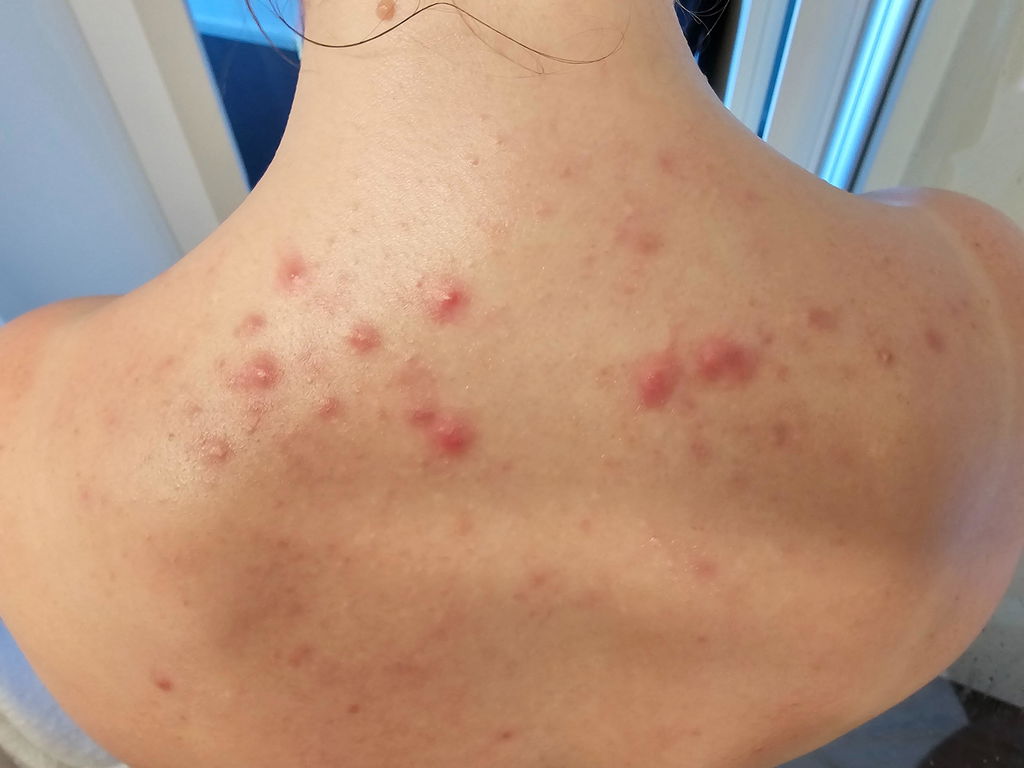
- The resulting inflammatory cascade consistently manifests on the skin as cystic acne, persistent redness, and widespread breakouts
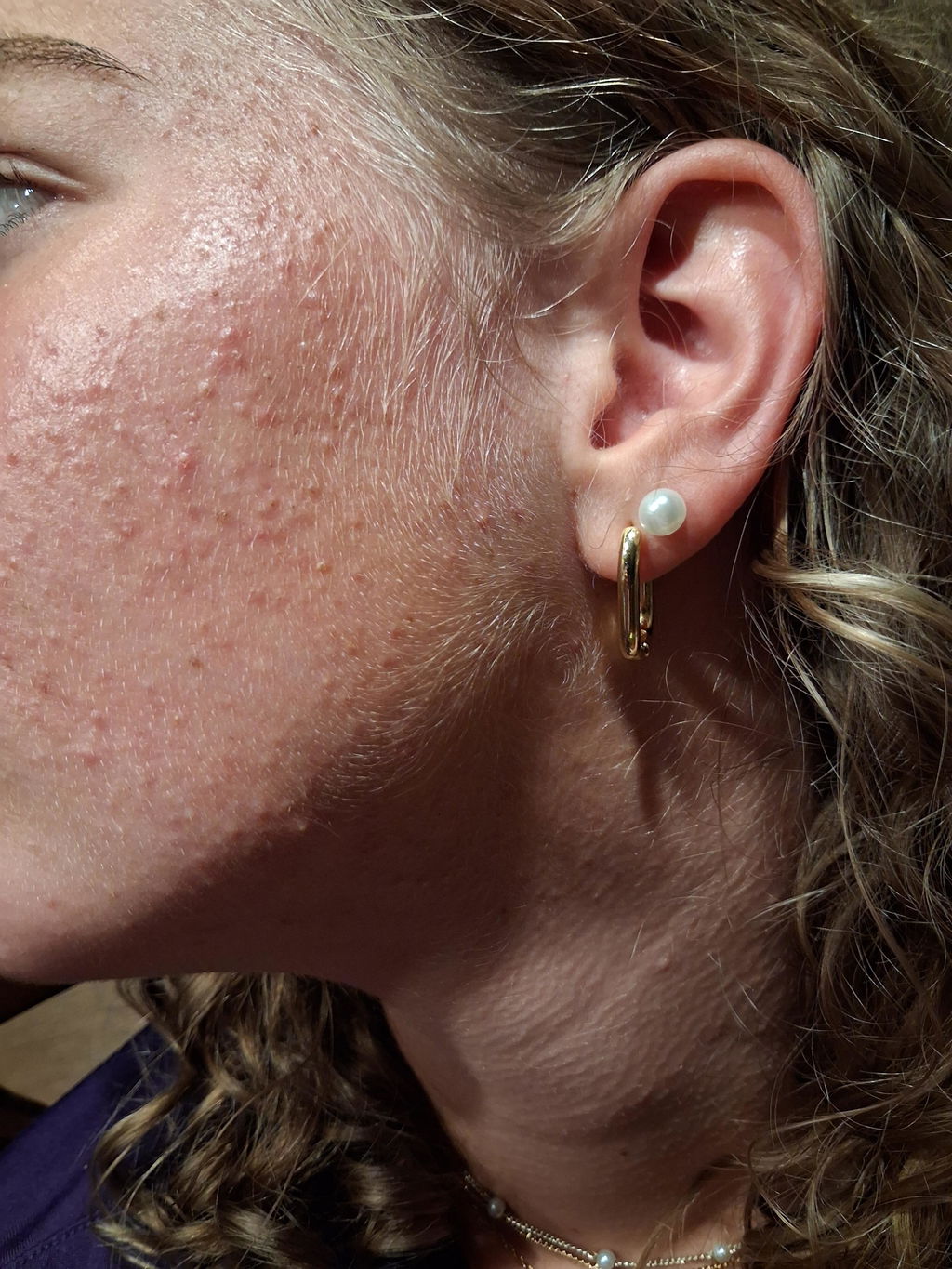
- Candida colonizing the skin itself can cause pityrosporum folliculitis ("fungal acne") — a condition that is visually indistinguishable from bacterial acne but will not respond to traditional acne treatments, and actually worsens with some
I've worked with clients who spent years treating what they believed was bacterial acne, only to discover the root cause was a post-antibiotic Candida overgrowth that had never been identified or addressed. The cycle — antibiotics → Candida → acne → more antibiotics → worse Candida — is heartbreakingly common, and entirely preventable with the right approach.
———
The C. difficile Risk: An Underreported Consequence of Long-Term Acne Antibiotics
While Candida overgrowth is disruptive, there's a more serious antibiotic-related risk worth understanding: Clostridioides difficile (C. diff) infection.
C. diff is a toxin-producing bacteria that proliferates when antibiotics disrupt the gut microbiome — particularly after the Lactobacillus and Bacteroidetes species that normally suppress it are depleted. According to CDC data, nearly half a million Americans develop C. diff infections annually, and antibiotic use is the primary risk factor in otherwise healthy individuals.
For acne patients on long-term doxycycline or tetracycline — which is common, with many courses lasting 3–6 months or longer — the cumulative risk is real. Beyond the immediate symptoms (severe diarrhea, colitis, abdominal pain), a C. diff infection triggers a massive systemic inflammatory response that directly worsens acne, rosacea, and other inflammatory skin conditions.
Understanding this risk is not about creating alarm — it's about contextualizing why treating acne through a gut-disrupting mechanism is such a problematic long-term strategy, and why microbiome protection needs to be central to any acne protocol.
———
Real People, Real Experiences: What the Dermatology Forums Say
I've witnessed these patterns repeatedly in my own practice, but the dermatology and skincare forums are full of the same stories. These experiences, shared in communities like r/SkincareAddiction, r/acne, and Acne.org, reflect what the research confirms:
"I was on doxycycline for 8 months. My skin cleared up for maybe 3 of those months, then just stopped responding. When I came off it, I had the worst flare of my life. My derm prescribed a different antibiotic. I felt like I was going in circles with no end in sight."
"Nobody told me about gut health when I was put on antibiotics at 16 for acne. I developed IBS, chronic bloating, and my skin never went back to what it was before. I'm 29 now and still dealing with the aftermath. The connection between my gut and skin wasn't made until I found a functional medicine doctor at 27."
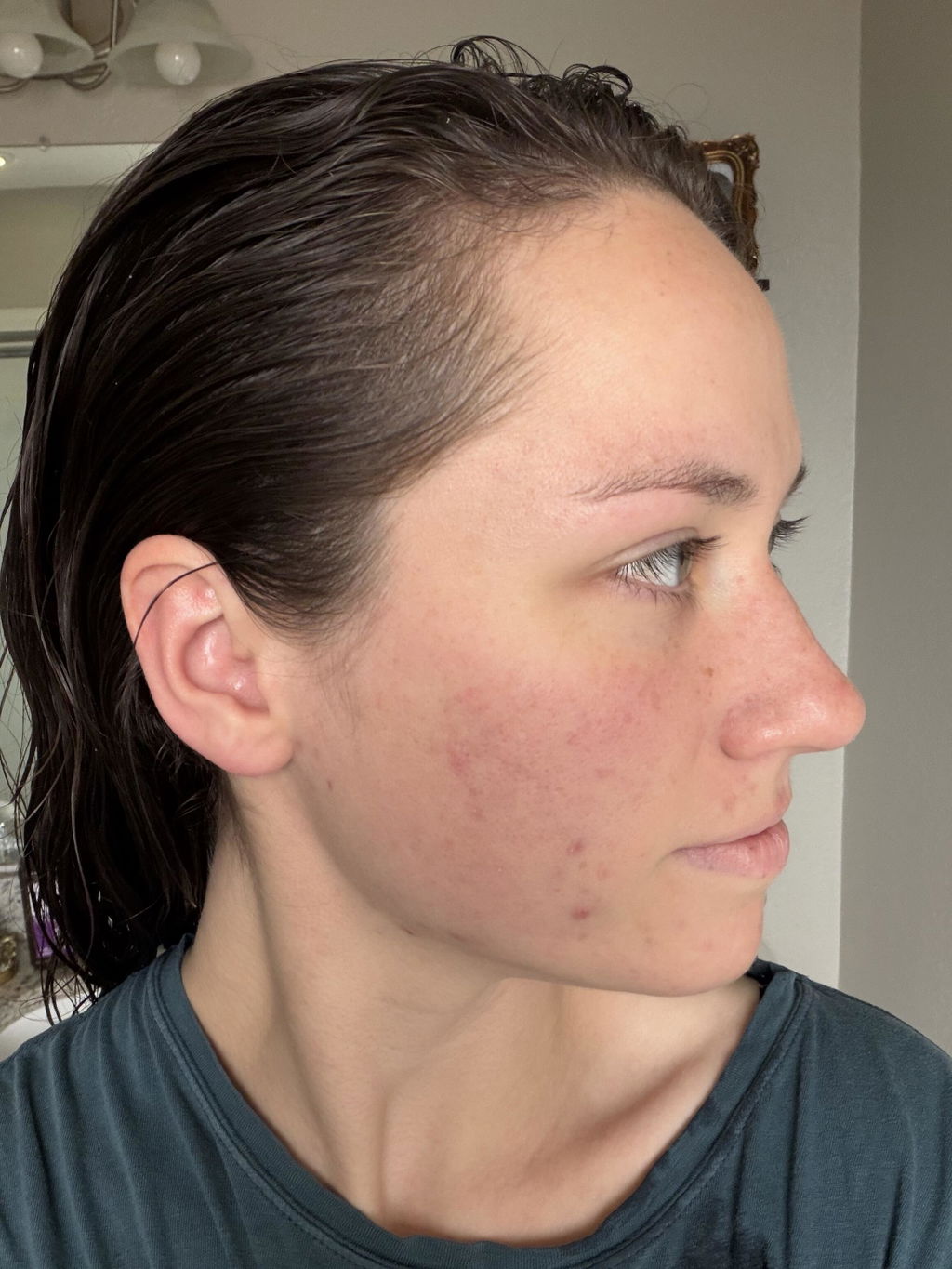
"After my second round of antibiotics, I started getting a completely different kind of breakout — smaller, uniform bumps along my jawline and cheeks that itched. Turns out it was fungal acne from Candida overgrowth. The dermatologist had no idea and kept prescribing more antibiotics. It got so much worse before I figured it out."
These aren't outliers. They represent a consistent pattern for a significant percentage of people who pursue the antibiotic route for acne — a pattern that the science fully supports.
———
What to Do Instead: The Gut-First Framework for Clear Skin
Here's where I get genuinely excited — because the evidence for gut-based approaches to acne is compelling, and the outcomes I've seen in clients are consistent and lasting.
The core principle is simple: if acne is an inflammatory condition driven by gut dysbiosis, hormonal disruption, and barrier breakdown, then that is what we address. Not just the bacteria sitting on the surface of the skin.
Step 1: Remove the Triggers
Refined sugar, high-glycemic foods, conventional dairy, and alcohol all feed Candida and fuel the inflammatory pathways that trigger breakouts. A 4–6 week elimination phase, combined with a quality full-body acai detox protocol, helps reset the inflammatory baseline before rebuilding begins.
Step 2: Repair the Gut Lining
Post-antibiotic leaky gut — increased intestinal permeability — is both a cause and a consequence of dysbiosis. Collagen peptides are one of the most research-supported tools for repairing gut lining integrity. I recommend incorporating beauty collagen strips daily during the repair phase; they also directly support skin elasticity, texture, and the dermal matrix that gives skin its structure and resilience.
Step 3: Recolonize with Intention
This is where most protocols fall short — a generic probiotic capsule isn't enough. True recolonization requires diverse prebiotic and probiotic support alongside broad-spectrum mineral nutrition. Sea moss is exceptional here — delivering 92 bioavailable minerals including zinc (critical for sebum regulation), magnesium (essential for cortisol balance), and iodine (thyroid support for hormonal clarity). Combined with a targeted microbiome gut cleanse, you're actively seeding and feeding the specific beneficial strains that antibiotics depleted.
Step 4: Support the Skin Barrier Topically
While the gut heals internally, the skin barrier needs simultaneous external support. A tallow-based night cream like Peaceful Night provides ancestrally-aligned lipid replenishment without disrupting the skin's own microbiome — something synthetic moisturizers and standard acne creams routinely do.
Step 5: Commit to the Timeline
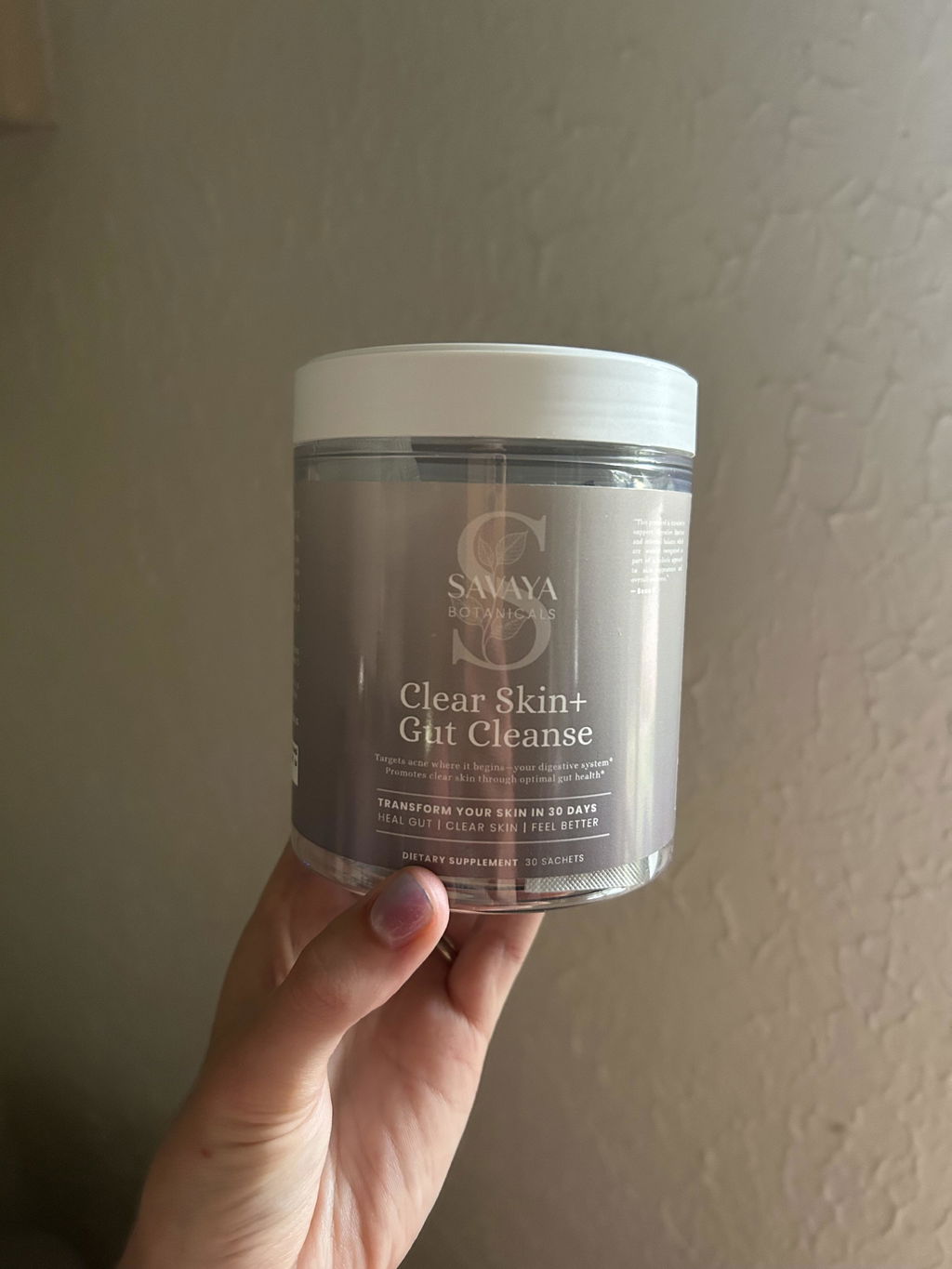
Remember the 2022 research — genuine microbiome recovery takes 6–12 months. Clear Skin+ Max Detox, our daily acai-based blend, helps support gut and skin health, working with your body rather than against it.
———
The Gut-Rebuilding Protocol: Where to Start
If you're currently on antibiotics for acne, recently finished a course, or realize this is where your long-term skin struggle began — here's a foundational protocol to begin reversing the damage:
- Weeks 1–2 — Clear: Eliminate sugar, alcohol, and dairy. Begin a gut cleanse to reduce Candida load, clear inflammatory residue, and prepare the intestinal environment for healthy recolonization.
- Weeks 3–6 — Repair: Introduce daily sea moss, diversified fermented foods (sauerkraut, kimchi, coconut kefir), and collagen strips to begin repairing gut lining integrity and replenishing structural skin proteins.
- Weeks 7–12 — Rebuild: Sustain recolonization with prebiotic-rich whole foods (leeks, garlic, green bananas, chicory root), continue daily sea moss, and add a daily Clear Skin+ Max Detox acai blend to help support this stage.
- Ongoing — Maintain: Keep the foundation with low-sugar, anti-inflammatory eating, daily mineral support from sea moss, and seasonal cleanse cycles to prevent dysbiosis from accumulating again.
Your skin is a reflection of what's happening inside. The conventional approach treats the symptom on the surface. The gut-first approach treats the system that created it.
———
Frequently Asked Questions
Can antibiotics permanently damage the gut microbiome?
Antibiotics can cause long-lasting and sometimes permanent changes to the gut microbiome. The 2022 research published in Cell Host & Microbe showed that key bacterial strains — particularly Faecalibacterium prausnitzii and specific Bifidobacterium species — remain significantly depleted for 6–12 months after a single antibiotic course. In some individuals, without active gut-healing intervention, certain strains may not fully recover at baseline levels. This is why proactive microbiome support — not simply waiting — is essential after any antibiotic course.
Why does acne come back worse after stopping antibiotics?
This pattern — known as antibiotic rebound — occurs because resistant strains of C. acnes repopulate the skin rapidly once antibiotic pressure is removed, while the beneficial bacteria that would normally compete with and suppress them are still deeply depleted. Without that microbial balance, resistant bacteria proliferate unchecked, often producing a more aggressive and widespread breakout than existed before treatment began.
What is fungal acne and how is it connected to antibiotic use?
Fungal acne — technically pityrosporum folliculitis — is an overgrowth of Malassezia yeast in the hair follicles. It's directly connected to antibiotic use because antibiotics deplete the bacterial species that normally keep yeast populations in check, both in the gut and on the skin. It looks nearly identical to bacterial acne but does not respond to standard acne treatments, and can actually worsen with certain acne products. If your acne became more uniform, slightly itchy, and treatment-resistant after antibiotics, fungal acne should be explored.
How long does gut recovery after antibiotics actually take?
Based on 2022 research, full gut microbiome recovery takes between 6 and 12 months following antibiotic use — and that's with adequate dietary support. Without intentional gut-healing protocols, recovery is slower and some microbial diversity may be permanently altered. Beginning a structured gut-rebuilding program immediately after (or even during, with medical guidance) antibiotic use significantly accelerates the recovery timeline and reduces the severity of post-antibiotic skin consequences.
Are there effective natural alternatives to antibiotics for clearing acne?
Yes — and the evidence base is growing. Gut microbiome repair through dietary change, targeted cleansing, and mineral nutrition addresses the root inflammatory drivers of acne without the microbiome disruption. Zinc, omega-3 fatty acids, sea moss, collagen peptides, and elimination of high-glycemic foods have all demonstrated meaningful results in controlled studies. Formulas like Clear Skin+ Max Detox, a daily acai-based blend, are built around this same evidence base and may help support gut and skin health.
———
Ready to move past the antibiotic cycle and start supporting your skin from the inside out?
Start with Clear Skin+ Max Detox, a daily acai-based blend that helps support your gut and skin as part of your everyday routine.