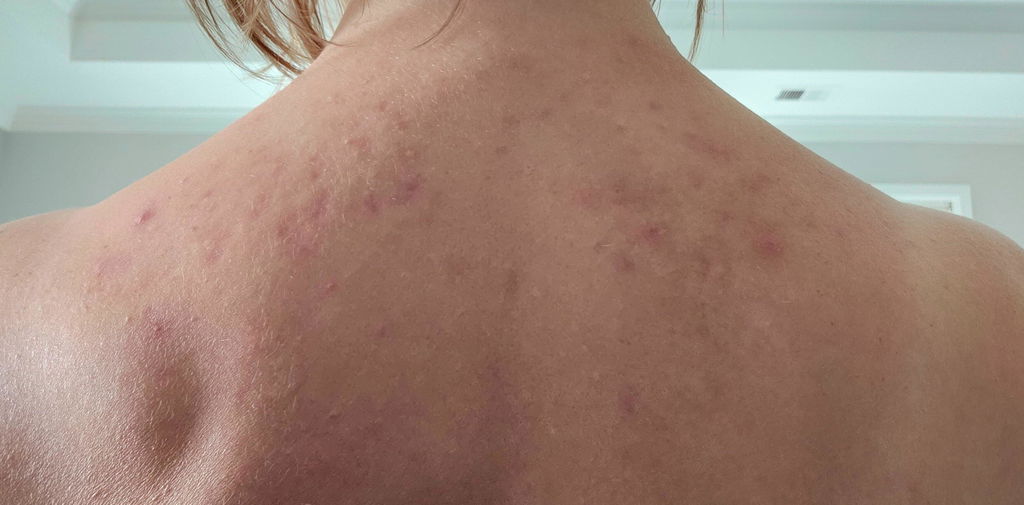
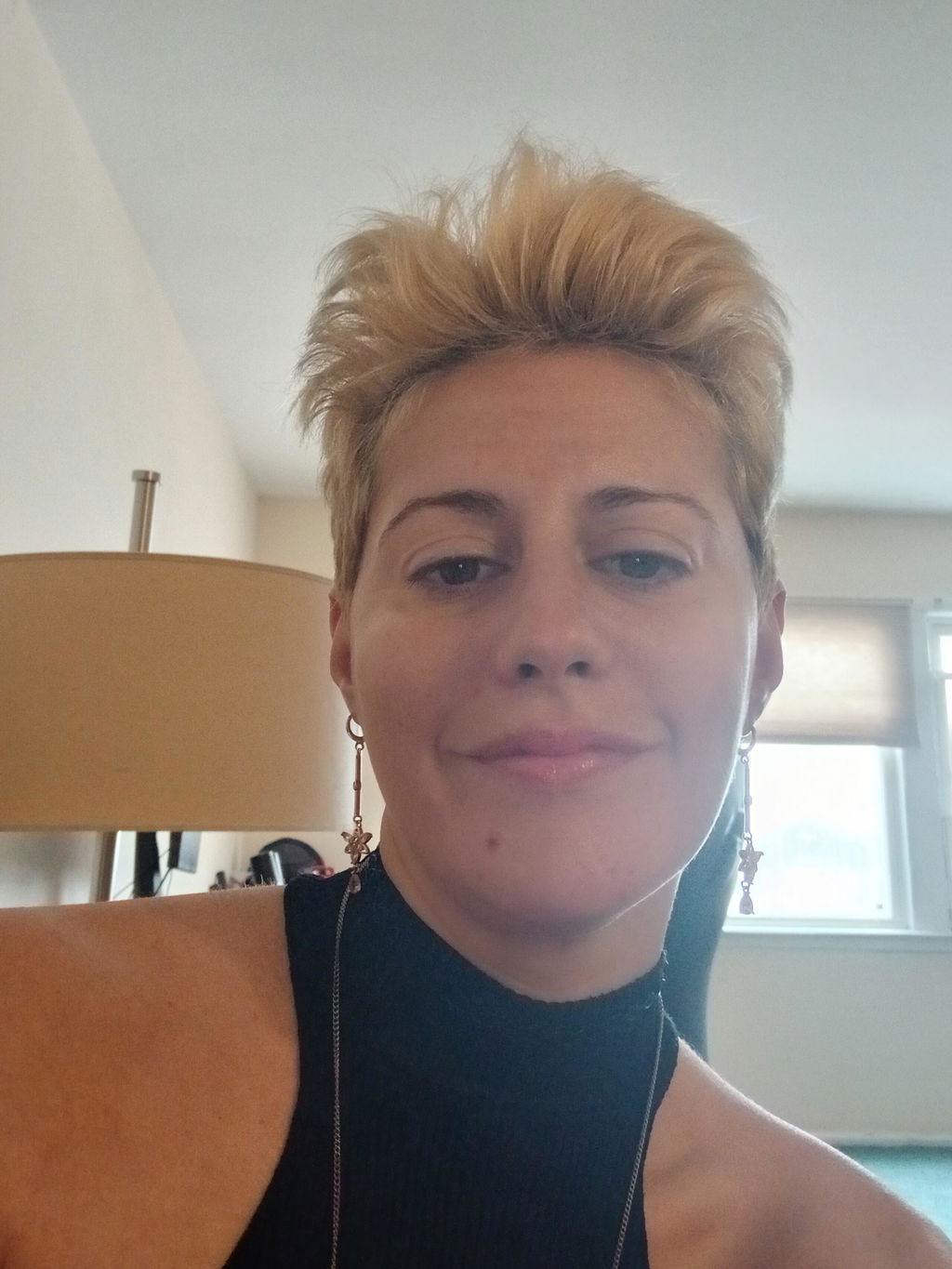
I spent four years convinced my skin was the problem.
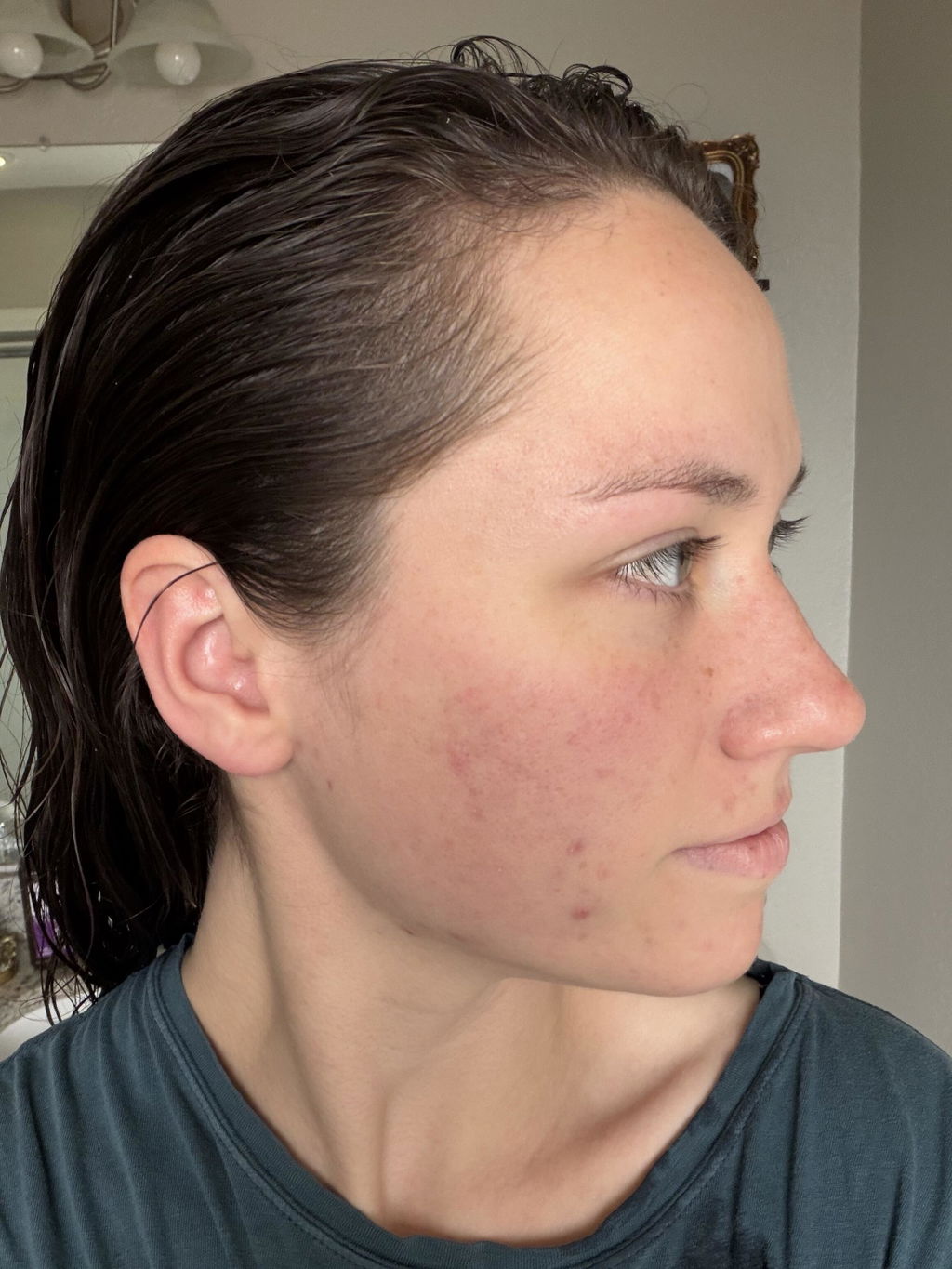
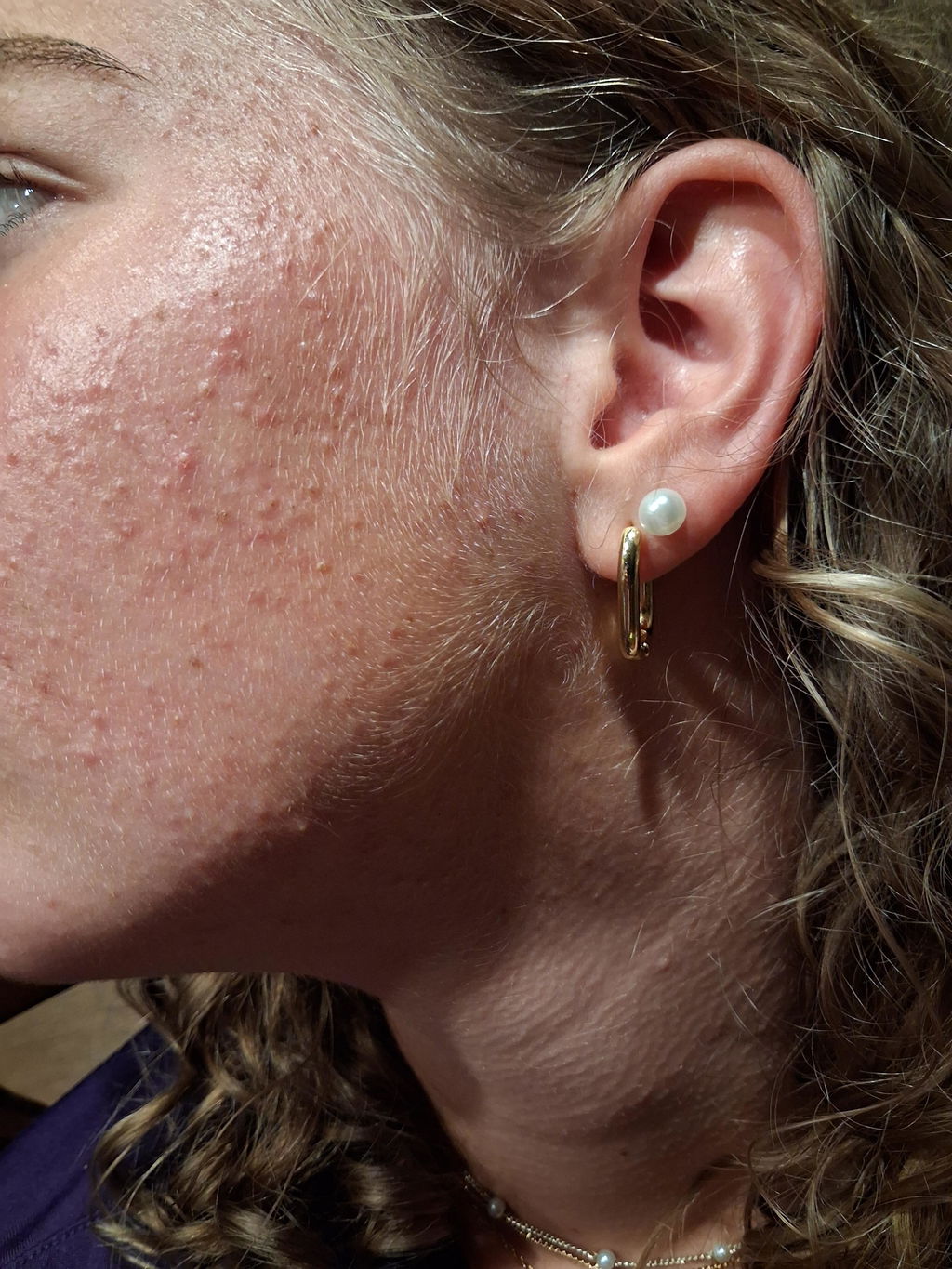
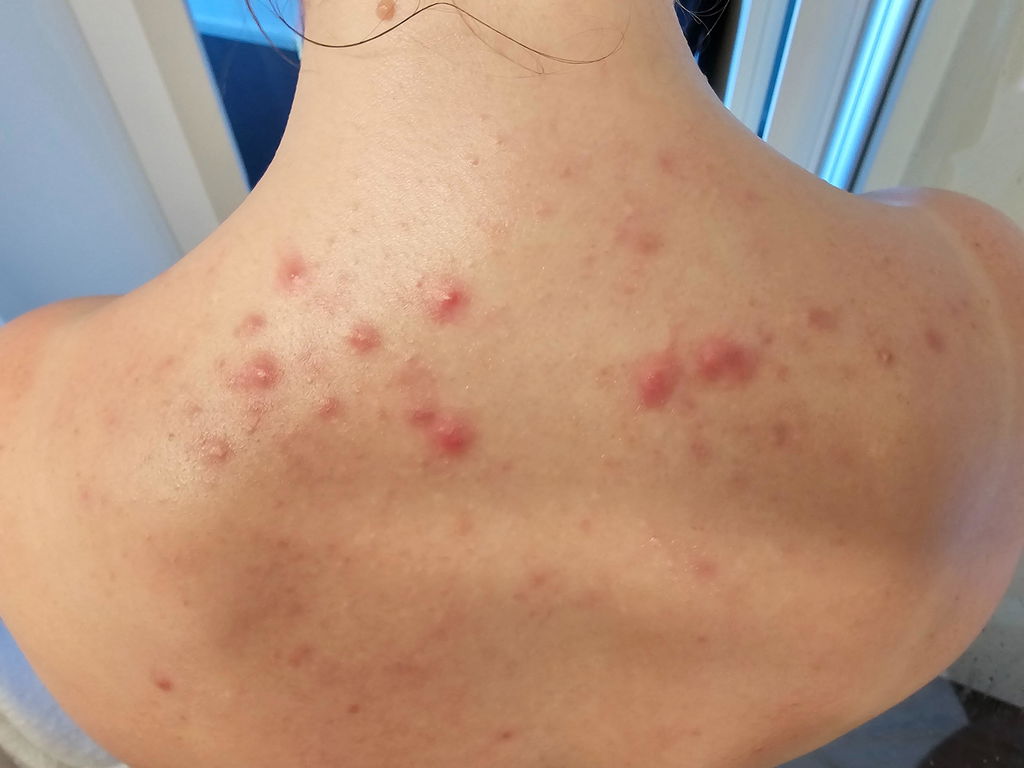
Four years of prescription retinoids. Benzoyl peroxide that bleached my pillowcases. Salicylic acid cleansers that left my face tight and raw. I tried charcoal masks, chemical peels, LED light therapy, and a $300 facial that made me break out worse than before. My bathroom counter looked like a dermatologist's supply closet, and my skin looked exactly the same — angry, inflamed, and covered in cystic acne along my jawline and cheeks.
Then, during one of those desperate 2 AM research spirals, I found a study from the Journal of Dermatological Science that stopped me cold. It described how 54% of acne patients showed significant alterations in their intestinal microflora — and that increased intestinal permeability was directly linked to systemic skin inflammation.
My skin wasn't broken. My gut was leaking.
———
What Intestinal Permeability Actually Means for Your Skin
Here's the simplest way I can explain what's happening inside you right now. Your small intestine is lined with a single layer of cells, held together by protein structures called tight junctions. Think of them as the mortar between bricks — they decide what gets through and what stays out. Nutrients pass through. Toxins, undigested food particles, and bacteria do not.
When those tight junctions loosen, you get what researchers call increased intestinal permeability — commonly known as leaky gut. A protein called zonulin is the key that unlocks those gates. Research published in Physiological Reviews identified zonulin as the only known physiological modulator of intercellular tight junctions. When zonulin levels spike — from gluten exposure, bacterial imbalance, chronic stress, or processed food — it triggers a cascade: tight junction proteins get displaced, gaps open up, and inflammatory molecules like lipopolysaccharide (LPS) endotoxins flood into your bloodstream.
And where does that inflammation show up? Your skin. Researchers call it the gut-skin axis — a direct communication pathway between your intestinal lining and your largest organ. A landmark review in Gut Pathogens documented how gut dysbiosis and increased permeability release inflammatory mediators into circulation, triggering conditions like acne, eczema, psoriasis, and rosacea. The inflammation isn't starting on your face. It's starting in your gut and traveling there.
That realization changed everything for me.
———
How to Know If Your Gut Is Compromised
Before I changed anything, I needed confirmation. Here are the three ways to assess intestinal permeability:
The Lactulose-Mannitol Test: This is the gold standard. You drink a solution of two sugars — lactulose (a larger molecule) and mannitol (a smaller one). In a healthy gut, mannitol passes through easily while lactulose cannot. If lactulose shows up in your urine at elevated levels, your tight junctions are too loose. The test involves an overnight fast, drinking the sugar solution, then collecting urine for 2-5 hours.
Zonulin Testing: A blood or stool test measuring zonulin levels. Elevated zonulin indicates your tight junctions are actively being opened. Research from Clinical Gastroenterology and Hepatology confirmed zonulin as a biomarker for intestinal permeability — though it's worth noting that test quality varies between labs.
Symptom Mapping: Before any test, I mapped my own symptoms. Bloating after meals. Brain fog. Seasonal allergies that appeared out of nowhere at 27. Joint stiffness in the morning. And, of course, persistent acne that no topical treatment could resolve. When gut issues and skin issues overlap this clearly, intestinal permeability is almost always part of the picture.
My lactulose-mannitol ratio was elevated. My zonulin was high. And suddenly, four years of failed skincare made perfect sense.
———
The 4R Protocol: A Functional Medicine Framework That Actually Works
My functional medicine practitioner introduced me to the 4R Protocol — a systematic approach to gut restoration used widely in integrative medicine. It's not a quick fix. It's a rebuild. And each phase matters.
Phase 1: Remove (Weeks 1-3)
You can't heal a wound you keep reopening. The first phase eliminates everything that's damaging your intestinal lining.
- Foods to remove: Refined sugar, processed seed oils, gluten, conventional dairy, alcohol, and artificial additives. These are documented triggers of zonulin release and tight junction disruption.
- Gut irritants to address: NSAIDs (ibuprofen damages gut lining with regular use), excess caffeine, and chronic stress — which directly increases intestinal permeability through the gut-brain axis.
- Microbial imbalances: This is where a targeted gut cleanse becomes essential. You need to clear out the bacterial overgrowth and candida that are producing the toxins keeping your gut inflamed in the first place.
I felt worse for about five days — headaches, fatigue, irritability. That's normal. Your body is clearing out what's been accumulating for years.
Phase 2: Replace (Weeks 3-5)
Years of poor gut health depletes the enzymes and acids your body needs to properly break down food. Undigested food particles are one of the biggest contributors to intestinal permeability.
- Digestive enzymes with meals — look for a broad-spectrum formula with protease, lipase, and amylase.
- Apple cider vinegar (1 tablespoon in water before meals) to stimulate stomach acid production.
- Bitter foods like arugula, dandelion greens, and ginger to naturally support digestive secretions.
- Mineral-dense whole foods to replace what your compromised gut hasn't been absorbing. This is when I added sea moss to my morning routine — it delivers 92 of the 102 minerals your body needs in a bioavailable form. My energy shifted within the first week.
Phase 3: Re-inoculate (Weeks 5-8)
Your gut microbiome is an ecosystem. After clearing out the harmful organisms and supporting digestion, you need to rebuild the beneficial bacterial colonies.
- Probiotics: Multi-strain formulas containing Lactobacillus and Bifidobacterium species. Clinical studies show these strains specifically enhance the secretion of anti-inflammatory substances, support immune function, and actively reduce intestinal permeability.
- Prebiotic foods: Garlic, onions, leeks, asparagus, and Jerusalem artichokes feed your beneficial bacteria. Without prebiotics, probiotics are just passing through.
- Fermented foods: Sauerkraut, kimchi, coconut kefir, and miso. Start small — a tablespoon per meal — and build up. Your gut needs time to adjust.
By week 6, my bloating was gone. By week 7, I noticed something I hadn't expected: the deep, painful cysts along my jawline had stopped forming. Not reduced — stopped.
Phase 4: Repair (Weeks 8-12)
This is the phase most people skip — and exactly why their results don't last. Healing the actual intestinal lining requires specific nutrients.
- L-Glutamine: The most researched gut-repair nutrient. A 2024 systematic review and meta-analysis confirmed that glutamine supplementation significantly reduces intestinal permeability. It's the preferred fuel source for enterocytes — the cells that line your intestine. In an RCT with 106 IBS patients, 5g of glutamine three times daily for eight weeks normalized intestinal hyperpermeability.
- Collagen: Provides the amino acids (glycine, proline, hydroxyproline) that are literal building blocks of your intestinal lining. I used collagen strips daily — they dissolve on your tongue, which made the habit effortless.
- Zinc: Critical for tight junction integrity and mucosal healing.
- Omega-3 fatty acids: Anti-inflammatory support for the entire gut lining.
- Bone broth: Nature's gut repair formula — rich in gelatin, glutamine, and glycine.
For the full repair phase, I followed a structured detox protocol that combined these nutrients in the right ratios and sequence. Having that structure removed the guesswork that had derailed every previous attempt.
———
My 12-Week Gut Healing Timeline: What Actually Happened
I want to be honest about what this looked like, because Instagram will have you believing in overnight transformations.
Weeks 1-2: Detox reactions. Headaches, fatigue, and my skin actually got worse before it got better. Two new breakouts appeared on my chin. I almost quit. Don't quit.
Weeks 3-4: Energy started returning. The constant post-meal bloating disappeared. I was sleeping deeper. Skin was still breaking out, but the inflammation around existing spots was visibly calmer.
Weeks 5-6: The turning point. No new cystic breakouts for two consecutive weeks — the first time in four years. My digestion felt completely different. I was actually hungry at mealtimes instead of perpetually nauseous.
Weeks 7-8: Skin texture started shifting. The rough, bumpy patches on my cheeks smoothed out. Hyperpigmentation from old breakouts began fading. People started commenting.
Weeks 9-10: I looked in the mirror and didn't immediately scan for new breakouts. That psychological shift was almost more powerful than the physical one.
Weeks 11-12: Clear skin. Not perfect, airbrushed skin — real, healthy, calm skin. No active breakouts. Reduced redness. A genuine glow that no highlighter had ever given me.
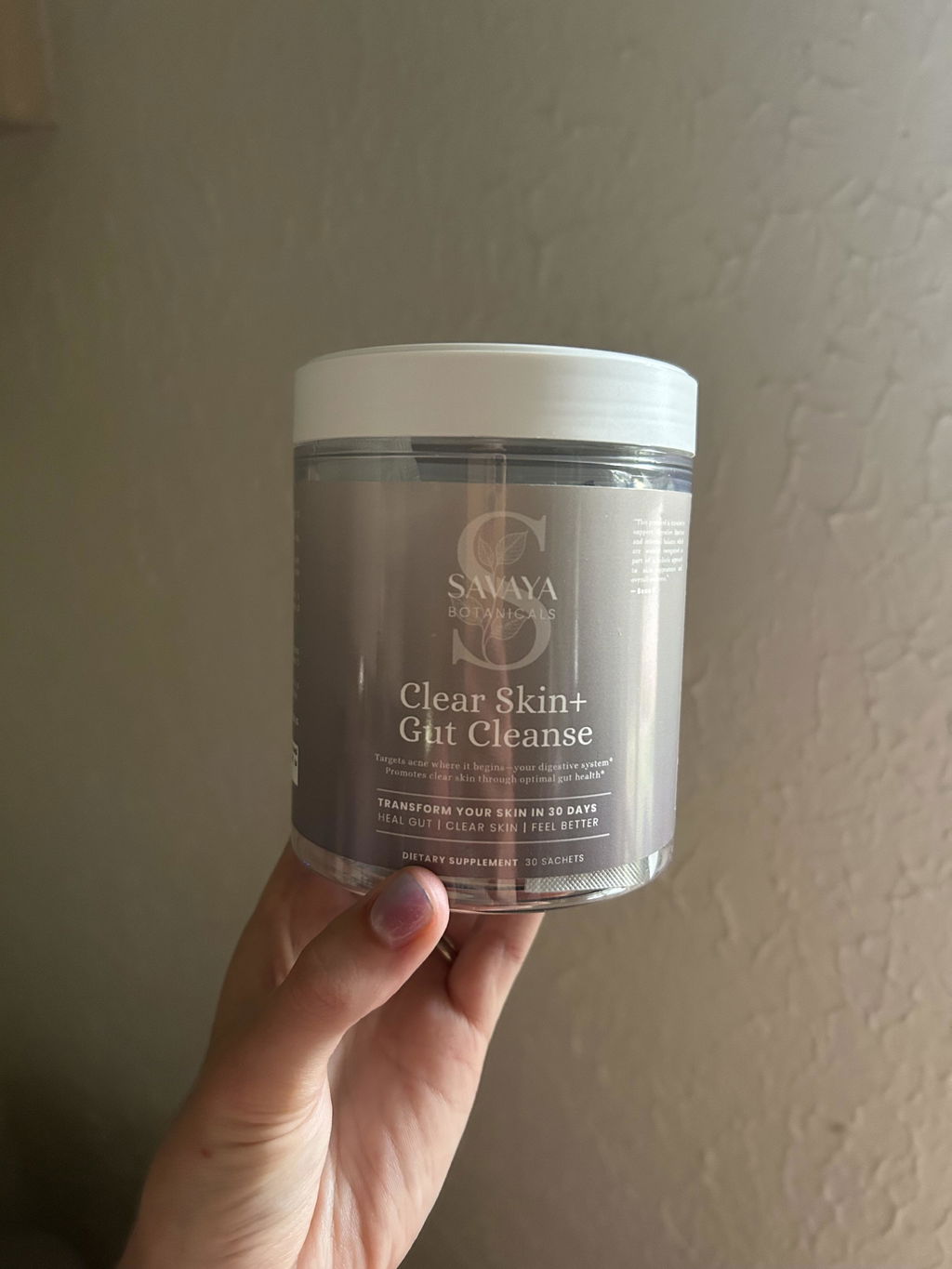
If you want something simple to add into your routine, the Clear Skin+ Max Detox is the daily acai blend I now reach for instead of piecing everything together myself like I did.
———
What I Wish Someone Had Told Me About Topical Care During Gut Healing
Here's something I learned the hard way: while you're healing from the inside out, you still need to protect your skin barrier from the outside in. But most conventional skincare products — the ones full of synthetic fragrances, sulfates, and chemical preservatives — are adding to your body's toxic load.
I stripped my routine down to almost nothing. Gentle cleanser. Hydration. And a tallow-based moisturizer at night. Tallow is biocompatible with human skin — its fatty acid profile mirrors our own sebum. It supports the skin barrier without introducing the endocrine disruptors hiding in most commercial moisturizers. While my gut was healing the inflammation from the inside, the tallow kept my skin's outer barrier intact.
Less was genuinely more.
———
The Science Is Catching Up to What Our Bodies Already Know
We've been treating skin as a surface-level problem for decades. But the research is now irrefutable. A comprehensive review in Frontiers in Microbiology confirmed the gut microbiome as a major regulator of the gut-skin axis. The Gut Pathogens paper established the gut-brain-skin connection as a legitimate clinical framework. And the glutamine meta-analysis proved that targeted supplementation can measurably restore intestinal barrier function.
Your skin is a messenger. And the message it's sending — through acne, eczema, rosacea, or unexplained inflammation — is that something deeper needs attention.
I wasted four years listening to that message and responding to the wrong organ. You don't have to.
———
Ready to Start Healing From the Inside Out?
If this story sounds like yours — if you've tried everything topical and nothing has worked — your skin might be asking you to look deeper. Clear Skin+ Max Detox is the daily acai blend I added to my own routine, and it helps support skin clarity as part of a broader approach to care.
Because clear skin was never about finding the right cream. It was about healing the right organ.
———
Frequently Asked Questions
How long does it take for gut healing to show results on your skin?
Most people begin noticing reduced inflammation and fewer new breakouts between weeks 5 and 7 of a structured gut healing protocol. However, significant improvements in skin texture, tone, and clarity typically appear between weeks 8 and 12. The timeline depends on how compromised your intestinal lining is, your consistency with the protocol, and how many inflammatory triggers you successfully remove from your diet and environment.
Can you heal leaky gut without supplements?
Diet and lifestyle changes — removing inflammatory foods, managing stress, and eating probiotic-rich fermented foods — form the foundation of gut healing. However, targeted nutrients like L-glutamine, collagen, and zinc have been clinically shown to accelerate intestinal lining repair. A 2024 meta-analysis found that glutamine supplementation significantly reduced intestinal permeability markers. While supplements aren't strictly required, they can substantially shorten your healing timeline.
What is zonulin and why does it matter for acne?
Zonulin is a protein produced in your intestinal lining that regulates the tight junctions between your gut cells. When zonulin levels are elevated — triggered by factors like gluten, stress, or bacterial imbalance — it causes those tight junctions to open, allowing inflammatory molecules to enter your bloodstream. This systemic inflammation travels to your skin through the gut-skin axis, contributing to acne, redness, and inflammatory skin conditions. Testing zonulin levels through blood or stool samples can help determine if intestinal permeability is contributing to your skin issues.
What foods should you avoid if you have leaky gut and acne?
The primary foods to remove during gut healing include refined sugar, processed seed oils, gluten-containing grains, conventional dairy, alcohol, and anything with artificial additives or emulsifiers. These foods are documented triggers of zonulin release and tight junction disruption. Many practitioners also recommend temporarily eliminating eggs, soy, and corn during the initial removal phase, then reintroducing them one at a time to identify personal triggers.
Is the lactulose-mannitol test the best way to diagnose leaky gut?
The lactulose-mannitol test is currently considered the gold standard for measuring small intestinal permeability. It works by having you drink a solution of two differently-sized sugar molecules, then measuring their ratio in your urine. If the larger sugar (lactulose) appears at elevated levels, it indicates your tight junctions are too permeable. Zonulin testing through blood or stool is another option, though commercial assay quality varies between laboratories. Many functional medicine practitioners also use comprehensive symptom mapping alongside these tests for a more complete clinical picture.