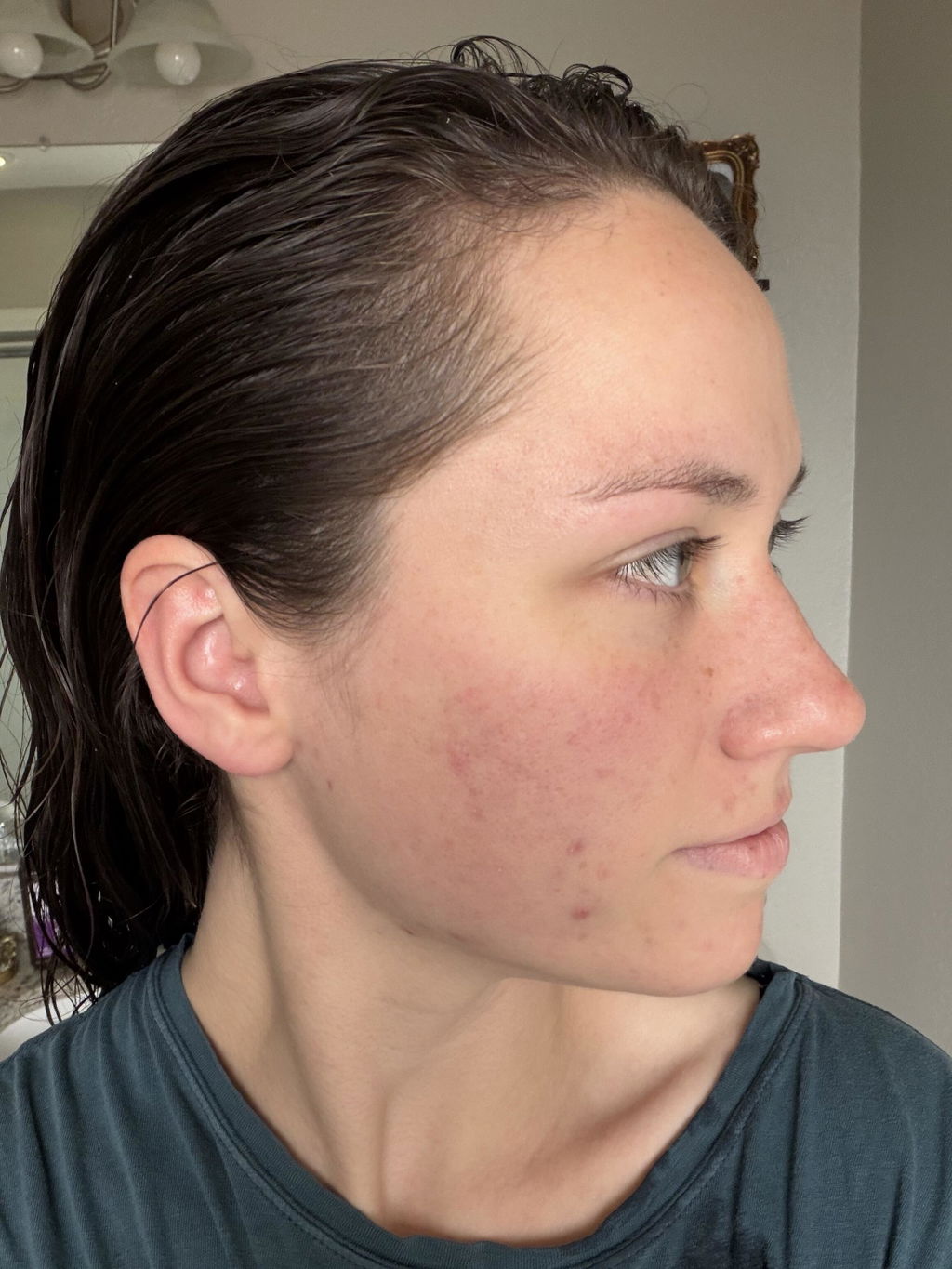
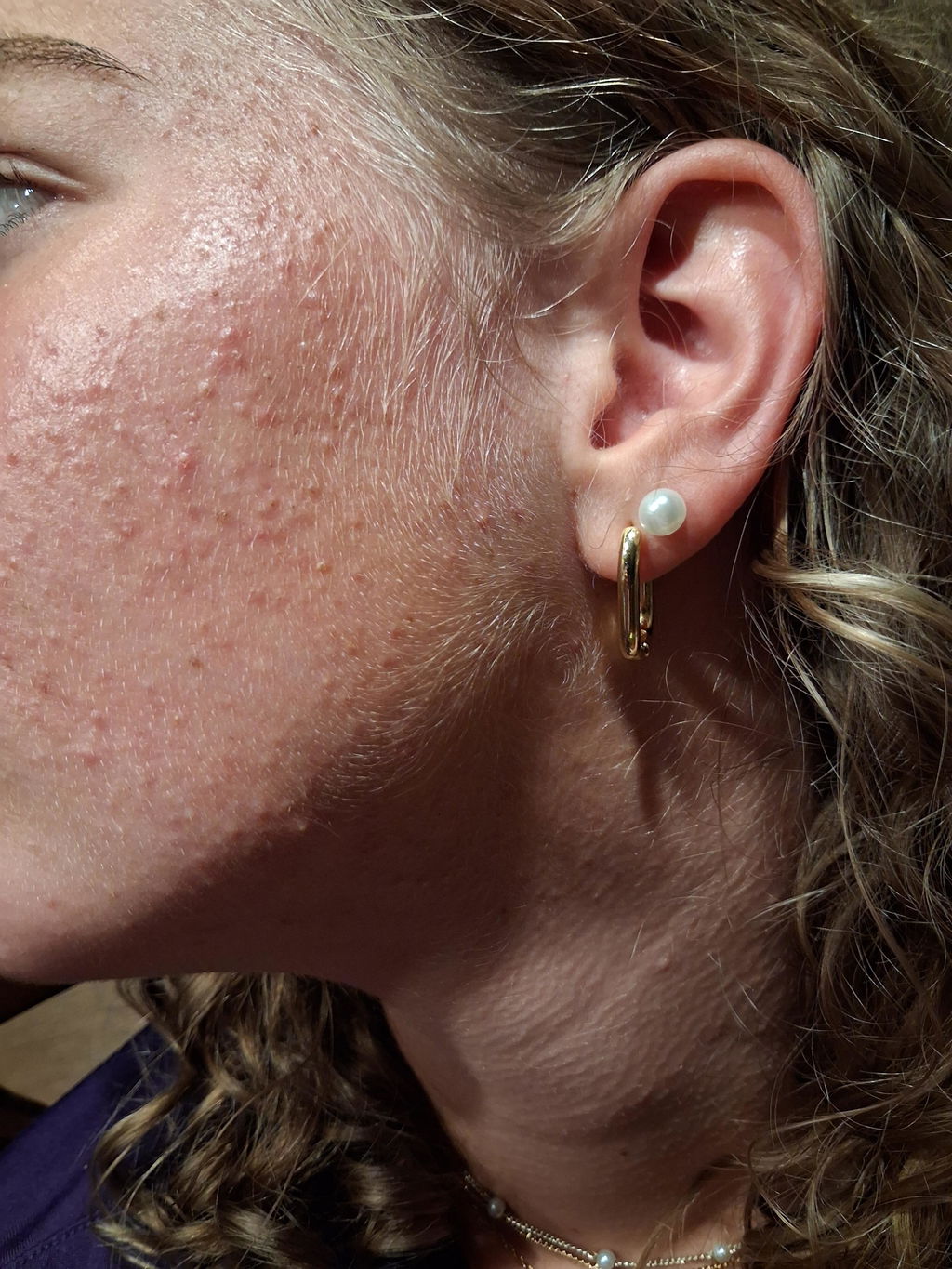
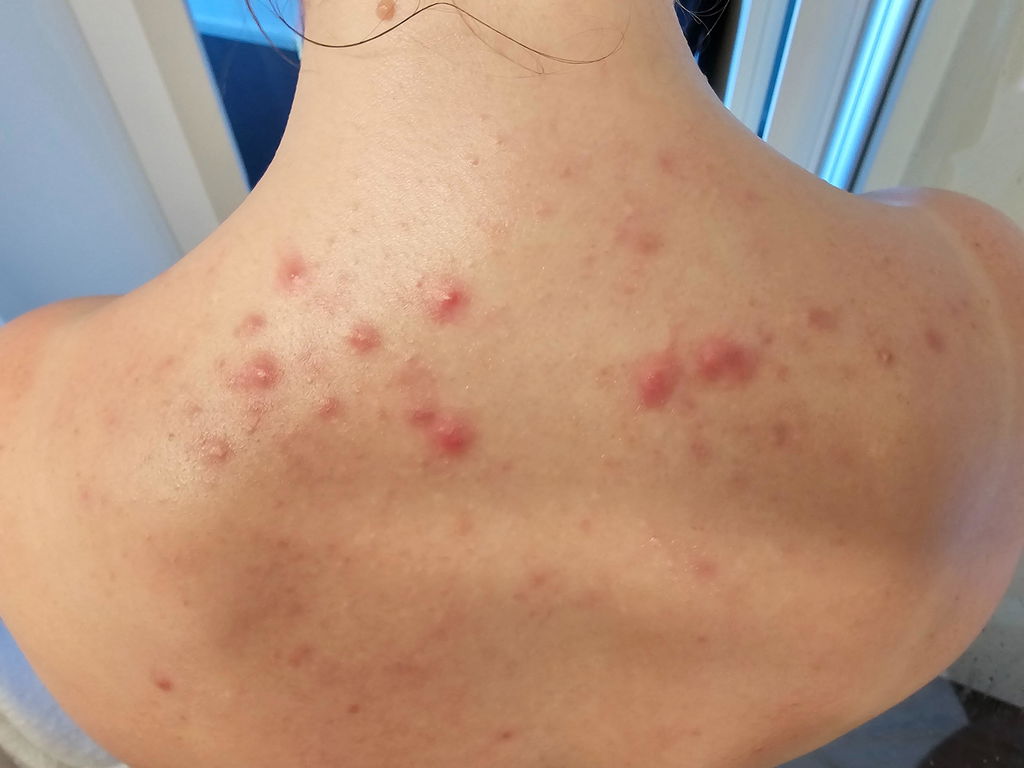
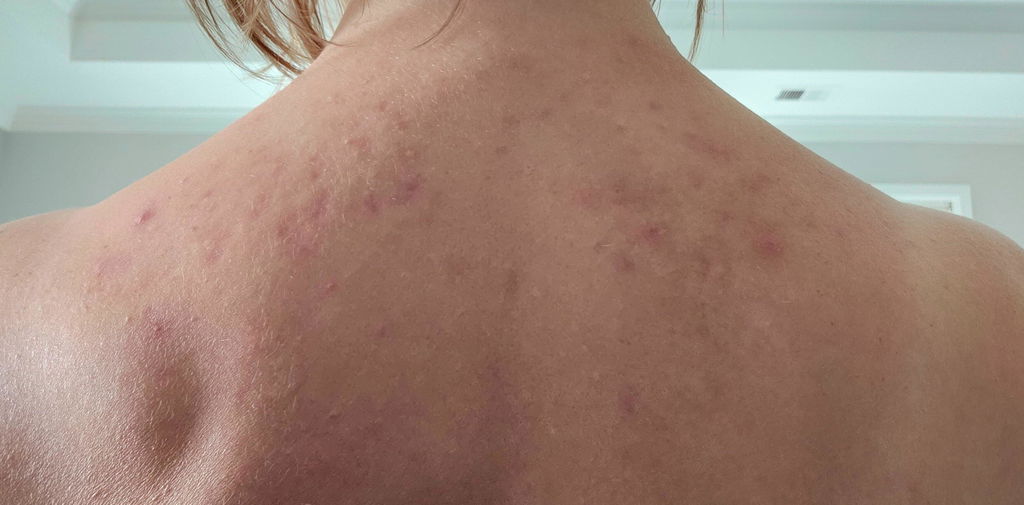
You took the doxycycline for three months. Your skin cleared. Then six months later it came back angrier than before, and your dermatologist offered you another round. I see this pattern in my practice almost every single week. The mechanism is not a mystery anymore. It is what those antibiotics did to the bacterial ecosystem inside your gut, and how that ecosystem talks to every oil gland in your skin.
The Clear Skin Is Real. So Is the Rebound.
Oral antibiotics for acne work by killing Cutibacterium acnes in the follicle and lowering inflammation in the skin. Most people see real improvement within four to eight weeks. The trouble starts around months three through six, when the same drugs are stripping the gut bacteria that quietly regulate skin inflammation from the inside.
Here is what most women miss. The antibiotic was never treating the cause of your acne. It was suppressing the symptom. Once you stop the prescription, the underlying inflammation comes back. Only now your gut is in a much worse state than when you started.
Cystic flares that show up two to six months after a long course of antibiotics are not random. They are predictable. In my practice, women who arrive after multiple rounds of doxycycline almost always describe the same arc. Skin clears. Skin holds for a while. Skin returns with new bloating, new fatigue, and acne that no longer responds to the topical routine that used to work.
So what exactly happens inside the gut during those three months on the prescription?
What These Drugs Actually Kill in Your Gut
Tetracycline-class antibiotics like doxycycline, minocycline, and sarecycline are broad-spectrum. They cannot tell helpful bacteria from harmful ones. A 2022 study published in Frontiers in Microbiology found that doxycycline and minocycline significantly deplete Lactobacillus salivarius, Bifidobacterium adolescentis, Bifidobacterium pseudolongum, Bifidobacterium breve, and Akkermansia muciniphila in acne patients.
Those names matter. Let me explain why.
Bifidobacterium species ferment dietary fiber into short-chain fatty acids like butyrate. Butyrate is the main fuel for the cells lining your colon. Lose enough Bifido, and your gut barrier starts to weaken.
Akkermansia muciniphila lives in the mucin layer that protects your intestinal lining. It is one of the strongest known predictors of a healthy gut barrier in the entire research literature. When antibiotics wipe it out, the protective mucus thins.
Lactobacillus salivarius helps regulate immune signaling and produces compounds that suppress pathogenic bacteria. Lose it, and your immune system starts overreacting to things it used to ignore.
Now stack those losses together. Weaker barrier. Less butyrate. Dysregulated immunity. That is the textbook recipe for intestinal permeability, often called leaky gut, which feeds systemic inflammation, which the sebocytes in your skin respond to by producing more inflammatory sebum. The gut-skin axis is not a buzzword. It is a measurable feedback loop, and the vagus nerve carries the signals both directions.
Antibiotic Resistance Is Now a Standard Side Effect
Long courses of antibiotics for acne build resistance not just in skin bacteria but in your gut microbes too. The same 2022 research showed that doxycycline increased the tetracycline resistance gene tetW within ten days of starting treatment. That resistance can persist for years and transfer between bacterial species in the gut.
This matters for two reasons. The first is that the antibiotic stops working for your acne over time, which is exactly why your dermatologist keeps escalating to stronger options.
The second reason is bigger. If you ever need an antibiotic for something serious, like a kidney infection, pneumonia, or recovery from surgery, your gut may already be carrying resistance genes that limit your treatment options. The American Academy of Dermatology now recommends limiting oral antibiotics for acne to three months at a stretch. Most prescriptions still run far longer than that.
Why Candida Almost Always Shows Up Next
When antibiotics kill bacteria, they do not kill yeast. Candida albicans is a normal resident of the gut that is usually kept in check by the bacteria competing with it for territory. Once those competitors are gone, Candida has room to expand. Many women notice this as recurrent thrush, persistent bloating, sugar cravings, brain fog, or stubborn cystic acne along the jawline that nothing topical seems to touch.
Candida overgrowth produces metabolites like acetaldehyde, which damage the gut lining and add to the inflammatory load your skin is already trying to manage.
What I see in my practice is consistent. Women who address the Candida overgrowth almost always notice their cystic jawline acne calm down within eight to twelve weeks. The skin is responding to less inflammation at the source.
This is also why probiotics alone often disappoint people. If Candida already has territory, dropping in a few billion bacteria does not evict it. You need a sequenced approach. Clear first. Then repopulate. Then feed. That is the order that actually works.
C. difficile Is the Worst-Case Scenario
Clostridioides difficile is an opportunistic bacterium that thrives when antibiotics wipe out the species that would normally keep it small. Symptoms include watery diarrhea, fever, abdominal cramping, and in severe cases colitis. Tetracyclines carry lower C. diff risk than clindamycin or fluoroquinolones, but the risk is not zero, especially with repeat courses or when antibiotics are layered on top of each other.
I am not telling you this to scare you. I am telling you because most people taking acne antibiotics for a year or longer are not warned that C. diff is even on the list of possible outcomes.
If you take a long course of antibiotics and then develop persistent diarrhea, please get tested. Recurrent C. diff is hard to treat and can leave the gut altered for years.
If your acne came back worse after a long course of antibiotics, that is not a personal failure. That is biology. And biology, with the right inputs, is reversible.
The 2022 Recovery Research Was Sobering
A 2022 study published in Cell Reports tracked healthy adults before, during, and six months after a single course of four common antibiotics. Bacterial counts rebounded relatively quickly. But the composition of the microbiome, the resistance gene load, and the metabolic output had not returned to baseline at the six month mark.
That was after one course in healthy adults. Most acne patients have taken three, four, or more courses, often back to back.
Earlier work by Palleja and colleagues, published in Nature Microbiology in 2018, followed adults six months out from a wide-spectrum antibiotic exposure and found nine common species missing entirely. Without active intervention, the gut does not always rebuild itself.
That is the key word. Active. Recovery is not automatic, especially after multiple courses. The gut needs raw materials, fermented foods, prebiotic fiber, and time. Most people are giving it none of those things and wondering why their skin will not behave.
What I Hear From Women Looking for Answers
Patterns on dermatology forums and in my practice are remarkably consistent. People describe a clear honeymoon period, a return of acne now accompanied by bloating or sugar cravings, frustration that store-shelf probiotics did not seem to do enough, and eventually a willingness to try a more sequenced approach to the gut.
On forums like acne.org and the skincare communities on Reddit, the same story shows up over and over. A woman finishes a six month course of doxycycline. Her skin holds for a few months. Then comes a flare worse than the original problem, plus new digestive symptoms she never had before the prescription.
What I hear most often from new clients is this. "I was never told my gut had anything to do with my skin." That is the gap I am trying to close.
Most of these women have already tried probiotics from a regular store and felt no difference. That is not because probiotics are a scam. It is because a small daily capsule cannot rebuild a community that has been hammered for months without first removing what is overgrown and then feeding what you replant.
A Gut-Rebuilding Protocol That Actually Works
The protocol I walk women through has three phases. Clear what is overgrown. Repopulate what was lost. Feed the gut barrier with minerals, collagen building blocks, and prebiotic fiber. Each phase has a job. Skipping a phase is the most common reason women stall and then assume the whole gut thing did not work for them.
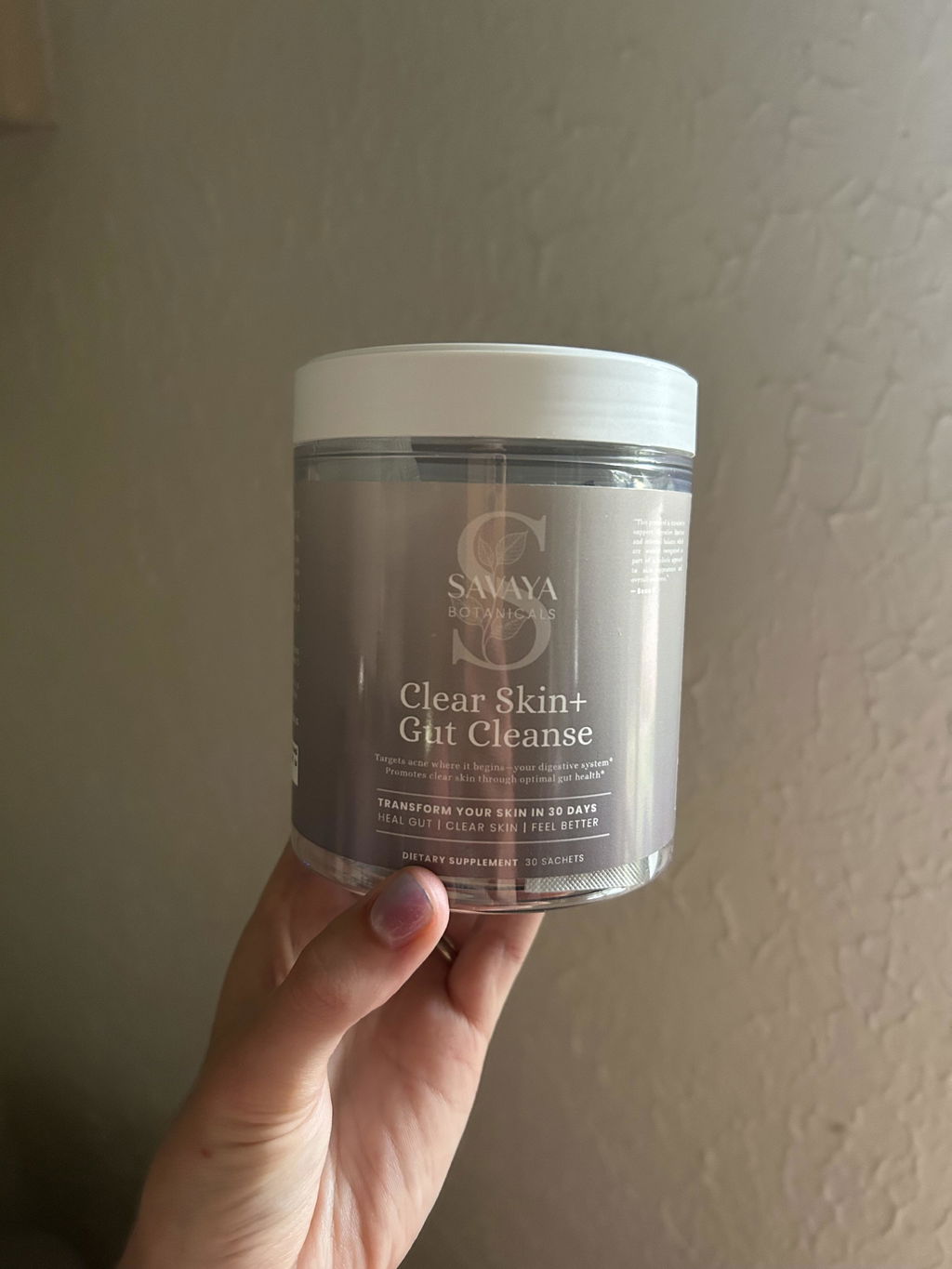
- Clear (weeks 1 to 4). Reduce Candida overgrowth, biofilms, and the opportunistic species that took advantage of the antibiotic damage. This is where a targeted gut cleanse built around natural antimicrobials does its work.
- Repopulate (weeks 5 to 8). Reintroduce diverse strains of Bifidobacterium and Lactobacillus through fermented foods and rotating probiotic strains. The species you want back are the ones the antibiotics killed in the first place.
- Feed and Rebuild (weeks 9 to 12). Prebiotic fiber. Mineral-rich foods. Amino acids for the gut lining. Postbiotic support. This is the long phase, where the barrier actually heals and skin starts holding clear without daily effort.
For the rebuild phase, the 92 trace minerals from the ocean in raw sea moss give your bacterial species the cofactors they need to thrive. The amino acids in bioavailable collagen support feed the cells of your gut lining directly. And for women who want surface support while the gut work catches up, a barrier-repairing tallow cream can ease topical inflammation in the meantime so you do not have to white-knuckle the transition.
For women who have done multiple rounds of antibiotics or who have not seen meaningful progress after a single cleanse, I usually point them toward Clear Skin+ Max Detox, a daily acai-based blend that helps support overall wellness. It's the one I recommend to women who have been on antibiotics for years, since it simply nourishes the body as part of whatever daily routine they already have in place.
• • •
None of this is fast. But if you give your gut twelve weeks of consistent input, the same way you gave the doxycycline three months, you give it a real chance to reset the inflammation feeding your skin from the inside out. That is the work the antibiotics could never do.
Frequently Asked Questions
Why does my acne come back worse after antibiotics?
Antibiotics suppress the symptom by killing skin bacteria and reducing inflammation. They do not address the root cause. They also kill helpful gut bacteria that regulate inflammation from the inside. When you stop the medication, the gut imbalance is now worse than when you started, and the inflammation often returns more intense than the original breakouts.
How long does it take to recover the gut microbiome after antibiotics?
Research suggests that even a single course can leave the microbiome altered six months later. With targeted support through fermented foods, prebiotic fiber, and a sequenced rebuild, most women see meaningful change in eight to twelve weeks. Without active support, recovery can take twelve months or longer, and some species may not return on their own at all.
Can I take probiotics while on antibiotics?
Many women do. The research is mixed. A 2018 study by Suez and colleagues, published in Cell, found that probiotics taken after antibiotics actually delayed mucosal microbiome reconstitution in some people. Fermented foods and prebiotic fiber, layered in after the course ends, is often a gentler reset.
Is it safe to stop antibiotics for acne?
That is a decision between you and your prescriber. What I will say is that the American Academy of Dermatology now recommends limiting oral antibiotics for acne to three months at a time. Many women find that supporting the gut while tapering off makes the transition much easier and reduces the rebound flare.
What is the best gut protocol after long-term antibiotics?
A three phase approach works best. Clear what is overgrown, especially Candida and biofilms. Repopulate the lost bacterial species through diverse fermented foods and rotating probiotics. Then feed the gut barrier with prebiotic fiber, trace minerals, and amino acids for the next several weeks. This is the same sequence I use with women who come to me after multiple rounds of antibiotics.