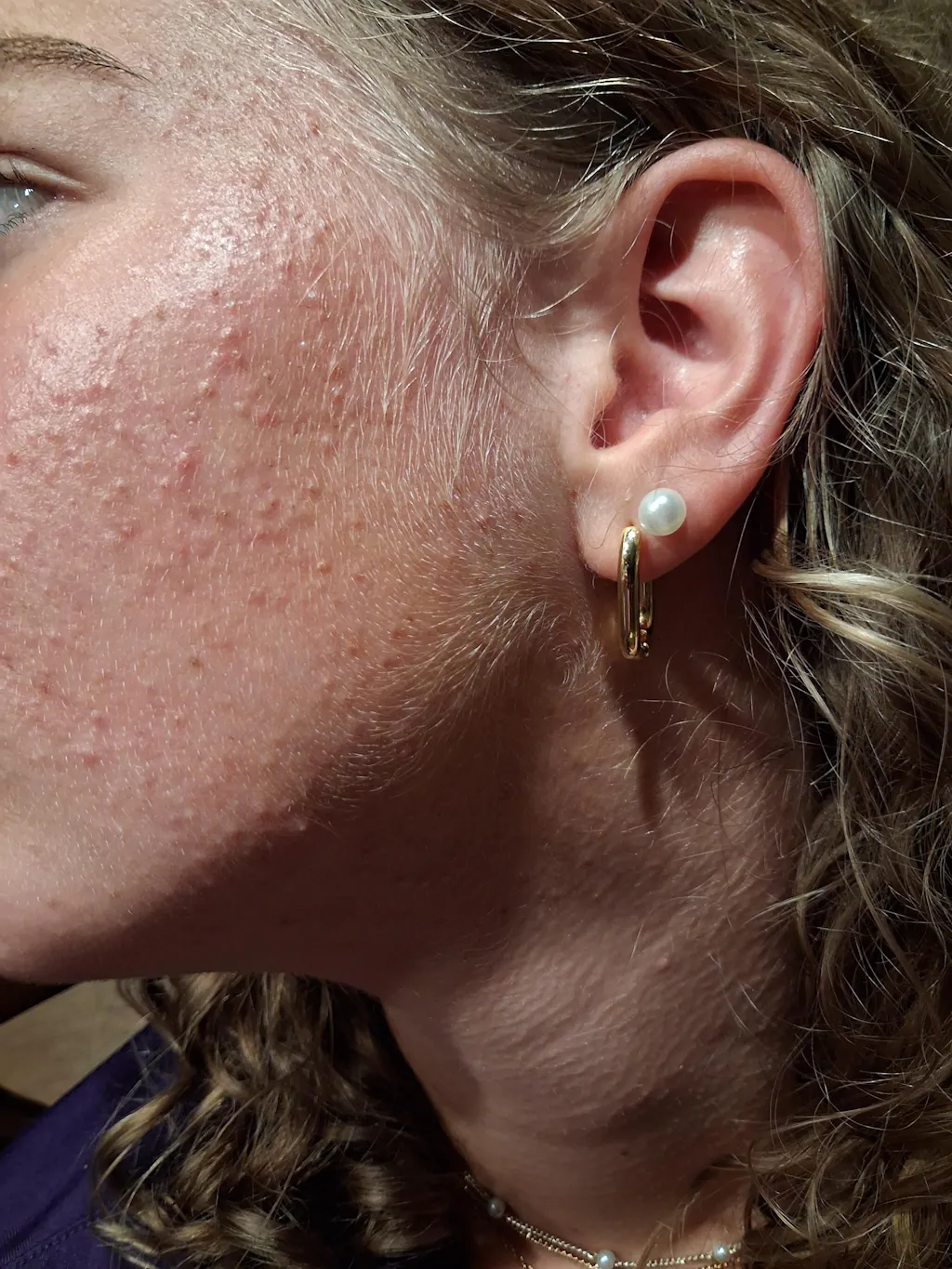
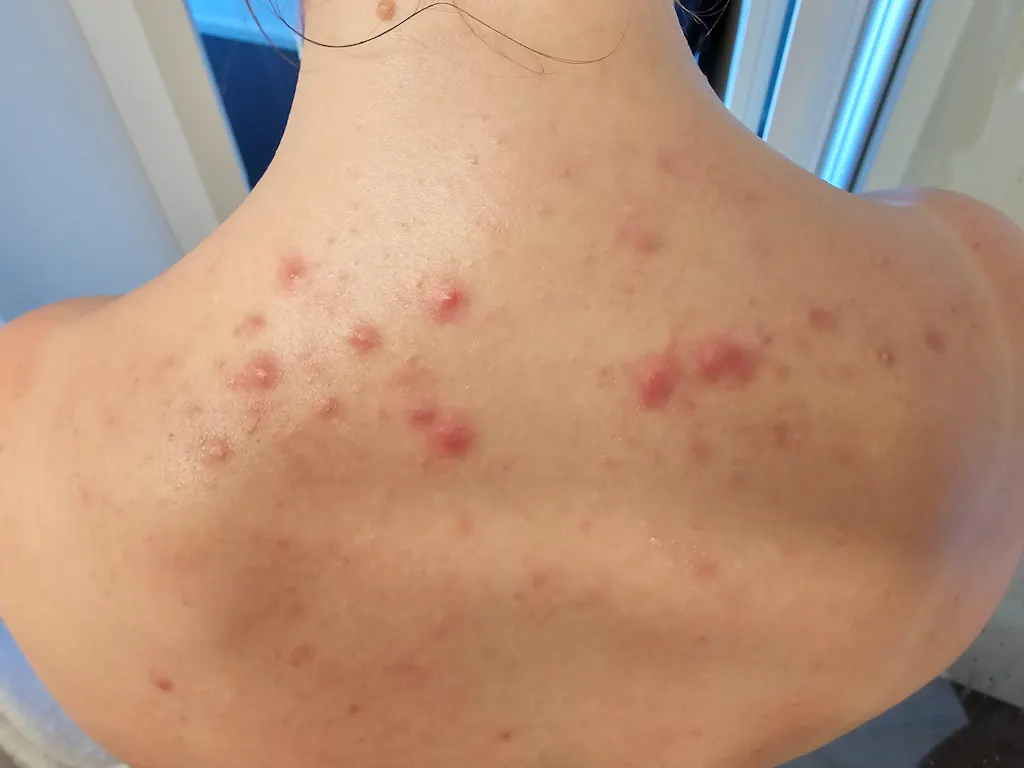
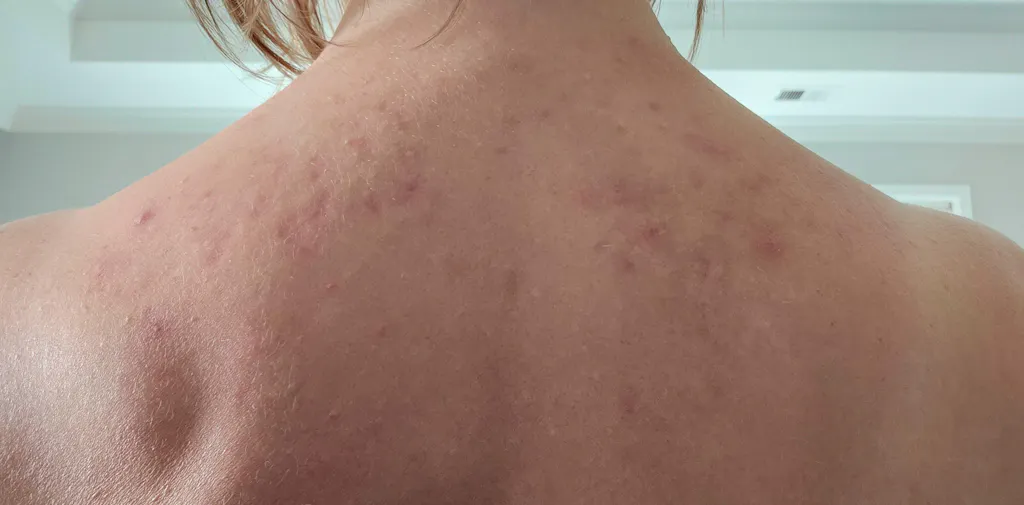
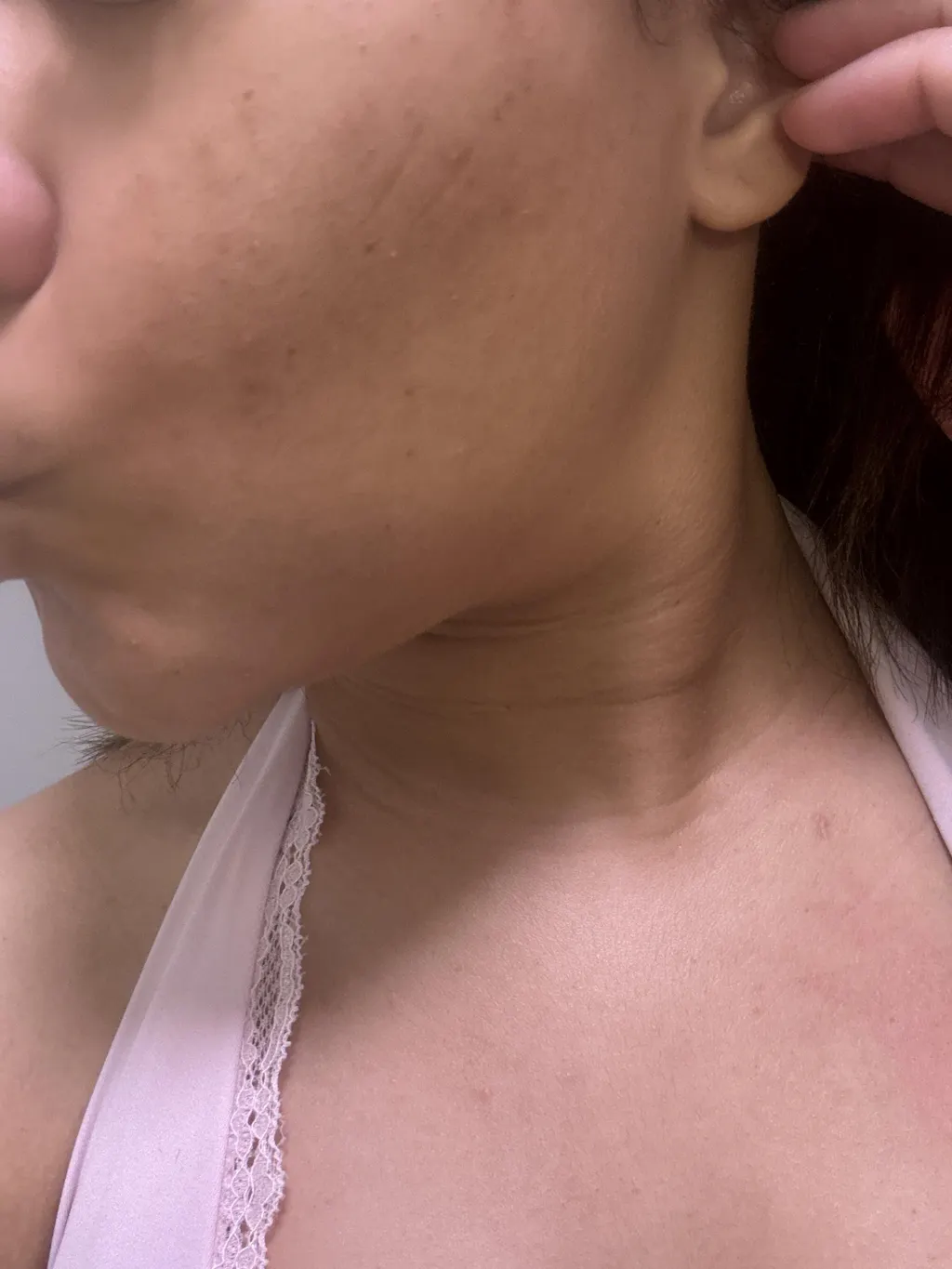
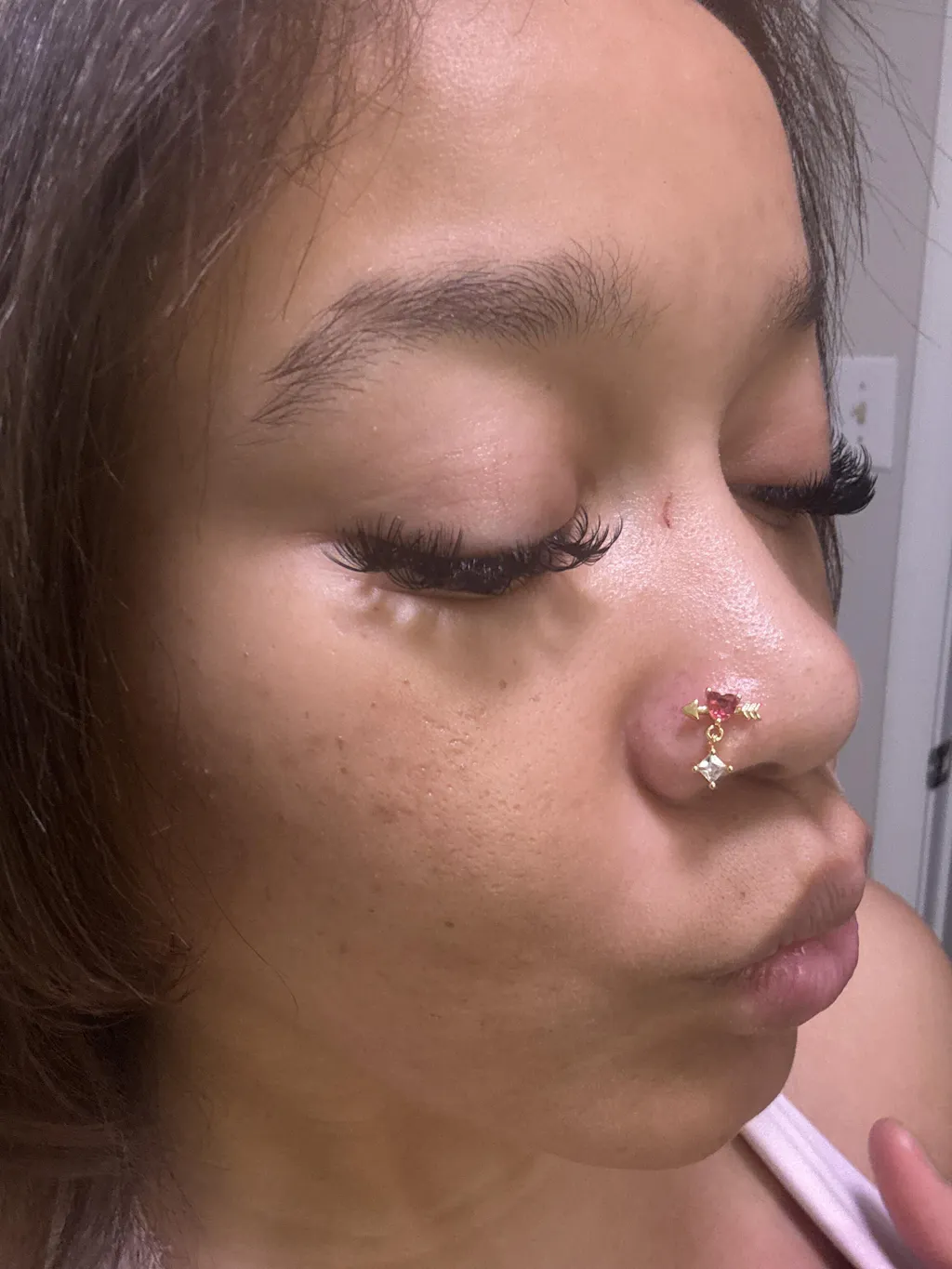
Last spring, I cut sugar for thirty days. Not the dramatic kind of cut where you swear off fruit and panic at marinara sauce. The honest kind. No added sugar, no syrups, no "natural sweeteners" hiding in granola or oat milk. I did it because three of my clients had finished the same experiment, and what happened to their skin made me suspicious. By day twelve, my own jawline broke out worse than I had seen in a decade. Then everything shifted.
What I want to walk you through is not a transformation story. It is what the research actually shows about sugar and skin, what happened week by week, and how to try the reset yourself without making the same mistakes I did.
Why Your Skin Reacts to Sugar in Ways Your Cleanser Cannot Fix
Sugar affects skin through three pathways. Glycation, which damages collagen. The insulin response, which drives sebum. And the gut microbiome, which controls inflammation. Topical products work at the surface. Sugar works underneath. That is why the cleanest skincare routine sometimes does almost nothing.
In my practice, the women who plateau on skincare are almost always still feeding the same inflammation from the inside. They have done the serums, the LED masks, the dermatology trips. What they have not done is interrupt the biochemistry that produces the next breakout, the next dull patch, the next under-the-skin bump that takes three weeks to surface.
That biochemistry is what we need to talk about.
Glycation and AGEs: How Sugar Speeds Up Skin Aging
Glycation is the chemical reaction that happens when sugar molecules in the bloodstream attach themselves to proteins like collagen and elastin. This creates advanced glycation end products, or AGEs, which stiffen, brown, and cross-link the protein fibers that keep skin firm and elastic.
When collagen gets glycated, it cannot repair itself the way young, hydrated collagen does. Picture a fresh rubber band versus one that has sat in a hot car for a summer. That is what AGEs do, in slow motion, every time blood sugar spikes.
A blueberry muffin and a black coffee. Pasta dinner with bread on the side. A glass of orange juice. Each one sends a wave of glucose into circulation, and each wave leaves a trail of glycated proteins behind. Dermatology research over the last two decades has documented this clearly. AGEs accumulate with age and with high-glycemic diets, and they correlate with skin sagging, dullness, and a yellow undertone many women confuse with sun damage.
The skin you see at fifty is, in part, a record of the sugar you ate at thirty.
Insulin, IGF-1, and the Sebum Cascade
Insulin does not just regulate blood sugar. It also triggers the release of insulin-like growth factor 1, or IGF-1, a hormone that signals your sebocytes to produce more oil. More oil. Tighter pores. Bacterial overgrowth. The acne cascade most women blame on hormones or stress is, very often, an insulin and IGF-1 story.
Work by Smith and Cordain in Australia, looking at high-glycemic diets and acne severity, showed measurable drops in breakouts when participants moved to a low-glycemic eating pattern over twelve weeks. The mechanism is consistent. Lower insulin, lower IGF-1, calmer sebocytes, less oil, fewer breakouts.
What this means in practice is that adult cystic acne along the jawline, the kind that pulses with your cycle, often has a sugar component you cannot out-cleanse. Until insulin steadies, the sebocytes keep getting the message.
A client of mine, a thirty-eight-year-old who had cycled through three rounds of antibiotics, watched her jawline calm down within three weeks of cutting added sugar. Nothing else changed. Same skincare. Same supplements. One variable.
What Sugar Does to Your Gut Bacteria
The gut-skin axis is real, and sugar disrupts it more than almost any other dietary factor. Researchers at Columbia University, publishing in 2022, found that a high-sugar diet rapidly reduced the diversity of beneficial gut bacteria and triggered immune dysregulation linked to metabolic disease. Other research on the same axis has documented the same pattern: simple sugars feed opportunistic microbes and starve the fiber-loving species that produce short-chain fatty acids.
Short-chain fatty acids, particularly butyrate, are what keep your gut barrier tight. When their production drops, the barrier loosens. Researchers call this intestinal permeability, sometimes nicknamed leaky gut. Zonulin levels rise, which signals the tight junctions between gut cells to open. Inflammatory molecules slip into circulation. The immune system responds. The skin, downstream, registers it as redness, breakouts, rosacea flares, or eczema patches.
If your skin gets worse the week after a holiday weekend, that is not coincidence. That is dysbiosis showing up on your face.
This is the piece most acne protocols miss. Topical care never reaches the microbiome, and oral antibiotics flatten it further. A real reset needs to feed the species that protect you. A targeted gut cleanse can help reduce the dysbiotic load while you rebuild with fiber, fermented foods, and minerals.
The Hidden Sugars Lurking in "Healthy" Foods
This is where almost everyone goes wrong on day one. You cut soda and dessert, you decide you have cut sugar, and you have not. The food industry has spent four decades putting sweeteners in places no human palate would have expected them.
Here is what I had clients pull out of their kitchens during the reset:
- Granola and protein bars, often 12 to 20 grams of added sugar per serving.
- Flavored yogurts and "low fat" versions, which strip the fat and add sugar for taste.
- Bottled smoothies and cold-pressed juices, where fiber has been removed and fructose concentrated.
- Plant milks like oat and almond, where 5 to 10 grams of added sugar is common.
- Kombucha, which can run 6 to 10 grams per bottle depending on brand and ferment time.
- Sauces and dressings. Ketchup, BBQ, teriyaki, and "lite" vinaigrettes all hide quick spikes.
- Bread, even artisan loaves, which often contain malted barley or cane sugar for browning.
- Coffee creamers, both dairy and dairy-free.
- Dried fruit and "energy bites," which concentrate sugar to candy levels.
The first three days of the reset, my clients spend in the grocery store reading labels and texting me photos of ingredients lists. That is not a failure of the reset. That is the reset.
Week by Week: What 30 Days Without Sugar Actually Looked Like
I kept notes. Here is what happened.
Week One: The Withdrawal
The first four days were rough. Headaches in the late afternoon. A mood that swung from focused to murderous within an hour. Sleep felt thin. I broke out on day five, mostly along the jawline, which is the classic insulin-pattern zone. My skin looked, frankly, worse.
This is normal. Cutting sugar destabilizes blood glucose before it stabilizes. The microbiome begins shifting, which can release endotoxins as opportunistic species die back. Some practitioners call this a die-off response. Whatever you call it, week one is when most people quit. The trick is to expect it and not panic.
Week Two: The Quiet Turn
By day eight, cravings had softened. By day ten, my afternoon energy was steady for the first time in years. I noticed I was not reaching for snacks at three p.m. The breakouts from week one were still healing, but no new ones had surfaced.
I added two new things this week. A daily serving of mineral-rich sea moss in smoothies for trace minerals my microbiome was hungry for, and an extra two liters of water to help the lymphatic system clear what the gut was releasing.
Week Three: The Skin Texture Shift
This is where I started getting texts from family. My jawline was clearer than it had been in five years. The oily slick I usually noticed by mid-afternoon was gone. My pores looked smaller, which is really just sebum production dropping enough that they were not stretched.
Sleep deepened. I was waking before my alarm. The puffiness I usually carried under my eyes had drained. I want to be clear. I did not change my skincare routine, my workouts, or my supplements. Only sugar.
Week Four: The Mirror Moment
By day twenty-five, the change was undeniable. Tone evened out. The dull yellow undertone I had been blaming on bad lighting was gone. I had two small breakouts on day twenty-eight, both clearly tied to a stressful work week, but they healed in four days instead of two weeks.
What surprised me most was not the skin. It was the calm. The HPA axis, the system that governs cortisol and stress response, runs smoother when blood sugar is steady. The four a.m. anxiety in the chest, the kind that hits for no reason, faded almost entirely. Vagus nerve tone improves with stable glucose. That is part of why the reset feels emotional as well as physical.
How to Do Your Own 30-Day Sugar Reset
The reset is simple in concept and hard in practice. Here is the framework I give clients.
Step One: Audit, Then Empty
Walk through your kitchen with the labels facing you. Anything with more than 4 grams of added sugar per serving comes out. Not thrown away. Put it in a box, store it somewhere out of sight, and decide what to do with it after day thirty. Removing the in-the-moment decision is what protects your willpower.
Step Two: Pre-Plan Meals
Hunger plus stress plus no plan equals a sugar bomb. Build a one-week rotation of meals you can actually cook on a Tuesday night. A few that work for almost everyone:
- Breakfast: Two eggs, half an avocado, a spoon of sauerkraut, and a side of berries with full-fat Greek yogurt.
- Breakfast on the run: A smoothie with bioavailable collagen support, frozen wild blueberries, almond butter, unsweetened almond milk, and a scoop of sea moss gel.
- Lunch: A grain bowl with quinoa, roasted sweet potato, leafy greens, chickpeas, tahini, and a squeeze of lemon.
- Lunch quick fix: Canned wild salmon over arugula with olive oil, capers, and cucumber.
- Dinner: Grilled chicken thighs, roasted broccoli, and a baked sweet potato with butter.
- Dinner comfort: Slow-cooked beef and vegetable stew over mashed cauliflower.
- Snack sweet: A handful of almonds, a square of 90 percent dark chocolate, and herbal tea.
- Snack savory: Sliced cucumber with hummus and everything bagel seasoning.
Step Three: Support Your Gut and Liver
The reset releases sugar-fed bacterial waste and AGE precursors into circulation. Your gut and liver have to clear them. Hydration matters. Fiber matters. So does targeted support. This microbiome reset can shorten the die-off phase, and for women who want a deeper rebuild, a full detox protocol works on the gut, liver, and lymphatic system as one connected pathway. If you are dealing with stubborn acne specifically, the 12-week gut-to-skin program is built around this exact mechanism.
Step Four: Protect The Barrier From The Outside Too
While the inside is rebuilding, do not let the outside dry out. Sugar withdrawal can leave skin sensitive for the first two weeks. A barrier-repairing tallow cream and a simple cleanser are enough. Stop the actives for the month. Let the skin do its own work.
Sugar is the variable most skincare protocols ignore. Until it steadies, the sebocytes keep getting the message.
• • •
Frequently Asked Questions
What counts as sugar during a 30-day reset?
Added sugars in any form. Cane sugar, brown sugar, honey, maple syrup, agave, coconut sugar, high-fructose corn syrup, and concentrated fruit juices. Whole fruit stays. Two servings a day of berries, apples, or citrus is fine for most people. The reset targets the sugars your body did not have to chew or digest from a whole food source.
Why does my skin get worse before it gets better?
The first week, your microbiome is shifting. Opportunistic species die back, releasing endotoxins. Blood sugar is destabilizing before it settles. Both can trigger temporary breakouts and dullness. By week two, things start to turn. By week three, the change is visible in the mirror.
How long until I see results in my skin?
Most women notice texture and oil changes by day fourteen. Tone and breakout reduction shows up between day eighteen and day twenty-five. Deeper changes like fine lines softening from reduced glycation take three months or longer, which is why a longer reset is often more powerful for skin aging concerns.
Can I still eat fruit during the reset?
Yes. Whole fruit comes with fiber, water, and antioxidants that buffer the sugar response. Berries, apples, citrus, and stone fruit work for most people. Skip fruit juice, dried fruit, and smoothies where the fiber has been blended away or replaced with sweetener.
Is it safe to do a 30-day sugar reset?
For most healthy adults, yes. If you are pregnant, breastfeeding, managing diabetes, or on medication that affects blood sugar, talk to your practitioner before starting. The reset is a dietary shift, not a fast, and you are still eating plenty of food. The harder piece is psychological. Plan for it.
If you want help interrupting the cycle of sugar-driven breakouts and dullness, a targeted reset on the inside is what closes the loop on what skincare alone cannot reach. The microbiome shifts, the inflammation calms, and the skin follows.