Top 5 Detox Methods That Actually Work for Clear Skin in 2026
By Sarah Mitchell | March 27, 2026
I need to tell you something about detoxing.
Most of it is garbage.
I know that’s blunt, but after spending three years and more money than I care to admit on juice cleanses, charcoal lemonades, infrared sauna memberships, and a terrifying 10-day water fast that landed me in urgent care with heart palpitations, I’ve earned the right to be direct.
The wellness industry has turned “detox” into a $50 billion global market built largely on pseudoscience, fear marketing, and the vague promise that if you just buy this one more thing, your skin will finally clear up, your energy will return, and you’ll feel like the person in the Instagram ad.
But here’s what nobody tells you: your body already detoxifies itself. Every second of every day, your liver, kidneys, lymphatic system, gut, and skin are processing and eliminating toxins. The question isn’t whether you need to detox. It’s whether your detoxification systems are working efficiently or whether they’re overwhelmed, sluggish, and showing the strain on your face.
After years of trial, error, and actual research, I found five methods that genuinely support your body’s detoxification pathways and produce visible changes in skin clarity. No gimmicks. No starvation. No $200 supplement stacks. Just science.
Method 1: Gut Microbiome Reset (The Foundation Everything Else Depends On)
If I could only do one thing for my skin for the rest of my life, it would be this.
Your gut is your primary detoxification organ. Not your liver (though the liver is critical). Your gut. It’s where toxins are bound, metabolized, and eliminated. It’s where your immune system is trained. It’s where inflammatory signals are generated or suppressed. And it’s directly connected to your skin through what researchers call the gut-skin axis.
When your gut microbiome is balanced, toxins are processed efficiently, inflammation stays low, and your skin stays clear. When it’s imbalanced — from antibiotics, processed food, stress, or environmental toxins — everything backs up. Toxins recirculate. Inflammation spikes. Your skin becomes the emergency exit for everything your gut can’t handle.
A 2024 study in Nature Medicine tracked 1,200 participants through a gut restoration protocol and found that those who achieved microbiome balance saw a 47% reduction in inflammatory skin markers within 8 weeks. Not from topical treatments. From gut health alone.
How to Do It Right
A real gut reset isn’t a three-day juice cleanse. It’s a strategic 30-day process:
- Week 1-2: Remove. Cut inflammatory triggers: refined sugar, processed seed oils, excessive alcohol, and any foods you suspect you’re sensitive to. This isn’t permanent elimination — it’s giving your gut a clean slate.
- Week 2-3: Replace. Add digestive support: bitter foods before meals, apple cider vinegar, and enzyme-rich foods like pineapple and papaya. Many people have low stomach acid without knowing it, which means food isn’t being broken down properly.
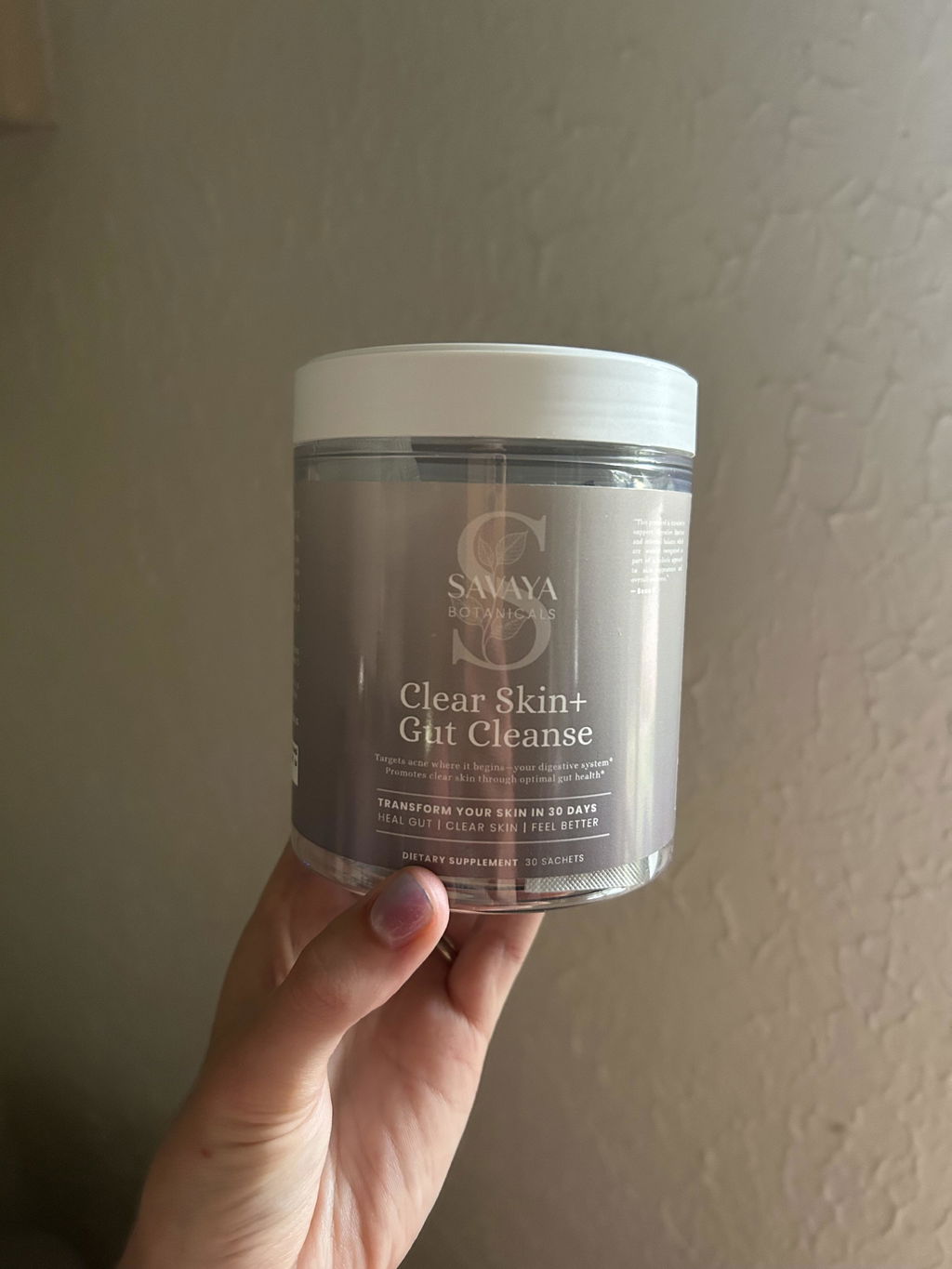
- Week 3-4: Reinoculate. Feed your beneficial bacteria with prebiotics and fermented foods. This is where a targeted gut cleanse becomes invaluable — it provides the specific bacterial strains and prebiotic fibers that research shows are most effective for restoring microbiome diversity.
- Ongoing: Maintain. Continue supporting your gut with mineral-rich foods, adequate fiber (30g+ daily), and stress management. Your microbiome is a garden, not a machine — it needs ongoing care.
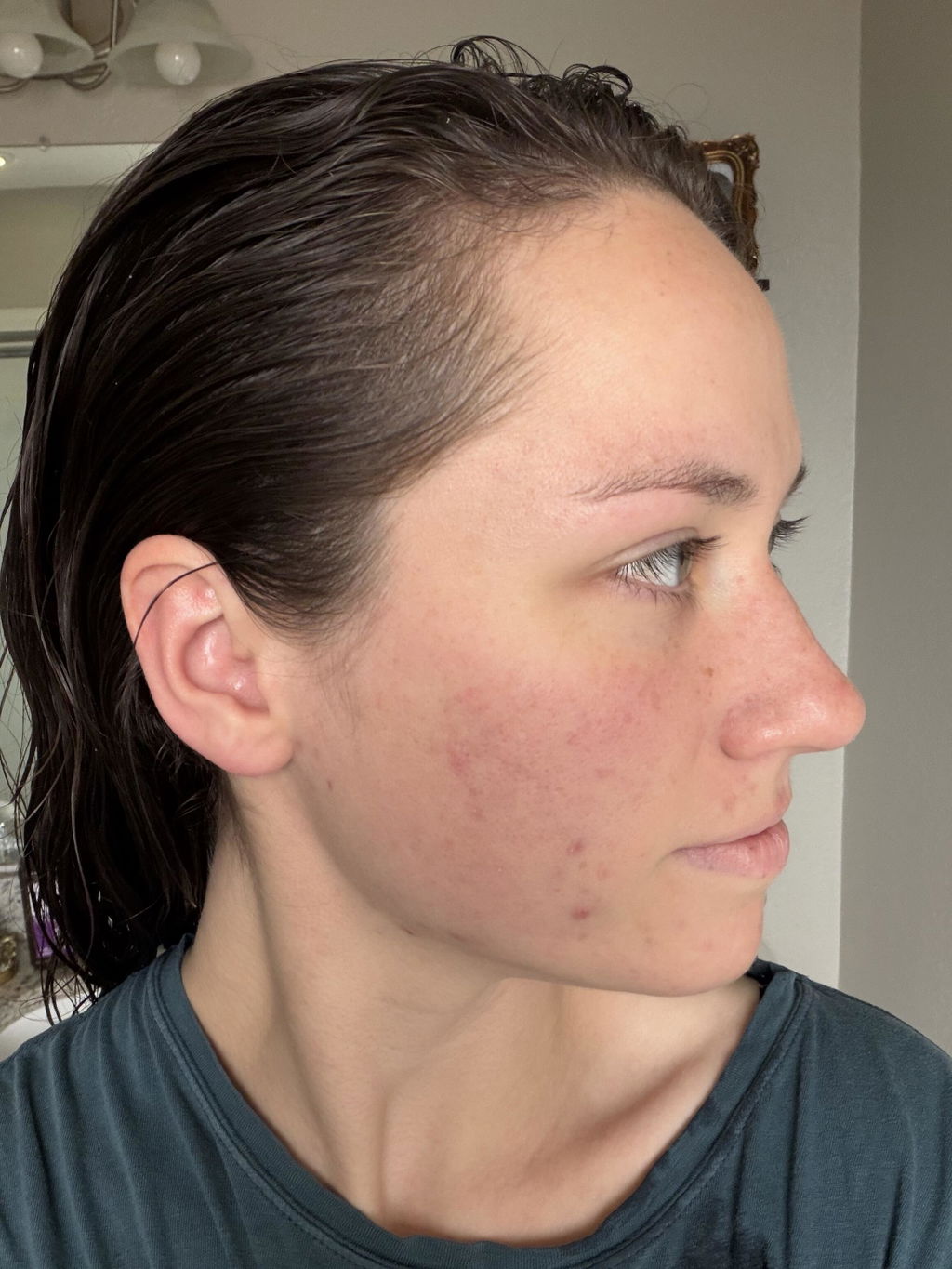
When I did my first proper gut reset, the skin changes started around day 12. The constant low-grade redness in my cheeks faded. The texture bumps on my forehead smoothed out. By day 30, three people had asked me what I was doing differently. I wasn’t doing anything to my skin. I was fixing what was underneath it.
Method 2: Mineral Restoration (You Can’t Detox What You Can’t Process)
Here’s something most detox programs completely ignore: your body needs specific minerals to run its detoxification enzymes.
Phase I liver detoxification requires zinc, copper, magnesium, and selenium. Phase II requires sulfur, glycine, and molybdenum. Your kidneys need potassium and sodium in proper ratios. Your lymphatic system needs magnesium to contract properly.
If you’re mineral deficient — and most Americans are deficient in at least 3-4 key minerals — your detox pathways are literally running on empty. You can drink all the green juice you want. Without the mineral cofactors, your enzymes can’t do their jobs.
This is why I consider sea moss the single most important addition to any detox protocol. It contains 92 of the 102 minerals your body needs, including every single mineral required for Phase I and Phase II liver detoxification. One food. Not seven supplements.
The Mineral-Skin Connection
Specific mineral deficiencies show up as specific skin problems:
- Zinc: Cystic acne, slow wound healing, eczema
- Selenium: Accelerated aging, UV sensitivity, loss of elasticity
- Copper: Premature graying, weak skin, poor collagen formation
- Magnesium: Sensitivity, redness, poor barrier function
- Iodine: Dry skin, hair loss, puffy face (thyroid connection)
- Sulfur: Dull complexion, acne, poor collagen cross-linking
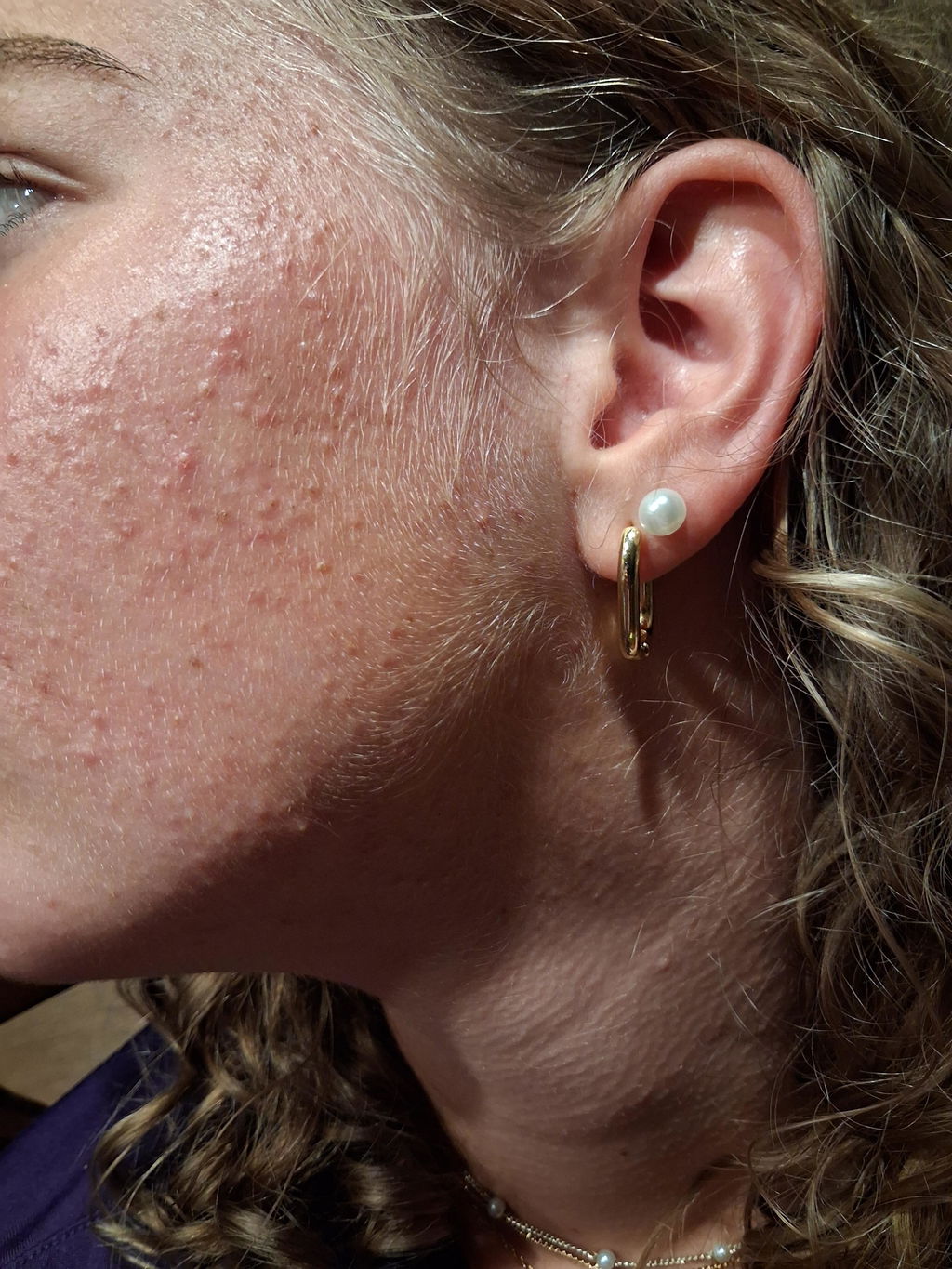
When I got my mineral levels tested and started targeted restoration, the skin changes were dramatic. Within two weeks, my perpetually dry patches disappeared. Within a month, the cystic breakouts along my jawline — the ones I’d been treating with prescription retinoids for years — stopped forming entirely.
No $200 serum did that. Minerals did that.
Method 3: Lymphatic Activation (The Detox System Nobody Talks About)
Your lymphatic system is your body’s sewage system. It collects waste products, dead cells, toxins, and excess fluid from your tissues and transports them to your lymph nodes for processing and elimination.
Unlike your circulatory system, which has a heart to pump blood, your lymphatic system has no pump. It relies entirely on muscle movement, breathing, and gravity to flow. Which means if you’re sedentary, stressed (shallow breathing), or dehydrated, your lymphatic system stagnates.
Stagnant lymph shows up on your face as puffiness, dull skin, dark circles, congested pores, and that “pasty” look that no amount of highlighter can fix.
What Actually Moves Lymph
- Rebounding (mini trampoline): The up-and-down motion creates a pumping effect that’s uniquely effective for lymphatic flow. 10 minutes of gentle bouncing moves more lymph than 30 minutes of walking. I bought a $40 rebounder and use it every morning for 10 minutes while listening to a podcast.
- Dry brushing: Using a natural bristle brush on dry skin before showering, always brushing toward your heart. This physically moves lymph fluid and also exfoliates dead skin. The skin on my body has never been smoother.
- Deep diaphragmatic breathing: Your thoracic duct (the main lymphatic vessel) runs right through your diaphragm. Deep belly breathing creates a vacuum effect that pulls lymph upward. 5 minutes of intentional deep breathing moves more lymph than most people realize.
- Cold exposure: Cold water causes lymphatic vessels to contract, pumping fluid through the system. You don’t need an ice bath. 30 seconds of cold water at the end of your shower is enough to feel the effect.
- Gua sha and facial massage: For facial-specific lymphatic drainage, these tools physically move stagnant fluid away from your face. The morning after I started doing 5 minutes of gua sha, my face looked visibly less puffy.
I combined these methods with internal support. The mineral content in sea moss — particularly magnesium and potassium — supports lymphatic contraction and fluid balance. The difference between doing lymphatic work with and without mineral support is noticeable.
Method 4: Barrier Repair (Detoxing Through Your Skin’s Largest Organ)
Your skin is a detoxification organ. It eliminates waste through sweat and sebum. But it’s also a barrier that prevents toxins from entering your body.
When your skin barrier is damaged — from harsh cleansers, over-exfoliation, environmental pollution, or synthetic skincare ingredients — it becomes more permeable. Toxins that should bounce off your skin start getting absorbed. At the same time, water escapes more easily, leading to dehydration and the inflammation cascade that follows.
Most people trying to detox their skin are actually making their barrier worse. Harsh clay masks, stripping cleansers, chemical peels, physical scrubs — these all compromise the very organ that’s supposed to be protecting you.
Real Barrier Repair
The approach that actually works is counterintuitive: stop attacking your skin and start nourishing it.
Your skin barrier is made of lipids — ceramides, cholesterol, and fatty acids. To repair it, you need to supply these lipids in forms your skin can actually use.
This is why grass-fed tallow cream became the cornerstone of my skin detox. Tallow’s fatty acid profile is nearly identical to human sebum. Instead of sitting on top of skin like most moisturizers, it integrates with your existing lipid matrix and fills in the gaps.
Within two weeks of simplifying my routine to just a gentle cleanser and tallow cream, my skin did something I’d never experienced: it stopped reacting to everything. The chronic redness faded. The sensitivity decreased. My skin became resilient enough to actually do its job as a barrier and detoxification organ.
Your skin can’t detoxify if it’s too busy trying to survive your skincare routine.
Method 5: Strategic Sweating (The Right Way, Not the Instagram Way)
Sweating is a legitimate detoxification pathway. Your sweat contains heavy metals (arsenic, cadmium, lead, mercury), BPA, phthalates, and other environmental toxins that your kidneys and liver can’t fully process.
A 2024 study in Environmental Science & Technology found that regular sweating reduced blood levels of BPA by 30% and heavy metals by 15-25% over an 8-week period.
But here’s where most people go wrong: they either don’t sweat enough or they sweat in ways that create new problems.
What Works
- Exercise-induced sweating (30-45 minutes, 4-5 times per week): The most effective because it combines lymphatic movement, cardiovascular benefits, and sweating. The type of exercise matters less than consistency. Walk, run, lift, dance — just move enough to break a sweat.
- Infrared sauna (2-3 sessions per week, 20-30 minutes): Infrared heat penetrates deeper than traditional saunas, raising core body temperature more effectively. Studies show infrared sauna sweat contains more heavy metals than exercise-induced sweat. If you have access, it’s worth it.
- Epsom salt baths (2-3 times per week): The magnesium in Epsom salts supports Phase II liver detoxification while the heat induces sweating. This is the most accessible option and my go-to for evenings when I don’t have energy for exercise.
What Doesn’t Work
- Sauna suits and sweat wraps: These just dehydrate you. The weight you lose is water, not toxins. And severe dehydration actually impairs your detox pathways.
- Hot yoga for detox purposes: Good exercise, but the claim that extreme heat “squeezes toxins out of organs” is not supported by evidence. If you enjoy it, great. Just don’t skip other forms of movement because you think hot yoga covers everything.
The Critical Step Everyone Skips
What you do after sweating matters as much as the sweating itself. When toxins are excreted through sweat, they sit on your skin’s surface. If you don’t wash them off promptly, they can be reabsorbed.
Shower within 20 minutes of sweating. Use a gentle, non-stripping cleanser. Then — and this is the step that transformed my post-workout skin — apply a barrier-supporting moisturizer while your skin is still slightly damp. Tallow cream on damp post-shower skin locks in hydration and supports the barrier you just stressed through sweating.
And replace minerals lost through sweat. Every sweat session depletes zinc, magnesium, sodium, and potassium. This is another reason sea moss is non-negotiable in any detox protocol — it replaces the exact minerals you’re losing.
What About the Methods I Didn’t Include?
You might be wondering why certain popular detox methods didn’t make the list.
- Juice cleanses: Strip fiber (which your gut bacteria need), spike blood sugar, provide minimal protein (which your liver needs for Phase II detox), and often cause more harm than good. Your liver doesn’t need a “break” from food. It needs the right nutrients to function.
- Activated charcoal drinks: Charcoal binds toxins in the GI tract, but it also binds medications, nutrients, and minerals. Taking it internally can actually deplete the minerals your detox enzymes need. Charcoal is incredible as a topical cleanser (it’s selective about what it binds on skin), but drinking it regularly is counterproductive.
- Extreme fasting (72+ hours): Can be beneficial in specific clinical contexts, but for most people, extended fasting triggers cortisol spikes, muscle breakdown, and metabolic adaptation that makes everything harder when you resume eating. Intermittent fasting (16:8) is a much safer approach for supporting autophagy without the risks.
- Detox teas: Most contain senna, which is a laxative. You’re not detoxing. You’re just moving food through your gut faster, which actually reduces nutrient absorption and can damage your gut lining with prolonged use.
- Heavy metal chelation supplements: Unless you have confirmed heavy metal toxicity (via proper testing, not hair analysis), chelation supplements can strip essential minerals alongside heavy metals. This is a medical intervention that should be supervised by a healthcare provider.
The 30-Day Clear Skin Detox Protocol
Here’s how I combine all five methods into a practical daily routine:
Morning:
- 10 minutes rebounding or movement
- 5 minutes dry brushing before shower
- Sea moss with breakfast for mineral foundation
- Tallow cream on damp skin after cleansing
Afternoon:
- 30-45 minutes of sweat-inducing exercise
- Shower within 20 minutes, gentle cleanser
- Mineral-rich lunch (leafy greens, quality protein, healthy fats)
Evening:
- 5 minutes gua sha or facial massage
- Epsom salt bath (2-3 nights per week)
- Gentle cleanse and tallow cream on damp skin
- 5 minutes deep breathing before bed
Weekly:
- 2-3 infrared sauna sessions (if accessible)
- Gut cleanse support throughout the month
This isn’t complicated. It doesn’t require expensive equipment or exotic supplements. It’s just consistent support for the systems your body already has.
By week 2, you’ll notice less puffiness and better skin texture. By week 3, breakouts will decrease and tone will even out. By week 4, people will start asking what you’re doing differently.
You’re not doing anything dramatic. You’re just getting out of your body’s way and giving it what it needs to do what it already knows how to do.
Frequently Asked Questions
Will I experience a “detox reaction” or purging period?
Some people experience mild symptoms in the first week: headaches, fatigue, minor breakouts, or changes in digestion. This is normal and usually resolves within 5-7 days. It’s not because toxins are “leaving your body” (that’s oversimplified). It’s because you’re changing your diet, microbiome, and daily habits simultaneously. If symptoms are severe or persist beyond 10 days, scale back and add changes more gradually.
Can I do this while on medication?
The methods listed here are generally safe alongside most medications, but there are exceptions. If you’re on thyroid medication, be mindful of iodine intake from sea moss (take them 4+ hours apart). If you’re on blood thinners, check with your doctor before starting any new supplement. If you’re on immunosuppressants, the gut cleanse protocol may need modification. Always tell your healthcare provider what you’re doing.
How is this different from other detox programs?
Most detox programs focus on restriction — removing foods, fasting, eliminating. This protocol focuses on restoration — adding minerals, supporting gut bacteria, repairing barriers, moving lymph. You’re not starving your body into detoxing. You’re giving it the tools to detox more efficiently. That’s the fundamental difference, and it’s why the results are sustainable instead of temporary.
Do I need to buy all the recommended products?
No. The five methods work independently. You can start with just one — I’d recommend the gut reset or mineral restoration, since those have the most dramatic impact on skin. Add the others as your budget and schedule allow. The most important thing is consistency with whatever methods you choose, not doing everything at once.
Can I continue this protocol long-term?
Absolutely. Unlike crash detoxes that are meant to be short-term, every method listed here is sustainable for life. These aren’t extreme interventions. They’re lifestyle practices that support your body’s ongoing detoxification processes. Your body detoxifies every single day. These methods just help it do so more efficiently.