Sea Moss: The 92-Mineral Powerhouse Your Body Is Desperately Missing
By Sarah Mitchell | March 27, 2026
I need to tell you something.
For two years, I spent $127 a month on supplements. Seven different bottles cluttering my bathroom counter. A multivitamin, a separate calcium supplement, iodine drops, a B-complex, magnesium glycinate, zinc, and a probiotic. Every morning felt like swallowing a pharmacy.
And I still felt exhausted by 2 PM. My skin looked dull. My hair was thinning at the temples. My gut? A mess.
Then a naturopath asked me a question that changed everything: “Have you ever checked your mineral levels?” Not my vitamin D or iron — my minerals. The trace elements most doctors never test for. Selenium. Chromium. Molybdenum. The ones hiding in the footnotes of nutrition labels.
Turns out, I was deficient in 14 different minerals. And that’s when I discovered sea moss.
The 92-Mineral Reality Check
Your body needs 102 essential minerals to function properly. Not vitamins — minerals. The building blocks for everything from bone density to hormone production to the electrical signals that make your heart beat.
Sea moss contains 92 of them.
Let me put that in perspective. A typical multivitamin gives you maybe 12 to 15 minerals. Spirulina, which gets hyped as a superfood, has about 18. Chlorella? Around 20. Even bone broth, which wellness influencers swear by, maxes out at 30 minerals depending on the source.
Sea moss delivers 92. In one food. From the ocean.
It includes minerals most people have never heard of but desperately need: molybdenum for detoxification enzymes, boron for bone metabolism, vanadium for blood sugar regulation, chromium for insulin sensitivity. These aren’t “nice to have” nutrients. They’re the difference between your thyroid functioning optimally and you feeling like you’re dragging through mud every afternoon.
The Iodine Connection: Why Your Thyroid and Skin Are Begging for This
Here’s something most dermatologists won’t tell you: chronic skin issues — acne, eczema, dryness, premature aging — often start with thyroid dysfunction. And thyroid problems often start with iodine deficiency.
The thyroid gland uses iodine to produce T3 and T4 hormones. These hormones regulate your metabolic rate, body temperature, and — critically — the rate at which your skin cells regenerate. Low iodine means sluggish thyroid function. Sluggish thyroid function means your skin cells don’t turn over efficiently. Dead skin accumulates. Collagen production slows. You start looking tired even when you’re not.
Sea moss is one of the richest natural sources of bioavailable iodine on the planet. Unlike synthetic iodine supplements, which can sometimes trigger thyroid inflammation in sensitive individuals, the iodine in sea moss comes packaged with dozens of cofactor minerals that help your body absorb and utilize it properly.
I noticed the difference within 10 days. My skin looked plumper. The dark circles under my eyes faded. My hair stopped shedding in clumps every time I showered. That’s not placebo — that’s what happens when your thyroid finally gets the raw materials it needs.
Fucoxanthin: The Antioxidant You’ve Never Heard Of
Sea moss contains a carotenoid called fucoxanthin. It’s found almost exclusively in brown seaweeds and has antioxidant capacity that rivals — and in some studies, exceeds — well-known compounds like astaxanthin and beta-carotene.
Fucoxanthin works differently than most antioxidants. Instead of just neutralizing free radicals after they form, it actually helps regulate the genes involved in fat metabolism and mitochondrial function. This is why researchers have been studying it for metabolic health and body composition support.
But here’s what matters for your skin and energy: fucoxanthin supports mitochondrial biogenesis. That means it helps your cells create more energy-producing mitochondria. More mitochondria = more cellular energy = faster skin repair, better workout recovery, and less afternoon brain fog.
When I started taking sea moss daily, the first thing I noticed wasn’t weight loss or glowing skin. It was energy. Steady, sustained energy that didn’t crash at 2 PM. That’s mitochondrial support in action.
Carrageenan: The Prebiotic Your Gut Microbiome Is Starving For
If you’ve spent any time researching gut health, you’ve probably heard of prebiotics — the fiber compounds that feed beneficial gut bacteria. Most people think of inulin, pectin, or resistant starch.
Sea moss contains carrageenan, a sulfated polysaccharide that acts as a potent prebiotic. It feeds specific strains of beneficial bacteria in your colon, particularly those involved in producing short-chain fatty acids like butyrate.
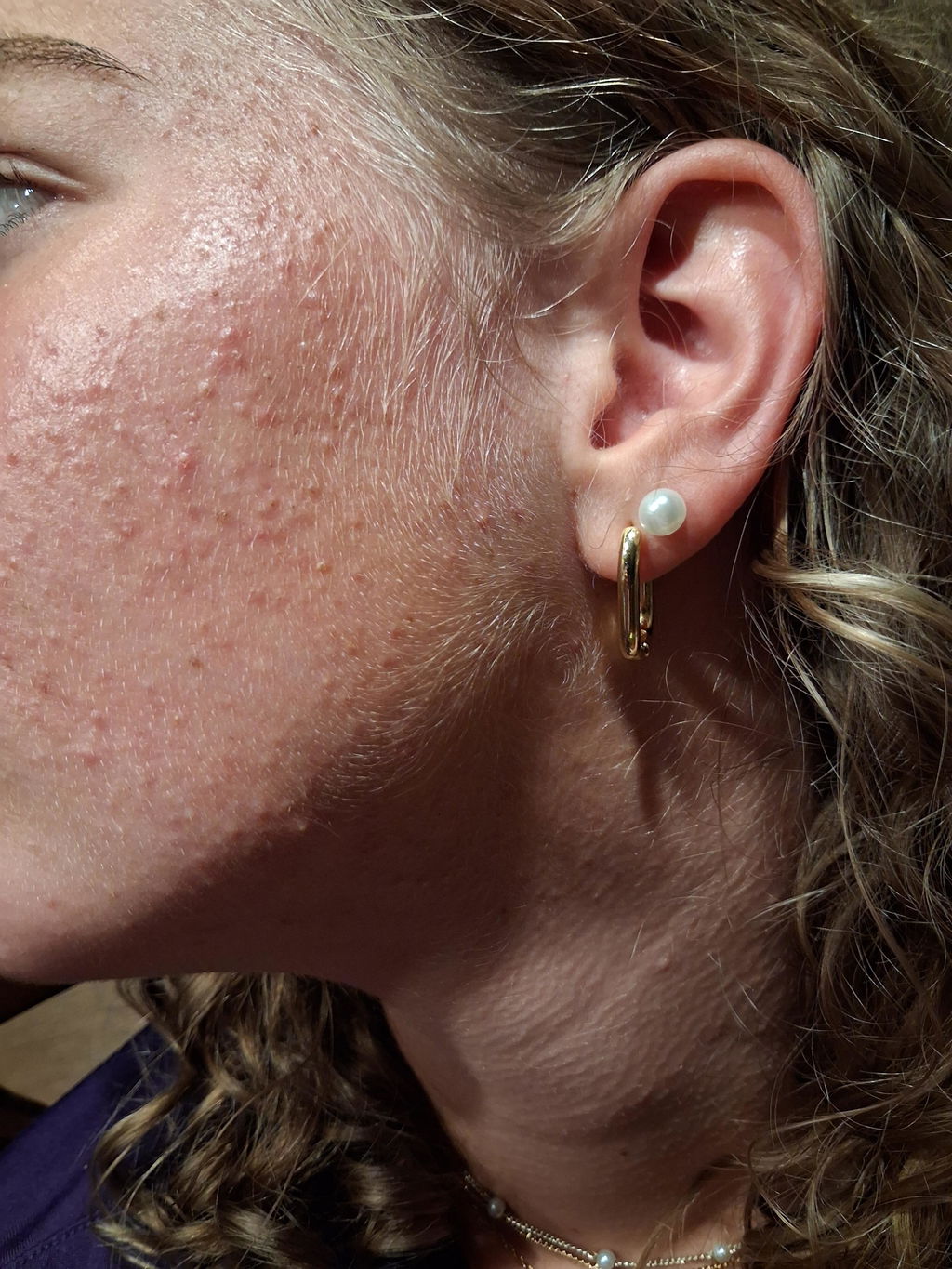
Butyrate is critical. It’s the primary fuel source for the cells lining your colon. It reduces intestinal permeability (leaky gut). It regulates immune function. And here’s the kicker: it influences the gut-skin axis. Poor gut health shows up as inflammatory skin conditions. Eczema. Rosacea. Cystic acne along the jawline.
I used to have chronic digestive issues. Bloating after every meal. Irregular bowel movements. I tried probiotics — dozens of them. They helped a little, but never solved the root problem.
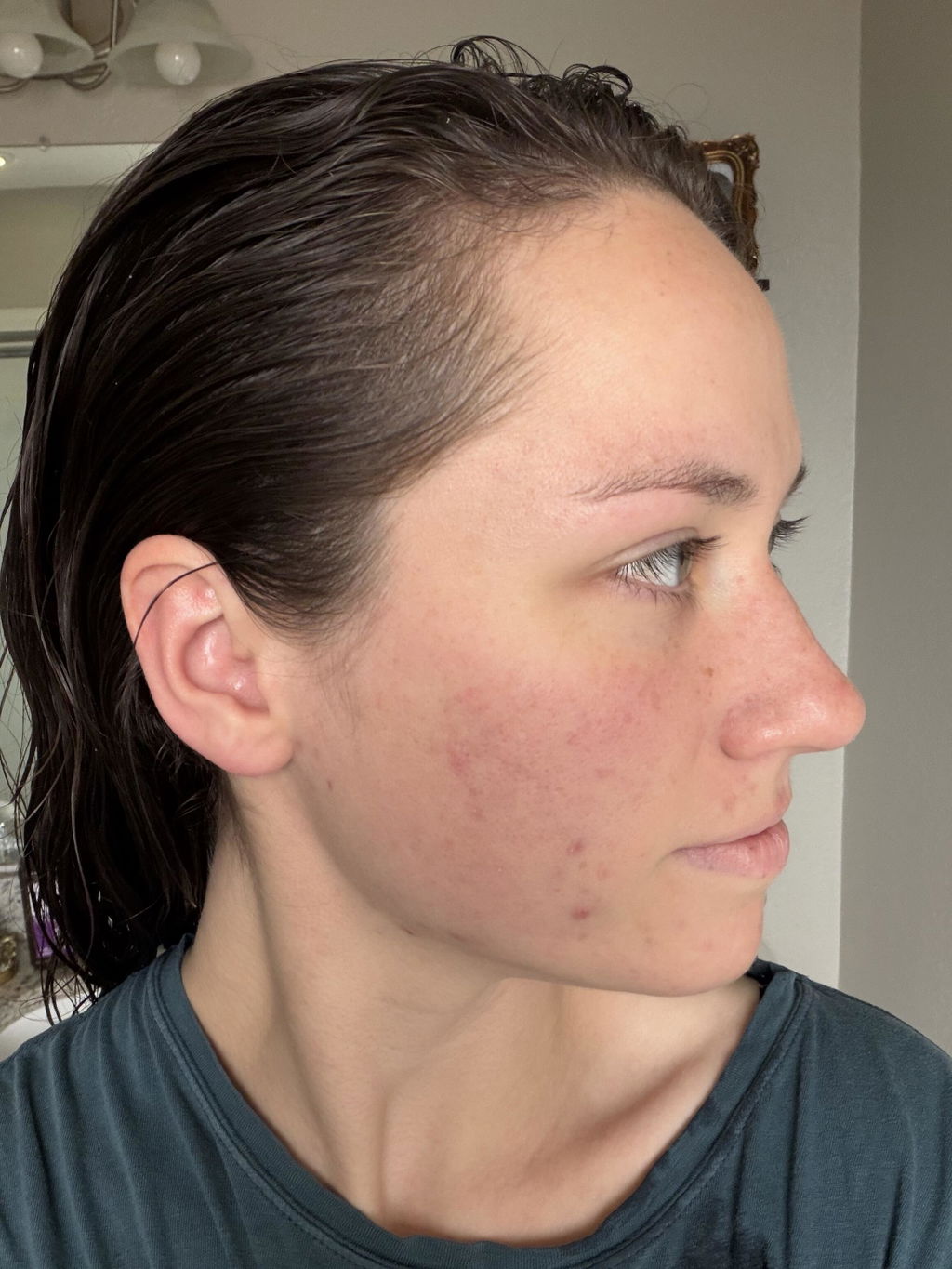
Then I started combining sea moss with a targeted gut protocol. Within three weeks, my digestion normalized. The bloating disappeared. And my skin? The hormonal acne I’d battled for a decade started clearing up. Not because I added another probiotic. Because I finally fed the good bacteria I already had.
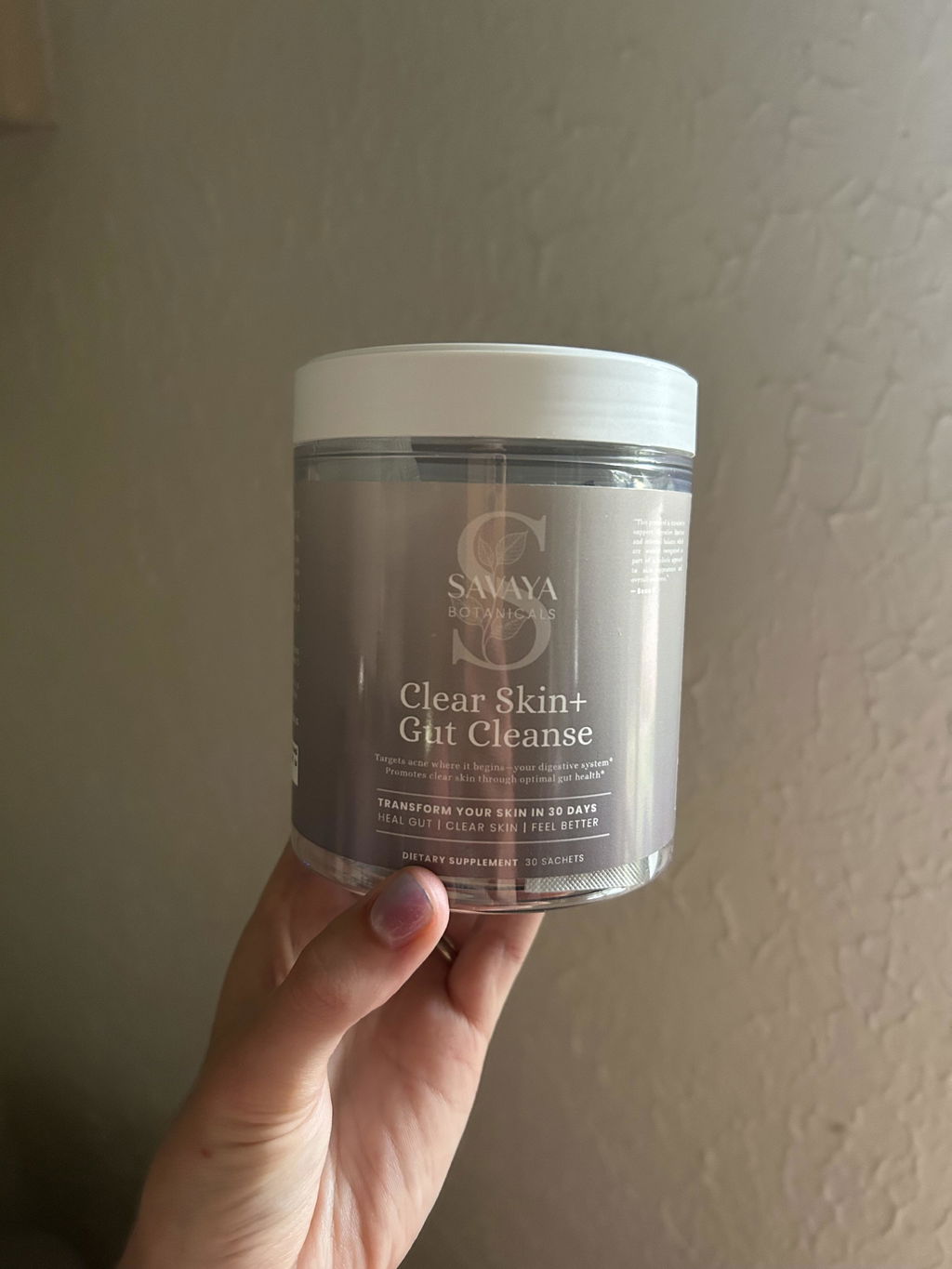
If gut health is a priority for you, I’d recommend pairing sea moss with a comprehensive gut cleanse designed to rebalance your microbiome. The synergy is real.
How Sea Moss Stacks Up Against Other “Superfoods”
The wellness industry loves to crown new superfoods every six months. Spirulina. Chlorella. Marine collagen. Blue-green algae. Moringa. I’ve tried them all.
Here’s the honest comparison:
- Spirulina: Excellent protein source (60-70% protein by weight). Rich in B vitamins and gamma-linolenic acid. But only 18 minerals. Primarily freshwater algae, so no iodine content. Best used as a protein supplement, not a mineral source.
- Chlorella: Powerful detoxifier due to chlorophyll content. Good for heavy metal chelation. Contains about 20 minerals. But it has a strong taste many people can’t tolerate, and the cell wall can cause digestive upset in sensitive individuals.
- Marine Collagen: Supports skin elasticity, joint health, and gut lining repair. But it’s a protein supplement, not a mineral source. You need both collagen and minerals for optimal skin health. One doesn’t replace the other.
- Moringa: Impressive vitamin profile, especially vitamin A and vitamin C. Contains about 25 minerals. Grows on land, so mineral content varies widely based on soil quality. Often overhyped.
Sea moss stands alone because of its mineral density. It’s not competing with spirulina for protein content or with collagen for skin support. It’s filling a gap none of the other supplements address: comprehensive, bioavailable trace minerals.
That’s why I don’t see sea moss as a replacement for everything else. I see it as the foundation. The one thing that makes everything else work better.
The Historical Wisdom Modern Science Is Finally Catching Up To
Sea moss isn’t new. It’s not some trendy biohack invented by Silicon Valley entrepreneurs.
The Irish have used sea moss (specifically Chondrus crispus, also called Irish moss) for over 1,400 years. During the Irish Potato Famine in the 1840s, sea moss kept entire coastal communities alive. They boiled it into a gel, mixed it with milk and honey, and fed it to children suffering from malnutrition and respiratory infections.
In Jamaica and other Caribbean islands, sea moss has been a cornerstone of traditional medicine for centuries. They call it “Irish moss” despite it being harvested locally. It’s blended into drinks, used as a remedy for coughs and colds, and prescribed by herbalists for “building back strength” after illness.
What did these cultures understand that modern medicine is only now quantifying? That the ocean holds a mineral profile nearly identical to human blood plasma. That sea vegetables growing in mineral-rich seawater absorb those minerals in forms our bodies can actually use. That when your body is depleted — from famine, from stress, from illness — you need dense, bioavailable nutrition, not isolated synthetic vitamins.
The Irish weren’t taking sea moss because of clinical trials. They were taking it because it worked. And now, finally, the research is explaining why.
How Mineral Deficiencies Show Up As Skin Problems
I spent years treating my skin from the outside. Retinoids. Vitamin C serums. Hyaluronic acid. Peptides. My bathroom looked like a Sephora stockroom.
My skin improved a little. But the underlying issues never fully resolved. The hormonal breakouts always came back. The dullness persisted. The fine lines around my eyes deepened despite religious sunscreen use.
Then I learned about the mineral-skin connection.
Here’s what specific mineral deficiencies look like on your face:
- Zinc deficiency: Acne, especially cystic acne around the jawline. Delayed wound healing. Eczema. Zinc is required for over 300 enzymatic reactions, including those that regulate sebum production and skin cell turnover.
- Selenium deficiency: Loss of skin elasticity. Increased UV damage. Poor antioxidant defense. Selenium is a cofactor for glutathione peroxidase, one of your body’s most powerful antioxidant systems.
- Copper deficiency: Premature graying. Weak, fragile skin. Poor collagen cross-linking. Copper is essential for lysyl oxidase, the enzyme that stabilizes collagen and elastin fibers.
- Magnesium deficiency: Increased skin sensitivity. Inflammation. Poor barrier function. Magnesium regulates over 600 enzymatic reactions, many related to skin repair and inflammation control.
- Iodine deficiency: Dry, flaky skin. Hair loss. Puffy face. Iodine deficiency means thyroid dysfunction, and thyroid hormones directly regulate the rate of skin cell turnover.
No amount of expensive face cream will fix a zinc deficiency. No retinoid will correct thyroid dysfunction caused by low iodine. You can’t outsource internal mineral status to topical products.
This is why I now pair internal mineral support — primarily through sea moss — with high-quality topical care. For nighttime skin repair, I use a grass-fed tallow cream that actually absorbs instead of sitting on the surface. The combination of internal minerals and bioavailable topical fats transformed my skin in ways no single product ever did.
The Bottom Line
I’m not saying sea moss is a miracle cure. I’m saying it’s the foundation I was missing.
The seven bottles cluttering my counter? I’m down to three. Sea moss for minerals. A targeted gut cleanse for microbiome support. And a tallow cream for topical skin repair.
My energy is stable. My skin glows without makeup. My hair stopped thinning. My digestion works like it should.
And I’m spending $35 a month instead of $127.
If you’ve been collecting bottles and still feeling “off,” maybe you’re missing the same thing I was. Not a vitamin. Not a probiotic. Not another isolated nutrient.
92 minerals. From the ocean. The way nature intended.
Frequently Asked Questions
How long does it take to see results from sea moss?
Most people notice subtle changes within 7-10 days — improved energy, better digestion, clearer skin. More significant changes like hair thickness, nail strength, and sustained energy typically show up around the 4-6 week mark. Consistency is key. Taking it sporadically won’t produce noticeable results.
Can I take sea moss if I’m already taking a multivitamin?
Yes, but you may find you don’t need the multivitamin anymore. Sea moss provides minerals, not vitamins (except small amounts of B vitamins and vitamin K). If your multivitamin is mineral-heavy, you might be overdoing it on certain nutrients like iodine or zinc. I’d recommend starting with sea moss alone for 4 weeks, then reassessing what you actually need.
Is all sea moss the same quality?
Absolutely not. Quality varies dramatically based on harvest location, water purity, and processing methods. Avoid sea moss from polluted waters or areas with heavy shipping traffic. Look for wildcrafted or sustainably farmed sea moss from clean Atlantic waters. If it’s suspiciously cheap, it’s probably been grown with synthetic fertilizers or harvested from contaminated areas. Also be wary of “pool-grown” sea moss, which lacks the full mineral profile of ocean-harvested varieties.
Will sea moss interfere with my thyroid medication?
It can. Sea moss contains iodine, which can interfere with levothyroxine absorption. If you’re on thyroid medication, take sea moss at least 4 hours apart from your medication and work with your doctor to monitor your thyroid levels. Some people find they can reduce their medication dose over time as their mineral status improves, but that decision must be made with medical supervision.
Can I take too much sea moss?
Yes. More is not better. Excessive iodine intake (above 1,100mcg daily) can suppress thyroid function in some individuals. Stick to the recommended serving size: 1-2 tablespoons of gel daily, or 2-4 capsules, or 500-1000mg of powder. If you start experiencing thyroid symptoms (heart palpitations, anxiety, or conversely, extreme fatigue), reduce your dose or stop and consult a healthcare provider.