Your acne is not a face problem. It never was. The breakout after a hard week, the cystic bump before a big presentation, the random flare you cannot explain. It does not start on your skin. It starts in your gut, under cortisol, and your face is just where it finishes. Here is the mechanism, in plain English.
What the Gut-Brain-Skin Axis Actually Is
The gut-brain-skin axis is the two-way signaling pathway between your central nervous system, your intestinal microbiome, and your skin. Stress disrupts the gut barrier. The gut barrier releases inflammatory messengers. Those messengers travel through your bloodstream and reach your sebaceous glands, where they drive the inflammation that becomes acne.
The term goes back to 1930, when dermatologists Stokes and Pillsbury wrote about an emotion-gut-skin connection in acne patients. Mainstream dermatology forgot about it for decades. Then in 2011, Whitney Bowe and Alan Logan revived it in Gut Pathogens with a paper on acne, probiotics, and this axis.
That paper, and dozens of follow-ups since, showed something simple. Your gut and your skin share one inflammatory language. When one is irritated, the other speaks up.
When I see a client whose breakouts track her stress schedule, I do not start with topicals. I start with her nervous system and her gut lining. That is where the breakout begins.
How Cortisol Breaks Your Gut Barrier
Cortisol is your body's primary stress hormone. When it stays elevated for too long, it loosens the tight junctions in your intestinal lining and raises a protein called zonulin. Zonulin acts like a key that opens the gut barrier. The result is what researchers call intestinal permeability, or leaky gut.
Something stressful happens. A hard conversation, a deadline, a bad night followed by coffee. Your HPA axis fires. Cortisol rises. Your body pulls blood from digestion toward survival, so your gut gets less oxygen and fewer resources to repair itself.
Alessio Fasano's lab at Harvard was the first to show that chronic stress elevates zonulin, which temporarily opens the spaces between your intestinal cells. Short-term, useful. Long-term, a disaster.
With the barrier open, food particles and bacterial fragments called lipopolysaccharides, or LPS, slip into your bloodstream. Your immune system treats them as invaders and releases inflammatory cytokines, which reach your skin.
Your sebocytes, the cells that make sebum, respond by producing more oil and thicker oil. Your pores clog. The bacteria living there flare up. And now there is a cystic bump on your jaw.
You are not fighting your skin. You are reading a signal from your gut.
The Vagus Nerve: Where Your Mood Meets Your Microbiome
The vagus nerve is the longest cranial nerve in your body, running from your brainstem down through all your major organs. About 80 percent of its fibers carry information from your gut up to your brain, not the other way around. Your microbiome talks to your mood through this nerve, every second of every day.
This is the part most dermatology offices never mention.
A 2018 review by Breit, Kupferberg, Rogler, and Hasler in Frontiers in Psychiatry laid it out clearly. The vagus nerve is the main communication highway between your gut microbiota and your central nervous system. When your microbiome is diverse and well fed, it sends calm signals upward. When it is dysbiotic, meaning too many of the wrong bugs and not enough of the right ones, it keeps your HPA axis stuck in the on position.
That is where the loop closes. Stress damages the gut. The damaged gut keeps the stress response elevated. Round and round, while your skin keeps breaking out.
Breaking the loop takes two angles at once. Calm the nervous system AND repair the gut. Most women I see have been stuck for years working on the end of the chain instead of the start.
What the HPA Axis Does to Your Skin
The HPA axis is the hypothalamic-pituitary-adrenal pathway, your body's main stress response system. Your skin has its own mini HPA axis built directly into it, and it produces its own stress hormones locally. Chronic stress ramps up both systems and drives up IGF-1, one of the biggest hormonal triggers of acne.
Research by Petra Arck's group at Charité in Berlin showed something that still surprises people. Your skin has its own corticotropin-releasing hormone, its own ACTH, its own local cortisol. When you are stressed, your skin is stressed too, right there in the tissue.
Chronic stress also raises insulin-like growth factor 1, better known as IGF-1. IGF-1 tells your sebaceous glands to grow larger and make more sebum. Higher IGF-1 has been linked directly to acne severity, especially the cystic kind that camps out along the jaw and chin.
The full picture. Stress fires your HPA axis. Cortisol rises. The gut opens. Inflammation increases. Meanwhile your skin's local HPA axis is firing too, and IGF-1 is pushing your oil glands. Four pathways, one trigger. No wonder a single antibiotic cream only covers one of them.
The Research on Stress-Induced Acne
The clearest study on stress and acne severity was published in 2003 in the Archives of Dermatology by Annie Chiu, Serena Chon, and Alexa Kimball at Stanford. They followed college students through final exams and found acne severity got measurably worse during high-stress periods, independent of changes in diet, hygiene, or sleep hours reported.
That small study is still the one dermatologists reach for. The students were their own controls. The only variable that moved was psychological stress, and the acne tracked it.
Similar patterns have shown up since in military cadets, medical students during board exams, and women tracked across their menstrual cycles.
Read carefully, the research says one thing. Stress does not conjure acne out of nothing. It takes skin that is already a little inflamed, a little clogged, and pushes it over the edge.
The real lever is not just dampening the stress response. It is raising your baseline so your skin has more buffer before it tips. The next three sections are what I use with clients, in order of fastest result.
Cold Exposure for Vagal Tone and Gut Repair
Cold exposure, meaning a 30 to 90 second cold shower or a brief ice bath, stimulates the vagus nerve directly. Higher vagal tone means a calmer nervous system, better digestion, lower systemic inflammation, and a more intact gut barrier. It is one of the fastest free tools we have to shift biology toward repair.
A 2016 Buijze trial in PLoS ONE randomized just over 3,000 adults to end their showers with 30 to 90 seconds of cold water. The cold group had 29 percent fewer sick days over three months.
The mechanism is the vagus nerve. Cold on your face and chest triggers the mammalian dive reflex. Heart rate drops. The parasympathetic nervous system takes over. Vagal tone rises. And since your vagus nerve regulates your gut barrier, a sturdier gut lining follows.
What I tell clients. End your shower with the coldest water you can tolerate for 30 seconds. Face in the stream. Breathe out slowly. Three days a week to start, daily after about three weeks. You will know it is working when you stop dreading it.
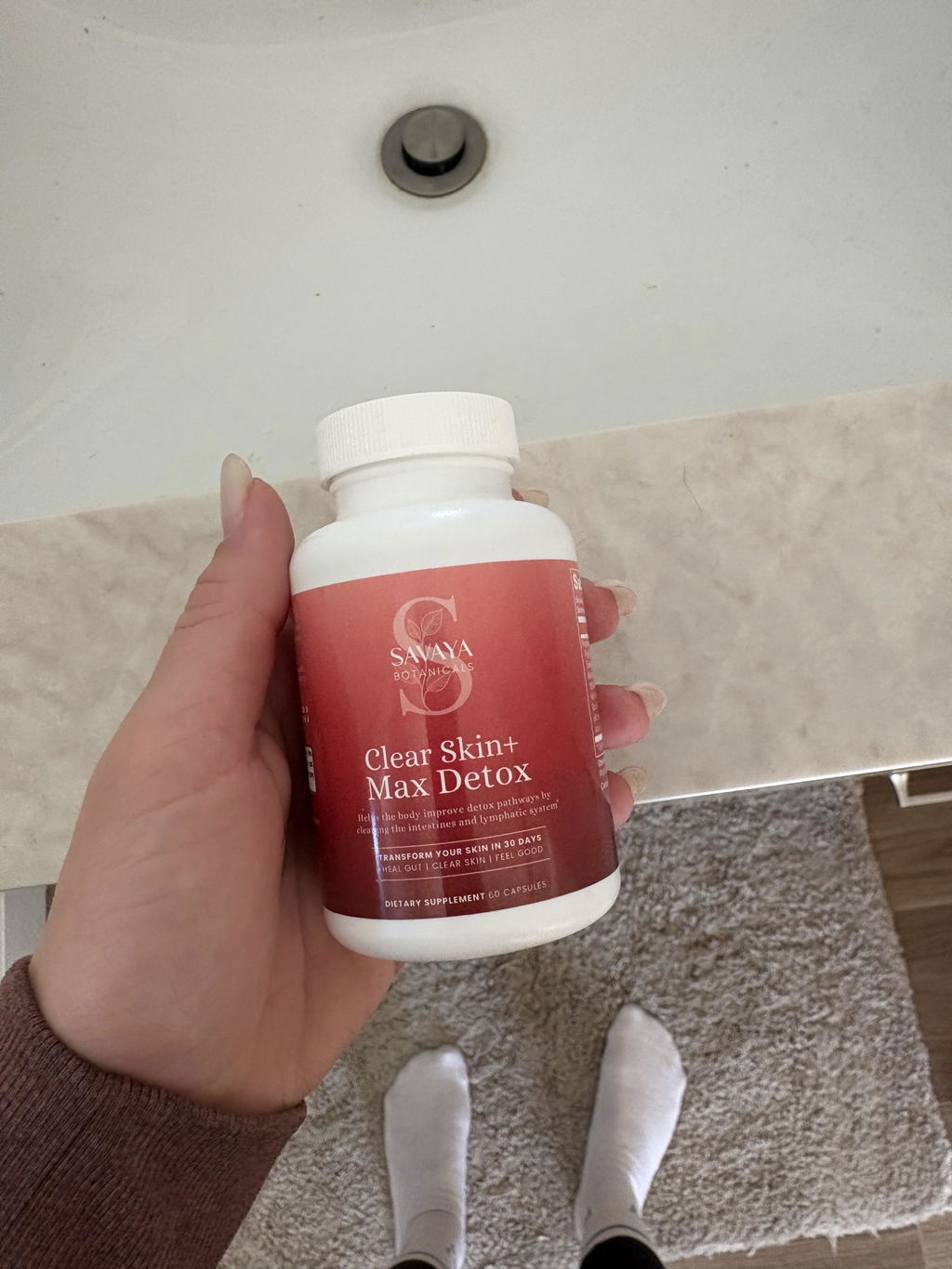
This is also the moment to look at what is living in your gut. A targeted gut cleanse clears the dysbiotic bacteria that keep the inflammation loop running, so the cold work has something to work with.
Breathwork That Changes Your Nervous System
Slow, long-exhale breathing shifts your autonomic nervous system from sympathetic to parasympathetic within minutes. A longer exhale than inhale, roughly four seconds in and six to eight seconds out, raises vagal tone and lowers circulating cortisol. This is the simplest free intervention we have for the stress-skin loop.
In 2014, Matthijs Kox and colleagues published a landmark PNAS paper showing that trained participants could voluntarily influence their autonomic nervous system and reduce their inflammatory cytokine response using breathwork. For a long time, that was considered impossible.
You do not need an elaborate protocol. You just need to use the exhale.
My default is physiological sighing. Two short inhales through the nose, one long exhale through the mouth. Five rounds. One minute total. The double inhale reinflates collapsed alveoli, and the long exhale offloads carbon dioxide, which the body reads as a safety signal.
Do this three times a day. Before meals is best. If you eat in a sympathetic state, your gut barrier takes a hit every time, even from clean food.
If you have been in burnout and your gut is a mess, I pair breathwork with a full detox protocol. Nervous system training plus a structured reset is what finally turns stubborn adult acne around.
Why Sleep Hygiene Is Really Skin Hygiene
Sleep is when your body does its deepest gut repair, hormone balancing, and skin regeneration. Poor sleep keeps cortisol elevated at night, suppresses melatonin, and reduces growth hormone output. All three shifts widen the gut barrier and inflame the skin. Fixing sleep is skincare.
Matthew Walker's lab at UC Berkeley has shown even a few nights of restricted sleep raise next-day cortisol and push inflammation into overdrive. People sleeping under six hours have measurably higher inflammation markers than people sleeping seven to eight.
For the gut, this matters because the intestinal lining regenerates its cells every three to five days, mostly at night under melatonin and growth hormone. If you are not sleeping deeply, your gut barrier never gets a full repair cycle.
What this looks like in practice. Phone out of the bedroom. Last meal three hours before bed, because active digestion blocks deep sleep. Bedroom around 65 degrees. A wind-down window of 30 to 60 minutes with no screens.
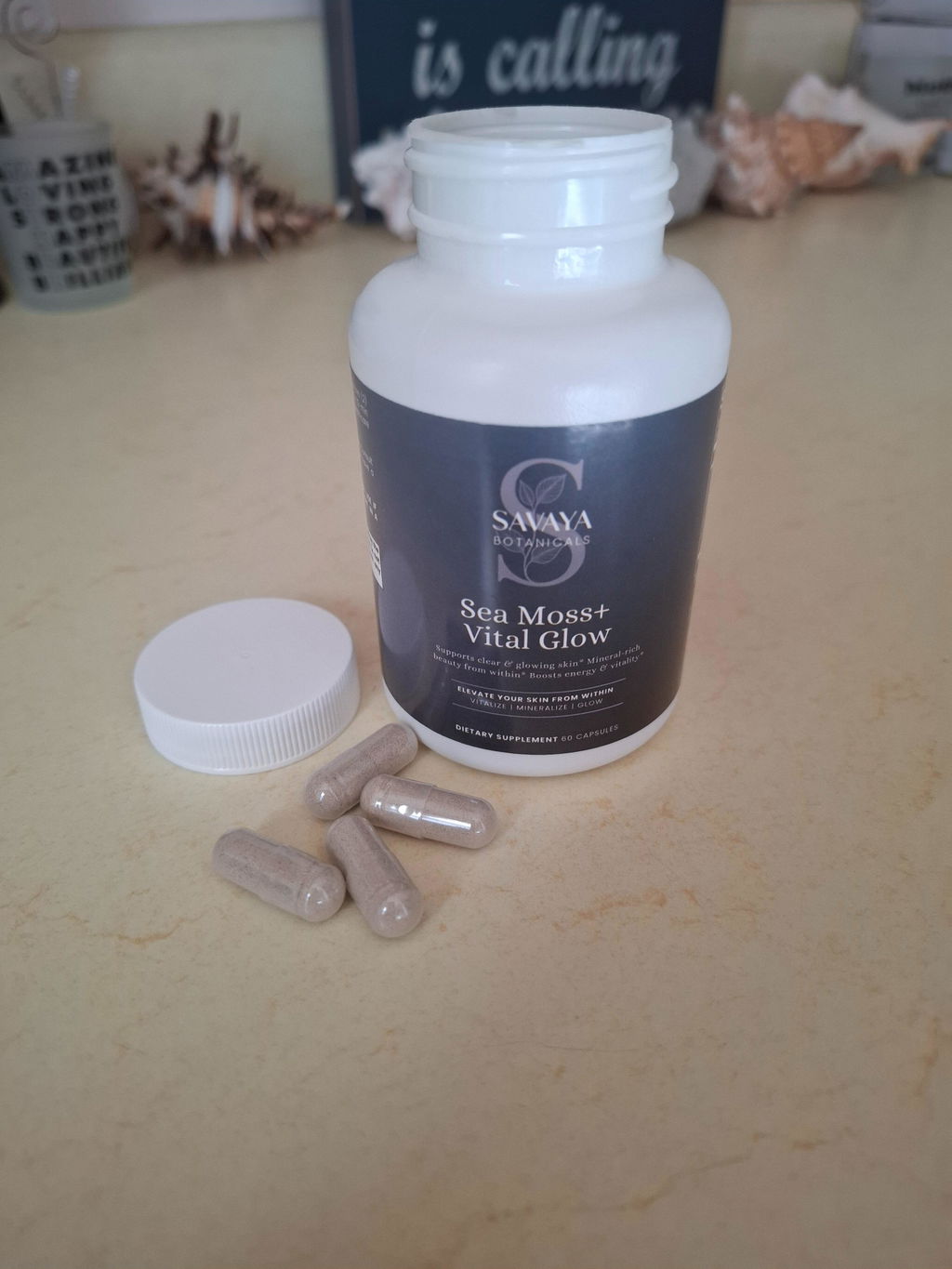
A trick I use with clients who have been wired for weeks. A spoonful of 92 trace minerals from the ocean stirred into warm water about an hour before bed. The magnesium and micronutrients help the nervous system settle.
Sleep is also when your skin rebuilds its own barrier. Topical support matters at night. A barrier-repairing tallow cream applied before bed works with your natural skin cycle instead of against it.
Rebuilding From the Inside Out
Clearing stress-driven acne means working on four pillars at once. Nervous system regulation. Gut barrier repair. Microbiome rebalancing. Skin barrier support. Pulling on one thread while ignoring the others is why most protocols stall after a few weeks.
The order I use with clients.
First, nervous system. Breathwork, cold exposure, sleep hygiene. Non-negotiable, and free.
Second, gut structure. Real repair work for the lining, not just symptom quieting. For most of the women I see, this is where the 12-week gut-to-skin program fits. The lining needs that long to rebuild.
Third, raw material. Bioavailable collagen support gives your intestinal cells and your skin cells the amino acids they need to seal back up.
Fourth, the microbiome. A diverse, well-fed gut flora keeps the vagus nerve sending calm signals up to the brain. Prebiotic fiber from vegetables, polyphenols from berries, and the trace minerals in sea moss feed those bacteria to produce short-chain fatty acids like butyrate.
None of this is magic. All of it is mechanism. Once you see your acne as a signal from your gut instead of a punishment from your face, you stop fighting the mirror and start listening to your body.
• • •
Frequently Asked Questions
What is the gut-brain-skin axis?
The gut-brain-skin axis is the signaling network connecting your gut, your nervous system, and your skin. When stress disrupts the gut barrier, inflammatory messengers leak into the bloodstream and reach the sebaceous glands. The term dates to 1930 and was revived in a 2011 Gut Pathogens paper by Bowe and Logan.
Can stress really cause acne, or does it just make it worse?
Both. Chronic stress raises cortisol, which opens the gut barrier through zonulin, raises IGF-1 which drives sebum production, and activates your skin's own local stress system. In most people, stress does not create acne-prone skin out of nothing. It takes skin that is already slightly inflamed and tips it over the edge.
How long does it take to clear stress-induced acne?
The gut lining regenerates every three to five days, but a chronically inflamed barrier needs 8 to 12 weeks of consistent repair before the skin reflects the change. Breathwork and cold exposure can shift inflammation markers within days, but visible skin change usually lags two to three months behind.
What foods help with stress-induced acne?
Prebiotic fiber from vegetables, polyphenols from berries and green tea, fermented foods for microbial diversity, and omega-3 rich fish. Short-chain fatty acids made by gut bacteria when they ferment fiber are one of the biggest supports for the gut barrier. Many women also find that cutting dairy and refined sugar lowers IGF-1 and clears skin faster.
Is leaky gut the same thing as acne?
No, but intestinal permeability is one of the main upstream drivers of inflammatory skin conditions, including acne, eczema, and rosacea. When the gut barrier is open, bacterial fragments and food particles enter the bloodstream and trigger a systemic inflammatory response that reaches the skin. Repairing the barrier is one of the fastest ways to lower that background inflammation.