Here is something strange about your skin. It is not actually your biggest detox organ. Your liver is. And when the liver gets backed up, the overflow has to go somewhere. In my practice, that somewhere is almost always the face. If topicals have failed you for years, this is usually why. The real story starts in a place no serum can reach.
Why Your Liver Runs the Whole Skin Show
Your liver is the main filtration organ for every hormone, drug, pesticide, and byproduct your body makes or meets. When it cannot keep up with the chemistry, those compounds get pushed to backup exits. Sebum is one of them. Sweat is another. That is where skin trouble often shows up.
Think of the liver as a two-stage dishwasher. Stage one scrubs the dishes. Stage two actually rinses them and puts them away. If stage one runs faster than stage two can keep up, you end up with a counter full of half-cleaned, dripping plates. That is roughly what happens inside hepatocytes every day when toxins pile up faster than they can be conjugated and exported.
What I see most often in women with stubborn, cystic, hormonal acne is not a bacteria problem. It is a traffic problem. And once you understand the two phases, the pattern becomes impossible to miss.
Phase One, the Dangerous Middle Step
Phase I detoxification is run by a family of enzymes called cytochrome P450, mostly CYP1A2, CYP2E1, and CYP3A4. They grab lipophilic compounds like estrogen metabolites, caffeine, alcohol byproducts, and pesticides, and they oxidize them. The problem is that the intermediates they create are often more reactive than the original toxin.
Yes, you read that right. Phase I makes toxins temporarily worse. More reactive, more inflammatory, more capable of damaging cell membranes. The whole point of Phase I is to prepare the compound for Phase II, which neutralizes it.
This is why generic cleanse products that only accelerate Phase I can actually make skin flare. If the second stage is not ready to catch the reactive intermediates, they circulate longer, and they look for an exit. Have you ever started a cleanse and watched your skin get worse before it got better? That is this bottleneck in real time.
Phase Two, Where the Real Cleanup Happens
Phase II conjugation is where the body attaches a water-soluble handle to each reactive intermediate so it can leave through bile or urine. There are six main pathways: glucuronidation, sulfation, glutathione conjugation, methylation, acetylation, and amino acid conjugation. Each one needs specific nutrient cofactors from your plate.
Glucuronidation needs UDP-glucuronic acid. Sulfation needs sulfur amino acids. Glutathione conjugation needs glycine, cysteine, and glutamate to build glutathione. Methylation needs methionine, folate, B12, and betaine. Acetylation needs acetyl-CoA. Amino acid conjugation needs glycine and taurine.
If any of those raw materials run low, that pathway stalls. The reactive intermediate waits. And while it waits, it has to go somewhere. The liver cannot store these compounds. So they recirculate, and if they are lipophilic, a share of them partitions into the oil your skin makes.
This is the real liver-skin connection. Not mystical. Just chemistry with a shortage of ingredients.
The Bottleneck That Shows Up on Your Face
When Phase I runs fast and Phase II runs slow, the resulting intermediates are shunted to secondary elimination routes. Sebum is a known partition site for lipophilic compounds. Sweat glands handle some of the overflow too. The result on the surface is familiar: hormonal breakouts along the jawline, dullness, slow healing, and inflammation that no topical actually calms.
The academic literature treats sebum as a biologically active secretion, not just oil. It carries squalene, cholesterol, triglycerides, and the lipid-soluble compounds the liver could not finish processing. Follicular inflammation follows. Sebocytes themselves express TLR2 and TLR4, which means they can be triggered directly by LPS and inflammatory signals arriving through the bloodstream from a distressed gut and liver.
Your skin is not failing you. Your liver is overworked, and your face is paying the bill.
This is why the pattern repeats month after month, no matter how good your skincare shelf looks.
Foods That Feed Your Liver's Second Shift
Phase II is a nutrient-hungry process. Three food groups give it the raw materials it needs most, and they do it through mechanisms backed by actual pharmacology, not folklore. These are not magic. They are groceries that happen to carry the right cofactors to the right enzymes.
Cruciferous vegetables. Broccoli, broccoli sprouts, kale, cabbage, Brussels sprouts, and arugula contain glucoraphanin, the precursor to sulforaphane. Sulforaphane activates the Nrf2 pathway, which upregulates a whole battery of Phase II enzymes including glutathione S-transferase and quinone reductase. Fahey and colleagues showed that 3-day-old broccoli sprouts carry 20 to 50 times the glucoraphanin of mature broccoli.
Beets. Beets are one of the richest dietary sources of betaine, a methyl donor that supports Phase II methylation and helps the liver export fat through phosphatidylcholine. They also stimulate bile flow, which matters more than most people realize for toxin exit.
Dandelion greens and root. Traditional cholagogue and choleretic. Preclinical evidence supports increased bile production and release through bitter sesquiterpene lactones. Add the greens to a salad or sip the roasted root as tea in the afternoon.
The Morning Olive Oil Shot, and Who Should Skip It
The ritual is simple. One tablespoon of cold-pressed olive oil with the juice of half a lemon, taken on an empty stomach about twenty minutes before breakfast. The mechanism is not mystical. Long-chain fatty acids in the olive oil trigger cholecystokinin release from the duodenum, which contracts the gallbladder and ejects stored bile.
Bile is one of the main vehicles for lipophilic toxin exit. When it flows well, the liver can offload. When it stagnates, those same compounds back up and look for secondary routes. The warm lemon part is less about citrus chemistry (the quantities are too small to matter) and more about stimulating motility and bile movement mechanically.
Who should skip this ritual: anyone with known gallstones, bile duct obstruction, acute pancreatitis, or a history of gallbladder removal with poor fat tolerance. If a tablespoon of fat makes you nauseous or sends you running to the bathroom, that is diagnostic information, not a goal. Back off and get evaluated.
Bile, Your Gut, and the Toxins That Come Back for Round Two
Here is the part nobody explains. Phase II works. The liver tags toxins with glucuronic acid and sends them out in bile. But bacteria in a dysbiotic gut produce an enzyme called beta-glucuronidase that snips the tag off and releases the toxin, free and absorbable, back into circulation. Up it goes to the liver. Round two begins.
This is called enterohepatic recirculation, and when the microbiome is out of balance, it turns the liver's hard work into a loop. Conjugated estrogens get deconjugated and reabsorbed, raising the active estrogen pool. The same thing happens with lipophilic xenobiotics and hormone metabolites. The liver detoxed them. The gut undid it.
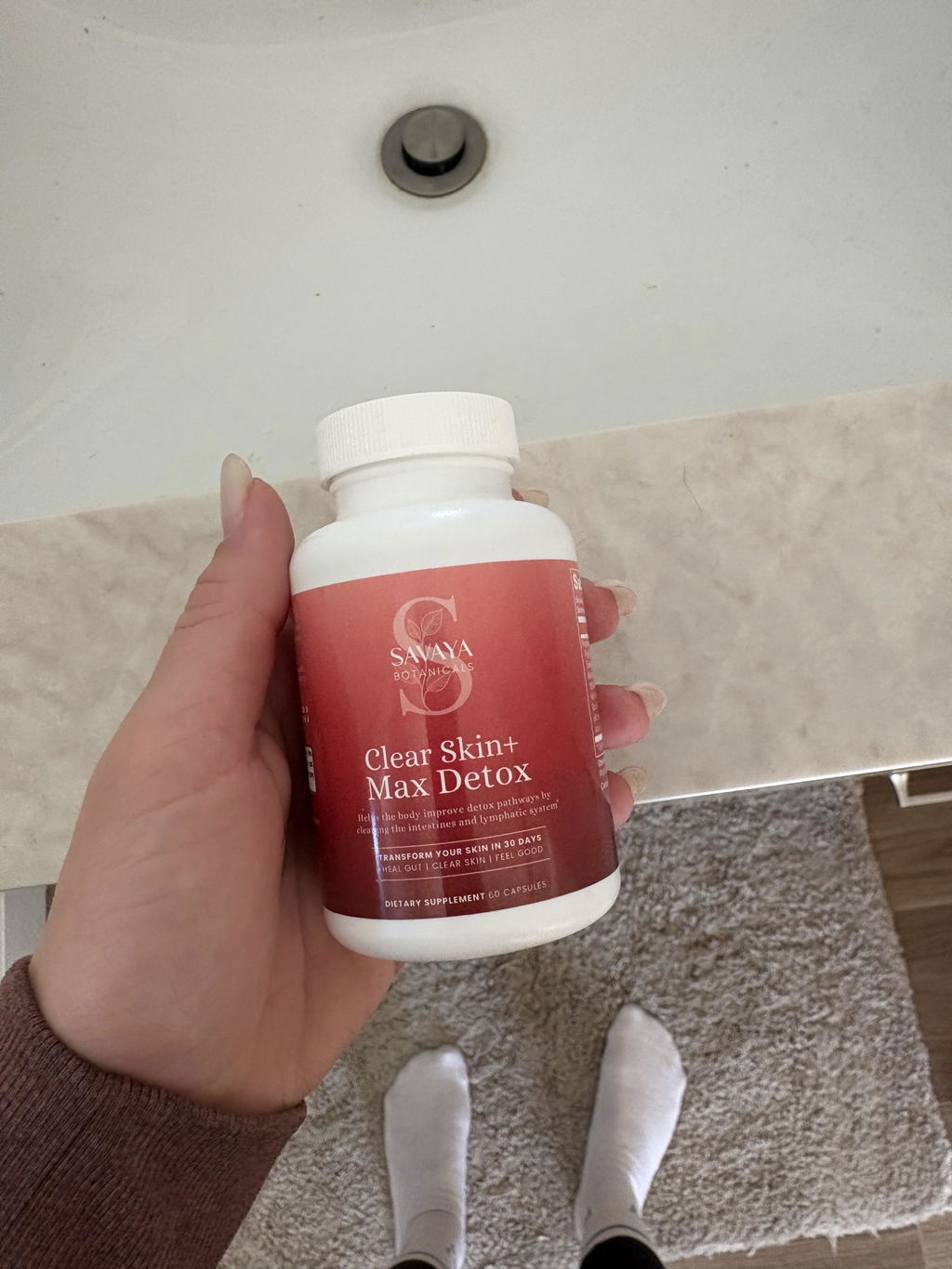
This is why skin-focused interventions that ignore the gut rarely hold. If your bacteria are producing excess beta-glucuronidase, you are stuck in a feedback loop. Supporting the ecosystem with a targeted gut cleanse is often the missing step women spend years without. Fiber helps too, binding deconjugated metabolites so they actually leave in stool instead of coming back around.
Signs Your Liver Is Quietly Asking for Backup
None of these are diagnostic on their own. Together they form a recognizable pattern worth taking seriously. These are the specific clues I watch for in women whose skin never quite calms down, no matter what cream they try next or what facial they book.
- Afternoon fatigue that hits like a wall around 2 or 3 pm
- Hormonal breakouts along the jawline and chin, worse in the week before your period
- Waking between 1 and 3 am, often for no clear reason
- Bloating or heaviness after fatty meals
- New or worsening intolerance to perfume, alcohol, or strong smells
- Slow bruise healing and skin that looks tired no matter the sleep
- A white or yellow coating on the tongue that will not brush off
If three or more of these feel familiar, your Phase II is probably running on fumes. The fix is not another serum. It is giving the pathway the ingredients and the exit routes it needs to actually finish the job.
Putting the Liver, Gut, and Skin Pieces Together
The liver does not work in isolation. It talks to the gut through the portal vein and through bile acid signaling at FXR and TGR5 receptors. When intestinal permeability rises, LPS reaches the liver, Kupffer cells get overwhelmed, and systemic inflammation climbs directly into the gut-skin axis.
Short-chain fatty acids from a healthy gut tighten the intestinal barrier back up and lower the whole load before it ever reaches your face. That is why women who address bile flow, Phase II nutrients, and gut repair in the same stretch tend to see skin changes that actually last, instead of the usual two steps forward, three back.
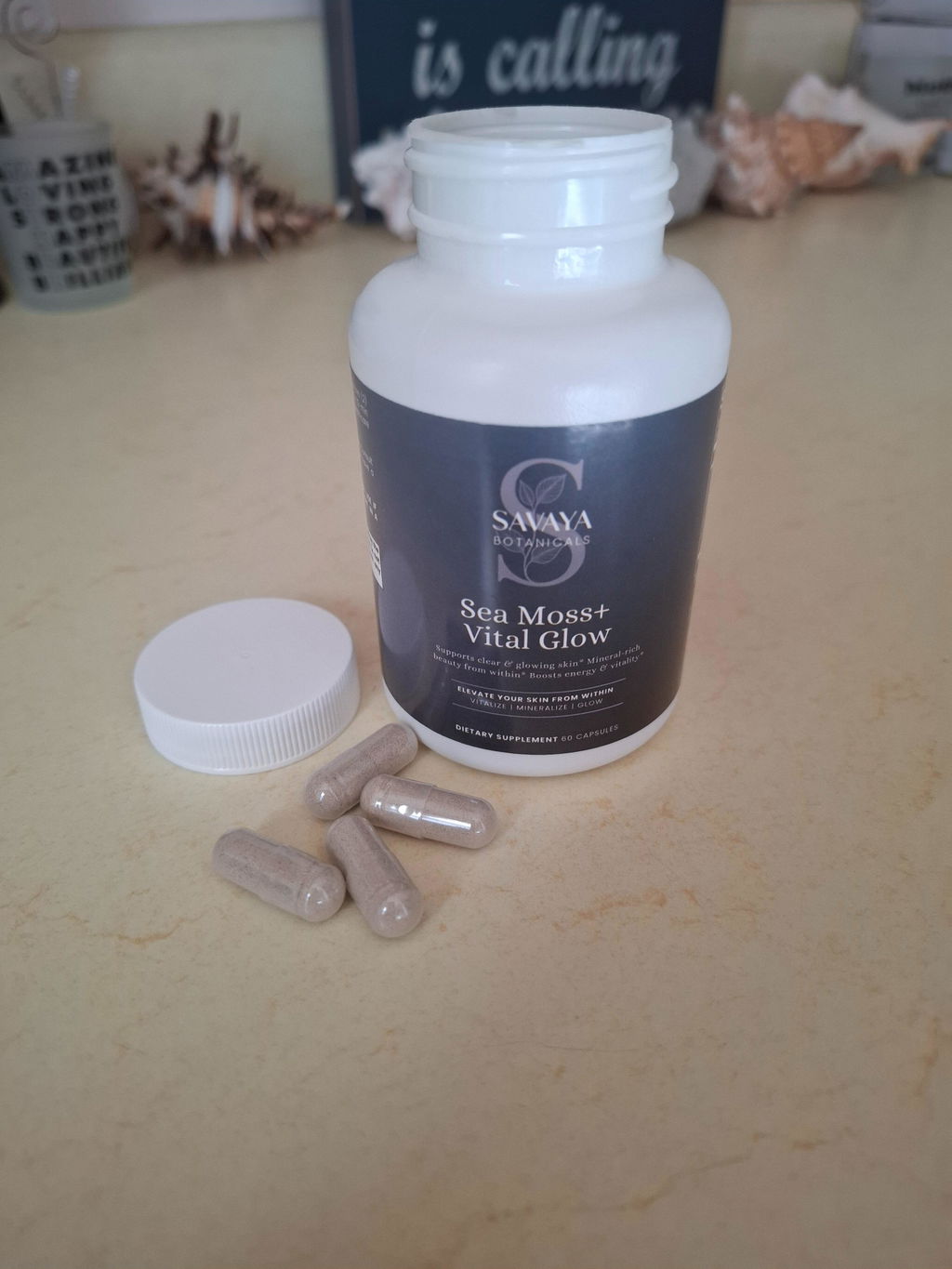
This is also where minerals matter. Phase II enzymes need cofactors like zinc, selenium, magnesium, and sulfur. Modern soil is depleted, and modern diets rarely close the gap. Many women I work with add 92 trace minerals from the ocean for this exact reason: broad-spectrum mineral support without having to coordinate a cabinet of single supplements.
For women who want structure rather than guesswork, the deeper 12-week reset walks through gut, liver, and skin in sequence rather than piling everything on day one. If skin is the primary concern, the 12-week gut-to-skin program focuses the protocol around the pattern described in this post. And once the inside is calming down, a barrier-repairing tallow cream at night helps the surface heal without stripping it.
Start with bile flow and Phase II nutrients before you chase symptoms, because topicals cannot reach a toxin that is partitioning into your sebum from the inside out. The mechanism decides the order, and the order decides whether your face actually clears.
• • •
Frequently Asked Questions
These are the questions women ask me most often after we talk through the two-phase liver model. If you have more, note them for your practitioner. The pattern below covers the ones I hear in nearly every consult, from timing to safety to what actually works for stubborn skin.
What is the liver-skin connection in simple terms?
Your liver processes hormones and toxins in two phases. When Phase II conjugation slows down, reactive intermediates and lipophilic compounds back up and exit through secondary routes including sebum and sweat. That overflow drives breakouts, dullness, and inflammation on the face.
Why do my breakouts show up along the jawline?
Jawline acne is often associated with hormonal metabolites, especially androgens and recirculated estrogens. When bile flow is sluggish or gut bacteria deconjugate hormones through beta-glucuronidase, that extra hormonal load partitions into sebum in androgen-sensitive areas like the lower face and jaw.
How long does it take to see skin changes from liver support?
Many women notice less afternoon fatigue and better digestion within two to three weeks. Skin usually follows later, often around weeks six to twelve, because the follicle has its own cycle and sebum composition takes time to shift. Consistency beats intensity here.
Can I do the olive oil and lemon shot every morning?
Most healthy adults tolerate it daily. Skip it if you have gallstones, bile duct issues, pancreatitis, or no gallbladder with poor fat tolerance. If a tablespoon of olive oil causes nausea or urgency, that is a signal to stop and get evaluated rather than push through.
Is it safe to support my liver while on medication?
Cruciferous vegetables, beets, and dandelion are foods and generally compatible with most medications. However, cruciferous compounds can modulate CYP enzymes that process certain drugs, and dandelion has mild diuretic effects. Check with your prescriber before adding concentrated supplements if you take hormonal, thyroid, or blood-thinning medications.