The Dermatologist's Blind Spot: 6 Supplements That Clear Acne From the Inside Out
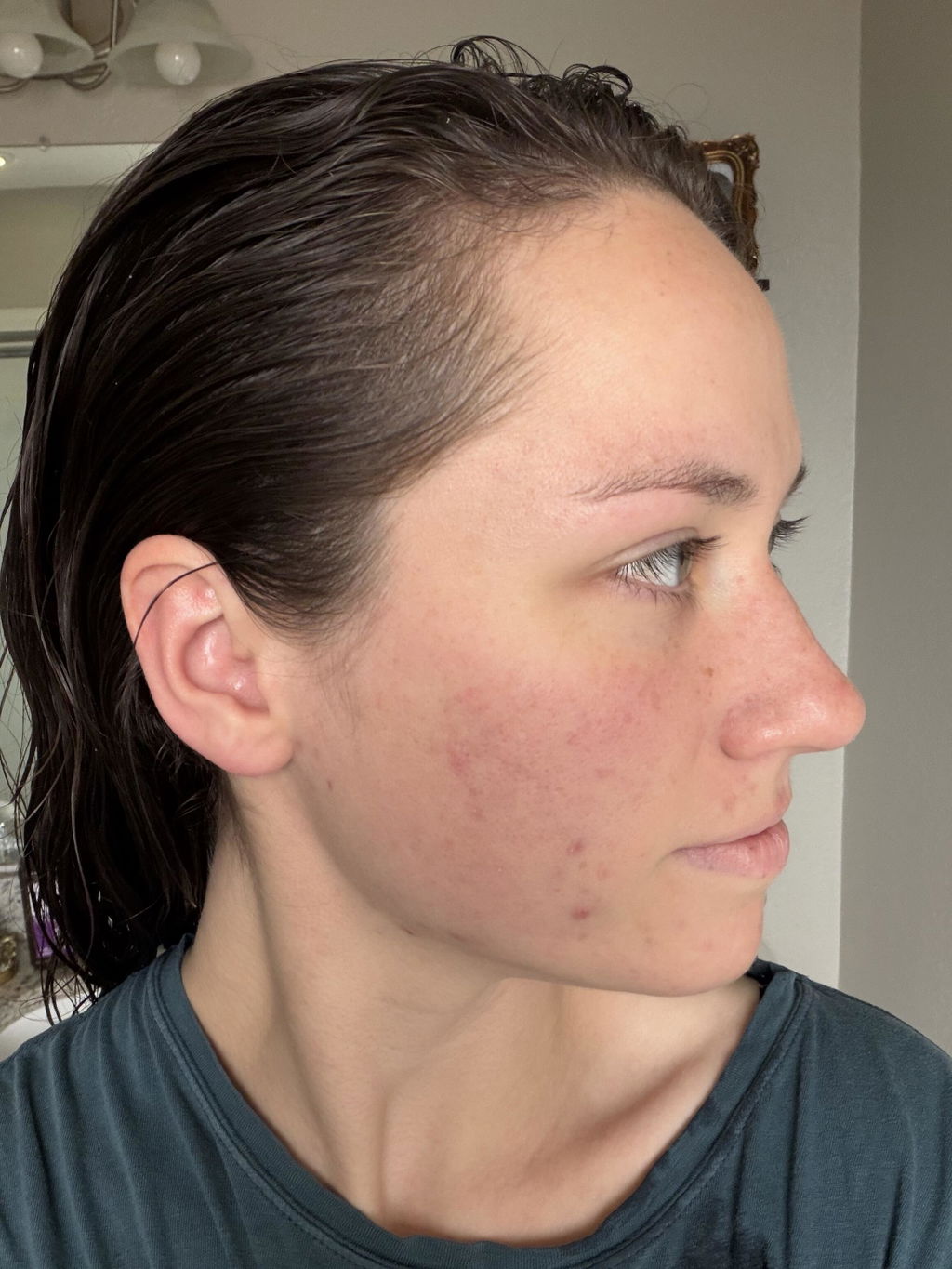
Three years ago, I sat in a dermatologist's office for the fourth time in two years. My chin was a warzone. My confidence was on life support. And the prescription pad came out before I'd finished my second sentence.
"We'll start you on doxycycline and bump up your tretinoin," she said, barely looking up.
I didn't fill that prescription. Not because I don't respect dermatology — I do. But because I'd already been down that road. Antibiotics that wrecked my stomach. Retinoids that left my skin raw and peeling. Topical after topical that treated the surface while ignoring everything happening underneath.
What finally cleared my skin wasn't a prescription. It was understanding that acne is an inside-out problem — and treating it with an inside-out solution.
Here are six supplements most dermatologists won't recommend, backed by clinical research, that changed my skin and my practice.
———
Why Topical-Only Approaches Fail (And Why Dermatologists Default to Them)
Let me be clear: topical treatments can reduce symptoms. Retinoids speed cell turnover. Benzoyl peroxide kills surface bacteria. But neither addresses why your skin is inflamed in the first place.
Dermatologists are trained in a pharmaceutical model. Their toolbox is built around prescriptions — antibiotics, retinoids, isotretinoin. These tools work on the surface, and they work fast. But speed isn't the same as resolution.
Acne is driven by systemic inflammation, hormonal imbalance, nutrient deficiency, and gut dysfunction. You can't cream your way out of a zinc deficiency. You can't retinoid your way past a destroyed microbiome. When you only treat the skin, you're painting over water damage without fixing the pipe.
That's why so many people cycle through prescriptions for years — clearing up, relapsing, clearing up, relapsing — without ever reaching lasting resolution.
The supplements below target the actual root causes. Every one of them is backed by published clinical research.
———
1. Zinc: The Anti-Acne Mineral Your Body Is Probably Missing
Zinc is the single most underrated nutrient for acne. It regulates sebum production, reduces inflammation, and supports wound healing — three things every person with acne desperately needs.
A landmark multicenter trial published in Dermatology (Dreno et al., 2001) compared 30 mg of elemental zinc gluconate to minocycline — one of the most commonly prescribed acne antibiotics. After three months, both groups showed significant improvement in inflammatory acne. Zinc performed comparably to the antibiotic, but without the gut-destroying side effects.
The dosage matters. You want 30 mg of elemental zinc daily — typically from zinc picolinate or zinc bisglycinate for better absorption. Most multivitamins contain 8-15 mg, which isn't enough to move the needle. Take it with food to avoid nausea, and pair it with 2 mg of copper to prevent depletion over time.
Studies also show that acne patients consistently have lower serum zinc levels than those with clear skin. If you've been battling breakouts for years, there's a good chance your zinc status is part of the picture.
———
2. Omega-3 Fatty Acids: Why EPA Is the Inflammation Switch
Not all omega-3s are created equal when it comes to skin. You want EPA (eicosapentaenoic acid) specifically — it's the omega-3 fraction that directly competes with pro-inflammatory arachidonic acid in your cell membranes.
A randomized, double-blind, controlled trial published in Acta Dermato-Venereologica (Jung et al., 2014) gave acne patients 2,000 mg of omega-3 (EPA + DHA) daily for 10 weeks. Both inflammatory and non-inflammatory lesions decreased significantly, and the researchers measured reduced levels of interleukin-8, a key inflammatory marker.
Think of EPA as a volume knob for inflammation. Most Western diets are flooded with omega-6 (from seed oils, processed food) and starved of omega-3. This imbalance keeps your immune system in a chronic state of overreaction — and your skin pays the price.
I recommend at least 1,000 mg of EPA daily from a high-quality fish oil or algae-based supplement. Look at the label carefully — many fish oils advertise 1,000 mg of "fish oil" but only contain 300 mg of actual EPA.
———
3. Vitamin D3 + K2: The Hormonal Acne Regulator
Vitamin D isn't just a bone vitamin. It's a hormone precursor that modulates your immune system, regulates inflammation, and influences the very receptors that control sebum production.
A case-control study combined with a randomized controlled trial, published in PLOS One (Lim et al., 2016), found that 48.8% of acne patients were vitamin D deficient compared to just 22.5% of controls. When deficient patients supplemented with 1,000 IU of vitamin D daily for 8 weeks, inflammatory lesions dropped by 34.6%.
Here's what most people miss: vitamin D3 should always be paired with vitamin K2 (MK-7). D3 increases calcium absorption, and K2 directs that calcium into your bones rather than your arteries and soft tissues. Without K2, long-term D3 supplementation can create problems.
For most adults, 2,000-4,000 IU of D3 with 100-200 mcg of K2 daily is a solid maintenance dose. Get your levels tested — you want serum 25(OH)D between 40-60 ng/mL for optimal skin and immune function.
———
4. Sea Moss: 92 Minerals Your Skin Has Been Starving For
Sea moss has been used in Caribbean and Irish traditional medicine for centuries, and modern nutritional analysis reveals why. It contains 92 of the 102 minerals the human body needs — including zinc, selenium, sulfur, and iodine, all of which play direct roles in skin health.
Research on trace element supplementation and skin repair (Berger et al., 2007, published in the American Journal of Clinical Nutrition) demonstrated that supplementing with copper, selenium, and zinc improved antioxidant status and enhanced tissue healing. Sea moss delivers these minerals in a whole-food, bioavailable matrix — the way your body was designed to receive them.
Selenium, in particular, is a powerful antioxidant cofactor that protects skin cells from oxidative damage. Sulfur supports keratin production and detoxification pathways. And the polysaccharides in sea moss act as natural prebiotics, feeding beneficial gut bacteria.
I started recommending wildcrafted sea moss to my clients two years ago, and the results have been remarkable — especially for those with dull, mineral-depleted skin that doesn't respond to isolated supplements.
———
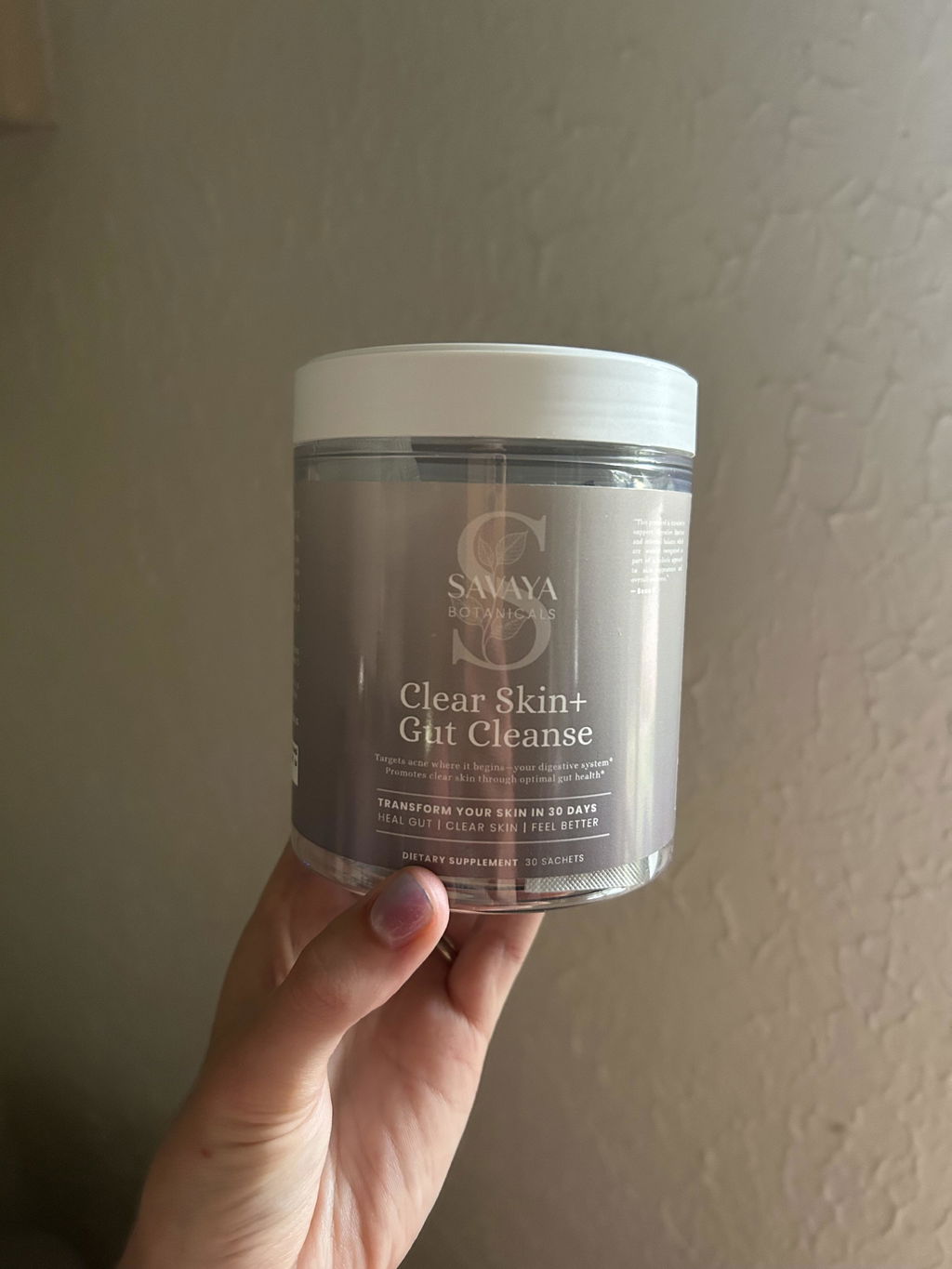
5. Gut Cleanse: Removing the Root Cause of Recurring Breakouts
If you've tried every supplement, every topical, and every elimination diet without lasting results — your gut is almost certainly the missing piece.
The gut-skin axis is no longer fringe science. A randomized controlled trial published in Beneficial Microbes (Fabbrocini et al., 2016) demonstrated that 12 weeks of oral probiotic supplementation with Lactobacillus rhamnosus SP1 reduced IGF-1 gene expression in the skin by 32% and increased FOXO1 expression by 65% — both markers directly linked to acne severity and sebum production.
But here's what I've learned in practice: you can't just add probiotics to a toxic gut and expect miracles. You need to clean house first. Remove the overgrowth, the accumulated waste, the inflammatory load — then rebuild with the right bacteria.
That's why I always start my clients with a microbiome gut cleanse before introducing any probiotic protocol. Think of it like renovating a house: you don't put new furniture in a room that hasn't been cleared out yet.
The connection is straightforward. When your gut lining is compromised, undigested food particles and bacterial toxins leak into your bloodstream (intestinal permeability, sometimes called "leaky gut"). Your immune system reacts. Systemic inflammation rises. And your skin — your largest organ of elimination — becomes the exit route for all that internal chaos.
Fix the gut, and the skin often follows. I've seen it hundreds of times.
———
6. Collagen: Rebuilding What Acne Has Destroyed
Acne doesn't just cause active breakouts — it damages the structural integrity of your skin. Scarring, texture issues, loss of elasticity. Once the inflammation subsides, you're left rebuilding.
A double-blind, placebo-controlled study published in Skin Pharmacology and Physiology (Proksch et al., 2014) showed that 8 weeks of oral collagen peptide supplementation (2.5-5g daily) significantly improved skin elasticity compared to placebo. The effects persisted even four weeks after supplementation ended, suggesting genuine structural remodeling — not just temporary hydration.
Collagen provides the specific amino acids — glycine, proline, hydroxyproline — that your body uses to rebuild the dermal matrix. As we age (and as chronic inflammation depletes our reserves), our natural collagen production declines. Supplementing gives your skin the raw materials it needs to repair.
I recommend collagen strips to clients who are in the rebuilding phase — after they've addressed the root causes of inflammation through gut healing and mineral repletion. Collagen works best when the internal environment is no longer actively sabotaging your skin.
———
Why Dermatologists Won't Tell You This
I want to be fair. Most dermatologists aren't withholding information maliciously. The issue is structural.
Medical training emphasizes pharmaceutical intervention. Nutrition education in medical school averages less than 25 hours across four years. Insurance doesn't reimburse for supplement recommendations. And the clinical trial infrastructure favors patentable drugs over whole-food nutrients that can't be owned.
So when you walk into a dermatologist's office with acne, you'll hear about benzoyl peroxide, tretinoin, doxycycline, and isotretinoin — because that's the playbook they were trained on. Not because those are the only options.
The research on nutritional approaches to acne is growing every year. The studies cited in this article are published in peer-reviewed journals. The evidence is there. It's just not being translated into mainstream practice fast enough.
———
The Full Protocol: How to Stack These Supplements
Here's the approach I use with my clients — and what finally cleared my own skin:
Weeks 1-4: Clean and Restore
- Start with a gut cleanse protocol to clear accumulated waste and reduce intestinal inflammation
- Begin zinc (30 mg), vitamin D3+K2 (2,000-4,000 IU + 100 mcg), and omega-3 (1,000 mg EPA)
- Add sea moss daily for broad-spectrum mineral support
Weeks 5-12: Rebuild and Repair
- Continue all foundational supplements
- Introduce collagen (2.5-5g daily) for skin structure repair
- Support the gut with fermented foods and prebiotic fiber
- Use a tallow-based skin barrier cream topically — it mimics your skin's natural sebum composition without the synthetic ingredients that irritate acne-prone skin
Weeks 12+: Maintain
- Reassess. Most clients see significant improvement by week 8-10
- Reduce to maintenance doses based on your body's response
- Continue gut support as a lifestyle, not a temporary fix
If you want something simple to add to your routine, the Clear Skin+ Max Detox blend is exactly what I recommend to my clients who wanted an easy daily addition.
———
Frequently Asked Questions
Can supplements really clear acne without prescription medication?
Yes, for many people. Clinical trials show that zinc supplementation alone performs comparably to minocycline (a common acne antibiotic) for inflammatory acne. When you combine targeted supplementation with gut healing and mineral repletion, you address the root causes that topical treatments and antibiotics miss entirely. Supplements work best for hormonal acne, inflammatory acne, and recurring breakouts that haven't responded to conventional treatment.
How long does it take for supplements to improve acne?
Most people notice initial changes within 4-6 weeks, with significant improvement by weeks 8-12. This is slower than prescription medications, but the results tend to be more lasting because you're correcting the underlying imbalances rather than suppressing symptoms. Skin cell turnover takes approximately 28 days, so give any supplement protocol at least one full cycle before evaluating results.
What is the best dosage of zinc for acne?
Clinical research supports 30 mg of elemental zinc daily for acne, typically from zinc picolinate or zinc bisglycinate for optimal absorption. This is the dosage used in the Dreno et al. multicenter trial that compared zinc to minocycline. Take it with food to minimize nausea, and pair with 2 mg of copper if supplementing for more than 3 months to prevent copper depletion.
Why do dermatologists prescribe antibiotics for acne instead of supplements?
Dermatologists are trained in pharmaceutical intervention, and medical school nutrition education averages less than 25 hours over four years. Insurance reimburses for prescriptions but not supplement recommendations. The clinical trial system also favors patentable drugs over natural compounds. This doesn't mean antibiotics are wrong — it means the full picture of options isn't always presented.
Is it safe to take zinc, omega-3, vitamin D, and collagen together?
Yes. These supplements target different pathways and don't compete for absorption when taken as recommended. Zinc supports immune regulation and sebum control, omega-3 reduces systemic inflammation, vitamin D modulates hormonal activity, and collagen provides structural building blocks for skin repair. Taking them together creates a comprehensive approach that addresses multiple root causes simultaneously.