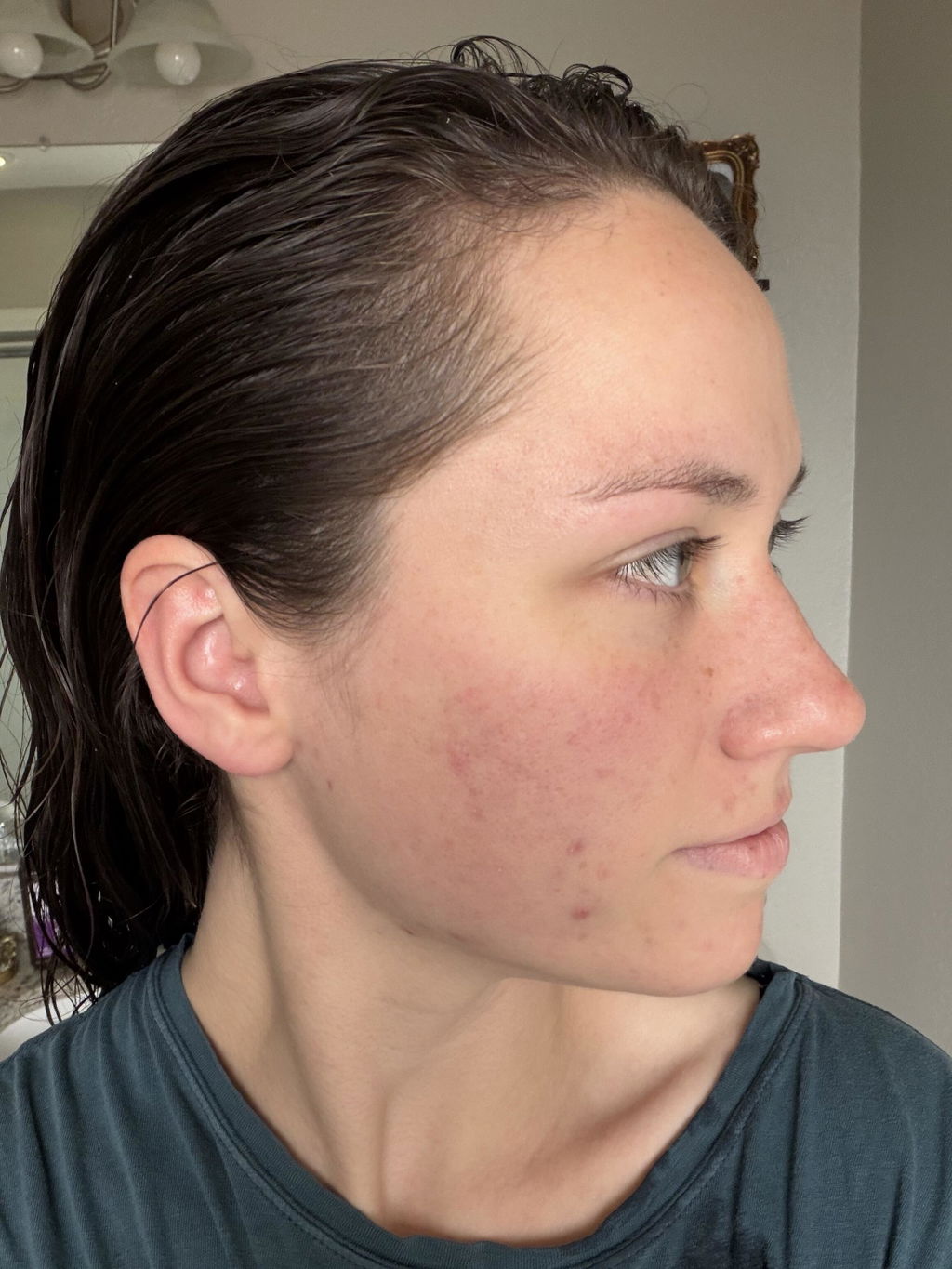
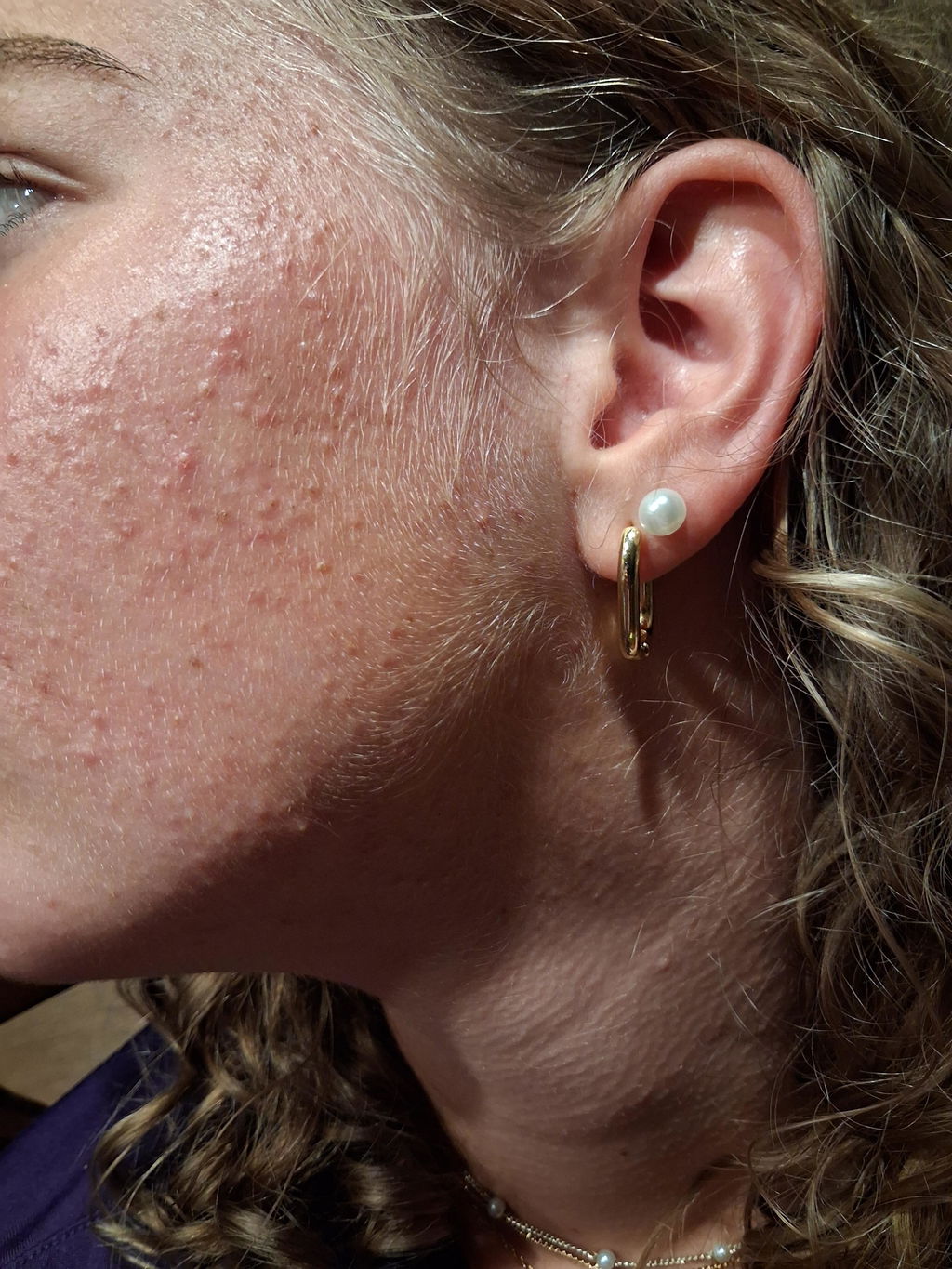
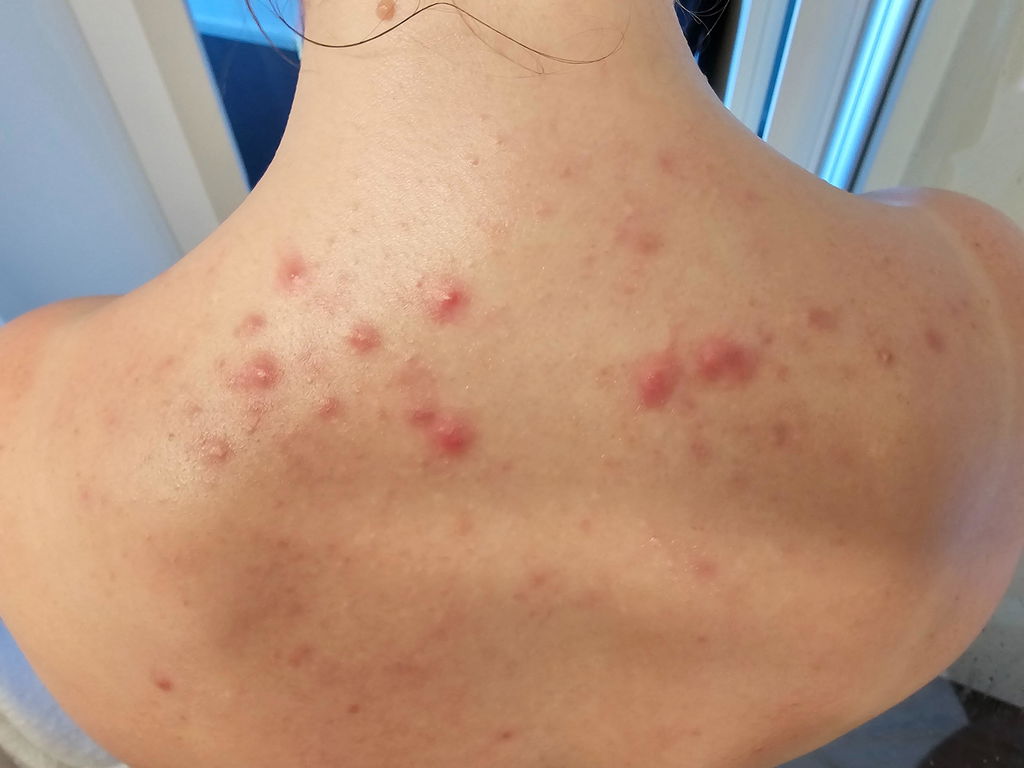
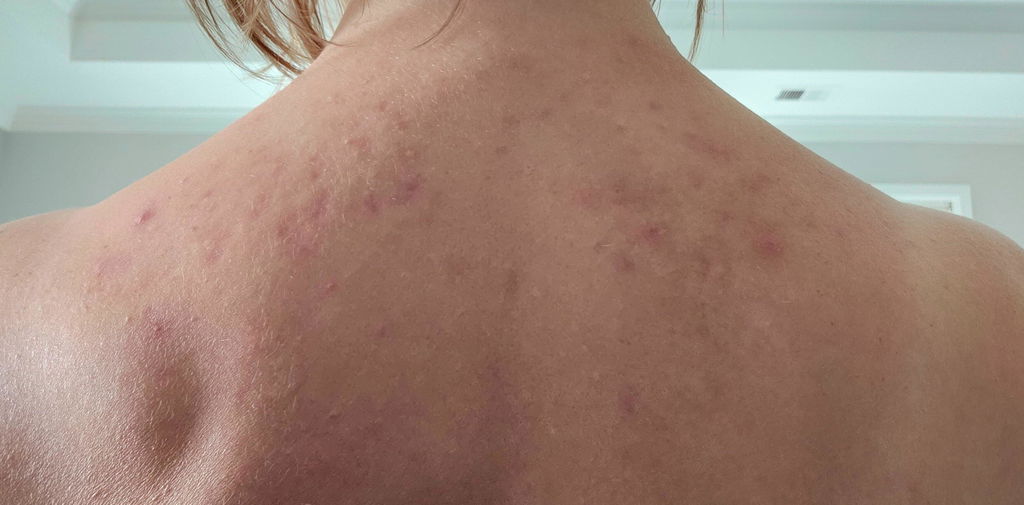
Three years ago, I sat in a dermatologist's office for the fifth time in two years. Same conversation, different antibiotic. I'd been on doxycycline twice, tried two topical retinoids, and my skin was still breaking out along my jaw and cheeks every single month. What nobody told me — what I had to discover by digging through clinical literature myself — is that acne isn't a skin problem. It's a whole-body inflammation signal. And no amount of topical chemistry fixes a systemic fire.
I'm Sarah Mitchell, and I've spent the last decade working as a holistic health practitioner, helping clients untangle chronic skin issues by looking at what's happening inside the body. What I'm going to share with you today is the supplement protocol I've personally used and recommended to hundreds of clients — the one that actually works on the root cause, not just the surface symptoms.
Dermatologists aren't bad people. They're working within a system that trains them to prescribe. But if you've been battling persistent breakouts and you're tired of the antibiotic merry-go-round, keep reading. This is the science they're not discussing with you.
———
Why Topical-Only Approaches Keep Failing You
Here's the fundamental problem with treating acne exclusively on the surface: you're managing a symptom while the driver keeps running underneath. Retinoids speed up cell turnover. Benzoyl peroxide kills bacteria. Antibiotics suppress inflammatory bacteria systemically — but they also devastate your gut microbiome, which (as we'll get into) is one of the primary upstream causes of hormonal and inflammatory acne in the first place.
A 2020 review published in Gut Microbes confirmed what functional medicine practitioners have long suspected: dysbiosis — an imbalance of gut bacteria — directly elevates systemic inflammation, disrupts sex hormone metabolism, and increases intestinal permeability, all three of which are known acne triggers. Topical treatments cannot reach any of these. They're band-aids on a wound that keeps reopening from the inside.
Dermatologists default to antibiotics and retinoids because they have the most pharmaceutical data behind them, they're fast, and they're billable. The supplement and lifestyle space lacks the same kind of industry-funded megastudies. That doesn't mean the evidence isn't there — it just means you have to look for it.
———
Zinc: The Mineral Your Skin Is Almost Certainly Low In
Zinc is one of the most studied natural compounds for acne, and the clinical evidence is genuinely striking. A landmark randomized controlled trial by Dreno et al. published in Dermatology (2001) compared zinc gluconate 30mg against minocycline — one of dermatology's go-to antibiotics — in 332 patients with inflammatory acne. Zinc reduced inflammatory lesions significantly, and while minocycline performed slightly better overall, the researchers noted zinc's favorable safety profile and complete absence of antibiotic resistance concerns.
Zinc works through several mechanisms at once: it inhibits Cutibacterium acnes proliferation, reduces sebum production via 5-alpha-reductase inhibition, and modulates the inflammatory cascade triggered by acne-causing bacteria. The sweet spot dosage in most studies is 25–40mg elemental zinc daily (zinc picolinate or zinc bisglycinate are the best-absorbed forms). Take it with food to avoid nausea, and cycle off every 3 months to prevent copper depletion.
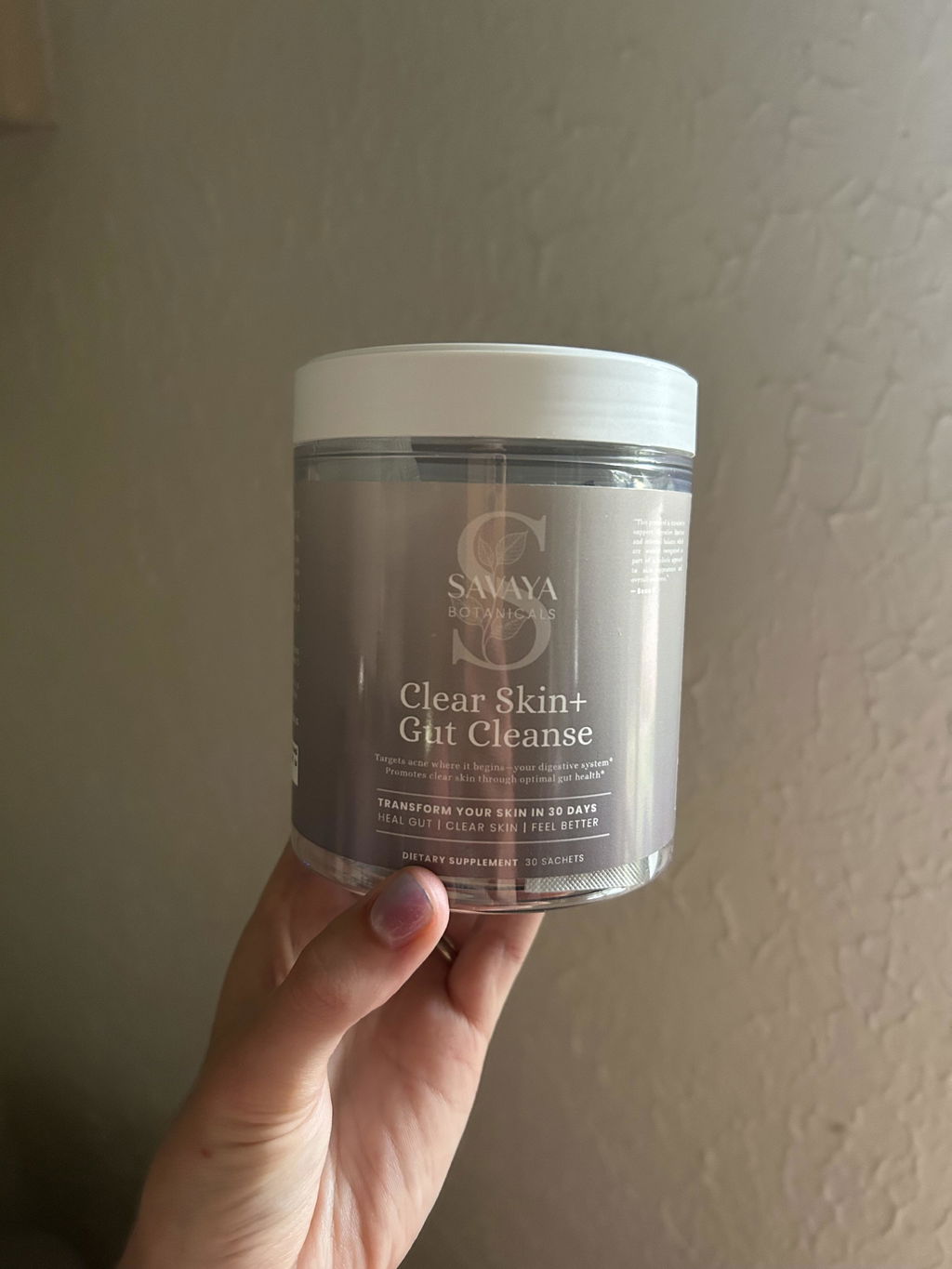
If you're building a foundational acne routine, zinc is where I'd start — and it's part of why Clear Skin+ Max Detox includes it as a cornerstone mineral rather than an afterthought.
Omega-3 (EPA Specifically): The Anti-Inflammatory Signal Your Skin Needs
Not all omega-3s are equal when it comes to skin. DHA is critical for brain health; EPA is the one that fights inflammation in the skin. A 2012 randomized trial by Khayef et al. published in Lipids in Health and Disease found that participants who supplemented with omega-3 fatty acids (EPA + DHA) for 10 weeks saw statistically significant reductions in both inflammatory and non-inflammatory acne lesions. The researchers proposed that EPA's suppression of leukotriene B4 — a potent pro-inflammatory mediator — was the primary driver.
Acne is fundamentally an inflammatory disease. Sebum itself isn't the problem; oxidized, inflamed sebum is. EPA changes the fatty acid composition of sebum, making it less inflammatory and less likely to trigger the cascade that ends in a cyst. I recommend at least 2,000mg EPA daily from a high-quality triglyceride-form fish oil. Algal oil works for plant-based clients, though EPA concentrations tend to be lower.
Vitamin D3 + K2: The Deficiency Nobody's Testing You For
A comparative study by Lim et al. in the Journal of Clinical and Aesthetic Dermatology (2016) found that 48.8% of acne patients were vitamin D deficient, compared to only 22.4% of controls. That's more than double. Vitamin D functions as a steroid hormone in the body — it directly regulates immune response, modulates sebaceous gland activity, and influences the antimicrobial peptides (like cathelicidins) that protect skin from pathogenic bacteria.
K2 isn't optional here. It directs calcium away from soft tissue (including skin) and toward bone, and it works synergistically with D3 to reduce inflammatory markers. Most people are taking D3 without K2 and wondering why their results plateau. The protocol I use: 5,000 IU D3 + 100mcg MK-7 form K2, taken with a fat-containing meal for optimal absorption. Get your 25-OH vitamin D levels tested before and after — you're aiming for 60–80 ng/mL for therapeutic benefit, not just the bare minimum of 30 ng/mL that most labs flag as "sufficient."
———
Sea Moss: 92 Minerals, One Overlooked Skin Food
Sea moss has been used in Caribbean and Irish folk medicine for centuries, but it's only recently that researchers are beginning to quantify why it works. A study published in Marine Drugs (2021) highlighted sea moss's exceptional mineral density — including iodine, selenium, magnesium, and sulfur — and its prebiotic fiber content (carrageenan and fucoidan), which selectively feeds beneficial gut bacteria.
For skin specifically, the sulfur content is significant. Sulfur is required for the synthesis of collagen and keratin, and it has natural antibacterial properties that have been used topically for decades. But when you're getting sulfur internally through food sources like sea moss, you're supporting the structural integrity of skin from the matrix level. The iodine content supports thyroid function, which regulates hormones that directly influence sebum production.
I recommend sourcing wildcrafted, ocean-harvested sea moss rather than pool-grown, which typically has a fraction of the mineral content. Two tablespoons of gel daily, added to smoothies or warm water, is a simple way to flood your body with trace minerals that most modern diets are completely depleted of.
Gut Cleanse: Removing the Root Cause
This is the piece that changes everything — and the piece that conventional dermatology almost never addresses. Research published in Gut Pathogens by Bowe and Logan (2011) articulated the gut-brain-skin axis in compelling detail: increased intestinal permeability allows bacterial fragments to enter systemic circulation, triggering immune responses that manifest as — among many things — inflammatory acne. The researchers cited Stokes and Pillsbury's 1930 hypothesis about gut-skin connection as foundational, noting that 80 years of subsequent research had largely validated it.
A gut cleanse isn't about laxatives or juice fasts. It's about removing biofilm-forming pathogens, replenishing beneficial flora, and repairing intestinal barrier integrity. This is why I often recommend clients start with a targeted microbiome gut cleanse protocol before adding anything else to their stack — because even the best supplements won't absorb or function properly in a compromised gut environment. For a more comprehensive approach, the full acai detox protocol adds liver support and antioxidant load that accelerates systemic clearing.
Signs your gut is driving your acne: breakouts that worsen after sugar or alcohol, bloating after meals, acne along the jawline or around the mouth, and a history of antibiotic use (which depletes the microbiome and often creates the very dysbiosis that perpetuates acne cycles).
Collagen: Rebuilding What Inflammation Has Broken Down
Most people think of collagen as anti-aging. But collagen is equally critical for acne recovery — specifically for reducing the scarring and post-inflammatory hyperpigmentation that breakouts leave behind, and for restoring the skin barrier function that protects against future bacterial invasion.
A randomized double-blind trial by Proksch et al. published in Skin Pharmacology and Physiology (2014) showed that oral collagen peptide supplementation for 8 weeks significantly increased skin elasticity and hydration compared to placebo, with effects that persisted 4 weeks post-supplementation. For acne-prone skin, the mechanism matters: collagen supports the tight junction proteins of both the gut lining and the skin barrier simultaneously. A leaky gut and a compromised skin barrier share structural biology — you're repairing both with the same intervention.
I've seen particularly good results with hydrolyzed marine collagen in a dissolvable format. The beauty collagen strips dissolve directly in the mouth for maximum bioavailability — no mixing, no chalky powder, and the marine source has a smaller peptide size than bovine, which means faster absorption. Pair with vitamin C for enhanced synthesis.
For nighttime skin support, I also recommend a clean tallow-based barrier cream. Unlike most commercial moisturizers loaded with emulsifiers and synthetic fragrance that can trigger comedones, grass-fed tallow closely mimics the fatty acid profile of human sebum. The Peaceful Night tallow cream is what I use personally and recommend to clients with compromised or inflamed skin barriers.
———
Putting the Stack Together: How I'd Sequence This
Starting everything at once makes it impossible to know what's working. Here's how I sequence this protocol with clients:
- Weeks 1–2: Gut cleanse first. Clear the terrain before building on it. Begin sea moss daily.
- Weeks 3–4: Add zinc and vitamin D3+K2. These work best once the gut environment is improving.
- Weeks 5–6: Introduce EPA-focused omega-3. Inflammatory lesion count typically begins dropping noticeably here.
- Weeks 7+: Add collagen for barrier repair and scarring support. This is the rebuilding phase.
For something simpler, our Clear Skin+ Max Detox is a single daily acai-based blend you add to your routine. It supports your skin from the inside out, with nothing to schedule, dose, or track.
Twelve weeks sounds long. But most of my clients have been fighting acne for years. Twelve weeks of working with your body instead of against it is nothing compared to another year on the antibiotic cycle.
———
Frequently Asked Questions
Can supplements really clear acne, or is this just wellness marketing?
The clinical evidence for several of these supplements — particularly zinc and omega-3 EPA — is robust and published in peer-reviewed dermatology journals. Zinc gluconate has been directly compared to minocycline (a common antibiotic) in randomized controlled trials. The difference is that pharmaceutical interventions attract industry funding for large studies; supplements don't. The evidence exists; it just doesn't get the same amplification. Working with a functional medicine practitioner to test for specific deficiencies (vitamin D, zinc status) can also confirm whether supplementation is likely to help in your individual case.
How long does it take for these supplements to work on acne?
Expect a minimum of 6–8 weeks before seeing significant changes in active breakouts, and 10–12 weeks for full results including reduction in post-inflammatory marks. The gut microbiome takes approximately 30 days to begin meaningful rebalancing, and collagen synthesis cycles run on a similar timeline. This is slower than antibiotics in the short term — but without the rebound breakouts, antibiotic resistance, or microbiome destruction that come with long-term pharmaceutical use.
Is it safe to take all of these supplements together?
The supplements in this stack — zinc, omega-3, vitamin D3+K2, sea moss, and collagen — are all food-derived compounds with well-established safety profiles. The main caution with zinc is taking the upper limit (40mg elemental) long-term without balancing copper intake, which is why I recommend cycling or monitoring with bloodwork. If you're on any prescription medications, particularly blood thinners (omega-3 has mild anticoagulant properties at high doses), check with a qualified practitioner before starting.
Why do dermatologists still push antibiotics if the gut connection is this well-documented?
Medical training is heavily oriented toward pharmacological intervention, and dermatology residencies allocate very little time to nutrition, gut health, or supplementation science. Antibiotics produce visible results within weeks, which creates a compelling short-term case even when they're causing downstream microbiome damage. The gut-skin axis research is relatively recent and hasn't fully integrated into standard dermatological practice guidelines. This is changing — slowly — but in the meantime, patients who want the full picture need to seek out practitioners who bridge both worlds.
What's the most important supplement to start with if I can only do one?
Start with your gut. Everything else works better — absorbs better, functions better — when your gut barrier is intact and your microbiome is balanced. A targeted gut cleanse creates the foundation that makes every other intervention more effective. If I had to pick a second, it would be zinc: well-studied, affordable, and directly addresses both the bacterial and inflammatory components of acne.
———
Ready to stop managing breakouts and start addressing the cause? Clear Skin+ Max Detox is a daily acai-based blend that helps support your skin from the inside out, with no complicated regimen to follow.