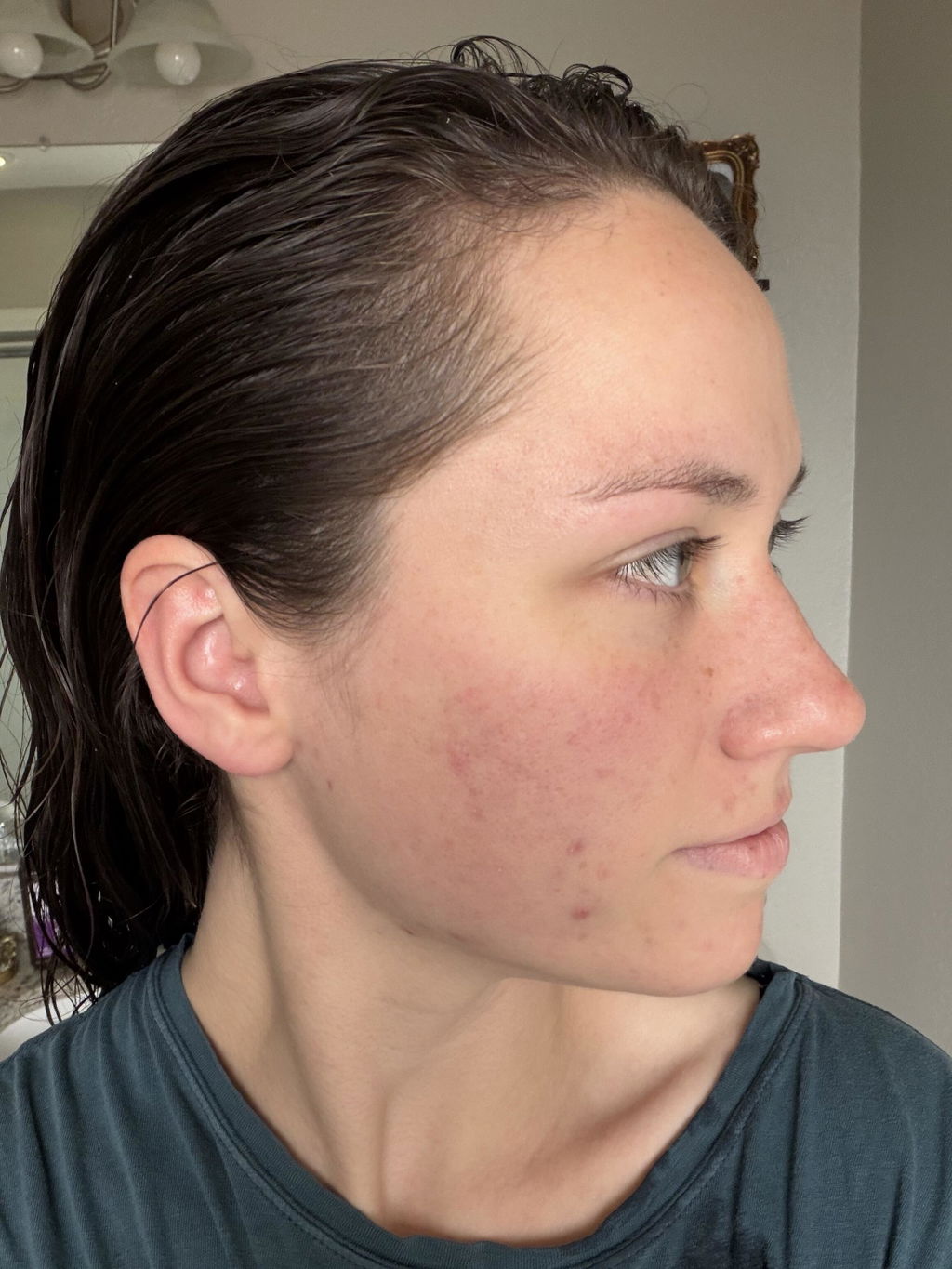
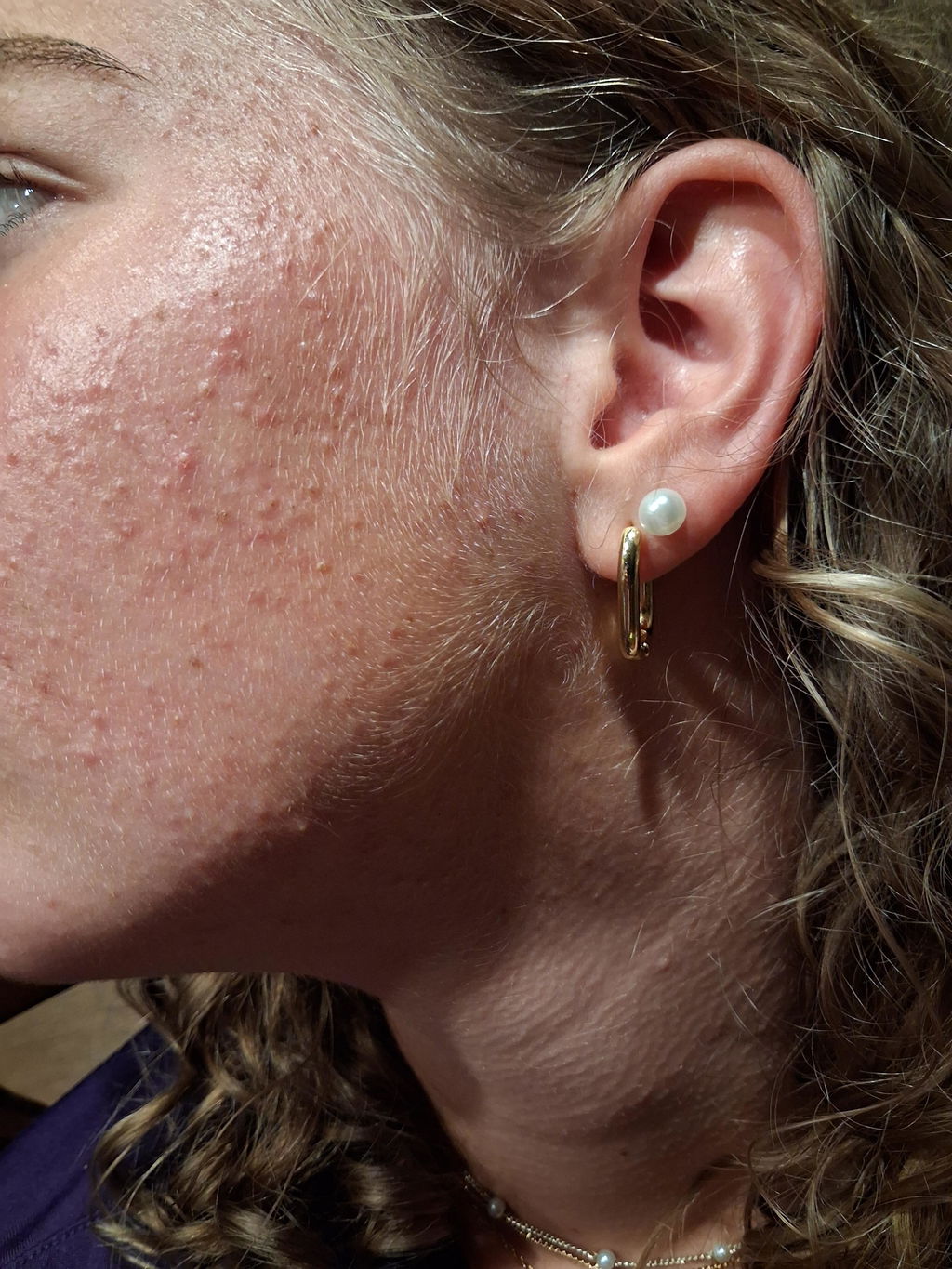
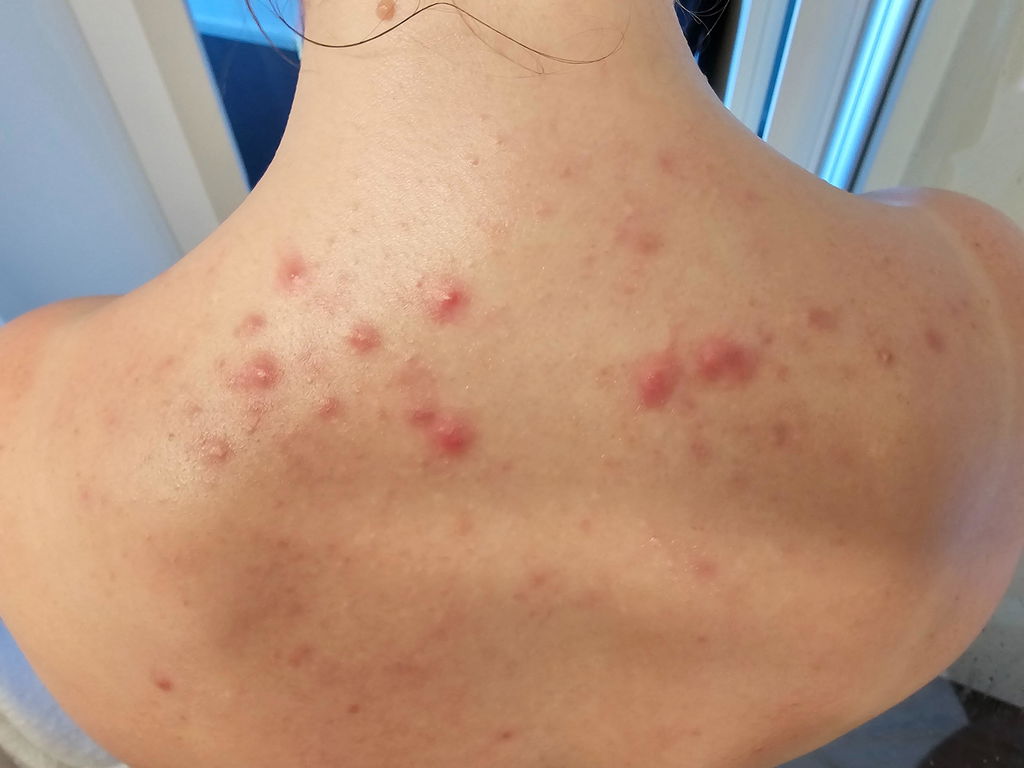
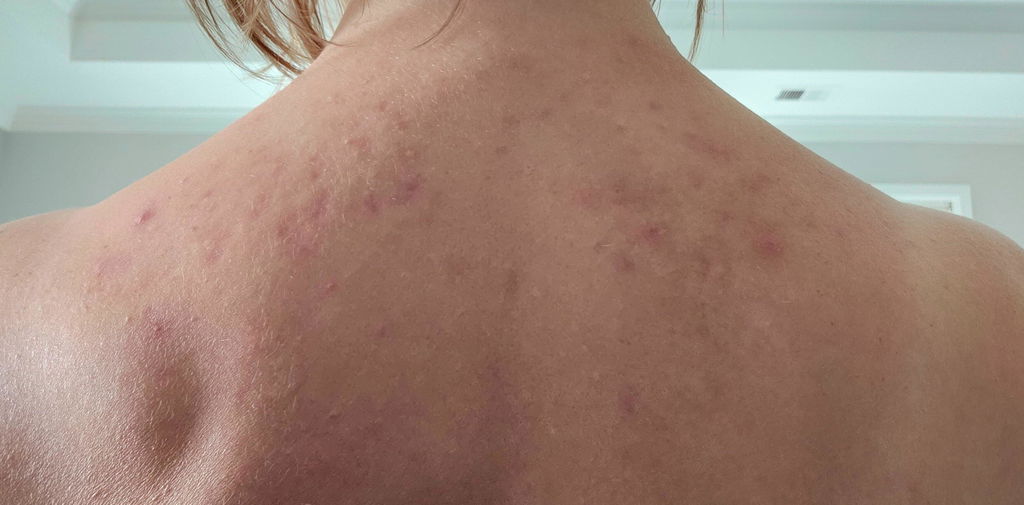
At 2:47 AM on a Tuesday last February, I was standing in front of my bathroom mirror, examining a cluster of cystic breakouts along my jawline, when a hepatologist friend texted me back. I'd sent her a frantic message hours earlier — my skin had been erupting for weeks despite my pristine diet, expensive serums, and enough magnesium to tranquilize a horse. Her reply was four words long: "Have you checked your liver?"
I laughed. My liver? I wasn't a heavy drinker. I ate organic. I did yoga. Surely my liver wasn't the reason my face looked like a teenager's on picture day.
But she was right. And over the next six months, I learned something that completely rewired how I approach skin health: your skin is not an organ of beauty — it's an organ of emergency elimination. When your liver can't keep up with the toxins it's processing, your body routes the overflow through your largest secondary detox organ. Your skin. And no amount of retinol, hyaluronic acid, or $180 moisturizer can out-treat a bottlenecked liver.
This is the story hardly anyone in skincare is telling you. Let's fix that.
The Liver-Skin Connection: Your Body's Backup Drainage System
In functional medicine, we call the skin "the third kidney" — and for good reason. Your liver is designed to filter roughly 1.4 liters of blood every single minute, neutralizing everything from ammonia and excess hormones to pesticide residues, plastic byproducts, and the metabolic waste your cells generate just by being alive. When it works, you never think about it. When it doesn't, you see the evidence on your face.
A 2019 review published in the Journal of Clinical and Aesthetic Dermatology outlined what hepatologists have quietly known for decades: impaired hepatic detoxification correlates with chronic inflammatory skin conditions, including acne vulgaris, rosacea, eczema, and melasma. The mechanism is almost insultingly simple. Toxins that can't exit through bile and urine have to go somewhere. And the skin — with its 2 to 4 million sweat glands and dense network of sebaceous pores — becomes the pressure release valve.
If you've ever wondered why your breakouts cluster on your cheeks and jawline (the areas mapped to the liver in both Traditional Chinese Medicine face mapping and modern dermatological research on lymphatic drainage), now you know.
Phase I and Phase II Liver Detoxification: A 3-Minute Biochemistry Lesson
Here's where most skincare articles lose people, so I'll keep it painless.
Your liver detoxifies in two distinct phases, and they have to work in balance — otherwise, you create more problems than you solve.
Phase I (Activation) is handled by the cytochrome P450 enzyme family — roughly 57 enzymes that grab onto fat-soluble toxins, oxidize them, and transform them into what we call intermediate metabolites. Here's the catch: these intermediates are often more toxic and more reactive than the original compound. They're unstable. They generate free radicals. If they linger, they damage DNA, inflame tissue, and — yes — trigger the exact oxidative stress that shows up as dull skin, fine lines, and stubborn inflammation.
Phase II (Conjugation) is where the cleanup happens. Six biochemical pathways — glucuronidation, sulfation, glutathione conjugation, methylation, acetylation, and amino acid conjugation — attach water-soluble molecules to those dangerous intermediates, neutralizing them and preparing them for excretion through bile or urine.
When Phase I runs faster than Phase II (a state called "pathological detoxifier" status), you're generating more toxic intermediates than your body can neutralize. And that backlog has to exit somewhere.
Usually, it exits through your pores.
What Happens When Your Liver Is Overloaded
Modern life is a perfect storm for Phase II bottlenecking. We're exposed to an estimated 80,000+ synthetic chemicals the average liver never evolved to process: microplastics in drinking water, BPA from receipt paper, glyphosate residue on non-organic produce, phthalates in shampoo, parabens in concealer, pesticides on coffee beans. Add birth control, alcohol, ibuprofen, and the 200+ xenoestrogens we absorb through skincare, and your liver is running triage 24/7.
When it can't keep up, you'll see warning signs — most people just don't connect them:
- Adult hormonal acne, especially along the jawline and chin
- A sallow, yellowish, or grayish skin undertone
- Dark circles or puffiness under the eyes that sleep doesn't fix
- Stubborn melasma or hyperpigmentation
- Itchy skin without a rash
- Waking consistently between 1–3 AM (the liver's peak activity window in TCM)
- PMS that's gotten noticeably worse
- Bloating after healthy meals
- Chemical sensitivity (you suddenly can't tolerate perfume or wine)
- Slow recovery from exercise or alcohol
If three or more of those sound like you, your liver isn't diseased — it's just drowning. And that's actually good news, because it means dietary and lifestyle interventions can make a visible difference within weeks. I've watched clients clear 70% of their cystic acne in 12 weeks using nothing but a structured detox protocol and the food list I'm about to share.
The Food List That Actually Supports Phase II
Forget juice cleanses. Forget activated charcoal lattes. The real heroes of liver support are humble, unsexy vegetables your grandmother probably cooked.
Cruciferous vegetables (broccoli, cauliflower, Brussels sprouts, arugula, kale, cabbage) contain sulforaphane and indole-3-carbinol — two compounds that directly upregulate Phase II enzymes, particularly the glutathione-S-transferase pathway responsible for clearing excess estrogen. A 2017 study in Clinical Epigenetics showed sulforaphane increased Phase II enzyme expression by up to 240% in human subjects within 72 hours. For women struggling with hormonal acne, this is arguably the single most important food category on earth. I aim for 2 cups daily, lightly steamed.
Beets are the quiet superstar. They're rich in betaine, which supports methylation (one of the six Phase II pathways), and betalains, which fuel glutathione production. Roasted beets, beet kvass, or shredded raw beets in a salad — the form doesn't matter much; the consistency does.
Dandelion (root and greens) has been used for liver support for over 1,000 years, and modern research finally caught up. A 2017 animal study in the International Journal of Molecular Sciences demonstrated that dandelion extract significantly reduced hepatic inflammation and improved bile flow. I drink dandelion root tea every afternoon — it tastes like slightly bitter coffee and has become genuinely comforting.
Bitter greens (arugula, endive, radicchio, watercress) stimulate bile production simply by activating the bitter receptors on your tongue, which trigger a cascade of digestive and hepatic signals. Start meals with something bitter. Your liver will thank you.
Sulfur-rich foods (garlic, onions, eggs) provide the raw building blocks for glutathione — your body's master antioxidant and the molecule responsible for neutralizing the most dangerous Phase I intermediates. If I had to choose one supplement to support liver recovery, it would be a mineral-dense whole food like sea moss, which delivers sulfur alongside 92 of the 102 minerals the liver needs to run its enzymatic machinery.
The Morning Olive Oil and Lemon Shot Protocol
This is the ritual that changed my skin more than any serum I've ever tried. It sounds ridiculous. It's been practiced in the Mediterranean for centuries. And it has real mechanistic support in hepatology literature.
Every morning, 20 minutes before breakfast, on an empty stomach:
- 1 tablespoon of high-quality, cold-pressed extra virgin olive oil
- Juice of half a fresh lemon
- A pinch of cayenne (optional but recommended)
- Warm water chaser
The mechanism: olive oil triggers gallbladder contraction, forcing a release of stored bile into the small intestine. Lemon juice provides citric acid and vitamin C, both of which support Phase II glutathione production. The combination effectively "primes the pump" of your hepatobiliary system before the day's metabolic demands hit.
A 2005 study in the Journal of Agricultural and Food Chemistry identified oleocanthal in extra virgin olive oil as a natural anti-inflammatory with effects comparable to low-dose ibuprofen — without the gut lining damage. Combined with the bile-stimulating effect, you're getting a double benefit: reduced systemic inflammation and improved toxin elimination, both of which show up as clearer skin within 2–3 weeks.
One caveat: if you have active gallstones, skip this protocol and talk to a functional medicine practitioner first.
Bile Production: The Bridge Between Liver Health and Gut Health
Here's the piece almost nobody connects: your bile is the delivery truck that carries Phase II-neutralized toxins out of the liver, into the intestines, and out of the body. If bile flow is sluggish, those toxins re-circulate back into your bloodstream through a process called enterohepatic recirculation. Translation: your liver does all the hard work of detoxifying, and then the toxins just come right back.
Healthy bile also emulsifies dietary fats, enabling absorption of fat-soluble vitamins (A, D, E, K) essential for skin barrier function. It's antimicrobial, keeping the small intestine free of bacterial overgrowth. And it lubricates the intestinal tract, supporting the daily bowel movements that are non-negotiable for clear skin.
If you're constipated — even every other day qualifies — you are literally reabsorbing toxins your liver tried to evict. This is why I always tell clients to pair liver support with a targeted gut cleanse protocol. The two systems are inseparable. You cannot detox one without the other.
Foods that support bile flow: beets, artichokes, ginger, turmeric, bitter greens, apple cider vinegar, and adequate hydration (bile is roughly 97% water).
A 12-Week Reset Is Usually the Minimum
Here's the truth nobody in the 7-day-cleanse industry wants to admit: your skin cell turnover cycle is 28 days. Your liver's deep tissue regeneration takes 90 days. Your gut microbiome needs at least 8 weeks of consistent input to meaningfully shift.
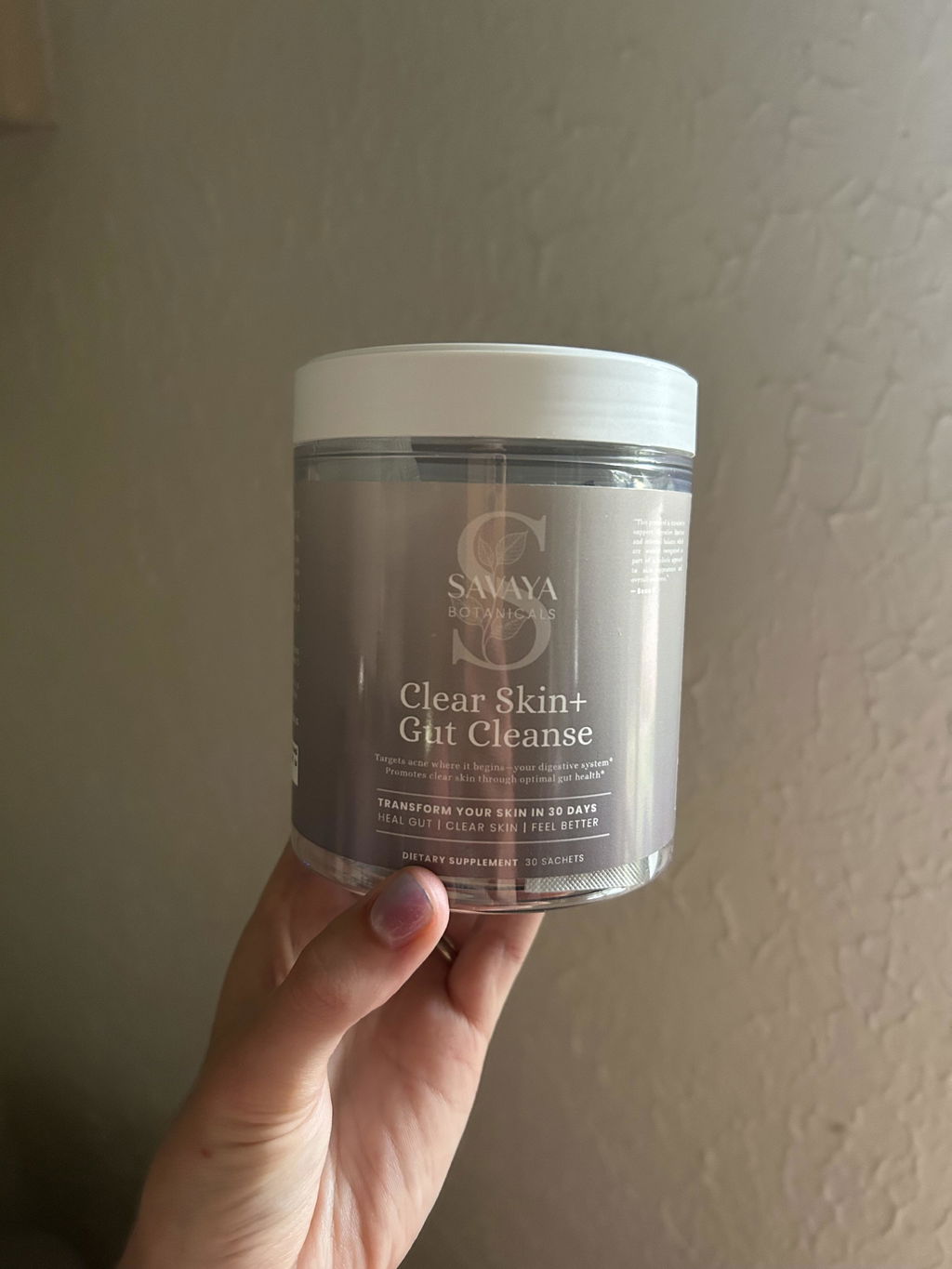
If you want real skin clarity that comes from within — not topical suppression of symptoms — daily support matters. This is the whole idea behind Clear Skin+ Max Detox: an acai-based blend that helps support your body's natural detox capacity, rather than promising overnight miracles.
In the meantime, supporting your skin barrier topically with something nourishing and non-disruptive — I use a clean grass-fed tallow cream at night — gives your skin the lipid and vitamin support it needs while the internal work happens. And collagen support accelerates the repair of post-inflammatory scarring as old breakouts heal.
What I Do Every Day Now (And What My Skin Looks Like)
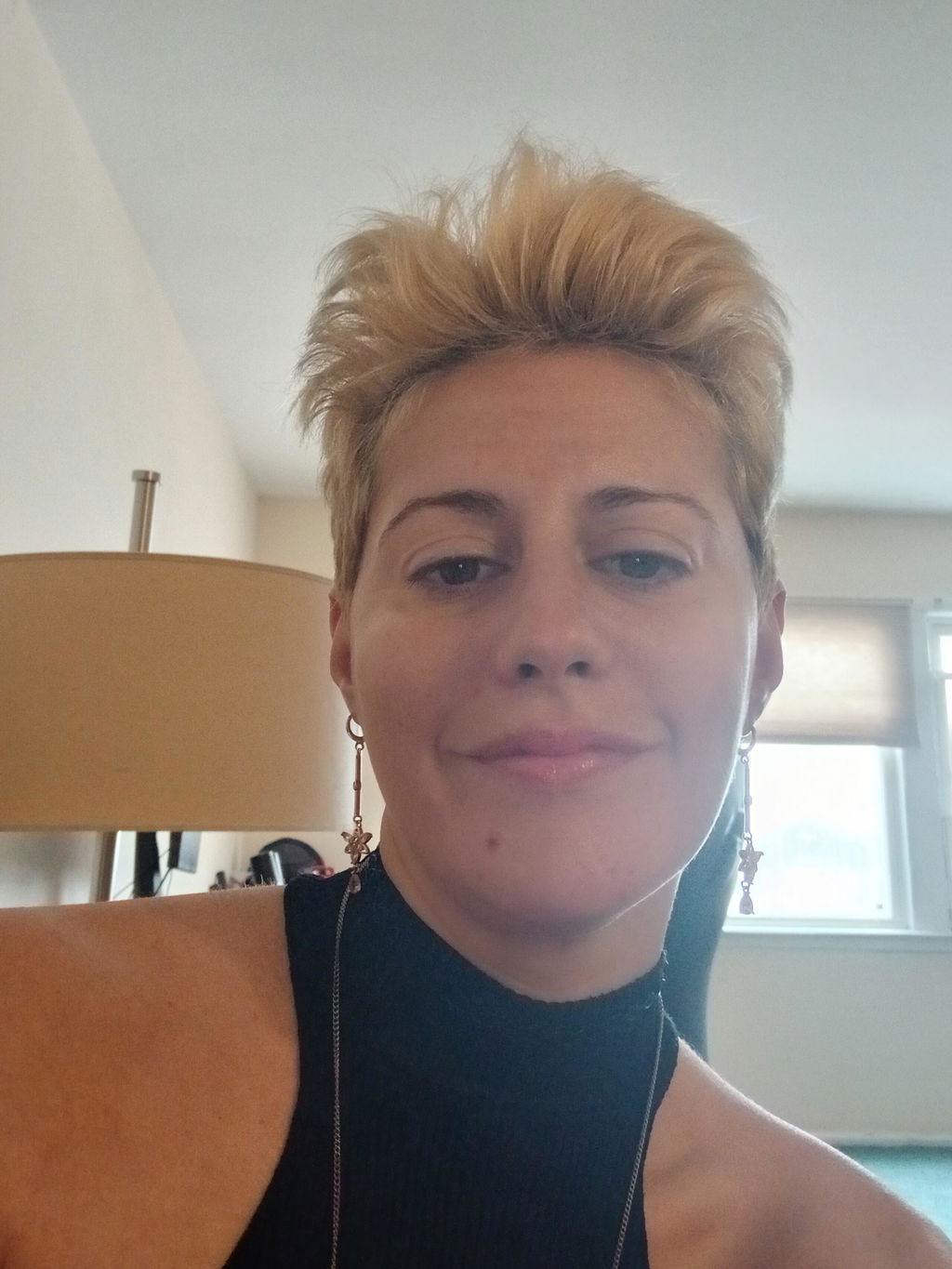
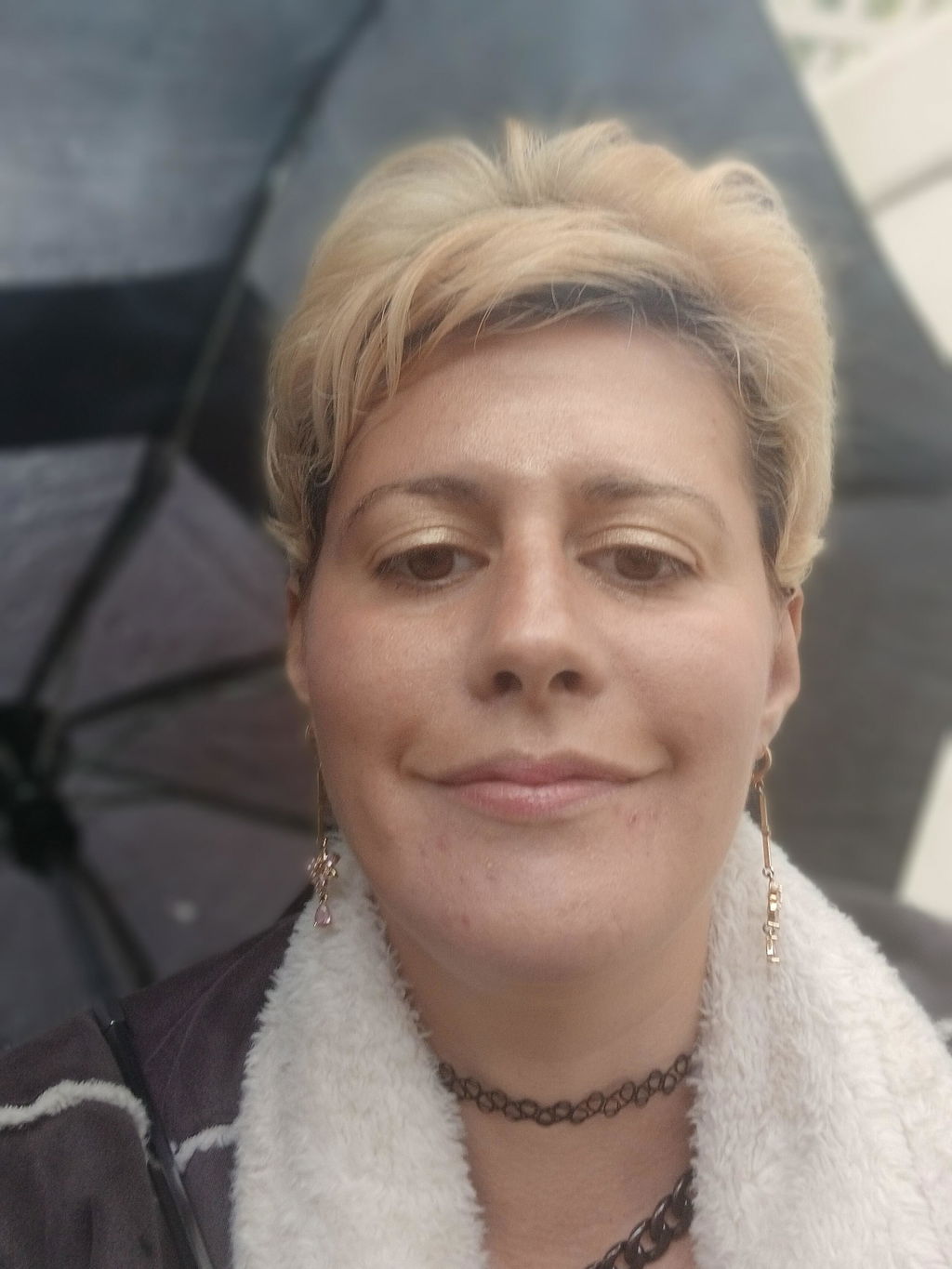
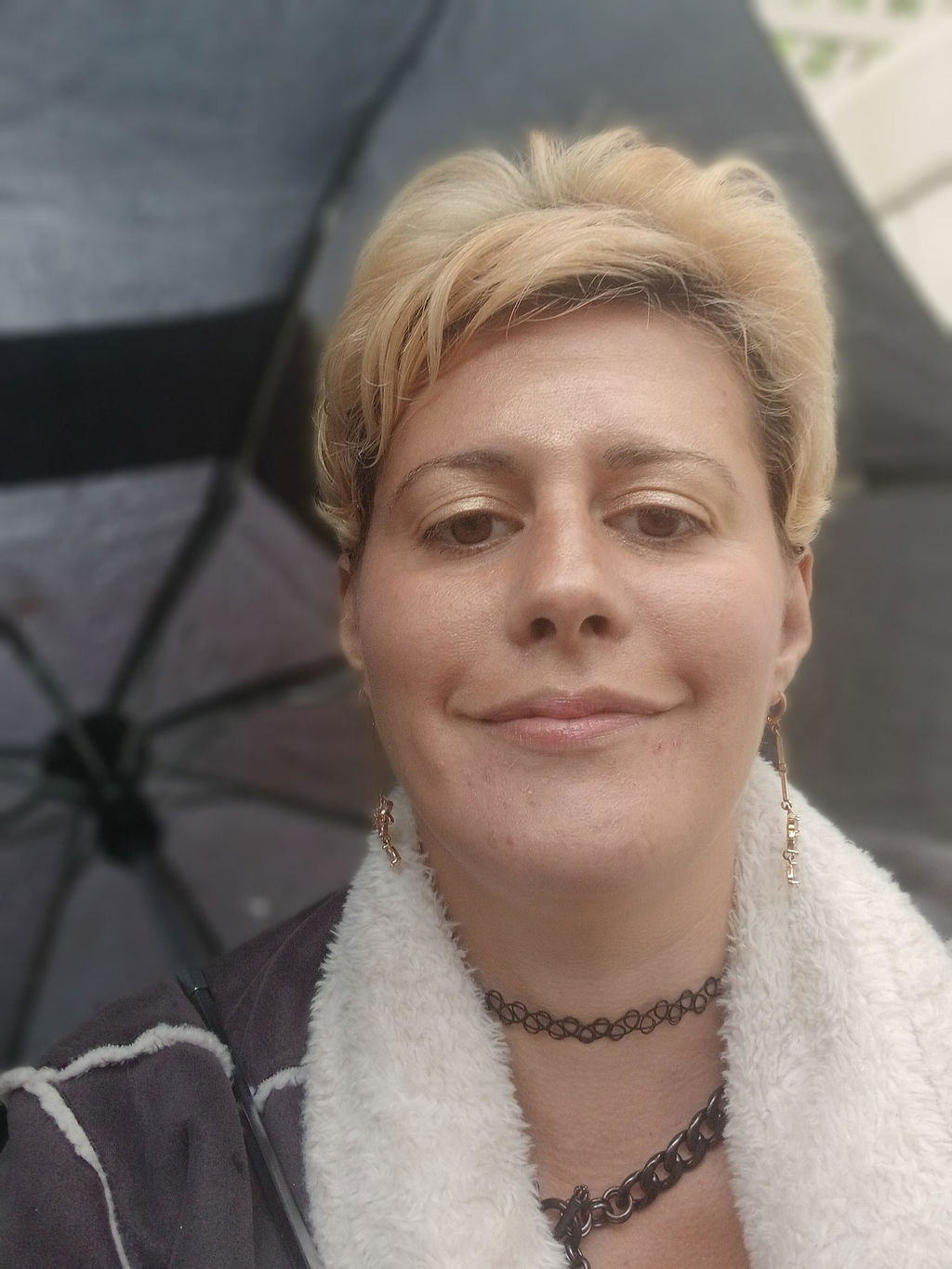
Seven months after that 2:47 AM text, my jawline is clear. Not "better." Clear. My skin has that lit-from-within quality I thought disappeared after my twenties. I don't wear foundation anymore — not because I'm making a statement, but because I genuinely don't feel the need to.
Here's my actual daily routine:
- Upon waking: olive oil + lemon shot, 16 oz filtered water
- Breakfast: 2 pasture-raised eggs, sautéed greens, half an avocado
- Mid-morning: sea moss gel in a smoothie with wild blueberries
- Lunch: big salad with cruciferous vegetables, roasted beets, bitter greens
- Afternoon: dandelion root tea
- Dinner: wild-caught fish, steamed broccoli, garlic, olive oil
- Evening: magnesium glycinate, tallow cream on face, bed by 10 PM (liver regeneration peaks between 1–3 AM and requires deep sleep)
It's not exotic. It's not expensive. It's unglamorous and repetitive and it works.
Frequently Asked Questions
How do I know if my acne is caused by my liver?
The clearest indicator is location and pattern. Liver-related breakouts cluster along the jawline, chin, and cheeks, tend to be deep and cystic rather than surface whiteheads, worsen around menstruation (due to estrogen clearance issues), and often coincide with other signs of sluggish detox: waking between 1–3 AM, PMS, dark under-eye circles, and bloating. If this sounds like you, prioritize bile flow, Phase II support, and daily bowel movements.
How long does it take to see skin improvements from liver support?
Most people notice initial changes — reduced redness, less oiliness, better skin tone — within 2–3 weeks. Visible reduction in breakouts typically begins at the 4–6 week mark, aligned with your skin's 28-day turnover cycle. Deep, lasting clarity from full hepatic and microbiome restoration takes 10–12 weeks. Consistency matters more than intensity.
Can I just take milk thistle and skip the diet changes?
No, and here's why: milk thistle supports Phase I but doesn't address Phase II capacity, bile flow, gut elimination, or the nutrient cofactors your liver needs to run its enzymes. Supplements are accelerators, not substitutes. The food list in this article — cruciferous vegetables, beets, bitter greens, sulfur-rich foods — provides the raw materials your liver literally cannot function without. Without them, no supplement will move the needle meaningfully.
Is the olive oil and lemon shot safe every day?
For most healthy adults, yes — it's been practiced daily in Mediterranean cultures for generations. However, if you have active gallstones, gallbladder disease, acid reflux, or are taking medications that interact with grapefruit-family citrus, consult a functional medicine practitioner first. Start with half a tablespoon to assess tolerance before working up to a full tablespoon.
What's the difference between a liver cleanse and a gut cleanse?
They target different organs with different mechanisms, but they're interdependent. A liver cleanse focuses on Phase I/Phase II detoxification capacity and bile flow. A gut cleanse focuses on eliminating pathogenic bacteria, restoring microbial balance, and ensuring the waste your liver processes actually leaves the body. Running them together — or sequentially — produces dramatically better results than either alone. This is why comprehensive protocols address both systems simultaneously.
———
Ready to Actually Clear Your Skin From the Inside Out?
If you've tried every topical product on the market and your skin is still telling you something's wrong — listen to it. The answer isn't another serum. It's giving your liver what it needs to do its job, so your skin can stop doing a job it was never designed for.
The Max Detox protocol is the exact comprehensive program I recommend to clients who want to support Phase I, Phase II, bile flow, and gut elimination simultaneously — the full upstream reset. Paired with daily sea moss for mineral cofactors and the food rituals in this article, it's the closest thing I've found to a proven path back to skin that looks like you, only better.
Your skin has been trying to tell you something. It's time to finally listen to what it's actually saying.
— Sarah Mitchell