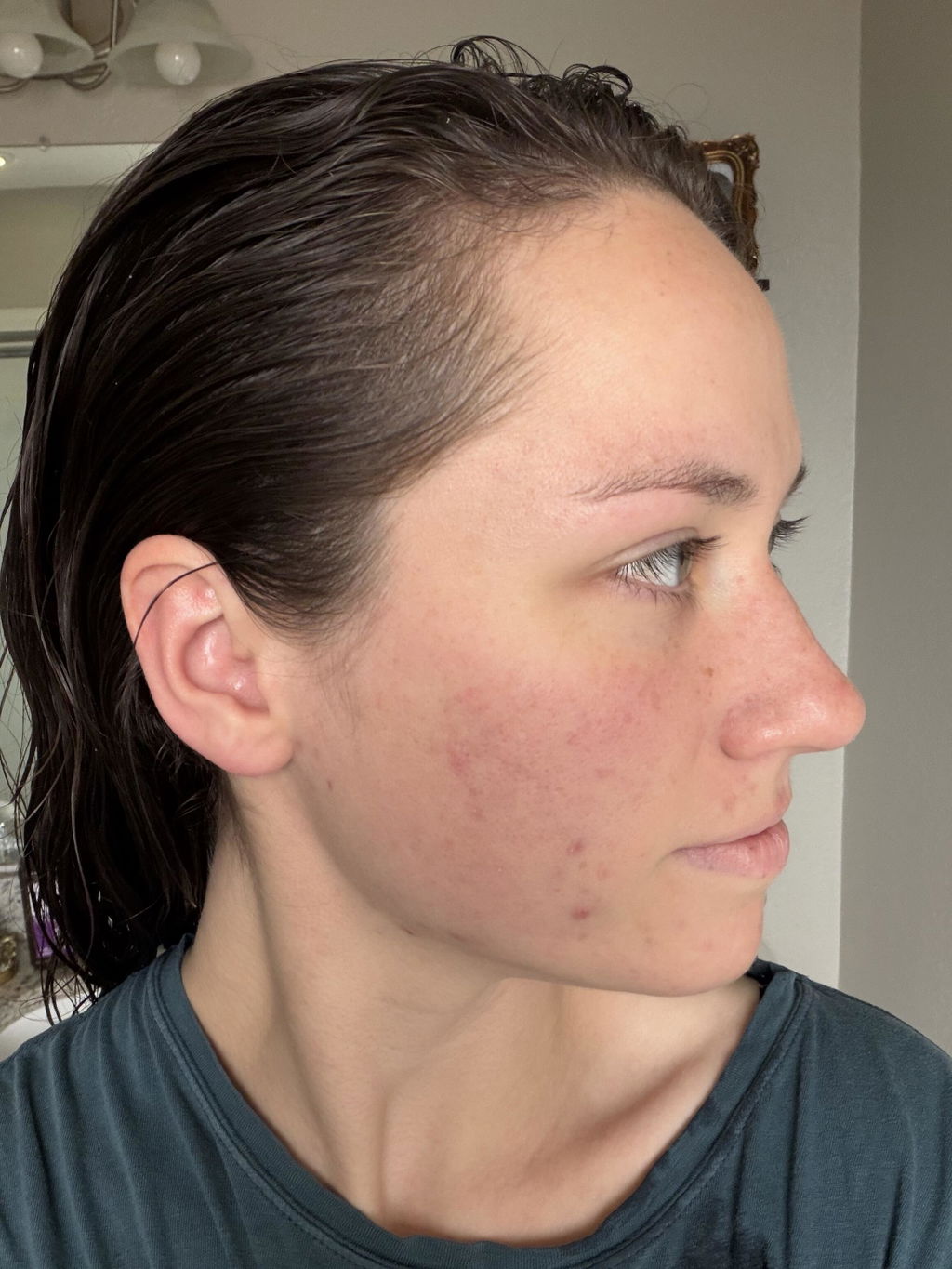
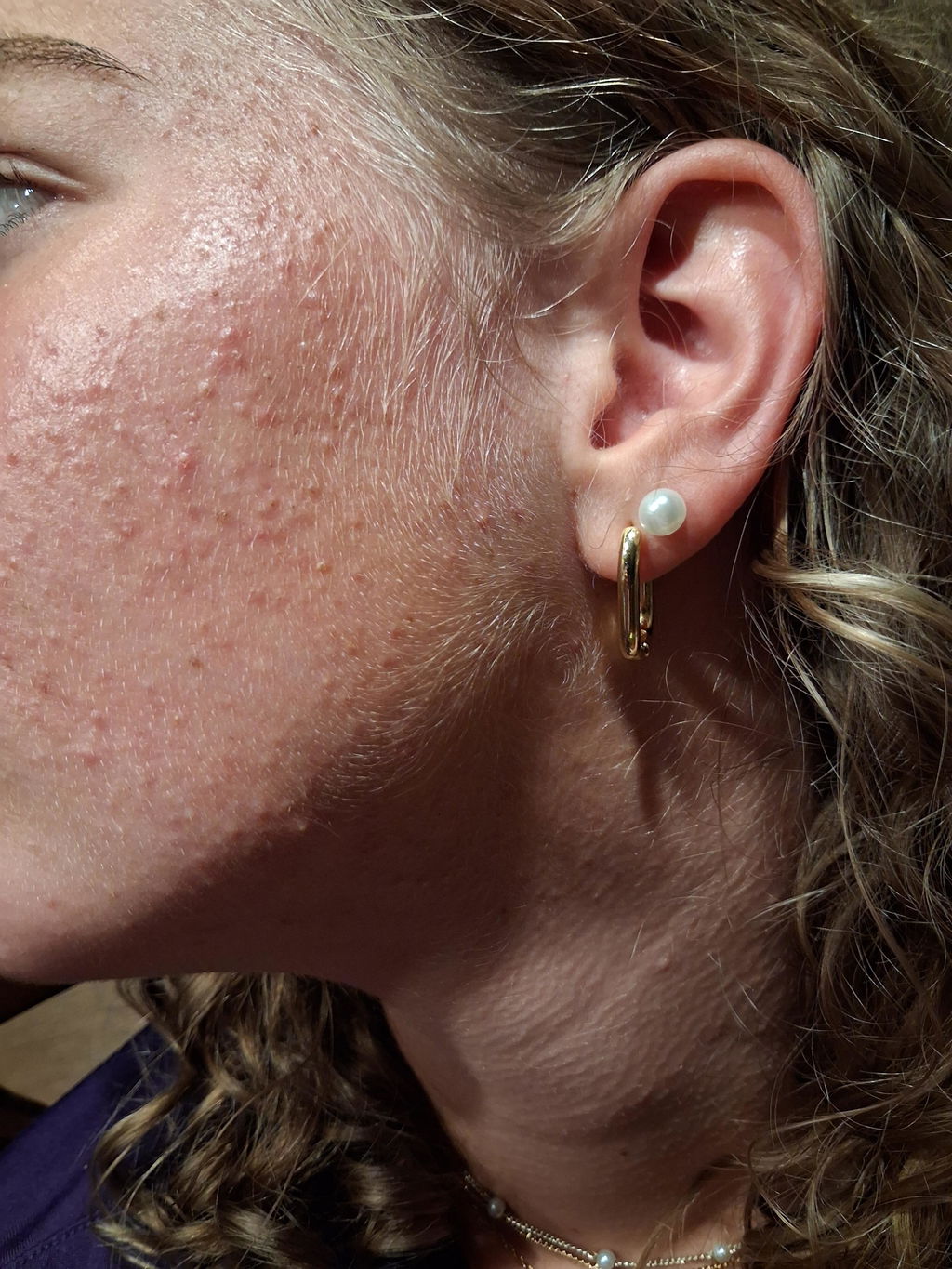
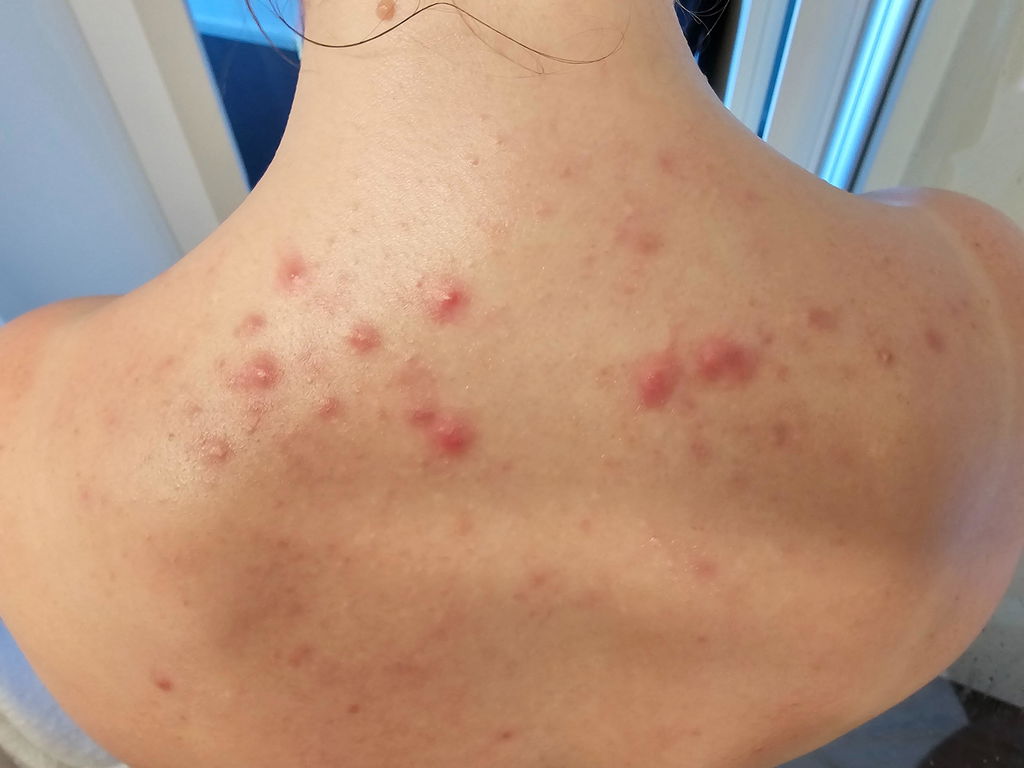
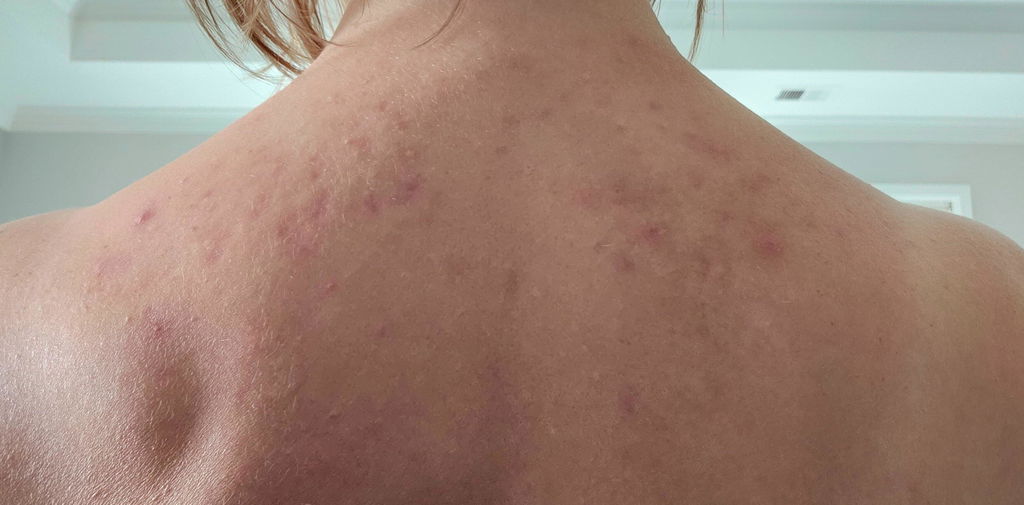
Three years ago, I was spending $340 a month on skincare. Prescription retinoids. Medical-grade peels. A dermatologist who billed my insurance $800 per visit. And my face still looked like I'd lost a war with cystic breakouts on live television.
Then a functional medicine doctor asked me one question that rearranged my entire understanding of skin: "What does your digestion look like?"
In four years of acne treatment, not one dermatologist had ever asked me that. Not one. They asked about my cleanser, my pillowcase, my birth control, whether I dairy-binged after wine. Never about what was happening twelve inches below my jawline.
That conversation cracked something open. I started reading every study I could find on the gut-skin axis, and what I discovered felt almost embarrassing in its obviousness: your skin is not a separate organ. It is the outside layer of your digestive system. Whatever is inflamed inside you will eventually bloom across your face.
If your skincare routine is immaculate and your skin still won't cooperate, your gut is likely the reason. Here are the seven warning signs I see over and over in women who come to me frustrated, exhausted, and convinced something is broken.
———
1. Chronic Acne That Refuses to Respond to Topicals
You've tried the retinoids. The benzoyl peroxide. The fancy Korean essences and the cult-favorite sulfur masks. You've even done the rounds with spironolactone or Accutane. And your skin still keeps breaking out, especially along the jawline, chin, and cheeks.
Here is what's happening underneath: your gut lining is compromised. A landmark review by Bowe and Logan in Gut Pathogens (2011) established the bidirectional gut-brain-skin axis, showing that intestinal permeability allows bacterial endotoxins (lipopolysaccharides, or LPS) to leak into your bloodstream. Your immune system responds with inflammatory cytokines. Those cytokines drive sebum overproduction and prime your follicles to clog and inflame.
Topicals cannot fix an inside-out problem. You are essentially trying to mop the floor while the faucet is still running. This is why a daily blend like Clear Skin+ Max Detox supports your body from the inside — it nourishes internal balance instead of only chasing the surface symptom.
2. Eczema Flares That Follow Specific Meals
If you've ever eaten something, gone to bed fine, and woken up to angry red patches behind your knees or on the crooks of your arms, congratulations: you have direct evidence of your own gut-skin axis in action.
Food sensitivities trigger an IgG-mediated immune response in the intestinal lining. Mast cells release histamine. That histamine circulates, finds the thin, permeable real estate of your skin, and produces the red, itchy, weeping patches dermatologists label "atopic dermatitis" as if it were a mystery.
Research published in Clinical & Experimental Allergy has consistently shown that people with eczema have measurably higher intestinal permeability than matched controls. The skin is not the problem. It is the messenger. Rebuilding the gut lining with glutamine-rich whole foods, mineral-dense broths, and a focused reset like a microbiome gut cleanse usually quiets the flares within weeks.
3. Rosacea That Flares With Stress
This one shocked me when I first read the data. A 2008 study by Parodi et al. in Clinical Gastroenterology and Hepatology found that 46% of rosacea patients had small intestinal bacterial overgrowth (SIBO) — compared to just 5% of controls. When researchers eradicated the SIBO, rosacea resolved or dramatically improved in the majority of patients.
Stress is the accelerant. Chronic stress tanks your vagal tone, which slows gut motility, which lets bacteria that should live downstream migrate and multiply in your small intestine. Those bacteria produce metabolites that your body tries to clear through, among other places, the fine vasculature of your cheeks and nose.
The flushed, burning, hot-faced feeling isn't your skin being dramatic. It's your gut waving a flag. A complete reset protocol like the Max Detox helps restore motility and starve the overgrowth that keeps feeding the flare.
4. Dull, Tired Skin Despite a Perfect Skincare Routine
You layer the vitamin C. You sleep on silk. You get enough water. And still your skin looks like a photocopy of a photocopy — flat, grey, lifeless.
Nutrient malabsorption is almost always the hidden driver. Your skin is the last organ in line for minerals. When your gut lining is inflamed, you absorb a fraction of the zinc, copper, selenium, silica, and sulfur your skin needs to manufacture collagen, elastin, and the enzymes that give healthy skin its glow.
This is where sea moss earned its reputation. It contains 92 of the 102 minerals the human body requires, in a bioavailable form that even a compromised gut can absorb. I watched my own skin shift from cardboard to candlelight within a month of daily sea moss — not because it's a magic supplement, but because I was finally getting the raw materials my skin had been begging for.
5. Dark Circles That No Concealer Can Fully Fix
Everyone assumes dark circles are about sleep. Sometimes they are. More often, especially when they're purple-toned and persistent, they are a histamine story.
Your gut produces an enzyme called diamine oxidase (DAO) that breaks down histamine from food and bacterial metabolism. When the gut lining is damaged, DAO production drops. Histamine accumulates. It dilates the tiny blood vessels under the thin skin of your lower lids. You wake up with shadows no amount of caffeine eye cream will fully erase.
Maintz and Novak's foundational 2007 paper in the American Journal of Clinical Nutrition mapped this exact mechanism. The fix is not brighter under-eye product. It's cooling the histamine load and rebuilding DAO capacity, which is downstream of — you guessed it — gut repair.
6. Slow Wound Healing and Scars That Stick Around Forever
Watch how long it takes a pimple, a papercut, or a scrape to close. If your skin takes weeks to heal what should resolve in days, your gut is likely starving your repair systems.
Wound healing requires protein (amino acids for new tissue), zinc (cellular division), vitamin C (collagen crosslinking), and vitamin A (epithelialization). Every single one of those nutrients is absorbed in the gut. Chronic low-grade inflammation also diverts the body's resources toward putting out fires rather than rebuilding.
Adding bioavailable collagen — I use these collagen strips because they skip the protein-powder ritual — gives your body pre-broken-down amino acids that don't require a fully functional digestive system to absorb. Pair that with topical fat-soluble vitamins A, D, E, and K from a clean tallow cream, and you give your skin both internal and external building blocks simultaneously.
7. Sensitivity to Every New Product You Try
A new moisturizer. A new sunscreen. A new lip balm. You try it, and within 48 hours your skin is red, itchy, stinging, or broken out. You've become "sensitive." Everything irritates you now.
Here's the uncomfortable truth: a leaky gut produces a leaky skin barrier. Both barriers share the same architecture — tight junctions, protein gaskets, a lipid matrix. When systemic inflammation compromises one, it compromises the other. Your skin barrier becomes permeable, reactive, and primed to interpret benign molecules as threats.
Heal the gut and your skin barrier recalibrates. The sensitivity fades. Products that used to sting become neutral. In the meantime, avoid over-cleansing, strip fragrance, and use a whole-food-based barrier repair like tallow cream to physically protect the barrier while it rebuilds.
———
Why Dermatology Misses This Almost Every Time
The gut-skin axis is not fringe science. It is peer-reviewed, decades-deep, and widely accepted in functional medicine and European dermatology. It is simply not profitable. Prescription topicals, laser sessions, and monthly dermatology visits are a recurring revenue model. "Heal your gut and your skin will clear" is a one-time conversation.
You don't need to fire your dermatologist. You need to add the missing upstream piece. The women I work with who do both — thoughtful topicals and a real gut reset — are the ones whose transformations look almost unreasonable in before-and-after photos.
Where to Start If You Recognize Yourself in This List
Pick the sign that fits you most strongly. If chronic acne is the core issue, begin with a structured elimination and gut repair window. If dullness and low energy are dominant, mineralize first. If you're reactive, inflamed, and overwhelmed, do a full reset.
Don't layer eleven new supplements at once. The gut hates chaos. Start with one anchor product, stay consistent for 30 days, and watch what your skin tells you.
———
Ready to Fix the Root Cause?
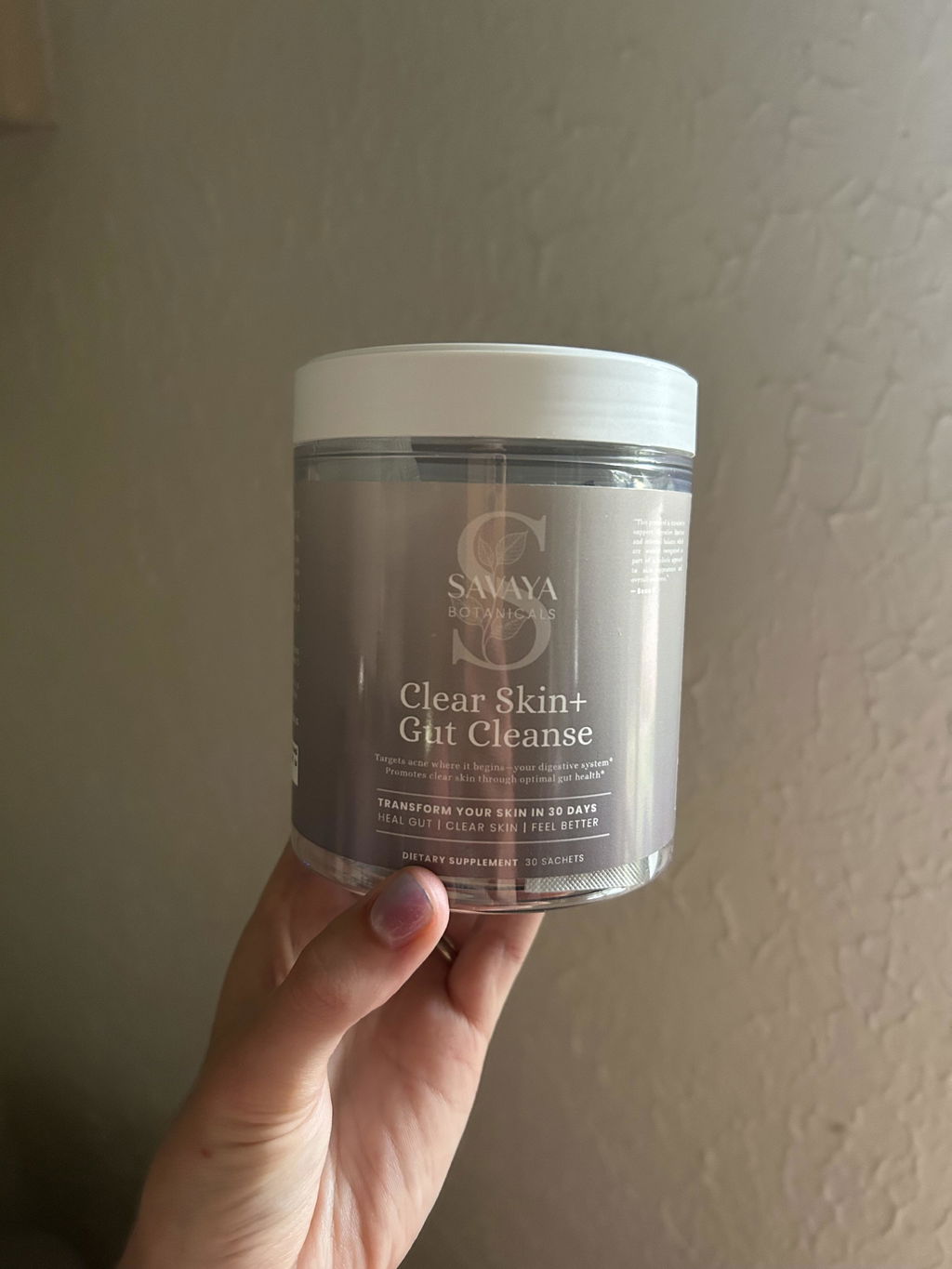
If any three of these seven signs sound like your skin, your gut is almost certainly the upstream domino. The microbiome gut cleanse was designed for exactly this pattern — clearing out the inflammatory load, resetting the bacterial balance, and giving your skin the quiet window it needs to actually respond to everything else you do for it.
Clear skin does not start on the shelf in the beauty aisle. It starts twelve inches below your jaw, in a system that's been trying to get your attention for years.
———
Frequently Asked Questions
How long does it take to see skin improvements after fixing gut health?
Most women notice the first shift — usually calmer redness and fewer new breakouts — within 14 to 21 days of a focused gut reset. Deeper changes in texture, tone, and scarring typically land in the 8 to 12 week window, because skin cell turnover takes roughly 28 days and your body needs several cycles to rebuild with healthier inputs.
Can I just take probiotics and see results?
Probiotics alone rarely fix skin issues because they reseed a garden without weeding it first. If your gut has overgrowth, inflammation, or a damaged lining, adding bacteria on top of a compromised ecosystem often makes symptoms worse before better. A proper reset — clear, rebuild, reseed — is far more effective than handing your microbiome one bottle and hoping for the best.
What foods are worst for the gut-skin connection?
The consistent offenders across research and clinical experience are industrial seed oils (canola, soybean, corn), refined sugar, ultra-processed gluten, conventional dairy, and alcohol. These foods drive intestinal permeability, feed inflammatory bacteria, and spike the insulin pathways that amplify sebum. Removing them for a defined window — even just 30 days — often produces more visible skin change than any serum.
Is it possible to have clear skin and a poor gut?
In your twenties, sometimes yes — youth masks a lot. By your thirties, the compensation usually breaks and skin becomes the first loud symptom. Hormonal adult acne, sudden sensitivity, and new rosacea flare-ups after years of clear skin are classic signals that the gut has finally run out of buffer.
How do I know if my acne is specifically gut-driven?
Three clues point strongly to gut involvement: breakouts on the jawline and lower cheeks, flares that track with stress or specific meals, and a lack of response to escalating topical strength. If you also have any digestive symptoms — bloating, irregular stools, fatigue after eating — the gut story is almost certainly your story.
———
Written by Sarah Mitchell, holistic health practitioner and gut-skin researcher. Sarah has spent the last seven years helping women untangle chronic skin conditions at their root, and writes about the places conventional dermatology doesn't look.