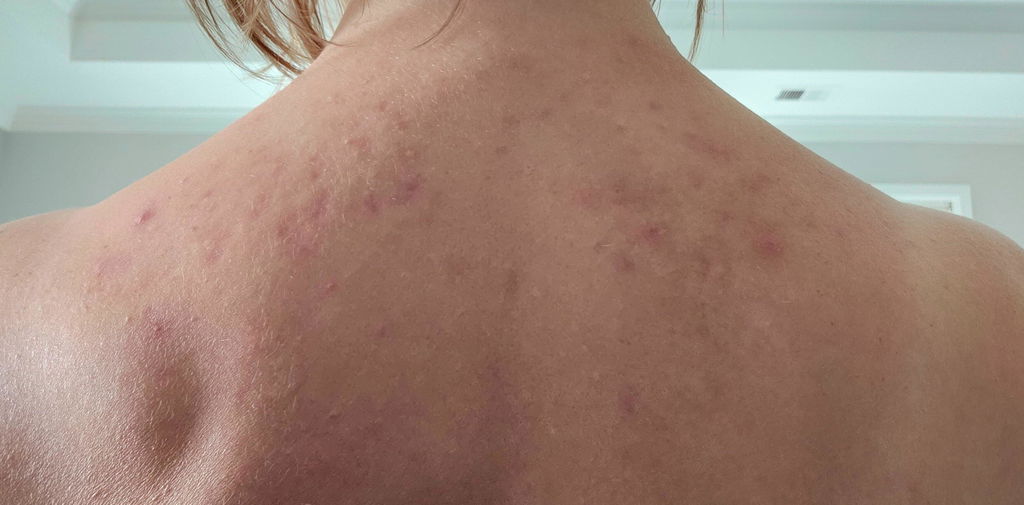
I used to think my breakouts were about what I put on my face. Then I learned they start in my brain.
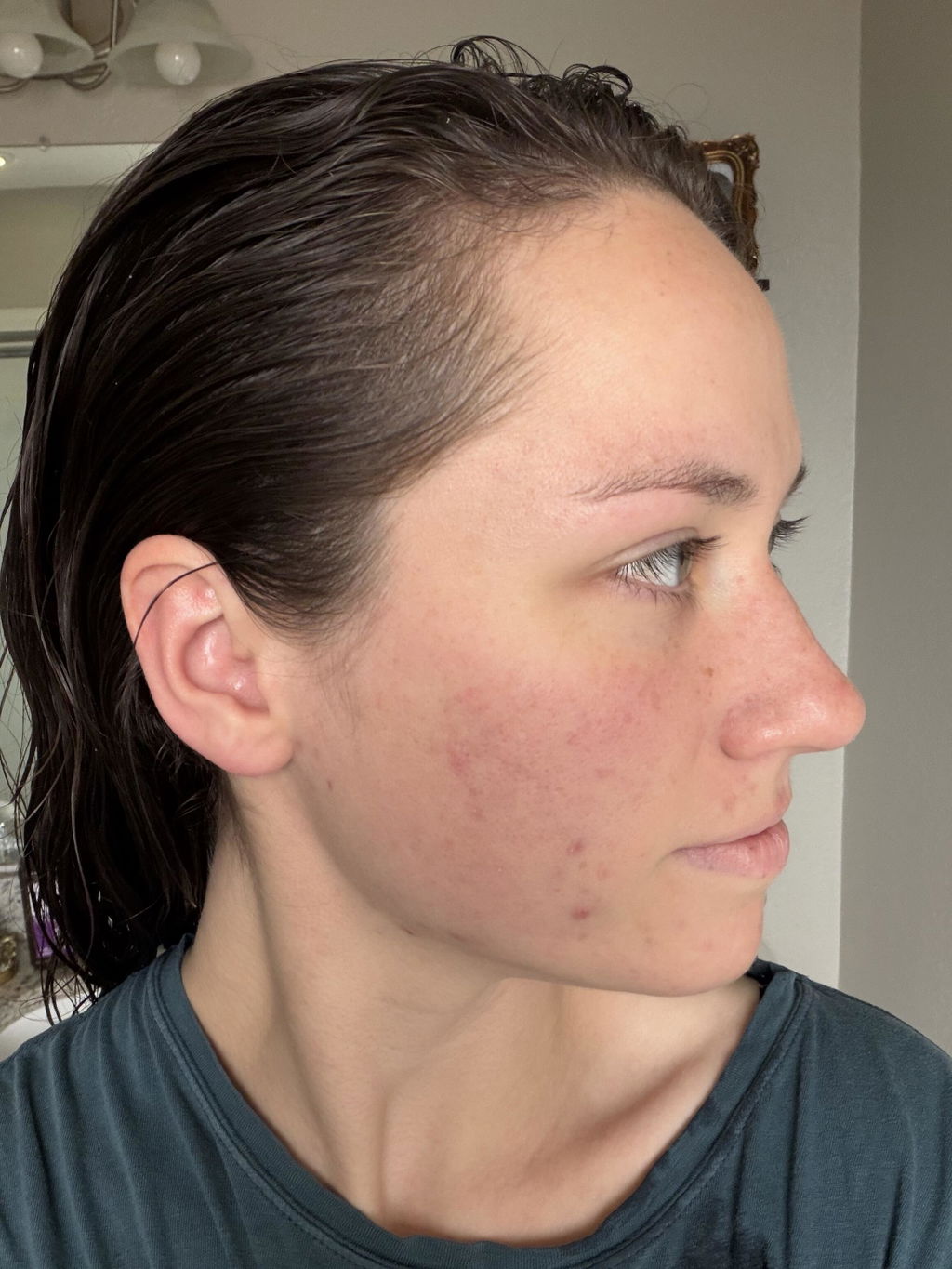
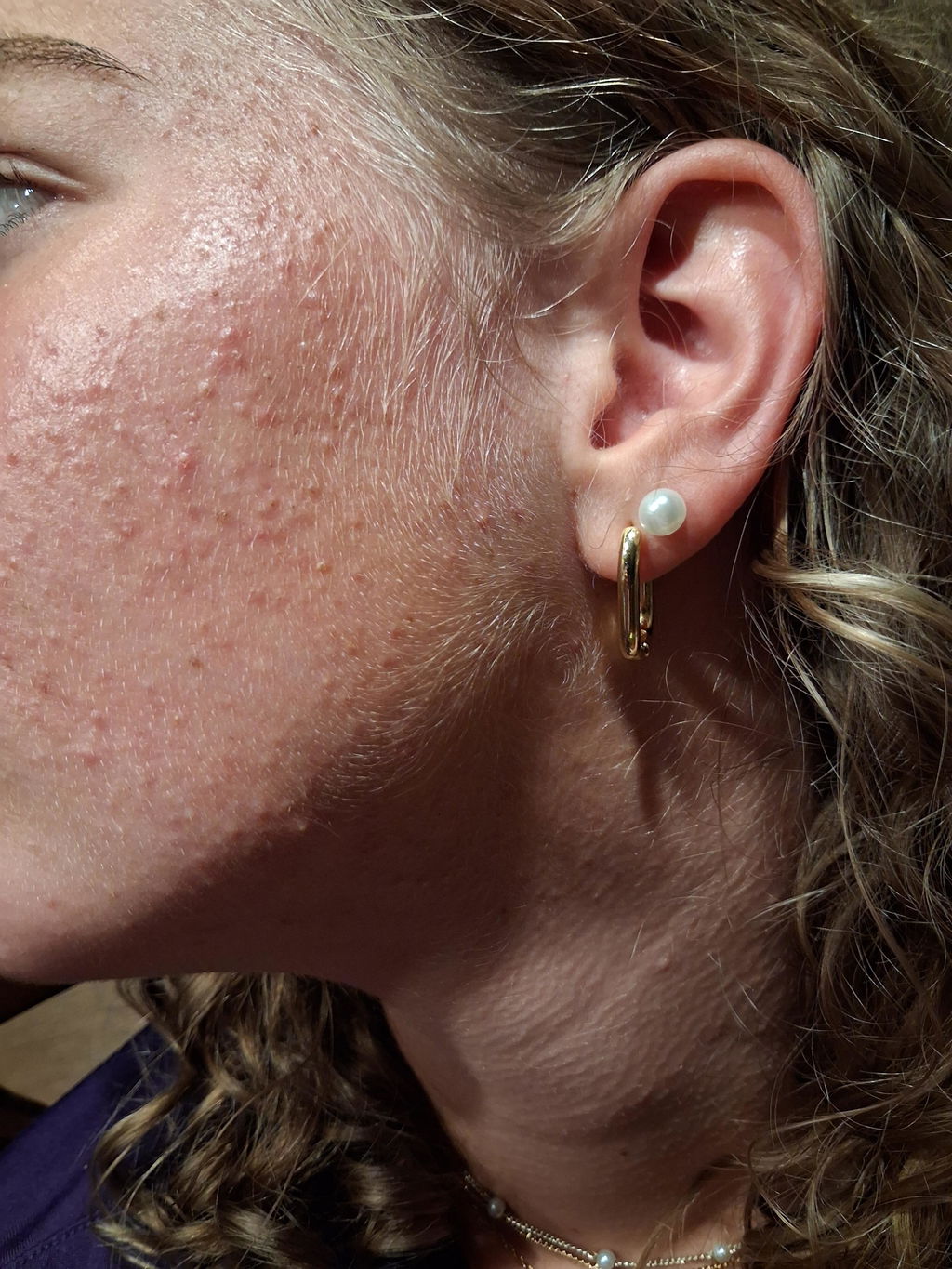
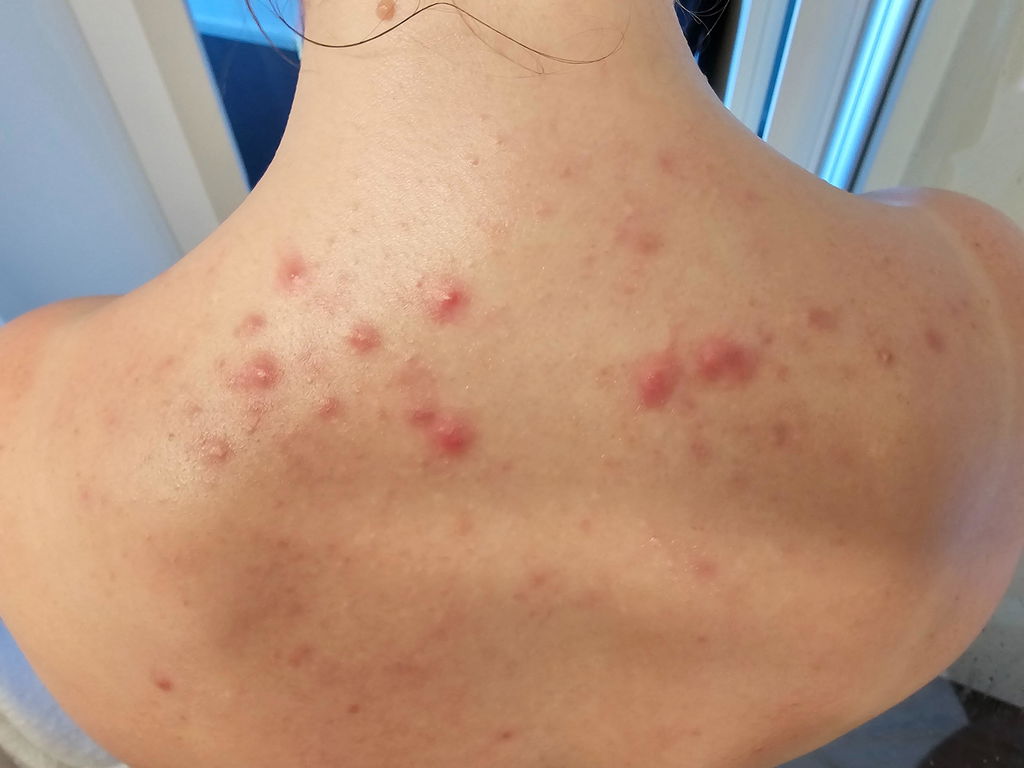
Three years ago, I was dealing with the worst acne of my adult life. I was 34, eating clean, using medical-grade skincare, and still waking up to new cystic bumps every week. My dermatologist wanted to put me on spironolactone. My esthetician suggested another chemical peel. Nobody asked me how I was sleeping. Nobody asked about my stress levels. Nobody mentioned my gut.
Then I stumbled across a 2017 paper in the journal Experimental Dermatology that changed everything I thought I knew about acne. The researchers described something called the gut-brain-skin axis — a three-way communication highway between your nervous system, your digestive tract, and your skin. And the traffic controller? Stress.
That paper sent me down a research rabbit hole that eventually became the foundation of my practice. What I found was this: stress doesn't just make acne worse. Stress literally causes acne — through a biological cascade that starts in your hypothalamus and ends with inflamed pores on your face.
Let me walk you through exactly how that happens.
———
The Cortisol Cascade: How Your Brain Triggers Breakouts
When you experience stress — whether it's a work deadline, a bad night of sleep, or chronic anxiety — your brain activates what scientists call the HPA axis (hypothalamic-pituitary-adrenal axis). Here's the short version of what happens:
- Your hypothalamus releases CRH (corticotropin-releasing hormone)
- CRH tells your pituitary gland to release ACTH
- ACTH signals your adrenal glands to pump out cortisol
This is your fight-or-flight system. In acute situations, it's life-saving. But when it's chronically activated — and for most of us, it is — the downstream effects are devastating for your skin.
Here's what elevated cortisol does:
- Increases sebum production. A 2007 study in Clinics in Dermatology showed that stress hormones upregulate sebaceous gland activity, flooding your pores with oil.
- Spikes blood sugar and insulin. Cortisol raises blood glucose. Insulin follows. And insulin triggers IGF-1, which directly stimulates keratinocyte proliferation — the cells that clog your pores.
- Suppresses your immune response. Cortisol dampens immune function, making it harder for your body to fight Cutibacterium acnes, the bacteria that colonizes clogged pores.
But the real damage happens one step further down the chain — in your gut.
———
Leaky Gut, Leaky Skin: The Intestinal Permeability Problem
Your gut lining is a single-cell-thick barrier. When it's healthy, it selectively allows nutrients through while keeping toxins, undigested food particles, and bacteria out of your bloodstream. Cortisol wrecks this barrier.
A 2014 study published in Frontiers in Immunology demonstrated that chronic stress increases intestinal permeability — commonly called "leaky gut." When cortisol loosens the tight junctions between your gut cells, lipopolysaccharides (LPS) — fragments of bacterial cell walls — leak into your bloodstream.
Your immune system treats these LPS molecules as invaders. It launches a systemic inflammatory response, releasing pro-inflammatory cytokines like IL-6, TNF-alpha, and IL-1β. These cytokines don't just stay in your gut. They circulate through your entire body — and when they reach your skin, they trigger the inflammatory cascade that turns a clogged pore into a red, painful, cystic breakout.
This is why topical treatments alone never fully work for stress-related acne. You're treating the end of the pipeline while ignoring the source. The inflammation isn't starting in your face — it's starting in your gut.
Rebuilding that gut barrier is the first real step toward clearing stress acne. That's why I always start my clients on a gut cleanse protocol before we touch anything else. You have to seal the barrier before the inflammation can stop.
———
Your Vagus Nerve: The Hidden Wire Between Your Gut and Your Skin
There's a physical nerve — the longest cranial nerve in your body — that runs from your brainstem all the way down to your intestines. It's called the vagus nerve, and it's the main communication line of the gut-brain axis.
The vagus nerve carries signals in both directions. When your gut microbiome is healthy, it sends anti-inflammatory signals up to your brain via the vagus nerve, essentially telling your nervous system: "Everything's fine. Stand down." When your gut is compromised — dysbiosis, inflammation, permeability issues — the signals reverse. Your brain reads danger and cranks the HPA axis even harder.
This creates a vicious loop:
Stress → cortisol → leaky gut → inflammation → vagus nerve signals danger → more stress → more cortisol
A 2018 study in Frontiers in Psychiatry showed that people with low vagal tone — meaning their vagus nerve isn't functioning optimally — had higher levels of systemic inflammation and were more susceptible to stress-related health issues, including skin conditions.
The good news? Vagal tone is trainable. And I'll show you exactly how below.
———
The Research: What Science Actually Says About Stress and Acne
This isn't speculation. The stress-acne connection has been documented in multiple clinical studies:
- The Stanford exam study (2003): Researchers at Stanford found that university students experienced significant acne flares during exam periods, even when diet and skincare routines remained constant. Severity correlated directly with self-reported stress levels.
- Substance P research: A 2008 study in the Journal of Investigative Dermatology showed that stress triggers the release of neuropeptide substance P from nerve endings in the skin. Substance P stimulates sebaceous glands, promotes inflammation, and accelerates bacterial colonization — hitting all three pathways of acne formation simultaneously.
- The gut microbiome connection (Bowe & Logan, 2011): In their landmark paper, dermatologists Bowe and Logan proposed that the gut-brain-skin axis explains why probiotics and dietary interventions can improve acne — and why stress worsens it — even when topical treatment stays the same.
- CRH in skin cells: Your skin cells have their own CRH receptors. A 2006 study in PNAS found that skin produces its own local stress response, independent of your adrenal glands. Meaning your skin is literally stressed from the inside out AND from its own surface.
The evidence is clear: if you're not addressing stress and gut health, you're only treating a fraction of what's causing your acne.
———
The Mineral Gap Nobody Talks About
Here's something I see constantly in my practice: women who are chronically stressed are almost always mineral-depleted. Cortisol burns through magnesium, zinc, and selenium at an alarming rate — all minerals that are critical for skin health, gut barrier integrity, and immune regulation.
Zinc alone is involved in over 300 enzymatic reactions, many of them related to skin cell turnover and immune defense. When you're running on empty, your body simply doesn't have the raw materials to repair your gut lining or regulate inflammation.
This is one of the reasons I recommend sea moss to nearly every client dealing with stress-related skin issues. It contains 92 of the 102 minerals your body needs — including the zinc, selenium, magnesium, and iodine that cortisol burns through fastest. It's not a magic pill. It's giving your body back the building blocks it's been hemorrhaging under stress.
———
5 Stress Reduction Techniques That Actually Heal Your Gut
Telling someone to "just relax" is useless. What actually works are specific, evidence-based practices that downregulate the HPA axis and improve vagal tone. Here are the five I use with every client:
1. Cold Exposure (30-90 Seconds)
Cold water on your face, cold showers, or cold plunges activate the vagus nerve directly. A 2014 study showed that regular cold exposure increases vagal tone and reduces baseline cortisol levels. Start with 30 seconds of cold water at the end of your shower. The deep gasp you take? That's your vagus nerve waking up.
2. Physiological Sighing (5 Minutes)
A 2023 Stanford study published in Cell Reports Medicine found that cyclic physiological sighing — two short inhales through the nose followed by one long exhale through the mouth — was more effective at reducing stress and improving mood than meditation. Five minutes daily reduced cortisol and improved heart rate variability (a marker of vagal tone).
3. Sleep Hygiene (Non-Negotiable)
Sleep deprivation spikes cortisol by up to 37%. Your gut microbiome operates on circadian rhythms — disrupted sleep directly disrupts microbial diversity. The rules: no screens 60 minutes before bed, room temperature below 67°F, consistent wake time (even weekends). This is where a good nighttime skin routine becomes a ritual that signals your nervous system to wind down.
4. Post-Meal Walks (10-15 Minutes)
Walking after meals improves gut motility, stabilizes blood sugar (reducing the insulin-IGF-1-acne pathway), and activates the parasympathetic nervous system. A 2022 study in Sports Medicine found that even light walking after meals significantly blunted glucose spikes — removing one of the key drivers of hormonal acne.
5. Gut Restoration Protocol
You can't breathwork your way out of a destroyed microbiome. If you've been chronically stressed, your gut needs active repair. That means: removing inflammatory triggers, restoring mineral balance, and supporting the mucosal lining. I walk my clients through a structured approach — typically starting with a full detox protocol to reset the gut environment before rebuilding.
———
Collagen: The Structural Piece Most People Miss
Your gut lining and your skin share something fundamental — they both depend on collagen for structural integrity. Cortisol degrades collagen. Chronically stressed people have measurably thinner skin and weaker gut barriers, and these two things are directly connected.
Supplementing collagen supports both sides of the equation simultaneously. It helps rebuild the intestinal lining (reducing permeability) while providing the amino acids — glycine, proline, hydroxyproline — that your skin needs to repair and maintain its barrier function. I've seen remarkable results when clients add collagen strips to their daily routine alongside gut support. The combination addresses the structural damage that stress causes at both ends of the axis.
———
Why This Changes Everything About How You Treat Acne
The gut-brain-skin axis isn't a niche theory. It's a well-documented biological system that explains why so many women struggle with acne despite doing "everything right" topically. If your nervous system is locked in fight-or-flight, your gut is permeable, and your body is systemically inflamed — no serum, no retinoid, no facial is going to give you lasting results.
The real protocol is inside-out:
- Regulate your stress response (vagus nerve work, breathwork, sleep)
- Repair your gut barrier (remove triggers, restore minerals, rebuild lining)
- Replenish what stress depleted (minerals, collagen, microbial diversity)
- Support your skin topically as the last step — not the first
This is the approach I take with every client, and it's the approach that finally cleared my own skin after years of frustration.
———
Ready to Address the Root Cause?
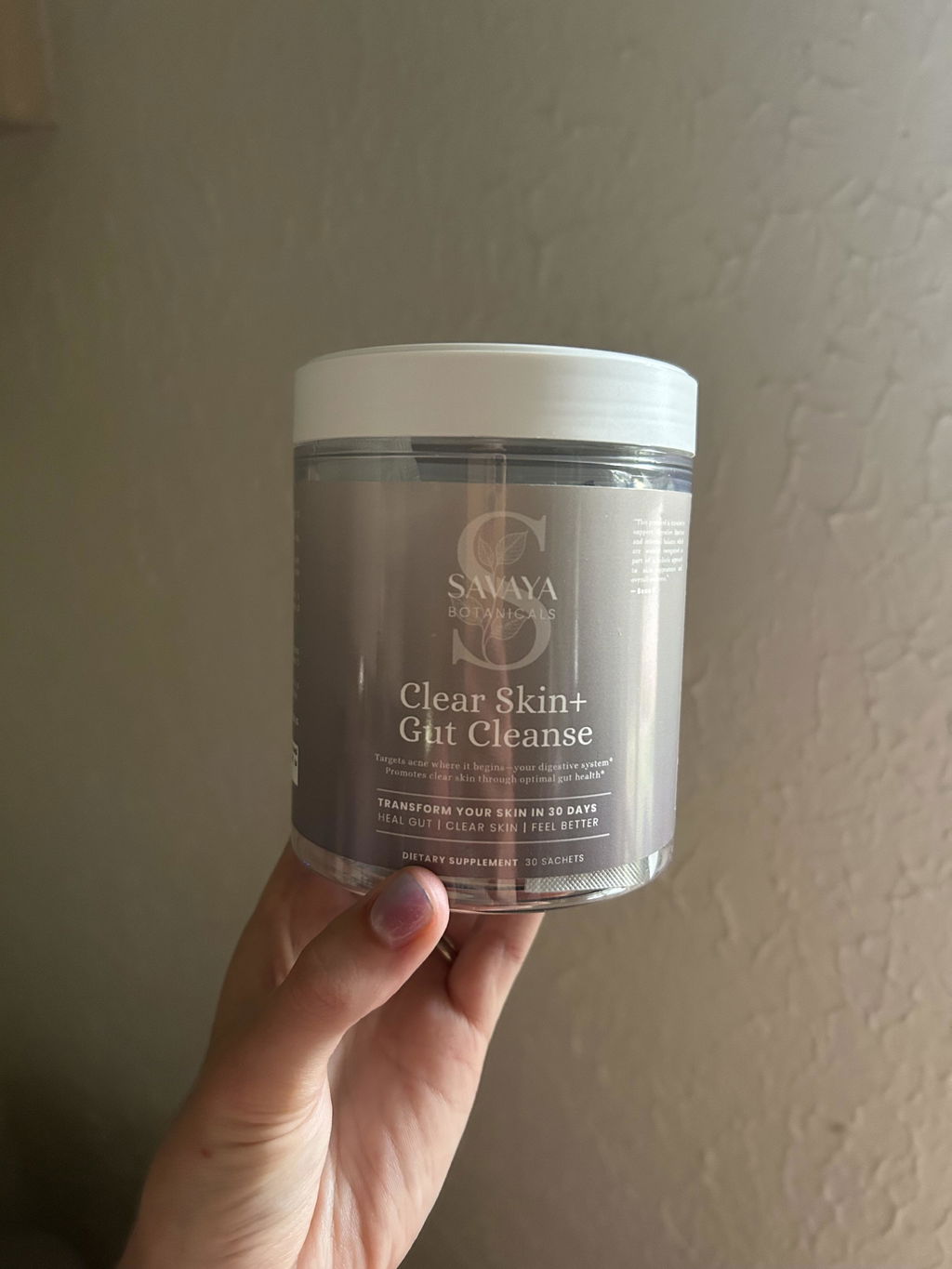
If you've been battling stress-related breakouts and nothing topical has worked, it's time to go deeper. The Clear Skin+ Max Detox is a daily acai-based blend that helps support the gut-brain-skin connection and promotes mineral replenishment. It's the same daily habit I recommend to my private clients, simple enough to fit into your routine at home.
———
Frequently Asked Questions
Can stress alone cause acne without poor diet or skincare?
Yes. Stress activates the HPA axis, which raises cortisol, increases sebum production, triggers intestinal permeability, and causes systemic inflammation — all independent of diet or skincare. The Stanford exam study showed acne flares in students whose diets and routines remained unchanged. Stress is a standalone acne trigger through the gut-brain-skin axis.
How long does it take for gut healing to improve acne?
Most people begin seeing improvements in skin clarity within 4 to 8 weeks of starting a gut repair protocol. The intestinal lining regenerates approximately every 3 to 5 days, but resolving systemic inflammation and restoring microbial balance takes longer. A full gut-brain-skin reset typically shows significant results by week 12.
What is the vagus nerve and how does it affect skin health?
The vagus nerve is the longest cranial nerve in your body, running from your brainstem to your intestines. It carries signals between your gut and your brain. When vagal tone is low — often from chronic stress — it fails to send anti-inflammatory signals, leading to increased systemic inflammation that manifests as acne, eczema, and other skin conditions. Practices like cold exposure and breathwork improve vagal tone.
Does cold exposure actually help with acne?
Cold exposure activates the vagus nerve, which downregulates the stress response and reduces systemic inflammation. Studies show that regular cold exposure increases vagal tone and lowers baseline cortisol. By interrupting the stress-cortisol-inflammation cycle, cold exposure indirectly supports both gut health and skin clarity.
What minerals does stress deplete that affect skin health?
Chronic stress and elevated cortisol deplete magnesium, zinc, selenium, and B vitamins at accelerated rates. Zinc is critical for skin cell turnover and immune defense against acne-causing bacteria. Magnesium supports the parasympathetic nervous system. Selenium protects against oxidative damage. Replenishing these minerals through whole-food sources like sea moss is essential for stress-related skin recovery.