The Map on Your Face: What Ancient Healers Knew About Acne That Modern Dermatology Is Just Catching Up To
I spent three years treating my chin acne with every topical product on the market. Retinoids, benzoyl peroxide, salicylic acid serums that cost more than my grocery bill. Nothing worked for longer than a few weeks. Then a practitioner of Traditional Chinese Medicine looked at my face for about ten seconds and said: "Your problem isn't your skin. It's your gut."
That one sentence changed everything I thought I knew about acne.
Face mapping is a diagnostic practice rooted in Traditional Chinese Medicine (TCM) and Ayurveda that links specific zones of the face to internal organs and body systems. For thousands of years, practitioners used the face as a window into what was happening inside the body. And now, modern research on the gut-skin axis is confirming what these ancient healers observed — that where your breakouts show up is not random. It's a message.
Let me walk you through each zone of your face, what it's trying to tell you, and what you can actually do about it.
———
Chin and Jawline Acne: The Hormonal-Gut Connection
If your breakouts cluster along your chin and jawline — especially if they're deep, cystic, and tend to flare around your cycle — you're dealing with one of the most stubborn acne patterns out there. In TCM, the chin maps to the reproductive organs and the kidneys. Modern dermatology links this zone directly to hormonal fluctuations, particularly excess androgens and estrogen dominance.
But here's what most people miss: your gut plays a central role in hormone regulation. Your gut microbiome contains a collection of bacteria called the estrobolome — microbes that metabolize estrogen. When your gut is imbalanced (dysbiosis), your body can't properly clear excess estrogen, which recirculates and triggers those painful jawline breakouts.
Research published in the Journal of Investigative Dermatology has shown that gut permeability ("leaky gut") increases systemic inflammation, which amplifies hormonal acne. It's a two-way street: hormones affect the gut, and the gut affects hormones.
What to do about it:
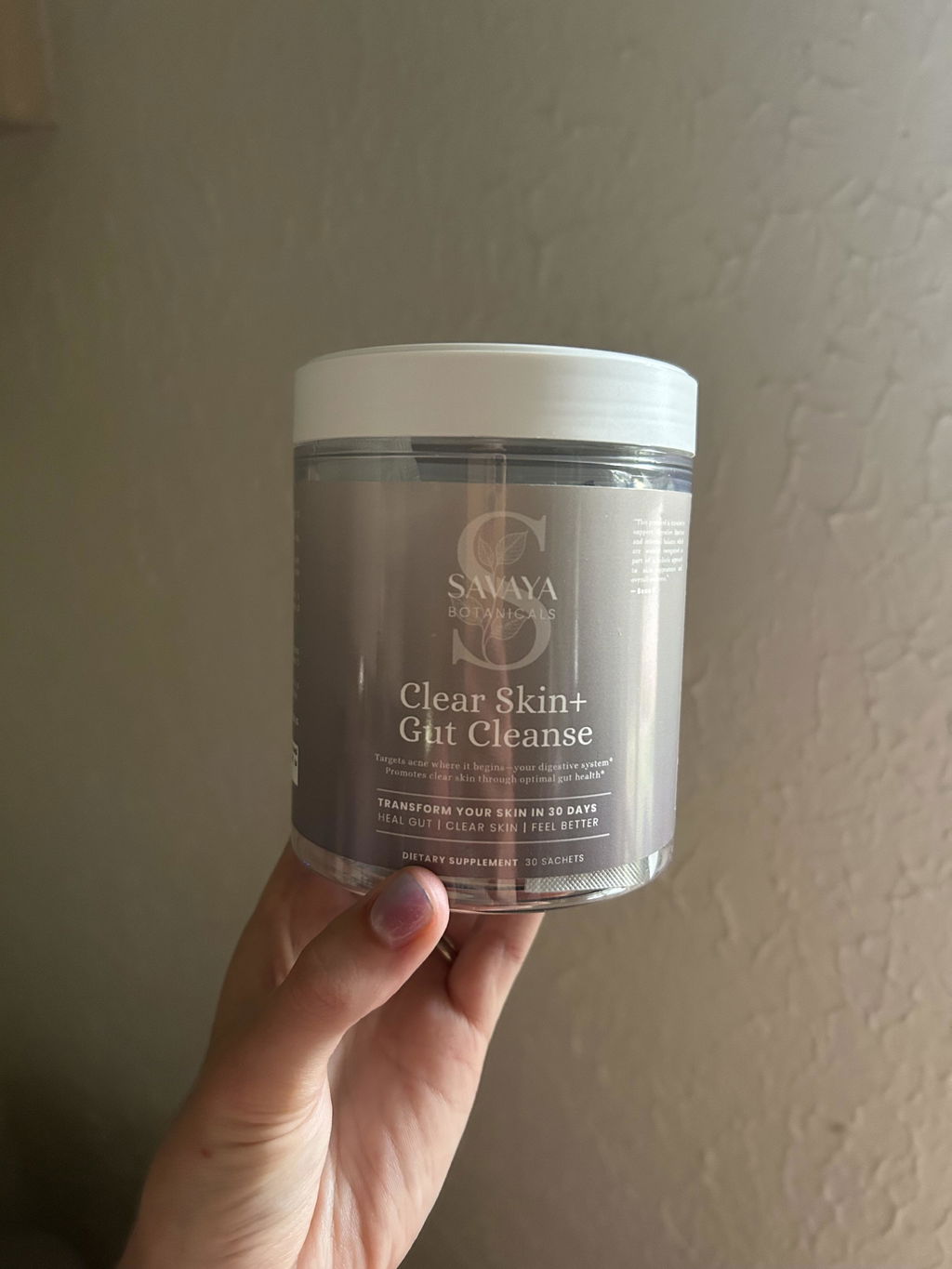
- Support your gut microbiome with targeted cleansing. A microbiome gut cleanse can help rebalance the bacteria responsible for estrogen metabolism.
- Reduce refined sugar and dairy — both are shown to spike insulin-like growth factor (IGF-1), which worsens hormonal acne.
- Incorporate cruciferous vegetables (broccoli, cauliflower, Brussels sprouts) to support estrogen detoxification pathways in the liver.
- Externally, protect your skin barrier with a grass-fed tallow cream — tallow is biocompatible with human skin and supports the moisture barrier without clogging pores.
———
Forehead Acne: Your Digestive System Is Talking
In TCM, the forehead is directly connected to the digestive system — specifically the small intestine and bladder. If you're breaking out across your forehead, your body may be struggling to break down and absorb nutrients properly.
Modern gastroenterology supports this. A 2018 study in Gut Pathogens found that individuals with acne were significantly more likely to have small intestinal bacterial overgrowth (SIBO), bloating, and impaired digestion. When your digestive system is overwhelmed — from processed foods, stress, or insufficient stomach acid — toxins get reabsorbed instead of eliminated. Your skin, being your largest elimination organ, picks up the slack.
Forehead breakouts are also strongly linked to poor sleep and stress. The TCM connection to the bladder meridian ties into the nervous system, and chronic stress disrupts both gut motility and skin barrier function simultaneously.
What to do about it:
- Focus on digestive support: eat slowly, chew thoroughly, and consider bitter foods (arugula, dandelion greens) that stimulate digestive enzymes.
- A full-spectrum detox protocol can help clear the backlog of toxins your digestive system hasn't been able to process.
- Drink water consistently throughout the day — dehydration slows digestion and impairs toxin elimination through the kidneys.
- Prioritize 7-8 hours of quality sleep. Your gut microbiome has its own circadian rhythm, and disrupted sleep directly worsens dysbiosis.
———
Cheek Acne: Respiratory Health, Gut Inflammation, and Your Environment
The cheeks hold a dual mapping in TCM — they correspond to the lungs and the large intestine. These two organs are considered paired in Chinese medicine, sharing an energetic relationship. Western medicine recognizes this connection too: the lungs and gut both have mucosal linings, share immune pathways, and influence each other through what researchers now call the gut-lung axis.
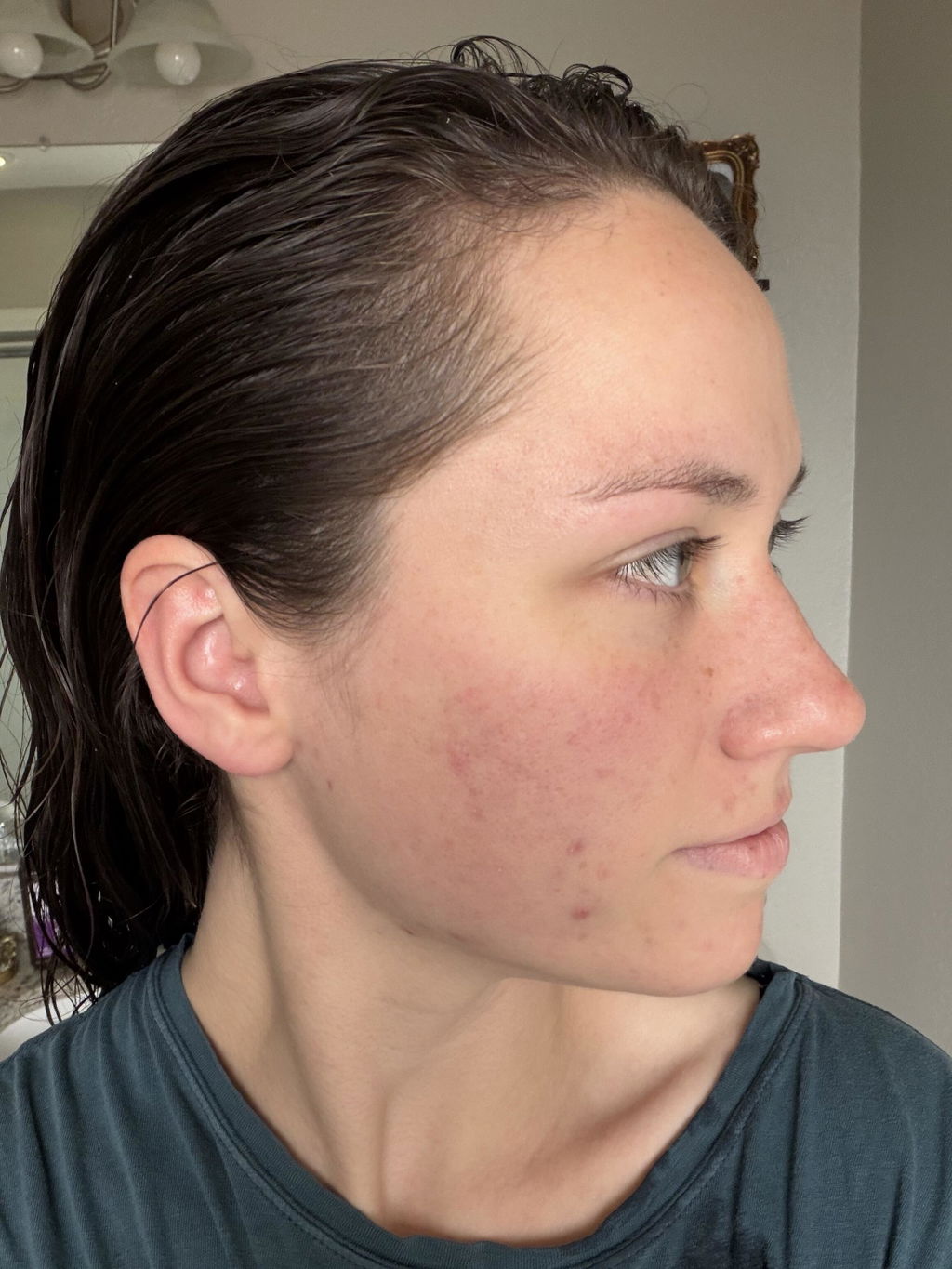
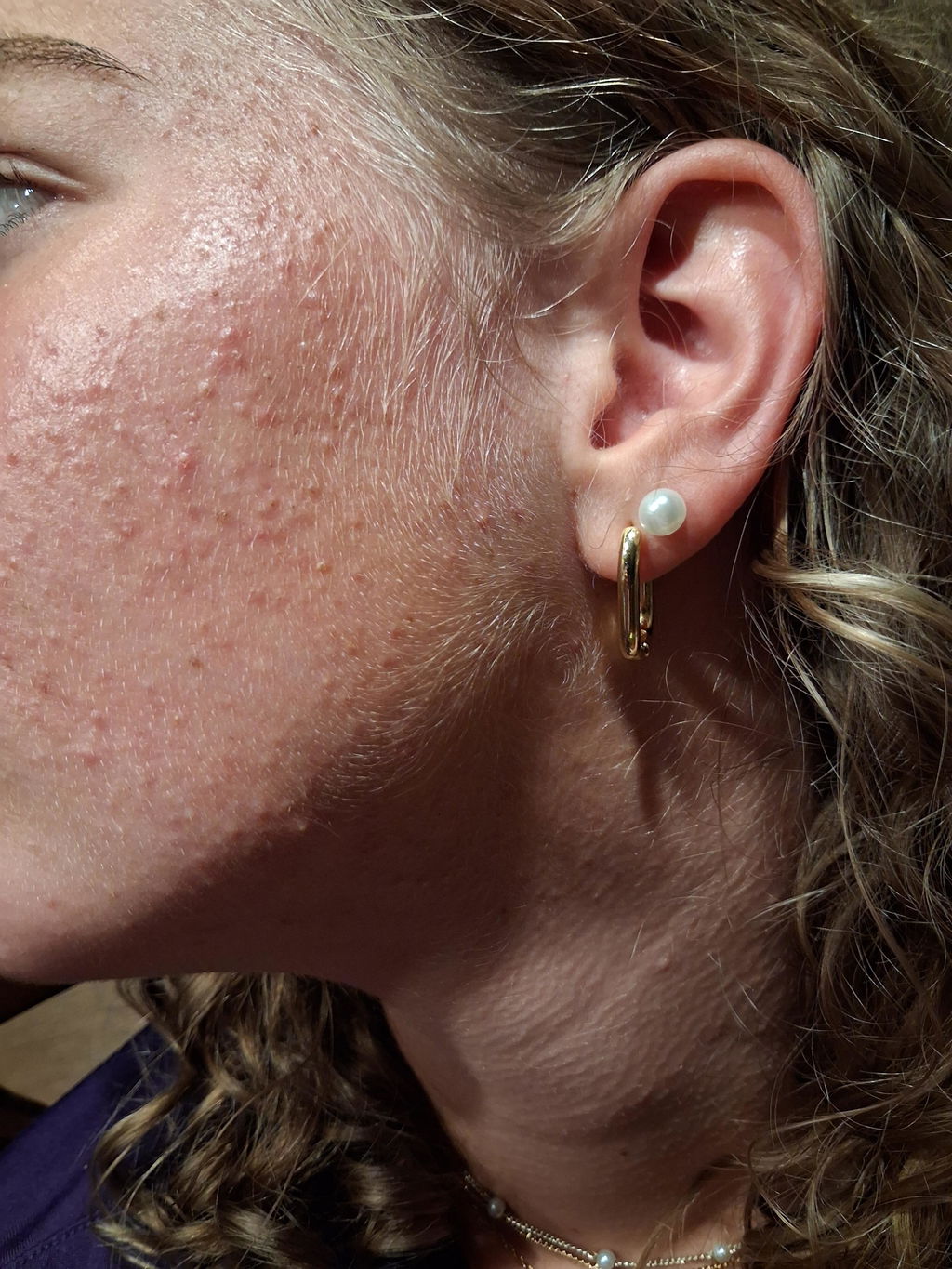
If you're breaking out on your cheeks, consider both external and internal factors. Externally, this zone is affected by air quality, allergies, and things that touch your face (phones, pillowcases, masks). Internally, cheek acne often signals gut inflammation — particularly in the large intestine.
A 2021 study in Frontiers in Immunology demonstrated that inflammatory bowel conditions alter the skin's immune response, leading to acne and rosacea flares predominantly on the cheeks. The connection is mediated through inflammatory cytokines that travel from the gut to the skin via the bloodstream.
What to do about it:
- Clean your phone screen daily and change pillowcases twice a week — this handles the external triggers.
- For the internal component, focus on reducing gut inflammation with omega-3 rich foods and anti-inflammatory herbs like turmeric and ginger.
- Support your body's mineral reserves with sea moss, which provides 92 of the 102 minerals your body needs — including zinc, which is critical for both immune regulation and skin healing.
- Practice deep breathing exercises. It sounds simple, but deep diaphragmatic breathing stimulates the vagus nerve, which directly improves gut motility and reduces systemic inflammation.
———
Nose Acne: Heart Health and Stomach Function
In face mapping, the nose connects to the heart and the stomach. TCM practitioners view nose breakouts and redness as signs of excess heat in the stomach or circulatory imbalances. The bridge of the nose specifically maps to the stomach, while the tip relates to the heart.
From a modern perspective, the nose is rich in sebaceous glands, which makes it prone to congestion. But the stomach connection holds up — research shows that Helicobacter pylori infection (the bacteria behind most stomach ulcers) is significantly associated with rosacea and acne on the nose and central face. A 2019 meta-analysis in the World Journal of Gastroenterology confirmed that treating H. pylori led to improvement in skin conditions in a majority of patients.
The heart connection is also relevant. Poor circulation means nutrients aren't reaching the skin efficiently, and waste products aren't being cleared. High blood pressure, elevated cholesterol, and chronic stress all affect this zone.
What to do about it:
- Reduce spicy foods, alcohol, and caffeine — all of which increase "stomach heat" in TCM terms and dilate blood vessels in the nose.
- Support healthy circulation with regular movement. Even a daily 30-minute walk improves blood flow to the skin.
- Consider collagen support to strengthen blood vessel walls and improve skin structure from within.
- Address stomach health directly by incorporating fermented foods and ensuring adequate stomach acid production.
———
Temple Acne: Kidney and Liver Detoxification Under Stress
The temples are mapped to the kidneys and liver in TCM — two organs that are essential for filtering and detoxifying the blood. When breakouts appear at the temples, it often indicates that your body's detoxification pathways are overburdened.
Your liver processes every toxin you encounter — from environmental pollutants and pesticides to alcohol and pharmaceutical residues. Your kidneys filter your blood and manage fluid balance. When either organ is under strain, the body looks for alternative elimination routes. Your skin becomes that route.
Modern functional medicine aligns with this. A sluggish liver can lead to a buildup of metabolic waste products that trigger inflammatory skin responses. Studies have shown that patients with non-alcoholic fatty liver disease (NAFLD) have significantly higher rates of acne and other inflammatory skin conditions.
What to do about it:
- Support your liver with bitter greens, lemon water in the morning, and adequate protein intake (your liver needs amino acids for phase II detoxification).
- Reduce exposure to environmental toxins — filter your water, choose organic produce for the "dirty dozen," and switch to clean skincare.
- Give your body some support. A daily acai detox blend supports liver, kidney, and gut function — because these systems don't work in isolation.
- Stay hydrated. Your kidneys need adequate water to flush waste. Aim for half your body weight in ounces daily.
———
Why Face Mapping Works: The Gut-Skin Axis Explained
The reason face mapping holds up under scientific scrutiny is the gut-skin axis — a bidirectional communication system between your gastrointestinal tract and your skin. Both organs develop from the same embryonic tissue (the ectoderm), share immune pathways, and are densely populated with microbiomes that constantly communicate.
When your gut microbiome is disrupted — from antibiotics, poor diet, chronic stress, or environmental toxins — it triggers a cascade of systemic inflammation. Inflammatory markers like IL-6, TNF-alpha, and lipopolysaccharides (LPS) enter the bloodstream through a compromised gut lining and reach the skin, where they trigger sebum production, clogged pores, and inflammatory breakouts.
The location of those breakouts is influenced by which organ systems are most affected, which is exactly what face mapping has been telling us for millennia. Different zones of the face have different concentrations of nerve endings, blood vessels, and sebaceous glands that respond to signals from their connected organ systems.
This is why topical-only approaches so often fail. You can't cream your way out of a gut problem.
———
A Whole-Body Approach to Clear Skin
After years of working with clients on their skin, I've seen the same pattern repeat: lasting clear skin comes from addressing the inside first. The face map is your starting point — it tells you where to look. But the real transformation happens when you commit to healing the gut, supporting your detox pathways, and nourishing your body with what it actually needs.
If you're seeing breakouts across multiple zones, that's often a sign of widespread gut imbalance. In those cases, a comprehensive approach works better than targeting one area at a time. Start with a gut cleanse to reset your microbiome, support your skin barrier topically with tallow-based skincare, and give your body the mineral foundation it needs to heal.
Your face has been trying to talk to you. It's time to listen.
———
Frequently Asked Questions About Face Mapping and Gut Health
Is face mapping scientifically proven?
Face mapping originates from Traditional Chinese Medicine and Ayurveda, where it has been practiced for thousands of years. While the exact meridian-based explanations haven't been validated by Western clinical trials, the underlying organ-skin connections are increasingly supported by modern research on the gut-skin axis, the gut-lung axis, and the estrobolome. The science is catching up to what practitioners have observed for centuries.
Can fixing your gut really clear acne?
Yes — research consistently shows a strong link between gut health and skin conditions. Studies have found that people with acne are more likely to have gut issues like SIBO, dysbiosis, and increased intestinal permeability. Addressing these root causes through dietary changes, gut cleansing, and microbiome support has been shown to significantly improve acne in multiple clinical studies.
How long does it take to see skin improvements from gut healing?
Most people begin to notice changes within 2 to 4 weeks of consistent gut support, though deeper hormonal acne (especially along the chin and jawline) can take 8 to 12 weeks to fully resolve. Skin cell turnover takes roughly 28 days, so give your body at least one full cycle before judging results. A structured 12-week protocol addresses the full timeline needed for lasting change.
What does acne on the chin mean for gut health?
Chin and jawline acne is most commonly linked to hormonal imbalance, but the gut plays a direct role in hormone regulation through the estrobolome — gut bacteria that metabolize estrogen. When your gut microbiome is disrupted, excess hormones aren't properly eliminated, leading to the deep, cystic breakouts typical of this zone. Supporting gut health is essential for balancing hormones naturally.
Does the location of acne on your face mean anything?
According to face mapping, yes. Each zone of the face corresponds to specific internal organs and systems. Forehead acne relates to digestion, cheek acne to the lungs and large intestine, nose acne to the heart and stomach, chin acne to hormones and reproductive organs, and temple acne to the kidneys and liver. While individual factors like touching your face or pillowcase hygiene also matter, persistent zone-specific breakouts often point to an internal imbalance worth investigating.