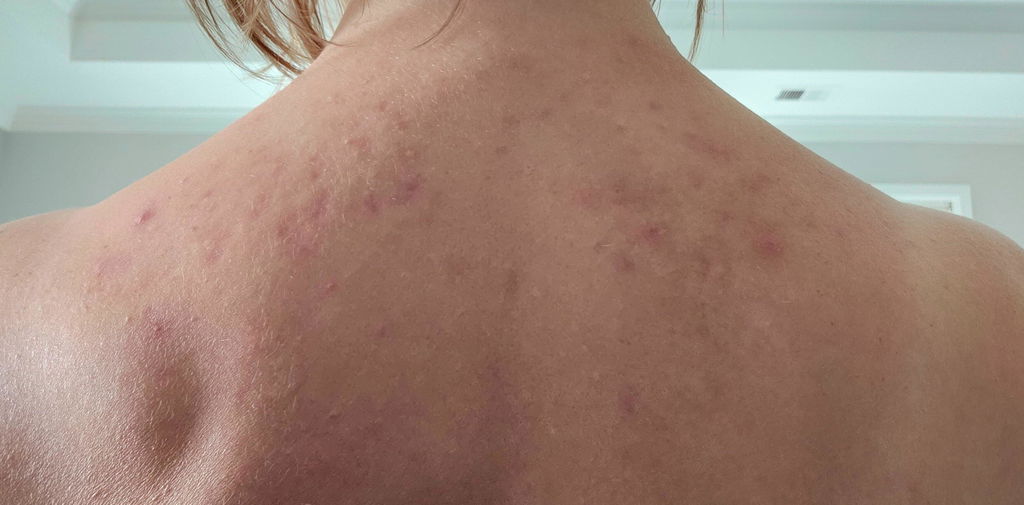
I Stopped Treating My Skin and My Acne Disappeared
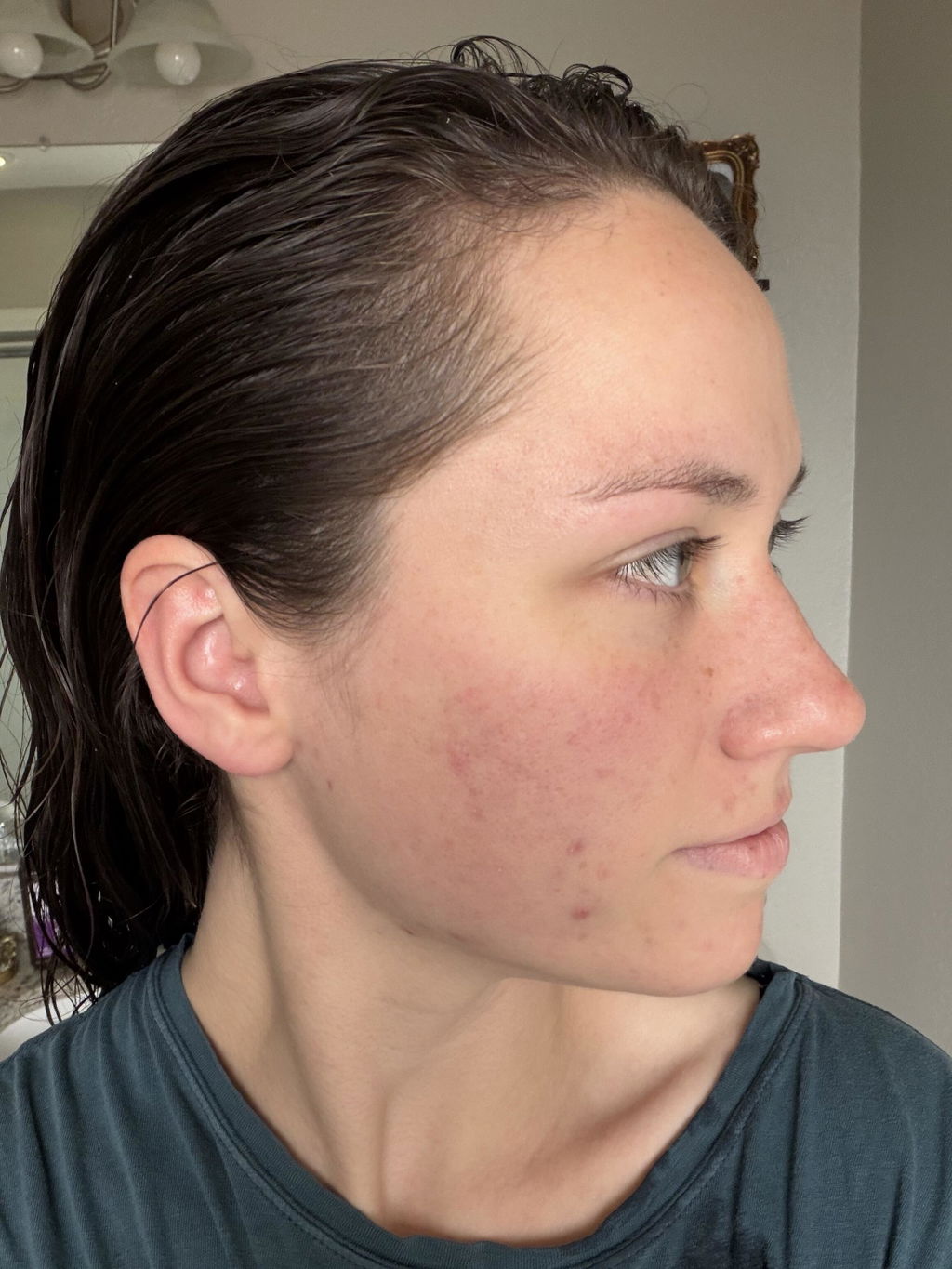
Three years ago, I was sitting in my car after a dermatologist appointment, staring at yet another prescription for topical antibiotics, when something finally clicked. I had spent over $4,000 on skincare that year. Retinoids, benzoyl peroxide, salicylic acid cleansers, LED masks. My bathroom looked like a pharmacy. And my skin? Worse than ever.
But here is what nobody told me: the breakouts that kept crawling across my jawline and chin were not a skin problem. They were a stress problem, routed through my gut, driven by a neurological pathway that most dermatologists never even mention. It is called the gut-brain-skin axis, and understanding it changed everything about how I approach clear skin.
If you have ever noticed that your worst breakouts happen during your most stressful weeks, you are not imagining things. There is a direct, measurable, scientifically documented pathway from your brain to your gut to your face. And once you understand it, you will never look at acne the same way again.
———
The Cortisol Cascade: Where Stress-Induced Acne Actually Begins
Let me walk you through what happens in your body when stress hits. It starts in a region of your brain called the hypothalamus. The moment your brain perceives a threat — whether it is a work deadline, a fight with your partner, or just the chronic low-grade anxiety of modern life — your hypothalamus signals the pituitary gland, which signals your adrenal glands. This is the HPA axis (hypothalamic-pituitary-adrenal axis), and it is your body's central stress response system.
The end result? A flood of cortisol — your primary stress hormone. In short bursts, cortisol is protective. But when stress is chronic (and for most of us, it is), cortisol stays elevated for days, weeks, sometimes months. And that is where the trouble begins.
A 2017 study published in Clinical, Cosmetic and Investigational Dermatology found that students with higher perceived stress had significantly more severe acne. A landmark 2003 study from Stanford University by researchers Chiu, Chon, and Kimball showed that acne severity in college students worsened during exam periods — even when their skincare routines stayed exactly the same. The variable was not what they put on their skin. It was what was happening inside their bodies.
Here is the mechanism: elevated cortisol directly increases sebum production by upregulating androgen activity in your sebaceous glands. More sebum means more clogged pores. But that is only the first domino.
How Cortisol Destroys Your Gut Lining (and Why That Shows on Your Face)
This is where most people lose the thread, and where the real science gets fascinating. Cortisol does not just affect your skin directly. It systematically degrades the integrity of your intestinal barrier — the single-cell-thick lining that separates the contents of your gut from your bloodstream.
Your gut lining is held together by structures called tight junctions — protein complexes (claudins, occludins, zonulin pathways) that act like gatekeepers. Under chronic cortisol exposure, these tight junctions weaken and separate. Research published in Gut (2014) demonstrated that psychological stress increases intestinal permeability in humans — what functional medicine practitioners call leaky gut.
When that barrier breaks down, bacterial endotoxins called lipopolysaccharides (LPS) leak into your bloodstream. LPS are fragments of gram-negative bacteria, and your immune system treats them like invaders. The result is a system-wide inflammatory response: elevated TNF-alpha, IL-6, IL-1 beta, and NF-kB activation. This is not localized inflammation. This is your entire body shifting into an inflammatory state.
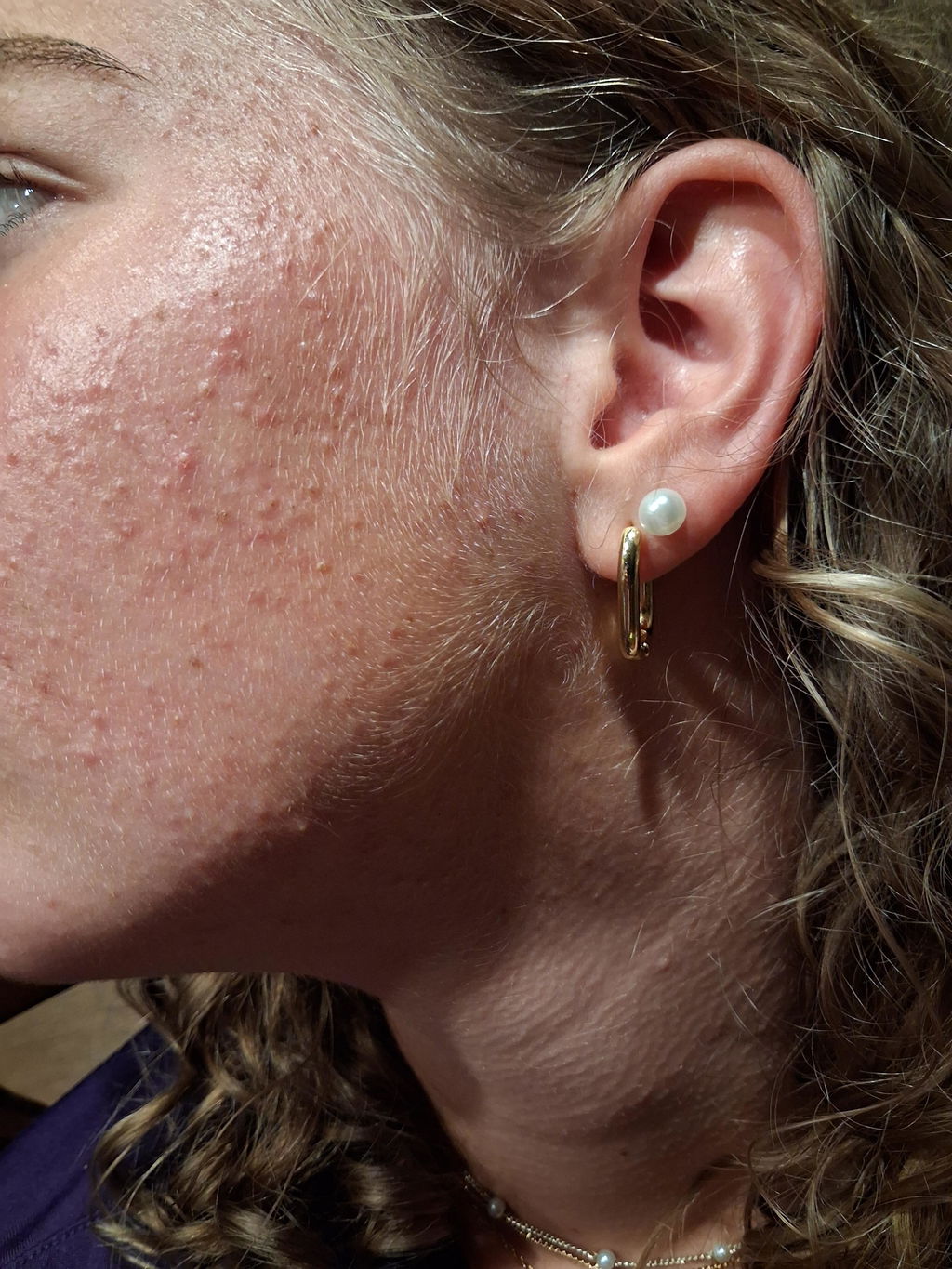
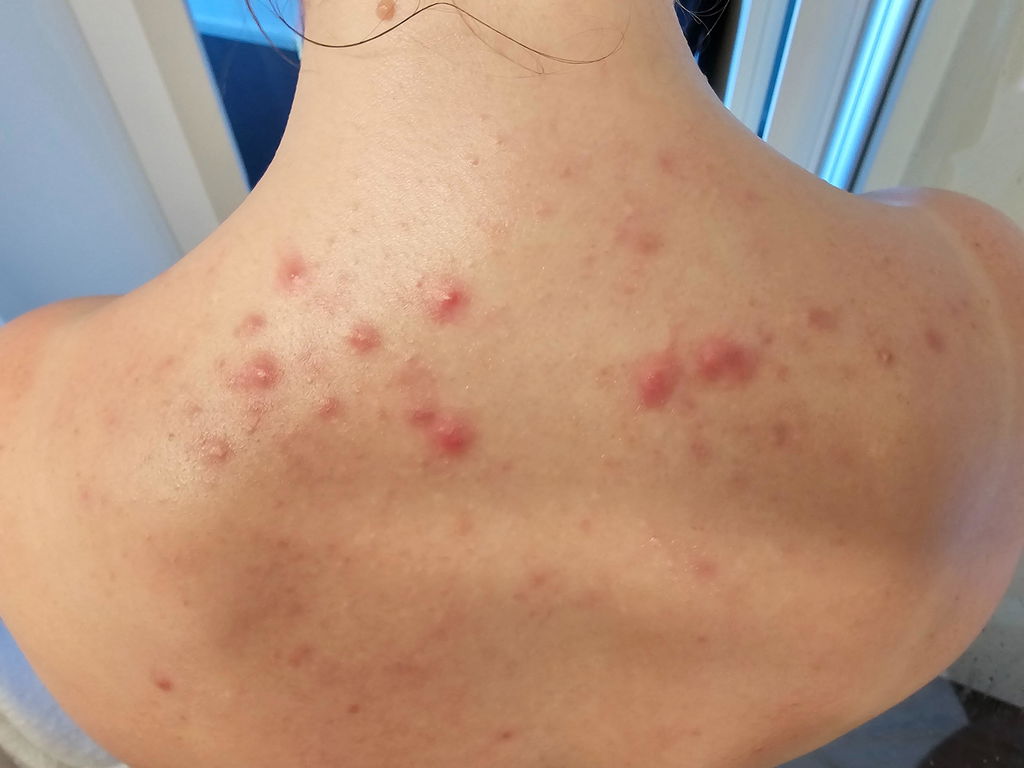
And where does that inflammation show up most visibly? Your skin. Because your skin is your largest organ and one of the primary places your body expresses systemic inflammation. Those deep, painful, cystic breakouts along your jawline and cheeks? That is your gut talking.
This is exactly why I started focusing on supporting the gut barrier first — before worrying about what I put on my face. A targeted gut cleanse protocol that addresses intestinal permeability can do more for stubborn acne than any topical treatment, because it works on the root cause rather than the symptom.
———
The Vagus Nerve: Your Gut's Direct Phone Line to Your Brain
There is a reason gut feelings are real. The vagus nerve — the longest cranial nerve in your body — runs from your brainstem all the way down to your intestines, creating a bidirectional communication highway between your brain and your gut. It is the physical infrastructure of the gut-brain axis.
About 80% of the vagus nerve's fibers are afferent, meaning they carry information from the gut to the brain. Your gut is literally sending more messages to your brain than your brain sends to your gut. When your gut microbiome is disrupted — a state called dysbiosis — those messages change. The vagus nerve starts transmitting inflammatory signals that keep your HPA axis activated, creating a vicious feedback loop: stress damages the gut, the damaged gut amplifies the stress response, which damages the gut further.
A 2011 study in Proceedings of the National Academy of Sciences demonstrated that the probiotic strain Lactobacillus rhamnosus reduced anxiety-like behavior in mice — but only when the vagus nerve was intact. When researchers severed the vagus nerve, the probiotic had zero effect on behavior. The gut was communicating its microbial state directly to the brain through this nerve.
This is why calming the nervous system and restoring gut health are not separate goals — they are the same goal approached from different directions.
The Microbiome Connection: Your Gut Bacteria Control Your Skin
Your gut houses roughly 38 trillion bacteria — more microbial cells than human cells in your body. These bacteria do far more than digest food. They produce neurotransmitters (about 90% of your serotonin is made in the gut), regulate immune function, and directly influence skin health through metabolites they produce.
Researchers Bowe and Logan proposed the gut-brain-skin axis theory in a 2011 paper published in Gut Pathogens, building on original observations from dermatologists Stokes and Pillsbury back in 1930. Their work showed that emotional states alter gut flora, increase intestinal permeability, and contribute to systemic inflammation that manifests as skin conditions — particularly acne, rosacea, and eczema.
A 2018 study in Dermatology and Therapy found that acne patients had significantly different gut microbiome compositions compared to those with clear skin — lower diversity and reduced populations of beneficial bacteria like Lactobacillus and Bifidobacterium. The gut was not just involved in acne. It was a primary driver.
This is why I believe in supporting the microbiome with mineral-dense whole foods rather than isolated synthetic vitamins. Sea moss, for example, delivers 92 of the 102 minerals your body needs in a form your gut bacteria can actually use — feeding the beneficial strains that keep inflammation in check and your skin barrier strong.
———
5 Stress Reduction Practices That Heal Your Gut (and Clear Your Skin)
Understanding the science is empowering. But you need practical tools to interrupt this cycle. These are the five practices that made the biggest difference in my own skin — and the research backs every single one.
1. Cold Exposure (Even 30 Seconds)
Cold water immersion activates the vagus nerve directly. A 2014 study in PLOS ONE showed that regular cold exposure increased vagal tone and reduced sympathetic nervous system activation. Practically, this means lower baseline cortisol and better gut-brain communication. Start with 30 seconds of cold water at the end of your shower. Work up to 2 minutes. The initial shock trains your nervous system to recover from stress faster — which translates directly to less gut permeability and less inflammatory acne.
2. Slow Diaphragmatic Breathwork
The vagus nerve responds powerfully to slow, deep breathing — specifically exhale-dominant breathing where your exhale is longer than your inhale. A 2019 study in Frontiers in Human Neuroscience demonstrated that just 5 minutes of slow breathing (6 breaths per minute) significantly increased heart rate variability (HRV), a direct marker of vagal tone. Higher vagal tone means better gut motility, lower inflammation, and reduced cortisol. Try box breathing before bed: inhale 4 counts, hold 4, exhale 6, hold 2. Ten minutes daily rewires your baseline stress response within two weeks.
3. Sleep Hygiene as Gut Medicine
Sleep deprivation is one of the fastest ways to spike cortisol and destroy gut integrity. Research published in Molecular Metabolism (2016) found that just two nights of partial sleep deprivation altered gut microbiome composition — shifting toward bacteria associated with metabolic inflammation. Your gut repairs its mucosal lining primarily during deep sleep. Prioritize 7-9 hours. Keep your room below 67 degrees. No screens 60 minutes before bed. And if falling asleep is the problem, consider supporting your evening wind-down with topical magnesium and calming botanicals that signal your nervous system to shift into rest mode.
4. Movement That Does Not Spike Cortisol
Here is a counterintuitive truth: intense exercise can make stress-related acne worse. HIIT training and heavy lifting spike cortisol further in already-stressed individuals. A 2015 study in The Journal of Endocrinology showed that overtraining increased intestinal permeability in athletes. Instead, prioritize walking (especially in nature — shown to lower cortisol in a 2019 Frontiers in Psychology study), yoga, and swimming. Movement that activates your parasympathetic nervous system is gut medicine.
5. Gut Barrier Repair Through Nutrition
Your gut lining regenerates every 3-5 days, but it needs raw materials. Collagen provides the amino acids (glycine, proline, glutamine) that your intestinal cells use to rebuild tight junctions. A 2022 study in Nutrients found that collagen peptide supplementation improved markers of intestinal barrier function. This is why I include collagen strips as part of my daily routine — it is the simplest way to deliver the building blocks your gut lining needs to seal those gaps that are letting inflammation reach your skin.
———
Why the 12-Week Timeline Matters
I want to be honest with you: this is not a quick fix. Your gut microbiome takes approximately 6-12 weeks to meaningfully shift its composition. Your intestinal lining needs consistent support to repair. And the HPA axis dysregulation that comes from chronic stress does not reset overnight.
But here is what I noticed in my own journey: around week 3, my inflammatory breakouts slowed. By week 6, the deep cystic acne along my jaw stopped appearing. By week 12, my skin was clearer than it had been since my early twenties — and I had stopped using every topical product except a basic moisturizer.
The difference between this approach and everything I tried before is simple: I stopped fighting symptoms and started addressing the axis. Brain to gut to skin. Calm the brain, heal the gut, and the skin follows.
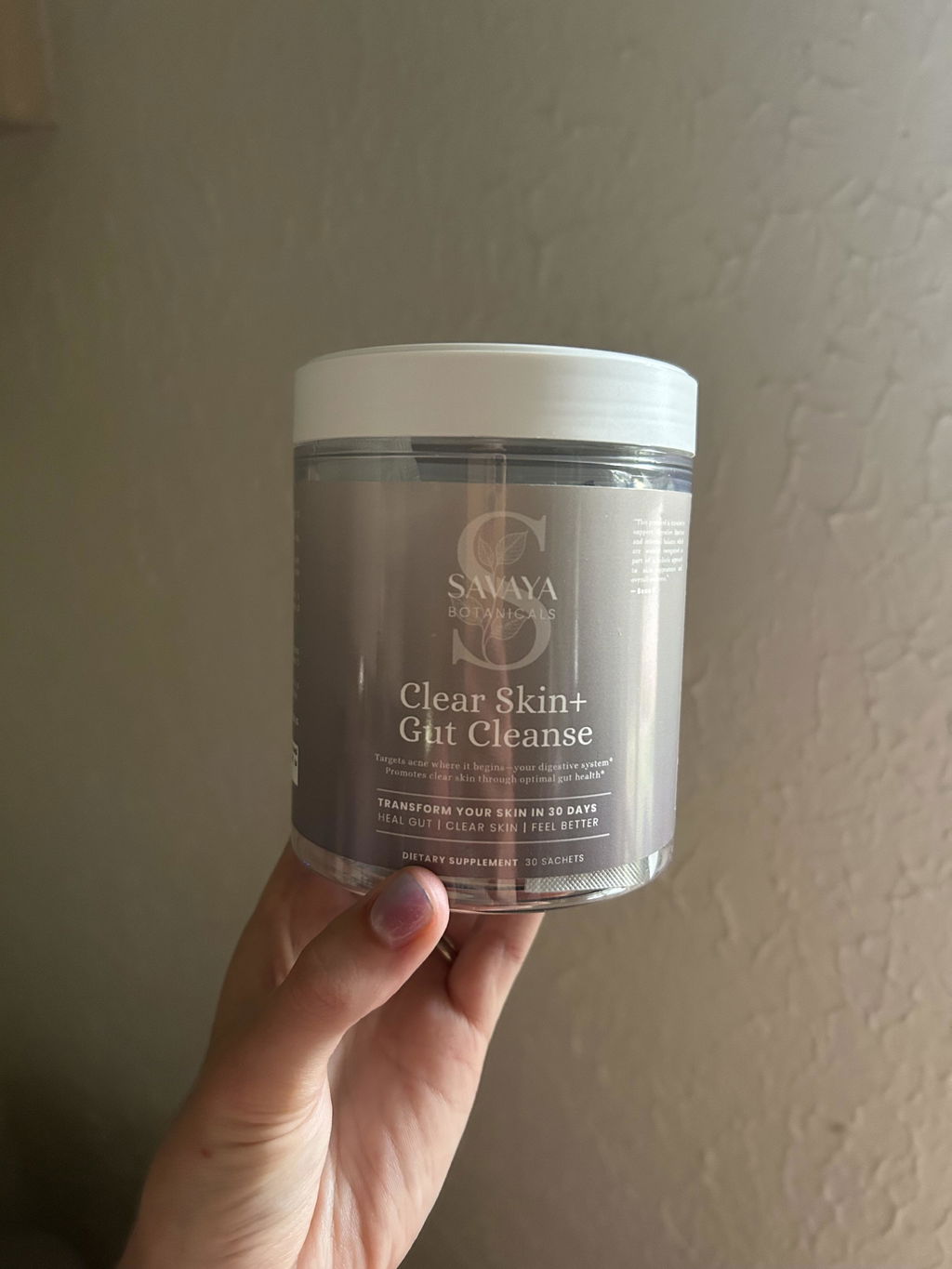
If you are dealing with stubborn acne that does not respond to topical treatments, I would encourage you to look inward — literally. A daily acai-based blend like Clear Skin+ Max Detox, which supports gut and microbiome balance, is one piece I have found worth adding to a root-cause approach.
The Bottom Line on the Gut-Brain-Skin Axis
Your skin is not a standalone organ. It is the end point of a communication network that starts in your brain, routes through your gut, and expresses itself on your face. Stress activates the HPA axis, cortisol degrades your gut lining, bacterial endotoxins enter your bloodstream, systemic inflammation rises, and acne appears. That is not a theory. That is a documented biological pathway.
The good news is that every point in this pathway is a point of intervention. Calm the nervous system through breathwork and cold exposure. Protect and rebuild the gut barrier with targeted nutrition and a full detox protocol. Support your microbiome with mineral-dense whole foods. And give your body the 12 weeks it needs to reset.
Your clearest skin is not hiding behind the next skincare product. It is waiting on the other side of a healthy gut.
———
Frequently Asked Questions
Can stress alone cause acne without any dietary triggers?
Yes. Research from Stanford University demonstrated that psychological stress worsened acne severity in students even when diet and skincare remained constant. Stress activates the HPA axis, raises cortisol, increases sebum production, and degrades the gut lining — all of which drive inflammatory acne independently of diet. That said, stress and diet often compound each other because cortisol also increases cravings for high-glycemic foods that further disrupt the gut microbiome.
How long does it take for gut healing to show results on skin?
Most people begin noticing reduced inflammation within 3-4 weeks of consistent gut support, with significant improvements in acne by weeks 8-12. The intestinal lining regenerates every 3-5 days, but shifting the overall microbiome composition and calming a dysregulated HPA axis takes longer. Consistency matters more than intensity — daily practices like breathwork, quality sleep, and gut-supportive nutrition compound over time.
What is the vagus nerve and how does it connect my gut to my skin?
The vagus nerve is the longest cranial nerve in your body, running from the brainstem to the intestines. It acts as a bidirectional communication highway between your brain and gut, with about 80% of its fibers carrying signals from the gut to the brain. When your gut microbiome is disrupted, the vagus nerve transmits inflammatory signals that keep cortisol elevated, perpetuating the stress-gut-skin cycle. Practices like cold exposure and slow breathing directly stimulate the vagus nerve, improving this communication and reducing systemic inflammation.
Does exercise help or hurt stress-related acne?
It depends on the type and intensity. Moderate movement like walking, yoga, and swimming activates the parasympathetic nervous system, lowers cortisol, and supports gut motility — all beneficial for acne. However, intense exercise like HIIT and heavy resistance training can spike cortisol further in already-stressed individuals and has been shown to increase intestinal permeability. If you are dealing with stress-related breakouts, prioritize gentle, restorative movement over high-intensity training until your gut barrier stabilizes.
Why do I break out on my jawline and chin when I am stressed?
Jawline and chin acne is strongly associated with hormonal and inflammatory drivers rather than surface-level clogging. When cortisol rises from chronic stress, it increases androgen activity, which stimulates the sebaceous glands concentrated in the lower face. Simultaneously, stress-induced gut permeability allows bacterial endotoxins into the bloodstream, triggering systemic inflammation that targets these hormonally sensitive areas. This is why jawline acne rarely responds to topical treatments alone — the driver is internal.