I Spent $200 a Month on Probiotics Before I Learned This
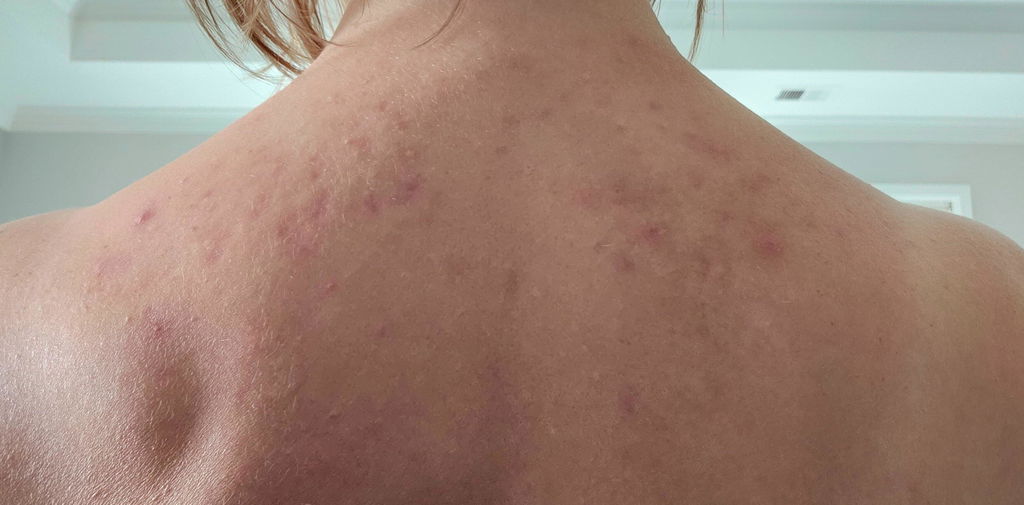
Three years ago, my bathroom cabinet looked like a pharmacy. Five different probiotic bottles, each promising to fix my skin from the inside out. I was swallowing 50 billion CFUs every morning, convinced that this was the missing piece. My skin told a different story — the breakouts along my jawline kept coming back every single month.
Then I stumbled across a study that changed everything I thought I knew about gut health and skin. It wasn't about adding more bacteria. It was about feeding the bacteria I already had. That shift — from probiotics to prebiotics — is what finally gave me the clear, calm skin I'd been chasing for years.
If you've been pouring money into probiotic supplements and wondering why your skin isn't responding, this is the conversation we need to have.
———
Probiotics vs Prebiotics: What Your Skin Actually Needs
Let's get the basics straight, because these two words get thrown around interchangeably — and they shouldn't be.
Probiotics are live microorganisms. When you take a probiotic supplement or eat yogurt, you're introducing new bacteria into your digestive system. The idea is that these friendly bacteria will colonize your gut and improve your microbiome.
Prebiotics are the food that bacteria eat. They're specific types of fiber, resistant starches, and minerals that your existing gut bacteria ferment and use as fuel. Think of prebiotics as fertilizer for the garden that's already planted inside you.
Here's the distinction that matters for your skin: probiotics try to add to your ecosystem. Prebiotics strengthen the ecosystem you already have. And when it comes to the gut-skin axis — the direct communication pathway between your gut microbiome and your skin — that difference is everything.
Why Most Probiotic Supplements Fail Your Skin
I'm not saying probiotics are useless. I'm saying the way most people take them is. And the science backs this up.
The stomach acid problem is real. Your stomach maintains a pH around 1.5 to 2.0 when fasting — that's strong enough to dissolve metal. Most probiotic bacteria don't stand a chance. Bifidobacterium species, one of the most commonly marketed probiotic strains, show less than 1% survival through gastric transit without protective encapsulation. You're essentially paying for dead bacteria.
Even the hardier strains face steep odds. While Lactobacillus rhamnosus GG can survive at pH 2.5 for up to four hours, it's the exception, not the rule. The generic "10-strain blend" in your $40 bottle? Most of those strains are dead on arrival.
The wrong-strain problem is worse. Even if bacteria survive the journey, most commercial probiotics contain strains chosen for shelf stability — not for skin health. A strain that's great for digestive comfort may do absolutely nothing for acne or inflammation. Research shows the benefits are highly strain-specific. In a clinical trial studying eczema prevention, L. rhamnosus HN001 at 6 billion CFU daily showed a 50% reduction in eczema — but Bifidobacterium animalis HN019 at 9 billion CFU showed zero effect. Same study. Same protocol. Completely different outcomes based on the strain.
The colonization myth. Perhaps the biggest misconception: most supplemental probiotics don't permanently colonize your gut. They pass through. You get a temporary boost while you're taking them, but stop the supplement and the effect disappears. You're renting bacteria, not building a microbiome.
———
The Bacterial Strains That Actually Clear Skin
Now, I'm not anti-probiotic. I'm anti-random-probiotic. If you're going to supplement, you need to know exactly which strains have clinical evidence behind them for skin health.
Lactobacillus rhamnosus SP1 is the one I wish I'd known about years ago. In a clinical trial published in Beneficial Microbes (2016), patients with active inflammatory acne who took this specific strain were rated "improved" or "markedly improved" by their physicians. The mechanism? It normalized insulin-signaling gene expression in the skin — specifically reducing IGF-1 and increasing FoxO1. That matters because insulin dysregulation is one of the key drivers of hormonal acne.
Bifidobacterium longum CCFM1029 showed striking results in a 2022 randomized, placebo-controlled trial of 87 patients with atopic dermatitis. After just eight weeks of supplementation (1 billion CFU daily), patients saw significant reductions in their dermatitis severity scores, improved quality of life measurements, decreased IgE levels, and reduced transepidermal water loss — meaning their skin barrier was literally getting stronger. The study, published in Gut Microbes, found that B. longum works through tryptophan metabolism, producing a compound called indole-3-carbaldehyde that activates healing pathways in the skin.
These are targeted, researched strains at therapeutic doses. They're a world apart from the generic blends lining store shelves.
The Stanford Study That Changed the Conversation
In 2021, researchers at Stanford published a study in Cell — one of the most prestigious scientific journals in the world — that fundamentally shifted how I think about gut health for skin.
They took 36 healthy adults and split them into two groups for 17 weeks. One group ate a high-fiber diet. The other ate a diet rich in fermented foods — yogurt, kefir, kimchi, kombucha, fermented vegetables.
The fermented food group saw 19 out of 93 inflammatory proteins decrease, including interleukin-6, a marker directly linked to chronic inflammation and autoimmune conditions. Four types of immune cells showed less activation. And their overall microbial diversity increased — the bigger the servings, the stronger the effect.
Here's the part that surprised everyone: the high-fiber group saw zero decrease in inflammatory proteins. Not one.
This doesn't mean fiber isn't important (it absolutely is). But it tells us something crucial: for reducing the kind of systemic inflammation that shows up on your skin, how you feed your gut matters more than simply eating more fiber. Fermented foods deliver both prebiotics and live cultures in a form your body actually recognizes and uses — unlike isolated supplements.
———
Prebiotic Foods That Feed Skin-Healing Bacteria
This is where it gets practical. Instead of spending hundreds on supplements, you can build a skin-supportive microbiome through food.
When your gut bacteria ferment prebiotic fibers, they produce short-chain fatty acids (SCFAs) — particularly butyrate, acetate, and propionate. These aren't just gut fuel. Butyrate strengthens your skin barrier by altering keratinocyte metabolism. Propionate resolves inflammation and recruits immune cells to damaged skin. Acetate has direct anti-inflammatory activity throughout the body.
The best prebiotic foods for your skin microbiome:
- Fermented vegetables (kimchi, sauerkraut) — live cultures plus prebiotic fiber in one package
- Jerusalem artichokes and chicory root — richest natural sources of inulin, a powerful prebiotic fiber
- Garlic, onions, and leeks — contain fructooligosaccharides that specifically feed Bifidobacterium
- Dandelion greens — prebiotic fiber plus bitter compounds that support liver detoxification
- Mineral-rich sea vegetables — provide the trace minerals gut bacteria need to function
That last point is one most people miss entirely. Your gut bacteria don't just need fiber — they need minerals. Zinc, selenium, iron, magnesium — these are cofactors for the enzymatic reactions that keep your microbiome running. This is why I'm a big believer in whole-food mineral sources like sea moss, which delivers 92 of the 102 minerals your body needs in a bioavailable form. It's not a probiotic and it's not a fiber supplement — it's the mineral foundation that makes both of those things work better.
Debunking the Biggest Probiotic Myths
Myth: "More CFUs = better results."
Reality: A targeted strain at 1 billion CFU outperformed a generic strain at 9 billion CFU in clinical trials. Dose matters far less than strain specificity. The B. longum study that improved atopic dermatitis used just 1 billion CFU daily — a fraction of what most commercial products advertise.
Myth: "All fermented foods are probiotic."
Reality: Many commercially produced fermented foods are pasteurized after fermentation, killing the live cultures. That shelf-stable kombucha? Likely dead bacteria. Look for raw, unpasteurized versions in the refrigerated section.
Myth: "You can fix your gut with probiotics alone."
Reality: Introducing new bacteria into a hostile environment doesn't work. If your gut lining is inflamed, your mineral stores are depleted, and your microbiome is out of balance, probiotics are like planting seeds in concrete. You need to prepare the terrain first — that means clearing out what's not working, replenishing minerals, and then feeding the bacteria you want to keep.
Myth: "Prebiotics are just fiber."
Reality: Prebiotics include fiber, but also resistant starches, polyphenols, and trace minerals. The gut-skin axis depends on a full spectrum of nutrients, not just one type. A holistic approach — combining prebiotic-rich foods with mineral support and targeted fermented foods — works because it addresses the whole ecosystem.
———
A Better Approach: Feed Your Microbiome, Fix Your Skin
After three years of trial and error, here's the framework that actually worked for my skin — and the skin of hundreds of women I've worked with since:
Step one: Clean the slate. You can't build a healthy microbiome on top of a compromised gut lining. A focused detox protocol helps clear accumulated toxins and gives your gut a fresh starting point. This isn't about restriction — it's about removing the obstacles so your body can do what it already knows how to do.
Step two: Replenish the mineral foundation. Your gut bacteria need trace minerals to produce the SCFAs that heal your skin. Most modern diets are mineral-depleted. Ocean-sourced nutrition fills in those gaps in a way that isolated supplements can't replicate.
Step three: Feed with prebiotic-rich whole foods. Fermented vegetables, alliums, bitter greens, resistant starches. Make them a daily habit, not an occasional add-on. The Stanford study showed that consistent, larger servings produced the strongest microbial diversity gains.
Step four: Support from the outside in. While you're rebuilding your gut microbiome, your skin barrier needs direct support too. A nutrient-dense topical that mirrors your skin's natural lipid profile works with your body's biology instead of against it.
Step five: Be patient. Microbiome shifts take time. The Stanford study ran for 17 weeks. The B. longum trial showed significant improvement at 8 weeks. This isn't an overnight fix — it's a permanent shift in how your body functions.
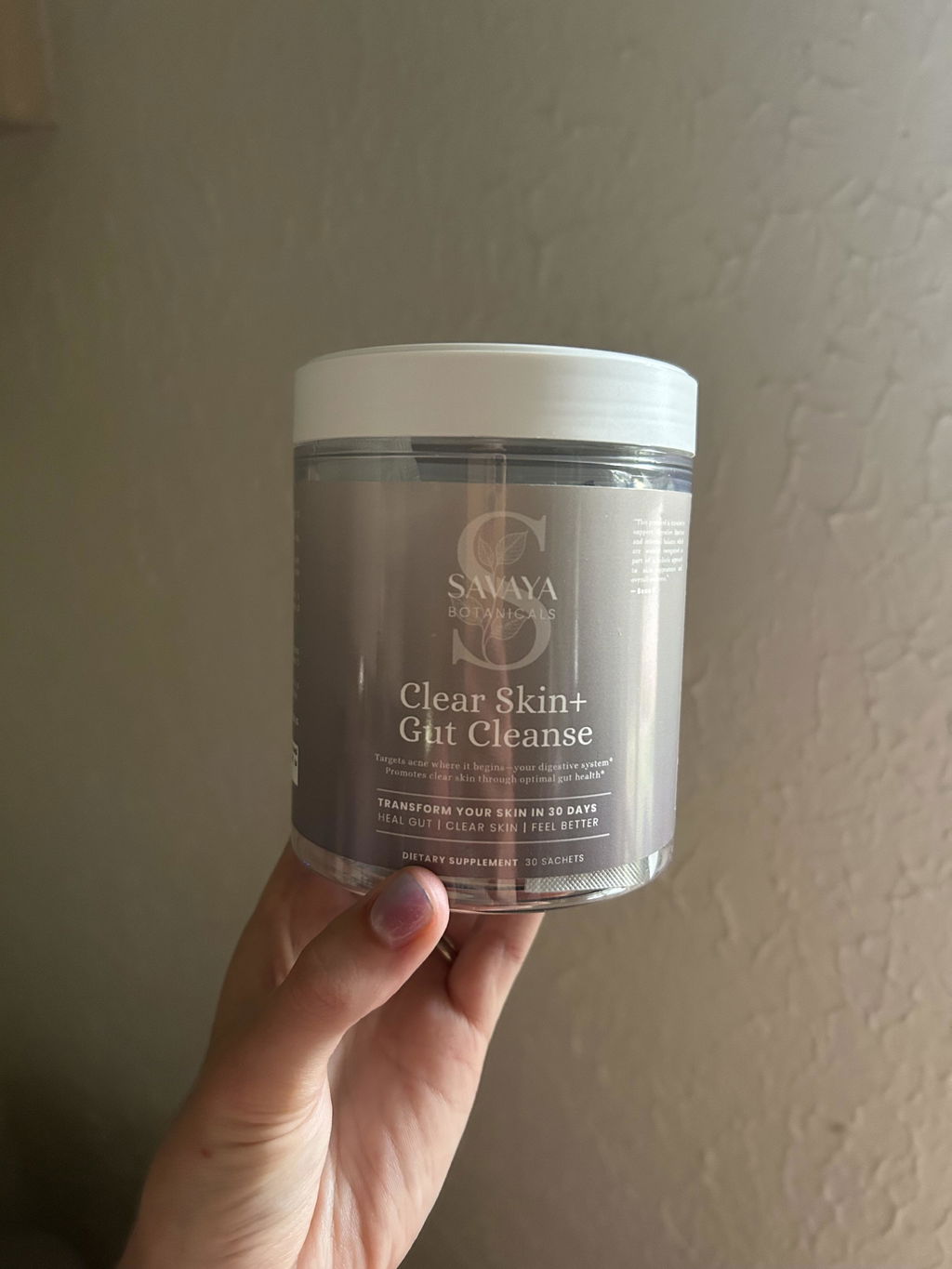
If you want something simple to add into your routine, Clear Skin+ Max Detox is the daily acai blend I reach for — it helps support skin health as part of a regular routine. It's the small addition I wish I'd had when I was staring at that cabinet full of probiotics that weren't doing anything.
———
The Bottom Line
Your skin is a reflection of your internal ecosystem. And that ecosystem doesn't need more random bacteria thrown at it — it needs to be fed. The research is clear: targeted prebiotics, mineral-rich whole foods, and fermented foods do more for your skin than a shelf full of generic probiotic supplements ever will.
Stop renting bacteria. Start building a microbiome that sustains itself.
———
Frequently Asked Questions
Do probiotic supplements actually survive stomach acid?
Most don't. Bifidobacterium species show less than 1% survival through gastric transit without protective encapsulation. Lactobacillus rhamnosus GG is one of the few strains that can survive at pH 2.5 for up to four hours. Taking probiotics with food — when stomach pH rises to 4.0-6.0 — improves survival, and spore-forming probiotics show over 90% viability reaching the colon. But the vast majority of commercial blends experience significant die-off before reaching your intestines.
What is the difference between probiotics and prebiotics for skin health?
Probiotics are live bacteria you consume to add to your gut microbiome, while prebiotics are fibers and minerals that feed the beneficial bacteria already living in your gut. For skin health, research suggests that feeding your existing microbiome with prebiotics — fermented foods, mineral-rich whole foods, dietary fiber — may be more effective long-term than isolated probiotic supplements, since most supplemental bacteria don't colonize permanently.
Which bacterial strains are linked to clear skin?
Two well-studied strains include Lactobacillus rhamnosus SP1, which improved adult acne by normalizing insulin-signaling genes in the skin (published in Beneficial Microbes, 2016), and Bifidobacterium longum CCFM1029, which significantly reduced atopic dermatitis symptoms in an 8-week randomized trial of 87 patients (published in Gut Microbes, 2022). L. rhamnosus HN001 also showed a 50% reduction in eczema at therapeutic doses.
Can fermented foods improve skin better than probiotic pills?
A landmark 2021 Stanford study published in Cell found that a diet rich in fermented foods — yogurt, kefir, kimchi, kombucha — decreased 19 inflammatory proteins including IL-6, while increasing microbial diversity across 36 participants over 17 weeks. A high-fiber diet alone did not reduce inflammation markers. This suggests fermented foods deliver a broader, more bioavailable spectrum of beneficial cultures than isolated supplement strains.
How does gut health affect skin through the gut-skin axis?
The gut-skin axis operates through several established pathways. Gut bacteria produce short-chain fatty acids like butyrate that strengthen the skin barrier and reduce systemic inflammation. The gut microbiome modulates immune responses that directly affect skin conditions. And specific bacterial metabolites — like indole-3-carbaldehyde produced by B. longum — activate receptors involved in skin healing. When the gut microbiome is disrupted, inflammatory signals increase throughout the body, often manifesting as acne, eczema, or premature aging.