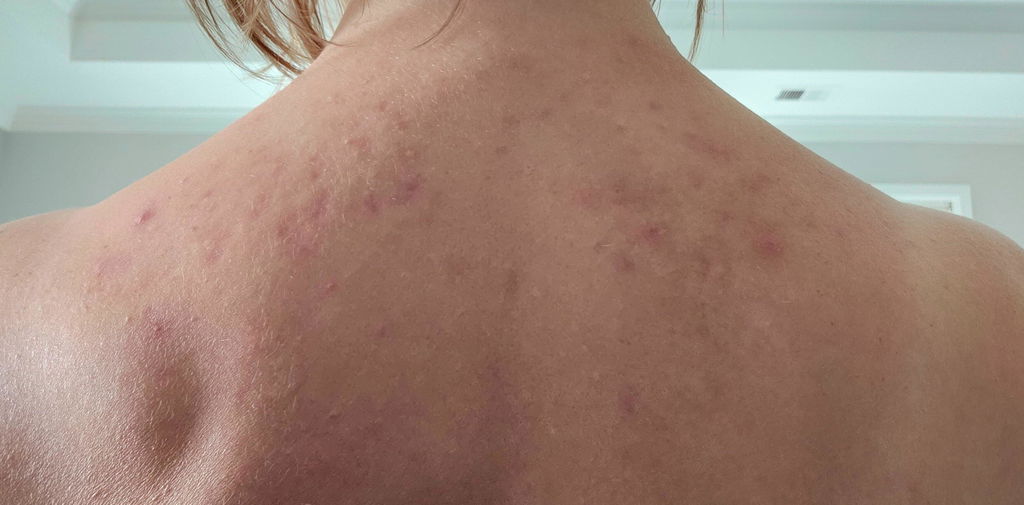
Seasonal Acne: Why Your Skin Freaks Out Every Time the Weather Changes
By Sarah Mitchell | March 27, 2026
I used to think I was losing my mind.
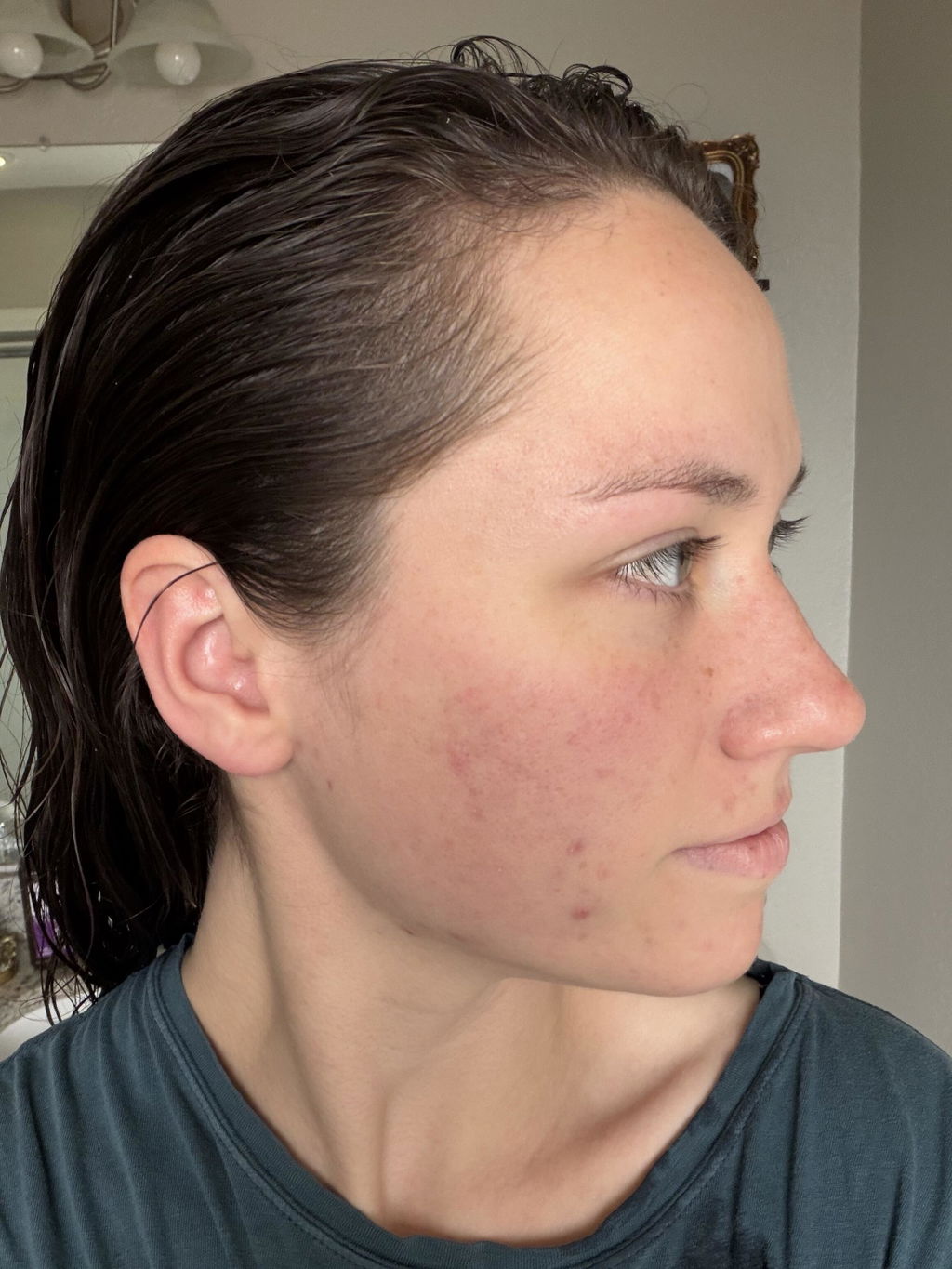
Every single time the seasons changed, my skin would revolt. Clear skin in August? Cystic breakouts by October. Finally healing in February? Spring would hit and I’d wake up with inflamed patches that looked like I’d rolled through poison ivy.
My dermatologist kept prescribing the same topicals. “It’s hormonal,” she’d say. “Seasonal allergies.” But nobody could explain why my skin was so predictable in its chaos, or why it seemed to follow the weather calendar more reliably than my period.
The answer, I eventually discovered, wasn’t written on my face at all. It was written in my gut.
The Gut-Skin Axis: Your Second Face
Here’s what they don’t teach you in health class: your gut and your skin are in constant conversation. Scientists call it the gut-skin axis, and it’s one of the most studied connections in dermatology right now.
Your gut contains trillions of bacteria that regulate everything from digestion to immune function. When your microbiome is balanced, your skin glows. When it’s disrupted, your skin revolts.
A 2023 study published in the Journal of Clinical Medicine found that 54% of acne patients had significant gut dysbiosis compared to just 23% of clear-skinned controls. The researchers tracked these patients through seasonal transitions and found breakout patterns that correlated directly with microbiome shifts triggered by environmental changes.
Translation: your seasonal acne isn’t random. It’s your gut responding to weather, diet shifts, stress cycles, and environmental triggers, then broadcasting that chaos directly to your face.
Summer: The Sweat-Inflammation Cycle
Summer should be the season of clear skin, right? No winter dryness, no spring allergies. Just sun, hydration, and that coveted glow.
Except for the 40% of us whose skin completely loses it between June and August.
Here’s what’s actually happening: heat triggers your body to produce more sebum (oil) to prevent moisture loss. Sounds helpful, except that excess sebum mixes with sweat, dead skin cells, and bacteria to create the perfect breeding ground for breakouts.
But the real culprit isn’t what’s on your skin. It’s what’s happening in your gut when temperatures spike.
The Heat-Gut Connection
When you’re hot, your body redirects blood flow away from your digestive system to cool your skin. This slows digestion, which means food sits in your gut longer, fermenting and feeding the wrong bacteria. Researchers at Stanford found that core body temperature increases of just 2°F can alter gut transit time by up to 30%.
Add in summer dietary shifts (more alcohol, sugar-heavy drinks, BBQ food, ice cream) and you’ve got a recipe for inflammation that shows up on your face within 48-72 hours.
The Fungal Acne Factor
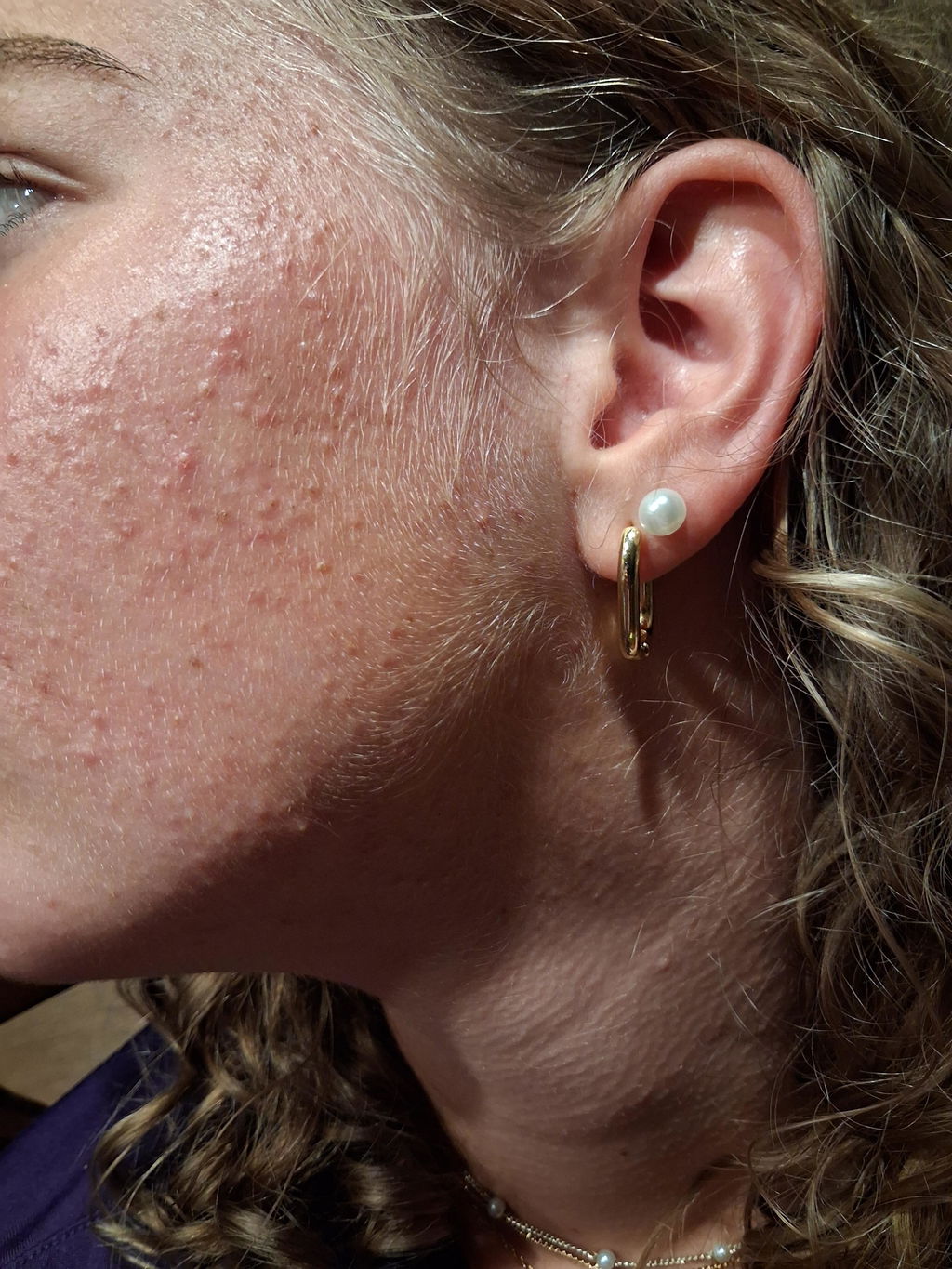
Summer is also prime season for fungal acne (pityrosporum folliculitis), those tiny uniform bumps that don’t respond to traditional acne treatments. Fungal acne thrives in hot, humid environments and feeds on the oils your skin is overproducing.
The gut connection? Candida overgrowth in your digestive tract often mirrors fungal overgrowth on your skin. When your microbiome is imbalanced, fungi that should stay in check multiply and migrate, including to your skin’s surface.
UV Damage Beyond Sunburn
We know UV exposure damages skin cells, but recent research shows it also disrupts your gut microbiome. A 2024 study in Photochemistry and Photobiology found that UV radiation triggers systemic inflammation that alters gut permeability, allowing endotoxins to leak into your bloodstream and trigger skin inflammation.
This is why your breakouts might appear on areas that weren’t even exposed to sun. The damage isn’t just topical. It’s systemic.
Fall: The Stress-Cortisol Spiral
September hits and suddenly everyone’s talking about “back to school” stress, but for adults, fall brings its own pressure cooker: end-of-year work deadlines, holiday planning, shorter days, and that low-grade anxiety that comes with darker mornings.
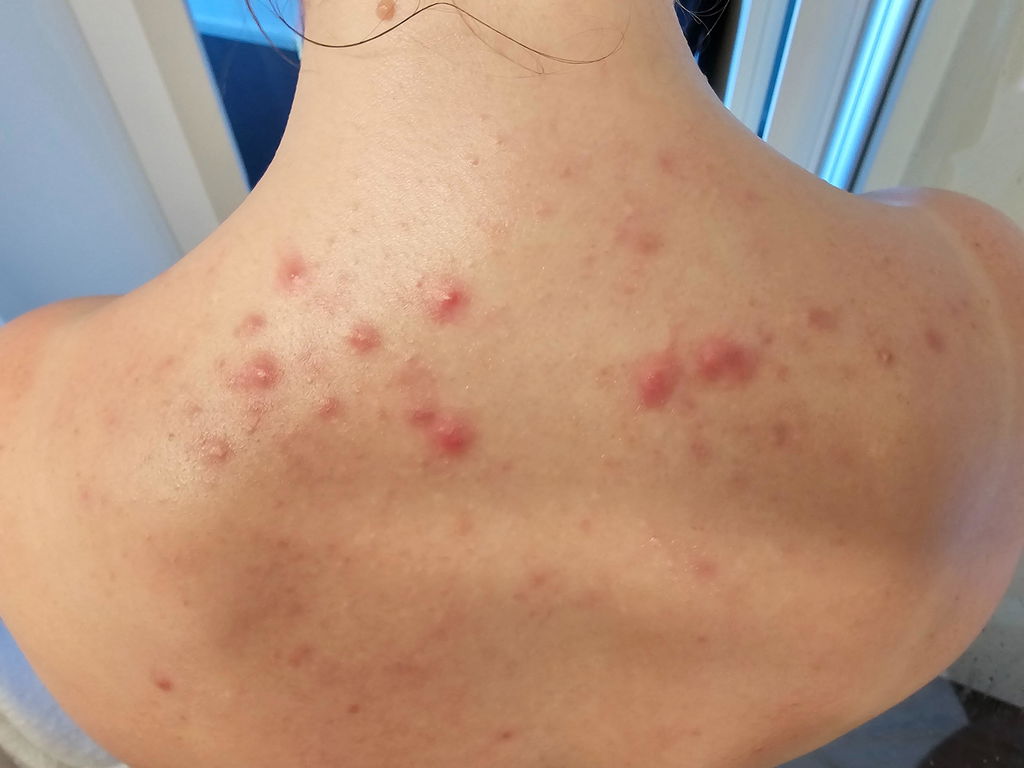
I used to get my worst breakouts in October and November. Deep, painful cysts along my jawline that would take weeks to heal. I blamed it on “stress acne,” but I didn’t understand the mechanism until I started researching cortisol’s effect on gut health.
Cortisol Destroys Your Microbiome
When you’re stressed, your body pumps out cortisol. Short-term, this is helpful. Long-term (like the chronic low-level stress of fall), it’s devastating to your gut.
Cortisol reduces the diversity of your gut bacteria, increases intestinal permeability (leaky gut), and suppresses the beneficial bacteria that keep inflammation in check. A study in Brain, Behavior, and Immunity found that just two weeks of elevated cortisol reduced beneficial Lactobacillus strains by 40%.
Less good bacteria means more inflammation. More inflammation means more acne.
The Comfort Food Trap
Fall also brings dietary shifts that compound the problem. We swap salads for stews, add more bread and pasta, reach for pumpkin spice everything (loaded with sugar), and drink less water as temperatures drop.
These foods aren’t inherently bad, but they feed different bacteria than summer’s lighter fare. If your gut is already stressed from cortisol, adding a sudden influx of starches and sugars can trigger rapid dysbiosis and the breakouts that follow.
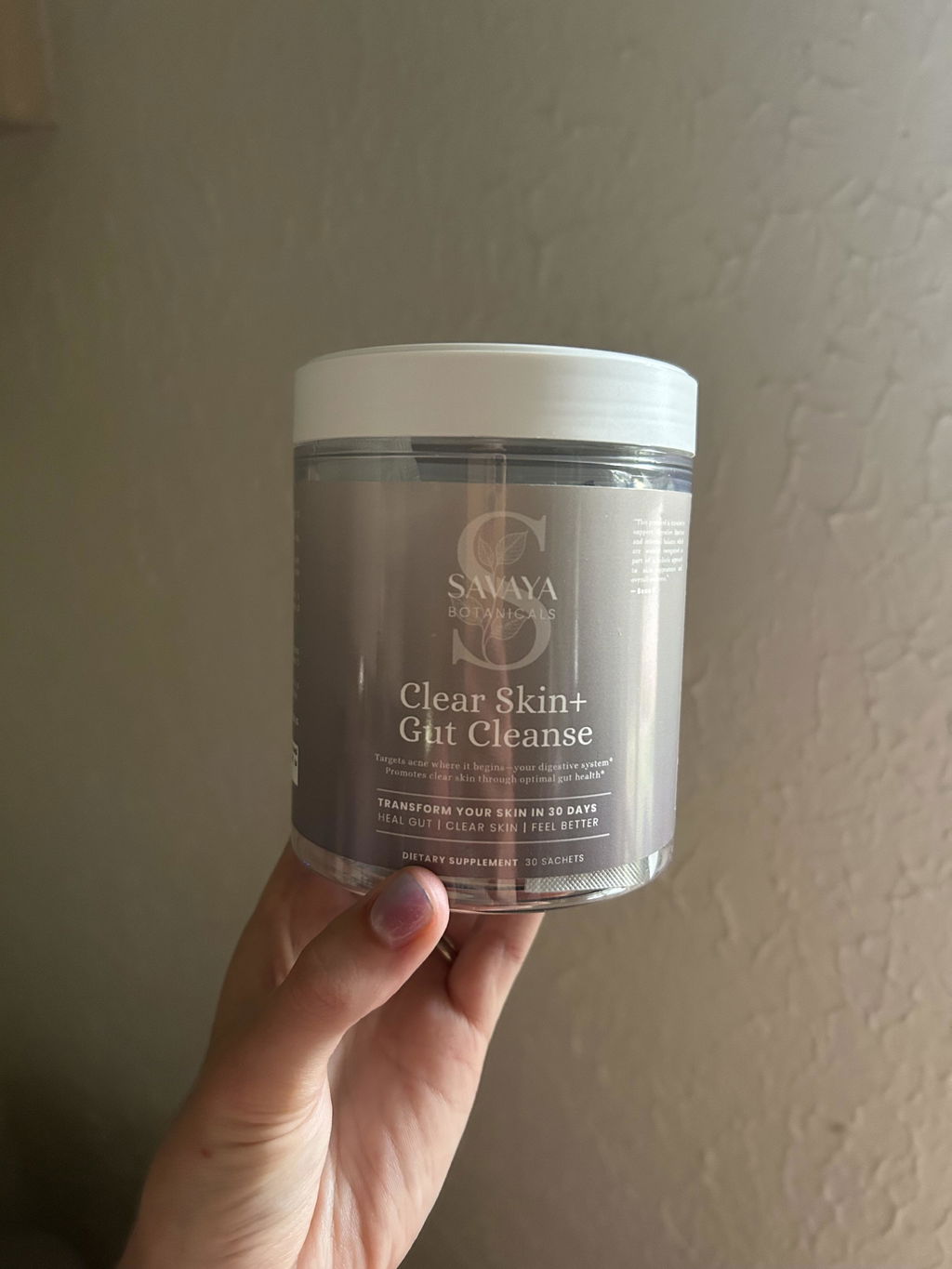
This is where a gut reset can make all the difference. I started using Microbiome Gut Cleanse every October, right when I’d historically break out, and it was the first fall in five years my skin stayed clear through November. It’s not magic — it’s just giving your microbiome the support it needs during a vulnerable transition.
Winter: The Dryness-Inflammation Paradox
Winter breakouts are the cruelest because they make no intuitive sense. Your skin is dry, flaky, tight. You’re moisturizing constantly. And yet: cystic acne, inflamed patches, texture that won’t quit.
How can skin be dry AND broken out?
Low Humidity Triggers Oil Overproduction
When humidity drops (indoor heating can reduce indoor humidity to 10-20%, compared to a healthy 40-50%), your skin’s moisture barrier breaks down. In response, your sebaceous glands go into overdrive, producing excess oil to compensate.
But this oil isn’t the same as healthy sebum. It’s thick, sticky, and prone to clogging pores. Mix that with dead skin cells that aren’t shedding properly due to dehydration, and you’ve got a recipe for comedones and cysts.
The Vitamin D-Gut Connection
Winter also brings vitamin D deficiency, and this matters more than you think. Vitamin D isn’t just for bones — it’s critical for gut health and immune regulation.
Research published in Gut Microbes found that vitamin D deficiency reduces microbial diversity and increases inflammatory markers in the gut. This creates a cascade: dysbiosis triggers systemic inflammation, which shows up as acne, eczema, and rosacea.
A 2023 study in JAMA Dermatology tracked 892 acne patients through winter months and found that those with vitamin D levels below 20 ng/mL had 3.2 times more severe breakouts than those with levels above 30 ng/mL.
Comfort Food Redux
Winter is also peak season for inflammatory comfort foods: dairy-heavy dishes, refined carbs, sugary desserts. We’re biologically wired to crave these foods when it’s cold (our ancestors needed the calories), but our modern sedentary lifestyles mean we’re not burning them off.
These foods feed pathogenic bacteria, spike blood sugar (which triggers insulin and IGF-1, both of which increase sebum production), and promote inflammation that travels from gut to skin.
This is when I lean hardest on grass-fed tallow cream. It’s the only moisturizer that’s ever repaired my winter barrier without clogging my pores. Tallow’s fatty acid profile mimics human sebum, so your skin actually recognizes it and uses it to rebuild instead of just sitting on the surface.
Spring: Allergies, Histamine, and the Pollen-Gut Link
Spring was my personal hell for years. Just as my skin would start recovering from winter, March would hit and I’d wake up with hives, inflamed patches around my nose and cheeks, and a texture that looked like someone had taken sandpaper to my face.
Dermatologists called it “allergic contact dermatitis.” Allergists said it was seasonal allergies. Nobody connected the dots until I started researching histamine intolerance.
Pollen Doesn’t Just Affect Your Nose
When pollen counts spike, your immune system releases histamine to fight off what it perceives as invaders. For most people, this means sneezing and itchy eyes. But if your gut is already compromised, histamine becomes a whole-body problem.
Your gut produces 50% of your body’s histamine and contains the enzymes (DAO and HNMT) that break it down. When your microbiome is imbalanced, these enzymes don’t work properly, and histamine accumulates.
Excess histamine causes systemic inflammation, dilates blood vessels (hello, redness and flushing), and triggers mast cells in your skin to release inflammatory compounds. The result: breakouts, hives, eczema flares, and rosacea.
The Spring Cleanse Myth
Spring is also when wellness culture pushes “cleanses” and “detoxes” — most of which involve juice fasts, laxatives, or extreme calorie restriction. These approaches wreck your gut microbiome by starving beneficial bacteria and stripping your digestive lining.
Real gut healing doesn’t come from deprivation. It comes from nourishment.
This is why sea moss became a staple for me every spring. It’s a prebiotic powerhouse with 92 trace minerals that feed beneficial bacteria, plus it’s naturally anti-inflammatory and supports DAO enzyme production (the enzyme that breaks down histamine). I take it for 30 days starting in mid-March, and it’s the only thing that’s ever stopped my spring skin freak-outs.
The Gut-Allergy Feedback Loop
Here’s the kicker: seasonal allergies make your gut worse, and a worse gut makes allergies worse. It’s a feedback loop.
A 2024 study in Allergy found that patients with spring pollen allergies had significantly lower levels of Akkermansia muciniphila (a keystone gut bacteria) during allergy season. When researchers gave these patients prebiotics to restore Akkermansia, their allergy symptoms decreased by 35% and their skin inflammation markers dropped by 41%.
Your gut and your skin aren’t separate systems. They’re one integrated network, and seasonal triggers affect both simultaneously.
Breaking the Cycle: What Actually Works
Once I understood that my seasonal acne wasn’t a skin problem but a gut-environment mismatch problem, everything changed.
I stopped buying new serums every time the weather shifted. I stopped blaming my routine. I started focusing on what actually mattered: supporting my gut through seasonal transitions.
Here’s what works:
- Anticipate the transition. Don’t wait until you’re broken out. Start gut support two weeks before the season changes.
- Track your patterns. Keep a simple log of when your skin flares and what’s happening environmentally. You’ll start to see the patterns.
- Support your barrier. Whether it’s winter dryness or summer humidity, a compromised skin barrier makes everything worse. Use ingredients your skin recognizes, like tallow or plant oils.
- Feed your gut intentionally. Prebiotics, minerals, and anti-inflammatory foods matter more than any topical ever will.
- Address stress. Cortisol is a gut-skin destroyer. Sleep, movement, and nervous system regulation aren’t optional.
Your skin isn’t broken. It’s responding exactly as it should to the signals it’s receiving from your gut and your environment.
Once you start treating it as a communication system instead of a problem to fix, everything becomes clearer.
Frequently Asked Questions
Can seasonal acne be hormonal AND gut-related?
Absolutely. Hormones and gut health are deeply interconnected. Your gut microbiome helps metabolize and eliminate excess hormones like estrogen and testosterone. When your gut is imbalanced, hormones can recirculate instead of being excreted, leading to hormonal acne. Seasonal changes can disrupt both your hormones (via stress, vitamin D, sleep changes) and your gut simultaneously, creating a compounding effect. It’s rarely just one thing.
How long does it take for gut healing to improve skin?
Most people see initial changes within 2-4 weeks of consistent gut support, but full healing can take 8-12 weeks. Your gut lining regenerates every 3-5 days, but rebuilding a balanced microbiome takes longer. Skin cell turnover is 28-40 days, so even after your gut improves, you’ll need to wait for a full skin cycle to see the complete results. Be patient. The changes are happening even when you can’t see them yet.
Do I need to avoid certain foods during seasonal transitions?
Not necessarily “avoid,” but being mindful helps. The foods that most commonly trigger gut-skin flares are dairy, refined sugar, alcohol, and highly processed foods. During seasonal transitions when your gut is already stressed, these foods can tip the scale toward dysbiosis. You don’t need to be perfect, but reducing them during vulnerable windows (2 weeks before and after a season change) can prevent breakouts before they start.
Is seasonal acne the same as rosacea or eczema?
They’re different conditions but they share the same root cause: inflammation driven by gut dysbiosis and environmental triggers. Seasonal acne is typically comedones and cysts. Rosacea is redness, flushing, and sometimes pustules. Eczema is dry, itchy, inflamed patches. All three are linked to gut health, histamine intolerance, and barrier dysfunction. The treatment approach (gut healing, barrier support, anti-inflammatory strategies) works for all three, even though they look different on the surface.
Can topical treatments help at all, or is it all about the gut?
Topicals absolutely help, but they work best when combined with internal support. Think of it this way: if your gut is pouring inflammatory signals into your bloodstream, topicals are trying to put out a fire that’s being fueled from the inside. But when your gut is balanced, topicals can support your barrier, reduce surface bacteria, and speed healing. The most effective approach is both: heal the gut to stop the root cause, and use targeted topicals to support your skin barrier and manage surface symptoms while you heal.