By Sarah Mitchell · Holistic Health Writer · March 27, 2026
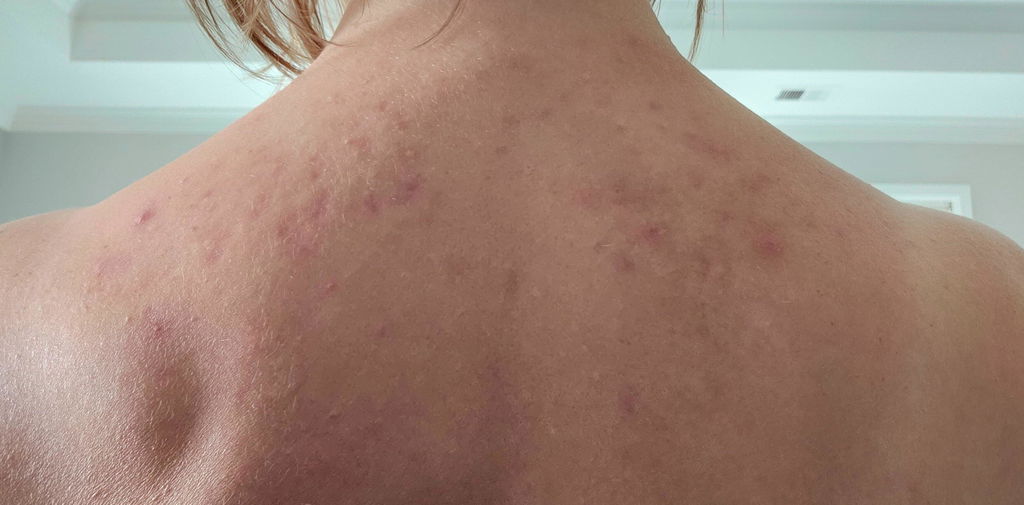
Nobody tells you this when you're standing in the skincare aisle: most persistent skin problems are not skin problems.
They're gut problems. Showing up on your face.
I know this sounds like something your wellness-obsessed friend says, but I'm talking about peer-reviewed research in Nature, Gut Microbes, and the Journal of the American Academy of Dermatology. The gut-skin axis is an established field of study, and the data is impossible to ignore once you see it.
Here are the 5 signs that your gut — not your pores — is the problem.
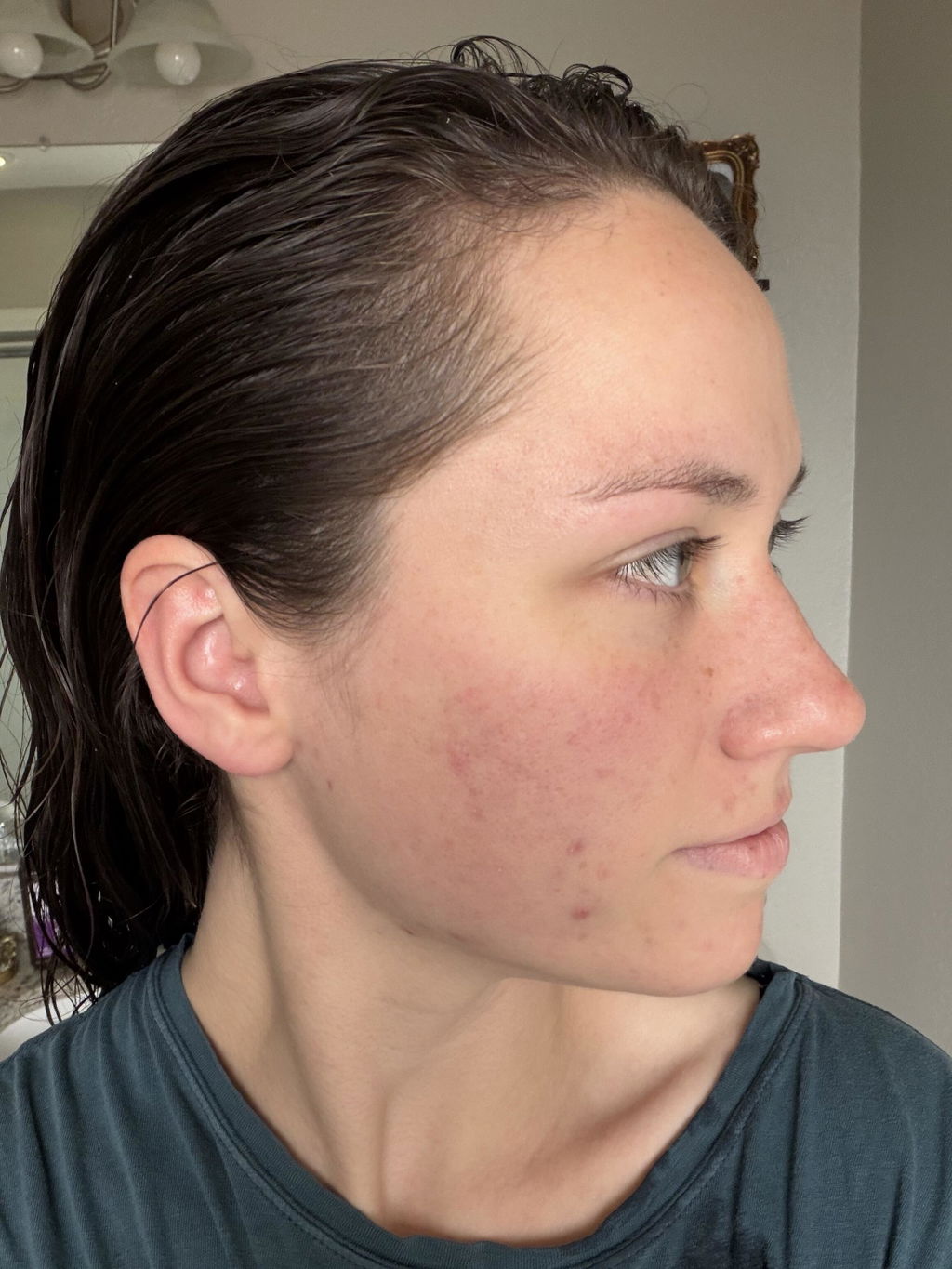
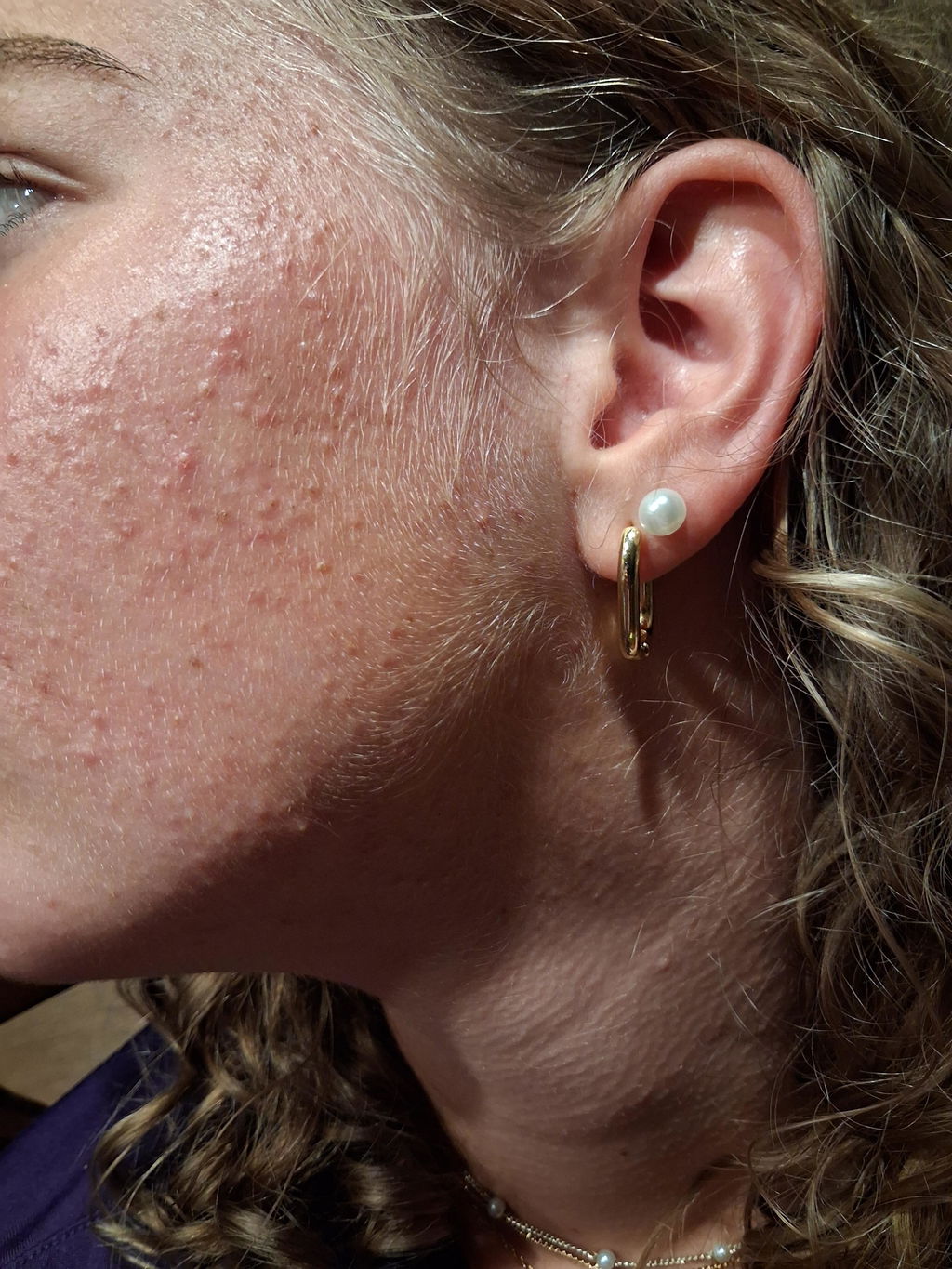
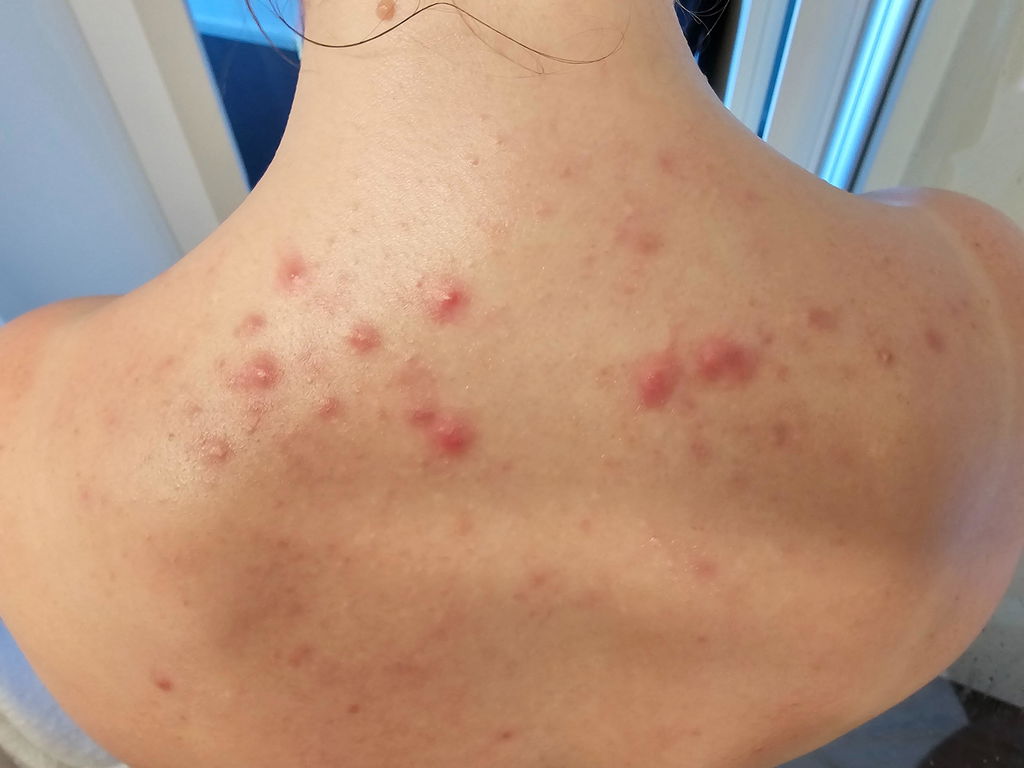
Sign #1: Your Breakouts Come Back No Matter What You Try Topically
This is the most common pattern: you find a routine that works, it clears your skin for a few weeks, and then the breakouts return. You switch to a new product. Same cycle.
This is exactly what you'd expect if the root cause is systemic inflammation originating in the gut rather than something happening on the skin surface. Topical products can suppress the symptoms, but they can't fix the source.
Research shows that 54% of acne patients have measurable gut dysbiosis — meaning their gut microbiome has a significantly different (and more inflammatory) bacterial profile than people with clear skin. Specifically: 40% more Proteobacteria (inflammatory) and 20% less Bifidobacterium (protective).
If your acne keeps cycling back, the gut is where to look. A targeted gut cleanse resets the microbiome rather than treating the symptom.
Sign #2: Bloating, Gas, or Irregular Digestion Alongside Skin Issues
When gut issues and skin issues appear together, they're usually not a coincidence. They share a common cause.
Leaky gut — increased intestinal permeability — allows bacterial endotoxins (called LPS) into your bloodstream. These endotoxins activate TLR4 receptors in the skin, triggering the exact same inflammatory cascade that produces acne lesions, redness, and eczema flares.
If you experience regular bloating, gas, food sensitivities, or alternating constipation and loose stools, your gut lining is almost certainly compromised. And that compromised lining is sending inflammatory signals to your skin every single day.
The fix involves both clearing the toxic load and rebuilding the gut lining. A full-spectrum protocol like the Max Detox addresses both phases: clearing and restoring.
Sign #3: Skin That's Constantly "Reactive" — Sensitive to Everything
If your skin reacts to fragrance, new products, sunscreen, even water, this is often a sign of a compromised skin barrier — and a compromised skin barrier is downstream of gut inflammation.
Here's the mechanism: gut bacteria produce short-chain fatty acids (SCFAs) like butyrate that directly regulate skin barrier function. Specifically, butyrate signals keratinocytes (skin cells) to produce ceramides — the lipids that form the protective outer layer of your skin.
No butyrate = no ceramide production from within = a perpetually fragile barrier that reacts to everything.
This is why people with eczema — the ultimate reactive skin condition — show a 54% rate of increased intestinal permeability. It's not a coincidence. It's the same pathway.
Fixing the barrier from the outside (tallow moisturizer) helps, but without fixing the internal ceramide production, you're applying patches to a leaking pipe.
Sign #4: Dull, Gray Skin That Never Really Glows
Skin luminosity — that lit-from-within quality that no highlighter truly replicates — requires consistent cellular turnover, adequate antioxidant protection, and proper collagen synthesis.
All three of these processes are directly mineral-dependent. Zinc drives skin cell renewal. Selenium and vitamin C power the antioxidant systems protecting skin from oxidative stress. Silica and vitamin C are required cofactors in collagen synthesis.
Most of us are deficient in multiple of these minerals because the modern food supply is stripped of them. The result is slow cell turnover, poor antioxidant defense, and sluggish collagen production — which collectively produce that flat, dull, prematurely aged complexion.
Sea Moss+ Vital Elixir™ addresses this from the mineral foundation level. Beauty + Collagen Strips™ layer in the collagen precursors that the mineralized cells need to rebuild structure. Together, they address the root cause of dullness rather than just reflecting light at the surface.
Sign #5: Hormonal Breakouts That Flare at Predictable Times
Hormonal acne — the deep, painful ones along your jawline and chin — is often blamed entirely on hormones. And hormones are certainly involved. But what's driving the hormone fluctuations?
The gut has a direct role in estrogen metabolism. The gut microbiome contains a collection of bacteria (called the "estrobolome") that regulate how estrogen is processed, recycled, or excreted. When the gut microbiome is dysbiotic, estrogen metabolism is disrupted — leading to the elevated estrogen and androgen patterns that drive hormonal acne.
This means addressing hormonal acne without addressing gut health is like trying to fix the overflow from a sink without turning off the tap.
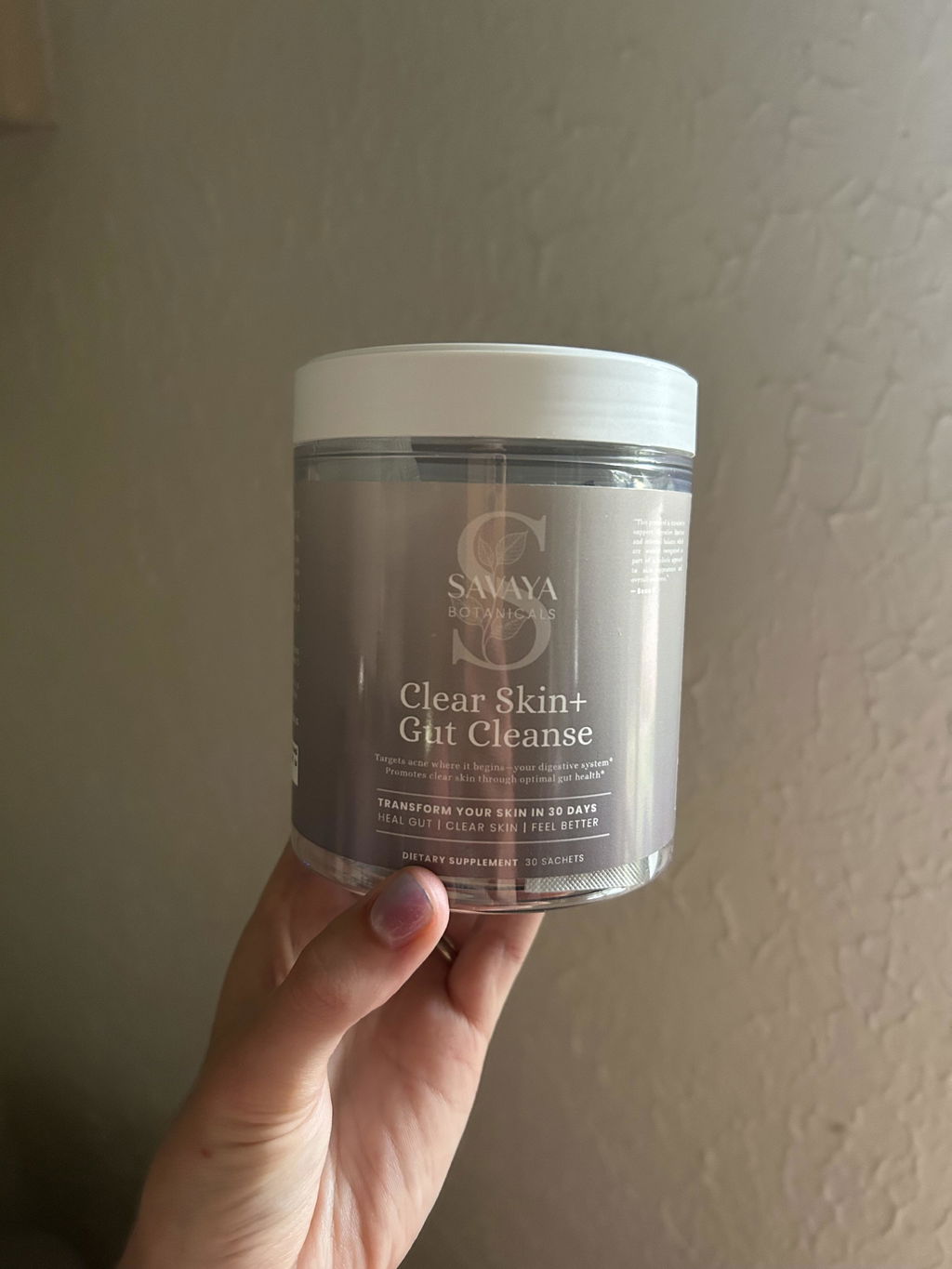
The Clear Skin+ Max Detox acai blend plays a role in this cycle — supporting the microbiome, helping support the liver's natural processes, and contributing to normal inflammatory balance amid hormonal fluctuations.
What to Do If You Recognize These Signs
The good news: the gut responds to intervention. The research is consistent — meaningful improvements in gut microbiome diversity, intestinal permeability, and skin outcomes are achievable within 8–12 weeks of targeted support.
The protocol that works, based on everything the research shows:
- Mineral foundation: Sea moss daily — covers the 92-mineral baseline your gut and skin both need
- Gut restoration: Microbiome gut cleanse — rebuilds the microbial environment driving skin inflammation
- Detox support: Max Detox protocol — clears the LPS and toxic load from a compromised gut lining
- Probiotic maintenance: Daily detox strips — maintains Bifidobacterium levels after the initial cleanse
- Topical support: Tallow moisturizer — rebuilds the external barrier while the internal one heals
Start with the gut. Every time.
FAQ: Gut Health and Skin Problems
How do you know if gut health is affecting your skin?
Key signs include: breakouts that cycle back despite topical treatment, digestive symptoms (bloating, irregular bowel movements) alongside skin issues, highly reactive/sensitive skin, persistent dullness, and hormonal breakouts along the jawline. These patterns strongly suggest gut dysbiosis or intestinal permeability is contributing to skin inflammation.
How long does it take to see skin improvement after gut cleanse?
Most people notice reduced redness and reactivity within 1–2 weeks. Fewer new breakouts typically appear at weeks 3–4. Significant improvement in overall clarity, tone, and texture is usually visible by weeks 8–12 of consistent gut support.
What is leaky gut and how does it affect skin?
Leaky gut (intestinal hyperpermeability) occurs when the gut lining becomes compromised, allowing bacterial endotoxins (LPS) into the bloodstream. These endotoxins activate inflammatory receptors in the skin (TLR4), triggering the same cascades that produce acne, eczema flares, and chronic redness. Research shows 54% of acne patients and 54% of eczema patients have measurable increased intestinal permeability.
Can probiotics clear skin?
Yes, research supports this. A meta-analysis of 227 patients found probiotics alone reduced acne lesions by approximately 32% over 12 weeks without any change to topical routine. Results are strongest when probiotics are combined with gut cleansing to first reduce the inflammatory bacterial overgrowth.