By Sarah Mitchell · Esthetician & Holistic Skin Coach · March 27, 2026
I have a confession: I spent two years putting prescription tretinoin on my face every night, peeling and flaking my way through what beauty editors promised would be "the glow-up of my life."
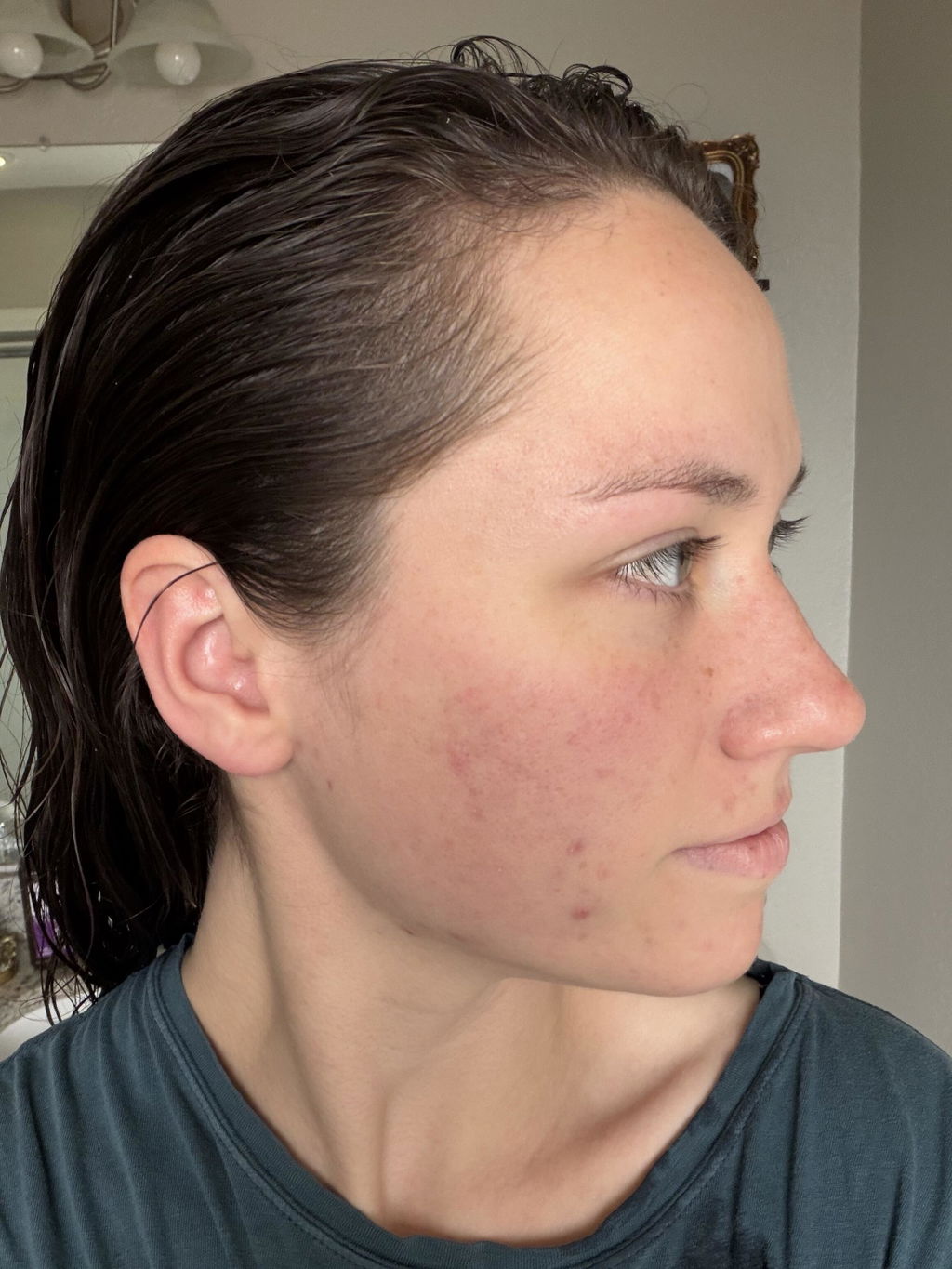
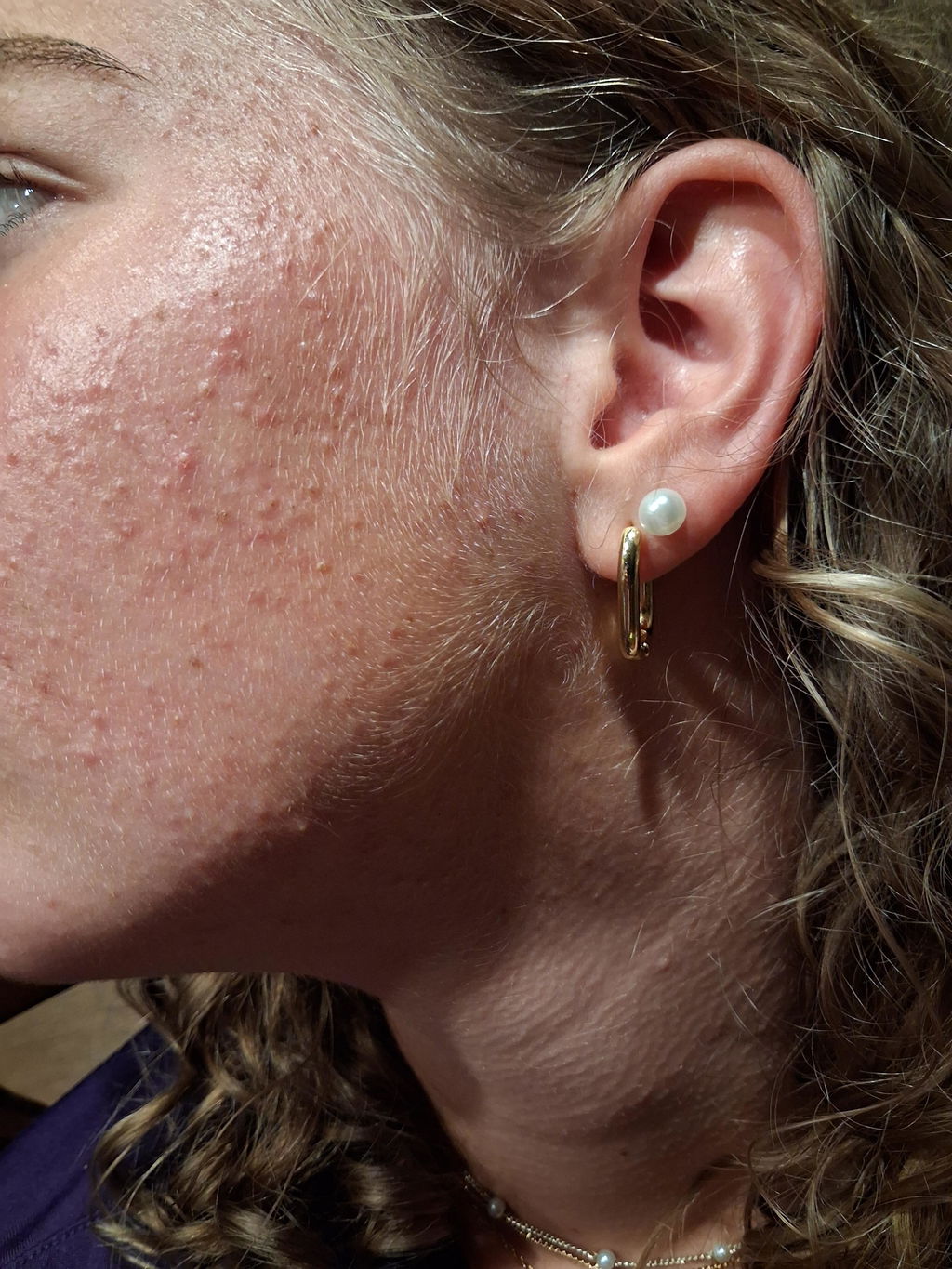
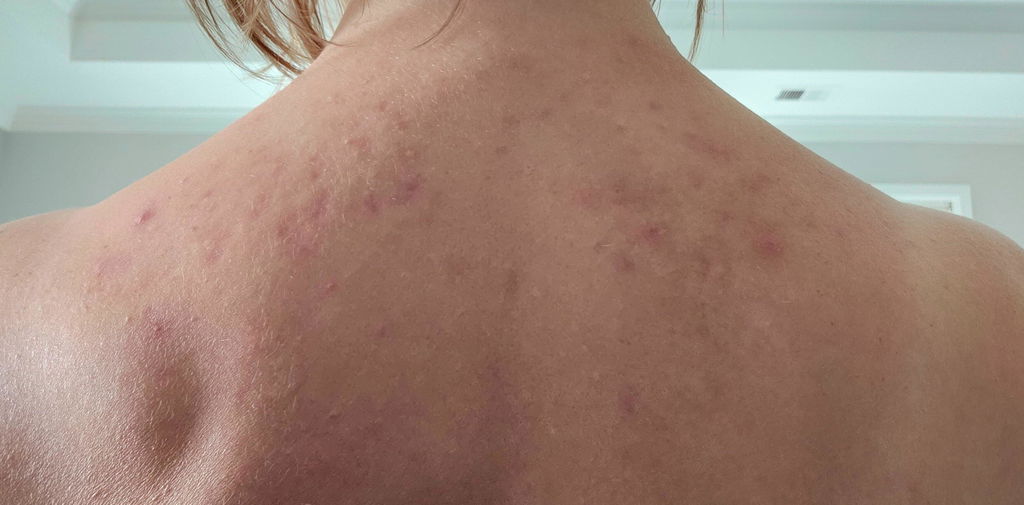
The glow-up came — eventually. But so did the chronic dryness, the purge breakouts, the sensitivity to literally everything, and the complete inability to use SPF without stinging.
Then I found bakuchiol. And I haven't touched a retinoid since.
Here's the honest comparison nobody is giving you — no brand bias, no affiliate footnotes, just what the research and my skin actually showed me.
What Is Bakuchiol and Why Is Everyone Suddenly Talking About It?
Bakuchiol is a meroterpene phenol extracted from the seeds and leaves of the Psoralea corylifolia plant — used in Ayurvedic and traditional Chinese medicine for over 2,000 years. It's not a new ingredient. What's new is the dermatological research confirming what traditional healers always knew.
In a landmark 2018 double-blind study published in the British Journal of Dermatology, bakuchiol was shown to deliver equivalent anti-aging and anti-acne results to 0.5% retinol — without the irritation, photosensitivity, or barrier disruption that makes retinol so difficult to use.
Same results. Fraction of the side effects. That's not marketing language — that's the peer-reviewed conclusion.
Retinol: What It Actually Does to Your Skin
Retinol works by binding to retinoic acid receptors in skin cells, accelerating cell turnover and stimulating collagen production. It also suppresses sebum production — which is why it's effective for acne.
The problem is the mechanism itself. Accelerated cell turnover means your skin is perpetually in a state of renewal, which sounds good but creates real vulnerabilities:
- Barrier disruption: New skin cells haven't fully matured, leaving gaps in the lipid barrier that allow transepidermal water loss.
- Photosensitivity: Immature cells are more vulnerable to UV damage — which is ironic for a product meant to slow aging.
- Purge breakouts: Accelerated turnover pushes congestion to the surface faster, causing temporary worsening before improvement.
- Rebound dependency: Many users find their skin worsens significantly when they stop retinol, because the skin's natural renewal rate has been suppressed.
What Bakuchiol Does Differently
Bakuchiol achieves similar gene-level effects to retinol — upregulating collagen I, III, IV, and XII, and reducing MMP-1 (the enzyme that degrades collagen) — but through a different molecular pathway that doesn't trigger retinoid-associated irritation.
It also provides antioxidant and anti-inflammatory activity that retinol doesn't — making it actively protective of the skin barrier rather than straining it.
Key advantages:
- Can be used morning and night (retinol is typically nighttime-only due to photosensitivity)
- Safe during pregnancy and breastfeeding (retinol is contraindicated)
- Compatible with every other active — no "you can't mix this with" list
- No purge period for most users
- Visibly improves skin texture within 4 weeks
My Personal Switch: What Actually Changed
After switching from tretinoin 0.025% to a bakuchiol serum, here's what I noticed in the first 8 weeks:
Week 1–2: Redness and tightness disappeared almost immediately. My skin stopped "reacting" to everything.
Week 3–4: Texture improvement became visible — the rough, slightly dry surface that I'd attributed to "normal skin" smoothed out noticeably.
Week 5–8: Tone evenness improved. Hyperpigmentation from old breakouts faded faster than it ever had on retinol.
I'm using the Bakuchiol Super Glow Serum — formulated with a concentration that delivers measurable results without the guesswork of DIY bakuchiol blends. It pairs naturally with the tallow-based moisturizer I use at night for barrier support.
Who Should Still Use Retinol?
I'm not going to pretend retinol is useless. For severe cystic acne that hasn't responded to anything else, prescription tretinoin can be a legitimate clinical tool under dermatologist supervision.
But for the vast majority of women using retinol for anti-aging, general brightening, or mild-moderate acne — bakuchiol delivers equivalent outcomes without the drawbacks. There's simply no reason to start with the harsher option when a gentler alternative has been scientifically validated.
The Skin Health Stack That Actually Works
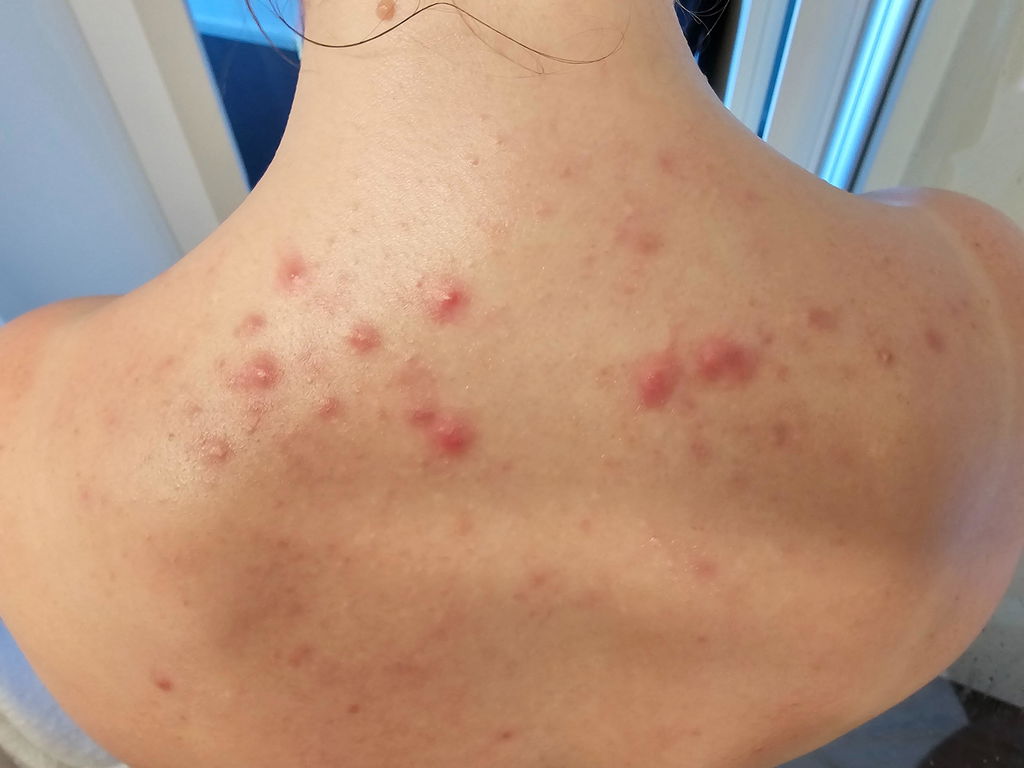
The mistake most people make is treating skin as a topical problem. The bakuchiol serum handles the surface level — collagen, texture, pigmentation. But the root drivers of acne and premature aging are internal: gut inflammation, mineral deficiencies, hormonal imbalances.
The protocol I follow now:
- AM: Bakuchiol serum + SPF
- PM: Bakuchiol serum + tallow moisturizer for barrier repair
- Daily: Sea moss for mineral foundation + internal skin support
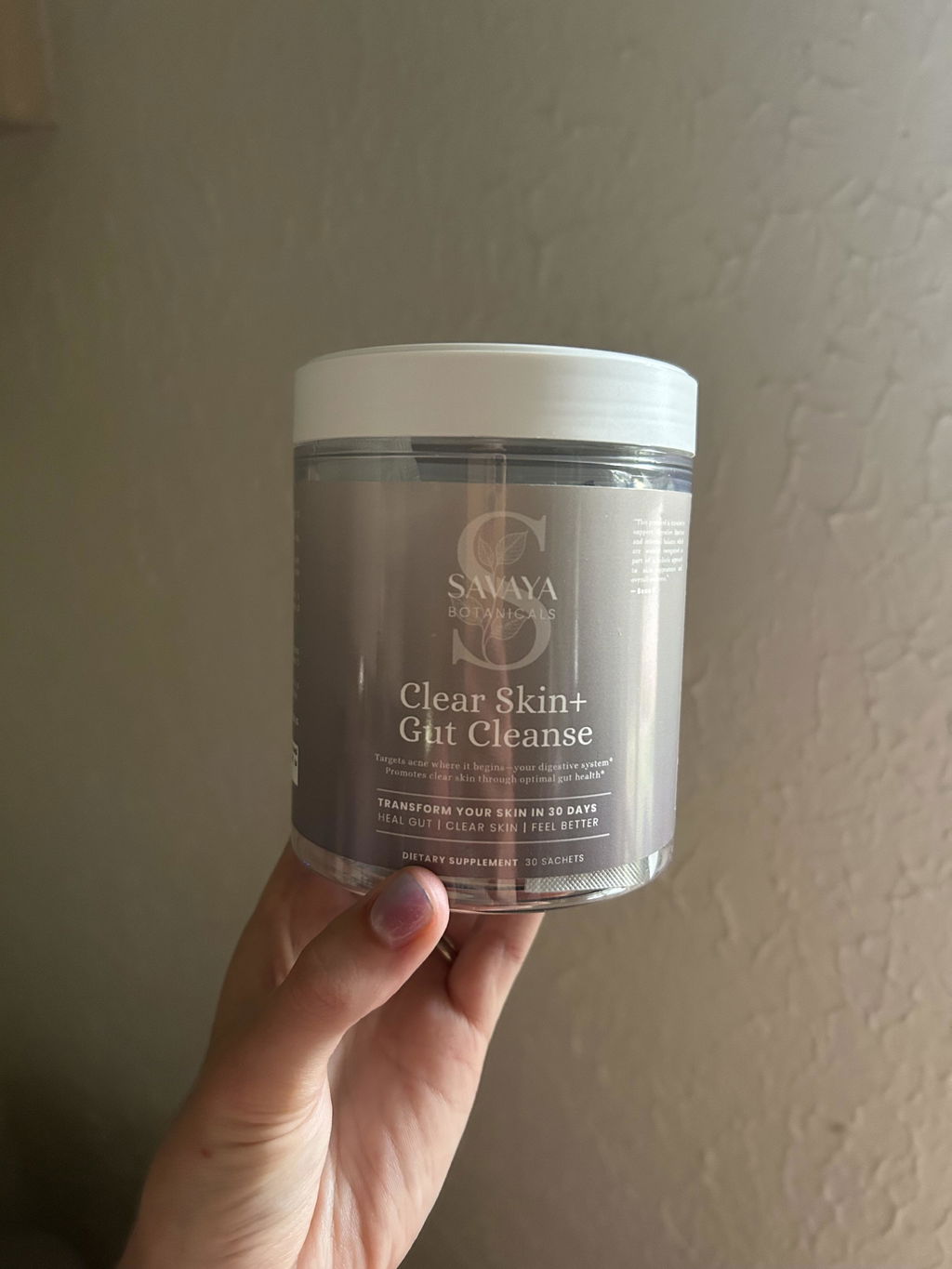
- Monthly: Gut cleanse to manage the inflammation driving new breakouts
Inside and outside, addressed simultaneously. That's what moved the needle when nothing else did.
FAQ: Bakuchiol vs Retinol
Is bakuchiol as effective as retinol?
Yes. A 2018 double-blind study in the British Journal of Dermatology showed bakuchiol produced equivalent improvements in fine lines, pigmentation, elasticity, and firmness compared to 0.5% retinol after 12 weeks — with significantly fewer side effects.
Can I use bakuchiol in the morning?
Yes. Unlike retinol, bakuchiol does not increase photosensitivity and is safe for daytime use. Many users apply it both morning and evening for faster results.
Does bakuchiol cause a purge?
Most users do not experience a purge period with bakuchiol. Because it doesn't aggressively accelerate cell turnover the way retinol does, the barrier disruption that causes retinol purging typically doesn't occur.
Who should use bakuchiol instead of retinol?
Pregnant or breastfeeding women (retinol is contraindicated), anyone with sensitive or reactive skin, people who've struggled with retinol side effects, and anyone wanting retinol-equivalent results without the irritation protocol.