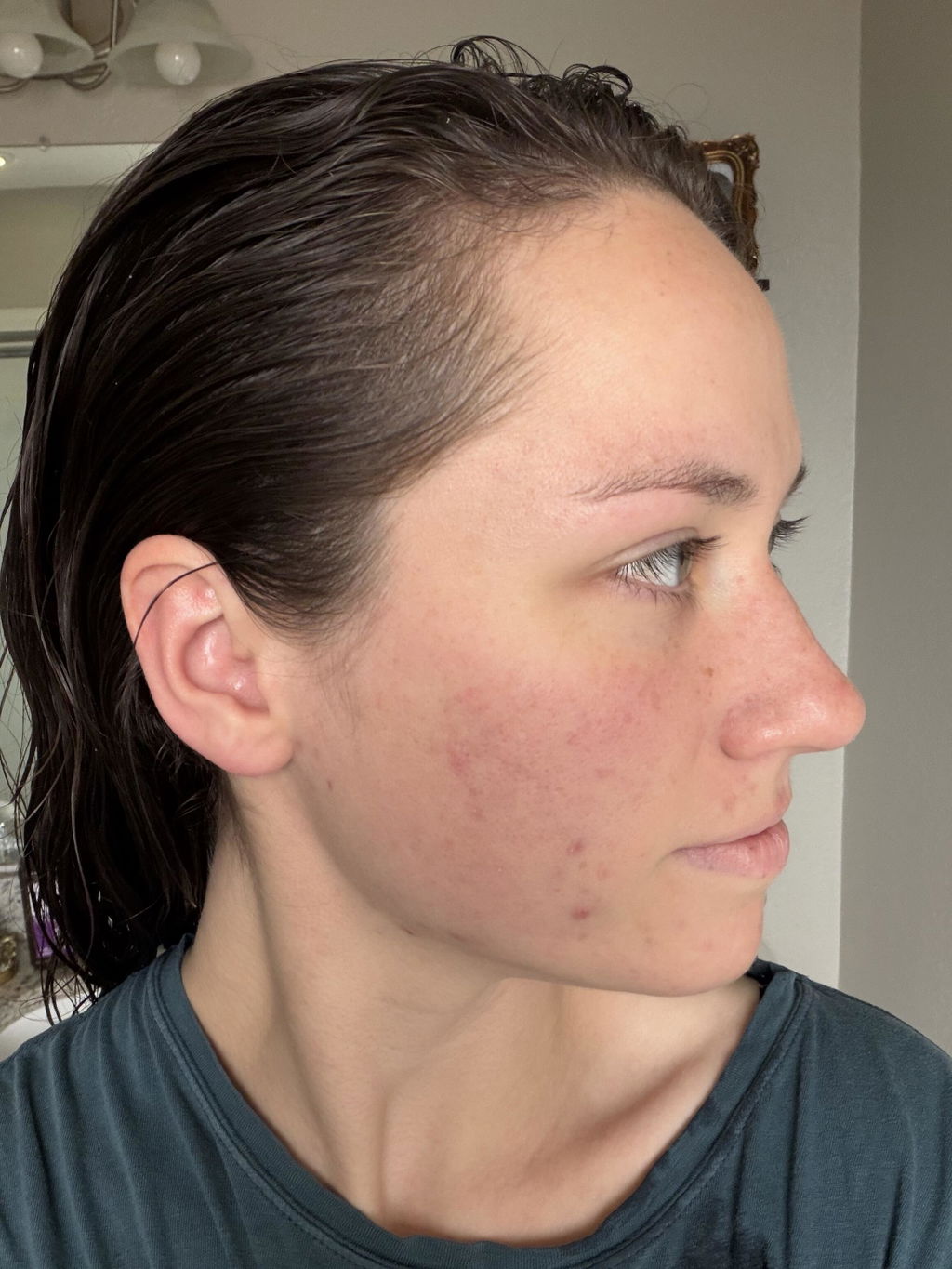
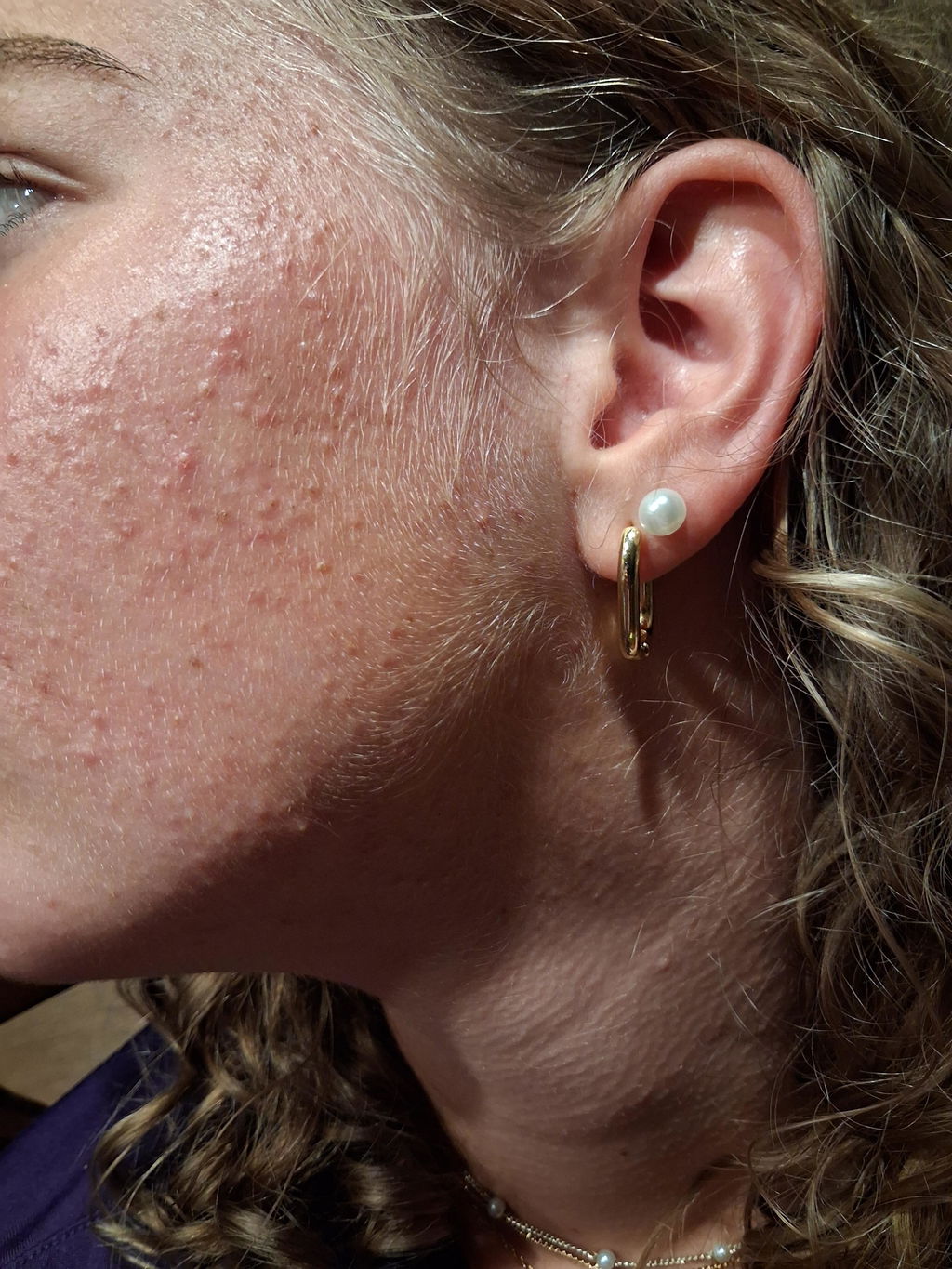
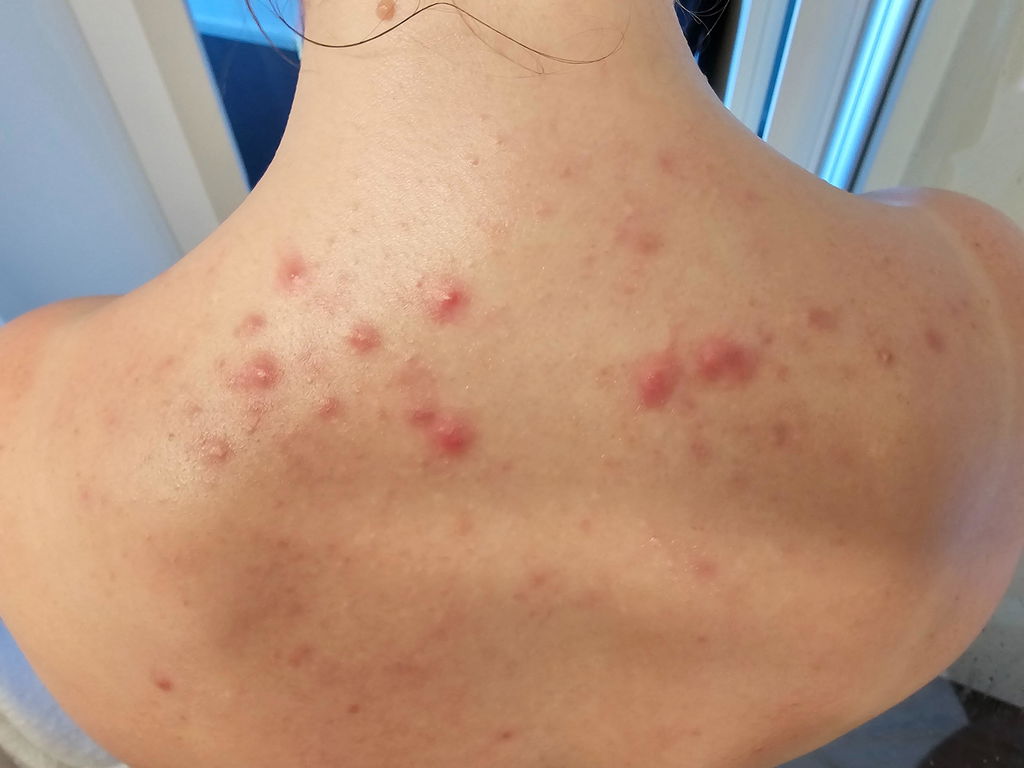
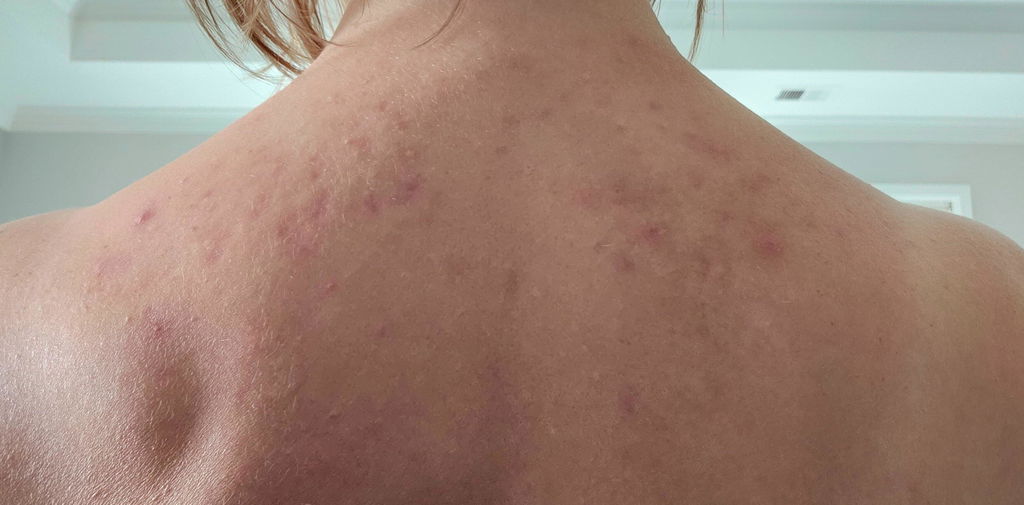
I spent $437 on probiotic supplements last year. I tracked every dollar, every brand, every strain count. By month four, my skin was worse than when I started — cystic breakouts along my jawline, a persistent rash on my chest that wouldn't quit. The fancy refrigerated capsules with "50 billion CFU" on the label had done absolutely nothing.
That's when I stopped reading the marketing and started reading the actual research. What I found made me genuinely angry.
Most probiotic supplements are useless for your skin. Not because probiotics don't work, but because the industry has been selling us the wrong half of the equation. If you've been popping capsules hoping for clear skin and watching absolutely nothing happen, this one's for you.
Probiotics vs Prebiotics: The Difference Nobody Bothers to Explain
Let me put this in plain language. Probiotics are the bacteria themselves — live microorganisms you swallow hoping they'll colonize your gut. Prebiotics are the food those bacteria eat. They're the fibers and compounds that feed the good bugs already living inside you.
Think of your gut as a garden. Probiotics are seeds you scatter. Prebiotics are the soil, water, and sunlight. You can throw seeds at concrete all day long. Without the right environment, nothing grows.
The skincare industry has been obsessed with seeds. Meanwhile, the real research is screaming about soil.
Why Most Probiotic Supplements Don't Actually Work
Here's what they don't tell you on the bottle. Stomach acid sits at a pH between 1.5 and 3.5. That's acidic enough to dissolve a steak. When you swallow a probiotic capsule, somewhere between 80% and 99% of those "50 billion" bacteria are vaporized before they reach your intestines. Survival rates for most commercial strains in published human studies hover below 10%.
Then there's the strain problem. The label might say "Lactobacillus" but there are over 200 species of Lactobacillus and hundreds more sub-strains. They are not interchangeable. L. acidophilus does completely different things than L. rhamnosus, which does completely different things than L. plantarum. Most supplements list strains that have zero clinical research behind them — they're just cheap to manufacture in bulk.
And even if a strain survives the acid bath and happens to be the right one for your goal, it usually doesn't colonize. It passes through. Take the supplement for ninety days, stop, and within two weeks your microbiome looks exactly like it did before you started. You rented bacteria. You didn't buy them a home.
The Stanford Fermented Foods Study That Changed How I Eat
In 2021, researchers at Stanford published a study in the journal Cell that I genuinely think every person with skin issues should know about. The Sonnenburg lab took two groups of healthy adults. One group ate a high-fiber diet for ten weeks. The other group added six daily servings of fermented foods — yogurt, kefir, kimchi, sauerkraut, fermented vegetable brines, and kombucha.
The fermented food group saw something remarkable. Their microbiome diversity — the sheer number of different bacterial species in their gut — increased significantly. And nineteen different inflammatory markers in their blood went down. Including markers directly linked to inflammatory skin conditions.
The high-fiber-only group didn't see the same diversity boost. Fiber alone wasn't enough. The fermented foods delivered both prebiotic compounds and live cultures wrapped in a food matrix the body actually recognizes and absorbs.
That single study reshaped my entire approach. I stopped buying capsules. I started buying real food.
The Bacterial Strains Actually Linked to Clear Skin
If you're going to supplement, only two strains have meaningful peer-reviewed research behind them for skin specifically.
Lactobacillus rhamnosus GG is the most studied probiotic strain in the world. Research shows it modulates immune response and reduces the severity of atopic dermatitis in both children and adults. It's one of the few strains that has demonstrated meaningful gut survival in human clinical trials.
Bifidobacterium longum is associated with skin barrier function and reduced systemic inflammation. A French clinical trial using a B. longum lysate showed measurable improvements in skin sensitivity and barrier integrity over two months of consistent use.
If you read the back of a probiotic bottle and don't see specific strain designations — something like "L. rhamnosus GG" or "B. longum BB536" — put it back on the shelf. Generic genus names mean nothing. The exact strain is everything.
Prebiotic Foods That Feed Skin-Healing Bacteria
This is where the real magic happens. The bacteria already living in your gut — including the strains that produce short-chain fatty acids that calm skin inflammation — are starving. We eat about 15 grams of fiber a day on average. Our ancestors ate over 100. The good bugs are quietly dying off because we never feed them.
Here are the prebiotic foods that specifically support skin-friendly bacterial strains:
- Garlic, onions, leeks — rich in inulin and fructooligosaccharides
- Green bananas and cooked-then-cooled potatoes — loaded with resistant starch
- Asparagus, Jerusalem artichokes, dandelion greens
- Chicory root, jicama
- Cold oats, barley, and properly soaked legumes
- Sea vegetables — sea moss, kelp, dulse
That last one is the one nearly everyone misses. Sea moss contains a unique combination of soluble fibers (carrageenan and agar) plus 92 of the 102 minerals the human body actually uses. Those minerals — magnesium, zinc, selenium, iodine — are co-factors your gut bacteria need to do their jobs. You can dump all the fiber in the world into your digestive tract, but if the bacteria don't have the trace minerals to function, you're stocking a kitchen with no chef.
The Myths Quietly Killing Your Results
Myth 1: More CFUs equals better. A bottle that brags "100 billion CFU" usually means 100 billion of mostly dead, irrelevant bacteria. Strain specificity matters infinitely more than the headline count.
Myth 2: Refrigerated probiotics are always superior. Some strains (like Bacillus coagulans) are spore-forming and naturally shelf-stable. Refrigeration is a marketing signal, not always a quality one.
Myth 3: Probiotics fix bad eating. If you're eating processed food and industrial seed oils all day, no capsule will rescue your microbiome. The bacteria you want are killed by the diet you have.
Myth 4: Topical probiotics replace internal work. Probiotic skincare is a cute trend, but the gut-skin axis runs from inside out. You cannot serum your way out of dysbiosis.
Myth 5: You need probiotics forever. If your gut environment is right — fed properly with prebiotics and minerals — your native bacteria flourish on their own. Supplements are a bridge, not a destination.
What Actually Works (My Current Protocol)
After two years of trial and error, here's exactly what I do now.
I clear out first. Before adding anything, I run a quarterly reset using microbiome gut cleanse sachets. Trying to plant new bacteria in a gut full of overgrowth and biofilm is like landscaping over weeds. Twice a year I'll do the deeper acai-based detox protocol when my skin starts whispering that something heavier needs to shift.
Then I feed. Daily sea moss gel, fermented vegetables with at least one meal, and at least three of the prebiotic foods listed above every single day. I treat fiber the way most people treat protein — non-negotiable.
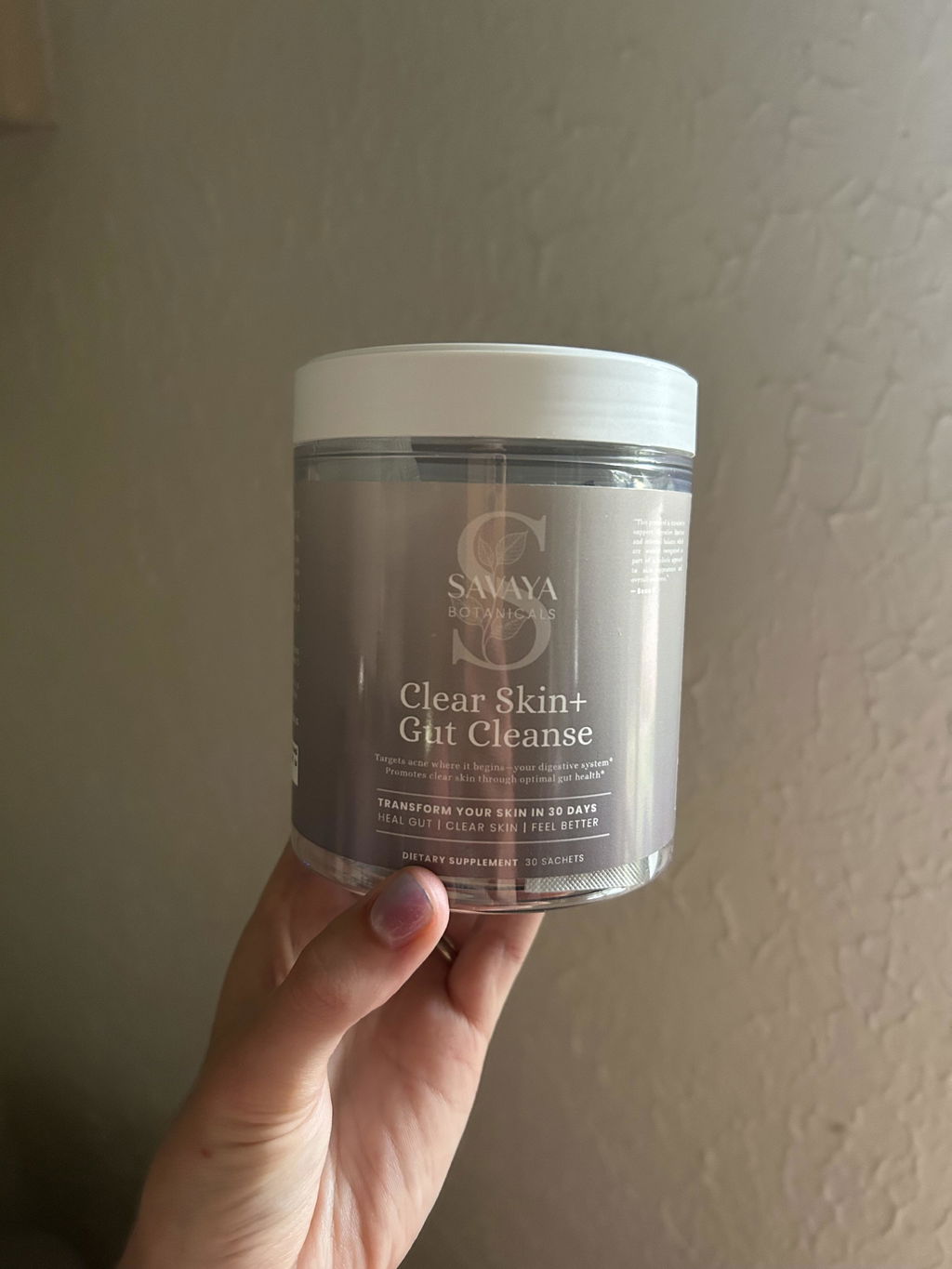
For consistent skin support I include Clear Skin+ Max Detox in my routine when I'm coming off a stressful season. It's a daily acai-based blend that helps support my skin, alongside everything else I do for my gut.
Topically I keep it minimal. Tallow cream at night to support the skin's lipid barrier — the skin microbiome lives in that lipid layer, and stripping it with harsh cleansers wrecks the whole ecosystem. I'll add collagen strips for connective tissue, because your skin is only as strong as the matrix underneath it.
———
Start Where It Matters Most
If you take one thing from this entire article, take this. Stop buying probiotic capsules and start feeding the bacteria you already have. Begin with a clean slate, then build the soil.
The microbiome gut cleanse is where I tell every friend to start. Two weeks. No miracle promises. Just a reset that finally lets the next thing you do actually work.
Frequently Asked Questions
Are probiotics or prebiotics better for skin?
For most people, prebiotics deliver more lasting impact. Probiotic supplements rarely survive stomach acid in usable quantities and don't permanently colonize the gut. Prebiotics feed the bacteria already living in you and create the environment in which skin-supporting strains naturally flourish on their own.
Can I get probiotics from food instead of supplements?
Yes, and the Stanford fermented foods study suggests food may actually outperform capsules. Six daily servings of yogurt, kefir, sauerkraut, kimchi, kombucha, or fermented vegetable brine increased microbiome diversity and reduced 19 inflammatory markers in just ten weeks of consistent intake.
How long does it take for gut health to improve skin?
Surface changes typically begin around weeks 4 to 6 of consistent gut work. Deeper improvements — barrier strength, less reactivity, fewer cystic breakouts — usually take 12 weeks. That timeline matches the full skin cell turnover cycle in the deeper dermal layer.
Is sea moss a probiotic or a prebiotic?
Sea moss is technically a prebiotic. It contains soluble fibers (carrageenan and agar) that feed beneficial gut bacteria, plus 92 trace minerals that act as co-factors for bacterial enzyme activity. It isn't a live culture, but it creates the conditions in which good bacteria thrive.
Which probiotic strains have the most research for skin?
Lactobacillus rhamnosus GG and Bifidobacterium longum have the strongest peer-reviewed evidence for skin benefits, particularly for inflammatory conditions like atopic dermatitis and skin barrier dysfunction. If a supplement doesn't list specific strain designations beyond the genus name, it likely lacks clinical backing.
———
— Sarah Mitchell, Holistic Health Practitioner