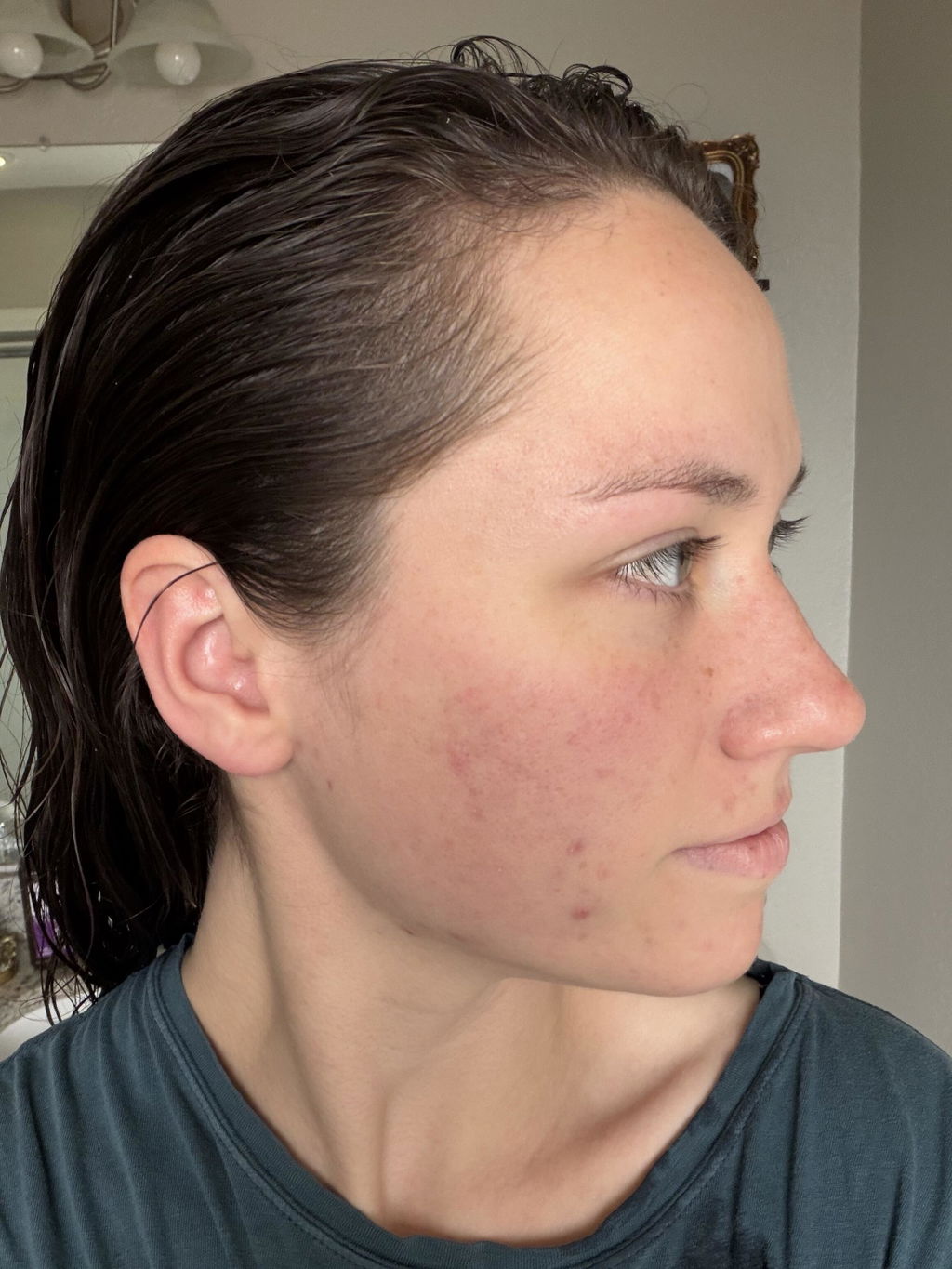
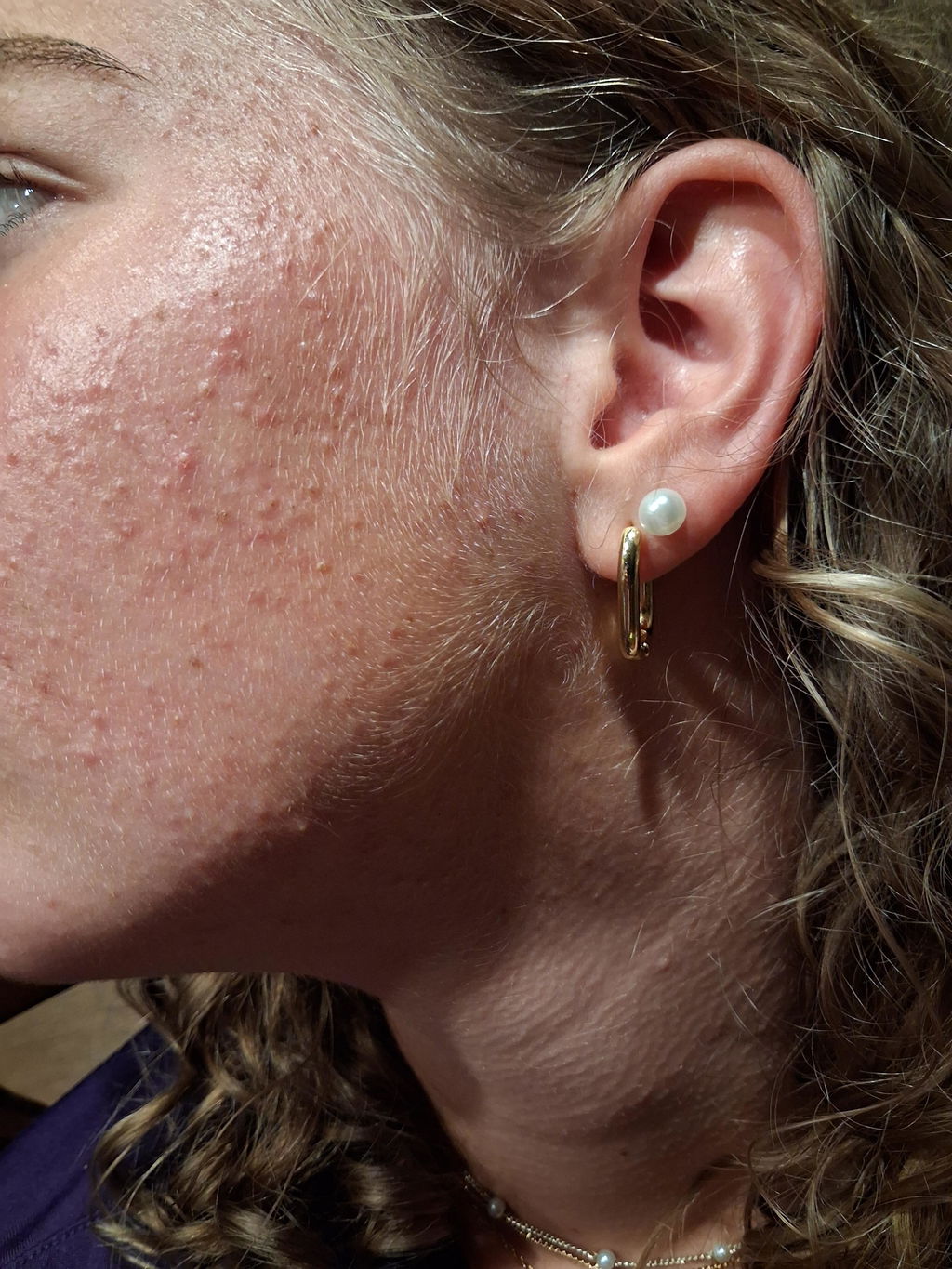
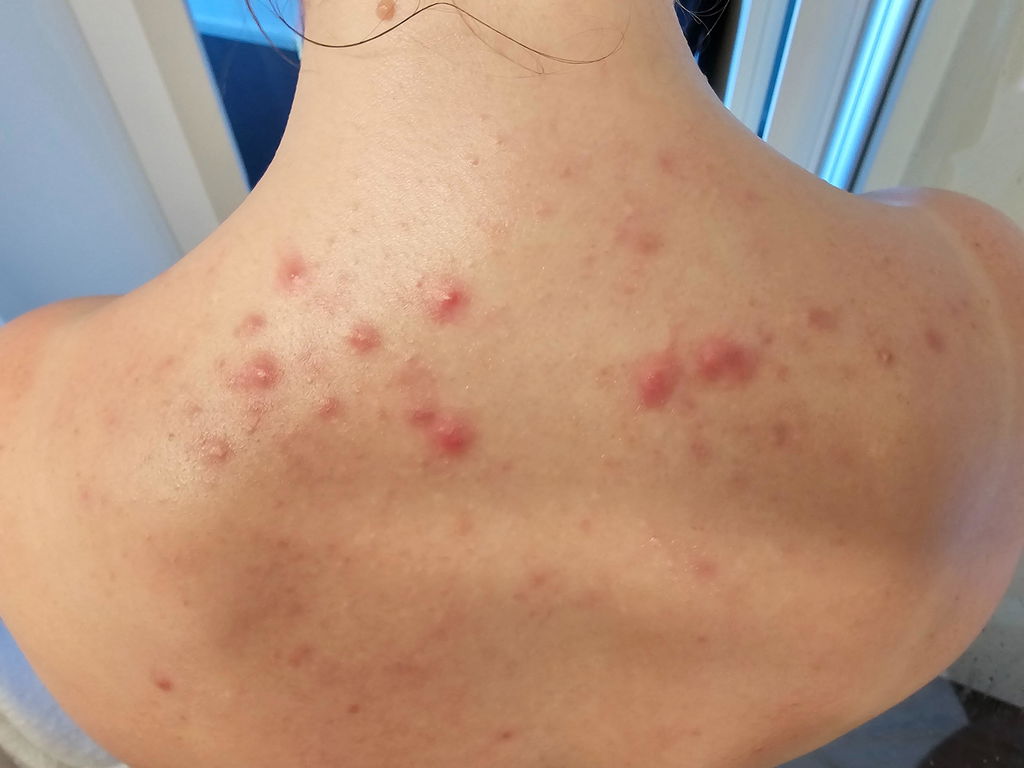
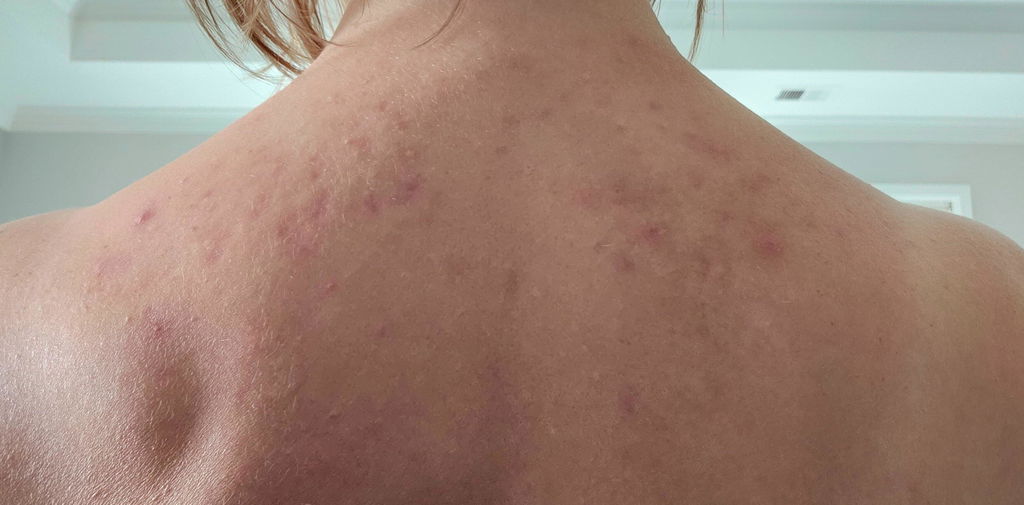
I used to think my cystic acne was genetic. My mom had it. My grandmother had it. At 32, I had tried every prescription retinoid, antibiotic, and ten-step skincare routine in existence. Nothing worked until I did something counterintuitive: I stopped treating my face and started healing my gut.
Within three months, the deep cysts along my jawline — the ones that had haunted me since my teens — flattened. My skin stopped flaring every time I ate. And the breakthrough didn't come from a new serum or a dermatologist appointment. It came from understanding that your skin is a mirror of your intestinal lining. When one breaks, the other follows.
The research on the gut-skin axis has exploded over the past decade, and what it reveals is uncomfortable: most of what we eat every day is quietly damaging the tight junctions in our intestinal wall. When those junctions loosen, undigested proteins, bacterial endotoxins, and inflammatory compounds leak into the bloodstream — a condition researchers call increased intestinal permeability, or more colloquially, leaky gut. Your immune system mounts a response, systemic inflammation climbs, and your skin ends up paying the bill.
Below are the eight foods I had to strip out before my skin finally cleared, along with the specific mechanism each one uses to tear up your gut lining.
1. Ultra-Processed Foods: The Inflammation Accelerant
Ultra-processed foods — think packaged cereals, microwave meals, flavored yogurts, store-bought sauces, protein bars, frozen pizza, and anything with more than five ingredients you cannot pronounce — are the number one driver of gut dysbiosis in the modern Western diet.
A 2024 BMJ umbrella review that analyzed 45 meta-analyses linked high ultra-processed food intake to 32 adverse health outcomes, including chronic systemic inflammation and impaired gut barrier function. Many of these foods contain emulsifiers like carrageenan, polysorbate-80, and carboxymethylcellulose, which have been shown in peer-reviewed mouse studies to directly erode the protective mucus layer lining the intestinal wall.
When that mucus layer thins, bacteria migrate closer to the epithelium, triggering the low-grade inflammation that eventually shows up on your face as red, tender papules along the jaw and cheeks.
2. Refined Sugar: The Glycation Problem
Refined sugar does not just spike insulin. It feeds pathogenic gut bacteria and yeast — particularly Candida albicans — while starving the Bifidobacteria and Lactobacilli that keep your skin calm and clear.
The acne connection runs deeper than most people realize. Dermatologist Dr. William Danby's foundational 2010 research demonstrated that high-glycemic-load diets elevate insulin-like growth factor 1 (IGF-1), which drives both excess sebum production and keratinocyte proliferation — the exact combination that clogs pores. Refined sugar also accelerates advanced glycation end-product (AGE) formation, which cross-links collagen and fuels oxidative stress in the skin.
A sugar-heavy diet is, biochemically speaking, a recipe for dull, inflamed, breakout-prone skin.
3. Dairy: The Casein A1 Story
If you have ever cut dairy and noticed your skin clear, there is a specific reason — and it is not fat content.
Most commercial cow's milk contains a protein variant called beta-casein A1, which, when digested, releases an opioid peptide called beta-casomorphin-7 (BCM-7). BCM-7 has been shown in multiple studies to increase intestinal inflammation, slow gut transit, and disrupt tight junctions. A 2016 paper in Nutrition Journal comparing A1 and A2 milk found that A1 significantly worsened gastrointestinal symptoms and raised inflammatory markers in human subjects.
Layer that on top of the whey-driven IGF-1 spike and the hormones naturally present in dairy, and you have a near-perfect acne trigger. A 2018 meta-analysis published in Nutrients reviewing 14 observational studies across more than 78,000 participants confirmed a clear dose-response relationship between dairy intake and acne severity.
4. Gluten: The Zonulin Pathway
You do not need celiac disease for gluten to damage your gut lining. Dr. Alessio Fasano's landmark research at Harvard identified a protein called zonulin that regulates the tight junctions between intestinal cells. Gliadin — the problematic fraction of gluten — triggers zonulin release in virtually everyone who eats it, temporarily loosening those junctions.
In a resilient gut, this opening is brief and self-correcting. But with repeated exposure, existing inflammation, or microbial imbalance, the tight junctions stay open longer than they should. That is the mechanical definition of leaky gut.
Fasano's 2015 paper in Nutrients, titled "Zonulin and Its Regulation of Intestinal Barrier Function," outlines exactly how this permeability cascade is implicated in autoimmune and inflammatory skin conditions — acne, rosacea, psoriasis, and eczema all trace back here.
5. Artificial Sweeteners: The Microbiome Wrecking Ball
"Zero calories" does not mean zero biological impact. The 2014 Suez et al. study published in Nature was the first landmark paper to show that non-caloric artificial sweeteners — specifically saccharin, sucralose, and aspartame — induce glucose intolerance by fundamentally altering the gut microbiome.
Sucralose, the active ingredient in Splenda, has been shown in follow-up research to reduce populations of beneficial bacteria by up to 50% after just 12 weeks of consumption. A 2023 paper in Cell Metabolism demonstrated that sucralose directly damages the intestinal epithelium in animal models and measurably impairs barrier function.
If you are drinking diet sodas, flavored seltzers, or sugar-free protein bars thinking you are doing your skin a favor, the data suggests you are likely making things worse — not better.
6. Industrial Seed Oils: The Omega-6 Overload
Soybean, corn, canola, sunflower, safflower, cottonseed, rice bran — these industrial seed oils are in nearly every restaurant meal, salad dressing, packaged snack, and "healthy" vegan product. They are also the single largest source of pro-inflammatory fats in the modern diet.
Dr. Artemis Simopoulos's extensive research on the omega-6 to omega-3 ratio shows that ancestral humans consumed these fats in a roughly 1:1 ratio. The modern Western diet sits at 20:1 or higher. That excess linoleic acid oxidizes easily, incorporates directly into your cell membranes (including sebum), and drives the 5-alpha-reductase pathway that converts testosterone to acne-promoting dihydrotestosterone.
Swap seed oils for extra-virgin olive oil, grass-fed butter, coconut oil, or beef tallow, and the change in skin clarity within 8 weeks can be striking. Grass-fed tallow is also one of the most bio-identical topicals you can put on human skin, because its fatty acid profile closely mirrors our own sebum.
7. Alcohol: The Endotoxin Highway
Even moderate alcohol intake increases gut permeability within hours of a single drink. A 2017 paper by Bishehsari and colleagues showed that ethanol directly damages intestinal tight junctions and promotes lipopolysaccharide (LPS) translocation into the bloodstream — a process known as metabolic endotoxemia.
LPS is the outer membrane fragment of gram-negative bacteria, and when it leaks out of a compromised gut, your immune system mounts an aggressive inflammatory response. That inflammation surfaces as redness, facial puffiness, dullness, and fresh breakouts — typically within 24 to 48 hours of drinking.
Alcohol also overworks the liver, pulling it away from its detoxification role. Excess hormones and metabolic waste that should be cleared through proper liver pathways end up circulating longer and being excreted through the skin instead.
8. Excess Caffeine: The Cortisol Spiral
I love coffee. But more than two cups a day — especially on an empty stomach — is a cortisol and acne problem for most people.
Caffeine stimulates adrenal cortisol release, and chronically elevated cortisol thins the intestinal mucosal lining, slows digestion, and suppresses secretory IgA (your gut's first line of mucosal immune defense). A 2014 study in the American Journal of Physiology — Gastrointestinal and Liver Physiology demonstrated that psychological and physiological stressors — including caffeine-induced sympathetic activation — significantly increase intestinal permeability within a matter of hours.
For the acne-prone, the cortisol spike also directly stimulates sebaceous glands, so you are hitting your skin with a double trigger: a damaged barrier and amplified oil production.
———
What to Eat Instead: The Gut-Healing Plate
Removing the eight foods above is only half the equation. The other half is actively rebuilding the intestinal lining with nutrients that feed the microbiome and repair those damaged tight junctions.
- Bone broth and collagen-rich foods: glycine and proline are the literal building blocks for intestinal epithelial repair.
- Fermented foods: raw sauerkraut, kimchi, goat kefir, coconut yogurt, and kombucha deliver living probiotics and postbiotic short-chain fatty acids.
- Prebiotic fibers: cooked-and-cooled potatoes, green plantains, garlic, onions, asparagus, and jicama feed your Bifidobacteria population.
- Wild-caught fatty fish: salmon, sardines, and mackerel deliver the omega-3 EPA and DHA that offset seed oil inflammation.
- Mineral-rich sea vegetables: sea moss, dulse, wakame, and nori provide trace minerals essential for enzymatic gut repair.
- Pastured animal fats: ghee, tallow, duck fat, and egg yolks deliver fat-soluble vitamins A, D, E, and K2 for epithelial regeneration.
- Polyphenol-rich plants: wild blueberries, pomegranate, turmeric, ginger, and matcha quench oxidative stress.
I lean heavily on sea moss in my own daily protocol — it naturally contains 92 of the 102 minerals your body needs, plus gentle prebiotic fiber that feeds your gut bacteria without stressing an already compromised lining.
The 12-Week Reset That Changed My Skin
Here is the truth no one selling you a 7-day cleanse wants you to hear: the gut lining turns over every 3 to 5 days, but the systemic inflammation that comes with leaky gut takes roughly 12 weeks to fully resolve. That is why every quick "skin detox" fails. Your skin cell cycle is 28 days. Your full gut repair cycle is closer to 90.
If you want to do this properly, structure it in three phases:
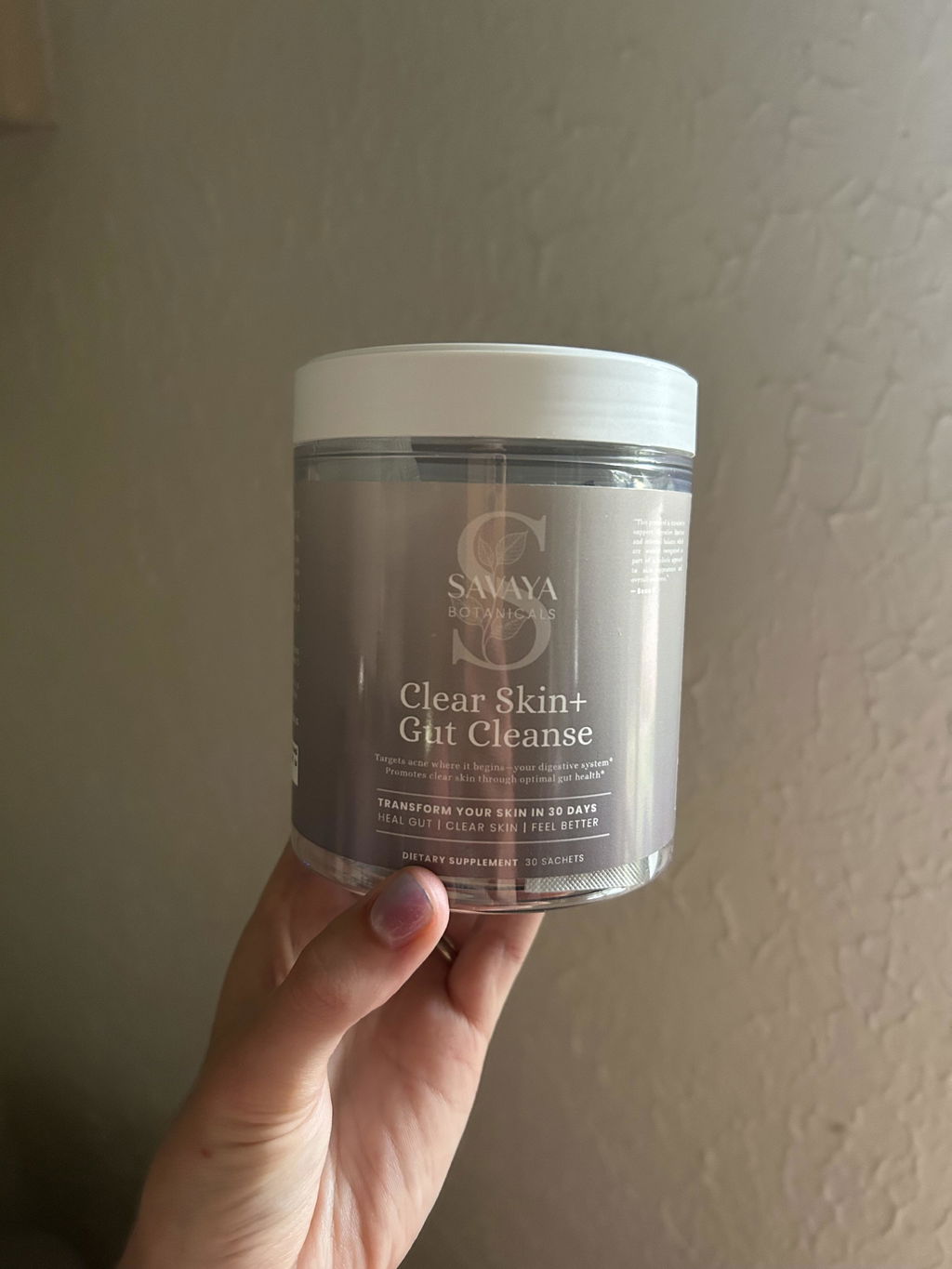
- Weeks 1-4 — Remove and reset. Cut the eight foods above. Support elimination and microbial rebalancing with daily microbiome gut cleanse sachets to clear the pathogenic overgrowth these foods have been feeding.
- Weeks 5-8 — Repair and restore. Layer in bone broth, collagen, fermented foods, and prebiotic fiber. This is where I added marine collagen strips to speed up epithelial healing and skin cell regeneration.
- Weeks 9-12 — Rebalance and reinforce. By this point your microbiome is shifting, nutrient absorption improves, and skin inflammation finally calms. A structured full-spectrum Max Detox protocol at this stage locks in the gains and clears the last of the accumulated metabolic debris.
I built my daily ritual around this exact blend. Clear Skin+ Max Detox is the acai-based pick I wish someone had handed me ten years earlier.
Frequently Asked Questions
How long before my skin clears after cutting these foods?
Most people notice early changes — less redness, fewer new breakouts, reduced puffiness — within 2 to 3 weeks. Deep cystic improvement typically requires the full 12-week cycle, because your gut lining needs time to rebuild and the skin cell cycle itself takes 28 days to complete.
Do I have to give up all eight foods forever?
No. Once your gut is healed and your skin has cleared, most people can reintroduce small amounts of some triggers — like occasional pastured A2 dairy or long-fermented sourdough — without breaking out. Ultra-processed foods, industrial seed oils, and artificial sweeteners are the three categories I would argue are never worth reintroducing.
Can I drink coffee at all during a gut reset?
Yes, but keep it to one cup per day, always with food rather than on an empty stomach, and switch to organic coffee (conventional coffee is one of the most heavily pesticide-sprayed crops in the world). Pairing your cup with L-theanine or a scoop of collagen helps buffer the cortisol response.
Is leaky gut a real medical diagnosis?
"Leaky gut" is the functional medicine term. The clinical term is increased intestinal permeability, and it is extensively documented in peer-reviewed research — particularly the zonulin work coming out of Dr. Alessio Fasano's lab at Harvard and Massachusetts General Hospital. Mainstream medicine is finally catching up, but the underlying science has been solid for more than a decade.
What is the single biggest food to cut first if I feel overwhelmed?
Industrial seed oils. They are hidden in nearly every restaurant meal and packaged product, they drive more inflammation per gram than any other single food category, and cutting them alone often produces visible skin improvement within four weeks.
———
Ready to Reset Your Skin From the Inside Out?
If you have been chasing topical solutions for months or years, it helps to look past the surface and support your body from within. Clear Skin+ Max Detox is the daily acai-based blend I lean on for that support, a simple addition for people who are done with surface-level fixes and want to address the root cause.
Your skin is not the problem. It is the signal. Heal what is underneath, and the skin will take care of itself.
— Sarah Mitchell, Holistic Health Practitioner