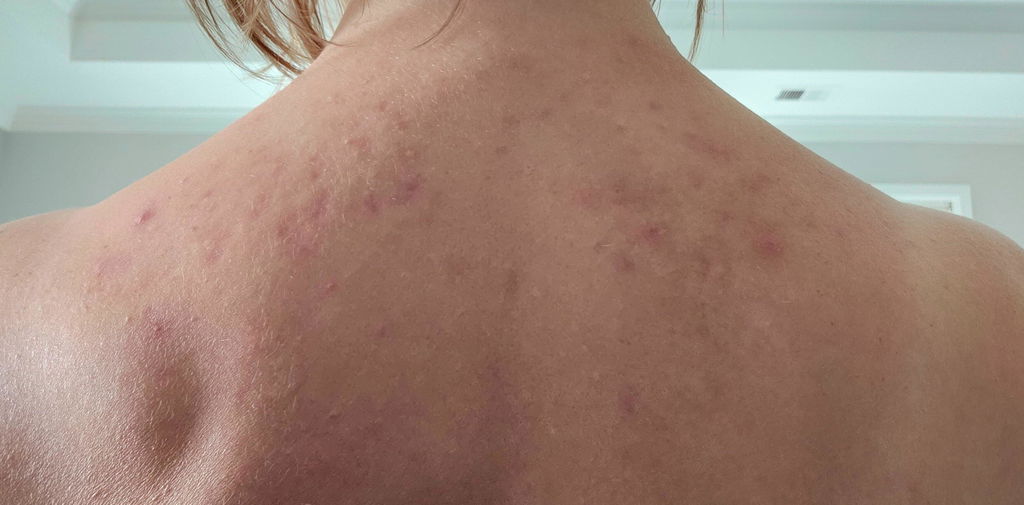
Most women I work with have a drawer full of probiotic bottles. They spent a fortune. The acne is still there. The bloating is still there. Their skin still flares the week before their period. The supplement industry told them the answer was in a capsule. The truth is more uncomfortable. Most of those probiotics never made it past the stomach, and the ones that did were the wrong strains for the skin issue they were trying to fix.
What Probiotics and Prebiotics Actually Do
Probiotics are live beneficial bacteria. Prebiotics are the plant fibers those bacteria eat. You need both for a working gut, but they are not interchangeable. The marketing world has blurred the line on purpose, and most labels tell you almost nothing about which strain or fiber you are actually putting into your body.
Probiotics are the actual microbes. Lactobacillus, Bifidobacterium, Saccharomyces. The healthy adult gut holds roughly 38 trillion of them. When the balance is off, that state is called dysbiosis, and dysbiosis is one of the most underdiagnosed drivers of adult acne.
Prebiotics are the fibers and compounds those bacteria eat to survive. Inulin from chicory. Resistant starch from cooled rice. Pectin from apples. Beta-glucans from oats. Polyphenols from berries. Without prebiotic fiber, even a perfect strain of probiotic will starve in your gut within days.
Here is the part most labels skip. Postbiotic compounds are what your gut bacteria produce after they eat the prebiotics. Short-chain fatty acids like butyrate. Those postbiotics are what actually calm inflammation, seal the gut barrier, and quiet the immune flares that show up on your face.
Why Most Probiotic Supplements Are a Waste of Money
The probiotic supplement industry is worth billions, and most of what you swallow never reaches your colon. Stomach acid kills the bacteria. Bile salts kill the bacteria. Heat and oxygen during manufacturing kill the bacteria. By the time the capsule dissolves, you are often paying for a tombstone, not a living culture.
Reviews of probiotic survival through the gastric environment have shown that most uncoated capsules lose the majority of viable cells before reaching the small intestine. The strains that do survive are often generic Lactobacillus acidophilus, which is fine for general digestion but does very little for the inflammatory pathway that drives acne.
There is also the strain problem. The label says Lactobacillus and you assume it works. But Lactobacillus has dozens of strains, and most of them have never been studied for skin outcomes. The few strains that have shown skin benefit in randomized trials are rarely the ones in the average supermarket bottle.
What the research keeps pointing to are very specific strains. Three of them have real human trial data tied to clearer skin. I will name them in a minute. First we need to talk about the study that changed the conversation entirely.
The Stanford Study That Rewrote the Conversation
In 2021, the Sonnenburg lab at Stanford published one of the most important nutrition studies of the decade in the journal Cell. The trial compared two diets over ten weeks. One group ate a high-fiber prebiotic diet. The other ate fermented foods like yogurt, kefir, kombucha, kimchi, and sauerkraut.
The fermented food group had a measurable increase in gut microbiota diversity. They also showed decreased levels of nineteen inflammatory proteins, including interleukin-6, a cytokine strongly tied to skin inflammation and acne flares. The high-fiber group did not see the same diversity boost, especially in people who were already eating poorly to start.
The takeaway most people miss. Fermented foods worked because they delivered live bacteria attached to the prebiotic substrate they were grown in. Not isolated capsules. Not freeze-dried powder. Whole food, whole context.
The supplement industry sold us a capsule. The gut needed a garden.
This is exactly what I tell clients in my practice. Eat the kraut. Drink the kefir. Skip the seventy dollar bottle of advanced women's probiotic.
Bacterial Strains Linked to Clearer Skin
Three strains keep showing up in the acne and skin inflammation literature. These are the ones with actual clinical trial data behind them, not marketing language. Lactobacillus rhamnosus, Bifidobacterium longum, and Lactobacillus paracasei. Each one acts on a different part of the gut-skin axis, from sebum signaling to cortisol response to the vagus nerve loop.
Lactobacillus rhamnosus SP1 was studied in a 2016 trial published in Beneficial Microbes by Fabbrocini and colleagues. Adults with acne took the strain orally for twelve weeks. The treatment group showed improved skin appearance and a normalization of insulin signaling pathways, specifically IGF-1, which is one of the main drivers of sebum overproduction in sebocytes.
Bifidobacterium longum has been studied for its effect on the gut-brain-skin axis, a concept popularized in the 2011 Bowe and Logan review in Gut Pathogens. Research has linked it to reduced cortisol response and improved gut barrier function. Both matter when stress acne is the driver. When the gut barrier leaks, bacterial fragments cross into the bloodstream and the immune system reacts on the skin.
Lactobacillus paracasei has shown promise in reducing skin sensitivity and reactive flares in smaller trials. It appears to interact with the vagus nerve, which links gut signals to skin inflammation directly.
These are not the only strains that matter. They are the ones with the strongest evidence right now. They all require a gut environment that is not already overrun with the wrong bacteria, which is why most women need a reset before any probiotic protocol will hold.
Prebiotic Foods That Feed Your Skin-Healing Bacteria
Prebiotic fiber is the food source that lets the right bacteria thrive. No prebiotics, no postbiotics. No butyrate, no gut barrier repair. The foods that consistently feed skin-supportive strains are simpler and cheaper than the supplement aisle suggests, and most of them are already sitting in your kitchen waiting to be eaten more often.
- Cooled cooked potatoes, rice, or oats (resistant starch)
- Garlic, onion, leek, asparagus, banana (inulin and fructans)
- Apples with the peel, citrus pith, carrots (pectin)
- Berries, dark chocolate, green tea (polyphenols)
- Flaxseed and chia (mucilage fiber)
- Sea moss, kelp, dulse (polysaccharide fiber and trace minerals)
I tell clients to aim for thirty different plant foods a week. Not thirty servings. Thirty different plants. The American Gut Project found this single variable most strongly tied to microbiome diversity. More variety, more bacterial species, more postbiotic production.
If thirty sounds like a lot, start with ten. Add five more the next week. Most women find the bloat starts to settle within the first two weeks just from the variety alone.
The Myths I Hear Every Single Week
There is so much noise in the gut health space, and most of it is sold by people trying to move a product. These are the myths I correct in nearly every consultation, the ones that keep women stuck spending money on the wrong protocols while their skin gets worse.
Myth one. More CFUs means a better probiotic. Strain matters far more than colony count. A targeted twenty billion of the right strain beats a hundred billion of the wrong one.
Myth two. You need to take probiotics forever. Healthy gut flora replenishes itself when the environment supports it. Long-term supplementation is rarely the answer. Building the right ecosystem is.
Myth three. Store-bought yogurt is enough. Most commercial yogurts contain very few live cultures by the time they hit your spoon. Pasteurization, added sugars, and cold chain breaks often cancel the benefit. Plain unsweetened kefir or homemade fermented vegetables deliver far more.
Myth four. Probiotics replace fixing your diet. They do not. You cannot out-supplement a diet that feeds the wrong bacteria. Sugar and ultra-processed foods feed candida and inflammatory species, no matter how much Lactobacillus you swallow.
Myth five. Topical probiotic skincare can fix gut-driven acne. Topical products cannot reach the dysbiosis that triggers the inflammation. The signal starts in the gut, travels through the vagus nerve and bloodstream, and surfaces on the face. Barrier products like a barrier-repairing tallow cream help calm the surface. They are not the root.
Where Sea Moss Fits Into This
Sea moss is in a category of its own. It is technically a red algae, and it acts as both a prebiotic fiber and a source of trace minerals that the gut bacteria need to function. Magnesium, zinc, selenium, iodine. Most modern diets are missing all four.
The polysaccharide fiber in mineral-rich sea moss, in its whole-food form, feeds beneficial bacteria in the colon. The minerals support enzyme function in those same bacteria. It is one of the few foods that does both jobs at once, which is rare in the prebiotic world.
I include it in nearly every gut healing protocol I run for clients with persistent skin issues. Not as a miracle. As a foundation. The body cannot build new skin cells without minerals, and it cannot host a healthy microbiome without the substrates that feed it. Bioavailable collagen support pairs well with it for the structural side of skin repair.
• • •
Why You Need to Reset the Gut First
Before you start any probiotic protocol, the gut needs to be cleaned out. Otherwise you are pouring fresh water into a clogged drain. The pathogenic species and biofilm need to be reduced before the new strains have a chance to colonize properly.
This is where a targeted gut cleanse matters. The protocol I use clears out overgrowth species, supports liver phase two detox so the broken-down compounds actually leave the body, and seals the gut barrier with mucilaginous herbs. Once that foundation is in place, fermented foods and prebiotic fibers can finally do their job.
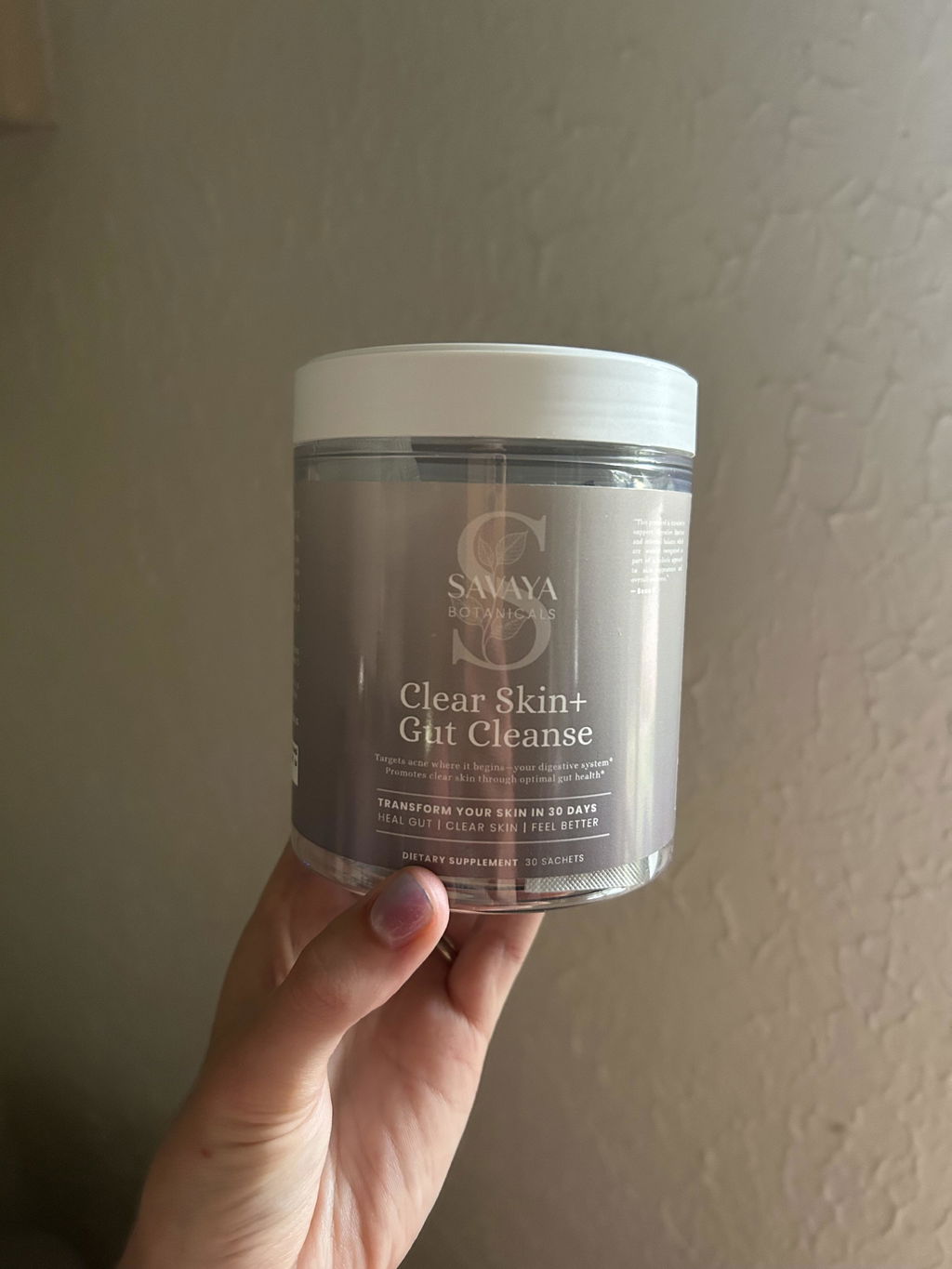
For deeper, more stubborn cases I usually recommend Clear Skin+ Max Detox, a daily acai-based blend that helps support the skin from within. Most acne that has not responded to topical treatment for over a year falls into that category. For women carrying years of antibiotic use or long-term hormonal birth control history, it's the addition I usually suggest alongside their existing routine.
What I Tell Clients to Do This Week
Probiotics and prebiotics are not a marketing battle. They are two parts of one system. The capsule on its own will not save anyone's skin. The food in the fridge can, when the gut is clean enough to receive it. Start with the variety. Add the fermented foods. Get 92 trace minerals from the ocean in daily. Reset the gut if it needs it. Then the right strains have a place to take hold.
Frequently Asked Questions
What is the main difference between probiotics and prebiotics?
Probiotics are live beneficial bacteria. Prebiotics are the plant fibers and compounds those bacteria eat. You need both for a working gut. One is the gardener. The other is the soil.
Why do most probiotic supplements not work?
Stomach acid kills most strains before they reach the colon. Most supplements also use generic strains that have not been studied for skin outcomes. Strain specificity and survival both matter more than total CFU count on the label.
How long until gut changes show up in skin?
Most women in my practice notice initial changes in eight to twelve weeks. Skin cell turnover takes about twenty-eight days, and the microbiome shifts gradually with diet changes. Deeper acne patterns often need a full three months.
Can I just eat fermented foods instead of taking probiotics?
For most people, yes, and the Stanford 2021 fermented foods study supports it. Kefir, kimchi, sauerkraut, and unpasteurized miso deliver live cultures along with the fiber they were grown in. That whole-food matrix tends to work better than capsules.
Is sea moss actually a prebiotic?
Yes. The polysaccharide fibers in sea moss feed beneficial bacteria in the colon. It also provides trace minerals like iodine, magnesium, and selenium that the gut bacteria need to function. It works as both food source and mineral substrate at once.