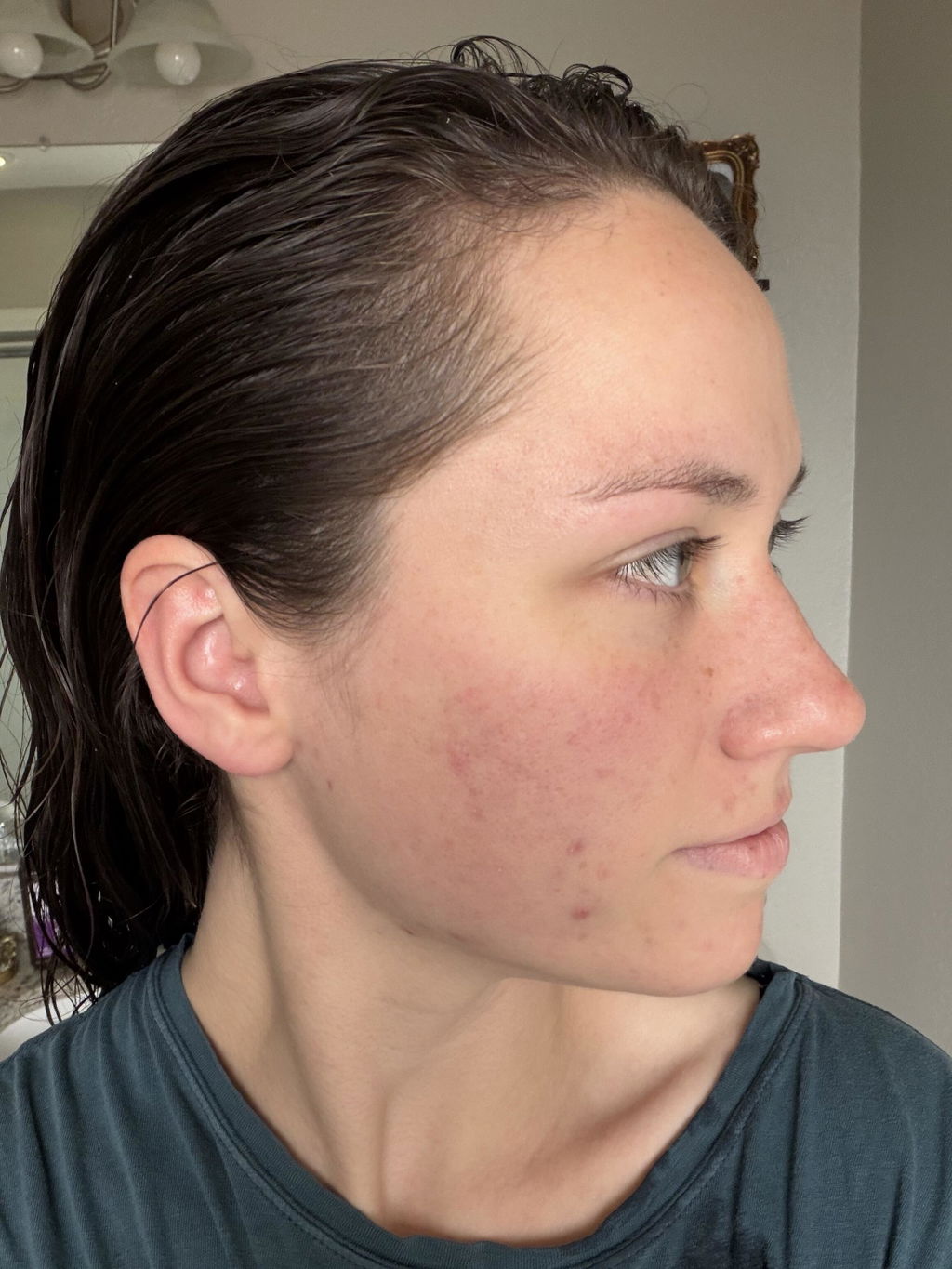
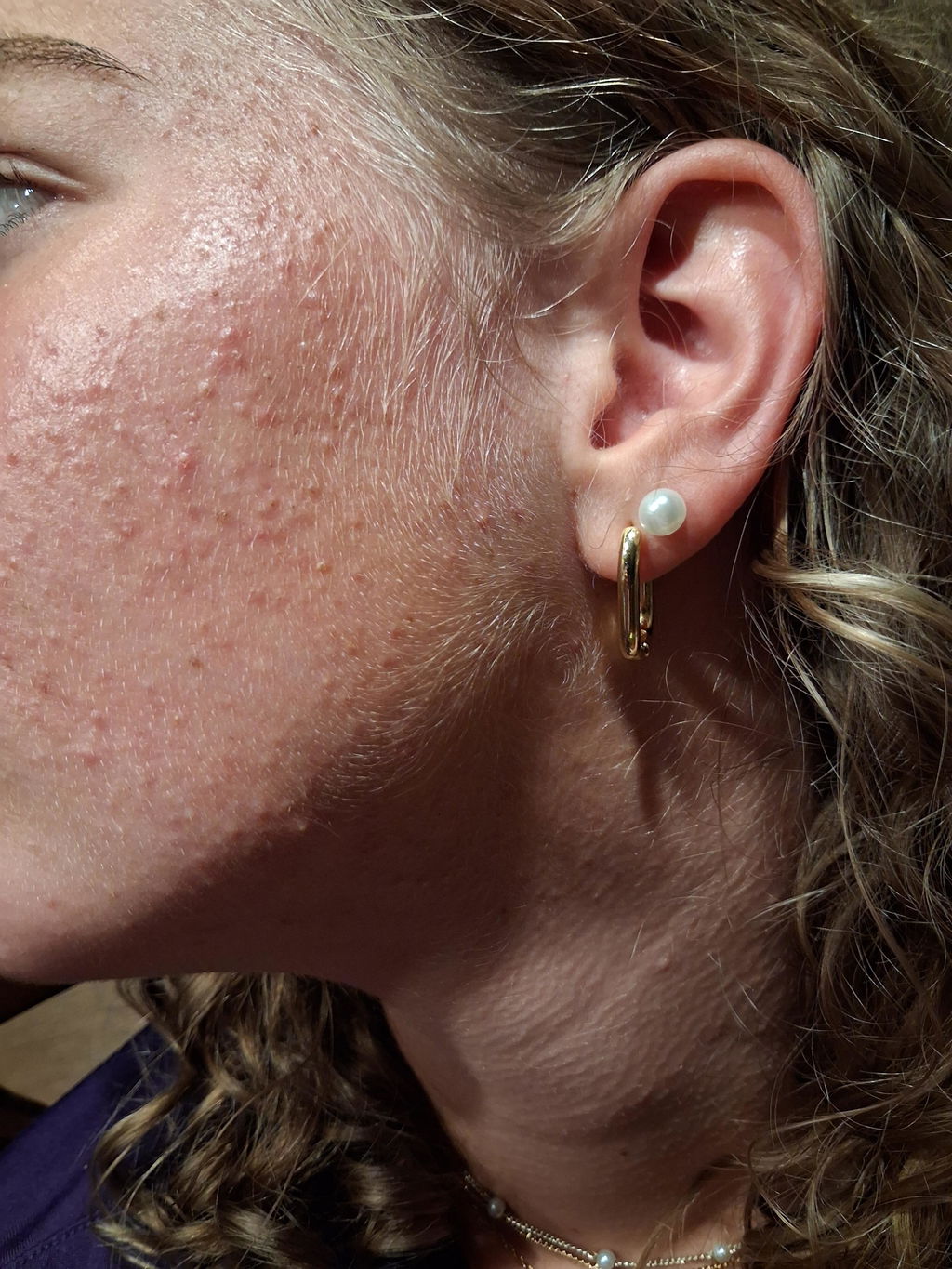
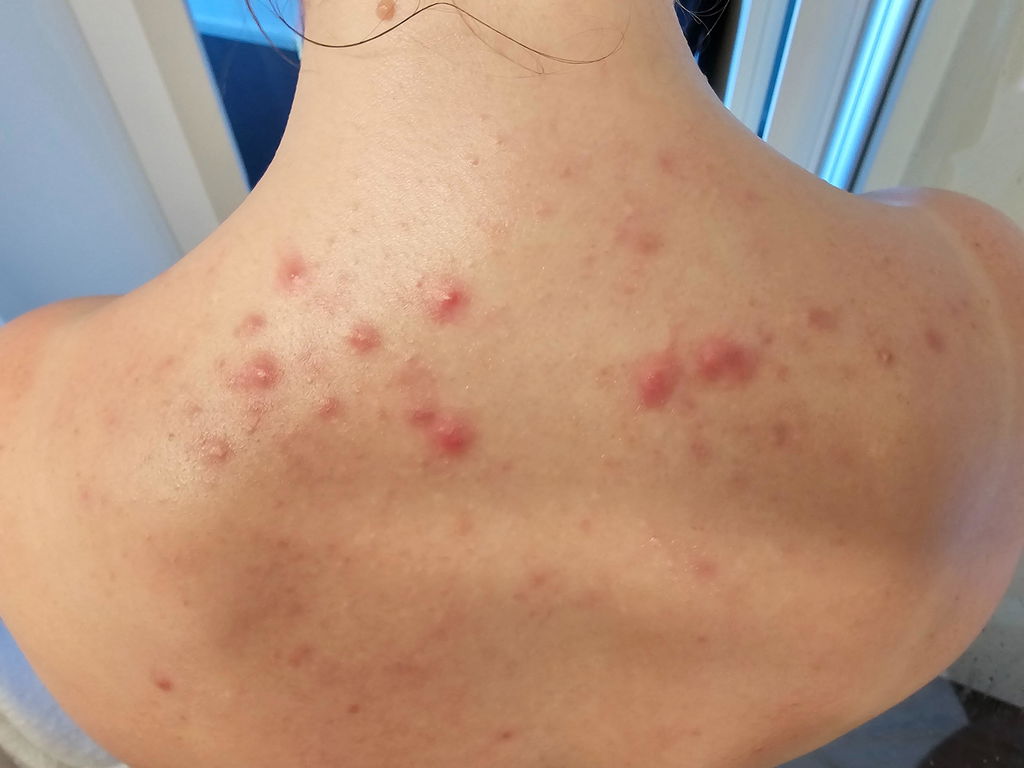
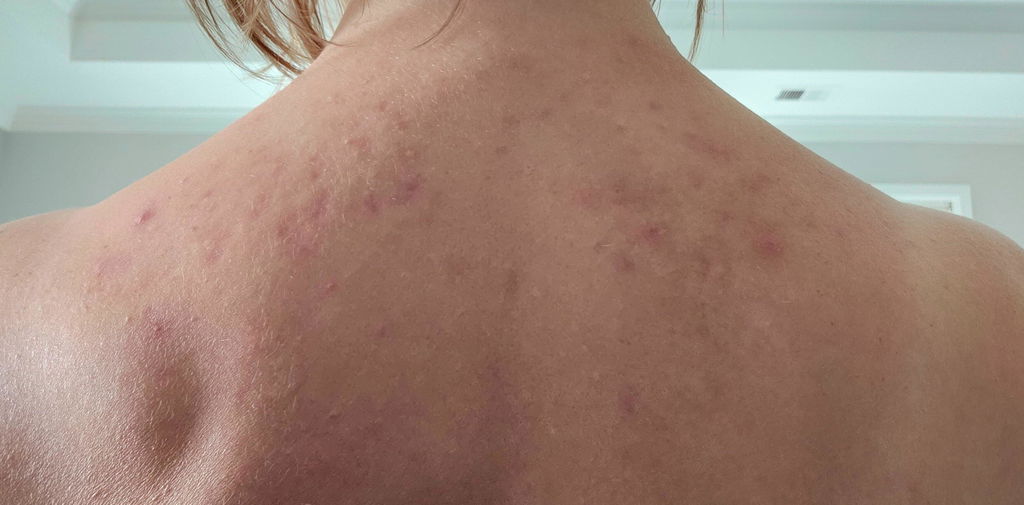
Your skincare shelf is not the problem. I will say that again, because most women never hear it. The breakouts along your jaw, the little bumps that will not quit, the redness that flares an hour after dinner. A lot of that does not start on your face. It starts about three feet lower, inside your gut. And eight foods you probably ate this week are quietly feeding the fire.
In my practice, the women who clear up fastest are rarely the ones who buy a fancier serum. They are the ones who figure out what they are eating that keeps the inflammation switched on. So let me walk you through the worst offenders, what they actually do inside you, and what to put on your plate instead.
The Gut-Skin Axis, In Plain Language
The gut-skin axis is the two-way line of communication between your digestive tract and your skin. When the gut barrier weakens, bacterial fragments and inflammatory signals leak into the bloodstream. Your skin, being an immune organ, reacts. That is why clear skin so often starts in the gut, not the bathroom cabinet.
Here is the short version. A healthy gut lining is one cell thick, sealed by tight junctions, and coated in a mucus layer that feeds friendly bacteria. Those bacteria make short-chain fatty acids that calm inflammation. Damage that lining, and the calm goes away. The skin pays the bill.
You cannot moisturize your way out of a problem that begins on your dinner plate.
Keep that in mind as we go. Because the first food on this list is hiding in things you would never call junk.
1. Ultra-Processed Foods and Their Hidden Emulsifiers
Ultra-processed foods are industrial formulations built from refined starches, emulsifiers, and additives you would never keep in a home kitchen. Think packaged snacks, soda, instant noodles, flavored yogurts, and most boxed cereal. They are engineered for shelf life, and that same engineering quietly erodes your gut barrier.
The usual suspects are emulsifiers like polysorbate 80 and carboxymethylcellulose, the ingredients that keep sauces smooth and ice cream creamy. In a 2015 study published in Nature, Chassaing and colleagues showed that these common emulsifiers thinned the protective mucus layer, shifted the gut microbiota, and triggered low-grade inflammation in mice.
A thinner mucus layer means bacteria sit closer to your gut wall than they ever should. That closeness is a trigger for the kind of inflammation that shows up on your skin. If your diet leans heavily on packaged convenience food, this is often the first domino. Resetting that crowded, irritated microbiome is exactly what a targeted gut cleanse is built to support.
2. Refined Sugar and the Insulin-to-Sebum Pipeline
Refined sugar spikes blood glucose, which forces a surge of insulin. Insulin raises a hormone called IGF-1, and IGF-1 tells your sebocytes, the oil-producing cells in your skin, to pump out more sebum. More sebum plus inflammation is the recipe for clogged, angry pores.
This is not a fringe idea. In a 2007 study in the American Journal of Clinical Nutrition, Smith and colleagues put young men on a low-glycemic-load diet and saw measurable improvement in acne over twelve weeks compared to the control group.
Sugar also feeds the wrong bacteria. The opportunistic strains thrive on it, crowding out the species that make those calming short-chain fatty acids. So you get a double hit. Hormonal oil on the outside, dysbiosis on the inside. What I see most often is that cutting refined sugar does more for skin in a month than any topical I could name.
3. Dairy and the A1 Casein Problem
Most conventional cow's milk contains a protein called A1 beta-casein. When you digest it, your body releases a fragment called beta-casomorphin-7, or BCM-7. This fragment is linked to gut inflammation and slowed digestion, and dairy as a whole raises the same IGF-1 hormone that drives sebum.
A 2016 study by Jianqin and colleagues in the Nutrition Journal compared A1 milk to A2 milk and found that the A1 type increased markers of inflammation and digestive discomfort. Separately, a 2018 review in Nutrients by Juhl and colleagues pooled the data on dairy and acne and found a consistent association, strongest with skim milk.
That last detail surprises people. Skim, the supposedly healthy choice, tends to show the strongest link, likely because removing the fat concentrates the sugars and hormones. If you have given up everything else and still break out, dairy is the one I would look at next.
4. Gluten and the Zonulin Switch
Gluten matters here because of a protein called zonulin. When gliadin, a component of gluten, hits the gut lining, it can trigger the release of zonulin, and zonulin's job is to loosen the tight junctions between your gut cells. Loosen them too far and you get increased intestinal permeability, the thing people call leaky gut.
This is the work of Dr. Alessio Fasano. His research team, including the 2006 study by Drago and colleagues, showed that gliadin prompts zonulin release and opens the gut barrier. His 2011 review in Physiological Reviews laid out exactly how zonulin regulates that barrier.
You do not need celiac disease for this to matter. A more permeable barrier lets inflammatory triggers reach your bloodstream, and your skin reads that as an alarm. Not everyone needs to quit gluten forever, but if you are inflamed and breaking out, a clean break for a few weeks tells you a lot. The next one is marketed as the healthy swap, which is the cruel part.
5. Artificial Sweeteners and Your Microbiome
Artificial sweeteners feel like a free pass. Zero sugar, zero guilt. But sucralose and its cousins are not invisible to your gut. They pass through largely undigested and interact directly with the bacteria living there, and the research shows that interaction is not friendly.
In a 2014 study in Nature, Suez and colleagues found that non-caloric artificial sweeteners altered the gut microbiota and induced glucose intolerance in both mice and a group of human volunteers. Earlier, a 2008 study by Abou-Donia and colleagues found that sucralose significantly reduced beneficial gut bacteria in rats.
Fewer beneficial bacteria means fewer postbiotics, the helpful compounds those bacteria produce, including the short-chain fatty acids that keep your gut lining sealed and calm. So the diet soda that was supposed to help your skin may be quietly working against it. Swapping it for water with mineral-rich support does the opposite.
6. Industrial Seed Oils and Omega-6 Overload
Industrial seed oils, like soybean, corn, sunflower, and canola, are loaded with omega-6 linoleic acid. A little is fine. The problem is the sheer amount in the modern diet, which tilts your omega-6 to omega-3 ratio badly out of balance and pushes your body toward making pro-inflammatory compounds.
Here is the mechanism. Excess linoleic acid converts to arachidonic acid, which your body turns into inflammatory eicosanoids. As researcher Artemis Simopoulos detailed in her widely cited 2002 review, traditional diets ran an omega-6 to omega-3 ratio near 1 to 1, while the typical Western diet now runs closer to 15 or 20 to 1.
That imbalance is inflammation on tap, and inflamed skin is reactive skin. These oils hide in nearly every restaurant meal, salad dressing, and packaged snack. Cooking at home with stable fats is one of the simplest, highest-leverage changes I ask clients to make.
7. Alcohol and the Leaky Barrier
Alcohol does direct damage to the gut lining. It increases intestinal permeability and lets bacterial endotoxin, a molecule called LPS, slip from your gut into your bloodstream. Your immune system treats LPS as a threat, and the resulting systemic inflammation is bad news for clear skin.
Research summarized by Bishehsari and colleagues in 2017 describes how chronic alcohol use drives dysbiosis, an unhealthy shift in gut bacteria, and weakens the barrier that normally keeps endotoxin where it belongs.
Alcohol is also a sugar bomb and a dehydrator, which is why skin so often looks puffy and dull the morning after. I am not here to tell you to never enjoy a glass of wine. I am telling you that if your skin is struggling, a few weeks off is one of the fastest ways to see what your gut is capable of.
8. Excess Caffeine and the Cortisol Loop
Caffeine in moderation is fine for most people. The trouble starts with excess, because caffeine stimulates your HPA axis, the system that governs your stress hormone cortisol. Chronically elevated cortisol weakens the gut barrier, fuels inflammation, and signals your skin to produce more oil.
A 2005 study by Lovallo and colleagues in Psychosomatic Medicine showed that caffeine raised cortisol levels even in habitual coffee drinkers. When that happens all day, every day, your body lives in a low-grade stress state.
Cortisol and the gut talk constantly through the vagus nerve, the main line between brain and digestion. Too much stimulation and digestion suffers, the barrier loosens, and skin flares. You do not have to quit coffee. Just notice if you are using it to paper over poor sleep, because that loop tends to show up on your face.
• • •
What to Eat Instead for a Calmer Gut and Clearer Skin
The goal is not a life of restriction. The goal is to feed the gut lining and the bacteria that protect it, so your skin gets the calm, sealed environment it needs. Focus on adding these foods in, and the crowding-out of the bad stuff tends to happen on its own.
- Prebiotic fiber: onions, garlic, leeks, asparagus, green bananas, and oats feed the bacteria that make short-chain fatty acids.
- Fermented foods: sauerkraut, kimchi, kefir, and plain yogurt deliver live cultures and postbiotic compounds.
- Omega-3 fats: wild salmon, sardines, walnuts, and flax help rebalance that omega-6 ratio.
- Polyphenols: berries, green tea, extra virgin olive oil, and dark leafy greens calm inflammation.
- Minerals and amino acids: bone broth and trace minerals support the repair of the barrier itself.
Two things speed this along in my experience. The first is mineral density, which is why I am a fan of 92 trace minerals from the ocean to fill the gaps a depleted diet leaves behind. The second is collagen for the gut wall, the same structural protein your barrier and your skin are built from, which is where bioavailable collagen support earns its place.
For the skin itself while the gut heals, I keep it simple and barrier-friendly. A barrier-repairing tallow cream mirrors the lipids your skin already makes, so you are working with your barrier instead of stripping it.
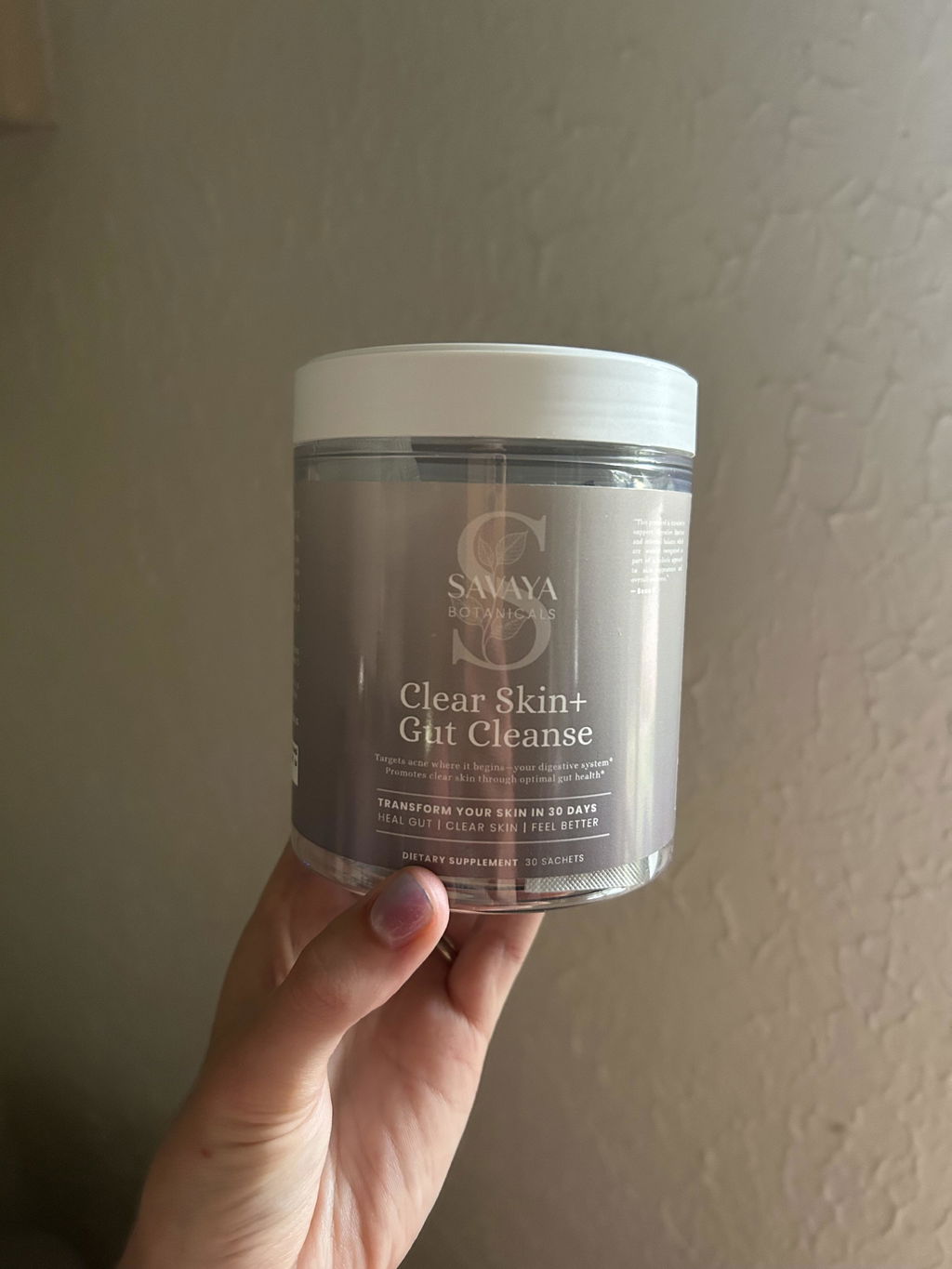
If you want a simple way to build this into your routine rather than guessing, Clear Skin+ Max Detox, a daily acai-based blend, is one piece that supports the reset. And for the women whose skin is the whole reason they came to me, it's the same daily habit I point people toward — steady support for skin that stays irritated, not a quick fix.
Frequently Asked Questions
What foods damage the gut lining the most?
Ultra-processed foods with emulsifiers, refined sugar, excess alcohol, and industrial seed oils tend to do the most damage to the gut lining. They thin the protective mucus layer, feed inflammatory bacteria, and increase intestinal permeability, which many women find shows up on their skin.
How long does it take to heal your gut lining?
The gut lining renews quickly, with surface cells turning over every few days, but meaningful repair of the barrier and microbiome usually takes several weeks to a few months. Most people notice changes in digestion and skin within four to twelve weeks of removing triggers and adding supportive foods.
Can dairy really cause acne?
Research supports a link. Dairy raises IGF-1, a hormone that increases sebum, and A1 casein can promote gut inflammation. A 2018 review in Nutrients found a consistent association between dairy intake and acne, strongest with skim milk. Many women find their skin calms when they reduce it.
Are artificial sweeteners safe for gut health?
The evidence is concerning. A 2014 Nature study found that artificial sweeteners altered gut bacteria and impaired glucose tolerance, and other research shows sucralose can reduce beneficial bacteria. If you are working on your gut and skin, water and whole foods are the safer bet.
Do I have to give up coffee for clear skin?
Not necessarily. Moderate caffeine is fine for most people. The issue is excess, which can elevate cortisol through the HPA axis and weaken the gut barrier. If you rely on heavy coffee to mask poor sleep, that pattern often shows up on your skin, so moderation matters more than elimination.