I want to tell you something that might irritate you a little: that fifty-billion-CFU probiotic you paid forty dollars for probably never made it past your stomach alive.
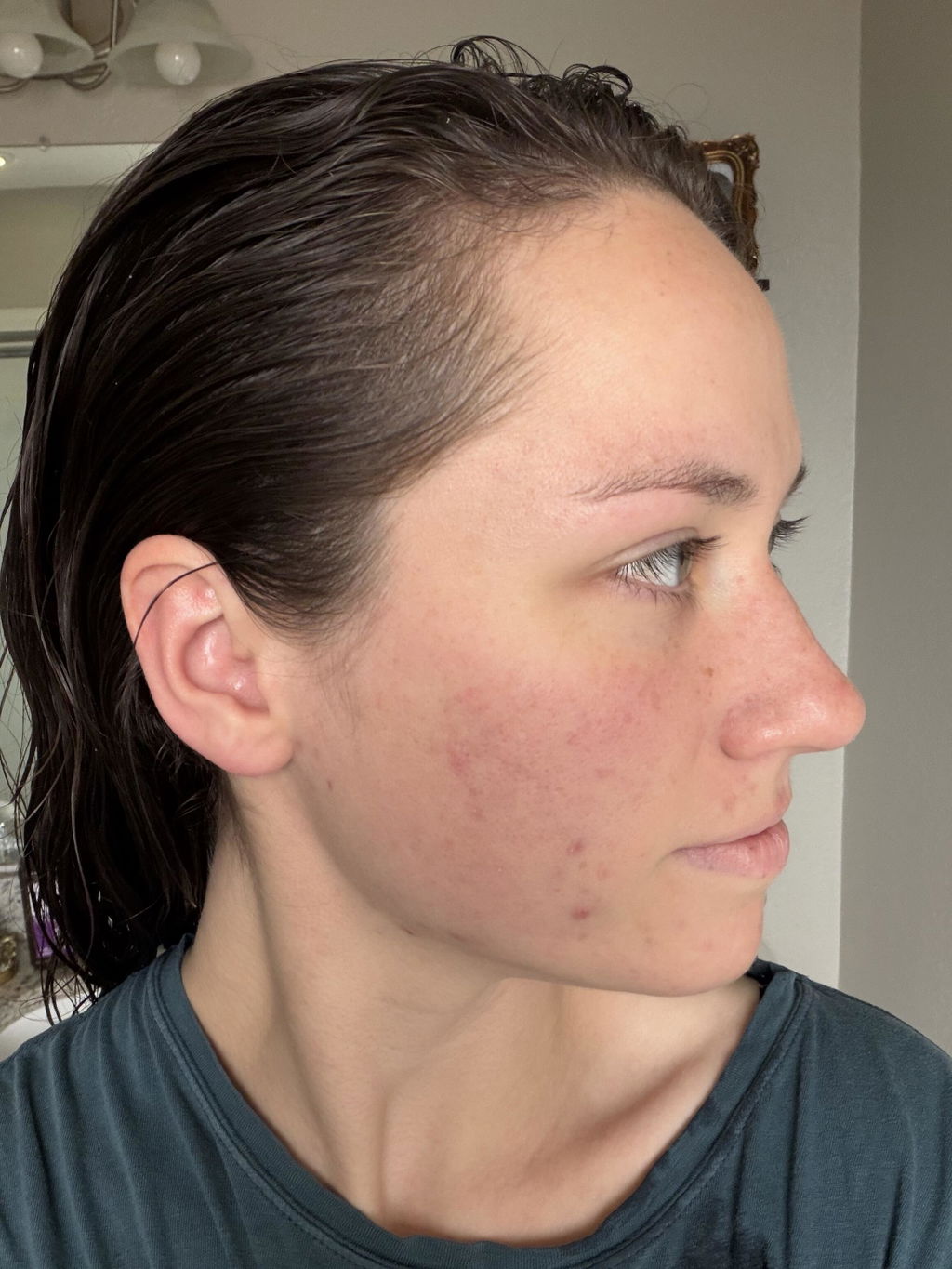
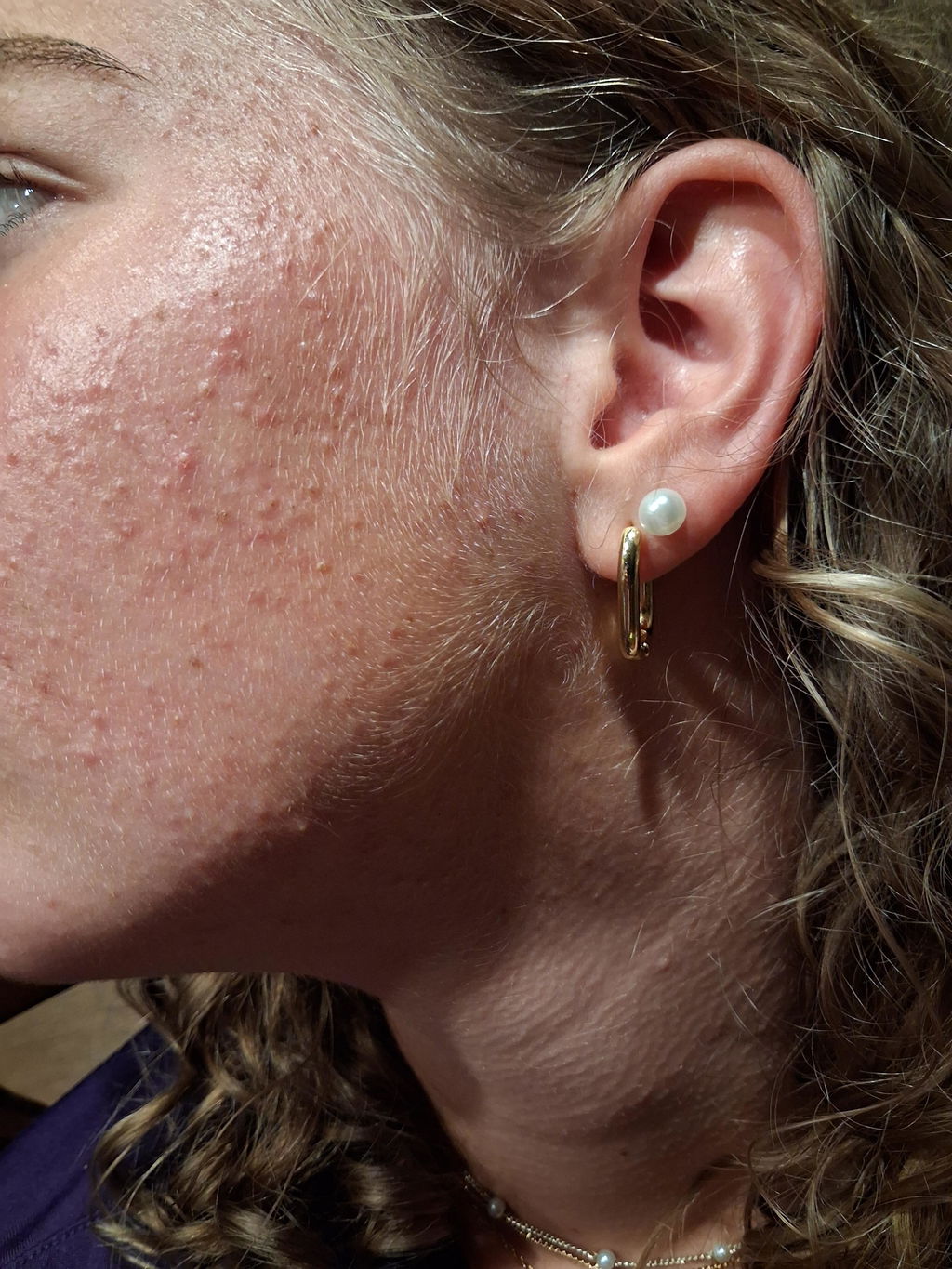
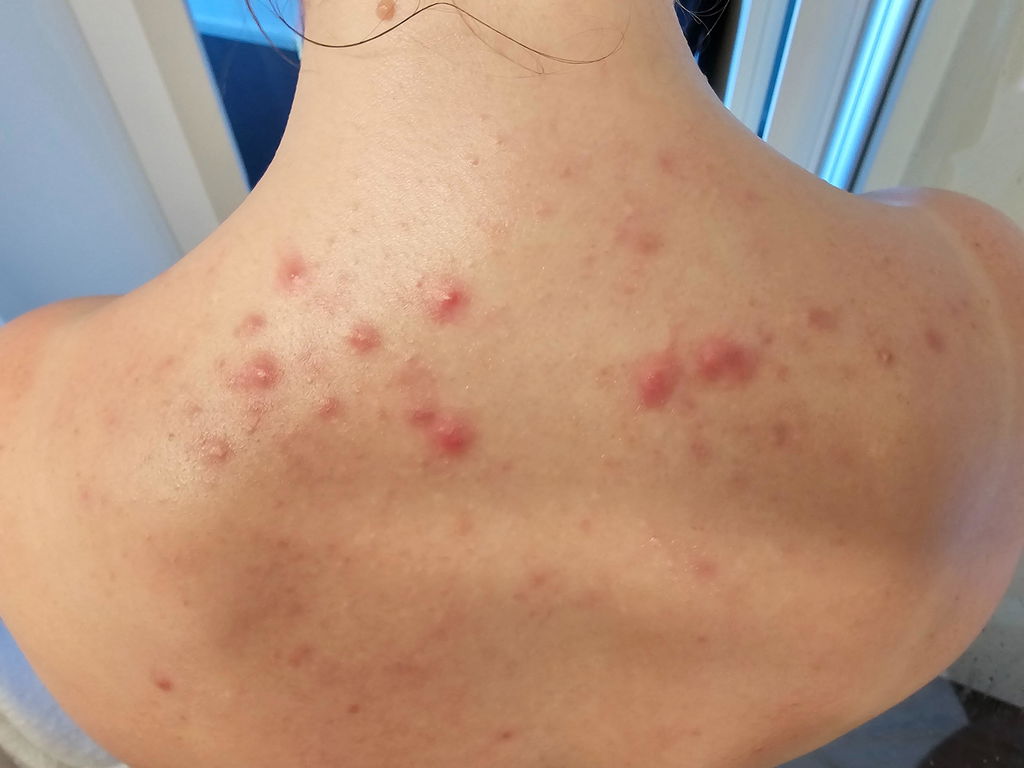
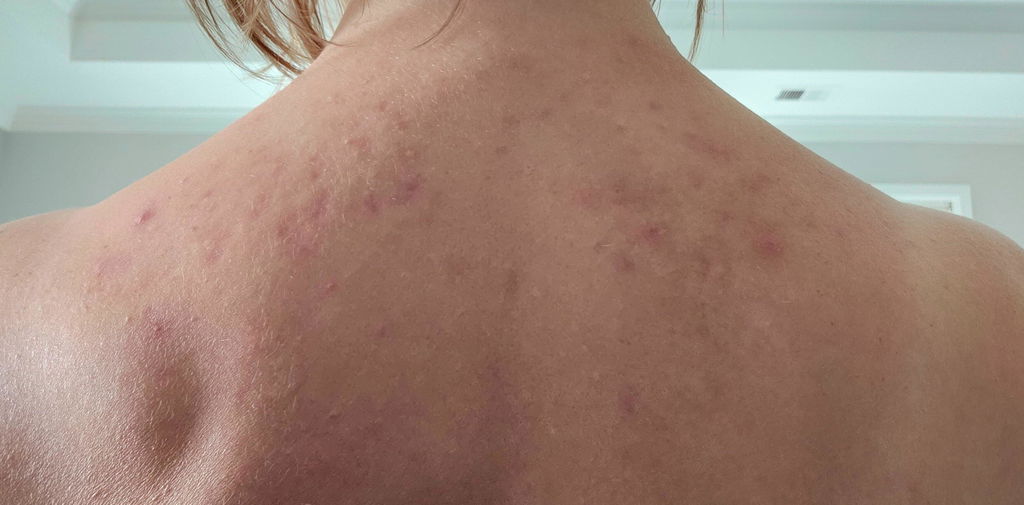
I know because I was the person recommending probiotics to everyone for years, and then I was the person who took them myself, every morning, for four months straight, tracking my skin in a notebook the whole time. Same breakouts along my jawline before my period. Same dull, congested patches on my cheeks. Same slow, disappointing nothing.
So I did what I always do when a protocol fails quietly instead of loudly: I went back to the research instead of the marketing copy. What I found rearranged how I think about gut health completely, and it comes down to a distinction almost nobody explains properly. Probiotics and prebiotics are not interchangeable. Taking one without the other, in the wrong order, is a bit like hiring new employees and then leaving them with no desk, no tools, and nothing to eat for lunch. They show up. They don't stay long enough to matter.
This is the probiotics vs prebiotics for skin conversation nobody has with you at the supplement aisle, so let's have it properly.
Probiotics vs Prebiotics: What's Actually the Difference
Probiotics are live bacterial strains, the actual organisms, like Lactobacillus rhamnosus or Bifidobacterium longum. You're introducing new workers into an existing ecosystem.
Prebiotics are not alive at all. They're the fibers, starches, and plant compounds that feed the bacteria already living in your gut, the ones you inherited from your mother, your childhood diet, your environment. Inulin, resistant starch, and certain polyphenols all fall into this category.
Here's the part that changed everything for me: your skin doesn't respond to bacteria showing up. It responds to what those bacteria produce once they're fed. Short-chain fatty acids like butyrate calm systemic inflammation. Byproducts of fiber fermentation help regulate the immune signaling that shows up on your face as redness, breakouts, or a compromised barrier. This is the gut-skin axis, and it runs on fuel, not just population count.
A probiotic without prebiotics is a guest with nowhere to sit. A prebiotic without any beneficial bacteria to feed is food with no one at the table. You typically need both, which is why so many single-strategy approaches quietly underperform.
Why Most Probiotic Supplements Never Reach Your Skin
This part actually made me angry when I found it. Researchers who screened over a hundred different Lactobacillus strains found that only a small fraction, in the range of three percent, had the resilience to survive gastric acid and bile long enough to reach the intestine intact. Your stomach sits at a pH between 1.5 and 3.5, an environment built to destroy bacteria on purpose. It doesn't know the difference between a pathogen and the strain you just paid for. A separate screening of over four hundred lactic acid bacteria strains found only about forty resistant enough to be considered viable candidates. Most commercial probiotics never had a chance from the moment they were swallowed.
The second problem is strain specificity, and it gets buried in fine print. A systematic review of probiotic efficacy found that benefits are strain-specific and condition-specific. Lactobacillus acidophilus studied for digestive regularity tells you nothing about whether it does anything for acne or skin barrier function. Most drugstore blends were formulated for general "gut health" marketing, not for strains actually tested against skin outcomes. You can take a technically surviving probiotic for months and see nothing, simply because it was never the right strain for what you're trying to fix.
Strains shown to hold up through gastric transit include Lactobacillus rhamnosus GG, Lactobacillus casei Shirota, and Bifidobacterium longum. If a label doesn't name a specific, studied strain, you're likely funding stomach acid, not your skin.
The Stanford Study That Changed How I Think About Fermented Foods
In 2021, researchers at Stanford, led by Justin and Erica Sonnenburg alongside Christopher Gardner, published a study in the journal Cell that reframed this whole conversation for me. Over ten weeks, one group of adults ate a diet rich in fermented foods, things like yogurt, kefir, fermented cottage cheese, kimchi, other fermented vegetables, and kombucha. A second group ate a diet high in fiber alone.
The fermented foods group saw a measurable increase in overall gut microbial diversity, and larger servings produced a stronger effect. Alongside that, researchers tracked a decrease across nineteen different inflammatory markers in the blood. The high-fiber-alone group, over that same ten-week window, didn't show the same increase in diversity.
What struck me is that fermented foods essentially deliver a synbiotic in one package: live cultures and the fibers or metabolites they've already partially broken down, together. That may be part of why whole fermented foods outperformed an isolated, single-nutrient approach in this study. It's also why I stopped treating "take a probiotic" and "eat more fiber" as two separate, optional tasks and started treating them as one habit.
One honest caveat worth naming, because I've lived it: if your gut terrain is already inflamed or reactive, going straight to large servings of fermented foods can cause bloating before it causes anything good. That's the exact reason a gentler reset, like the Microbiome Gut Cleanse, is worth doing first for some people, rather than jumping straight to kimchi by the cupful.
The Bacterial Strains Clinical Trials Actually Link to Clearer Skin
This is the part I wish someone had handed me four months earlier, instead of a generic bottle.
Lactobacillus rhamnosus SP1 has the most direct acne research behind it. A twelve-week, double-blind, placebo-controlled trial found supplementation with this strain led to a 32 percent reduction in IGF-1 gene expression, alongside a 65 percent increase in FoxO1 expression. That matters mechanically: IGF-1 drives excess sebum production and the inflammatory cascade that turns clogged pores into cystic breakouts. A separate twelve-week trial using Lactobacillus rhamnosus GG found improved acne severity scores alongside a measurable drop in the inflammatory markers IL-6 and TNF-alpha. A third, using the strain CECT 30031, showed 50 percent of the probiotic group improving on a standardized acne scale, compared with 29.4 percent on placebo.
Notice the pattern. Every one of those trials ran for twelve weeks, not twelve days. If a probiotic marketed for skin promises visible results in a week, it's making a claim no clinical trial on the actual strain has ever supported.
Bifidobacterium longum is the strain most tied to skin barrier function and sensitivity rather than acne specifically. In a randomized, placebo-controlled trial of 66 women with reactive skin, a topical lysate of this strain significantly reduced skin sensitivity scores and improved trans-epidermal water loss, a direct marker of how well the skin barrier holds onto moisture, over two months of use. A related trial combined oral B. longum with Lactobacillus paracasei in 96 women with reactive skin and measured similar barrier improvements from the inside out.
If your main concern is redness, reactivity, or a compromised barrier rather than active breakouts, B. longum is the strain the research actually points to, and pairing that internal work with a barrier-supporting routine like Tallow Cream at night gives the skin support from both directions while the gut does its slower work.
Prebiotic Foods That Feed Your Skin-Healing Bacteria
This is the half of the equation most people skip entirely, and it's the one I'd underweighted for years.
- Inulin-rich foods: chicory root, Jerusalem artichoke, garlic, onions, leeks, and slightly green bananas all feed beneficial Bifidobacteria directly.
- Resistant starch: potatoes and rice that have been cooked and then cooled, plus green plantain, resist digestion in the small intestine and reach the colon intact, where they become food for fermentation.
- Polyphenol-rich foods: berries, green tea, and pomegranate act almost like prebiotics themselves, selectively encouraging the growth of beneficial strains while making conditions harder for less helpful ones.
- Ocean minerals: the fermentation process that turns fiber into short-chain fatty acids is an enzymatic one, and those enzymes need cofactors like zinc, selenium, iodine, and potassium to function well. This is where something like Sea Moss, carrying its range of ocean-sourced minerals, supports the mineral side of that fermentation machinery, on top of the direct role zinc and selenium play in skin barrier repair.
Pairing prebiotic foods with fermented, probiotic-rich ones is what researchers call a synbiotic approach, and it's the closest real-food parallel to what the Stanford trial measured. Feeding the bacteria you're trying to introduce, at the same time you introduce them, appears to matter more than either strategy done in isolation.
So Which One Does Your Skin Actually Need?
Here's how I'd think it through, in plain terms:
If you've never done any kind of gut reset and digestion feels sluggish or inconsistent, start with the terrain itself before adding anything new. The Microbiome Gut Cleanse is a gentler starting point, and for a fuller reset, the Max Detox Acai Protocol covers a deeper detox window before layering in strain-specific or food-based strategies.
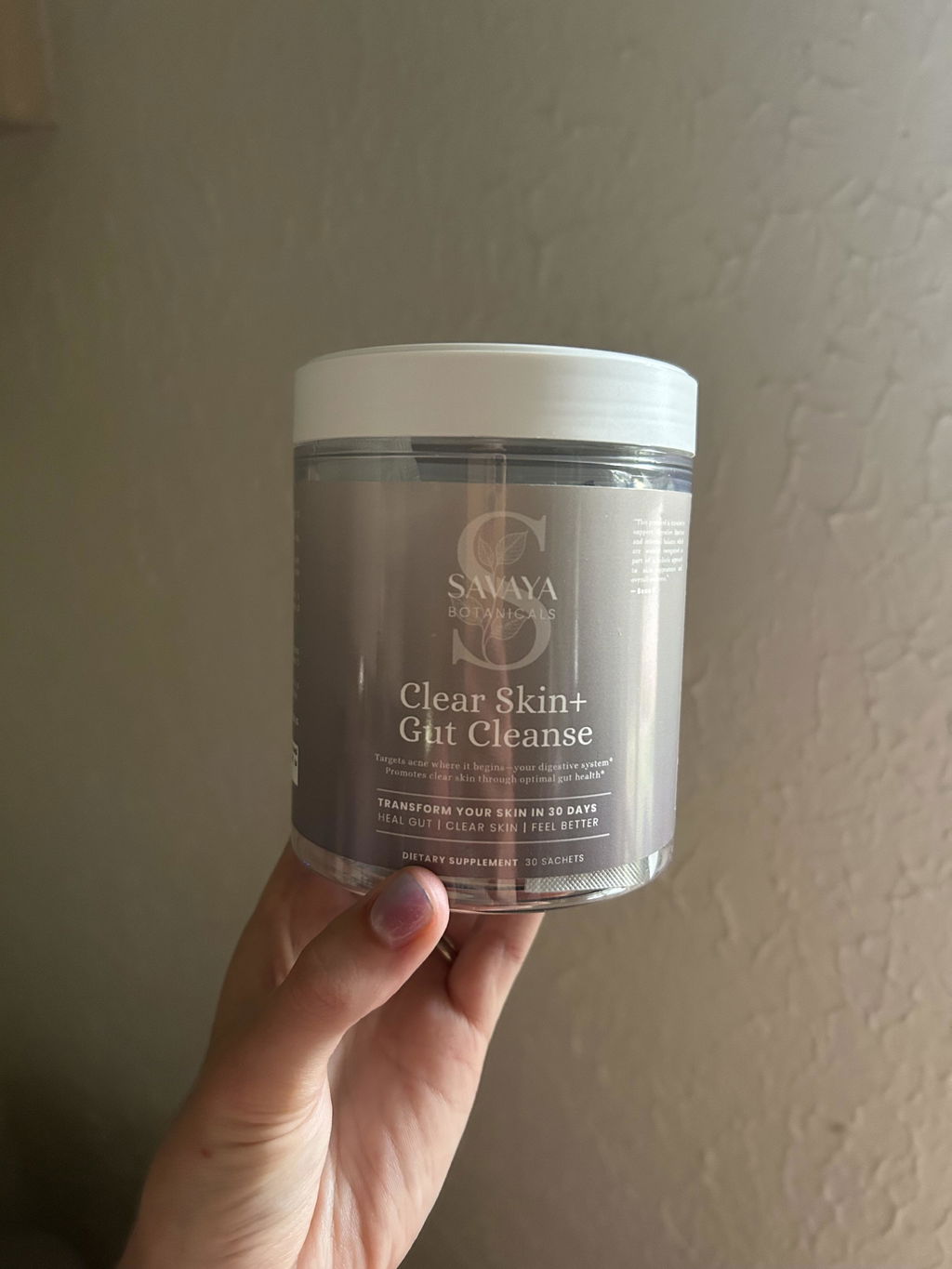
If breakouts and inflammation are your main concern, the research points toward Lactobacillus rhamnosus strains paired with the prebiotic foods above, held consistently across a twelve-week window, in line with how the actual trials were structured. For a simple daily addition alongside that approach, the acai-based Clear Skin+ Max Detox blend is formulated to support your skin from the inside out.
If your main concern is barrier function or reactivity, the B. longum research plus a supportive topical routine and structural skin support, like Beauty Collagen Strips, addresses both sides of that particular puzzle.
And if fermented foods or a full protocol genuinely feel like too much for your gut right now, that's not a sign you're doing it wrong. Starting gentler, with the Microbiome Gut Cleanse, before building up, is the calmer and more realistic path.
Gut-Skin Myths I Had to Unlearn
Myth: a higher CFU count means a better probiotic. Fifty billion CFU is meaningless if the strain doesn't survive stomach acid or was never studied for skin at all. Strain identity matters more than the number on the label.
Myth: eating yogurt covers your bases. Yogurt is a genuinely good fermented food, but the strains and doses used in clinical acne and barrier trials are typically far more concentrated than what's in a cup of commercial yogurt.
Myth: you'll see skin changes within days. Every trial referenced here ran for eight to twelve weeks, roughly matching skin cell turnover. Anything promising faster results isn't working from the same biology.
Myth: prebiotics and fiber supplements are the same thing. All prebiotics are a type of fiber, but not all fiber is prebiotic. Prebiotic fibers are specifically fermentable by beneficial bacteria; some fiber simply adds bulk.
Myth: once your gut is "fixed," you're done. The gut-skin axis is a maintained relationship, not a one-time repair. Diet, stress, and sleep keep shaping it long after any single protocol ends.
———
Frequently Asked Questions
What is the real difference between probiotics and prebiotics for skin health?
Probiotics are live bacterial strains you introduce to your gut, while prebiotics are the fibers and plant compounds that feed the beneficial bacteria already there. Skin benefits generally come from what fed, functioning bacteria produce, like short-chain fatty acids, rather than from bacteria simply being present. Most people need both working together, not one or the other.
Which probiotic strain is best for acne-prone skin?
Lactobacillus rhamnosus, particularly the SP1 and GG strains, has the most direct clinical trial support for acne, with twelve-week studies showing reduced acne severity scores and lower inflammatory markers. Bifidobacterium longum is more closely linked to skin barrier function and sensitivity than to active breakouts specifically.
How long does it take for gut changes to show up on your skin?
Based on the clinical trials referenced above, meaningful changes typically appeared between eight and twelve weeks of consistent use, matching the roughly monthly cycle of skin cell turnover. Results promised within days are not reflecting the same research.
Can I get enough prebiotics from food alone, or do I need a supplement?
Whole foods like garlic, onions, cooked-and-cooled potatoes, green bananas, and mineral-rich foods like sea moss can supply meaningful prebiotic and cofactor support on their own. A structured protocol simply makes the timing and consistency easier to maintain across the eight-to-twelve-week window that the research suggests matters most.
Do probiotics and prebiotics need to be taken together?
Not always, but pairing them, a synbiotic approach, appears to outperform either strategy alone. The Stanford fermented foods research found stronger results from whole fermented foods, which naturally combine live cultures with the fibers and metabolites those cultures need, than from an isolated single-nutrient approach.
If your skin has been stuck for months despite doing "all the right things," the missing piece is rarely more supplements. It's usually the order, the strain, and the food that's supposed to come with it. Clear Skin+ Max Detox, a daily acai-based blend, helps support that process day to day, so you're not left guessing which half of the equation you skipped.