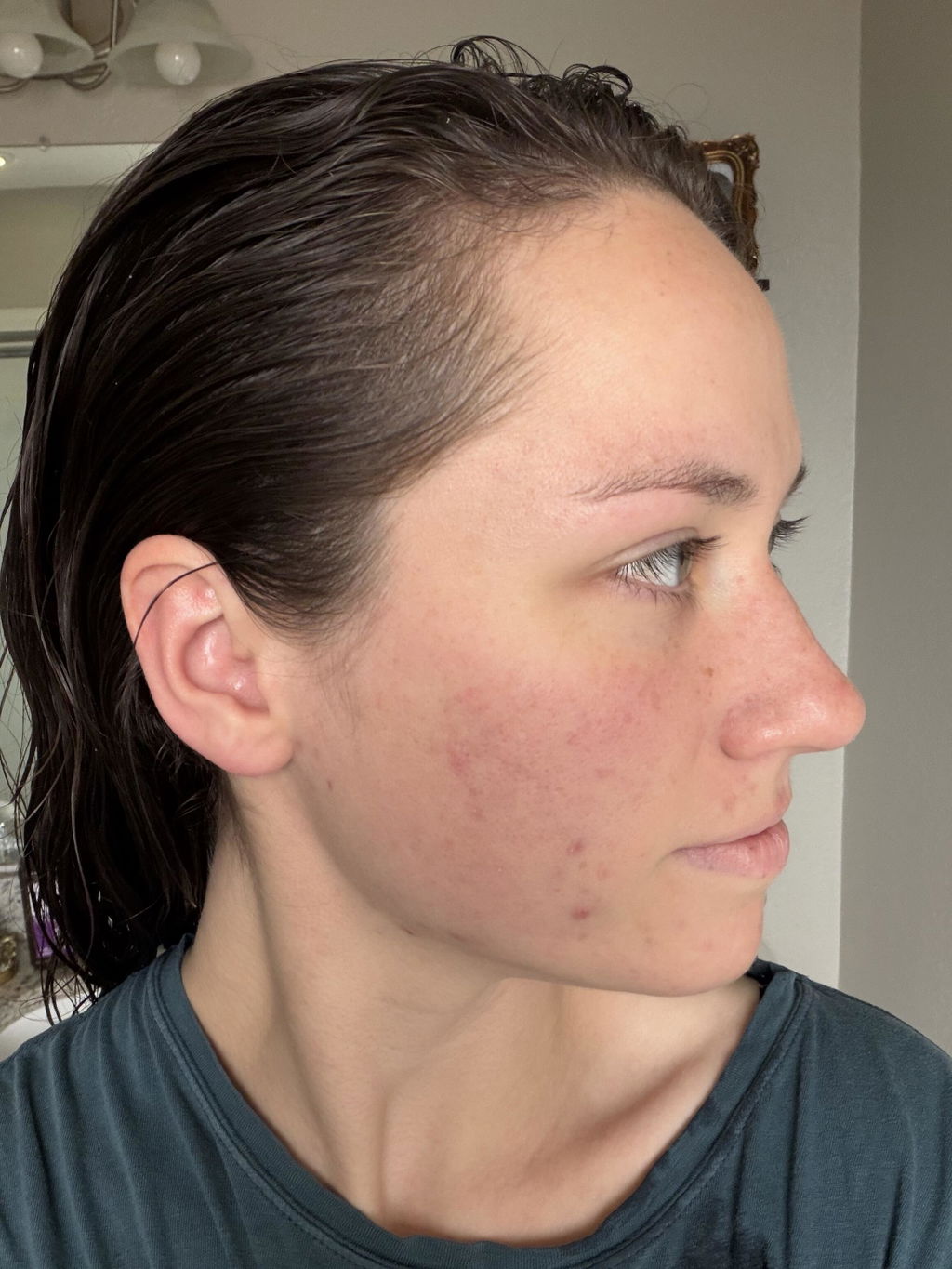
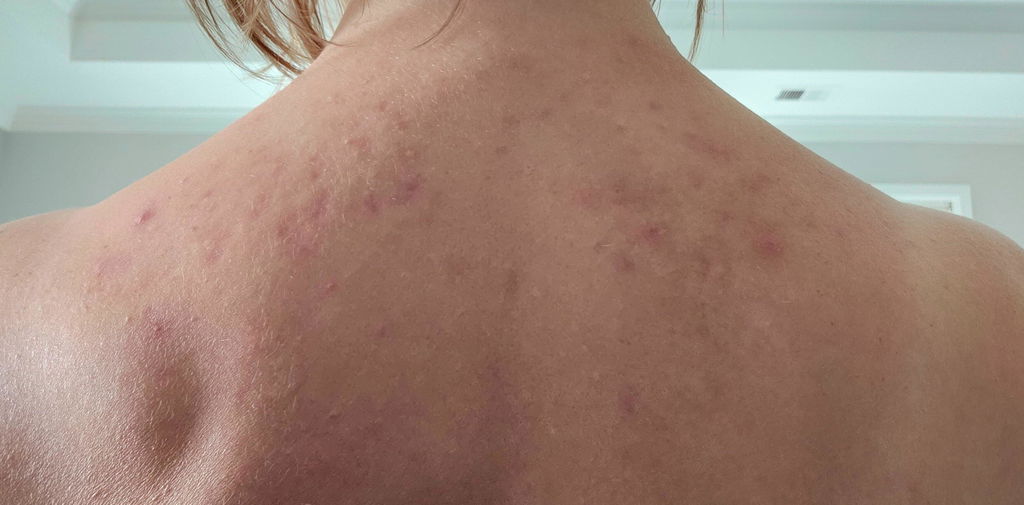
I spent two years convinced my skin problem was a skin problem. I cycled through cleansers, serums, elimination diets, and a rotating cast of expensive supplements, including a 50-billion-CFU probiotic that a naturopath recommended with complete confidence. Nothing changed in any lasting way.
The shift came when I stopped asking "which probiotic should I take?" and started asking a different question entirely: why aren't the bacteria I already have doing their job? That question led me to the actual science, including a 2021 Stanford study that upended what researchers thought they knew about gut diversity, and to a distinction that most wellness content completely glosses over: the difference between probiotics and prebiotics, and why confusing the two is probably the reason your gut-skin approach isn't working.
I'm Sarah Mitchell, a holistic health practitioner. This is what the research actually says.
Probiotics vs Prebiotics: Why the Distinction Changes Everything
These two terms get bundled together in marketing copy as if they're just two flavors of the same thing. They're not.
Probiotics are live microorganisms. Specific, named strains of bacteria (and some yeasts) that, when consumed in adequate amounts, confer a measurable health benefit. We're talking about organisms like Lactobacillus rhamnosus, Bifidobacterium longum, Lactobacillus acidophilus. Each strain behaves differently, produces different compounds, and has a different relationship with your immune system.
Prebiotics are the food those bacteria eat. They're specific types of fiber, polyphenols, and plant compounds that your own digestive enzymes cannot break down, but your gut microbes thrive on. Inulin from chicory root. Resistant starch from green bananas. Fructooligosaccharides from garlic and onion. Sulfated polysaccharides from sea vegetables. These compounds travel to your large intestine largely intact and become fuel for the microbial community already living there.
The distinction matters enormously in practice. Probiotics introduce bacterial passengers. Prebiotics build a thriving ecosystem that your indigenous bacteria can actually inhabit. One without the other is like planting seeds in concrete, or watering a garden you never planted.
The irony is that most people invest heavily in probiotics (supplements, expensive yogurts, kombucha) while eating a diet that actively starves the beneficial bacteria in their gut. Ultra-processed food, low vegetable diversity, chronic stress, and antibiotic residues in food all deplete the prebiotic substrate your microbiome depends on.
- - -
Why Most Probiotic Supplements Never Reach Your Gut Alive
Here is the thing the supplement industry would prefer you not think about too carefully: your stomach is a highly effective sterilization chamber. Hydrochloric acid at a pH of 1.5 to 3.5 kills most microorganisms it encounters. That's its job.
A review published in Applied and Environmental Microbiology found that a large proportion of commercially available probiotic bacteria show dramatically reduced viability after exposure to simulated gastric conditions. And that's before they encounter bile salts and pancreatic enzymes in the small intestine, which wipe out another significant fraction.
Even among bacteria that survive the transit, there's a colonization problem. Most commercially available probiotic strains are transient. They move through and exit. They can exert beneficial effects while passing (producing short-chain fatty acids, interacting with gut-associated immune tissue), but they don't take up permanent residence. The studies that show probiotic benefits for skin all require ongoing, consistent supplementation because the effect disappears when you stop.
The third problem is strain specificity. The research connecting specific bacterial strains to skin outcomes is not generic. It names particular organisms at particular doses. A "50-billion CFU proprietary blend" is not the same as L. rhamnosus SP1 at 3 billion CFU, which is what the acne clinical trials used. Most supplements use whatever strains are cheapest to produce, not the ones with peer-reviewed skin data.
None of this means probiotics are useless. It means they're one tool, not the foundation. And for most people, the foundation is what's missing.
- - -
The Stanford Fermented Foods Study That Changed the Science
In July 2021, a research team led by immunologist Erica Sonnenburg and nutrition scientist Christopher Gardner at Stanford University published a study in the journal Cell that produced results few expected.
The study enrolled 36 healthy adults and randomly assigned them to one of two dietary interventions over 10 weeks: a high-fiber diet (legumes, whole grains, vegetables, fruits) or a high-fermented-food diet (yogurt, kefir, fermented vegetables, kimchi, kombucha, vegetable brine drinks). Both diets were well-designed, with clear nutritional value. Researchers measured microbiome diversity and 19 immune markers before, during, and after the intervention.
The results: the high-fiber group showed no significant increase in microbiome diversity. The high-fermented-food group showed a consistent, statistically significant increase in microbiome diversity, and a meaningful decrease across all 19 inflammatory proteins measured, including several cytokines (IL-17A, IL-6) directly implicated in inflammatory skin conditions like acne and eczema.
What makes this finding remarkable is not just the direction of the effect. It's that fermented foods achieved what high fiber alone did not. The researchers hypothesized that fermented foods introduce diverse live bacteria while simultaneously providing the fermentation byproducts (organic acids, bacteriocins) that help beneficial strains establish and compete.
For skin health, the practical implication is significant: a tablespoon of raw kimchi or a glass of whole-milk kefir may deliver more measurable benefit to your skin's bacterial ecosystem than an expensive probiotic capsule, because the food matrix buffers bacterial survival and provides both probiotics and their substrate together.
This is why I always tell clients: fermented foods are the bridge between probiotics and prebiotics. They contain both.
- - -
The Bacterial Strains Clinically Linked to Clear Skin
The research on gut bacteria and skin is more specific than most summaries suggest. Here's what the clinical literature actually shows:
Lactobacillus rhamnosus and Acne
L. rhamnosus SP1 was the subject of a randomized, double-blind, placebo-controlled trial published in the Journal of Dermatological Science involving adults with acne. Over 12 weeks, the supplemented group showed significantly fewer inflammatory lesions compared to placebo. The proposed mechanism involves two distinct pathways: reduction of intestinal permeability (which decreases the systemic inflammatory load that drives acne) and downregulation of insulin-like growth factor 1 (IGF-1) signaling, a key hormonal driver of sebum overproduction. This is not a general "gut health" claim. This is a named strain with a documented molecular pathway connecting gut function to skin outcomes.
Bifidobacterium longum and Skin Barrier Integrity
B. longum BB536 has been specifically studied for sensitive and reactive skin. A French clinical trial involving women with sensitive skin found that 8 weeks of supplementation with this strain produced measurable improvements in skin sensitivity scores, reduced transepidermal water loss (a marker of skin barrier function), and decreased inflammatory markers in skin biopsies. What's interesting here is the mechanism: B. longum appears to reduce systemic production of Substance P, a neuropeptide that drives neurogenic inflammation and skin reactivity. If you have skin that flares easily, reddens unpredictably, or feels perpetually irritated, this strain is worth knowing about.
L. acidophilus + B. bifidum for Inflammatory Acne
A 2013 study in Nutrition Journal tested a combination of Lactobacillus acidophilus NCFM and Bifidobacterium bifidum in adults with moderate acne. After 12 weeks, the probiotic group showed a 54% reduction in inflammatory lesion count compared to the control group. The combination also improved both sebum production rates and skin hydration levels, suggesting systemic anti-inflammatory activity rather than a purely local sebaceous effect.
- - -
Prebiotic Foods That Feed Skin-Healing Bacteria
You can buy the best probiotic in the world and it won't matter much if your diet is actively starving beneficial bacteria. These are the prebiotic foods with the strongest evidence for feeding the strains most associated with skin health:
- Jerusalem artichoke (sunchoke): The highest natural source of inulin, a prebiotic fiber that specifically and dramatically increases Bifidobacterium populations. Even small amounts (40-60 grams) daily produce measurable shifts within 2 weeks.
- Green (unripe) banana: Rich in resistant starch, which ferments slowly in the colon and produces butyrate, the short-chain fatty acid most closely linked to gut barrier integrity and reduced systemic inflammation. Ripe bananas lose most of their resistant starch as the starch converts to sugar.
- Raw garlic and onion: Contain fructooligosaccharides (FOS) that selectively stimulate beneficial species. Raw is significantly more potent than cooked. Mincing and letting it sit for 10 minutes before adding heat preserves some of the prebiotic compounds, but raw is optimal.
- Sea moss and sea vegetables: Contain sulfated polysaccharides that act as prebiotic substrate for specific bacterial communities not well-served by land-plant fiber. These compounds also bind and help clear certain endotoxins in the gut that drive systemic inflammation. Our wildcrafted sea moss provides over 92 mineral cofactors that support the enzymatic processes bacteria need to produce skin-beneficial short-chain fatty acids.
- Chicory root: The prebiotic fiber most studied in human clinical trials. Consistently shown to increase Bifidobacterium and Lactobacillus counts and improve gut barrier markers within 2 to 3 weeks of daily use.
- Leeks, asparagus, dandelion greens: Underrated in wellness content but well-studied in microbiome research for their diverse prebiotic fiber profiles. Dandelion greens in particular have a potent inulin and FOS profile and support liver function that aids the gut-skin axis indirectly.
- - -
Debunking Common Probiotic and Skin Myths
Myth: Higher CFU Count Means Better Results
CFU count is a marketing metric, not a clinical one. The L. rhamnosus SP1 acne trial used 3 billion CFU per day. The B. longum sensitive-skin trial used similar doses. Neither used 100-billion-CFU mega-doses. What matters is the right strain at the right dose, not the largest number on the label. Most high-CFU supplements simply use more of cheap, clinically-undifferentiated strains.
Myth: Topical Probiotics Work the Same Way as Internal Ones
Topical probiotic skincare is a growing trend with a thin evidence base. Your skin's microbiome is populated and regulated from the inside out, shaped by your gut health, immune function, stress hormones, and diet. You cannot establish a stable skin microbiome by applying it topically. That said, supporting the physical skin barrier is still valuable and complements an internal protocol. I regularly recommend pairing a gut-reset program with a topical barrier support like this tallow-based skin barrier cream, which works with the skin's lipid matrix rather than disrupting it.
Myth: Commercial Yogurt Is a Good Probiotic Source
Most commercial yogurt contains 2 to 4 bacterial strains chosen for flavor and shelf stability, not clinical effect. The Stanford study did not use store-brand yogurt. It used traditionally fermented foods with significantly higher strain diversity. Whole-milk kefir, naturally fermented (not vinegar-pickled) sauerkraut and kimchi, genuine miso paste, and water kefir are meaningfully different from a flavored, heat-treated yogurt cup.
Myth: No Gut Symptoms Means Your Gut Isn't the Problem
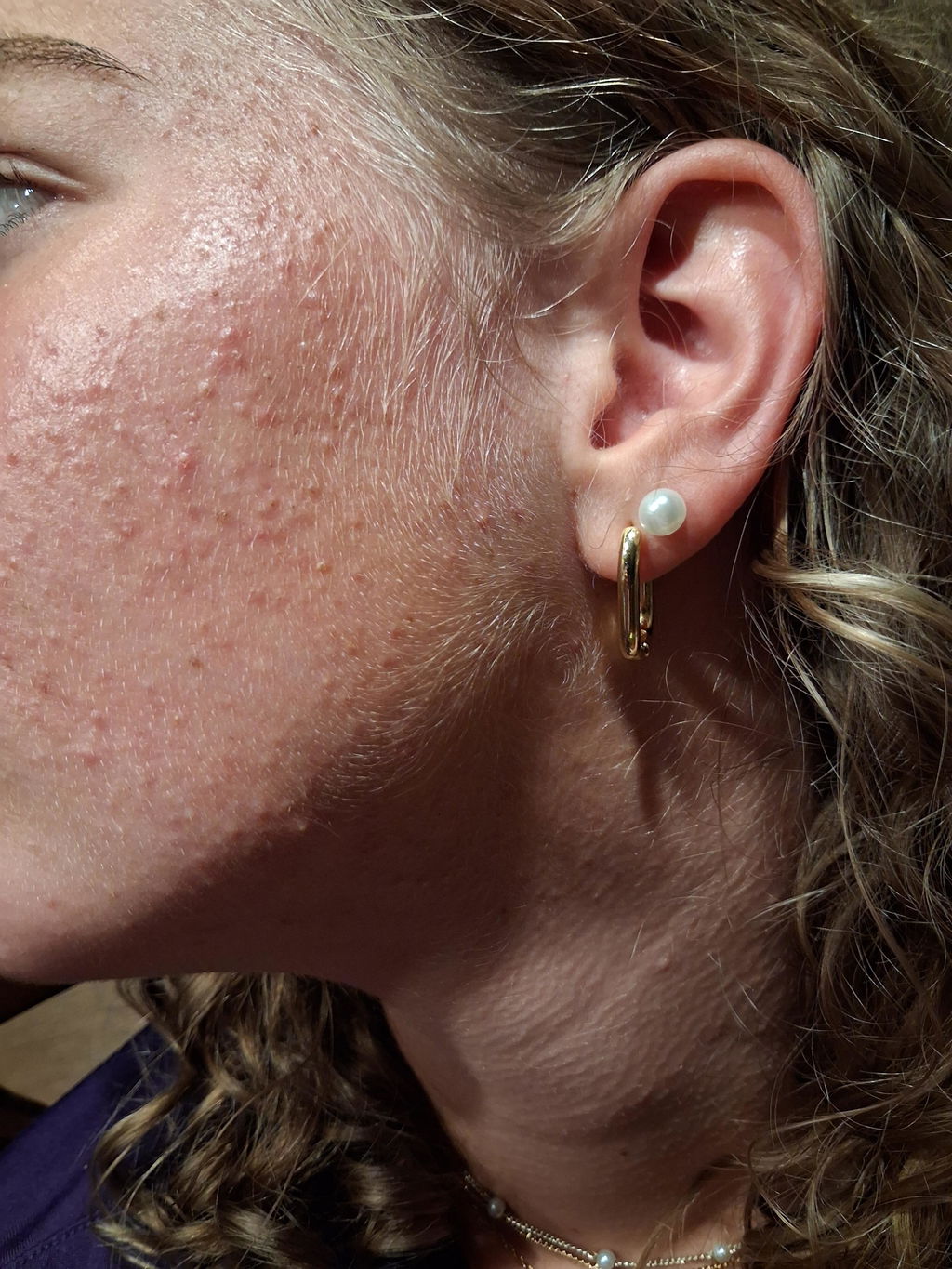
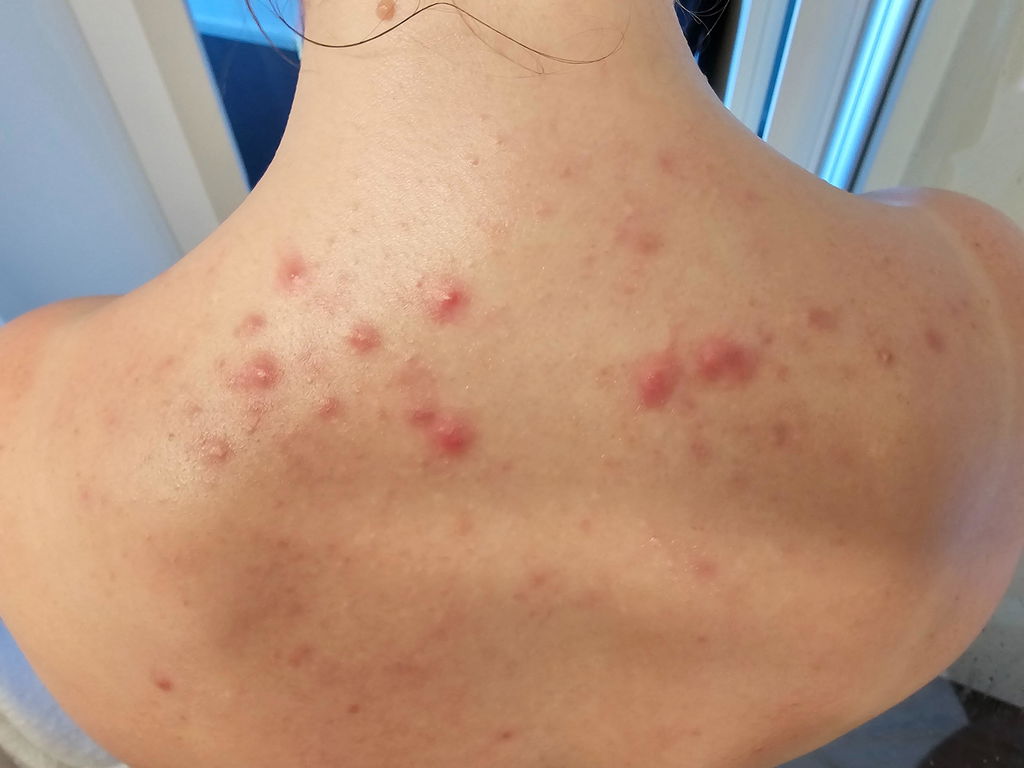
This is one of the most pervasive and damaging myths in functional skin health. A significant percentage of people with hormonal acne, cystic breakouts along the jawline and cheeks, and chronic low-grade inflammation have completely silent gut dysfunction. No bloating. No IBS. No obvious digestive complaints. But microbiome testing consistently shows low diversity, elevated intestinal permeability markers, and dysbiosis patterns associated with increased systemic inflammation. Your gut can be significantly compromised without giving you a single conventional digestive symptom.
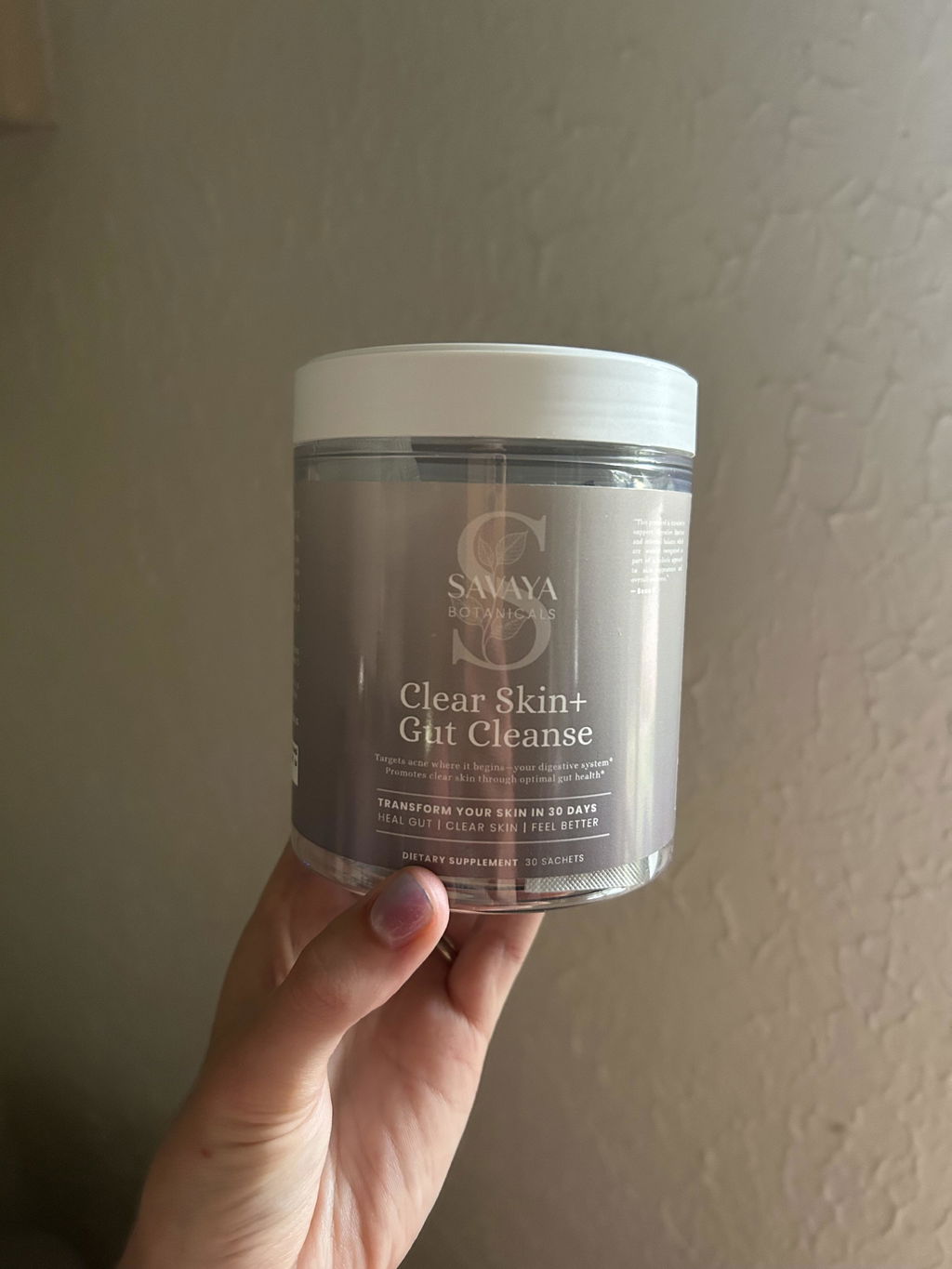
This is precisely why a structured gut protocol matters even when your digestion feels "fine." Our microbiome gut cleanse sachets are specifically formulated for this pattern of silent dysbiosis, combining barrier-repair compounds with prebiotic fiber and gentle cleansing to reset the gut environment before adding probiotics. Pair it with the full detox protocol for a more comprehensive reset if you've been dealing with skin issues for longer than a year.
- - -
A Practical Protocol That Actually Works
Based on the clinical literature and years of working with clients on chronic skin issues, here is the sequence that consistently produces results:
- Reset the gut environment first. Before you add probiotics, address the terrain. An inflamed, permeable, low-diversity gut environment won't support colonization of beneficial bacteria. A daily acai-based detox blend can help support that reset — Clear Skin+ Max Detox helps support your gut environment as you introduce probiotics and fermented foods.
- Prioritize prebiotic foods over probiotic supplements. Feed your existing microbiome before trying to add new members. Aim for 6 to 8 different plant foods per day, prioritizing the ones listed above. The sea moss mineral profile specifically supports the enzymatic cofactors your bacteria need to thrive.
- Add fermented foods as a daily food practice. Not as a supplement, as a habit. A tablespoon of kimchi, a small glass of kefir, a spoonful of miso. Consistent and small beats occasional and large, which is exactly what the Stanford data supports.
- If you supplement, select by strain name, not by CFU count. Look for products that list L. rhamnosus SP1, B. longum BB536, or similar strain-specific designations rather than proprietary blends.
- Support skin barrier and collagen synthesis in parallel. The gut lining and skin barrier share regulatory pathways. Collagen precursors, zinc, and hyaluronic acid support both simultaneously. Our beauty collagen strips are formulated with this dual-target approach in mind.
- Commit to the timeline the research actually shows. The clinical trials demonstrating skin benefit ran for 8 to 12 weeks. That is the realistic window. Week 4 results are not the full picture.
- - -
Where to Start
The clearest takeaway from the research: skin problems rooted in gut dysfunction require gut-first solutions, and those solutions need to be sequenced correctly. Probiotics without a prebiotic-rich environment underperform. Prebiotics without reducing the inflammatory load that's been building for months take longer to show up in your skin. A structured reset that addresses all three, environment, fuel, and bacterial community, is what the clinical literature consistently supports.
If you're ready to start, the microbiome gut cleanse is the most logical first step: it addresses gut barrier integrity, reduces the inflammatory debris that disrupts bacterial balance, and creates the conditions that make everything else you do for your skin actually work.
Your skin is telling you something your gut already knows. It's time to listen to the right part of the conversation.
- - -
Frequently Asked Questions
What is the difference between probiotics and prebiotics for skin health?
Probiotics are live bacteria that, when consumed in sufficient amounts, can directly influence your immune system, reduce systemic inflammation, and support skin clarity through mechanisms like gut barrier repair and IGF-1 regulation. Prebiotics are the specific dietary fibers and plant compounds that feed and sustain those bacteria. For skin health, both play important roles, but prebiotics are the more commonly neglected foundation. Without adequate prebiotic-rich foods, even high-quality probiotic supplements tend to pass through without establishing lasting microbiome changes.
Which probiotic strain is best for acne?
Lactobacillus rhamnosus has the strongest clinical evidence for acne specifically. A randomized, double-blind, placebo-controlled trial found that L. rhamnosus SP1 significantly reduced adult acne lesions over 12 weeks by reducing intestinal permeability and modulating insulin-like growth factor 1 (IGF-1) signaling, a key driver of sebum overproduction. Bifidobacterium longum BB536 is also well-documented for reducing skin inflammation and improving barrier function, making it particularly valuable for sensitive or reactive skin types.
Why do probiotic supplements often not work for skin?
Most probiotic supplements fail to deliver meaningful skin benefits for three interconnected reasons: stomach acid destroys a significant portion of bacteria before they reach the colon; most supplements use generic, cheaply-produced strains rather than the specific strains with peer-reviewed skin data; and the surviving bacteria tend to be transient rather than colonizing, meaning the effect disappears when supplementation stops. Fermented whole foods consistently outperform supplements in microbiome research because they arrive with natural buffering, higher strain diversity, and both probiotic bacteria and their prebiotic substrate together.
What did the Stanford fermented foods study find?
The 2021 Stanford study published in Cell (Wastyk et al.) compared a high-fiber diet to a high-fermented-food diet over 10 weeks in healthy adults. The fermented-food group showed a significant increase in microbiome diversity and a decrease across 19 measured inflammatory proteins, including cytokines directly implicated in inflammatory skin conditions. The high-fiber group, by contrast, showed no significant increase in microbiome diversity. The finding suggests that fermented foods provide benefits that fiber alone cannot replicate, likely because they introduce live bacteria alongside their fermentation byproducts and prebiotic substrate.
How long does it take for gut health changes to clear skin?
The clinical trials with the strongest skin-outcome data ran for 8 to 12 weeks. Microbiome composition can shift relatively quickly with consistent dietary intervention (2 to 4 weeks), but the downstream effects on sebum production, skin barrier integrity, and inflammatory lesion reduction take longer to manifest. A structured gut reset protocol, pairing a cleansing phase with prebiotic food introduction and then fermented foods, gives you the best chance of seeing measurable skin changes within that 8 to 12 week window. Results before week 6 are real but incomplete.