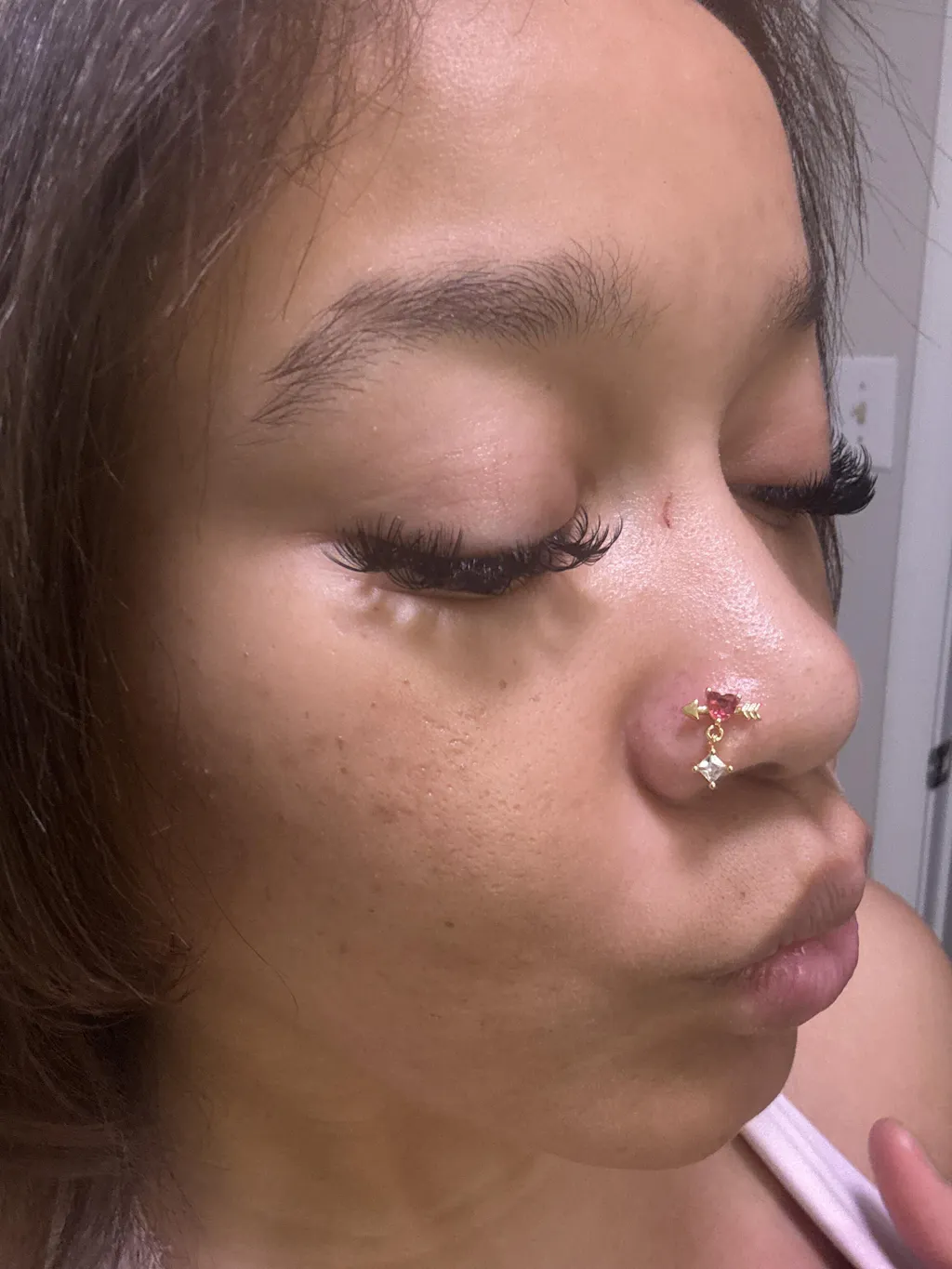
You are not breaking out because your face wash is wrong. You are breaking out because something keeps leaking inflammation into your bloodstream three times a day. What the research actually shows is that adult acne in women is almost never a skin problem. It is a gut signal, an insulin signal, and a hormone signal showing up on your jawline. The food on your fork is doing most of the talking.
• • •
1. Ultra-Processed Foods Are Eroding Your Gut Lining
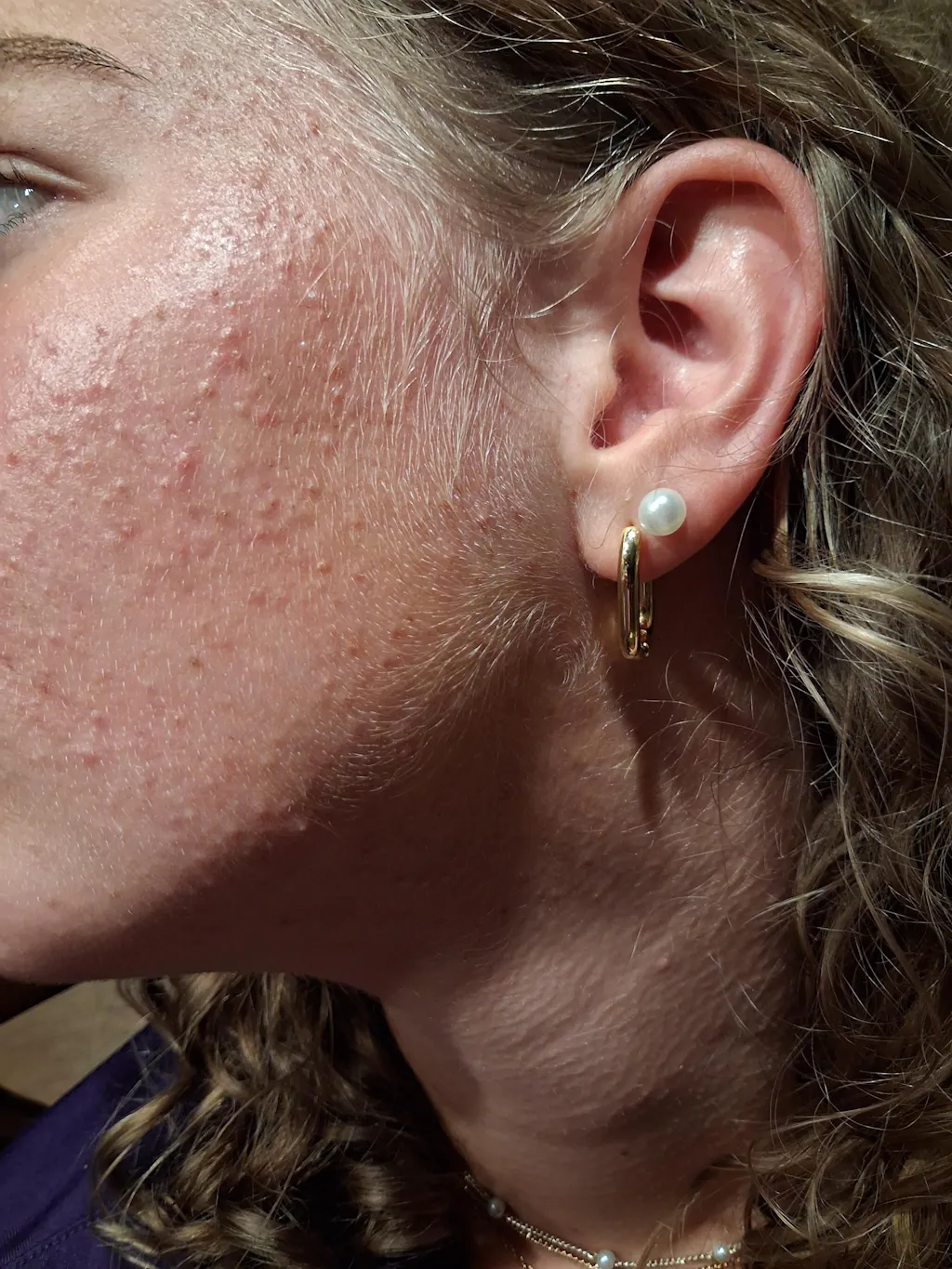
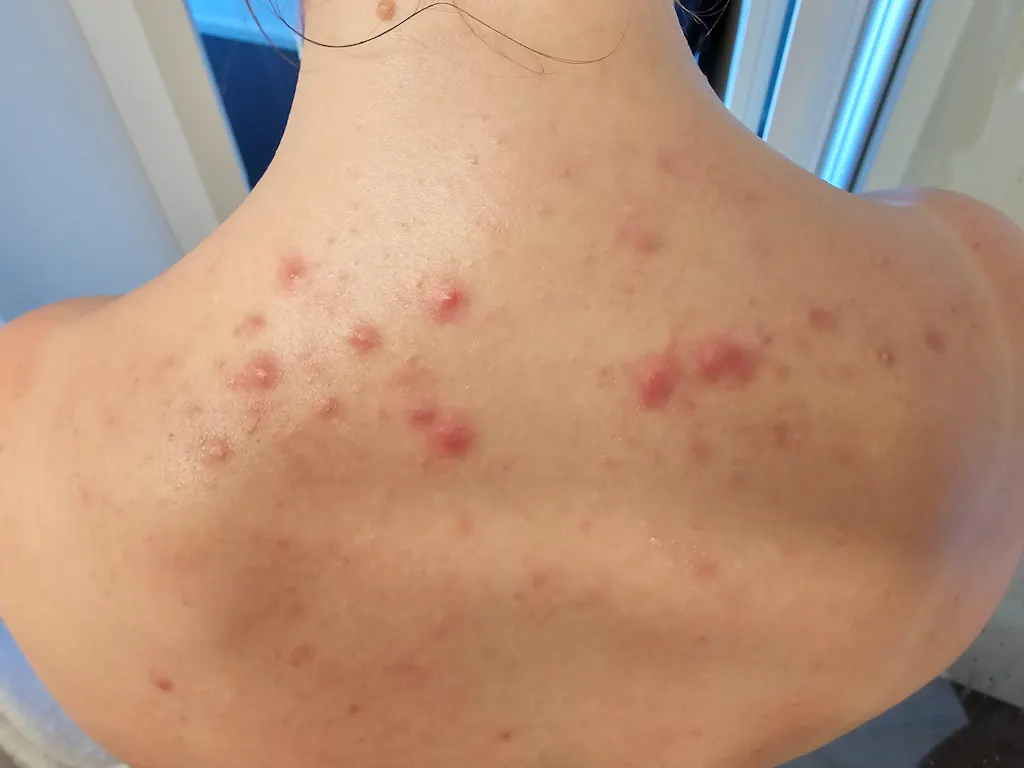
Ultra-processed foods drive adult acne by thinning the protective mucus layer of the gut, letting bacterial endotoxin (LPS) leak into circulation. That triggers systemic inflammation, activates oil glands, and worsens follicular plugging. The result shows up as inflamed cysts along the cheeks and jaw, weeks after the trigger.
The culprits hiding in ingredient lists are emulsifiers like carboxymethylcellulose (CMC) and polysorbate 80. They are in protein bars, non-dairy creamers, store-bought tortillas, and packaged ice cream. In a landmark study, Chassaing et al. (2015) showed these emulsifiers eroded the gut mucus layer and shifted the microbiome toward pro-inflammatory species. Hall et al. (2019) ran a controlled inpatient trial proving ultra-processed diets cause direct metabolic harm even when calories are matched.
What I see most often is women eating clean by their own standards. Salads, smoothies, protein bars. The bars are the problem. So is the gum-thickened almond milk in the smoothie. Rebuilding the gut barrier with whole foods, plus something like a targeted gut cleanse, is one of the fastest levers I have for helping many women with chronic cystic breakouts.
• • •
2. Refined Sugar Spikes Insulin, IGF-1, and Sebum
Refined sugar and high-glycemic carbs drive acne through a tight biochemical chain. Blood glucose spikes. Insulin surges. Insulin-like growth factor 1 (IGF-1) rises. IGF-1 activates mTORC1 in your sebaceous glands, which ramps up sebum production and keratinocyte overgrowth. The follicle plugs. The pimple forms.
This is not a theory. Smith et al. (2007) showed a 12-week low-glycemic diet significantly reduced acne lesion counts in young men. Kwon et al. (2012) went further with skin biopsies, showing a low-glycemic diet shrank sebaceous glands and lowered IL-8 and SREBP-1 expression. Smaller oil glands. Less inflammation. Clearer skin.
The everyday triggers are obvious once you look. Sweetened lattes, pastries, white bread, flavored yogurts, cereal. Even "healthy" granola.
Sugar does not just feed your sweet tooth. It feeds the exact bacteria that punch holes in your gut lining and the exact hormones that turn pores into volcanoes.
High sugar starves butyrate-producing bacteria that keep your mucus layer thick. The microbiome shifts. Tight junctions loosen. LPS leaks in. Inflammation circulates. Skin reacts. This is the gut-skin axis in one sentence, and it is why women who quit added sugar for eight weeks usually see their chin clear first.
• • •
3. Conventional Dairy and the A1 Casein Problem
Conventional cow's milk from Holstein-dominant herds contains A1 beta-casein, which releases an opioid peptide called BCM-7 during digestion. BCM-7 binds gut receptors, slows transit, thins the mucus layer, and raises inflammatory markers. Combined with dairy's insulin and IGF-1 surge, the result is hormonal acne along the jaw and chin.
Pal et al. (2015) reviewed the evidence linking A1 beta-casein and BCM-7 to gut inflammation and slower transit. Adebamowo et al. (2005), using data from the Nurses' Health Study II, found a clear positive association between adolescent milk intake and severe acne in adulthood.
The fix is not always "no dairy forever." Many women do well on A2 milk, goat or sheep dairy, or fermented options like kefir from A2 herds. Whey protein during a flare is the one I push hard against. It is the biggest IGF-1 spike in the dairy aisle. If your acne sits on your jawline and chin, and you drink milk in your coffee every morning, this is the first place I would look. A 30-day strict pause tells you almost everything you need to know.
• • •
4. Gluten and the Zonulin Pathway
Gluten drives acne in non-celiac women through a protein called zonulin. Gliadin (the alcohol-soluble part of wheat) binds the CXCR3 receptor on intestinal cells, which triggers zonulin release. Zonulin pries open the tight junctions between gut cells. The gut becomes leaky. LPS and undigested peptides enter circulation. Systemic inflammation rises. Skin lights up.
Drago and Fasano (2006) demonstrated that gliadin increases intestinal permeability in everyone, not just people with celiac disease. Lammers and Fasano (2008) identified the exact receptor-binding mechanism.
The result on skin is not subtle. Rising inflammatory cytokines amplify IGF-1 and mTORC1 signaling in the oil glands. Sebum quality shifts toward the comedogenic profile that clogs pores. The immune system becomes hyper-reactive to C. acnes. You get more papules, more pustules, and slower healing.
The hidden sources are what get women. Soy sauce, salad dressing, crackers labeled "multigrain," beer. If you have tried everything and your skin still will not calm, a 60-day strict gluten pause paired with the 12-week gut-to-skin program is where I start. Sixty days, because that is how long it takes the gut lining to genuinely repair.
• • •
5. Artificial Sweeteners Are Quietly Wrecking Your Microbiome
Sucralose and saccharin pass undigested into the colon, where they alter microbial composition, reduce diversity, and shift populations toward LPS-producing bacteria. Beneficial short-chain fatty acid producers like Faecalibacterium and Akkermansia drop. Butyrate falls. Tight junctions weaken. The gut leaks. Inflammation rises. Skin breaks out.
Suez et al. (2014) showed in Nature that non-caloric sweeteners induced glucose intolerance in mice and humans by altering the microbiome. Stool from sweetener-exposed donors transferred the same metabolic dysfunction to germ-free mice. Suez et al. (2022) followed up with a randomized human trial in Cell, confirming sucralose and saccharin shifted both the microbiome and glycemic responses in real people.
The everyday offenders:
- Diet sodas (Diet Coke, Coke Zero, Diet Pepsi)
- Sugar-free protein powders and bars
- Flavored sparkling waters with added sweeteners
- Sugar-free gum and mints
- "Light" yogurts and sugar-free coffee creamers
If you are leaning on diet drinks because you have already cut sugar, swap to sparkling water with citrus or unsweetened herbal tea.
• • •
6. Industrial Seed Oils Are Inflaming Your Sebum
Industrial seed oils (soybean, corn, sunflower, safflower, cottonseed, canola) are dense in linoleic acid (LA), the precursor to arachidonic acid and pro-inflammatory eicosanoids. High-LA diets shift the gut microbiome, weaken tight junctions, and increase intestinal permeability. The LA also gets stored directly in your sebum, where it oxidizes into peroxides that irritate follicles and feed C. acnes.
Soybean oil dominates the US food supply. It is in nearly every restaurant fryer, most packaged crackers, conventional mayo, salad dressings, hummus, granola bars, and "healthy" chips. Linoleic acid is essential in tiny amounts, but modern intake is far higher than what our biology evolved to handle.
The result is a two-front attack. Inside the gut, inflammation rises and the barrier degrades. On the skin, sebum becomes oxidized and pro-inflammatory, follicle walls get irritated, and IGF-1/mTORC1 signaling climbs. You get red, cystic, slow-healing acne. The classic "Western diet" face.
Cook with extra virgin olive oil, grass-fed butter, ghee, or coconut oil. Eat fatty fish two or three times a week. While the inside is healing, treat the outside gently with a barrier-repairing tallow cream instead of stripping actives that compound the inflammation.
• • •
7. Alcohol Punches Holes in Your Gut Barrier
Alcohol and its toxic metabolite acetaldehyde directly damage the tight junction proteins (occludin, ZO-1) that hold your gut lining together. LPS leaks into portal circulation. The liver gets overwhelmed processing ethanol and dumps inflammatory cytokines into the bloodstream. Sebum production climbs. Capillaries dilate. The skin flushes, breaks out, and stops healing properly.
Bishehsari et al. (2017) summarized the mechanism clearly: alcohol disrupts intestinal tight junctions, increases gut permeability, and promotes LPS translocation, driving systemic inflammation. Beer is the worst offender for acne specifically, because the maltose spikes insulin and IGF-1 in addition to the gut damage. Sugary cocktails are right behind it.
I am not going to tell you to never drink. Two glasses of wine on Friday is not why your skin is angry. Five glasses across the week, every week, is. The mineral and B-vitamin depletion alone slows skin repair by weeks. Restoring those reserves with 92 trace minerals from the ocean is one of the simplest catch-up moves I recommend after a stretch of social drinking.
• • •
8. Excess Caffeine, Cortisol, and the HPA Axis
Caffeine activates the HPA axis, raising ACTH and cortisol even in regular coffee drinkers. Chronically elevated cortisol downregulates the tight-junction proteins holding your gut closed, increases permeability, and tells sebaceous glands to produce more oil. Caffeine also depletes magnesium, which amplifies cortisol output and inflammation in a vicious loop.
Lovallo et al. (2005) showed 250 to 500mg of caffeine significantly raised cortisol and ACTH in habitual drinkers, with the response persisting through repeated dosing. Lovallo et al. (2006) demonstrated caffeine compounded the cortisol response to mental stress. So your morning espresso plus a stressful meeting equals far more cortisol than either alone.
The breakout pattern is recognizable. Jawline. Chin. Sometimes the temples. It tracks with stress weeks and your luteal phase.
The fix is not a heroic quit. It is a cap. One cup before 10am, with food. Swap the rest for green tea, which contains L-theanine that blunts the cortisol spike, or rooibos. Eat magnesium-rich foods like pumpkin seeds and dark chocolate.
• • •
What to Eat Instead
Calming adult female acne through diet means rebuilding the gut barrier, lowering the insulin/IGF-1 signal, and feeding the microbes that produce short-chain fatty acids. The food list is shorter and more boring than you think. That is the point. Boring food is what calms inflamed skin.
Build your plate around:
- Pasture-raised eggs, wild-caught fish, grass-fed meats
- Cooked vegetables and a handful of fermented vegetables daily
- Berries, apples, citrus, and lower-glycemic whole fruit
- White rice, potatoes, sweet potatoes, quinoa, lentils
- Extra virgin olive oil, avocado oil, butter, ghee, coconut oil
- Bone broth, collagen, and gelatin-rich cuts of meat
- Filtered water, herbal tea, mineral water
Add prebiotic fiber from cooked onions, garlic, asparagus, and green bananas to feed your good microbes. Add a postbiotic boost through fermented foods like kimchi, sauerkraut, or kefir if you tolerate it. Support skin from the inside with bioavailable collagen support, which gives your skin barrier the building blocks it needs while the gut heals.
If you are dealing with years of damage, layered hormonal acne, or post-pill breakouts that will not budge, the diet alone is slow. A full detox protocol alongside the food changes accelerates what the gut, liver, and skin can do together. Mechanism first. Food first. Targeted support second. That order matters.
• • •
A Note Before You Start
You do not have to do all eight at once. In my practice, the women who succeed pick the two most likely culprits based on their breakout pattern and go strict on those for sixty days. Jawline acne usually means dairy and sugar. Cheek and forehead acne often means seed oils and gluten. Stress-pattern flares mean caffeine and alcohol. Start where the pattern points. Pair the elimination with this microbiome reset to speed up gut barrier repair while you remove the triggers.
• • •
Frequently Asked Questions
What is the single worst food for adult female acne?
In my practice, it is conventional dairy with A1 casein, especially skim milk and whey protein. The combination of BCM-7 gut inflammation plus the IGF-1 and insulin spike hits the exact mechanism that drives jawline and chin acne in women. A strict 30-day pause is the fastest diagnostic test you can run on yourself.
Why does my skin break out even when I eat healthy?
Because "healthy" packaged foods often hide the worst triggers. Protein bars, almond milk with gums, sugar-free yogurt, sourdough crackers, and roasted seed-oil nuts all carry emulsifiers, sweeteners, or refined oils that quietly inflame the gut. Read ingredient labels for CMC, polysorbate 80, sucralose, soybean oil, and gums.
How long does it take to see clearer skin after changing my diet?
Most women notice less inflammation and fewer new cysts within three to four weeks. Real clearing of the deeper hormonal breakouts and post-inflammatory marks takes eight to twelve weeks, because the gut lining needs roughly sixty days to fully repair and the skin cycle itself is around twenty-eight days.
Can I drink coffee at all if I have adult acne?
Yes, in most cases. Cap it at one cup before 10am, drink it with food rather than fasted, and skip the dairy and sweetener. The cortisol spike from caffeine is the issue, not the coffee itself. Pair it with magnesium-rich foods and plenty of water through the day.
Is gluten really a problem if I do not have celiac disease?
The research from Fasano and colleagues shows gliadin triggers zonulin release and increases gut permeability in everyone, regardless of celiac status. For many women with stubborn acne, a strict 60-day gluten pause produces noticeable clearing. If skin improves and stays clear, the gut was reacting to the trigger even without a celiac diagnosis.