For four years, my bathroom counter looked like a small pharmacy. Retinoids. Salicylic acid. Blue light masks. Three cleansers, rotated by mood. My jawline still broke out every month, deep and cystic, the kind of acne that leaves shadows for a year. Then a functional practitioner asked one odd question about my digestion. That question sent me down a rabbit hole into my own gut, and my skin has not been the same since.
What Leaky Gut Actually Is, and Why Your Skin Notices
Leaky gut, or intestinal permeability, is when the tight junctions between your intestinal cells loosen and let things slip through that should stay inside your gut. Normally these junctions act like a strict velvet rope, admitting broken-down nutrients and blocking everything else. When they open too wide, trouble finds a shortcut into your bloodstream.
The doorman on that velvet rope is a protein called zonulin. Alessio Fasano's research, published in Physiological Reviews in 2011 (Fasano, "Zonulin and its regulation of intestinal barrier function"), showed that gluten, certain bacteria, and stress can spike zonulin, prying open the junctions built by proteins called occludin and claudins. Once open, bacterial fragments like LPS drift into circulation. Your immune system reads them as invaders and lights up systemic inflammation.
Here is where the skin part clicks. Inflammation raises cortisol. Cortisol signals your oil glands, the sebocytes, to pump out thicker sebum. Thicker sebum clogs pores. LPS in the bloodstream also amplifies inflammatory cytokines that make every existing pimple angrier. Bowe and Logan wrote about this exact loop in Gut Pathogens in 2011, calling it the gut-brain-skin axis. It was first hinted at in 1930 by Stokes and Pillsbury in the Archives of Dermatology and Syphilology, decades before we had the microscopes to prove it.
The gut and the skin share a language. That language is inflammation.
How to Actually Test for Intestinal Permeability
Testing for leaky gut is possible, though the results guide more than they diagnose. The most studied option is the lactulose-mannitol urine test. You drink two sugars of different sizes. Mannitol slips through easily; lactulose should not. If both show up in your urine, your barrier is more permeable than it should be.
There are other clues, some in the lab and some in the mirror. A functional practitioner may run:
- A zonulin blood or stool test, which is a snapshot, not a lifetime verdict
- LPS antibody panels to check for bacterial translocation
- A comprehensive stool test to map dysbiosis, low short-chain fatty acids, and inflammation markers like calprotectin
- Food sensitivity IgG panels, imperfect but useful as a starting point
Camilleri reviewed the strengths and weaknesses of these methods in Gut in 2019, and the honest summary is that no single test tells the whole story. Your symptoms matter. Bloating after meals, brain fog, unexplained fatigue, jawline or cheek acne that flares with certain foods, food reactions that were not there five years ago. These patterns matter as much as the paper report.
A client of mine skipped the lab work at first and simply tracked her breakouts against her meals for three weeks. The pattern that emerged was more useful than any panel.
• • •
The 4R Protocol, Step One: Remove
Remove is exactly what it sounds like. You take the load off the gut so healing can begin. For most people, this phase runs four to six weeks, and it is the phase where cravings scream loudest and where willpower alone will not carry you. Pair it with sleep, hydration, and grace.
What to remove, at least temporarily:
- Gluten and industrial seed oils like canola, soybean, and corn
- Refined sugar and high-fructose corn syrup
- Alcohol and, if you can, coffee for the first two weeks
- Ultra-processed snacks and packaged sauces with hidden additives
- Common personal triggers such as dairy, eggs, soy, or nightshades if you suspect them
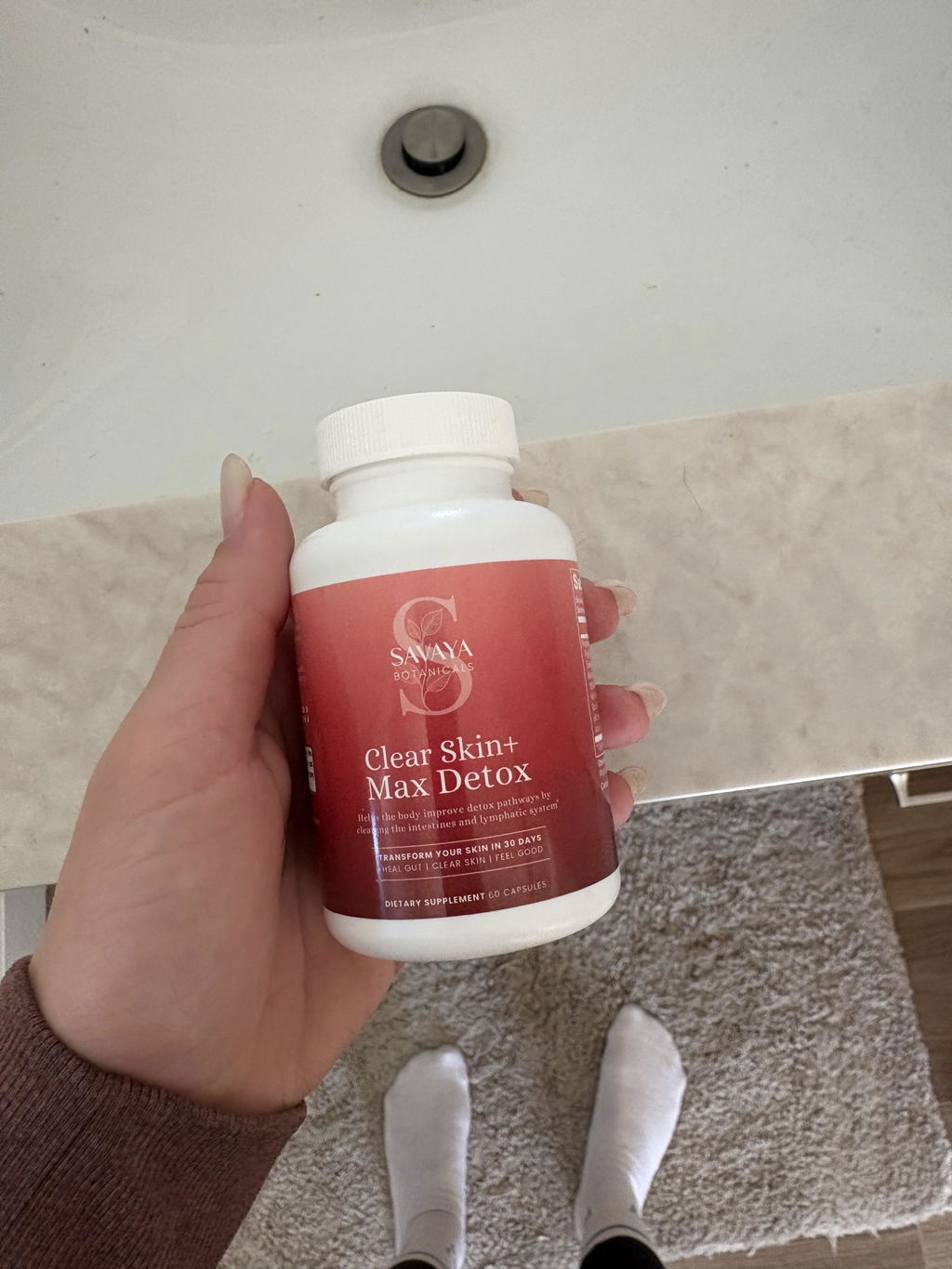
On the supplement side, Remove is about draining the swamp. Binders like activated charcoal or bentonite clay can sponge up toxins. Berberine and oregano oil help address bacterial overgrowth if a stool test flagged one. Milk thistle supports the liver as it processes the extra load. This is also the phase where a targeted microbiome reset can shorten the runway; I have seen clients use a targeted gut cleanse during weeks one through three to move things along.
Do not skip elimination just because it sounds boring. Deng and colleagues, publishing in Acta Dermato-Venereologica in 2018, showed that people with acne carry measurably different gut communities than those with clear skin. You cannot re-seed a garden that is still choked with weeds.
Step Two: Replace What Is Missing
Replace fills in the digestive tools your gut needs to break food down properly. When stomach acid is low or pancreatic enzymes are sluggish, partially digested food arrives in the small intestine and irritates the lining. Replacing these building blocks reduces the reactive load and lets the barrier rest. Give this phase two to four weeks.
Foods that support this phase:
- Warm bone broth with a squeeze of lemon before meals
- Bitter greens like arugula, dandelion, and endive to wake up bile flow
- Fermented foods in small doses, a spoonful of sauerkraut juice at a time
- Ginger and fennel tea to calm and stimulate digestion
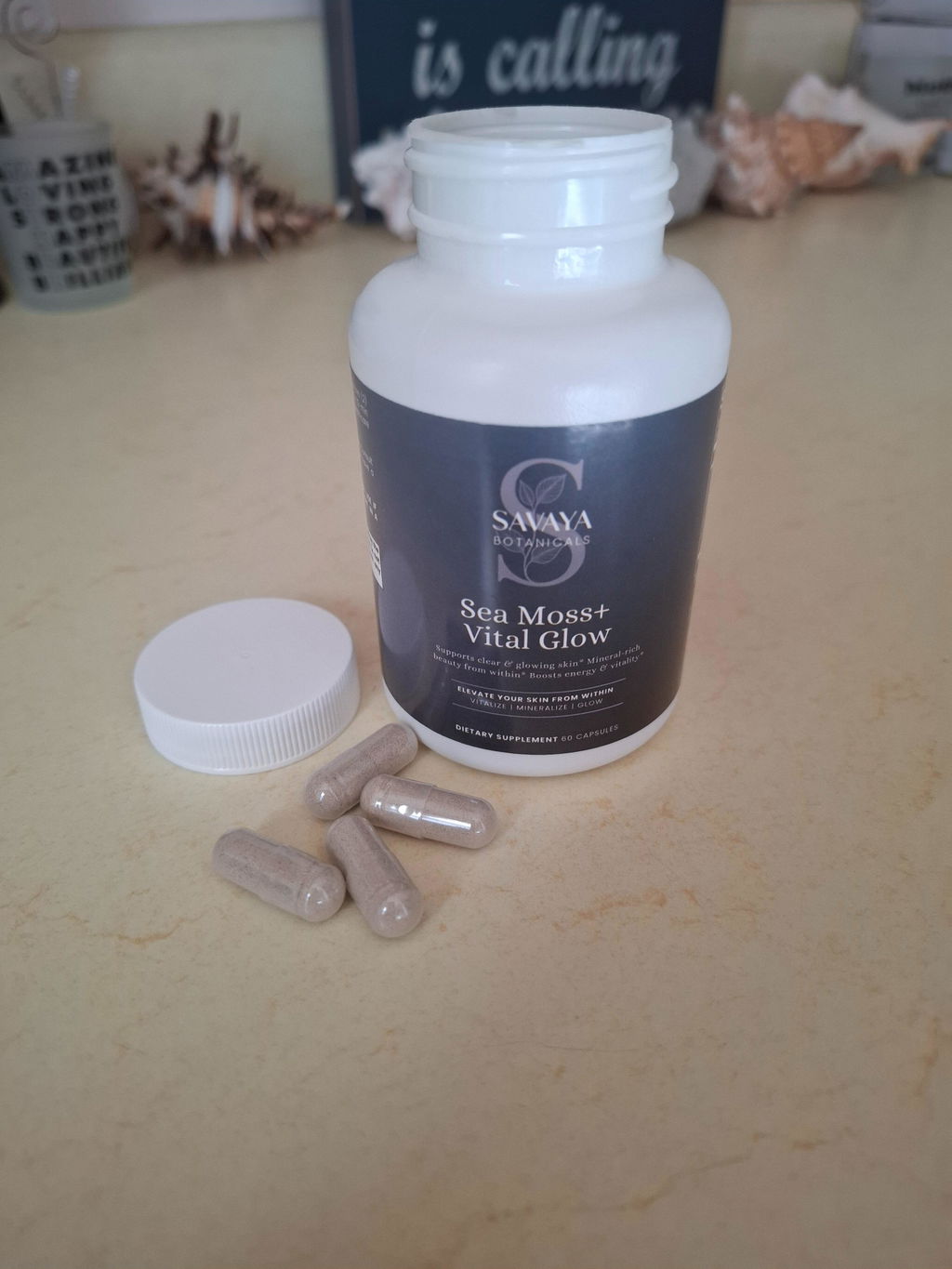
Supplement wise, betaine HCl with pepsin can help if you have low stomach acid, though start low and go slow. Digestive enzymes with lipase, protease, and amylase take pressure off the pancreas. Ox bile can be useful for those without a gallbladder. Mineral repletion matters too, which is why I lean on mineral-rich sea moss during this phase for the broad trace mineral spectrum it delivers.
The gut is not a machine to hack. It is a garden to tend. Every meal is either fertilizer or a footprint.
Salem and colleagues, in Frontiers in Microbiology in 2018, called the microbiome a major regulator of the gut-skin axis. Tending that garden is not glamorous. It is spoonfuls of sauerkraut and warm broth on a Tuesday night.
Step Three: Re-inoculate the Microbiome
Re-inoculate is where you rebuild the population of beneficial bacteria. This is not the phase to grab a random probiotic off a shelf. It is the phase to feed the microbes you want and introduce specific strains that produce the postbiotic compounds your gut barrier depends on. Plan for four to six weeks here.
Prebiotic fiber is the fertilizer. Try:
- Cooked and cooled potatoes or rice for resistant starch
- Green banana or plantain flour in smoothies
- Onions, leeks, garlic, and asparagus
- Jerusalem artichokes and jicama
- Chicory root and dandelion root tea
Probiotic foods matter too. Rotate small servings of kefir, kimchi, miso, and live sauerkraut. Some people do better with soil-based organisms; others do better with Lactobacillus and Bifidobacterium blends. If you break out worse for the first ten days, that is often die-off, not failure. Slow down, do not quit.
Butyrate, the short-chain fatty acid produced when your microbes ferment fiber, is the star of this phase. Butyrate feeds the cells lining your colon and helps them build tighter junctions. O'Neill and colleagues described this beautifully in BioEssays in 2016. When your microbes are fed, your skin gets a downstream gift.
Step Four: Repair the Gut Lining
Repair provides the raw materials your intestinal cells need to rebuild the barrier. Enterocytes turn over every three to five days, so you are literally growing new lining every week. Give them the amino acids, minerals, and anti-inflammatory support to build it properly. This phase runs four to eight weeks and often overlaps with Re-inoculate.
Foods that repair:
- Bone broth, again, because it earns its keep
- Wild-caught fatty fish for omega-3s
- Cooked leafy greens for magnesium and folate
- Egg yolks, if tolerated, for choline and vitamin A
- Colorful berries for polyphenols
Supplements that support repair:
- L-glutamine, the primary fuel for enterocytes
- Zinc carnosine, well studied for mucosal soothing
- Deglycyrrhizinated licorice, known as DGL, to comfort the lining
- Aloe vera inner leaf and slippery elm for a mucilaginous coat
- Omega-3s from fish oil to calm inflammation
- Collagen peptides for the glycine and proline your gut lining needs; bioavailable collagen strips make this easier when I travel
The skin also needs external support during Repair. Barrier disruption on the inside often mirrors barrier disruption on the outside. A barrier-repairing tallow cream at night gives the skin the saturated fats and fat-soluble vitamins it can absorb directly, which quiets reactivity while the gut work does the heavy lifting.
• • •
A Realistic 12-Week Timeline
Twelve weeks is enough time to shift most patterns, though not enough to undo years of damage. What you can reasonably expect is a steady march of small wins that stack. Skin lags behind gut healing by about four weeks, so do not judge progress by your face alone in the early weeks. Watch digestion first.
Weeks 1 to 2: Remove phase begins. Expect cravings, headaches, and possibly a breakout as the body clears. Energy dips, then lifts. Sleep improves noticeably by day ten.
Weeks 3 to 4: Bloating drops. Bowel movements become more regular. You start to notice which foods actually feel good. Skin may still be inflamed, but new breakouts often slow.
Weeks 5 to 6: Replace and early Re-inoculate. Digestion feels smoother. Brain fog thins. Cystic pimples become less frequent, though marks still linger.
Weeks 7 to 8: Full Re-inoculate. Stools become well-formed and daily. Cravings for sugar drop noticeably. Skin texture shifts. You catch yourself in the mirror and pause.
Weeks 9 to 10: Repair in full swing. Old marks begin to fade faster than they used to. Your face looks calmer even without makeup.
Weeks 11 to 12: You have a new baseline. Not perfect skin, but skin that behaves. You know your triggers. You know your rhythms.
Many women I work with follow this arc with the 12-week gut-to-skin program because it structures the phases in the right order and takes the guesswork out. If you carry a heavier toxin load, or years of processed food and stress, a deeper 12-week reset can layer liver and lymphatic support alongside the gut work.
Two nervous system notes that matter more than any pill. The vagus nerve directly influences gut motility and barrier integrity, so slow nasal breathing, humming, cold water on the face in the morning, and unhurried meals belong on your protocol list. The HPA axis, the stress and cortisol pathway, will undo Repair if you are running yourself into the ground. Sleep is not optional in this timeline. It is the repair shift.
If your acne has ignored every serum you have tried, the answer is often below your neck, not on it. Start with the gut, feed the microbes, and give the barrier the raw materials to rebuild.
Frequently Asked Questions
Here are the questions I get most from women dealing with adult acne who are just starting to explore the gut connection. If you do not see your question here, chances are your first practitioner conversation should include it. These answers are the short version of what I usually talk through in person.
Can leaky gut really cause adult acne?
The link is well established in the research literature. Fasano's work on zonulin in Clinical Reviews in Allergy and Immunology in 2012, along with Bowe and Logan's paper on the gut-brain-skin axis, shows how a compromised gut barrier drives systemic inflammation that expresses itself in the skin. Adult acne along the jawline and cheeks is a common presentation of this pattern, especially in women.
How long does it take to heal leaky gut?
Most people notice digestive changes within two to four weeks and skin changes within eight to twelve weeks. Full barrier remodeling can take six months or longer, especially if the gut has been irritated for years. The 4R protocol gives you a structured runway to see real progress in a realistic window without chasing miracle cures.
Do I need to remove gluten forever?
Not necessarily. Many women reintroduce whole-grain sourdough and heritage wheat once the barrier has calmed and tolerate it well in small amounts. The Remove phase is a reset, not a life sentence. Reintroduction, done slowly and one food at a time with three days between trials, tells you what your body can actually handle.
What is the single most important supplement for leaky gut?
If I had to pick one, L-glutamine, because it is the primary fuel for the cells lining your intestine. That said, no supplement replaces the foundations of removing triggers, sleeping seven to eight hours, managing stress through vagus nerve support, and eating whole foods with plenty of prebiotic fiber. Supplements accelerate; they do not substitute.
Will probiotics alone clear my skin?
Rarely. Probiotics help, but if the gut is inflamed the terrain is still hostile. You have to remove the irritants and repair the lining first, or the beneficial bacteria cannot take up residence. Think of it like planting seeds in cracked soil versus tended garden beds. The order of operations is what makes the 4R protocol work.