Here is what nobody taught me in esthetician school. Skin problems usually don't start on the skin. In my practice, I see the same thing again and again. Women with careful routines, good cleansers, actives on schedule, and skin that still refuses to cooperate. The gut is almost always the missing chapter. These are the seven warning signs I look for first, and the mechanism hiding behind each one.
If two or more of these sound familiar, you are not failing at skincare. You are reading the wrong map.
1. Chronic acne that ignores your topicals is a gut barrier problem
Chronic acne that will not respond to topicals almost always means the inflammation is being fed from inside the body. When the gut barrier loosens through zonulin-mediated intestinal permeability, bacterial fragments called lipopolysaccharide slip into circulation and signal oil glands to overproduce and inflame. Topical antibiotics and retinoids cannot reach that upstream signal.
Bowe and Logan wrote about this gut-brain-skin axis in Gut Pathogens in 2011. Stress and dysbiosis loosen the gut lining. Endotoxins slip through. The immune system notices. The sebocytes flare.
There is more at play. High-glycemic foods and dairy raise IGF-1, which pushes oil glands toward clogged pores through mTORC1 signalling. An overactive HPA axis adds cortisol and substance P to the mix, amplifying sebum. The acne on your jaw is a report on your digestion, not a verdict on your cleanser.
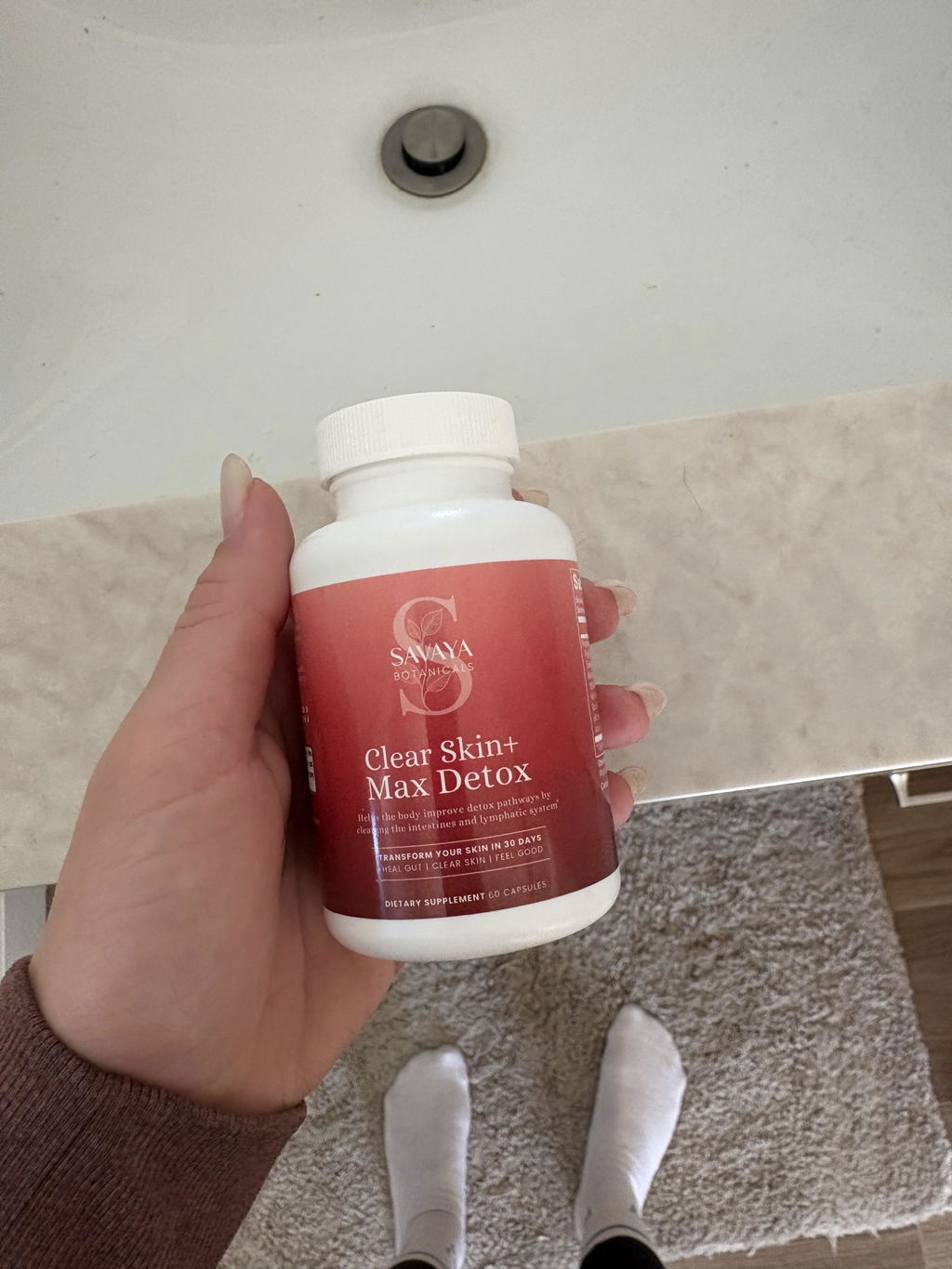
This is why I almost always start stuck-acne clients on a targeted gut cleanse before we touch the skincare. And why many women find that the 12-week gut-to-skin program moves the needle when creams never could. What is the signal they are actually quieting? The one your retinol has been shouting at from the wrong side of the wall.
2. Eczema that flares within hours of eating is a leaky gut signal
Eczema that flares within hours of certain meals usually means food proteins are crossing an inflamed intestinal lining. The immune system treats them as invaders, shifts into a Th2 pattern, and sends histamine and antibodies into circulation. Within hours, that signal lands on filaggrin-weak skin and the itch begins.
Palmer and colleagues showed in Nature Genetics in 2006 that common loss-of-function variants in the filaggrin gene (FLG) are a major cause of atopic dermatitis. Filaggrin is what lets healthy skin hold water and keep allergens out. When it is missing, the skin barrier is already weakened. A leaky gut sitting on top of a leaky skin is a recipe for flares.
Early gut life matters too. Abrahamsson and colleagues found in 2012 that infants who later developed eczema had lower gut microbial diversity at one month old. Penders and colleagues reported similar findings in the KOALA cohort, with low Bifidobacterium and early Clostridium difficile colonisation predicting future atopy.
If every meal feels like a gamble, the gut lining deserves attention, not just the skin. A gentle tallow balm that respects a compromised barrier can soothe the surface while you work on what is actually driving the flare underneath.
3. Rosacea that shows up after a hard week is gut-brain-skin inflammation
Rosacea that erupts after a stressful week is not weakness. It is the HPA axis talking to the gut, the gut talking to the immune system, and the immune system talking to your cheeks. Stress loosens the intestinal lining, endotoxins reach circulation, and the skin answers by overproducing an inflammatory peptide called cathelicidin LL-37.
Parodi and colleagues published a landmark study in 2008 showing that rosacea patients had a dramatically higher rate of small intestinal bacterial overgrowth than controls, and that treating the SIBO with rifaximin cleared the skin for nine months. Yamasaki and colleagues demonstrated in Nature Medicine in 2007 that elevated LL-37 and the enzyme kallikrein-5 that cleaves it can reproduce rosacea lesions on their own. Muto and colleagues later confirmed that mast cells on the face are the final step that turns that peptide into flushing and bumps.
Egeberg and colleagues tied the gut connection to national data in 2017 using a Danish cohort. Rosacea travelled hand in hand with coeliac disease, Crohn's, ulcerative colitis, IBS and SIBO.
Your face is not the problem. Your face is the printout.
When your gut is on fire, your face becomes the smoke alarm.
4. Dull and tired skin despite careful routines points to gut malabsorption
When your complexion looks dull and tired no matter how expensive the serum, suspect absorption. A compromised gut lining lets inflammatory fragments into circulation, which constricts the tiny blood vessels that feed the skin. At the same time, dysbiosis reduces butyrate-producing microbes, which weakens colonocytes and starves the body of iron, B12, folate, and biotin.
Bowe and Logan laid this out in 2011. Salem and colleagues reviewed the field again in 2018 in Frontiers in Microbiology and concluded that gut composition influences skin homeostasis through immune, metabolic and barrier pathways, with short-chain fatty acid signalling at the center of it.
Translation. If your gut is inflamed, your body cannot pull the raw materials out of your food. Without iron, hemoglobin falters and the skin loses its glow. Without B vitamins, mitochondria in keratinocytes slow down. Without biotin, keratin assembly is sluggish.
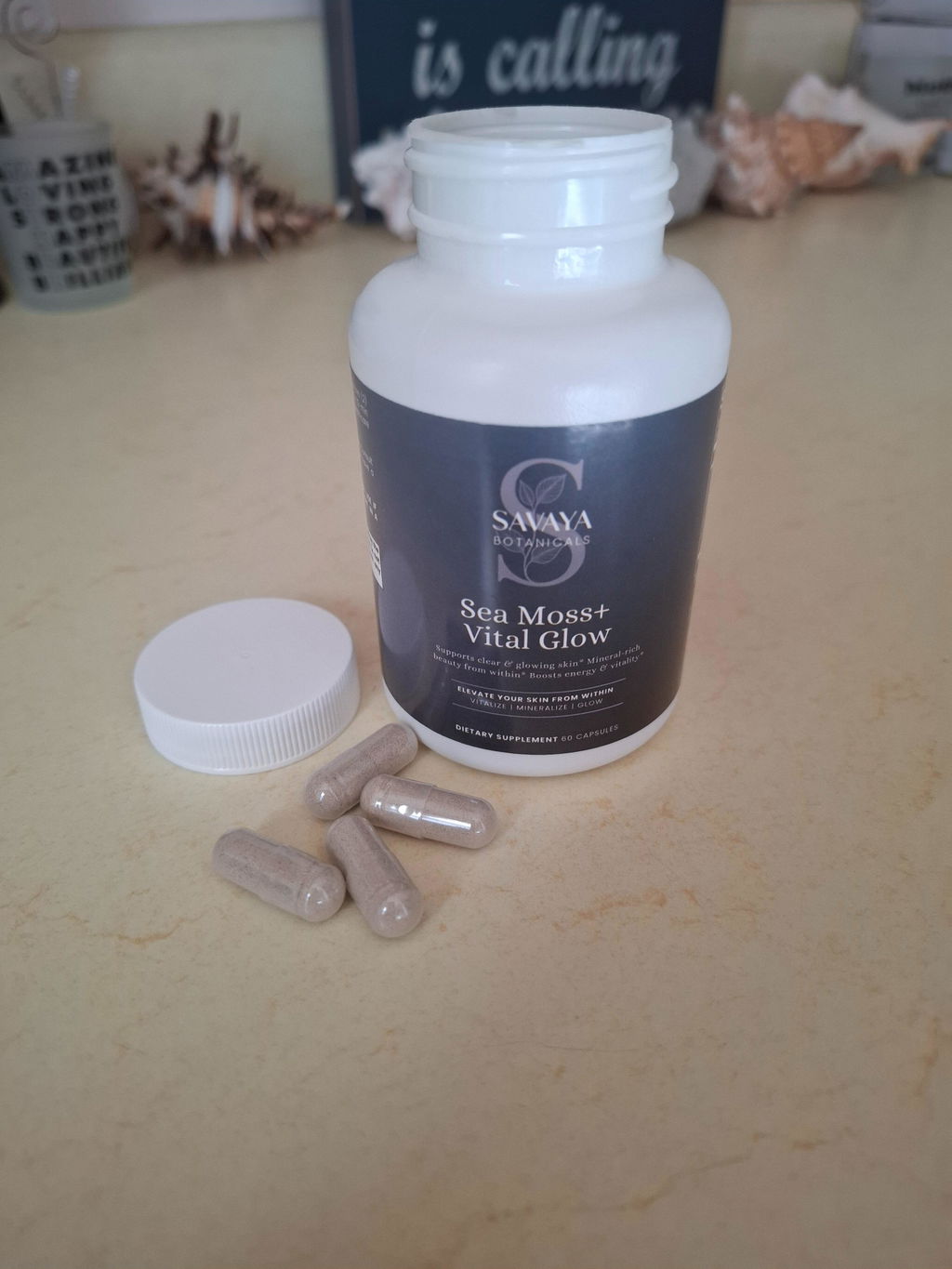
This is where I often add 92 trace minerals from the ocean to a client's routine. Not as a miracle. As a way to flood a depleted system with what it has been begging for while we rebuild the lining underneath.
5. Dark circles that will not budge are often a gut histamine story
Dark circles that survive sleep, hydration, and concealer are rarely about rest alone. When the gut lining loosens, bacterial fragments and poorly cleared dietary histamine reach circulation. Histamine dilates the dense venous network under the thin skin below your eyes, producing the bluish-violet shadow doctors have long called "allergic shiners".
Maintz and Novak reviewed this in the American Journal of Clinical Nutrition in 2007. When the enzyme diamine oxidase is low, histamine from aged cheese, red wine, cured meats, and even fermented foods is not broken down at the gut mucosa. It travels onward. Vessels dilate. Faces tell the story.
Fasano's 2011 work in Physiological Reviews explained the upstream gatekeeper. Zonulin controls the tight junctions between intestinal cells. When zonulin is dysregulated, the gate stays open and the parade of irritants never stops.
This is why some women discover their circles fade after they remove a few histamine-heavy foods for two weeks, long before any eye cream has had time to earn a thank-you note. And it gets stranger when you look at how fast those blemishes clear, too.
6. Wounds and marks that linger reveal gut-driven collagen shortages
If every blemish leaves behind a brown or red shadow that lasts for weeks, your skin is not just slow to heal. It is short on raw materials and stuck in inflammation. Under-digested protein starves collagen of glycine and proline. A permeable gut keeps the immune system simmering, which stalls the wound in its inflammatory phase.
Lansdown and colleagues established in 2007 in Wound Repair and Regeneration that zinc is essential across every phase of healing. Deficiency slows re-epithelialization, weakens collagen synthesis, and impairs immune defense right at the wound site. Pullar and colleagues reviewed vitamin C in Nutrients in 2017 and reminded us that it is an irreplaceable cofactor for the enzymes that hydroxylate collagen.
Both nutrients depend on an intact small intestine to be absorbed. If the gut is inflamed, you will not get what you ate. And Fasano's zonulin work closes the loop. Barrier dysfunction keeps LPS trickling into the bloodstream, which overactivates melanocytes and deepens the post-inflammatory pigment left behind.
For clients in this situation, I often add bioavailable collagen support alongside the gut work. Peptides bypass some of the protein digestion bottleneck and give fibroblasts the amino acids they need to actually close the loop.
7. Reacting to every new product means your skin's threshold has dropped
When a cream you used last year suddenly stings, or every new serum triggers itch and flush, your skin is not being dramatic. Its threshold has dropped. A leaky gut sends low-level inflammation to the skin, primes mast cells to degranulate too easily, and reduces short-chain fatty acids that normally support filaggrin and barrier repair.
Fasano's 2011 work is the backbone here. Zonulin opens intestinal tight junctions, systemic inflammation follows, and the skin inherits it. Bowe and Logan's gut-brain-skin review mapped how dysbiosis translates into cutaneous reactivity. Maintz and Novak added the histamine angle. Fragrances, acids and preservatives that a calm skin would tolerate now trigger stinging and flushing, because the immune cells underneath are already on a hair trigger.
If this is you, the fix is rarely a new product. It is fewer products, a calmer gut, and a few weeks of patience.
What to do about it
If several of these ring true, the move is not another serum. It is simpler, slower, and starts in the kitchen.
- Cut ultra-processed foods and industrial seed oils for a month. Both inflame the gut lining and raise zonulin.
- Eat one prebiotic fiber food every day. Cooled potatoes, green banana, oats, asparagus, garlic. Feed the microbes that make short-chain fatty acids.
- Rebuild stomach acid before anything else. Sip warm water with a squeeze of lemon fifteen minutes before meals.
- Sleep seven to nine hours. The gut lining rebuilds overnight, when cortisol is low.
- Stimulate the vagus nerve. Long slow exhales, humming, a splash of cold water on the face each morning.
For women who want structure instead of guesswork, the deeper 12-week reset walks through the gut repair, the binders, and the daily inputs in a sequence that lets the skin catch up at its own pace.
Common questions about the gut-skin connection
What is the gut-skin axis in simple terms?
The gut-skin axis is the two-way conversation between your digestive tract and your skin. When the gut lining is calm and the microbiome is diverse, the skin stays quiet. When the gut is inflamed or leaky, that same inflammation turns up on your face. The vagus nerve, the immune system, and short-chain fatty acids carry the messages between the two.
Why do probiotics alone not fix my skin?
Probiotics seed the garden, but they do not fix broken fences. If the gut lining is still permeable, if stomach acid is low, or if the diet keeps feeding dysbiosis, adding a few bacterial strains is like throwing seeds onto concrete. Repair the barrier, feed the good microbes with fiber, and only then does probiotic support start to compound.
How long does it take for gut work to show up on the skin?
Skin cells cycle roughly every 28 days in younger adults and closer to 40 to 60 days as we age. In my practice, most women notice a shift in texture and reactivity around week four. Deeper changes to acne, rosacea, and pigmentation usually become visible between weeks eight and twelve. Consistency beats intensity.
Can I keep using my favorite skincare while I work on my gut?
Yes, with one caveat. During a reset the skin barrier is often extra sensitive, so pull back on actives for the first three to four weeks. Use a simple cleanser, a soothing moisturizer, and sunscreen. Reintroduce retinoids and acids slowly once you see the skin calm down.
Is a gut cleanse safe if I have a sensitive stomach?
For most women, a gentle structured approach is safer than an aggressive one. Start low and slow. If you have a diagnosed GI condition, work with someone who knows your full picture. Watch for signs that you are pushing too hard: fatigue, nausea, or worsening skin for more than a few days. The goal is to calm the system, not punish it.