Here's something nobody tells you at the dermatologist. The three month course of doxycycline that cleared your skin is often the exact reason your skin is worse now than before you started. Not because you did anything wrong. Because of what the pills did to your gut while they were quieting your face. There is a biological rebound, and understanding it changes everything.
The Clearing That Fools You
Antibiotics for acne work by killing bacteria on the skin and inside the pores, which is why most people see dramatic clearing in the first six to eight weeks. The problem is what happens after that window closes. The clearing is temporary, and the setup for the rebound starts on day one.
I see this often with women who come in six months after finishing their last course. Their skin is deeper, more cystic, more inflamed than before. They are confused. The medicine worked, until it stopped working, and now something feels wrong on the inside too.
The reason sits in the gut. Oral antibiotics for acne, usually doxycycline, minocycline, or tetracycline, do not just kill the Cutibacterium acnes living in your pores. They sweep through your entire intestinal microbiome and wipe out dozens of species that keep your skin calm from the inside.
That sweep is the quiet part of the story. When the bacteria your skin actually needs come back lower, patchier, and in a different order than before, your skin pays the price for years. Which is where the names of what you lost start to matter.
What Your Gut Loses in Those First Two Weeks
Broad-spectrum antibiotics, including the tetracyclines prescribed for acne, deplete the keystone species your body uses to keep inflammation low. The casualties include Bifidobacterium, Lactobacillus, Akkermansia muciniphila, Faecalibacterium prausnitzii, and Roseburia. These names matter because each one does a job your skin depends on.
Bifidobacterium and Lactobacillus train the immune system so it stops reacting to normal things like dust and food. Akkermansia muciniphila lives in the mucus layer of the gut barrier and literally patches holes. Faecalibacterium prausnitzii and Roseburia produce short-chain fatty acids, mostly butyrate, that feed the cells lining your colon and keep intestinal permeability low.
When those short-chain fatty acids drop, three things happen fast. Zonulin rises. Tight junctions in the gut loosen. Lipopolysaccharide fragments from dead bacteria leak into the bloodstream and travel. Systemic inflammation climbs. IGF-1 signaling climbs with it, and higher IGF-1 means more sebum.
More sebum, more inflammation, more clogged pores. That is the mechanical bridge between the gut and the face. It is also why many of my clients see worse acne four to six months after their last pill than they ever had before. And there is a second problem running in parallel.
When C. acnes Learns to Ignore the Medicine
Cutibacterium acnes develops resistance to oral and topical antibiotics within weeks of exposure. A 2016 Lancet Infectious Diseases paper by Walsh and colleagues documented a global rise in C. acnes resistance to erythromycin and clindamycin, with regions reporting rates above fifty percent. The bugs on your skin are learning fast.
The mechanism is uncomfortable. C. acnes lives deep inside the follicle, where it mutates under pressure. Short exposures train the colony. Long exposures confirm the lesson. Oral and topical courses stacked together speed things up and leave strains that no longer blink at the strongest dose your dermatologist can prescribe.
The practical consequence is simple and awful. The second course of antibiotics works less well than the first. The third works even less. By the time you cycle through two or three rounds across a few years, the medicine clears less skin and leaves more damage behind.
And here it gets uncomfortable in another direction. The resistant strains do not stay on your face. They colonize the people around you, the family you live with, the partners you kiss. Antibiotic resistance in acne is a public health issue dressed up as a cosmetic one.
The Yeast Problem Nobody Mentions
When antibiotics suppress the bacteria that normally compete with yeast, Candida albicans has room to multiply. This is why women often develop a stubborn vaginal yeast infection, bloating, sugar cravings, or a white-coated tongue a few weeks into a course. The gut is tilting from bacterial to fungal, quietly.
Candida does not cause acne directly in most people. What it does is keep systemic inflammation elevated and compete for the nutrients your skin needs to repair. The result is slower healing, more post-inflammatory redness, and a foggy exhaustion that sits behind the eyes.
A woman in my practice last month described it perfectly. She said her face looked tired even when she slept nine hours. Her gut had been quietly fermenting for two years after her last round of minocycline, and she had never connected the two.
When Candida takes hold, it produces fermentation byproducts that irritate the gut lining and keep leaky gut going even after the antibiotics stop. That is why many clients feel bloated for months after they finish the pills, and why the skin takes so long to settle. The next piece of this puzzle is the one most dermatologists leave out entirely.
Clindamycin, C. difficile, and the Risk You Were Not Warned About
Not every antibiotic carries the same risk of Clostridioides difficile infection. A 2013 meta-analysis in Antimicrobial Agents and Chemotherapy by Brown and colleagues found that clindamycin, fluoroquinolones, and cephalosporins pose the greatest community-associated risk. Clindamycin is the active ingredient in many topical acne gels prescribed in the United States.
Topical application is not the same as oral exposure, but the skin absorbs a measurable fraction, and prolonged use shifts the gut microbiome in ways that look like a low-dose oral course. I have seen two clients develop C. difficile after months of topical clindamycin stacked with oral doxycycline.
C. difficile is not a rare theoretical risk anymore. Community-associated cases have climbed every year since the mid-2000s, and the people most often blindsided are young women on long antibiotic courses for acne or recurrent urinary infections. The pattern is predictable.
The worst part is that the C. difficile diagnosis arrived after the acne protocol had been declared a success. The skin was calmer. The gut was devastated. The treatment created a problem larger than the one it solved.
Why Recovery Takes 6 to 12 Months
The gut microbiome does not snap back after an antibiotic course the way the skin does. A 2018 Nature Microbiology study by Palleja and colleagues tracked healthy young men after a four-day cocktail of three broad-spectrum antibiotics. The microbiome partially recovered by six months, but nine common species remained undetectable.
Four days of antibiotics. Nine missing species at six months. These were healthy men in their twenties, not acne patients who had been on doxycycline for twelve weeks. The acne patient is losing more and recovering slower.
A landmark 2011 PNAS paper by Dethlefsen and Relman followed people through repeated short courses of ciprofloxacin and found that each round left the gut less resilient. Some participants never fully recovered. The microbiome has memory, and it is not forgiving.
Jernberg and colleagues reported in 2007 in The ISME Journal that a single antibiotic course was still detectable in the gut up to two years later. Two years from one prescription. That is the quiet math behind the acne rebound.
If you were told to take probiotics to speed things up, there is harder news. Suez et al, writing in Cell in 2018, showed that standard off-the-shelf probiotics actually delayed natural microbiome recovery for up to five months in people who had just finished antibiotics. The right support matters more than any support.
The microbiome has memory. One short acne antibiotic course can echo in your gut for two years, and in your skin for just as long.
A Case I Keep Seeing
A client of mine came to me after four years of cycling through doxycycline, spironolactone, and topical clindamycin. Her face was in the worst shape of her life. She was 28, exhausted, and bloated by six every evening. Her story is the pattern I see almost weekly.
Round one of antibiotics in her teens cleared her skin for about ten months. Round two in college cleared her for six. Round three in her first job cleared her for three. Round four did almost nothing, and the rebound after it was the deepest cystic acne she had ever had.
That falling line is the signature of microbiome collapse. Each cycle leaves less to recover from. Each clearing is shorter. Each rebound is louder. Add rising cortisol from the stress of looking in the mirror every morning, and the HPA axis joins the party too. If this sounds like your own history, you are not failing. You are responding exactly the way the biology predicts.
What To Do Instead
Rebuilding a gut flattened by acne antibiotics is slower than most people want, but it is possible and it follows a predictable arc. The body needs the right fibers to feed the surviving bacteria, the right minerals to repair the gut barrier, and the right nervous-system support to actually digest food again.
Prebiotic fiber comes first. Think cooked and cooled potatoes, green bananas, oats, onions, and leeks. These are the foods that produce butyrate and other short-chain fatty acids when fermented by the surviving Bifidobacterium and Faecalibacterium. Without them, no recovery.
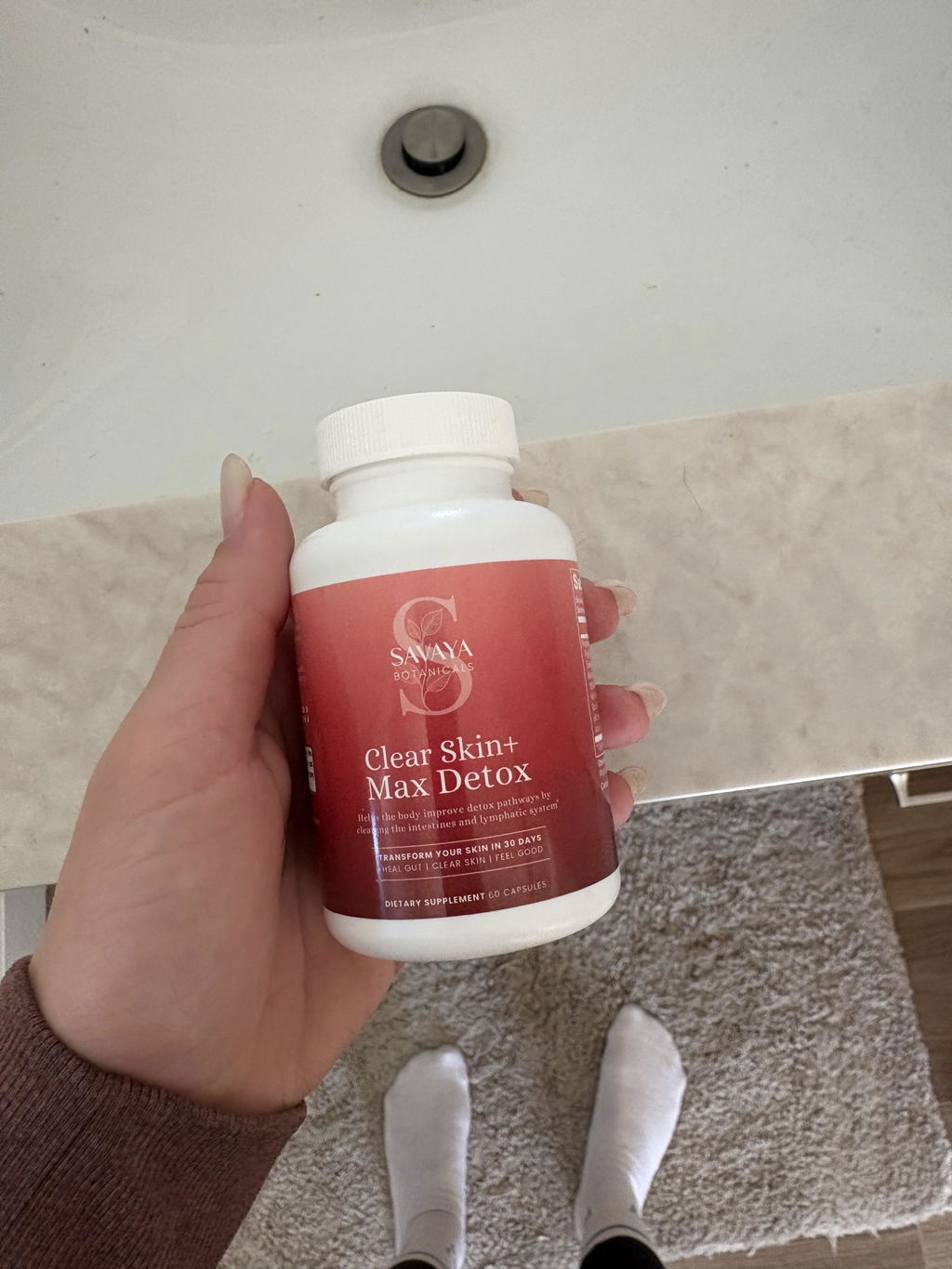
Postbiotic support, meaning the metabolites themselves, can shortcut the slow part. This is where a well-formulated microbiome gut cleanse protocol earns its keep. It helps the barrier close while the fiber work rebuilds the colony that produces those metabolites naturally.
If your gut is still echoing an old antibiotic course, a focused 12-week clear skin reset gives the microbiome, the vagus nerve, and the HPA axis the structured runway they actually need.
- Pull out the fuel that feeds dysbiosis for 30 days: refined sugar, alcohol, and the daily seed oils that quietly keep inflammation elevated.
- Eat prebiotic fiber at every meal, including cooked and cooled potatoes, green bananas, oats, onions, leeks, and asparagus.
- Add two servings of fermented foods a day, rotated across sauerkraut, kefir, kimchi, and plain yogurt from grass-fed milk.
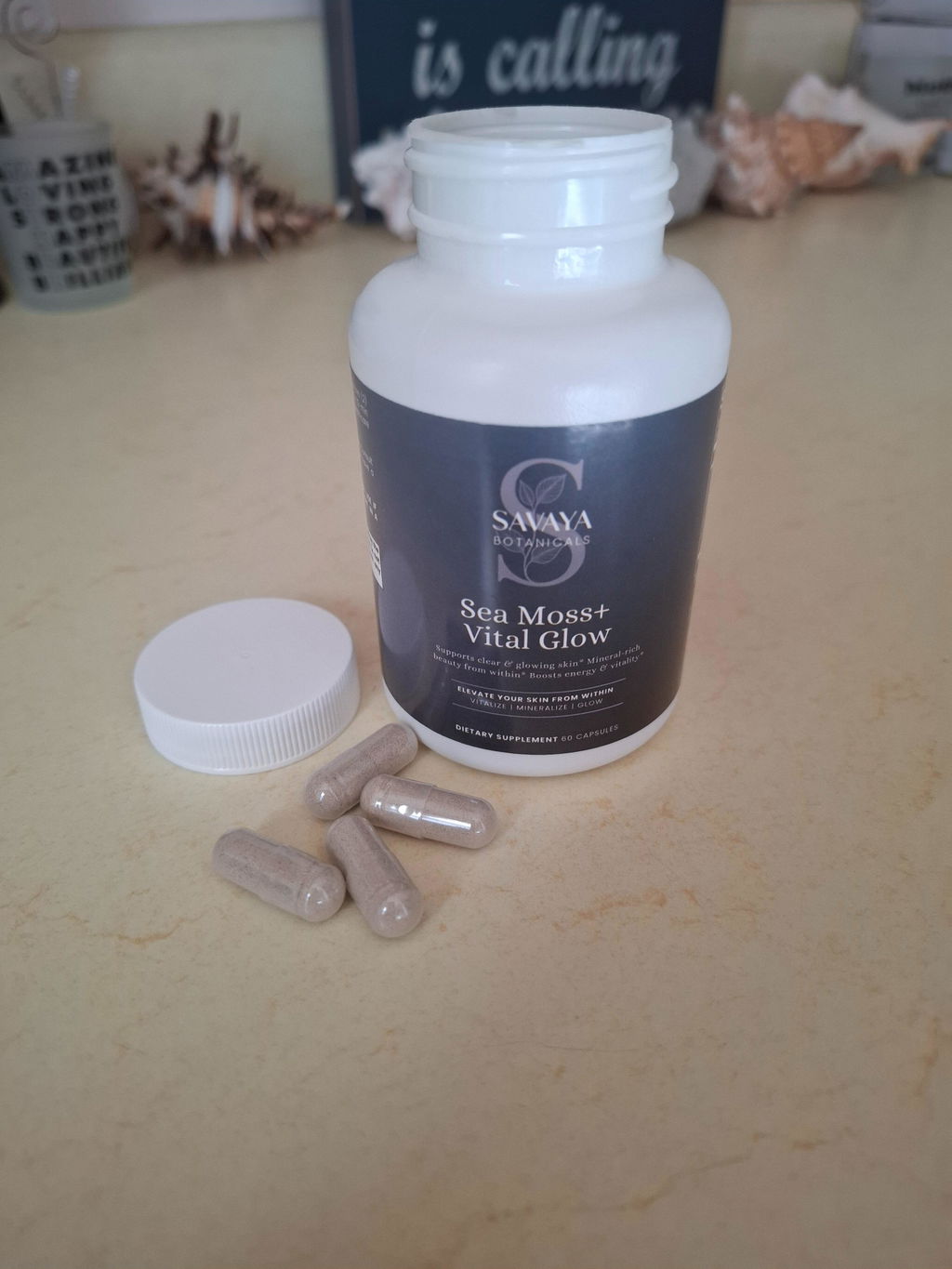
- Drink a mineral-rich sea moss gel in the morning to replace the magnesium, zinc, and iodine that acne antibiotics strip from the body.
- Support the gut barrier directly with bone broth, L-glutamine, and an acai-based detox blend to clear the backlog of inflammatory metabolites.
- Protect sleep ruthlessly. The vagus nerve repairs the gut-skin axis most efficiently between ten in the evening and two in the morning.
- Downregulate the HPA axis with walking, breathwork, and daylight within thirty minutes of waking so cortisol lands where it belongs.
- Give the skin topical nourishment that does not fight the microbiome. A nightly tallow cream paired with collagen strips for skin repair moves faster than any resistant antibiotic ever did.
• • •
Frequently Asked Questions
What are the signs antibiotics damaged my gut?
Common signals include new bloating in the evenings, white tongue coating, sudden sugar cravings, cystic breakouts along the jaw, slower digestion, and the sense that food sits heavy for hours. These point to dysbiosis and a weakened gut barrier, not a surface skin problem.
Why does acne come back worse after antibiotics?
Antibiotics kill the bacteria that produce short-chain fatty acids, which keep inflammation and sebum low. When those bacteria thin out, systemic inflammation and IGF-1 both rise, which pushes the skin into a worse state than before the medicine ever started.
How long does gut recovery take after acne antibiotics?
Most people need six to twelve months of focused support after a standard course, and longer after repeated cycles. The research shows some species may remain absent for up to two years without intentional rebuilding of the gut microbiome.
Can I just take probiotics to fix my gut after antibiotics?
Not any probiotic. A 2018 Cell paper by Suez and colleagues found that generic off-the-shelf probiotics delayed natural recovery for up to five months. Prebiotic fiber, fermented foods, and targeted postbiotic support are usually a better first step.
Is it safe to use topical clindamycin for acne long term?
Topical clindamycin is absorbed through the skin and can shift the gut microbiome with long use. The 2013 meta-analysis by Brown and colleagues flags clindamycin as a top driver of C. difficile risk, so prolonged use deserves real caution.