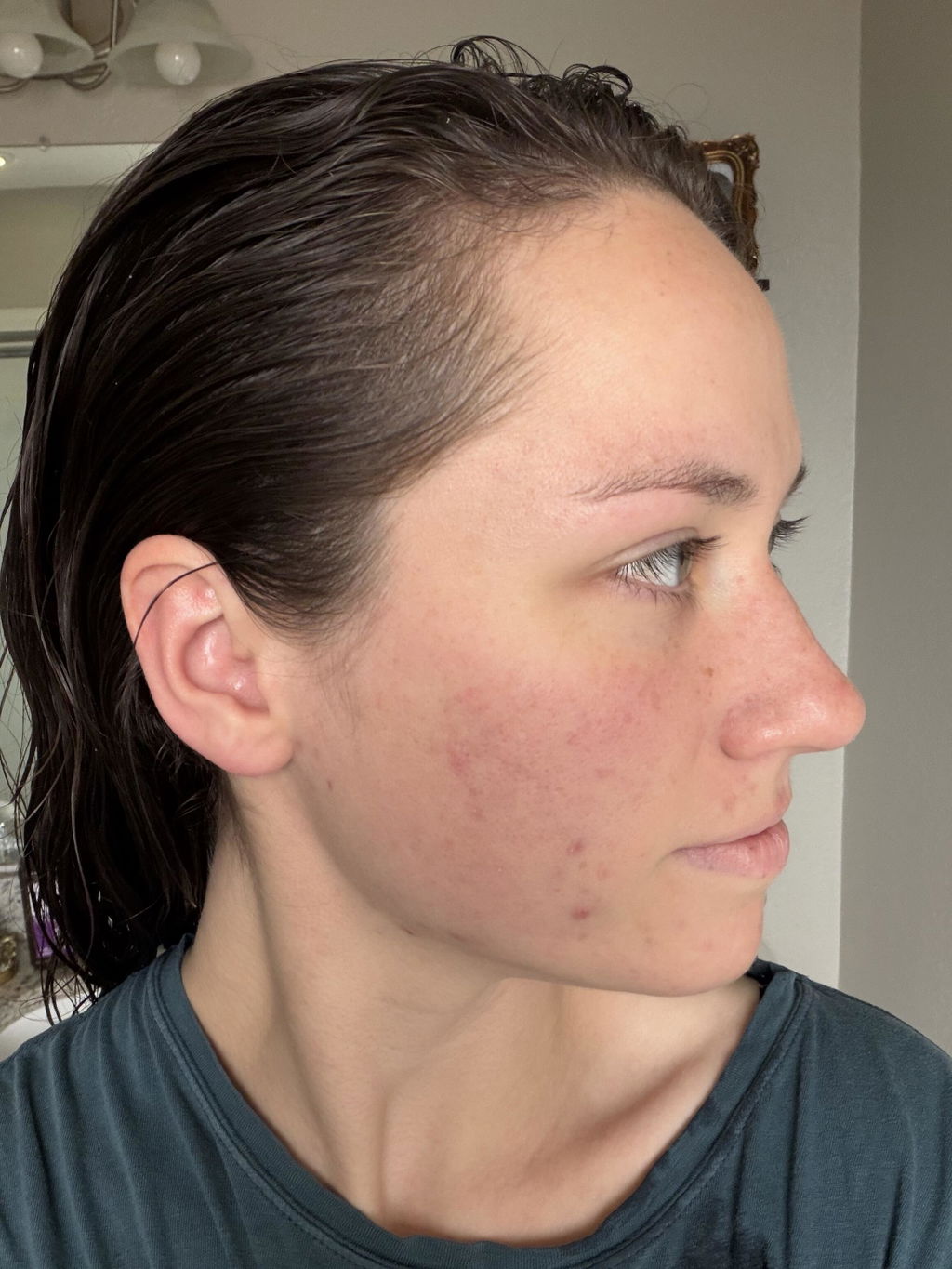
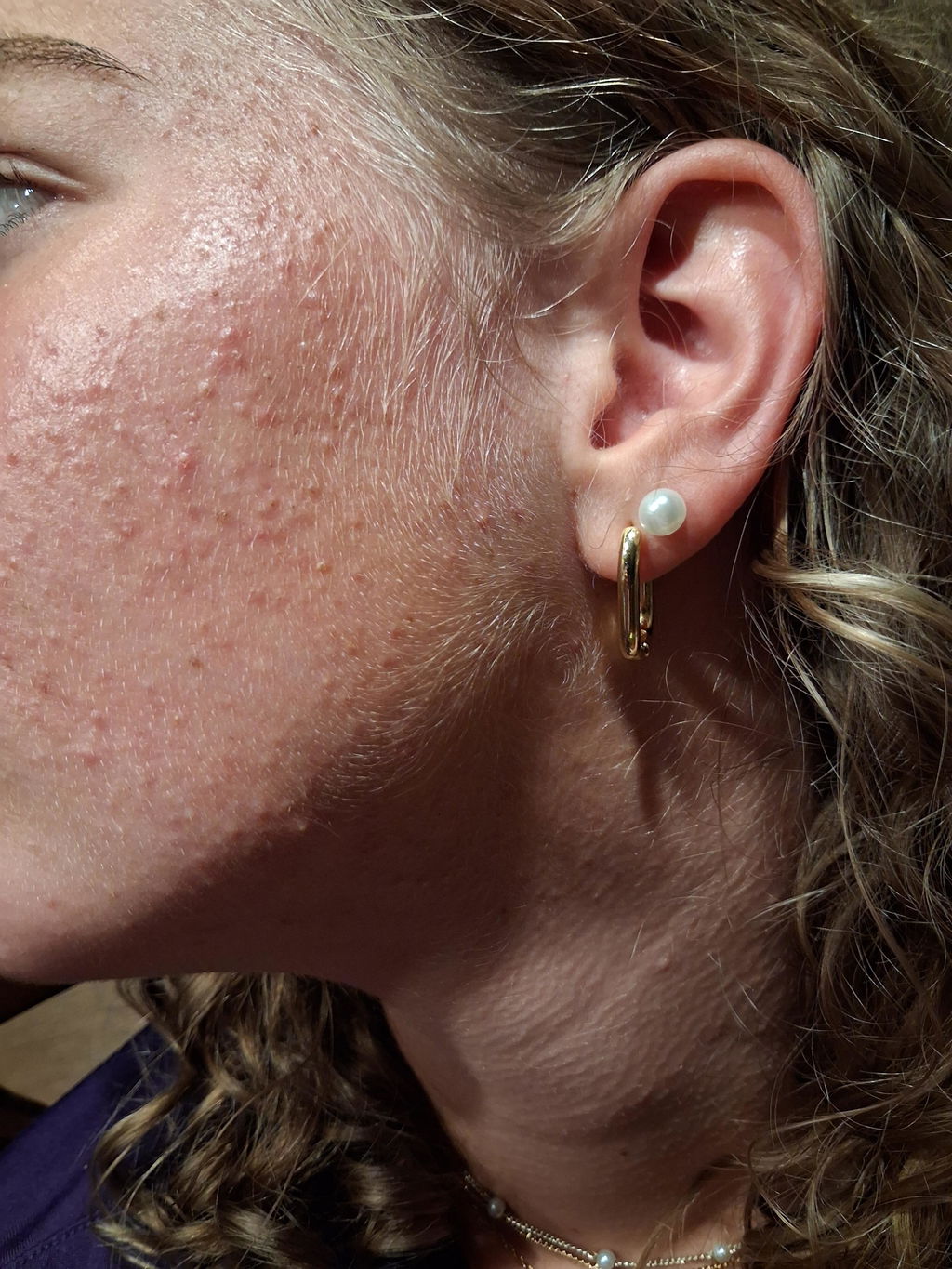
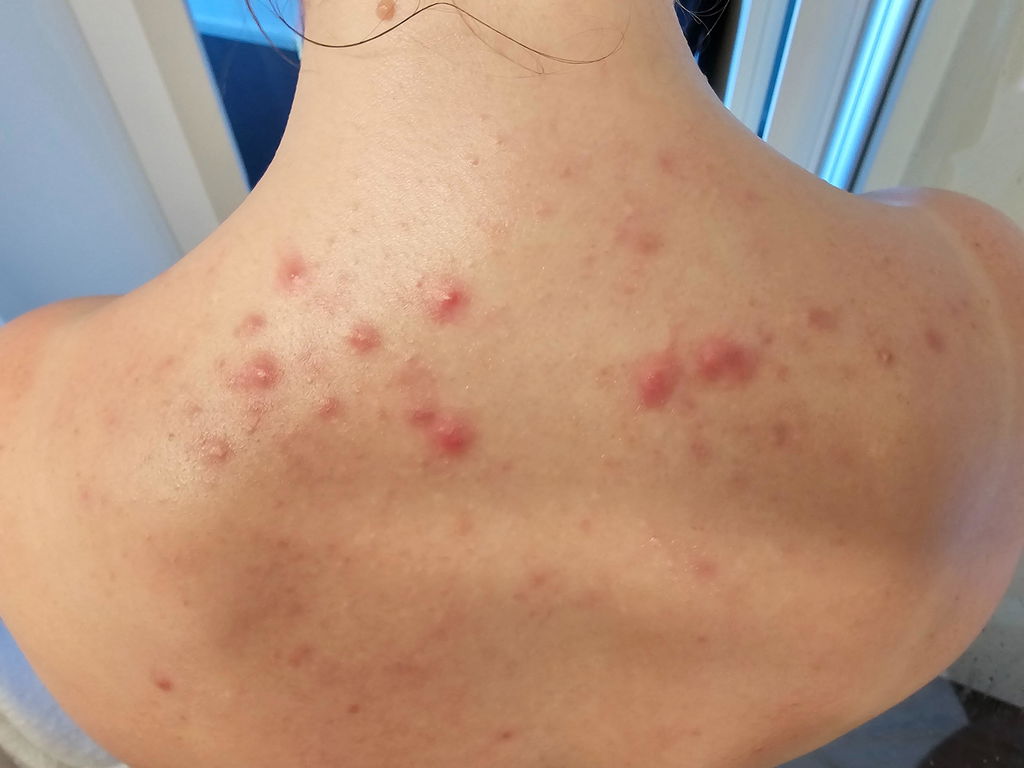
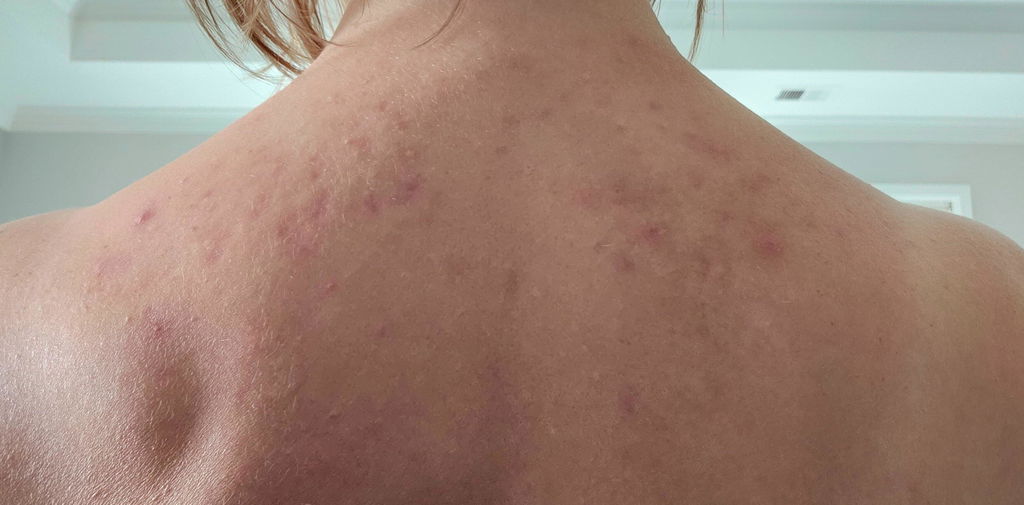
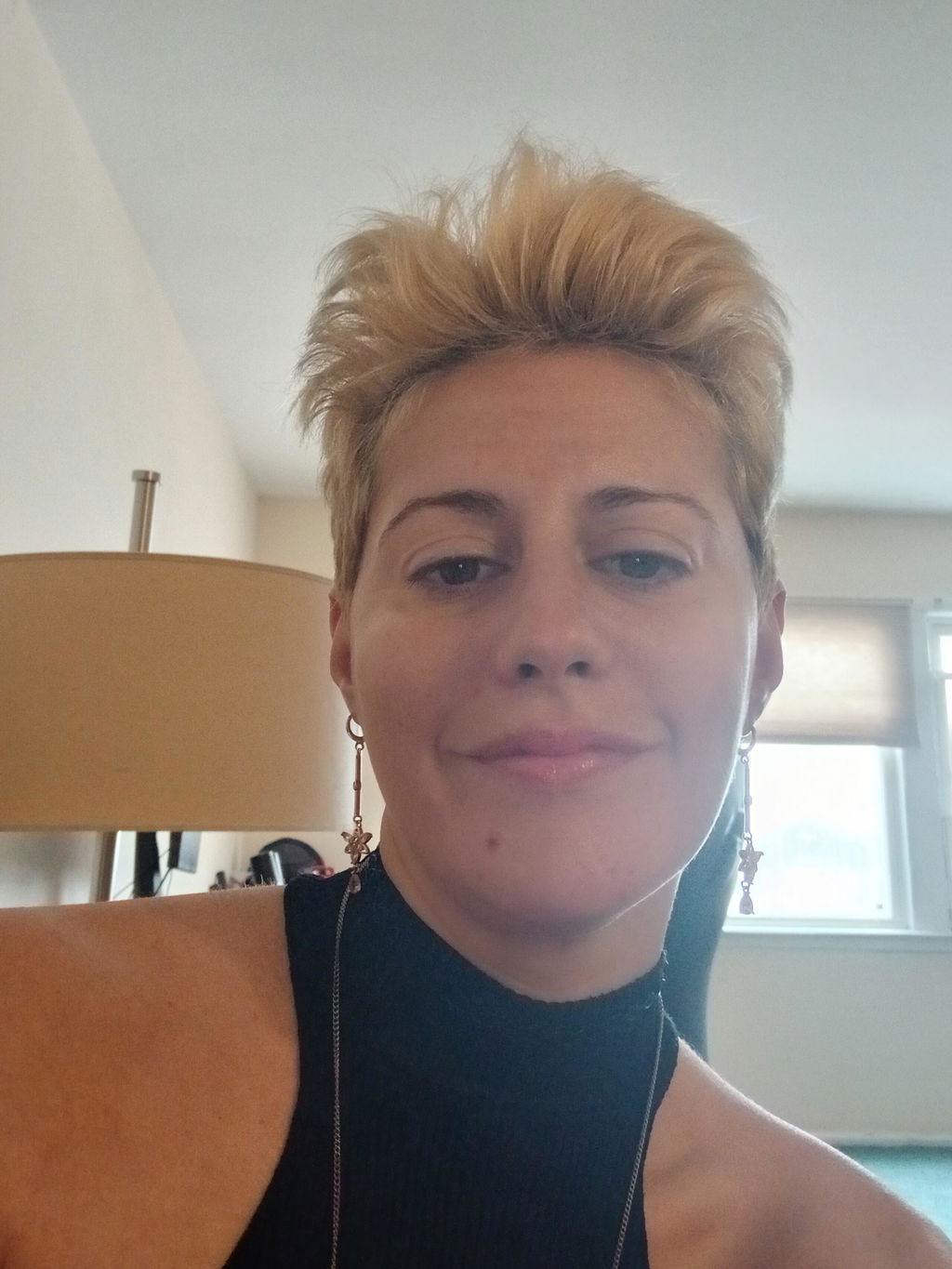
For four years, I ran through nearly every acne product on the market. Benzoyl peroxide, prescription retinoids, blue light devices, extraction facials that left my face raw for a week, an entire cabinet of serums that each promised to be the one that finally worked. My skin would improve for a few weeks, plateau, then flare again in the exact same pattern along my jawline and chin. It wasn't until a functional medicine practitioner asked me a question no dermatologist had ever asked, "how's your digestion been," that I found the actual root cause. My skin wasn't broken. My gut lining was.
That one conversation sent me down a research rabbit hole that ended with a diagnosis I'd never heard of outside of wellness forums: intestinal permeability, or what's more commonly called leaky gut. I want to walk through exactly what that is, the actual science behind it, how I tested for it instead of guessing, the protocol I used to heal it, and a realistic week-by-week timeline of what happened to my skin.
My Skin Wasn't the Problem. My Gut Lining Was.
Here's what nobody explained to me in four years of dermatology visits: your gut and your skin are in constant communication. Researchers call this the gut-skin axis, and it works through your immune system. When your intestinal lining is inflamed or compromised, immune signaling molecules get released into circulation, and skin is one of the first places that shows up as inflammation, breakouts, and redness. One detail that reframed everything for me: studies on acne patients have found that roughly 40% show signs of hypochlorhydria, meaning low stomach acid, which sets off a chain reaction of poor digestion, bacterial overgrowth, and a compromised gut lining long before a single pimple appears on the skin.
I had spent four years treating the output. Nobody had asked about the input.
• • •
What Leaky Gut Actually Is (Zonulin, Tight Junctions, and Why This Isn't Just a Wellness Buzzword)
Your intestinal lining is a single layer of cells, and the only thing standing between the contents of your gut and your bloodstream is a network of protein structures called tight junctions. Think of them as gatekeepers between cells, held shut by proteins with names like ZO-1, claudin, and occludin, deciding molecule by molecule what's allowed to pass into circulation.
In 2000, a research team led by Dr. Alessio Fasano at Harvard Medical School identified the protein that controls those gatekeepers: zonulin. Zonulin is the only known physiological modulator of tight junctions, meaning it's the switch that opens and closes them. In a healthy gut, zonulin release is tightly regulated. But certain triggers, gluten exposure, chronic stress, bacterial dysbiosis, and ongoing inflammation among them, cause zonulin to stay elevated. When that happens, the tight junctions stay loosened longer than they should, and things that were never meant to cross into your bloodstream start slipping through: undigested food particles, bacterial fragments like lipopolysaccharide (LPS), and toxins.
Your immune system doesn't recognize these as harmless. It treats them as invaders, and it mounts a response. That systemic, low-grade inflammation has to go somewhere, and skin, with its dense supply of blood vessels and immune cells, is one of the places it shows up first.
How I Actually Tested for Intestinal Permeability (Instead of Guessing)
Before I built a protocol around a theory, I wanted to see it measured. There are two tests worth knowing about.
The first is the lactulose-mannitol test, widely considered the gold standard for functional intestinal permeability testing. You drink a solution containing both sugars: mannitol is small and absorbs easily even through a healthy gut lining, while lactulose is larger and should mostly stay out. You collect urine over the following six hours, and the ratio of the two sugars recovered tells you how permeable your intestinal lining actually is.
The second is a serum zonulin blood test, which is more accessible and doesn't require a timed urine collection. It's not a perfect biomarker and researchers are still working out standardized reference ranges, but it correlates with the lactulose-mannitol ratio closely enough to be useful as a directional marker, especially paired with symptoms.
I worked with my practitioner to run both. You don't strictly need lab confirmation to start addressing leaky gut, since the remove-and-repair approach is safe either way, but seeing the numbers gave me the motivation to stay consistent when the process got tedious around week six.
• • •
The 4R Protocol That Actually Healed My Gut Lining
The framework I used comes from functional medicine and is called the 4R protocol: Remove, Replace, Re-inoculate, and Repair. It's sequential for a reason. You can't rebuild a healthy microbiome on top of active inflammation, and you can't repair a gut lining while it's still being irritated daily.
Remove: Clearing Out What Was Feeding the Fire
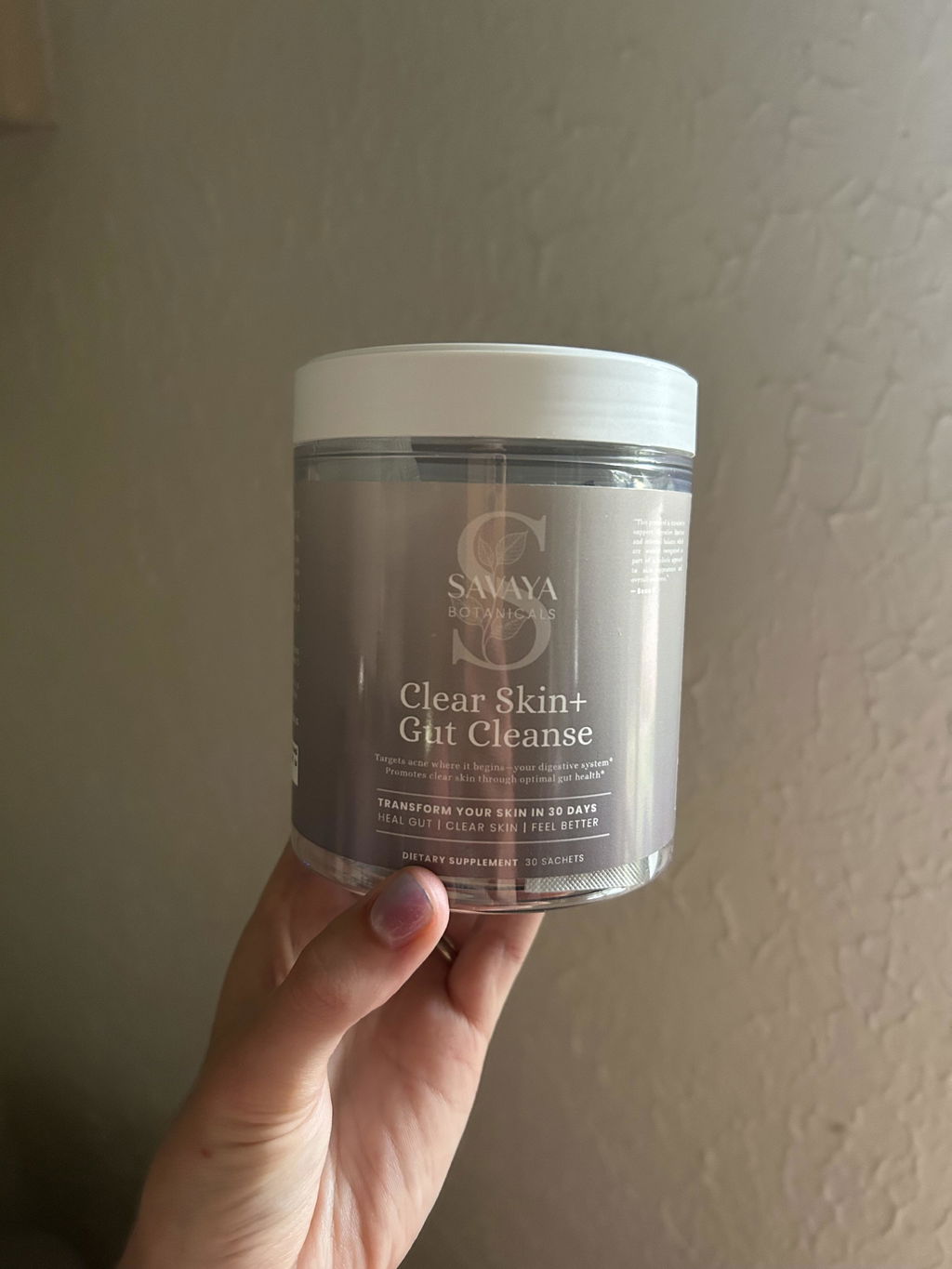
This phase is about eliminating the inputs that keep zonulin elevated and the gut lining inflamed: refined sugar, alcohol, ultra-processed foods, gluten, and for many people, conventional dairy. I also cut back on NSAIDs, which are known to increase intestinal permeability with regular use. I started this phase with a structured reset rather than trying to white-knuckle it on willpower alone. A short full-body detox protocol gave me a clear starting line, and I layered in daily gut cleanse sachets to help clear out the buildup that four years of inflammatory eating and stress had left behind.
Replace: Rebuilding What Digestion Needs
Once the irritants were gone, the next question was whether my body could actually digest and absorb what I was eating. Given that hypochlorhydria statistic, I focused on rebuilding stomach acid and enzyme production: bitter greens before meals, apple cider vinegar, and digestive enzymes with larger meals. Minerals matter enormously here too, since enzyme production is mineral-dependent, and most of us are more depleted than we realize. I leaned on sea moss daily for its broad mineral profile, close to 92 trace minerals pulled straight from the ocean, to help fill that gap while my digestion came back online.
Re-Inoculate: Repopulating the Right Bacteria
With inflammation down and digestion working again, it was time to rebuild the microbiome itself. I added fermented foods daily, sauerkraut, kefir, kimchi, and small amounts of miso, along with prebiotic fiber from foods like onions, garlic, and slightly underripe bananas to feed the bacteria I was trying to establish. This is also where consistency with the gut cleanse sachets mattered most, since a stable, diverse microbiome is what keeps the tight junctions calm long term rather than just temporarily settled.
Repair: Rebuilding the Intestinal Wall
This is the phase that takes the longest and where most people quit too early. The nutrients with the most research behind them for repairing the gut lining are L-glutamine, which the intestinal cells use directly as fuel for regeneration, and zinc carnosine, which has been studied in clinical trials for its ability to stabilize small bowel integrity. I added collagen daily as well, since the amino acids in collagen, particularly glycine and proline, support the same connective tissue that makes up your gut lining, and I used collagen strips as an easy way to get a consistent dose in. Topically, I kept things simple and supportive rather than aggressive, using a nutrient-dense tallow cream at night to support my skin's own barrier while the real repair work was happening internally.
• • •
My Realistic 12-Week Timeline (What Actually Happened, Week by Week)
I want to be honest about this part, because most timelines online are either vague or oversold. Here's what actually happened.
Weeks 1 to 3 (Remove): This was the hardest stretch. My skin got slightly worse before it got better, likely from a combination of sugar and alcohol withdrawal and the gut cleanse doing its job. Digestion started shifting almost immediately, less bloating, more regular.
Weeks 4 to 6 (Replace, early Re-inoculate): Digestion normalized. Bloating that I'd stopped noticing because it was constant was suddenly, obviously gone. New breakouts slowed but hadn't stopped.
Weeks 7 to 9 (Re-inoculate, early Repair): This is where I noticed the skin actually changing texture, less inflamed, fewer new cystic breakouts forming, though old post-inflammatory marks were still fading slowly.
Weeks 10 to 12 (Repair): Skin tone evened out noticeably. New breakouts had become rare rather than constant. Research on gut healing timelines generally shows initial improvement within four to eight weeks, with deeper structural repair of the gut lining taking closer to six months, so I want to be clear that week 12 was a real, meaningful checkpoint, not a finish line. It's why a simple daily add-in like Clear Skin+ Max Detox made sense to keep around: something that helps support the body day to day, while deeper repair keeps compounding after it.
Frequently Asked Questions
What is leaky gut and how does it actually cause acne?
Leaky gut, or intestinal permeability, happens when the tight junctions between the cells lining your intestines loosen more than they should, letting undigested food particles, bacterial fragments, and toxins cross into your bloodstream. Your immune system responds to these with inflammation, and that inflammation frequently shows up on the skin as acne, redness, and breakouts, especially along the jawline and chin.
How long does it take to heal leaky gut and see clearer skin?
Most people notice initial digestive improvements within four to eight weeks of starting a structured protocol like the 4R method. Skin changes tend to follow digestion by a few weeks. Deeper repair of the gut lining itself can take up to six months, so a 12-week window is a strong, realistic checkpoint for visible skin improvement rather than a complete endpoint.
What foods should I avoid if I have leaky gut?
During the Remove phase, the biggest triggers to eliminate are refined sugar, alcohol, ultra-processed foods, gluten, and conventional dairy for those sensitive to it. These foods are commonly linked to elevated zonulin and increased intestinal permeability. Most people don't need to avoid these permanently, only long enough to let inflammation and the gut lining settle before reintroducing foods carefully.
Do I need a lab test before starting a gut healing protocol?
No. Testing, whether through a lactulose-mannitol test or a serum zonulin blood test, can confirm what's happening and help you track progress, but the Remove and Repair phases of a gut healing protocol are generally safe to start based on symptoms alone. I found testing useful for motivation and for working with a practitioner, not as a prerequisite to begin.
Is leaky gut a recognized medical diagnosis?
Intestinal permeability itself is a real, measurable physiological process, well documented in research on celiac disease, inflammatory bowel disease, and autoimmune conditions. "Leaky gut syndrome" as a standalone diagnosis isn't formally recognized the way celiac disease is, but the underlying mechanism, zonulin-mediated tight junction regulation, is established and actively studied science.
If four years of topical products taught me anything, it's that skin problems that keep coming back usually aren't skin problems at all. If any of this sounds familiar, start where I did: with the gut, not the mirror. Clear Skin+ Max Detox is the daily acai blend that nudged me to start there, a simple habit that supports the gut-skin connection day to day.