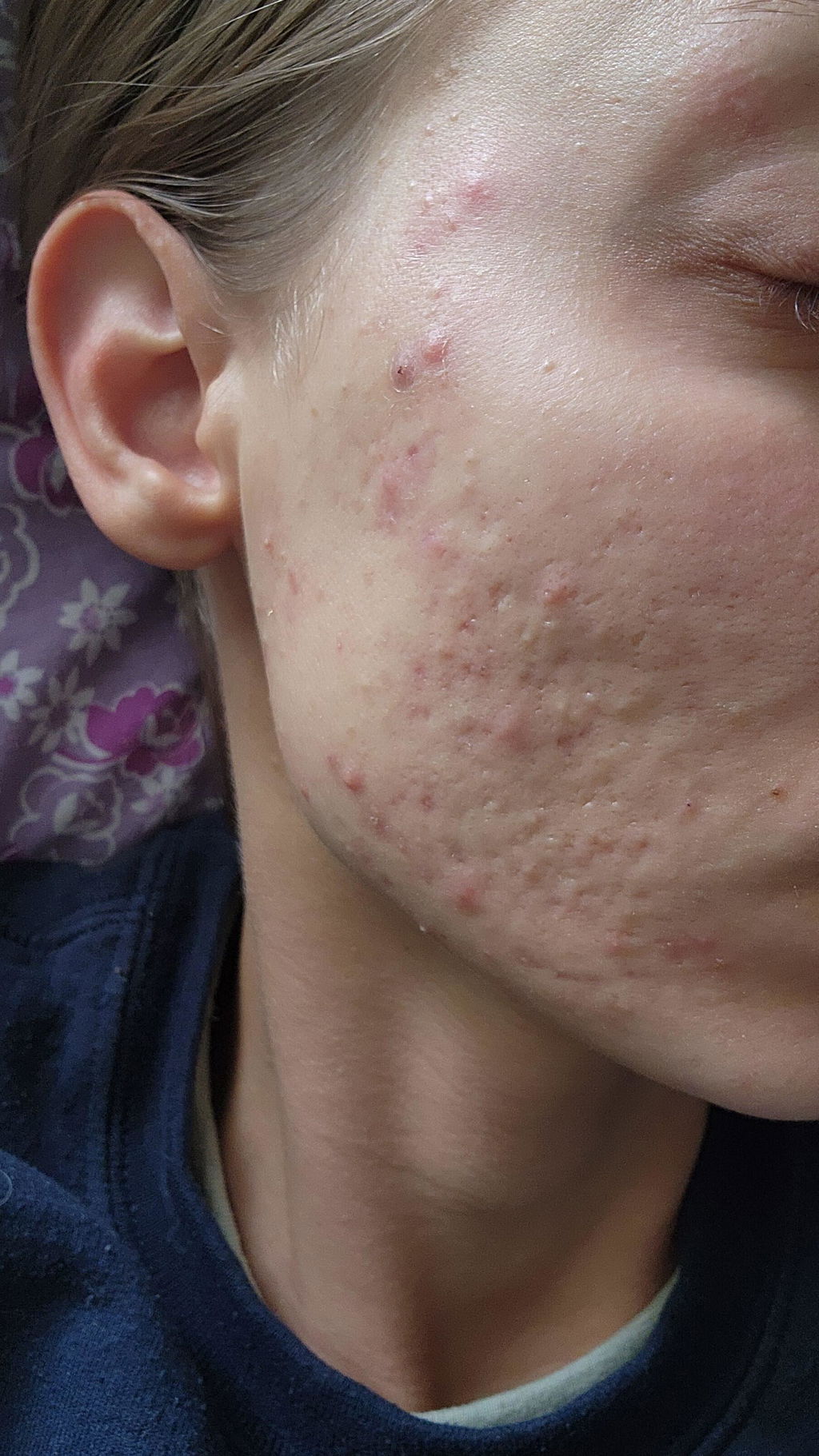
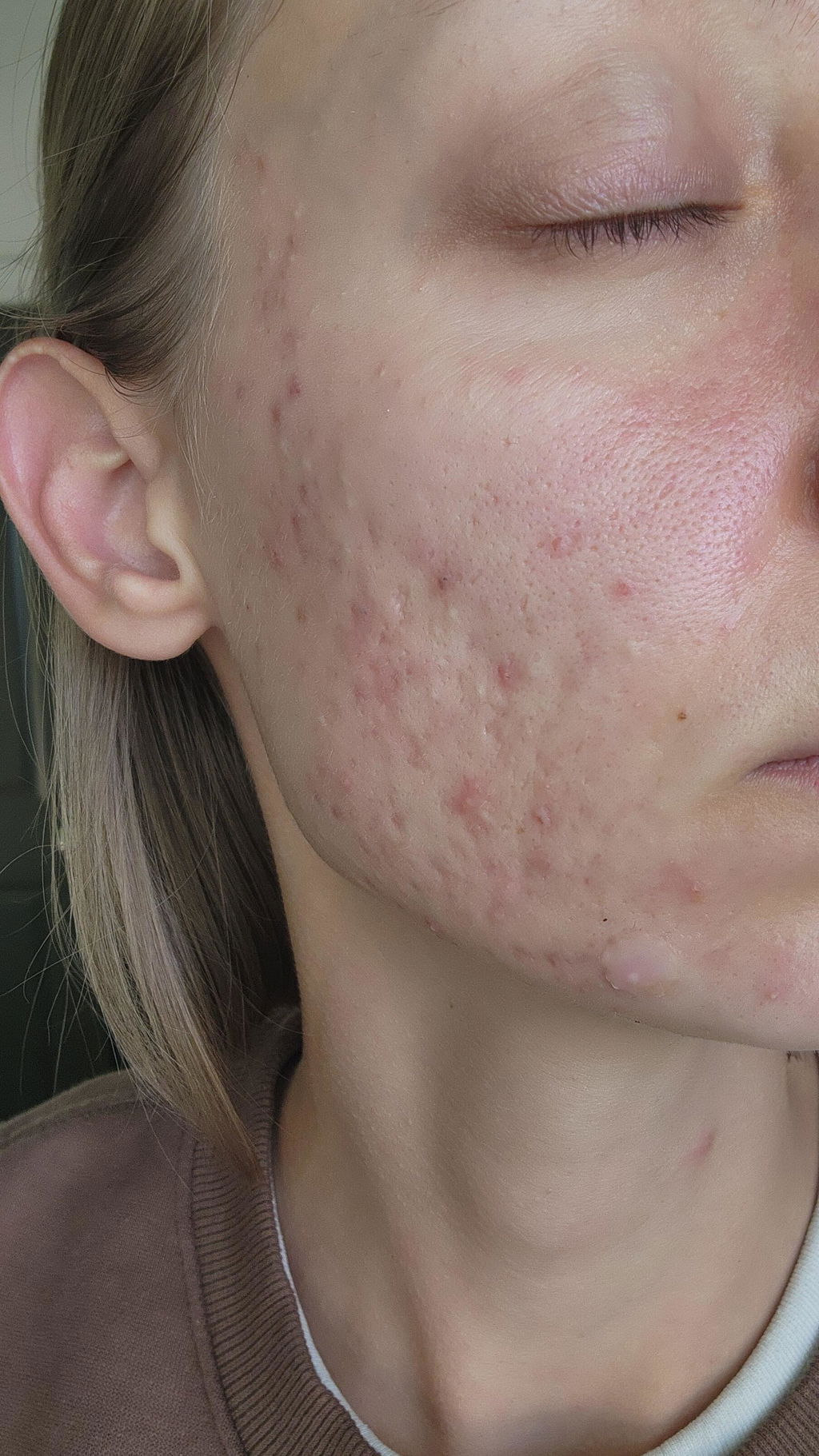
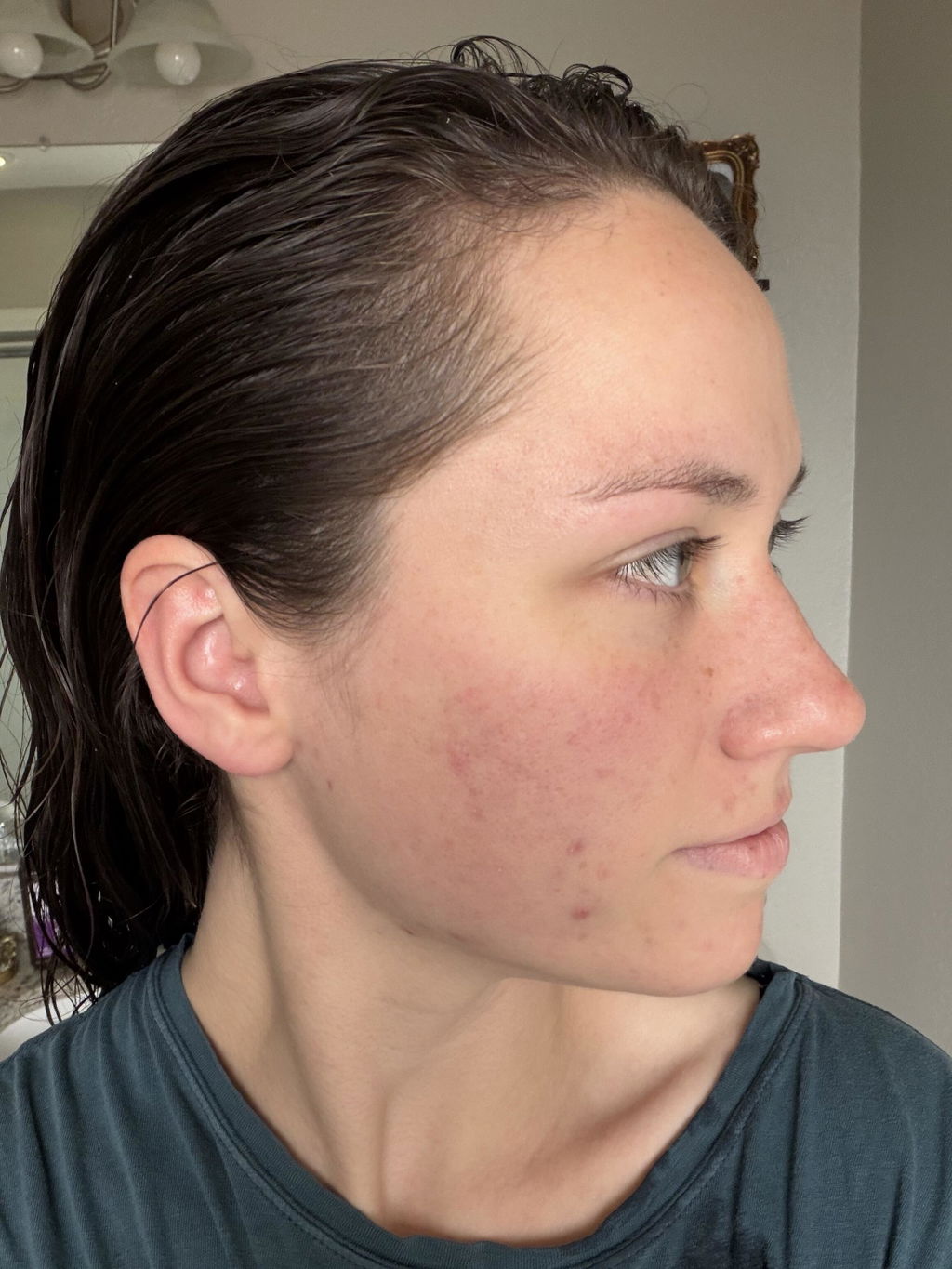
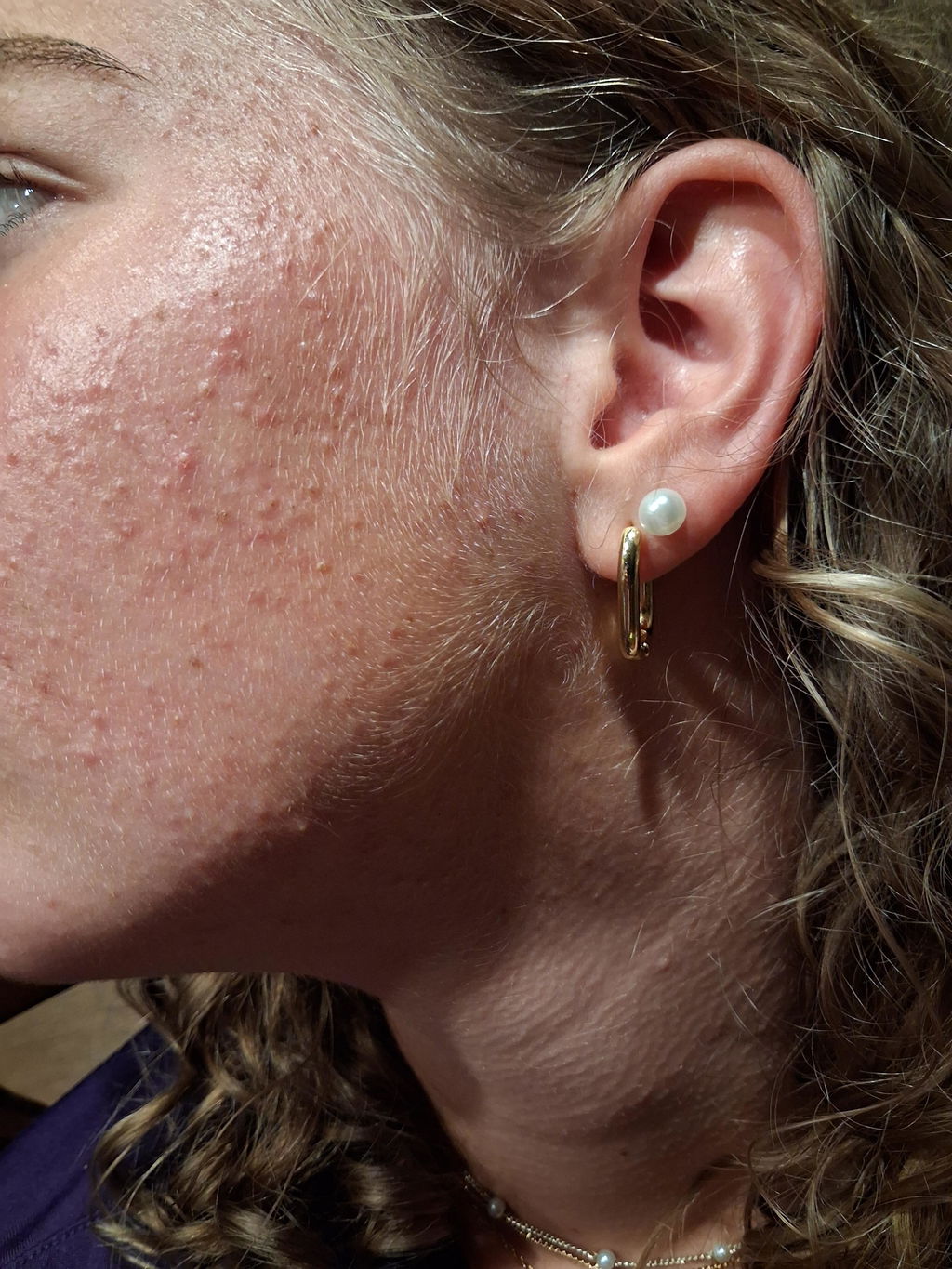
For years I told clients organic dairy was fine. Full-fat, grass-fed, a splash in your coffee, no big deal, I drank it myself. Then a 24-year-old client showed me a food-and-symptom log so clean I could not argue with it. Cystic breakouts along her jaw within 48 hours of her morning latte. Clear skin within two weeks of cutting it. Breakouts back the week she "tested" a splash of cream in her coffee. Three cycles of that pattern convinced me faster than any journal article. Then I went and read the journal articles anyway, and it turned out the research had already caught up to what her skin was telling both of us.
Dairy and acne is not a fringe theory anymore. It is one of the most consistently replicated diet-acne links in the nutrition literature, backed by a mechanism that finally explains why a food with no sugar and no oil can still trigger a breakout. Here is what actually changed, study by study.
The Harvard Nurses' Health Study: Where This Stopped Being Anecdotal
The study that moved milk from "maybe" to "worth taking seriously" came out of Harvard. Researchers led by Dr. Carlos Adebamowo used the Nurses' Health Study II cohort, 47,355 women who recalled their high school diet and reported whether a physician had diagnosed them with severe teenage acne. After adjusting for age, BMI, and total energy intake, the numbers held up. Women in the highest category of total milk intake had 22 percent higher odds of severe teenage acne than women in the lowest category. Whole milk carried a smaller association. Skim milk carried the strongest one, with 44 percent higher odds.
That last detail is the one nobody expects. If dairy caused acne through fat and sugar, whole milk should be the worst offender and skim should be nearly harmless. It is the opposite. Which means the fat content was never the driver. Something in the liquid itself, present whether the cream is skimmed off or not, is doing the work.
The Meta-Analysis That Made It Official
A single study is a data point. A 2019 meta-analysis in Clinical Nutrition pooled 14 studies covering 78,529 children, adolescents, and young adults, split roughly into 23,000 acne cases and 55,000 controls. Total milk intake was associated with 48 percent higher odds of acne. Skim and low-fat milk specifically carried 82 percent higher odds. Cheese and yogurt, interestingly, showed no significant association at all.
Milk is not a neutral food. It is a hormonal signaling system built to turn a 40kg calf into a 300kg cow within a year, and your sebaceous glands respond to that signal whether you ordered it or not.
That cheese-and-yogurt detail matters as much as the milk numbers. Fermentation changes the protein and hormone load significantly, which is part of why some clients who cannot touch a glass of milk do fine with a spoon of yogurt. It also rules out the simplest counter-argument, that dairy drinkers just eat worse overall. If that were true, cheese and yogurt would show the same pattern. They do not.
The IGF-1 Mechanism: Why Skim Milk Doesn't Save You
Here is the part that explains the skim milk paradox. Dermatologist and researcher Bodo Melnik has spent over a decade mapping how milk protein activates a cellular growth pathway called mTORC1, while suppressing a competing pathway called FoxO1. FoxO1 normally acts as a brake on oil production and inflammation in the skin. When insulin and insulin-like growth factor 1 (IGF-1) signaling rises, from casein and whey both, FoxO1 gets pushed down and mTORC1 takes over, switching on the exact genetic program that drives excess sebum production, follicle-clogging keratin, and inflammatory cytokines.
Every glass of milk, regardless of fat percentage, contains this signaling protein load. Removing the fat does nothing to the casein or whey, so removing the fat does nothing to the IGF-1 spike. That is the mechanism behind the Harvard numbers, and it is why "just switch to skim" has been failing acne-prone clients for a generation.
Casein A1 vs A2: The Protein Difference Almost Nobody Has Heard Of
Most cow's milk in the US contains a mix of two beta-casein variants, A1 and A2, depending on the breed. When A1 casein is digested, it releases a peptide called beta-casomorphin-7 (BCM-7) that behaves differently in the gut than the peptide released from A2 casein. Comparative research has linked A1-containing milk to more inflammatory markers than A2-only milk, and to a higher incidence of acne, eczema, and respiratory symptoms in people who react to it. A2 casein, the type naturally found in goat milk, sheep milk, and specific cattle breeds like Guernsey and some Jersey lines, does not produce meaningful BCM-7 on digestion.
This research is newer and some of it conflicts, which is honest to say out loud rather than oversell. But it explains something clinicians have seen for years: two clients drinking the same volume of milk, same fat content, same brand even, having completely different skin outcomes. The protein blueprint of the herd the milk came from is not something either of them could see on the label.
What the Whey Protein Studies Actually Show
Whey is the concentrated, fast-absorbing fraction of milk protein, and it delivers the largest single dose of leucine and branched-chain amino acids of any common supplement, which makes it a particularly strong mTORC1 trigger. Two small case series, Simonart in 2012 and Silverberg the same year, each documented five young men who developed moderate to severe acne within weeks of starting whey protein supplementation, with improvement after stopping.
The newest evidence complicates the picture rather than simplifying it, and I think that complication is worth sharing rather than hiding. A 2024 double-blind randomized trial in the Journal of Dermatology gave one group of men 30g of daily whey protein and a non-whey supplement to another group over six months, tracking facial and truncal lesion counts. The whey group's lesions did not worsen, they actually trended lower than the control group's. Science that only confirms what you already believe is not science, it's marketing, so this result stays in this article. My read, after years of watching this play out in practice, is that total dose, training volume, existing gut inflammation, and whether someone is layered on top of an already high-dairy diet all shape the outcome more than whey protein in isolation. The case series clients were often already drinking milk and eating cheese daily before they added a scoop of whey on top. Context is the variable that gets lost in a five-person case report.
"But Mine Is Organic": Why That Doesn't Cancel the Hormones
This is the objection I hear most, and it deserves a direct answer. Organic certification bans synthetic bovine growth hormone (rBST), and that matters because rBST-treated cows can carry roughly 20 times the IGF-1 of untreated herds. That part of the organic label is real and worth paying for.
What organic certification does not change is the naturally occurring estrogen and progesterone in the milk, because most dairy cows, organic or conventional, are milked while pregnant. Research comparing organic and conventional milk has found no meaningful difference in these natural reproductive hormone levels between the two. Organic removes one added hormonal input. It does not remove the ones the cow was always going to produce. If your acne responds to dairy's hormonal signaling rather than to rBST specifically, switching to organic milk while keeping the same volume will not solve it, and I have watched this exact substitution fail to move the needle for more clients than I can count.
Why Your Sister Can Eat Cheese Every Day and You Can't Touch Milk
This is the question I get right after someone accepts that dairy might be the problem. If it's universal biology, why does it only wreck some people's skin? Two separate systems are at work, and most people have only ever heard of one of them.
The first is lactase persistence, a single genetic mutation near the LCT gene that lets some adults keep producing the enzyme that digests lactose past infancy. Roughly 95 percent of people of Northern European descent carry this mutation. In East Asian populations, it is close to the opposite, with 70 to 100 percent lactase non-persistence. Globally, around 65 percent of adults have reduced lactose-digesting capacity. This explains bloating and digestive symptoms. It does not explain acne.
The second system is the one that actually drives breakouts: how your gut handles the casein, whey, and hormone load once lactose is out of the equation entirely. Someone can digest lactose perfectly and still break out from the IGF-1 and inflammatory signaling, because that pathway runs through the immune system and the gut lining, not through the lactase enzyme. Intestinal permeability, existing microbiome diversity, and how much of that dairy-driven inflammatory signal leaks into general circulation determine whether a given person's skin ever sees it. Two people can drink the exact same glass of milk and have entirely different systems respond to it, and neither of them is imagining it.
Dairy Alternatives That Support Your Gut Instead of Sabotaging It
Cutting dairy without a plan just trades one problem for a gap. Milk was likely covering calcium, iodine, and a source of protein in someone's diet, and the gut lining that spent years processing an inflammatory load needs active support, not just absence.
Coconut, oat, or unsweetened almond milk cover the culinary swap for coffee and cooking without the casein or IGF-1 load. If going fully dairy-free feels like too much at once, A2-only milk, goat milk, or sheep milk are a reasonable middle step, since none of them carry meaningful BCM-7 and the whole-food fermented versions (real yogurt, aged cheese) come with a gentler protein and hormone profile than a glass of conventional milk. For the mineral gap that dairy leaves behind, I lean on sea moss and its 92 trace minerals, including the iodine and calcium clients often lose when milk disappears from their diet.
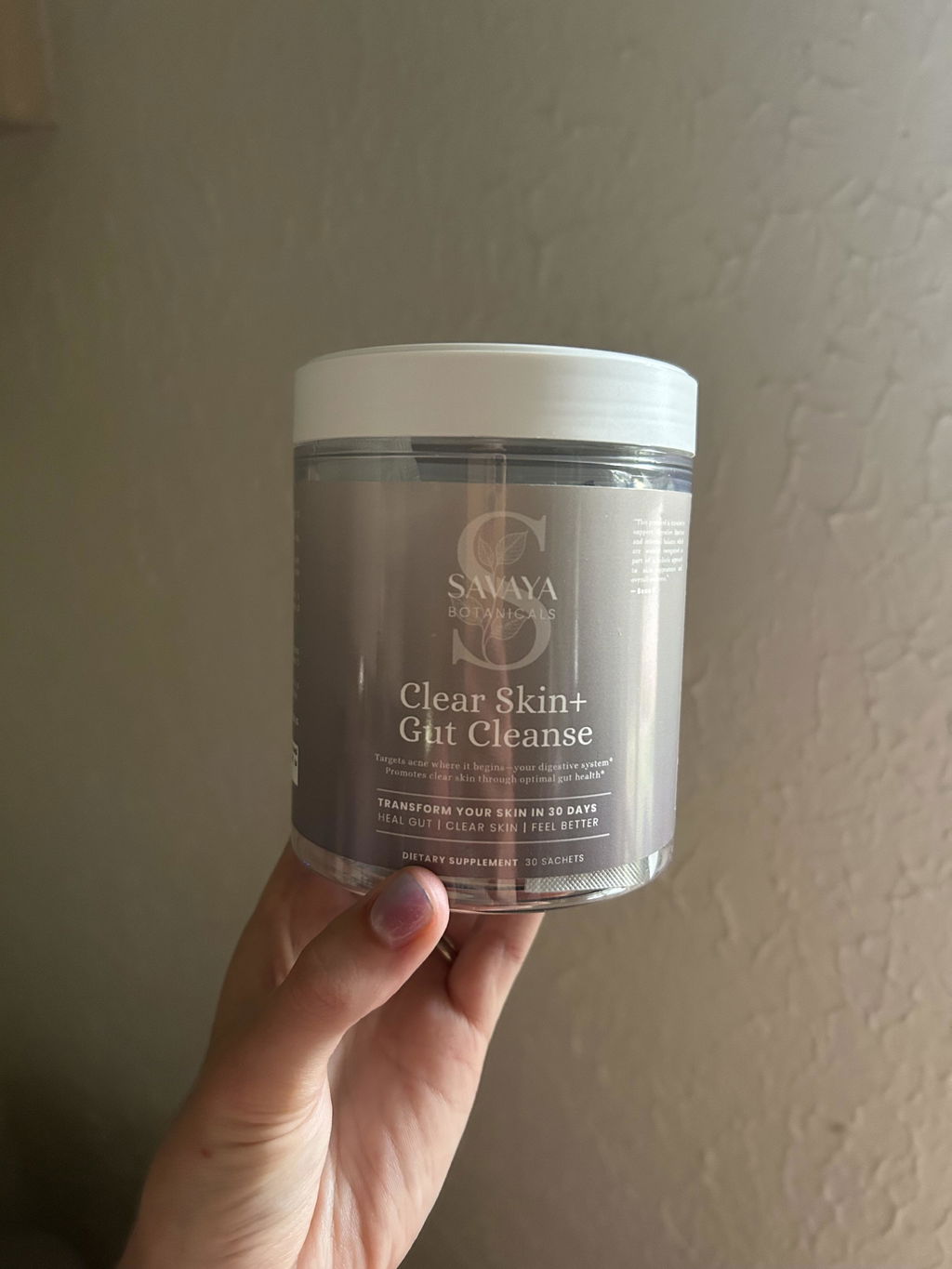
The gut lining itself is the part people skip. If dairy has been driving inflammatory signaling for years, that lining needs the same reset I use for any inflamed gut, starting with a targeted gut cleanse to clear the dysbiosis before rebuilding. For clients coming off years of daily dairy plus a generally inflammatory diet, I often start with the deeper acai-based detox instead, since the reset needs to work on more than one front at once. Collagen support helps rebuild the skin barrier once the internal inflammation has actually come down, and a nourishing tallow cream at night gives the skin barrier something to lean on topically while the internal work is still in progress.
• • •
None of this means dairy is evil or that a slice of pizza will ruin your skin forever. It means the "just switch to skim" advice was solving the wrong variable, and the mechanism behind it, IGF-1 and mTORC1 signaling, casein type, and your individual gut response, is specific enough now to actually act on instead of guess at. If you want a simple way to start, Clear Skin+ Max Detox, a daily acai-based blend, helps support that process day to day.
Frequently Asked Questions
Does cutting out dairy actually help acne, or is this just a trend?
The Harvard Nurses' Health Study and a 2019 meta-analysis of 78,529 people both found a consistent, statistically significant association between milk intake and acne, with skim milk showing the strongest link. This is one of the better-replicated diet-acne connections in the research, not a passing wellness trend.
How long does it take to see clearer skin after quitting dairy?
Most clients notice less inflammation and fewer new cystic breakouts within 3 to 4 weeks. Since skin cell turnover runs on roughly a 28-day cycle, a full assessment of whether dairy was a major driver usually takes 8 to 12 weeks of consistent removal.
Is goat or sheep milk actually better for acne-prone skin than cow's milk?
Goat and sheep milk naturally contain A2 beta-casein instead of the A1 variant found in most conventional cow's milk, so they do not produce the inflammatory BCM-7 peptide on digestion. Many clients who react to regular milk tolerate goat or sheep dairy without a flare.
I'm not lactose intolerant. Can dairy still be causing my acne?
Yes. Lactose intolerance is a digestive enzyme issue, while dairy-driven acne runs through a completely different pathway, insulin and IGF-1 signaling combined with gut and immune responses to casein and whey. You can digest lactose perfectly and still have your skin respond to the hormonal and protein signaling in milk.
What should I drink instead of milk while my gut recovers from dairy?
Unsweetened oat, coconut, or almond milk work well for coffee and cooking. To cover the calcium and iodine that milk was providing, many clients add a mineral-dense source like sea moss, alongside a gut-repair protocol to calm any residual inflammation from years of dairy intake.