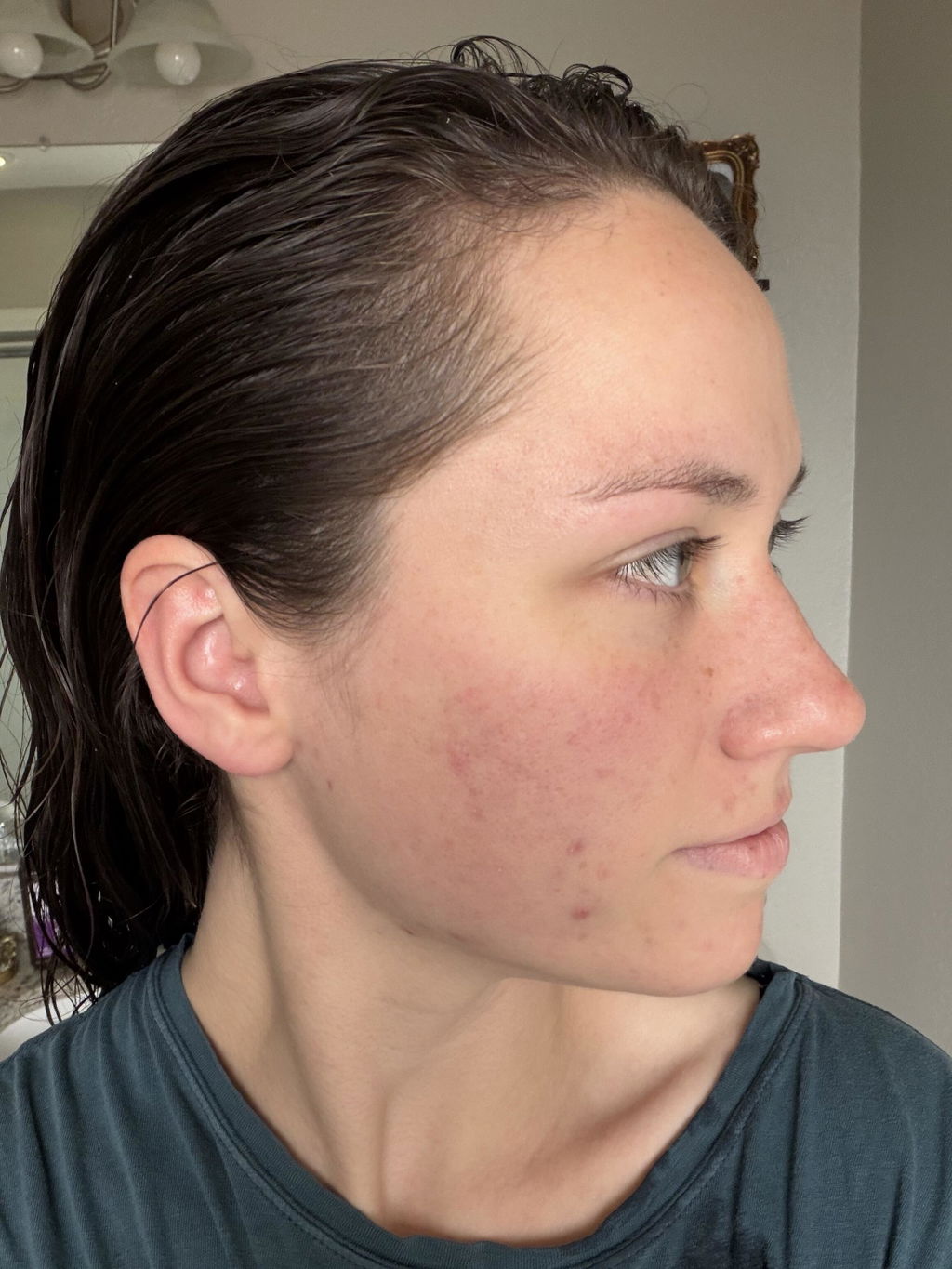
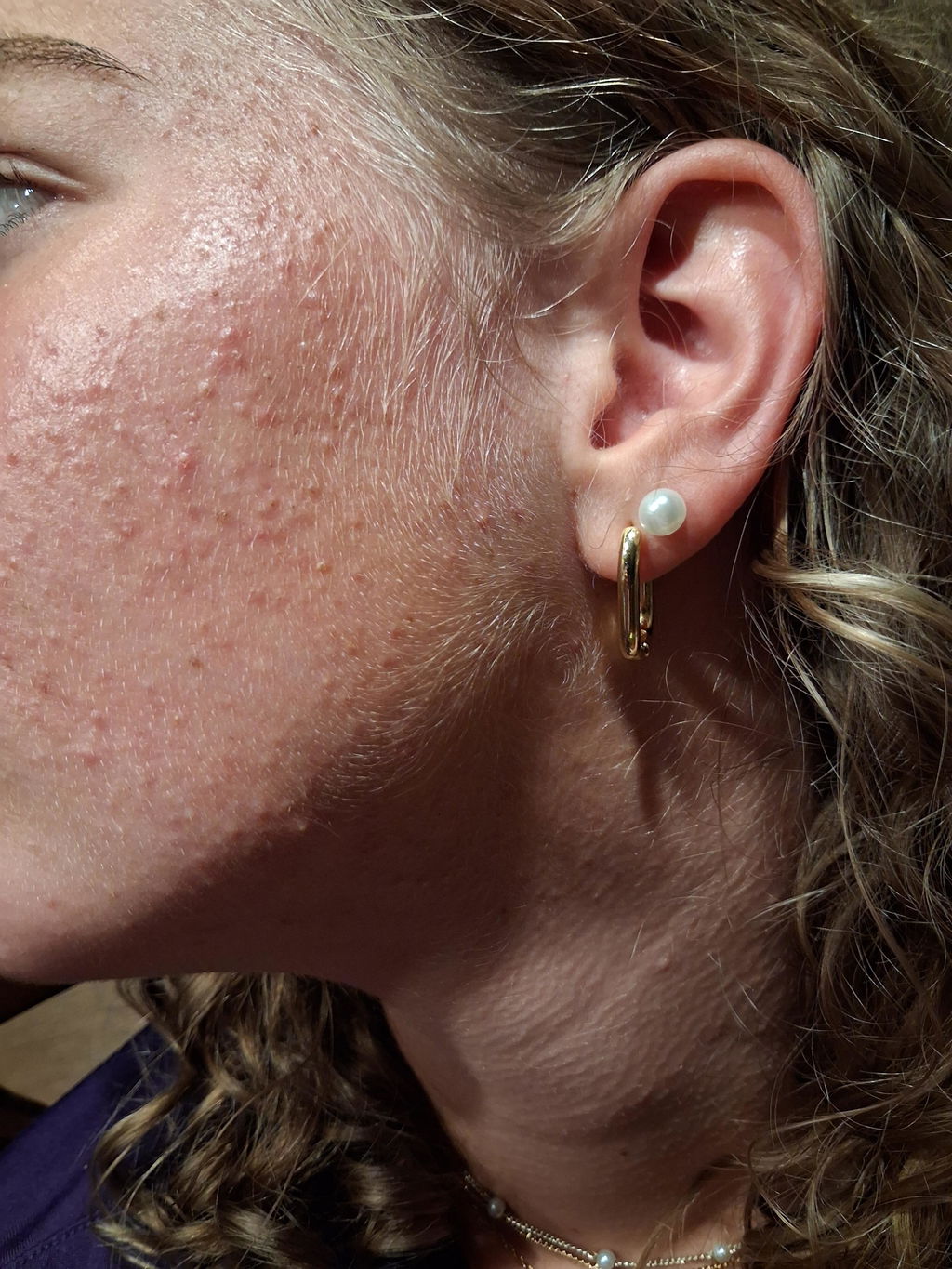
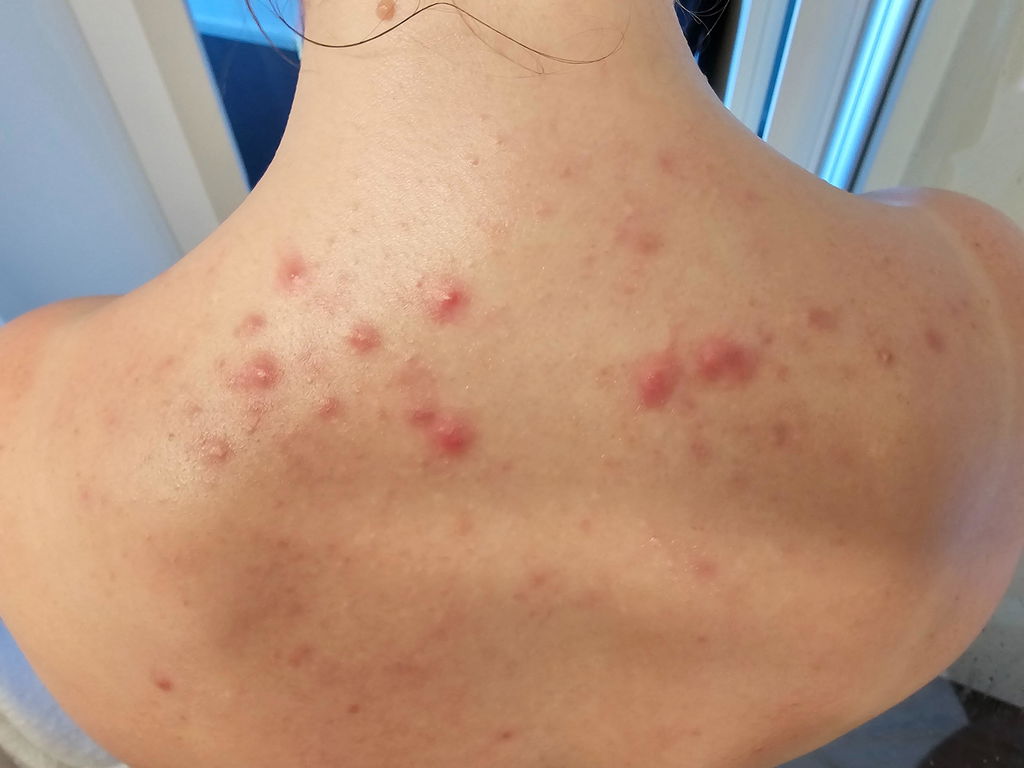
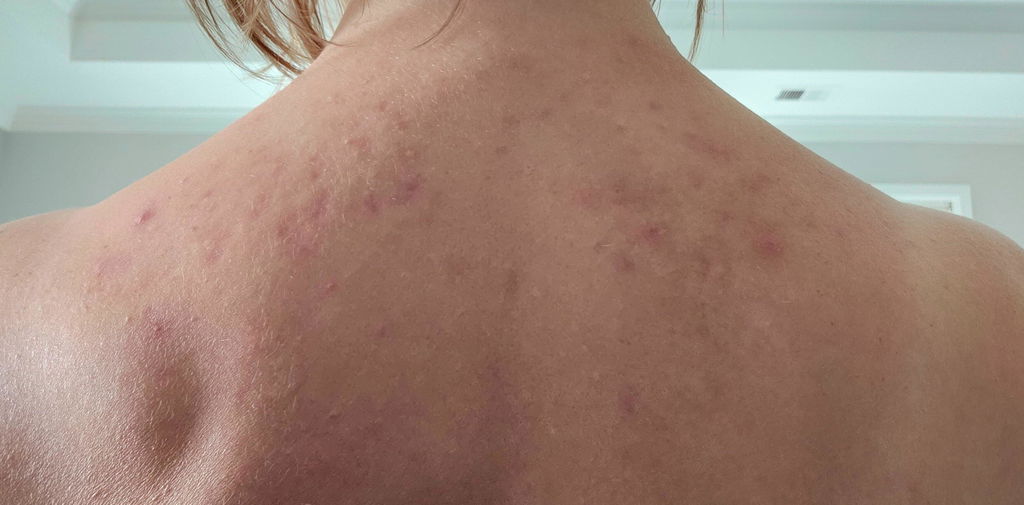
Every clear-skin protocol out there talks about what to put on your face. Serums, retinols, expensive creams. But if your gut lining is inflamed, none of it works for long. The pimple keeps coming back. The redness never really settles. In my practice, I see the same story over and over. And it usually starts with eight foods that people eat every single day, thinking they are harmless.
Why Your Gut Lining Matters More Than Your Face Cream
Your gut lining is a single-cell barrier separating what you eat from your bloodstream. When food particles slip through gaps in that barrier, your immune system reacts. That reaction shows up on your skin as inflammation, breakouts, and stubborn redness no topical can fix.
This is called the gut-skin axis. Communication runs in both directions through the vagus nerve and through immune messengers. When intestinal permeability climbs, cortisol rises, sebum production climbs, and the microbiome on your skin starts to shift too. The face you wash every morning is downstream of the meal you ate last night. That is why the same foods keep showing up in my client notes, month after month.
1. Ultra-Processed Foods Marketed as Healthy
Ultra-processed foods contain industrial ingredients you would never keep in your own kitchen. Emulsifiers like polysorbate 80, carrageenan, refined starches, and inflammatory oils. A 2020 study in JAMA Dermatology of over 24,000 French adults found ultra-processed food intake was directly linked to current acne.
The tricky part is these foods hide inside the "healthy" aisle. Protein bars with 22 ingredients. Almond milk with gellan gum and sunflower lecithin. Coconut yogurt with modified food starch. Even organic plant milks slip these emulsifiers in. A 2015 Nature paper by Chassaing and colleagues showed that two common emulsifiers, CMC and polysorbate 80, thinned the mucus layer of the gut and drove low-grade inflammation. If your "clean" pantry is full of packaged food, your gut is not getting a break.
2. Refined Sugar and the IGF-1 Spike
Refined sugar spikes insulin, which then drives up insulin-like growth factor 1, or IGF-1. Higher IGF-1 tells your sebocytes to produce more oil, and it thickens the cells lining your pores. The result is a clogged, inflamed follicle. This is not a fringe theory. It is a well-mapped biological pathway.
A 2007 trial in the American Journal of Clinical Nutrition by Smith and colleagues put young men with acne on a low-glycemic-load diet for twelve weeks. Lesion counts dropped significantly compared to the high-glycemic control group. Earlier, Cordain's 2002 Archives of Dermatology paper documented that Kitavan islanders and Ache hunter-gatherers, populations eating virtually zero refined carbohydrates, had essentially no acne at all. Modern breakfast pastries were not part of the original human design.
3. Dairy, Especially A1 Casein
Dairy contains two main variants of casein protein, A1 and A2. A1 casein digests into a peptide called beta-casomorphin-7, or BCM-7, which slows gut transit and can trigger inflammation in the intestinal lining. On top of that, dairy sugars and hormones push acne through the same insulin-IGF-1 pathway you just read about.
A 2018 meta-analysis in Nutrients by Juhl and colleagues pooled fourteen observational studies and found a consistent association between dairy intake and acne, with skim milk showing the strongest link. Bodo Melnik's research group has published extensively on how dairy signals through mTORC1, the exact growth pathway acne loves. If you are drinking a whey protein shake twice a day and wondering why your jawline keeps breaking out, the answer might be sitting in your blender.
4. Gluten and the Zonulin Pathway
Gluten activates a protein called zonulin, which loosens the tight junctions holding your gut cells together. Discovered by Dr. Alessio Fasano at Harvard, zonulin release is now the leading model for how gluten damages the intestinal barrier, even in people who test negative for celiac disease.
Fasano's 2011 review in Physiological Reviews laid out the mechanism clearly. Gliadin, a component of gluten, binds a receptor on gut cells. That triggers zonulin release. Zonulin opens the junctions. Undigested proteins and bacterial fragments slip through. Your immune system responds. Cytokines circulate. Some people feel it in their joints. Some people feel it in their belly. And many people, in my experience, feel it on their face first.
Your skin is not misbehaving. It is speaking. Usually about what your gut cannot process anymore.
5. Artificial Sweeteners Are Not Neutral
Sucralose, saccharin, and aspartame do not pass through the body untouched. A 2022 Cell study by Suez and colleagues showed that non-nutritive sweeteners altered the human gut microbiome and glycemic response within just two weeks. Zero calories on the label. Real impact on your microbes.
The earlier 2014 Nature paper from the same lab first flagged this in mice, showing artificial sweeteners induced glucose intolerance by shifting gut bacterial populations. When your microbiome tilts toward dysbiosis, you lose the species that produce short-chain fatty acids like butyrate. Butyrate is what feeds your gut lining cells. Less butyrate, thinner lining, more inflammation reaching your skin. This is why a targeted gut cleanse focused on restoring beneficial bacteria matters more than another topical serum. You cannot moisturize your way out of dysbiosis.
6. Seed Oils and Chronic Low-Grade Inflammation
Soybean, corn, canola, sunflower, and safflower oils are dense in omega-6 linoleic acid. When your omega-6 to omega-3 ratio climbs above roughly 4 to 1, your body produces more inflammatory prostaglandins. Modern Western diets often sit at 15 to 1 or higher. Your skin feels every point of that ratio.
Simopoulos's research over the past two decades has documented this ratio shift and its link to chronic inflammatory disease. Seed oils are also structurally fragile. When heated repeatedly, as in restaurant fryers, they oxidize and produce compounds called aldehydes that further stress the gut lining. Salad dressings, granolas, veggie burgers, roasted nuts, almost every packaged food uses these oils because they are cheap. Rebuilding your barrier means swapping them out for stable fats like ghee, tallow, olive oil, and coconut oil. On the outside, a barrier-repairing tallow cream can help calm visible inflammation while your inside recovers.
7. Alcohol, Even the Kind People Call Healthy
Alcohol thins the mucus layer that protects your gut lining and feeds the overgrowth of endotoxin-producing bacteria. Even moderate drinking increases intestinal permeability. That means more circulating lipopolysaccharide, or LPS, which drives systemic inflammation and, yes, more breakouts on your chin, jaw, and forehead.
Bishehsari's 2017 review in Alcohol Research documented how ethanol disrupts the microbiota and gut barrier at doses well below what most people would call heavy drinking. Two glasses of wine on the weekend? Your gut noticed. The natural-wine crowd and the kombucha crowd are not exempt either. Fermented alcoholic drinks still contain ethanol, and residual sugars can feed less friendly gut bacteria. No antioxidant argument is strong enough to override this mechanism if your skin is already flaring.
8. Too Much Caffeine, and Why Timing Matters
Caffeine spikes cortisol through the HPA axis. Chronic cortisol elevation thins the gut lining, slows digestion, and increases sebum output. One to two cups of coffee a day is not the problem for most people. Four to six cups, especially on an empty stomach, absolutely is.
Lovallo's research at the University of Oklahoma has tracked caffeine's cortisol response and found that even habitual drinkers still get a stress-hormone bump. That bump is fine once. Every day, for years, on an already stressed nervous system, and your gut lining pays. In my practice, women with cystic jawline acne almost always drink coffee first thing before eating. Moving that first cup to after a meal, and capping intake by early afternoon, changes what I see on their skin within a month.
• • •
What to Eat Instead to Rebuild the Gut Lining
The repair diet is simpler than the damage diet. Whole animal proteins, wild fish, pasture-raised eggs, cooked vegetables, low-sugar fruits, fermented foods, bone broth, and mineral-rich sea vegetables. That short list covers most of what a modern gut needs to rebuild its lining and calm the skin.
The specifics matter, so here is the framework I use with clients:
- Protein at every meal. Grass-fed beef, wild salmon, pasture eggs, sardines. Enough amino acids for tight-junction repair.
- Cooked, not raw, vegetables when the gut is inflamed. Steamed carrots, zucchini, squash, and slow-cooked greens are gentler than salads.
- Prebiotic fiber slowly reintroduced. Cooked and cooled potatoes, green bananas, oats. These feed the bacteria that produce butyrate and other postbiotic compounds.
- Fermented foods in small daily doses. A spoon of sauerkraut, a shot of kefir if you tolerate dairy, kimchi with dinner.
- Bone broth or gelatin daily. Glycine and proline are direct building blocks for the gut lining. Bioavailable collagen support does the same job when broth is not practical.
- Mineral-rich sea vegetables. Sea moss provides 92 trace minerals from the ocean, plus the polysaccharides that soothe the mucosal layer.
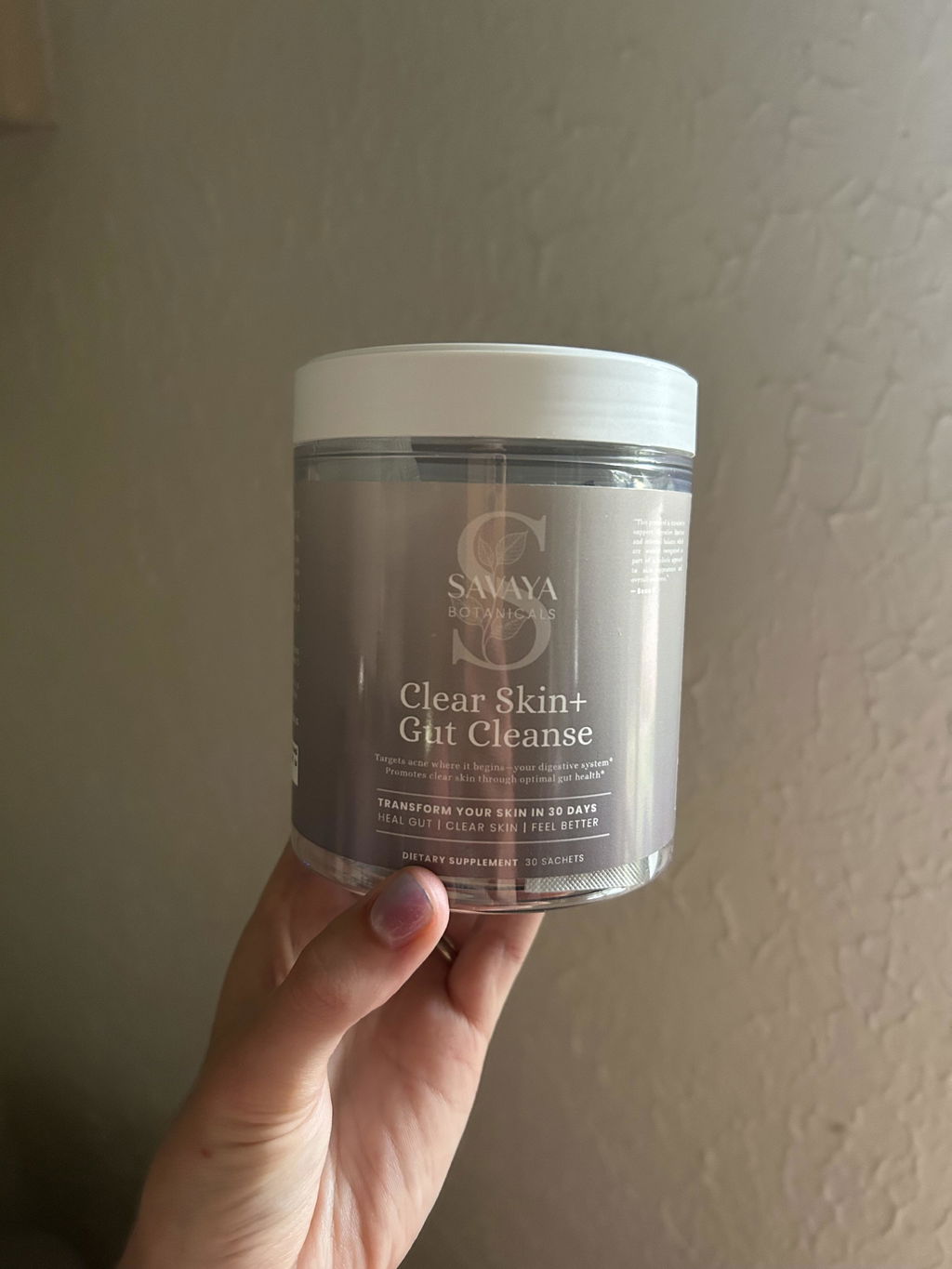
What you remove matters as much as what you add. In my clinical experience, this rebuilding menu is often paired with Clear Skin+ Max Detox, a daily acai blend that helps support the gut microbiome. Cutting the damaging foods without seeding the good bacteria leaves a vacuum, and the same species usually crawl back in.
If your gut has been through years of the eight foods above, one week of clean eating will not undo it. A full detox protocol gives your intestinal barrier the timeline it actually needs, alongside the herbs and nutrients that stubborn dysbiosis responds to.
Frequently Asked Questions
What are the worst foods for gut lining and acne?
The eight most common culprits I see are ultra-processed packaged foods, refined sugar, A1 dairy, gluten, artificial sweeteners, seed oils, alcohol, and excess caffeine. Each one damages the gut barrier through a different mechanism, but the downstream result on skin is often the same.
How long does it take to heal the gut lining?
Simple cases can shift in four to six weeks. Long-standing inflammation, years of ultra-processed food, or dysbiosis after multiple antibiotic rounds usually needs eight to twelve weeks of steady repair. Skin follows the gut on a delay of about two to four weeks.
Can I still drink coffee if I have acne?
Most people can keep one cup, taken after breakfast, and cap intake by early afternoon. The problem is not caffeine itself, it is empty-stomach caffeine plus multiple cups plus chronic stress. Move the first cup after food and the cortisol curve calms down.
Is gluten really a problem if I do not have celiac disease?
Yes, for many people. Fasano's zonulin research showed that gliadin can loosen tight junctions in non-celiac individuals too. If your skin, joints, or belly reacted when you cut gluten and returned when you brought it back, that is your answer.
Why does dairy cause breakouts around my jawline?
Jawline and chin acne are classically hormonal, and dairy pushes hormonal acne through the IGF-1 and mTORC1 pathways. A1 casein can also trigger low-grade gut inflammation, which amplifies the effect. Switching to A2 dairy or removing it entirely often clears that specific pattern.