By Sarah Mitchell | Holistic Health Practitioner
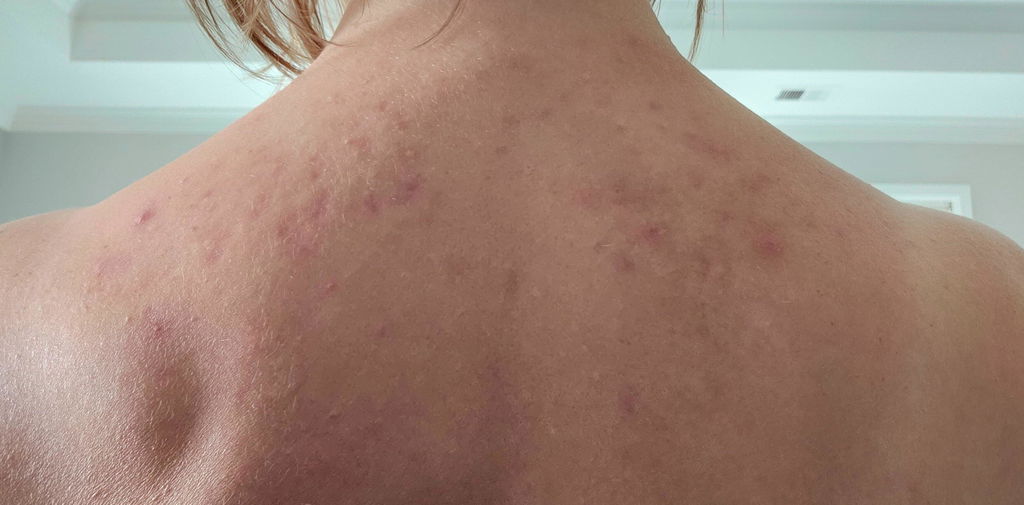
Nobody told me that the cyst forming on my chin had anything to do with the argument I'd had with my business partner two days earlier. Or that the cluster erupting along my jawline during finals week in graduate school was my nervous system—not my pores—crying out for help. It took years of studying functional medicine, gut physiology, and psychodermatology for me to understand what was actually happening beneath the surface.
Your brain and your gut are in constant conversation. And when stress hijacks that conversation, your skin ends up paying the bill.
This is the science of the gut-brain-skin axis—a bidirectional signaling network that connects your stress response, your microbiome, and your complexion through a series of biochemical pathways that are only now being fully mapped by researchers. Once you understand this system, stress-triggered acne stops being a mystery and starts being something you can actually address at the root.
The HPA Axis: Your Ancient Stress Machine
Before we get to your gut or your skin, we need to start in your brain—specifically with the hypothalamic-pituitary-adrenal (HPA) axis, the neuroendocrine circuit that governs your entire stress response.
Here is the cascade: your hypothalamus detects a threat (real or perceived) and releases corticotropin-releasing hormone (CRH). CRH signals your pituitary gland to secrete adrenocorticotropic hormone (ACTH). ACTH travels through your bloodstream to your adrenal glands, which then pump out cortisol—your primary stress hormone.
In the short term, this is brilliant engineering. Cortisol raises blood glucose, sharpens focus, mobilizes immune cells, and prepares your muscles for action. The problem arises when this cascade doesn't turn off. When psychological stress becomes chronic—deadlines stacking, relationships strained, sleep perpetually disrupted—your HPA axis stays activated. Cortisol stops being a rescue hormone and becomes a slow poison, and one of its first and most consequential targets is the lining of your gut.
How Cortisol Destroys Your Gut Barrier
Your intestinal lining is a marvel of biological engineering: a single layer of epithelial cells joined by proteins called tight junction proteins—specifically occludin and claudin families—that form a selective barrier between your gut microbiome and your bloodstream. When this barrier is working correctly, your gut absorbs nutrients and blocks pathogens. When it breaks down, you enter a state clinically described as increased intestinal permeability.
Cortisol directly degrades tight junction proteins.
A landmark 2014 study in Brain, Behavior, and Immunity confirmed that chronic psychological stress measurably increases intestinal permeability in human subjects. When those junctions loosen, bacterial fragments called lipopolysaccharides (LPS)—components of gram-negative bacterial cell walls—migrate across the epithelial barrier and into the bloodstream. Your immune system reads LPS as an immediate pathogen signal and mounts a systemic inflammatory response, releasing cytokines including IL-1β, IL-6, and TNF-α.
That inflammation doesn't stay local. It circulates—and when it reaches skin tissue, it activates the exact mechanisms that drive acne formation.
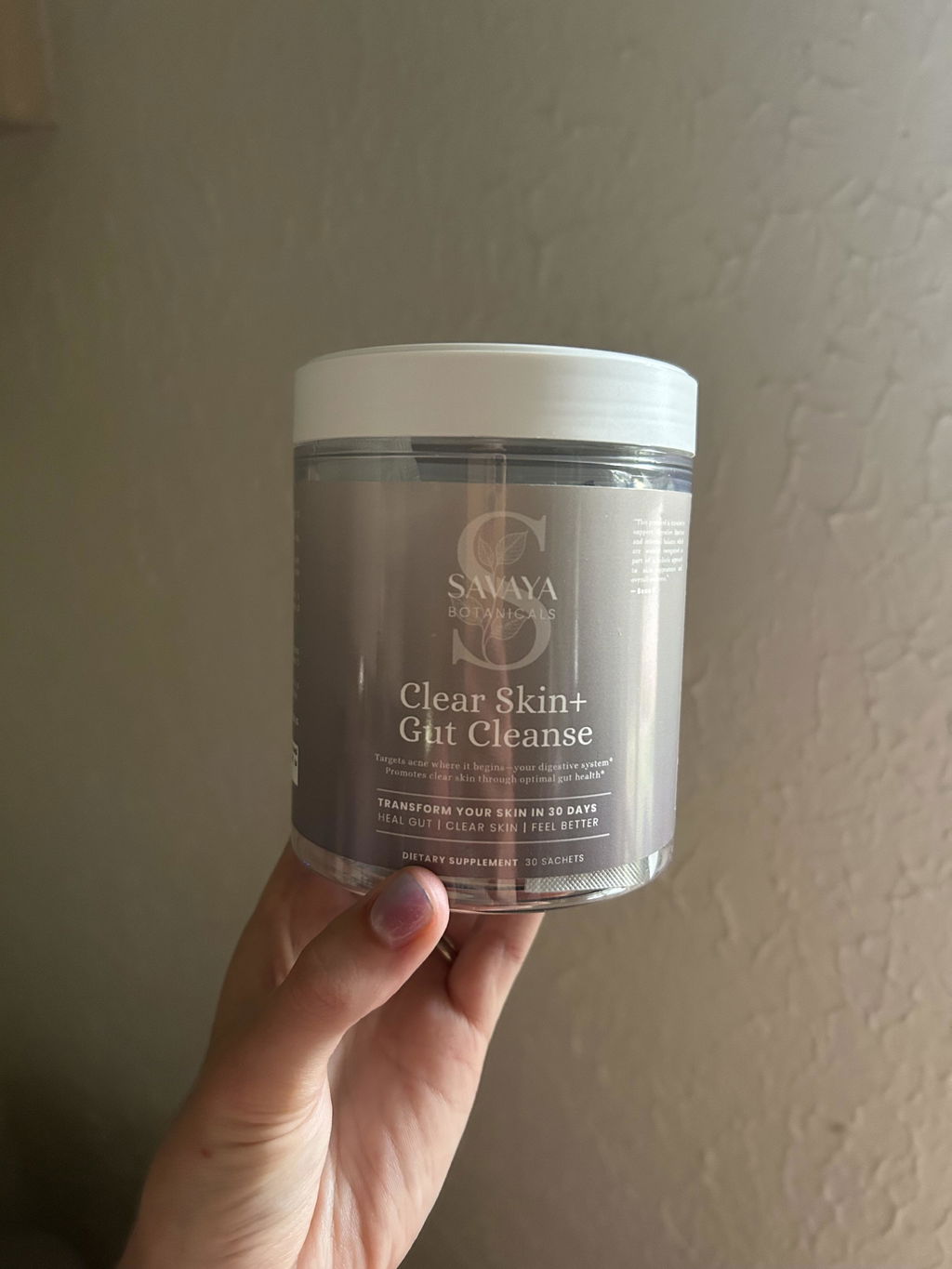
For anyone in a high-stress season, I consistently recommend starting with a targeted gut microbiome cleanse to begin restoring that barrier function. The damage cortisol causes to tight junctions is real, but it's also reversible with consistent support.
The Vagus Nerve: Your Internal Communication Highway
The gut-brain connection is not metaphorical—it's anatomical. The vagus nerve, your tenth cranial nerve, extends from your brainstem through your chest and abdomen, branching to your heart, lungs, and intestines. It is the longest nerve in your body, and critically, it carries approximately 80% of its signals from the gut to the brain—not the other way around.
Your gut microbiome actively communicates with your brain through this nerve around the clock. Beneficial bacteria produce short-chain fatty acids, neurotransmitters (your gut synthesizes roughly 90% of your body's serotonin), and neuroactive compounds that influence mood, cognition, and stress reactivity. When your microbiome is diverse and balanced, these signals are stabilizing. When dysbiosis takes over—when stress-tolerant inflammatory bacteria outcompete beneficial strains—the signals change.
Research published in the Journal of Psychiatry and Neuroscience (2015) demonstrated that gut dysbiosis upregulates HPA axis activity, creating a self-reinforcing loop: cortisol disrupts the microbiome, and the disrupted microbiome amplifies the cortisol response. Your skin sits downstream of this loop, absorbing the inflammatory consequences of a cycle that started in your nervous system.
From Leaky Gut to Active Breakout: The Acne Pathway
The connection between systemic inflammation and acne is not indirect—it operates through specific, documented mechanisms:
- Sebaceous gland overstimulation: CRH receptors exist directly on sebocytes, the cells that produce skin oil. Both cortisol and CRH stimulate excess sebum production, creating the anaerobic, lipid-rich environment where Cutibacterium acnes proliferates aggressively.
- Follicular hyperkeratinization: Inflammatory cytokines accelerate keratinocyte turnover, causing rapid skin cell buildup inside follicles. Pores clog faster than they can clear.
- Skin microbiome disruption: The same dysbiosis affecting your gut alters your cutaneous microbiome—reducing the protective diversity that keeps inflammatory skin bacteria in check.
- Ceramide suppression: Cortisol inhibits ceramide synthesis, the lipid molecules that anchor your skin's barrier integrity, making the skin surface more permeable to bacterial colonization and inflammatory triggers.
Replenishing the trace minerals that support barrier integrity matters here. Sea moss provides 92 naturally occurring minerals including zinc, iodine, and magnesium—zinc in particular is essential for sebum regulation and plays a direct role in modulating the inflammatory cytokines that drive acne. When chronic cortisol depletes these reserves, the skin loses a critical layer of biochemical protection.
What the Research Actually Confirms
The stress-acne link has been tested in controlled studies, not just theorized in functional medicine circles.
Yosipovitch et al. (2007, Acta Dermato-Venereologica) documented a significant correlation between self-reported stress levels and acne severity in university students during examination periods compared to non-exam baselines—with no significant confounding dietary or sleep differences between groups. Stress was the independent variable.
A 2021 study published in Cell took a more mechanistic approach, demonstrating that stress-activated neurochemical signals suppress hair follicle stem cell activity through a cortisol-mediated pathway. The researchers described the effect as a "stress-induced suppression of skin regeneration"—directly implicating the HPA axis in follicular dysfunction.
Perhaps most striking: research from McMaster University's Bienenstock lab showed that acute psychological stress can measurably shift gut microbiome composition within 24-72 hours of onset—and that these microbial changes precede detectable changes in skin inflammatory markers. The sequence matters: gut disruption appears to be the mediating event between stress and skin inflammation, not a parallel consequence.
———
Cold Exposure: Vagal Tone Reset in Real Time
Cold exposure is one of the most underutilized tools for breaking the stress-gut-skin feedback loop—and the mechanism is well established. When cold water contacts your face or body, it activates the mammalian dive reflex: a hard-wired parasympathetic response that rapidly increases vagal tone and suppresses sympathetic nervous system activity. Cortisol drops. Heart rate slows. The HPA axis downregulates within minutes.
A 2019 study in the Journal of Physiology showed that repeated cold exposure training progressively increases resting vagal tone over time. Higher vagal tone is consistently associated with lower systemic inflammation markers, improved gut barrier function, and better regulation of the HPA axis itself.
The protocol I recommend: end every shower with 30-60 seconds of cold water, increasing to 2-3 minutes over several weeks. The initial discomfort is not a problem to overcome—it is the nervous system recalibrating, which is precisely the point.
Breathwork: The Fastest HPA Axis Intervention
Controlled breathing is one of the only voluntary actions that gives you direct access to your autonomic nervous system. Extended exhalation—breathing out longer than you breathe in—activates parasympathetic output via the vagus nerve and measurably reduces cortisol within a single session.
A 2023 randomized controlled trial published in Cell Reports Medicine (Balban et al.) compared three structured breathing protocols against mindfulness meditation. Cyclic sighing—a double nasal inhale followed by a slow, extended exhale—produced the greatest improvements in positive affect, the sharpest reduction in physiological stress markers, and did so in five minutes per day over four weeks. The mechanism: slow exhalation increases heart rate variability, which signals the brainstem to actively suppress HPA axis output.
Less cortisol means better tight junction integrity. Better gut barrier means less LPS translocation. Less systemic inflammation means calmer skin. The chain runs in both directions.
Sleep Hygiene: When the Gut-Skin Repair Window Opens
Your gut microbiome has its own circadian rhythm, regulated by the same clock genes that govern your sleep-wake cycle. Disrupt that cycle—through late nights, irregular sleep timing, or blue light exposure before bed—and you directly shift your microbial composition toward pro-inflammatory populations. A 2019 review in Sleep Medicine Reviews documented that even two nights of partial sleep deprivation significantly elevates IL-6 and C-reactive protein and measurably increases intestinal permeability scores.
Between 10pm and 2am, two critical repair processes converge: your gut epithelium undergoes peak cellular turnover and barrier restoration, and your skin ramps up collagen synthesis driven by growth hormone pulses that only occur during deep slow-wave sleep. Miss this window consistently and both systems fall behind on repair.
Practical implementation:
- Eliminate screens 90 minutes before bed—blue light suppresses melatonin and desynchronizes gut circadian rhythms
- Keep sleep and wake times consistent, including weekends
- Cool your room to 67-68°F to facilitate the cortisol drop that accompanies normal sleep onset
- Consider magnesium glycinate before bed to support GABA signaling and overnight gut motility
To support overnight skin repair from the outside while the gut heals internally, these collagen strips fit naturally into a nighttime routine—dissolving quickly and providing the building blocks for the repair work that happens during deep sleep. Alongside that, Clear Skin+ Max Detox, a daily acai-based blend, helps support the gut's internal environment as part of an everyday routine.
———
The Integrated Protocol: Addressing All Three Axes
Understanding the gut-brain-skin axis means recognizing that no single intervention will be sufficient if the others remain unaddressed. The system is circular. Stress elevates cortisol, cortisol disrupts the gut, the disrupted gut amplifies stress, and the skin reflects all of it. Breaking the cycle requires simultaneous pressure on multiple points:
- Restore gut barrier integrity first. A targeted microbiome gut cleanse clears the inflammatory burden and begins repairing tight junction function—the structural precondition for everything else to work.
- Replenish depleted minerals. Chronic cortisol output burns through zinc, magnesium, and iodine rapidly. Sea moss addresses mineral depletion across 92 naturally occurring compounds.
- Regulate the nervous system daily. Cold exposure, cyclic breathwork, and consistent sleep timing are not optional lifestyle add-ons—they are the mechanism by which you lower the cortisol driving the entire cascade.
- Support the skin barrier topically. The Peaceful Night tallow cream restores ceramide-rich lipid coverage from the outside while your gut works to reduce the inflammatory signaling from within.
This is not about finding the right spot treatment. It is about recognizing that your skin is downstream of a system—and healing that system is the only approach that holds.
———
Where to Start If Stress Is Your Primary Acne Trigger
If your breakouts cluster around high-stress periods, worsen after poor sleep, or concentrate along the jawline and chin (areas strongly linked to hormonal and gut-driven inflammation), your most direct first step is gut barrier restoration. I recommend beginning with the Microbiome Gut Cleanse to address the permeability issue at its source, then layering in the nervous system practices above across the following four to six weeks. For a comprehensive protocol that addresses all of this in sequence, the full detox protocol takes a full-system approach from day one.
The science is clear. The pathway is mapped. You don't have to wait for a dermatology appointment to start working with your biology instead of against it.
———
Frequently Asked Questions
Can stress alone cause acne even without dietary changes?
Yes. Stress activates the HPA axis and elevates cortisol, which directly stimulates oil production through CRH receptors on sebocytes and increases gut permeability through tight junction degradation—both of which drive acne formation independent of diet. Clinical studies tracking acne severity during high-stress exam periods confirm this, with breakout severity correlating with stress levels even when diet was controlled.
How long does it take to heal a stress-damaged gut lining?
The gut epithelium can begin measurable recovery within 2-4 weeks of consistent intervention—reduced stress load, microbiome support, nutrition that supports a healthy inflammatory response, and adequate sleep. Full microbiome diversity restoration after significant dysbiosis typically requires 8-12 weeks of sustained support. Simple daily habits matter here, like reaching for Clear Skin+ Max Detox, a daily acai-based blend that helps support overall gut health.
What role does the vagus nerve play in acne and skin inflammation?
The vagus nerve is the primary anatomical connection between your gut microbiome and your brain, carrying signals bidirectionally. When gut dysbiosis sends inflammatory signals upward through this nerve, it amplifies HPA axis activity and increases systemic cytokine levels that ultimately reach skin tissue. Improving vagal tone through breathwork and cold exposure reduces this inflammatory signal traffic at the neurological level—not just managing symptoms but addressing the pathway.
Does sea moss actually help with stress-related acne?
Sea moss contains zinc, iodine, and magnesium—three minerals that chronic cortisol output depletes significantly and rapidly. Zinc plays a direct role in regulating sebum production, modulating the inflammatory cytokines (particularly IL-6 and TNF-α) that drive acne, and maintaining skin barrier integrity. Replenishing these minerals supports normal sebaceous gland function and helps restore the immune regulation that chronic stress has disrupted.
Is the gut-brain-skin axis scientifically established or still theoretical?
The gut-brain-skin axis is an active and well-documented area of research across dermatology, gastroenterology, and clinical neuroscience. Peer-reviewed studies have confirmed the cortisol → gut permeability → LPS translocation → systemic inflammation → skin inflammation pathway, the bidirectional nature of gut-brain communication via the vagus nerve and microbiome-derived neurotransmitters, and the direct effect of psychological stress on skin inflammatory markers through gut-mediated mechanisms. This is established science, not functional medicine speculation.