You Quit Dairy and Your Skin Got Worse: What's Actually Happening

Key Takeaways
- A 'dairy purge' is an informal term, not a diagnosis recognized by the American Academy of Dermatology.
- NIAMS describes acne as a multifactorial skin condition shaped by hormones, bacteria, and clogged pores, not one cause.
- Milk, yogurt, and cheese are primary calcium and vitamin D sources for many Americans, according to NIH's Office of Dietary Supplements.
- MedlinePlus notes clogged pores and excess oil are established acne triggers unrelated to any single food eliminated from the diet.
There's no fixed timeline — many people report skin looking worse for a stretch of several weeks after cutting dairy before anything changes, if it changes at all. Learning to tell a temporary adjustment from an unrelated flare, and giving the elimination a real window before judging it, matters more than chasing an exact date.
What Is a 'Dairy Purge,' Exactly?
'Dairy purge' is an informal term some people use for a temporary worsening in skin after cutting dairy — it isn't a diagnosis recognized by the American Academy of Dermatology. It describes a pattern some report anecdotally during the adjustment window, not a guaranteed stage everyone experiences.
If you cut dairy and your skin looked worse within a few weeks, you're not imagining a pattern — plenty of people report the same thing. The term 'dairy purge' gets used online to describe it, but it's worth knowing upfront: that's shorthand people coined, not a clinical term.
The American Academy of Dermatology treats diet as one of several possible contributors to acne, alongside hormones, genetics, and skin care habits — not a single on/off switch. That framing matters here, because it means a change in your skin after a diet change could be related, coincidental, or a mix of both.
None of that makes the experience less real or less frustrating. It just means the honest starting point is 'this might be connected' rather than 'this is definitely a purge.'

Why Skin Can Look Worse Before It Looks Better
Skin doesn't reset overnight. Oil production, existing clogged pores, and skin cell turnover all operate on their own gradual timelines, so a real shift after a diet change tends to show up slowly — and often looks messier before it looks calmer.
Skin you see today reflects weeks of buildup, not this morning's breakfast. Pores that are already clogged, oil that's already been produced, and cells already in the middle of their turnover cycle don't clear out the moment you change what's on your plate.
Some researchers study how dairy's natural growth-signaling compounds, like IGF-1, might interact with oil glands — that mechanism is a deep topic on its own and still being actively studied. The practical takeaway is simpler: if dairy was part of the picture for you, undoing that effect isn't instant either.
- Existing congestion has to work its way out before new skin shows through
- Oil gland activity adjusts gradually, not immediately
- Stress from the diet change itself (yes, that's a real variable) can add its own short-term noise
That combination is why a lot of people see things look flat, or even worse, before any real signal shows up.

How Long Does This Adjustment Window Usually Last?
There's no medically established countdown. Many people describe a rough early stretch of feeling unchanged, a middle stretch where skin can look temporarily worse, and a later stretch where they can finally judge whether anything settled — but the exact pacing varies person to person.
It's tempting to want a date circled on the calendar. Realistically, no clinical body publishes a verified day count for this, so treat any specific week-by-week promise you see online with some skepticism.
What's more useful is thinking in rough phases instead of exact days. Early on, most people are still adjusting their groceries and routine — skin usually hasn't shifted much yet either way. In the stretch that follows, some people notice a temporary uptick in breakouts or texture before things start to settle; others notice very little change at all.
The goal isn't to hit a specific day. It's to hold the elimination long enough that you're looking at a real pattern instead of a few random days.
Only once you're well past that middle stretch — weeks, not days — does it make sense to start drawing conclusions about whether cutting dairy did anything for you personally.

Purge or Unrelated Flare? How to Tell the Difference
Check three things: timing (did it start close to when you cut dairy, or line up with a cycle, stress spike, or new product?), whether anything else changed at the same time, and direction (is it trending toward calmer over successive weeks, or staying flat or worsening).
Not every breakout during an elimination is about the elimination. Hormonal cycles, a stressful week, a new detergent, sun exposure, or a new skincare product can all cause a flare that has nothing to do with dairy.
A few questions help sort it out:
- Did the change start in the days right after you cut dairy, or does it line up better with something else — travel, your cycle, a new product?
- Did you change only one thing, or did the elimination happen alongside a bunch of other habit changes at once?
- Looking at photos week to week, is the overall trend flat, worsening, or slowly calming — not just today versus yesterday?
If you changed five things at once, you don't have a clean read on any of them — including dairy. That's frustrating to hear, but it's the most common reason people can't actually answer their own question.

Why People Quit the Elimination Too Early
Most people abandon a dairy elimination right when skin looks its worst — the exact point where the data is least reliable. Panic, comparing progress to unrealistic online timelines, and reintroducing dairy mid-flare all make it harder to ever get a clear answer.
The moment skin looks worse is also the moment most people lose their nerve. That's understandable — nobody wants to sit with a flare-up while 'trusting the process.' But quitting right there means judging the elimination at its worst possible moment, before any real pattern has had time to show up.
A few habits make this worse: comparing your timeline to a stranger's dramatic before-and-after online, adding dairy back in 'just to test it' in the middle of a flare (which erases the read you were trying to get), and tracking nothing, so every day feels like a fresh crisis instead of one data point in a longer trend.
None of this means white-knuckling through discomfort indefinitely. It means deciding on a window in advance, sticking to it, and reassessing with actual notes instead of a gut reaction on a bad-skin day. A small daily anchor — even a morning ritual like a gut-and-detox-support drink — can make that consistency easier to hold onto, though the notes you keep are what actually answer the question.

Where to Start If This Sounds Like You
Pick a genuine elimination window and hold it, track your skin the same way each day, change one variable at a time, and note anything else shifting (stress, cycle, products). Reassess with your notes in hand instead of a snap judgment on a rough-skin day.
Start with a plan you can actually stick to, not an ideal one:
- Pick a real elimination window in advance and write it down — long enough to look at weeks, not days, before judging anything.
- Track your skin the same way daily: same lighting, same angle, one line of notes. A photo plus three words beats a memory of 'it felt worse.'
- Change one variable at a time. If you're also switching skincare or starting a new supplement that same week, you won't know what did what.
- Log anything else that could explain a flare — your cycle, a stressful stretch, travel, sun exposure — right next to your skin notes.
- Replace what dairy was giving you nutritionally. Dairy is a major source of calcium and vitamin D for a lot of people, so it's worth being deliberate about where those come from instead.
If a whey-based protein shake or a splash of milk in your coffee is still part of your routine, those are separate variables worth their own look — and if a milk alternative sounds like the easier swap, that comparison deserves its own dedicated read rather than a rushed decision here.
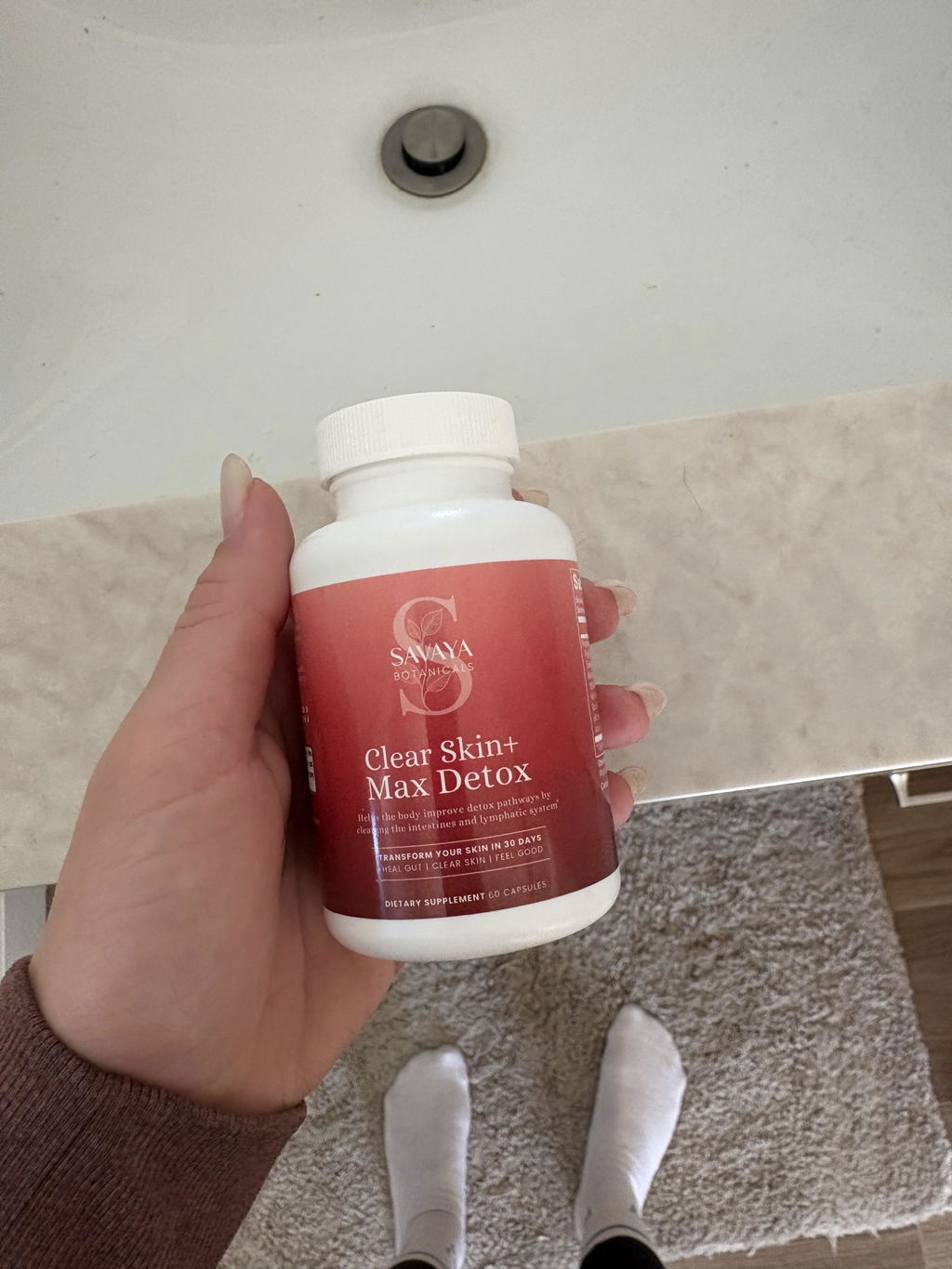
A steady daily habit also just makes the tracking easier to stick to. That's where something like Max Detox fits in for some people — an acai-based drink built to help support the body's natural detoxification pathways and everyday gut health, used as a consistency anchor alongside the tracking above, not a substitute for it.

Bottom Line: Give It a Real Window, Then Reassess
There's no verified schedule for a dairy purge, so judge your skin on a real window — weeks, not days — using consistent tracking instead of a single bad day. If skin hasn't shifted after a genuine elimination period, or it's worsening rather than trending calmer, that's the point to reassess with a dermatologist.
No one can hand you a guaranteed date when your skin will settle after cutting dairy, and be skeptical of anyone who does. What's realistic is a process: pick a genuine window, track consistently, change one thing at a time, and look at the trend instead of any single day.
If you've held the elimination for a real stretch and nothing has shifted, or things are trending worse rather than calmer, that's useful information too — it may mean dairy wasn't the main variable for you, and it's worth bringing what you tracked to a dermatologist rather than guessing further on your own.
Either way, the tracking itself is the win. It's the only way to turn 'I think dairy is doing something' into an actual answer.

See if Max Detox is right for you
Frequently Asked Questions
How long does a dairy purge last?
There's no verified medical timeline for a 'dairy purge.' Many people describe an early stretch with little visible change, a middle stretch where skin can temporarily look worse, and a later stretch where a pattern becomes clearer — but pacing varies, and some people notice no shift at all.
Is a dairy purge a real medical condition?
No — 'dairy purge' is an informal, commonly used term, not a diagnosis recognized by dermatology organizations like the American Academy of Dermatology. Acne itself is described by NIAMS as a multifactorial skin condition, so a change after cutting dairy could reflect several overlapping factors, not one single cause.
What should I eat instead of dairy during an elimination?
Focus on replacing what dairy provided nutritionally — calcium and vitamin D sources like leafy greens, fortified alternatives, or canned fish with bones — and swap in a milk alternative you'll actually stick with long-term, since that comparison alone deserves its own dedicated look before you commit.
Can I use lactose-free or A2 milk during a dairy elimination?
If your goal is testing dairy broadly, lactose-free and A2 milk usually don't count as a true elimination, since they still contain dairy proteins some people react to. That comparison — A2 versus regular, lactose-free swaps — is worth exploring separately once you know your baseline.
When should I see a dermatologist instead of self-tracking?
If breakouts are painful, cystic, scarring, or not trending calmer after a genuine elimination window, bring your tracking notes to a dermatologist rather than continuing to guess. MedlinePlus notes persistent or severe acne often benefits from professional evaluation rather than diet changes alone.
This content is for general wellness and educational purposes and is not medical advice. These statements have not been evaluated by the Food and Drug Administration. This product is not intended to diagnose, treat, cure, or prevent any disease. Consult your healthcare provider before starting any supplement, especially if you are pregnant, nursing, or managing a health condition. Individual results vary.