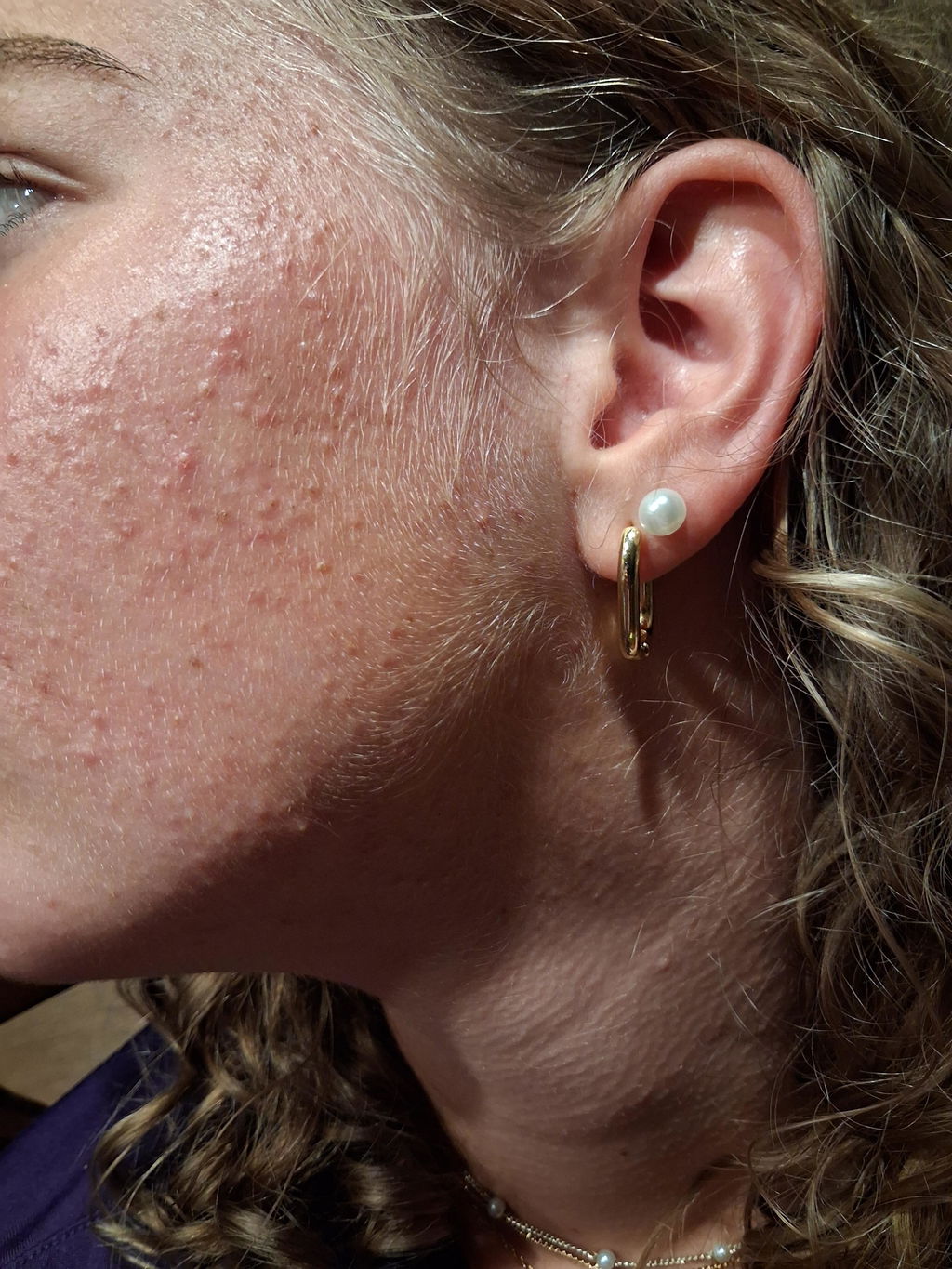
I spent two years thinking my acne was hormonal. Every dermatologist I saw confirmed it, handed me a prescription, and sent me on my way. The prescriptions helped -- until they didn't. The breakouts always came back, and they always came back hardest after the most stressful weeks of my life. It wasn't until I started studying functional nutrition that I discovered something that reframed everything I thought I knew about skin: the real conversation about acne isn't happening in your pores. It's happening in your gut -- and it starts in your brain.
The Stress-Skin Pathway Nobody Explains
Most people know stress makes skin worse. What almost nobody explains is how it does that -- and why the mechanism runs straight through your digestive system before it ever touches your face.
The pathway starts with your HPA axis: the hypothalamic-pituitary-adrenal axis. This is your brain's ancient biological alarm system. When you experience a stressor -- a difficult conversation, a sleepless night, a pile of unread messages -- your hypothalamus releases corticotropin-releasing hormone (CRH). CRH signals your pituitary to release ACTH (adrenocorticotropic hormone), which tells your adrenal glands to flood your bloodstream with cortisol.
In short bursts, this is protective. Cortisol is not the villain. But in the modern context, where stress is constant rather than acute, cortisol levels stay chronically elevated. And that is where your gut becomes the missing piece of the acne story.
Cortisol, Tight Junctions, and Why Your Gut Becomes a Sieve
Your gut lining is a single-cell-thick barrier -- one of the most important physical boundaries in your body. Beneath the surface, tight junction proteins act as molecular clasps, holding those cells together and deciding what crosses into your bloodstream.
Research published in Brain, Behavior, and Immunity has demonstrated that elevated cortisol directly downregulates the expression of tight junction proteins, including occludin and claudin-1. When those proteins weaken, the barrier becomes permeable. This is what the functional medicine world calls leaky gut, and what clinical research calls increased intestinal permeability.
Once that barrier is compromised, partially digested proteins, bacterial fragments called lipopolysaccharides (LPS), and other pro-inflammatory molecules escape into systemic circulation. Your immune system -- doing exactly what it should -- mounts a response. That response generates cytokines: IL-1beta, IL-6, TNF-alpha. These circulate throughout your body, including into your skin tissue.
Inside your skin, sebaceous glands carry cortisol receptors. Elevated cortisol stimulates sebum overproduction. The circulating cytokines inflame the follicular environment. Bacteria thrive in that environment. The result: inflammatory acne that no topical cream fully resolves, because the fire is lit from within.
Supporting your microbiome during this process matters more than most people realize. A targeted microbiome gut cleanse can reduce the bacterial load crossing a stressed gut barrier, giving your immune system less to react to while you address the root drivers.
What the Research Actually Shows About Stress and Acne
This is not theory. The gut-brain-skin connection has been documented in peer-reviewed research for over a decade.
A landmark 2011 paper by researchers Bowe and Logan, published in Gut Pathogens, formally proposed the gut-brain-skin axis as a mechanistic explanation for acne vulgaris. They identified that psychological stress promotes gut dysbiosis, increases intestinal permeability, and triggers systemic inflammation that manifests as skin lesions. The model has since been supported by multiple clinical studies.
A 2021 study in the Journal of Clinical and Aesthetic Dermatology tracked university students through exam periods and found acne severity increased significantly during peak stress, independent of dietary changes. Crucially, students with higher baseline gut microbiome diversity showed significantly lower acne flares during the same stress period. Their gut acted as a resilience buffer.
The same study found measurable reductions in Lactobacillus and Bifidobacterium populations during stress, alongside increases in inflammatory bacterial strains. In other words, stress reshapes your microbiome in ways that amplify skin inflammation.
"The skin is not a closed system. It is downstream of everything happening in your gut and your mind."
-- Dr. Whitney Bowe, dermatologist and gut-skin researcher
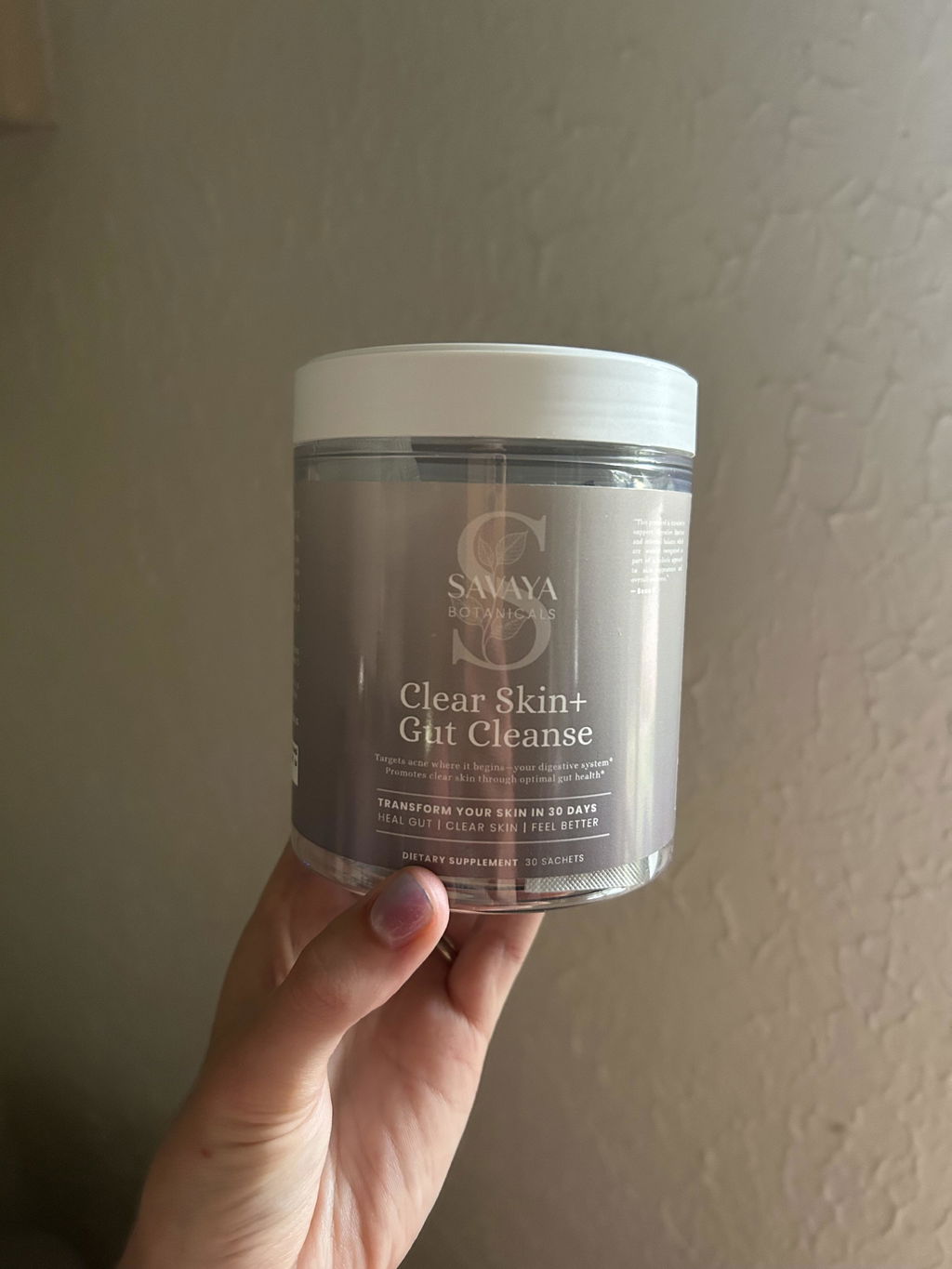
If you are looking at the full systemic picture, the Clear Skin+ Max Detox is a daily acai-based blend that supports both gut and skin health as part of your daily routine.
The Vagus Nerve: Your Hidden Anti-Inflammatory System
The vagus nerve is the longest cranial nerve in the body, running from your brainstem through your chest and into your gut. It is the primary communication pathway of your parasympathetic nervous system -- the counterpart to the stress response -- and it is one of the most underappreciated structures in skin health.
When the vagus nerve is well-toned (high vagal tone), it releases acetylcholine, which actively suppresses the inflammatory cytokines linked to acne: TNF-alpha, IL-1beta, and IL-6. Think of it as a natural anti-inflammatory brake.
When you are chronically stressed, vagal tone drops. That brake fails. Gut permeability worsens. Skin inflammation climbs. The feedback loop accelerates.
What makes this exciting from a practical standpoint: vagal tone is trainable. The nervous system is plastic. The interventions that activate the parasympathetic system also reduce gut permeability, lower cortisol, and -- with consistency -- reduce inflammatory acne. You are not stuck in this loop.
Cold Exposure: Training the Stress Response Itself
Cold water exposure is one of the most studied vagal nerve activators that does not require a prescription or a clinic. A frequently cited paper in Medical Hypotheses proposed that regular cold exposure trains the HPA axis to mount a more proportionate response to stressors, reducing the cortisol spike for a given level of stress input.
Research from the Thrombosis Research Institute found that cold exposure triggers norepinephrine release of up to 300% above baseline. Norepinephrine has direct anti-inflammatory properties and improves gut motility, reducing conditions that favor bacterial overgrowth in the small intestine.
Practically speaking: end every shower with 60 to 90 seconds of cold water. Start at 30 seconds. Build over two weeks. You do not need an ice bath. The threshold for vagal activation is lower than most people think, and your skin will register the difference before you finish your first month.
Breathwork: The Fastest Reset for the Gut-Brain Axis
Breathwork is one of the only interventions that directly and measurably increases vagal tone in real time. Specifically, slow diaphragmatic breathing at approximately five to six breaths per minute -- sometimes called coherent or resonance frequency breathing -- activates baroreceptors in your aortic arch and carotid sinus. Those baroreceptors signal your brainstem to increase vagal output.
A 2017 randomized controlled trial published in Frontiers in Human Neuroscience found that 20 sessions of slow breathing training produced a statistically significant reduction in IL-6, a primary inflammatory cytokine elevated in acne-prone skin. Practitioners in the study also showed measurable reductions in gut permeability markers within the first few weeks.
A practical protocol: inhale for five counts, exhale for five counts, for ten minutes each morning before looking at your phone. Pair this with sea moss, which delivers 92 naturally occurring minerals including zinc (critical for sebum regulation and immune modulation) and iodine (essential for thyroid function and cortisol balance). Starting the morning this way -- nervous system first, minerals second -- sets a different physiological baseline for the day.
Sleep Hygiene: Where Your Gut and Skin Repair Themselves
Sleep is when your gut heals. The colon undergoes a major cleansing wave during deep sleep, clearing bacterial accumulation. Your gut microbiome runs on a circadian rhythm, and disrupted sleep directly disrupts microbial diversity -- before diet, before supplements, before anything else.
A 2019 study published in Cell Host and Microbe found that even two nights of sleep restriction caused measurable shifts in gut microbiome composition, with reductions in beneficial Firmicutes species and increases in inflammatory Proteobacteria. These are the same shifts consistently observed in acne-prone populations.
Sleep also drives the majority of growth hormone release, which happens in the first 90 minutes of deep sleep. Growth hormone is critical for epithelial repair -- in both your gut lining and your skin. Interrupted sleep means less repair. Less repair means slower microbiome recovery and slower skin barrier regeneration.
Sleep hygiene that actually shifts this: consistent wake time even on weekends, room temperature between 65 and 67 degrees Fahrenheit, no screens in the 60 minutes before bed. Supporting the skin barrier overnight with a topical that works with your biology rather than against it helps, too. The Peaceful Night tallow cream uses grass-fed tallow -- rich in conjugated linoleic acid and fat-soluble vitamins -- to restore the skin barrier during the repair window your body opens each night.
The Full Protocol: Hitting All Three Nodes at Once
The gut-brain-skin axis is a system. Addressing one node produces slower results. Addressing all three simultaneously -- nervous system, gut barrier, and skin nutrition -- produces compounding results because each intervention reduces the load on the others.
Here is what I have seen work consistently:
- Morning anchor: Ten minutes of slow breathing before caffeine. Hydrate with water and sea moss gel for mineral loading before your nervous system starts responding to the day.
- Daily gut support: The microbiome gut cleanse works especially well for stress-triggered breakouts because it targets the downstream gut permeability effects of cortisol, reducing the bacterial translocation that drives systemic inflammation.
- Evening reset: Cold shower to close the HPA stress loop accumulated through the day. A consistent wind-down routine that protects your sleep window -- your skin's primary repair opportunity.
- Structural collagen support: Chronic gut permeability depletes the collagen matrix underlying skin tissue. Beauty collagen strips provide the glycine and proline peptides needed to rebuild what cortisol and inflammation have broken down -- addressing the structural deficit, not just the surface.
- Daily support option: If your acne is persistent and multi-system, adding Clear Skin+ Max Detox, a daily acai-based blend, may help support your body from the inside as part of a broader routine.
For an additional systemic reset alongside the microbiome work, the acai detox protocol adds antioxidant and lymphatic support that complements gut barrier repair.
* * *
Your Skin Is Reading Your Nervous System in Real Time
If topical treatments help temporarily but acne keeps returning -- especially during stressful periods -- you are not dealing with a surface problem. You are dealing with a system problem. The gut-brain-skin axis is the mechanism. Cortisol is the initiator. Gut permeability is the amplifier. Skin inflammation is the output.
None of this requires pharmaceutical intervention. It requires understanding the pathway and targeting it at each node with consistency.
Start with your gut. The microbiome gut cleanse is the most direct entry point into this cascade -- because gut permeability sits at the center of the entire stress-to-skin pathway. Address the middle, and both ends of the axis become easier to regulate.
Your skin is not the problem. It is the signal. Now you know what it is signaling.
* * *
Frequently Asked Questions
Can stress cause acne even when my diet is clean?
Yes. The gut-brain-skin axis operates independently of diet in many cases. Chronic cortisol weakens tight junction proteins in the gut lining through direct biochemical action -- not through food choices. Clean eating supports gut health, but nervous system regulation is a separate and equally important variable. Many people with excellent diets still experience stress-triggered breakouts precisely because they are addressing diet but not the cortisol-permeability pathway.
How long does gut healing take before skin improves?
Most people notice initial changes in skin texture and inflammation within two to four weeks when combining gut support with nervous system regulation techniques. Full microbiome rebalancing and sustained skin improvement typically takes eight to twelve weeks of consistent practice. The 12-week acne detox timeline is designed around this biological reality -- not marketing convenience.
What is the vagus nerve and why does it affect acne?
The vagus nerve is the primary nerve of your parasympathetic (rest and digest) nervous system. It runs from your brainstem to your gut and releases acetylcholine, which directly suppresses inflammatory cytokines including TNF-alpha, IL-1beta, and IL-6 -- the same cytokines elevated in acne-prone skin. Higher vagal tone means lower systemic inflammation. Breathwork and cold exposure are two of the most evidence-supported techniques for training vagal tone naturally.
Is the HPA axis the same thing as the stress response?
The HPA axis (hypothalamic-pituitary-adrenal axis) is the biological system that generates the stress response. It is the signaling chain from your brain perceiving a threat, to your pituitary releasing ACTH, to your adrenal glands releasing cortisol. When this axis is chronically activated -- as it is under ongoing psychological, physical, or environmental stress -- cortisol levels remain elevated, sustained gut permeability follows, and skin inflammation persists as a downstream consequence.
What nutrients support gut lining repair after stress-induced permeability?
Zinc, glutamine, collagen peptides, and sea moss are among the most studied for gut lining repair. Collagen provides glycine and proline, the primary amino acids used to rebuild the extracellular matrix underlying gut epithelial tissue. Sea moss contributes a dense mineral profile including zinc, iodine, and magnesium -- all of which support tight junction protein synthesis, thyroid function, and cortisol regulation simultaneously.