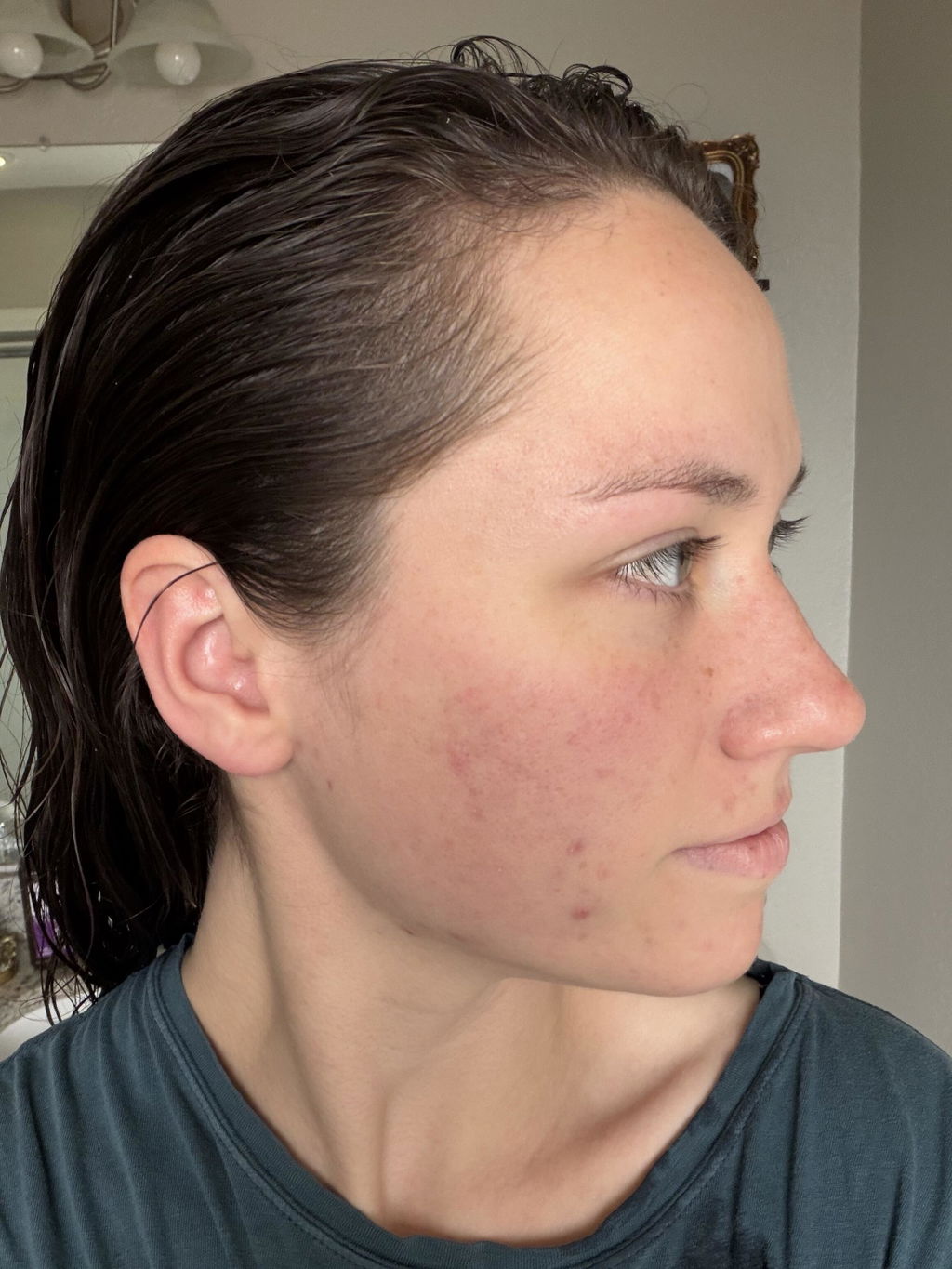
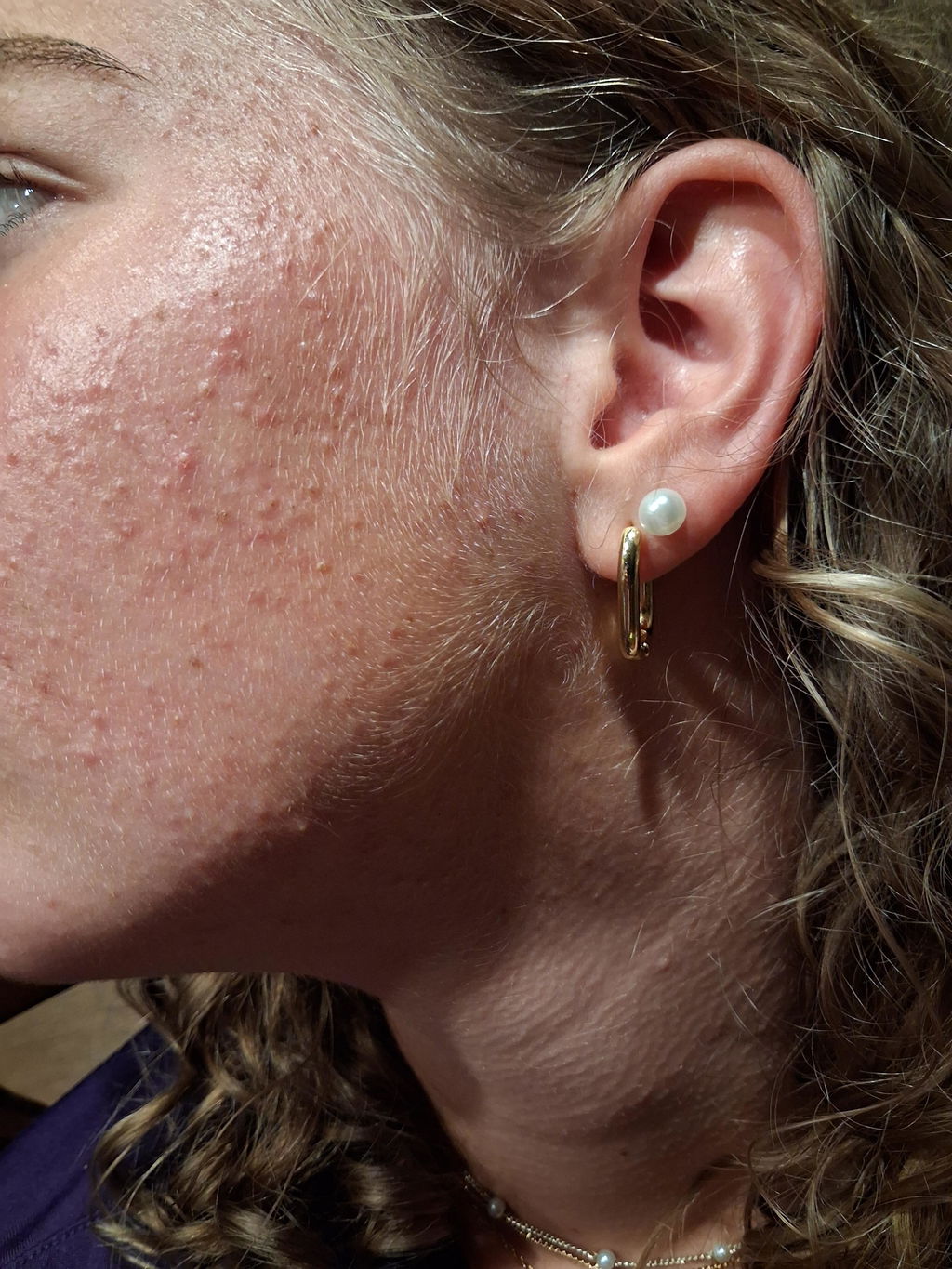
Three years ago I was drinking a full gallon of water a day and my skin had never looked worse. Flaky patches across my cheeks, fine lines that seemed to appear overnight, a tightness no amount of water seemed to touch. I remember standing in my kitchen with an empty gallon jug, genuinely confused, because every wellness account I followed said this was supposed to be the answer. More water, clearer skin. That was the promise. It wasn't happening for me, and it turns out it isn't happening for a lot of people, because the advice itself is incomplete.
I'm Sarah Mitchell, and I've spent the last decade working with clients on gut health and skin through a functional medicine lens. "Drink more water" isn't wrong exactly. It's just missing the part that actually matters: water without the right minerals doesn't stay in your cells long enough to hydrate anything. It passes through you. And if your gut isn't absorbing what you drink, it barely gets the chance to try.
Why Plain Water Alone Doesn't Hydrate Your Skin Cells
Here's the piece almost nobody explains: water doesn't move into your cells just because it's present in your body. It moves through a process called osmosis, and osmosis depends entirely on the concentration of electrolytes, sodium, potassium, and magnesium, sitting on either side of your cell membranes. Water follows minerals. Not the other way around.
When you drink large volumes of plain, mineral-stripped water, especially on an empty stomach, you dilute the electrolyte concentration in your bloodstream. Your kidneys respond by doing exactly what they're built to do: flush the excess out fast, often taking some of your existing mineral reserves with it. You can drink a gallon a day and still walk around functionally dehydrated at the cellular level, because the water passed through your system instead of being pulled into your tissues.
This is why so many of my clients tell me the same thing: they're drinking more water than ever and their skin still looks dull, tight, or crepey. It's not a compliance problem. It's a chemistry problem.
Mineral Water vs. Filtered Water: What Actually Reaches Your Skin
Not all water is created equal, and this is where I ask clients to look at what's actually in their glass. Heavily filtered water, reverse osmosis especially, strips out nearly everything, including the trace minerals that would have helped that water get absorbed in the first place. You end up with water that's technically pure and functionally hollow.
Natural mineral water, or water you've remineralized yourself, carries dissolved electrolytes that create an osmotic gradient, the pull that draws water across your cell membranes instead of straight through your kidneys. This is the same principle behind oral rehydration therapy, the WHO-developed formula used to treat severe dehydration. It isn't just water. It's water plus a precise ratio of sodium and glucose, because that combination is what actually gets absorbed in the gut.
You don't need a clinical rehydration formula to fix dry skin, but the underlying principle holds: water needs company to do its job.
Magnesium, Potassium, and Sodium: The Minerals Behind Cellular Hydration
Three electrolytes do most of the heavy lifting. Sodium sits primarily outside your cells and drives the osmotic pull that draws water in when levels are adequate. Potassium works from inside the cell, maintaining the internal pressure that keeps skin cells plump rather than collapsed. Magnesium is involved in hundreds of enzymatic reactions, including the ones that regulate how efficiently your cells actually use the water and sodium they already have.
When any one of these runs chronically low, which is common given how mineral-depleted modern soil and heavily processed diets have become, water intake alone can't compensate. This is part of why I point clients toward whole-food mineral sources instead of another liter of plain water. Sea moss is one of the few single foods that carries a genuinely broad mineral profile, close to 92 trace minerals in the form ocean-grown botanicals naturally contain, which is a very different approach than trying to hit a magnesium number and a potassium number and a sodium number separately through isolated supplements.
"Structured Water" Claims vs. What the Science Actually Shows
I get asked about structured water, sometimes called EZ water or hexagonal water, more than almost any other hydration topic. The claim is that water can be reorganized into a gel-like liquid crystal structure near hydrophilic surfaces, and that drinking or making this water improves hydration at the cellular level beyond what regular water does.
The underlying physics observation, that water behaves differently near certain surfaces, comes from legitimate lab research. Where the claims run ahead of the evidence is the leap from "this happens in a petri dish near a hydrophilic gel" to "drinking water swirled in a vortex device changes how your cells absorb it." There isn't controlled human research showing commercially structured water outperforms plain mineral water for hydration or skin outcomes. I say that as someone who wants the exciting version to be true. It's more useful, and more honest, to focus on the mechanism that's actually well established: electrolyte balance and cell membrane transport. That's not a trendy fringe theory, it's basic physiology, and it's the lever that's genuinely available to you.
How Your Gut Determines Whether Water Ever Reaches Your Skin
This is the piece that gets skipped in almost every "drink more water" article, and it's the one I care about most. Water absorption happens primarily in your small intestine and colon, and that process depends heavily on the health of your gut lining and the balance of your microbiome. An inflamed or imbalanced gut absorbs water and minerals inefficiently, no matter how much you drink.
Chronic bloating, irregular digestion, or a gut that's been under-supported for years can mean a meaningful portion of what you drink moves through you without ever being properly absorbed into your bloodstream, let alone reaching your skin. I've watched clients change nothing about their water intake and see visibly plumper, less reactive skin within weeks of supporting their gut lining and rebalancing their microbiome with something like a gut cleanse. The water was always available to them. Their gut just wasn't set up to use it.
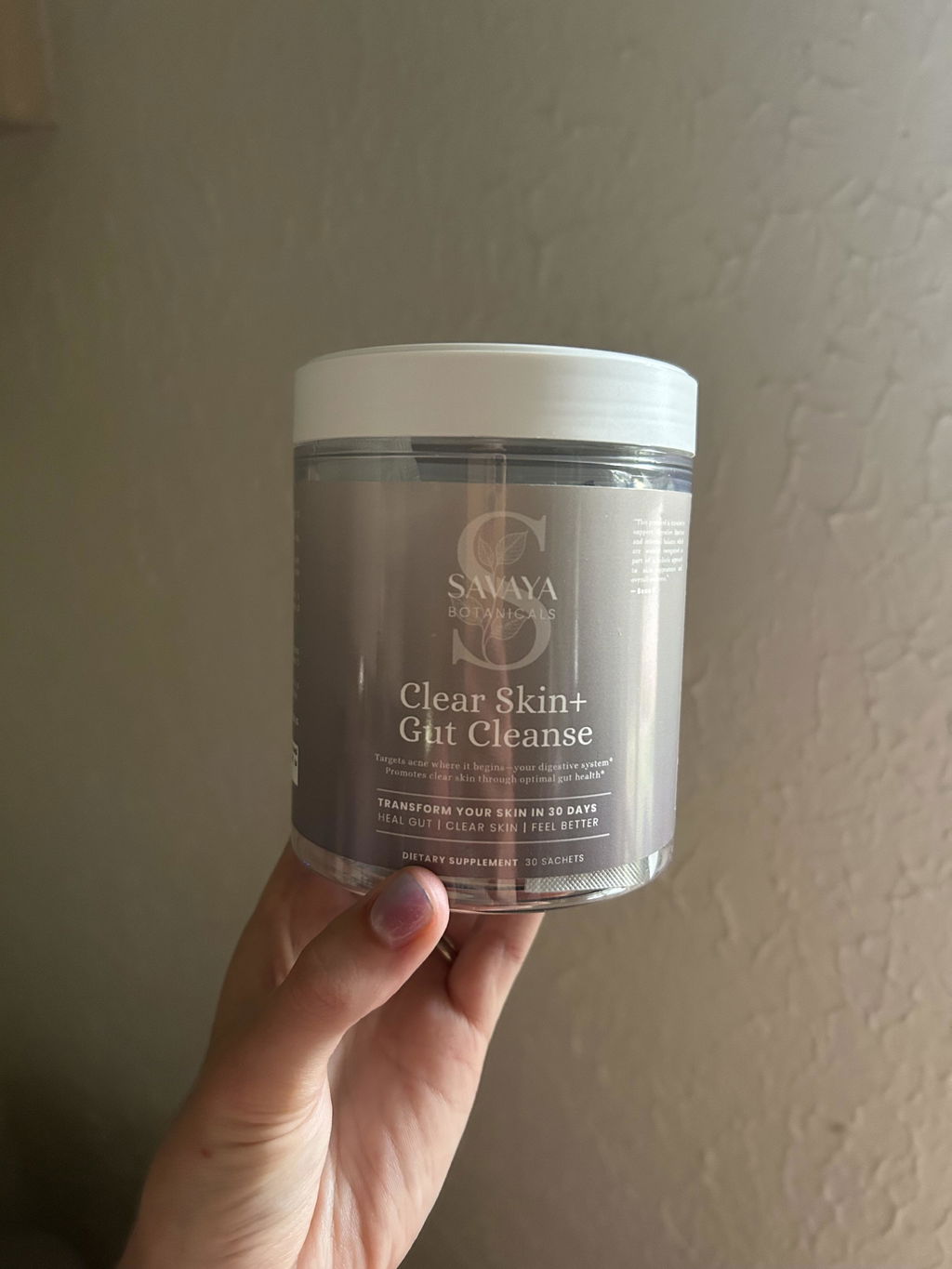
For clients dealing with stubborn breakouts alongside dullness and dehydration, I often recommend starting further upstream with daily support, which is exactly what Clear Skin+ Max Detox is built for: an acai-based blend that helps support the gut as part of an everyday routine.
The "8 Glasses a Day" Myth: Where It Actually Came From
The "eight 8-ounce glasses" rule gets treated like settled science, but its origins are shaky at best. It traces back to a 1945 U.S. Food and Nutrition Board recommendation suggesting roughly 2.5 liters of water per day, with a critical line most people never heard: that "most of this quantity is contained in prepared foods." That caveat got dropped somewhere along the way, and the number calcified into a rule that had nothing to do with the original guidance.
In 2002, physiologist Dr. Heinz Valtin published a widely cited review in the American Journal of Physiology examining the evidence behind the 8x8 rule directly. He found no scientific studies supporting it as a hydration requirement, and noted that healthy people who let thirst guide them typically consume adequate fluid without deliberately tracking glasses. More recent guidance from bodies like the European Food Safety Authority reflects this too, framing total fluid needs, food included, at closer to 2 to 2.5 liters for most adults, with wide individual variation based on activity, climate, and body size.
None of this means water doesn't matter. It means volume alone was never the right target, and chasing a number while ignoring minerals and gut absorption is why so many people drink constantly and still feel, and look, dehydrated.
Practical Hydration Strategies That Actually Support Your Skin
A few shifts I walk clients through, roughly in order of how much they actually move the needle:
- Add minerals to your water instead of just adding volume. A pinch of sea salt, a splash of mineral water, or a daily sea moss serving gives your body the electrolytes it needs to pull water into your cells rather than flush it straight through.
- Drink with meals, not just between them. Food naturally supplies minerals and slows fluid transit, giving your gut more time to absorb what you're drinking.
- Support your gut lining directly. If digestion is inconsistent, no amount of water timing fixes absorption. This is where a targeted gut cleanse or a broader full detox protocol tends to make the biggest visible difference in skin hydration, often within a few weeks.
- Support hydration from the outside too. Internal hydration and topical skin barrier support work together, not against each other. A tallow cream at night helps lock in moisture while your skin barrier repairs, especially while you're still rebuilding mineral status internally.
- Support skin structure, not just water content. Hydration makes skin look plump short-term, but collagen is what holds that structure over time. Pairing mineral-rich hydration with collagen support addresses both the water and the scaffolding it's sitting in.
- Let thirst do more of the work than a tracking app. Outside of illness, heavy exercise, or hot climates, your thirst mechanism is a more accurate guide than a fixed ounce target ever will be.
• • •
Frequently Asked Questions
Why does my skin still look dehydrated even though I drink a lot of water?
Plain water needs electrolytes, sodium, potassium, and magnesium, to actually move into your cells through osmosis. Without adequate minerals, much of what you drink passes through your kidneys rather than hydrating your tissues, which is why volume alone often doesn't fix dry or dull skin.
Is mineral water better than filtered water for skin hydration?
Generally yes. Heavily filtered or reverse osmosis water strips out the trace minerals that create the osmotic pull needed for real cellular absorption. Natural mineral water, or water remineralized with electrolytes, is absorbed more efficiently than mineral-stripped filtered water.
What is "structured water" and does it actually hydrate skin better?
Structured water refers to claims that water forms a special gel-like structure near certain surfaces that improves hydration. While the underlying physics observation is real in lab settings, there's no controlled human research showing that commercially structured or vortexed water improves hydration or skin outcomes beyond standard mineral-balanced water.
How much water should I actually drink per day?
The "8 glasses a day" rule isn't based on solid science and traces back to a 1945 recommendation that was meant to include water from food. Most adults do well with roughly 2 to 2.5 liters of total fluid daily, food included, adjusted for activity level, climate, and body size, and guided by thirst rather than a fixed number.
Can gut health really affect how hydrated my skin looks?
Yes. Water and mineral absorption happen primarily in the small intestine and colon, and an inflamed or imbalanced gut absorbs both inefficiently. Supporting gut lining health and microbiome balance often improves visible skin hydration faster than increasing water intake alone.
If you want to start where it actually matters, sea moss is the simplest place to begin. It's one of the few whole foods that delivers a broad enough mineral profile, close to 92 trace minerals, to genuinely support the electrolyte balance your skin cells need for real cellular hydration. Explore our sea moss and give your water something to work with.