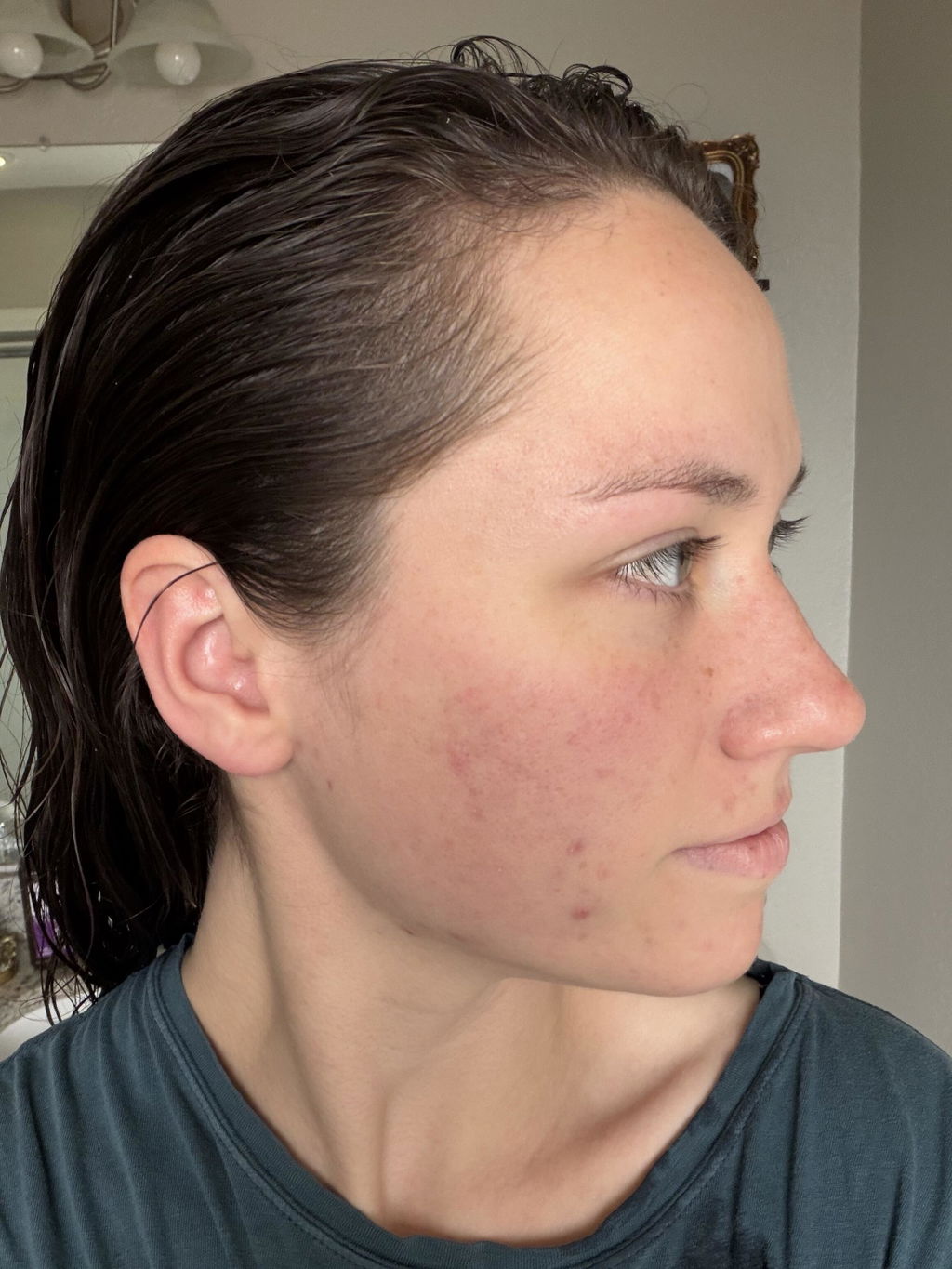
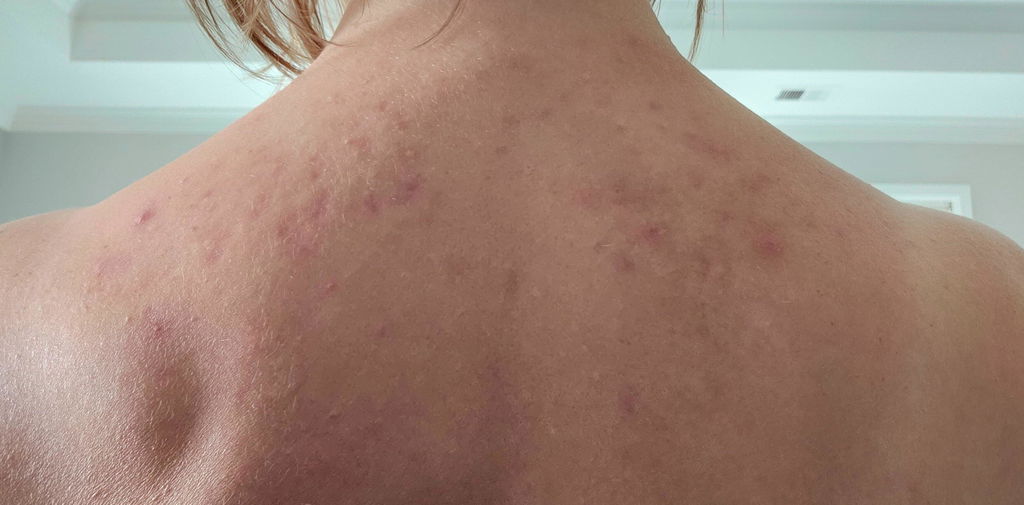
My patient Emma sat in my office last spring, mascara running, and said something I’ve heard a hundred times: “I was clear for six months. Then I stopped the antibiotics, and now my skin is worse than it’s ever been.”
She’d been on doxycycline for three years. Three years.
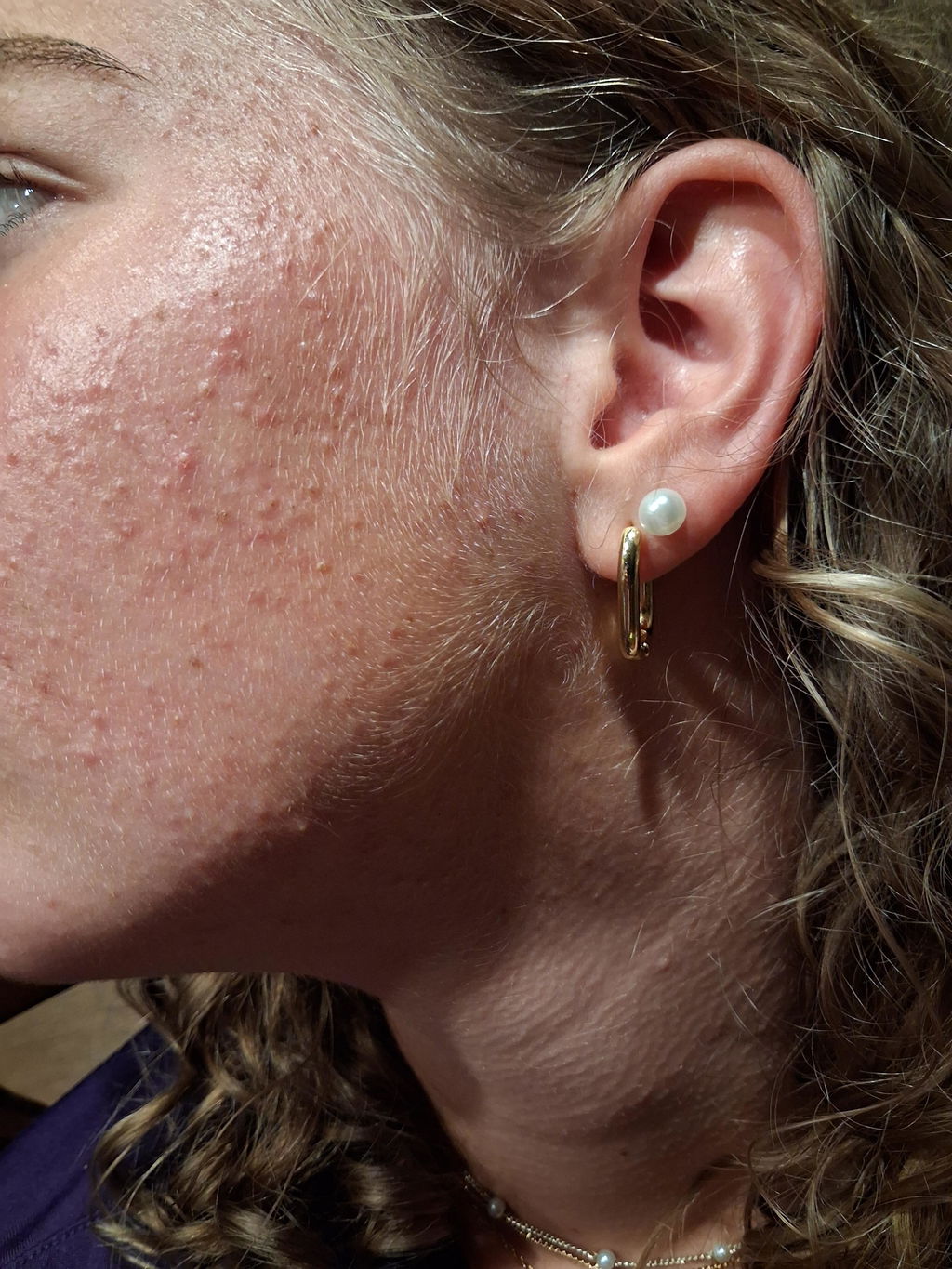
Her dermatologist had reassured her it was “safe long-term.” Her face had been miraculously, glassily clear for the last stretch of treatment. But four weeks after she stopped, the cysts came back — not the same cysts, bigger ones, deeper ones, on parts of her face that had never broken out before.
What happened to Emma isn’t rare. It’s the predictable outcome of an approach that treats acne as a bacterial problem instead of what it actually is: a signal of internal imbalance. After fifteen years of working with women trying to repair their skin from the inside out, I can tell you with absolute certainty — antibiotics aren’t curing your acne. They’re often setting it up to come back stronger.
Here’s what’s really happening when you swallow that pill.
The Antibiotic Trap: Why “Cleared Skin” Is Often a Mirage
When you start antibiotics for acne — doxycycline, minocycline, tetracycline, clindamycin, the usual suspects — something undeniably impressive happens. Within 4 to 8 weeks, inflammation drops. Active cysts shrink. Your reflection looks like a different person.
But here’s the part nobody mentions: that improvement isn’t healing. It’s suppression.
Antibiotics work by killing Cutibacterium acnes (formerly Propionibacterium acnes), the bacteria implicated in inflammatory acne lesions. The problem is that C. acnes isn’t actually a pathogen. It’s a normal resident of healthy skin. Killing it doesn’t fix the underlying environment that allowed it to overgrow in the first place — it just removes one symptom while wrecking everything else. The moment you stop, or the moment your bacteria adapt, the rebound begins.
What Antibiotics Actually Do to Your Gut Microbiome
Most people picture antibiotics as targeted weapons. They aren’t. Oral antibiotics for acne are systemic, meaning every microbiome in your body takes the hit — not just your skin, but your gut, your mouth, your sinuses, your vaginal flora.
The gut microbiome is where the real damage happens. Inside your intestines lives an ecosystem of roughly 38 trillion bacteria, fungi, and other organisms that regulate everything from your immune response to your hormone metabolism. When you swallow doxycycline, you aren’t just hitting C. acnes on your face. You’re carpet-bombing entire genera of beneficial gut flora.
This matters for skin because around 70% of your immune system lives in your gut. Your microbiome regulates inflammation systemically. When you destroy that ecosystem, inflammation goes up everywhere — including in your skin.
The Specific Beneficial Bacteria Antibiotics Wipe Out
Research published in Nature Microbiology and the Journal of the American Academy of Dermatology has identified the casualties. Tetracycline-class antibiotics, the most common acne prescription, significantly deplete:
- Bifidobacterium species — critical for short-chain fatty acid production and gut barrier integrity
- Lactobacillus species — regulate inflammation and maintain healthy gut pH
- Faecalibacterium prausnitzii — one of the most abundant beneficial bacteria, with powerful anti-inflammatory effects
- Akkermansia muciniphila — guards the mucin layer of your gut wall, preventing leaky gut
- Roseburia intestinalis — produces butyrate, your gut lining’s preferred fuel
When these populations crash, the bacteria that survive tend to be the more resistant, often more inflammatory species — Enterococcus, Klebsiella, certain Clostridium strains, and opportunistic yeasts. The microbiome flips from anti-inflammatory to pro-inflammatory. Your skin, which depends on systemic immune balance, feels every bit of it.
Antibiotic Resistance: Your Skin’s New Reality
Here’s a number that should stop every dermatologist in their tracks: as of recent surveillance studies, more than 50% of C. acnes strains globally are now resistant to erythromycin and clindamycin, and resistance to tetracyclines is climbing fast.
This means many of the women on long-term antibiotics for acne aren’t actually being treated. They’re being placebo’d. The drug is destroying their gut microbiome without meaningfully suppressing the bacteria on their face anymore.
Worse, antibiotic resistance follows you. A 2018 review in the British Journal of Dermatology showed that women on prolonged acne antibiotics had measurably higher rates of resistant infections elsewhere in the body for years afterward — UTIs that don’t respond to first-line treatment, sinus infections that drag on, vaginal infections that recur and recur.
The Candida Connection (And Why Your Skin Pays the Price)
When antibiotics annihilate bacterial competitors, fungi rejoice. Candida albicans, normally kept in check by your bacterial flora, blooms unopposed.
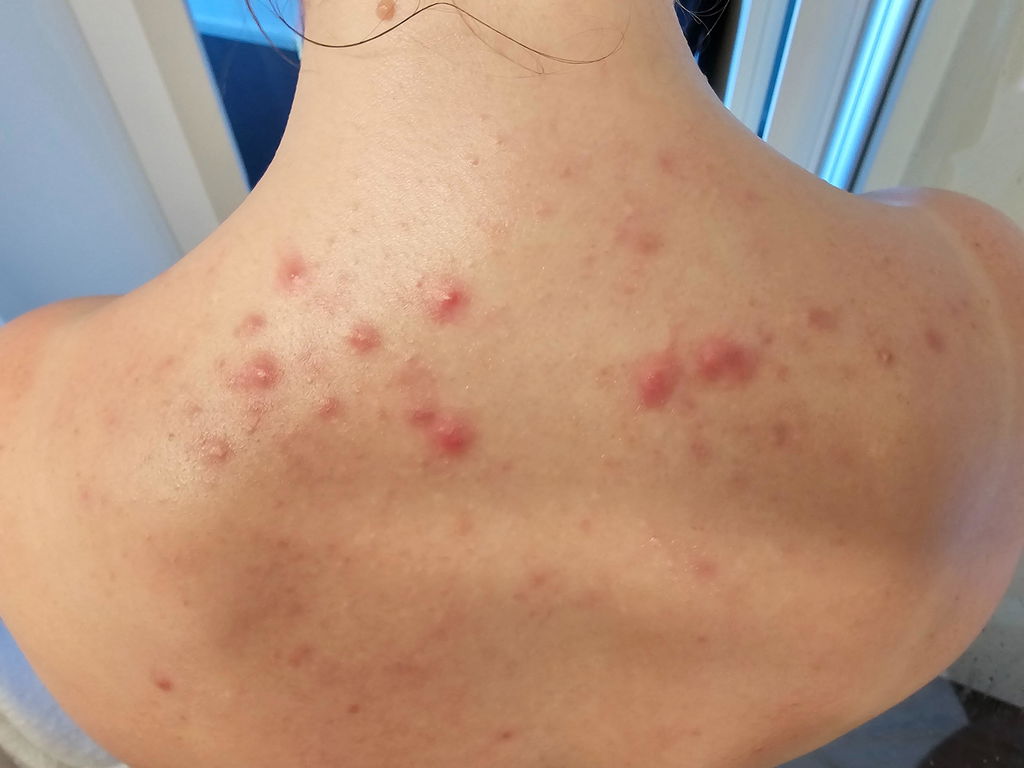
Candida overgrowth shows up in subtle ways at first — persistent bloating, sugar cravings that feel impossible to resist, foggy thinking, recurrent yeast infections, white-coated tongue, fatigue. But it shows up on your face too: cystic acne along the jaw and chin, fungal acne (those tiny same-size bumps on the forehead and chest), and a kind of breakout that no topical seems to touch.
This is why so many women say their acne got worse on antibiotics, or developed new patterns. The bacteria might be suppressed, but the fungal overgrowth filling the void is now creating its own inflammation cascade.
C. difficile Risk: The Side Effect No One Mentions on the Pamphlet
Then there’s Clostridioides difficile. Most people associate C. diff with hospitals and elderly patients, but tetracycline-class antibiotics — including the ones routinely prescribed for acne — are documented risk factors. The CDC tracks C. diff as one of the most urgent antibiotic-resistance threats in the country.
C. diff colitis isn’t rare in young women anymore. I’ve personally worked with three clients in the last two years who developed it after long-term acne antibiotic courses. The recovery is brutal: months of severe digestive distress, weight loss, profound fatigue, and a permanently altered relationship with their gut. For acne. We’re prescribing this for acne.
What 2022 Microbiome Research Revealed About Recovery Time
This is the research that changed how I think about everything. A 2022 paper published in Nature Communications tracked the recovery trajectory of human gut microbiomes after a single short course of antibiotics. The findings were sobering:
- Diversity loss persisted for 6 months minimum in healthy adults
- Some keystone species never returned to baseline, even at 12 months
- Multiple courses had compounding effects, with each subsequent round of antibiotics deepening and prolonging the damage
A second 2022 study in Cell Host & Microbe found that recovery is highly individual — some people regain microbial diversity in 6 months, others take a full year or longer. Diet quality during the recovery window was one of the largest predictors. People eating standard Western diets recovered slowest. People consuming diverse plant fibers, fermented foods, and mineral-dense whole foods recovered fastest.
The implication for acne patients is staggering. If you’ve been on doxycycline for two years and you stop today, your microbiome won’t be back to baseline until somewhere between next spring and next fall. During that recovery window, your skin is operating on a wrecked foundation.
Real Stories From Reddit and Dermatology Forums
Spend an hour on r/SkincareAddiction or r/Acne and you’ll find the same arc told a thousand ways:
“Was on minocycline for 18 months. Skin was perfect by month four. Stopped because my doctor was worried about long-term use, and within six weeks I had the worst breakout of my life. Cysts the size of marbles.” — u/clearskindream22
“I’m on my third round of doxy. It works less every time. My derm just wants to put me on Accutane now. I’m so tired.” — AcneOrg forums
“Three years of tetracycline cleared my face but gave me chronic IBS, brain fog, and yeast infections every other month. I would not do it again. My acne came back worse than before, plus all this gut damage.” — u/healingfromwithin
The patterns are unmistakable. Initial dramatic improvement. Plateau or diminishing returns. Discontinuation. Severe rebound. New problems on top of the old ones. This isn’t a few outliers — this is the median experience.
What to Do Instead: A Holistic Approach to Long-Term Clear Skin
If antibiotics aren’t the answer, what is? In my practice, the work breaks down into four layers, addressed in order.
1. Repair the gut. Nothing else works until this is underway. The gut is the foundation. Acne is downstream. Start with a focused microbiome reset to clear out the inflammatory species and create space for beneficial flora to recolonize.
2. Replenish minerals. Acne-prone women are almost always mineral-depleted, especially in zinc, selenium, iodine, and magnesium. Sea moss provides 92 of the 102 minerals your body needs in their natural, bioavailable form — a nutritional foundation no synthetic multivitamin can replicate.
3. Rebuild the skin barrier from inside and out. Internally with collagen support; externally with non-comedogenic, microbiome-friendly skincare like grass-fed tallow cream, which contains the same lipids your skin makes naturally.
4. Add a daily acai detox blend. This is where Clear Skin+ Max Detox comes in — a daily blend formulated to help support liver function, lymphatic health, and a healthy microbiome.
The 12-Week Gut-Rebuilding Protocol That Actually Works
Here’s the protocol I walk patients through. It takes 12 weeks, not because I’m being arbitrary, but because that’s how long the research suggests microbiome recovery actually requires.
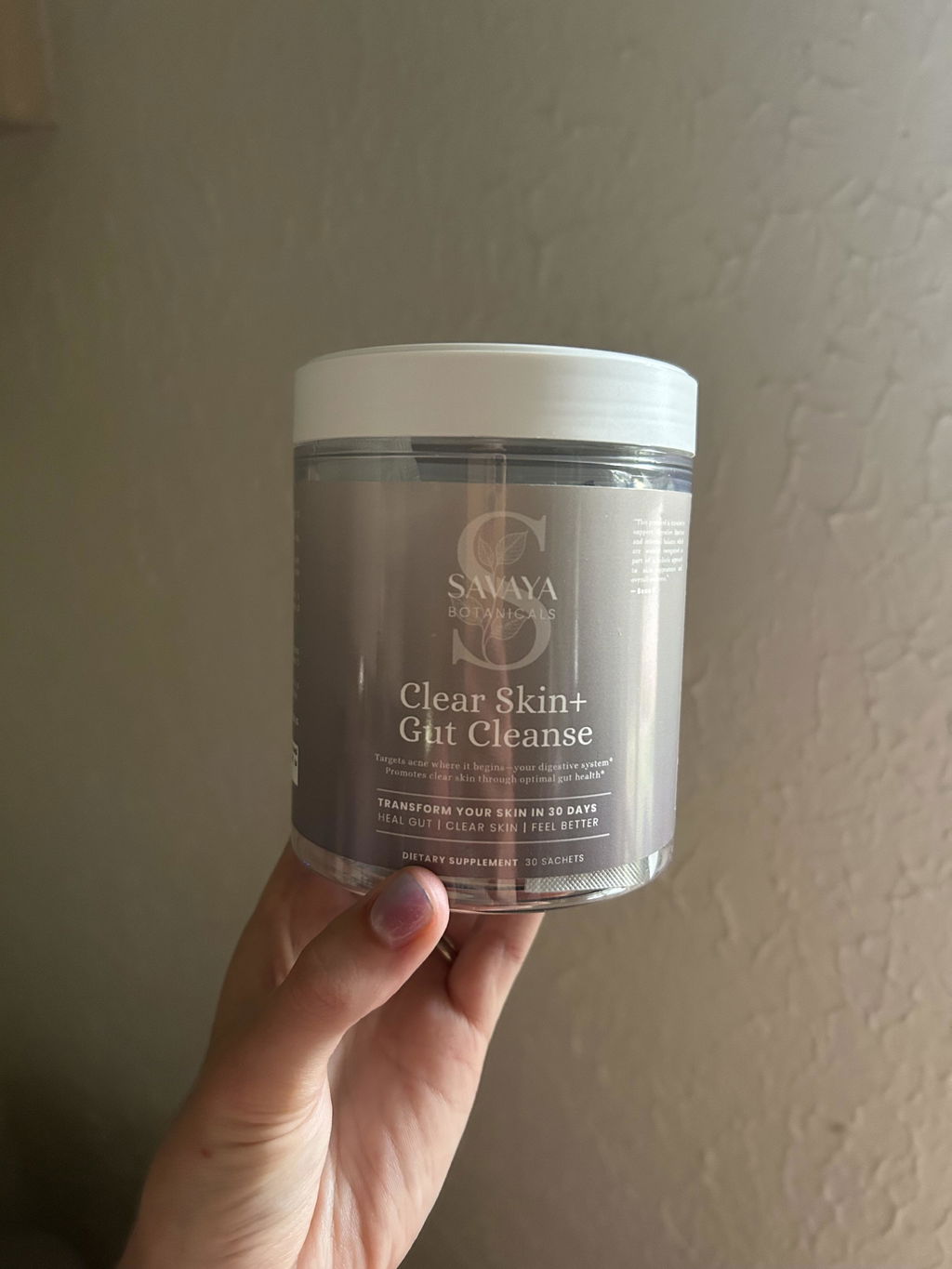
Weeks 1–2: Clear and Quiet. Begin with the gut cleanse sachets to gently reduce inflammatory species. Cut sugar, alcohol, and highly processed seed oils. Sleep 8 hours. This stage is about lowering the inflammatory load so your body can shift into repair mode.
Weeks 3–6: Mineralize and Nourish. Daily sea moss gel for trace minerals. Bone broth or amino acid support. Add beauty collagen strips for structural skin repair — collagen peptides feed both the gut lining and the dermis simultaneously, which is why so many women see skin texture and digestion improve in the same window. Introduce fermented foods slowly: kefir, sauerkraut, kimchi.
Weeks 7–9: Diversify. Now we expand microbial diversity. Aim for 30 different plant foods per week. Different colors, different fibers, different families. Resistant starches like cooled rice and green bananas. Polyphenols from berries, dark chocolate, green tea.
Weeks 10–12: Stabilize. The new microbiome is taking hold. Skin should be visibly clearer — not perfect, but trending in the right direction. Continue the full detox stack to consolidate gains. Resist the urge to bounce back to old patterns.
By week 12, most of my clients see what antibiotics promised but never delivered: skin that’s clear because the body is balanced, not because something has been chemically suppressed.
———
Ready to Break the Antibiotic-Acne Cycle?
If you’re tired of the cycle — antibiotics, brief clarity, rebound, repeat — the way out isn’t another prescription. It’s rebuilding the foundation that should have been there all along.
The Clear Skin+ Max Detox is the daily acai blend I recommend for women in exactly your situation. Real food, real minerals, and ingredients that help support your daily routine.
Your skin isn’t broken. It’s been telling you something. It’s time to listen.
Frequently Asked Questions
How long does it take for the gut microbiome to recover after antibiotics?
Research from 2022 published in Nature Communications shows that gut microbiome recovery after a single course of antibiotics takes 6 to 12 months on average. Some keystone bacterial species may never fully return without targeted intervention. Multiple courses, especially long-term acne antibiotics, can extend recovery beyond a year. Diet quality during recovery is the single biggest predictor of how fast and how completely your microbiome rebuilds.
Can acne come back worse after stopping antibiotics?
Yes, and this is one of the most common complaints in dermatology forums. The rebound effect happens because antibiotics suppress the symptoms of acne without addressing root causes — gut dysbiosis, mineral depletion, hormonal imbalance, and skin barrier dysfunction. When the antibiotic is removed, the underlying environment is often worse than before because the gut microbiome has been damaged, leading to more systemic inflammation and frequently more severe breakouts.
Do probiotics help reverse antibiotic damage to the gut?
Probiotics help, but they aren’t the whole answer. Most commercial probiotics contain only a handful of strains, while a healthy microbiome has hundreds. A more effective approach combines a gentle gut cleanse to clear inflammatory overgrowth, mineral-rich foods like sea moss to support beneficial bacteria, fermented foods for living cultures, and at least 30 different plant fibers per week to feed microbial diversity.
What are the signs of Candida overgrowth from antibiotics?
Common symptoms include persistent bloating, intense sugar cravings, fungal acne (small uniform bumps on the forehead, chest, or back), white-coated tongue, recurrent yeast infections, brain fog, and unexplained fatigue. Cystic acne along the jaw and chin is also frequently associated with Candida overgrowth, especially in women who have completed long-term antibiotic courses.
Is it safe to stop acne antibiotics suddenly?
Stopping antibiotics doesn’t require a medical taper, but you should plan for the rebound period. The four to eight weeks after discontinuation is when most women see breakouts return. Rather than waiting for that to happen, begin gut microbiome support before or immediately after stopping — a structured 12-week detox protocol gives your body the resources to repair the damage and rebuild a stable foundation, dramatically reducing the severity of any rebound.