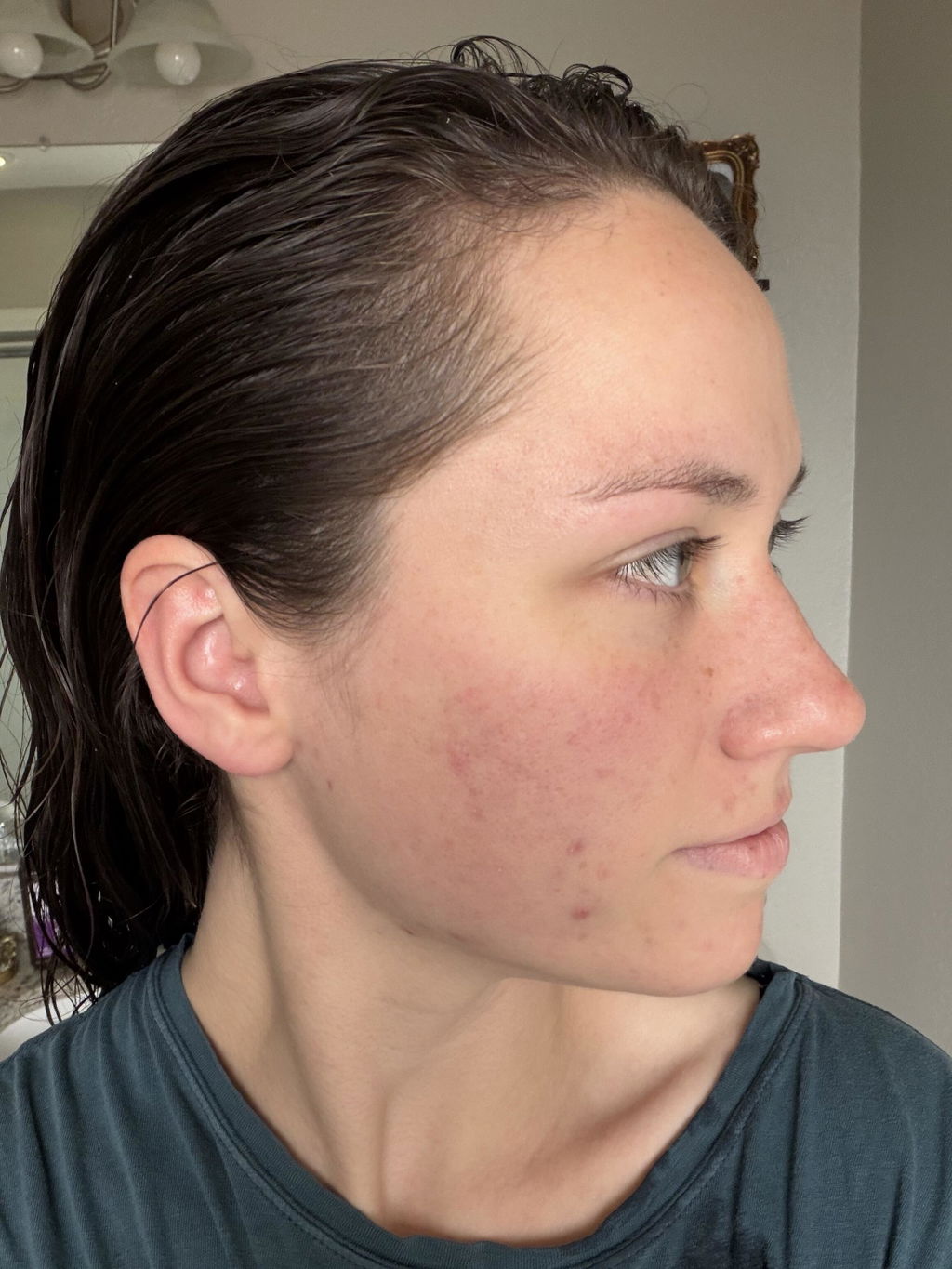
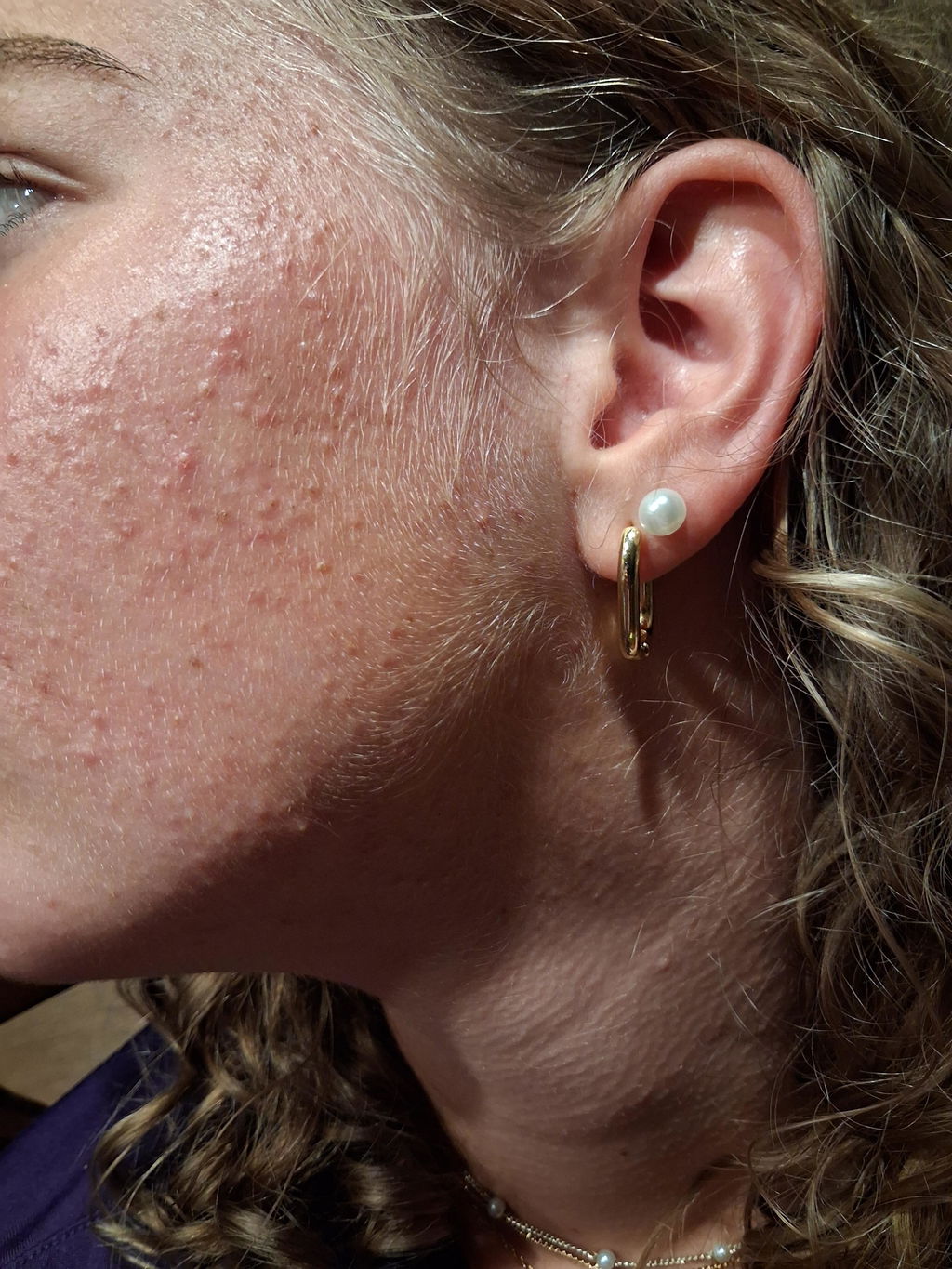
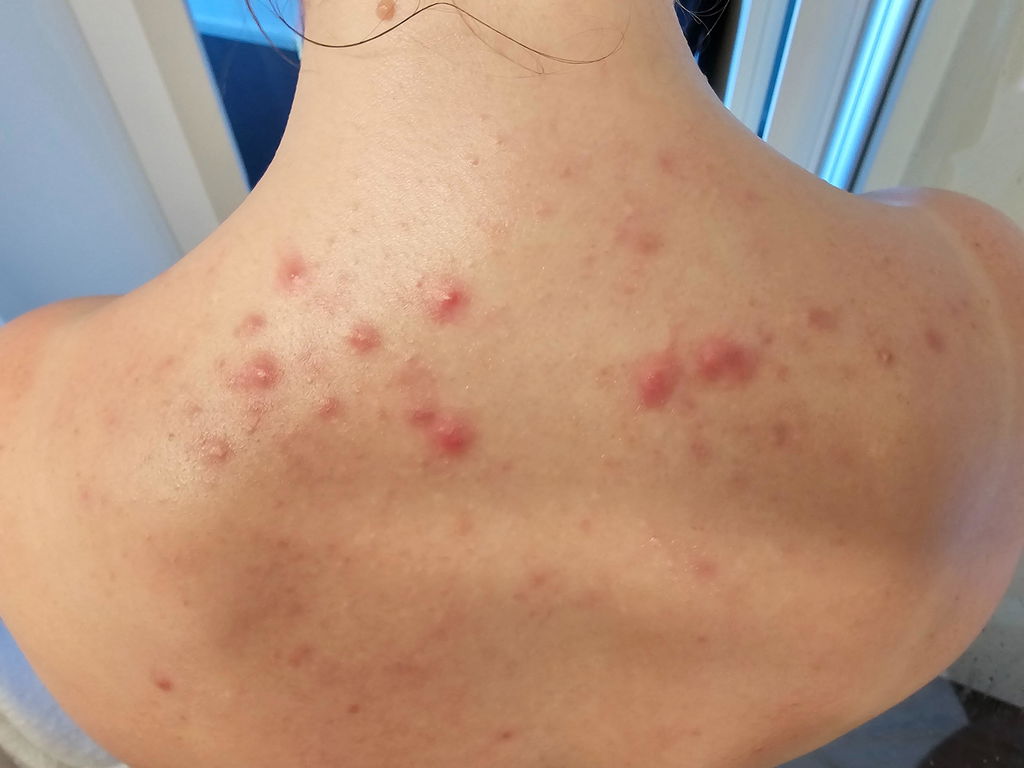
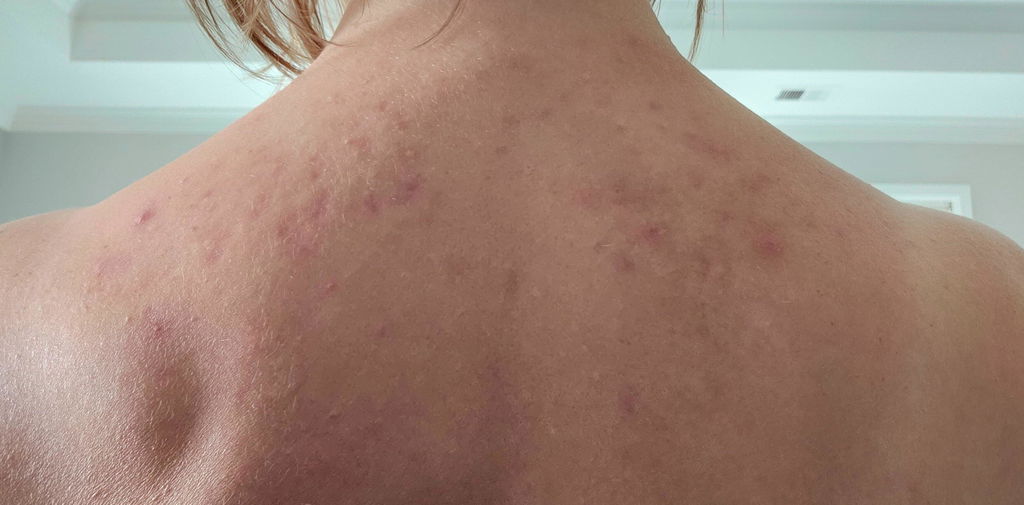
I remember the exact moment my dermatologist slid that prescription across her desk. Doxycycline, 100mg, twice daily for three months. "This will clear you up," she said with the kind of confidence that made me exhale for the first time in years. And it did — for a while. What came after is a story I've since heard from hundreds of people navigating the same invisible trap.
If you've taken antibiotics for acne, you already know the first chapter: the skin clears, you feel human again, and for a few months life is different. But if you've also lived the second chapter — the rebound, the return, the acne that comes back angrier than before — then you deserve to understand why that happens, and what the science now tells us about what antibiotics are actually doing to your skin long-term.
This isn't an anti-medicine manifesto. It's an honest look at what oral antibiotics do to the gut microbiome, what that means for your skin, and what a real, lasting clear-skin strategy looks like when you understand the full picture.
The Short Win: Why Antibiotics Appear to Work
Oral antibiotics like doxycycline, minocycline, and tetracycline reduce acne through two mechanisms: they suppress Cutibacterium acnes — the primary bacterium implicated in inflammatory acne — and they reduce the inflammatory cytokines that drive the redness, swelling, and pain of a breakout.
In the first 6 to 12 weeks, this works. Pores quiet down, inflammation subsides, skin texture improves. For many people, this is the most visible skin improvement they've ever experienced. Naturally, they trust the process.
What isn't visible — and what no prescription pad conveys — is the parallel story unfolding inside the gut during those same weeks.
What Antibiotics Actually Destroy in Your Gut
Your gut is home to an estimated 38 trillion microorganisms — a complex, interdependent ecosystem of bacteria, fungi, and archaea that governs far more than digestion. These microbes regulate systemic inflammation, support the integrity of the gut lining, modulate hormone metabolism, and communicate directly with the immune system.
Antibiotics are, by design, indiscriminate. They cannot distinguish between C. acnes on your face and the protective bacteria lining your colon. Research published in Nature has demonstrated that even a single standard antibiotic course can reduce gut microbial diversity by 25–50%. The species most commonly devastated include:
- Lactobacillus acidophilus — regulates gut pH, competes against pathogenic bacteria and yeast, and produces lactic acid that maintains mucosal integrity
- Bifidobacterium longum — one of the most potent anti-inflammatory bacteria in the gut, critical for immune modulation and reducing systemic inflammatory load
- Faecalibacterium prausnitzii — consistently found to be depleted in people with inflammatory skin conditions; produces butyrate, a short-chain fatty acid essential for gut lining repair
- Akkermansia muciniphila — maintains the mucus layer of the gut wall; without it, the barrier becomes permeable and inflammatory compounds enter circulation
When these species are wiped out, the structural integrity of the gut lining weakens. Partially digested proteins, bacterial endotoxins (particularly lipopolysaccharides), and inflammatory compounds begin crossing into the bloodstream — a condition commonly called intestinal permeability, or "leaky gut." The immune system mounts a response. That immune activation shows up everywhere — including on your skin.
The Rebound: Why Acne Returns Worse After Stopping
Here is the part that most dermatology appointments don't cover. When you stop taking antibiotics, C. acnes — a hardy, fast-dividing bacterium — repopulates your skin within weeks. But two things have changed in the interim.
First, the immune system that was keeping skin inflammation in check is now compromised by gut dysbiosis. Systemic inflammatory signaling is elevated. The skin's local immune response is less precise and more reactive.
Second, and critically, the bacteria that repopulate are not the same ones that were there before. They are the survivors — the strains that were naturally resistant to the antibiotic, or that developed resistance during the course. The weakest C. acnes strains are gone. What returns is a more resistant, more inflammatory population.
The result: a breakout that is deeper, more widespread, more painful, and less responsive to the same treatment. This is the antibiotic rebound cycle — and it is not bad luck. It is predictable biology.
"I did two full rounds of doxycycline over 18 months. Each time, my skin cleared for about 8 weeks after stopping. Then it came back — and each time it came back worse. By the third flare, I had cysts on my jaw I'd never had before antibiotics. My derm just offered me a different antibiotic. That's when I started asking different questions." — r/SkincareAddiction forum member
"The thing nobody warned me about was the Candida. After my second course of minocycline I had brain fog for months. Chronic bloating. My skin cleared from the acne but it looked inflamed and dull constantly. Eventually I found out my gut was a disaster. It took almost a year to get back to baseline." — Acne.org community forum
Antibiotic Resistance: The Problem That Outlasts the Prescription
The resistance problem isn't abstract — it's well-documented and accelerating. A 2019 study in the Journal of the American Academy of Dermatology found that C. acnes resistance to erythromycin, clindamycin, and tetracyclines has risen sharply over the past two decades. In some regions, more than 50% of clinical C. acnes isolates show resistance to at least one antibiotic class.
With each course, you are running an unintentional selection experiment on your skin's bacterial population — selecting for the most antibiotic-tolerant strains to dominate. The prescription that worked the first time requires a higher dose or a different drug the second time. The treatment ceiling lowers with each course.
Resistance genes can also transfer between bacterial species through horizontal gene transfer, meaning antibiotic use for acne contributes to a broader landscape of resistance in your body's overall microbial community — a consequence that extends well beyond skin.
Candida Overgrowth: The Hidden Skin Saboteur
Candida albicans is a yeast that naturally coexists in small amounts in the gut, mouth, and on the skin surface. Its population is controlled by bacterial competition — primarily Lactobacillus and Bifidobacterium species. When antibiotics eliminate these bacterial gatekeepers, Candida encounters a power vacuum and expands aggressively.
Candida overgrowth is not a fringe concept — it's a clinically recognized consequence of broad-spectrum antibiotic use. Its symptoms are notoriously diffuse: persistent bloating, sugar cravings, fatigue, brain fog, recurring yeast infections, and worsening skin inflammation. Candida's metabolic byproducts — including acetaldehyde and various mycotoxins — drive oxidative stress and immune dysfunction throughout the body. For acne-prone individuals, this creates a compounding cycle: depleted protective bacteria, systemic inflammation, leaky gut, and a yeast population actively worsening the internal conditions that drive skin eruptions.
Restoring mineral balance — through food and targeted supplementation — plays a meaningful role here. Sea moss, rich in 92 trace minerals including zinc and selenium, provides the raw materials the immune system needs to regulate inflammatory signaling and restore the internal environment that keeps Candida populations in check.
The C. difficile Risk: When the Gut Gets Seriously Disrupted
Clostridioides difficile — C. diff — is an opportunistic pathogen kept suppressed by a healthy, diverse gut microbiome. When antibiotics deplete that protective diversity, C. diff can proliferate, releasing toxins that cause inflammation, severe diarrhea, and in serious cases, life-threatening colitis.
While C. diff at its most dangerous is more commonly associated with hospitalized patients or elderly individuals, young adults on repeated or long-term oral antibiotic courses — including for acne — do carry measurably elevated risk. Even sub-clinical C. diff colonization contributes to gut permeability and systemic inflammatory burden. This is part of why post-antibiotic gut symptoms — cramping, irregular bowel movements, persistent bloating — are so common and often long-lasting after acne antibiotic courses.
The 2022 Research on Microbiome Recovery: The Timeline Is Longer Than You Think
Perhaps the most important — and most sobering — piece of recent research comes from a 2022 study published in Cell Host & Microbe that tracked gut microbiome composition in adults before, during, and for 12 months after antibiotic courses. The findings have significant implications for anyone who has taken antibiotics for acne:
- Significant microbiome disruption was measurable within 3 days of beginning antibiotics
- Recovery timelines were highly individual — some participants showed near-baseline recovery at 6 months; others remained substantially disrupted at the 12-month mark
- Bifidobacterium and Faecalibacterium prausnitzii were the slowest to recover and most likely to remain depleted long-term
- Individuals with prior antibiotic exposure showed slower recovery trajectories, suggesting that each course compounds the cumulative disruption
Six to twelve months. That is the microbiome recovery window research now points to — and that's with active intervention. Without intentional gut support, the disruption can persist indefinitely and continue driving the systemic inflammation that keeps skin reactive.
Understanding this timeline fundamentally changes how we should think about post-antibiotic skin care. The question isn't "what should I put on my face?" It's "how do I rebuild the internal ecosystem that governs my skin's inflammatory state?"
What to Do Instead: The Gut-First Approach to Clear Skin
The following framework isn't about rejecting medicine wholesale. A short antibiotic course for a severe acute flare may be appropriate in some situations. But chronic, repeated antibiotic use as a long-term acne strategy — without addressing the gut — is a cycle with diminishing returns and compounding costs. Here's a different architecture:
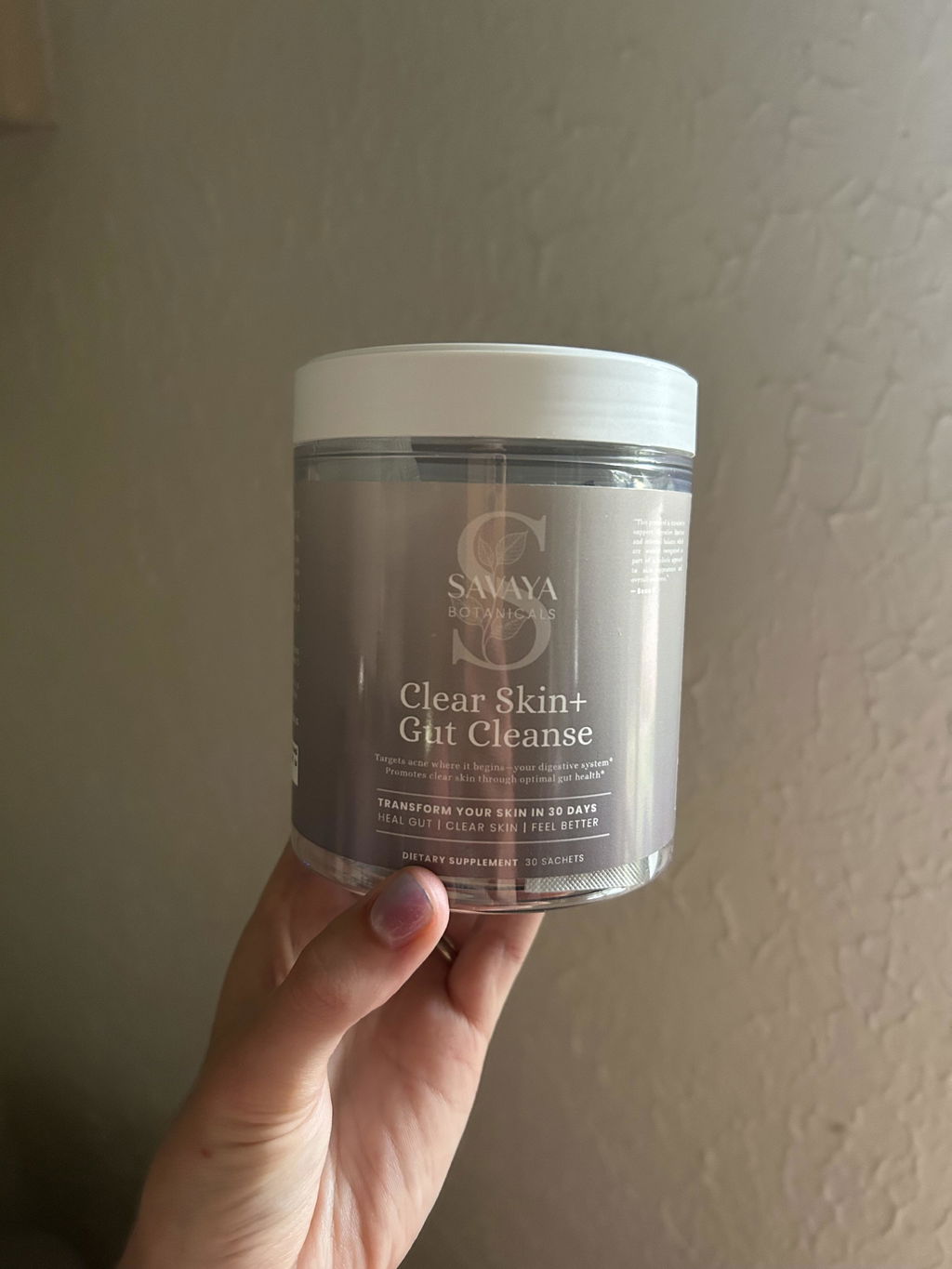
Step 1: Clear the terrain. Before rebuilding, address the dysbiosis. A targeted gut microbiome cleanse can help displace the opportunistic overgrowth — Candida, resistant bacterial strains, inflammatory byproducts — and create a cleaner internal environment for recovery. Think of this as clearing the field before replanting.
Step 2: Replenish minerals systemically. Mineral depletion is a consistent feature of both antibiotic use and acne-prone physiology. Sea moss provides a naturally bioavailable spectrum of 92 trace minerals — including zinc, selenium, iodine, and magnesium — that support thyroid function, hormone metabolism, immune balance, and skin barrier integrity simultaneously.
Step 3: Rebuild structural integrity. Collagen degradation accelerates with chronic inflammation and gut permeability. Supporting collagen synthesis from within — through collagen strips formulated for bioavailability — helps restore skin elasticity, accelerate healing of active lesions, and reinforce the barrier function that prevents future environmental triggers from penetrating.
Step 4: Protect the skin surface. While the internal work progresses, a non-disruptive topical that supports rather than strips the skin is essential. Tallow night cream — rich in fat-soluble vitamins A, D, E, and K along with bioidentical fatty acids — nourishes the skin's surface microbiome without the harsh surfactants or synthetic ingredients that further destabilize a compromised barrier.
Step 5: Make it part of your daily routine. Consistency matters for skin health. Clear Skin+ Max Detox, a daily acai-based blend, helps support your body's natural processes alongside the rest of your routine.
———
The Gut-Rebuilding Protocol: A Practical Starting Point
Whether you're currently finishing an antibiotic course, dealing with a post-antibiotic rebound, or simply trying to reset after years of pharmaceutical acne management, this protocol gives your gut and skin a genuine path forward:
- Start with a gut cleanse (Week 1–2). Use a structured gut cleanse protocol to address overgrowth and prepare the terrain. Do not skip this step — adding probiotics to a dysbiotic gut before clearing the overgrowth is like seeding a weed-choked garden.
- Introduce fermented foods daily (Week 2 onward). Raw sauerkraut, kefir (if dairy-tolerant), kimchi, and water kefir provide living bacterial cultures. Small, consistent daily servings outperform large irregular doses.
- Add prebiotic fiber at every meal. Garlic, leeks, asparagus, green bananas, chicory root, and rolled oats feed the Lactobacillus and Bifidobacterium strains you're working to reestablish.
- Supplement strategically. Sea moss daily for broad mineral support. Zinc (30–50mg) for sebum regulation and immune function. Vitamin D3 (2000–5000 IU) for immune modulation. Magnesium glycinate for inflammation and sleep quality.
- Remove inflammatory inputs. Refined sugar, seed oils, processed grains, and alcohol all drive dysbiosis and sebum overproduction. Removing them creates the biochemical conditions for recovery — this is non-negotiable.
- Support liver and lymphatic detox. The full detox protocol addresses the downstream detoxification pathways — liver, lymph, kidneys — that become burdened when the gut is inflamed and permeable. For persistent post-antibiotic skin issues, supporting these systems is part of the full picture.
- Build for 12 weeks minimum. Trust the research timeline. Six to twelve months is what full microbiome recovery looks like. Build your commitment around that reality, not around a two-week transformation narrative.
Your skin is not a surface problem. It is a signal — consistently, elegantly — of what's happening in the ecosystem you carry inside you. Antibiotics address one signal while disrupting the system that generates it. Understanding this isn't cause for despair; it's the foundation for doing something that actually works.
———
Frequently Asked Questions
How long does the gut microbiome take to recover after antibiotics?
According to a 2022 study in Cell Host & Microbe, full gut microbiome recovery after a standard antibiotic course takes an average of 6 to 12 months — and in some individuals, specific bacterial strains including Bifidobacterium and Faecalibacterium prausnitzii may remain depleted beyond 12 months without active support. This is why passive recovery is insufficient; proactive gut rebuilding through nutrition, fermented foods, prebiotics, and targeted supplementation is essential.
Why does acne come back worse after stopping antibiotics?
The antibiotic rebound happens for two overlapping reasons. First, Cutibacterium acnes repopulates skin quickly after antibiotics stop — but the strains that return are the antibiotic-resistant survivors, which are more inflammatory than the original population. Second, the immune system is compromised by gut dysbiosis, meaning the skin's inflammatory response is less regulated and more reactive. The result is breakouts that are more severe and harder to treat than before antibiotic use began.
Can antibiotics cause Candida overgrowth that makes acne worse?
Yes — this is a well-documented consequence of broad-spectrum antibiotic use. Antibiotics deplete the Lactobacillus species that keep Candida albicans populations in check. In the absence of these bacterial competitors, Candida overgrows and produces metabolic byproducts including acetaldehyde that drive systemic oxidative stress and immune dysregulation. For acne-prone individuals, this compounds the gut-skin inflammatory cycle and can persist long after antibiotics are discontinued.
What are effective natural alternatives to antibiotics for acne?
A gut-first holistic approach addresses the root drivers of inflammatory acne without the microbiome disruption of antibiotics. This includes structured gut cleansing to address dysbiosis, mineral repletion through sea moss and targeted zinc and selenium supplementation, anti-inflammatory dietary changes that remove sugar and seed oils, collagen support for skin barrier repair, and a 12-week structured program that gives the microbiome the sustained timeline it needs to genuinely recover. Topical support with barrier-friendly ingredients like tallow can complement the internal work without disrupting the skin microbiome.
Should I take probiotics while on antibiotics for acne?
Taking probiotics concurrently with antibiotics can reduce acute side effects like digestive disruption. Timing matters: take probiotic supplements at least 2 hours away from antibiotic doses to give the organisms the best chance of surviving before reaching the gut. However, the more critical window is post-antibiotic — sustained, consistent probiotic and prebiotic support over weeks and months is what drives genuine microbiome recovery, not short-term supplementation during the antibiotic course itself.