Here is the thing nobody tells you when they hand you that giant water bottle. Water without minerals cannot get inside your cells. It sits in your bloodstream, gets filtered by your kidneys, and leaves you exactly as thirsty as before. Your skin does not care how many ounces you drank today. It cares whether that water actually reached the cell that needed it.
Why Plain Water Cannot Hydrate a Cell
Water crosses cell membranes through protein channels called aquaporins, and that movement depends on a mineral gradient. Sodium and potassium create the electrical pull that draws water inside. Without those minerals in the right ratio, water flows in one side and out the other, and your cells stay parched.
The aquaporin discovery won Peter Agre the Nobel Prize in Chemistry in 2003, and it fundamentally changed how physiologists think about hydration. Water does not just soak into tissue like a sponge. It is actively pumped in and out through those tiny protein doors, and the doors only open when the sodium and potassium gradient tells them to.
This is why chugging a liter of filtered water when you feel thirsty often leaves you needing to pee twenty minutes later without ever feeling actually hydrated. The water passed through. It never made it home.
The Electrolyte Rule Nobody Taught You
Cellular hydration is a three-mineral job. Sodium pulls water into extracellular space. Potassium keeps it inside the cell. Magnesium activates the enzyme running that exchange. Skimp on any one and the pump slows. That is why athletes cramp on hot days, and why your skin still feels dry after a full water bottle.
In my practice, I see this pattern constantly. A client tells me she drinks a gallon of water a day. Her skin looks dull, her lips crack in winter, and she wakes up with puffy eyes. When we look closer, magnesium is low, sodium is low, potassium is barely in range. She has been diluting her electrolytes for months and calling it healthy.
The World Health Organization oral rehydration solution, the one that has saved millions of lives from dehydration in the field, is not plain water. It is water plus sodium, potassium, glucose, and citrate. The glucose triggers a transporter called SGLT1 in the gut that pulls sodium and water across the intestinal wall together. That is how you actually rehydrate a person at the cellular level.
Mineral Water vs Filtered Water for Skin
Reverse osmosis and most home filtration systems strip water down to almost nothing. That is great for removing chlorine, fluoride, and heavy metals, but it also removes the minerals your cells need to absorb the water. Spring water and true mineral water retain calcium, magnesium, and bicarbonates that your body actually uses.
If you are drinking exclusively RO water without adding anything back, you are giving your body a solvent. Over months, that solvent can slowly leach trace minerals out of your tissues on its way through. Not dramatic. Just a quiet drain that shows up as fatigue, brittle nails, and skin that never quite glows the way it should.
A better approach is spring water when you can find it, or filtered water with a pinch of unrefined salt and a daily mineral source. Something like mineral-rich sea moss adds trace elements that most tap and bottled waters have lost.
The 8 Glasses a Day Myth
The 8x8 rule has no research behind it. Physiologist Heinz Valtin traced its origin in a 2002 paper in the American Journal of Physiology and found no scientific study supporting the number. Your fluid needs depend on your size, activity, climate, and how much water already comes from your food.
Valtin's paper, titled "Drink at least eight glasses of water a day. Really?", is worth reading in full if you have ever felt guilty about not finishing your water bottle. He points out that the 1945 Food and Nutrition Board recommendation of about 2.5 liters per day included water from beverages of all kinds and from food. Somewhere along the way, the beverage caveat got dropped, and a generation grew up carrying gallon jugs.
The 2004 Institute of Medicine dietary reference intakes report echoed the same point. Total water intake includes coffee, tea, soups, fruit, vegetables, and yes, plain water. Roughly 20 percent of daily water in most Western diets comes from food itself. If you eat a lot of cucumber, watermelon, soup, and greens, you need less liquid than a chart on the internet is telling you to drink.
Your skin does not need more water. It needs water that can actually get inside the cell.
Structured Water: What the Science Actually Shows
Structured water, also called EZ water or fourth-phase water, comes from Gerald Pollack's proposed idea that water forms a special ordered layer near hydrophilic surfaces. The lab research is real and interesting. The marketing claims about drinking bottled structured water for glowing skin are not supported by human studies.
Pollack's work at the University of Washington shows that near certain surfaces, water molecules organize into a fourth phase that behaves differently than bulk liquid water. Fascinating physics. But your stomach acid, digestive enzymes, and small intestine break any imagined structure apart within minutes. By the time water reaches your bloodstream, it is just water again.
If someone is selling you a vortex device, a copper cup, or a sixty-dollar bottle of pre-structured water for cellular hydration, the money is better spent on minerals your body can actually use.
How Your Gut Decides What Water Reaches Your Skin
Most water absorption happens in the small intestine through a mineral-dependent process. When the gut barrier is inflamed, absorption drops. Dysbiosis in the microbiome reduces production of short-chain fatty acids that keep intestinal cells healthy, and a struggling gut cannot deliver water to your skin no matter how much you drink.
The gut-skin axis is real, and hydration sits right in the middle of it. When intestinal permeability rises, a state often called leaky gut, the tight junction protein zonulin becomes overactive. Inflammatory signals cross into the bloodstream. The immune system responds. Cortisol rises through the HPA axis. Sebum production shifts. And the water you drank ends up dumped through the kidneys instead of nourishing the cells that make your skin plump.
Prebiotic fiber feeds the bacteria that produce short-chain fatty acids like butyrate. Butyrate is the primary fuel for the cells lining your colon, and healthy colon cells absorb water and electrolytes efficiently. Feed the gut and the gut feeds the skin. This is why a targeted gut cleanse often improves skin tone within weeks, even when the person has not changed their water intake at all.
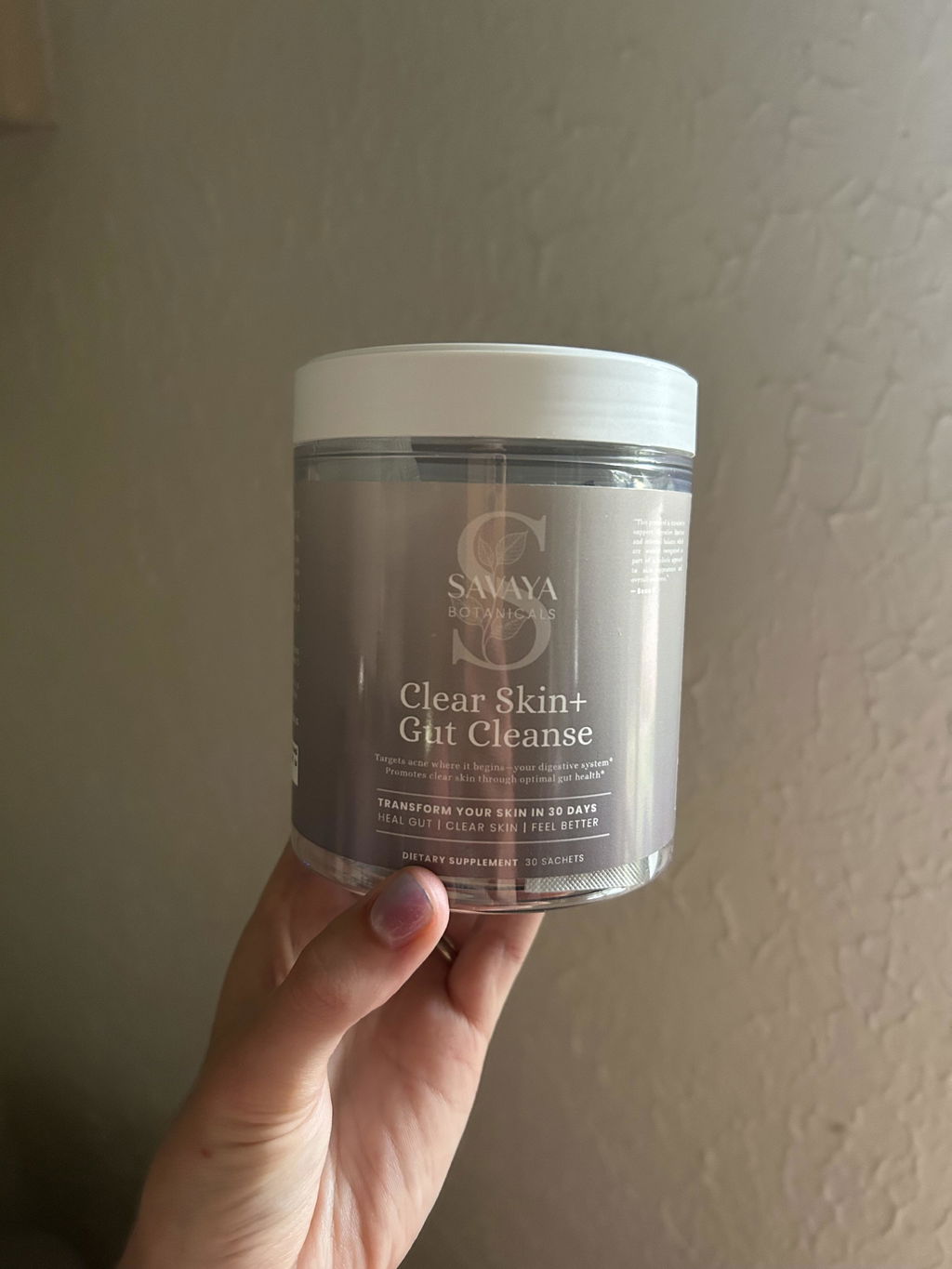
For deeper cases, where inflammation has been running for years and topical products have stopped working, a full detox protocol gives the gut lining time to rebuild before you start layering interventions on top.
What Real Cellular Hydration Looks Like
Real hydration is quiet. Your urine is pale straw color, not clear and not dark. Your lips are not chapped. Your skin bounces back within a second when pinched on the back of your hand. Your energy is steady. Headaches are rare. You do not think about water every hour because your body is not begging for it.
The skin pinch test is the oldest hydration marker in clinical practice, and it still works. Pinch the skin on the back of your hand for a second, let go, and count how long it takes to flatten. Under a second means well hydrated. Two or three seconds means your extracellular fluid is low. Longer than that and you are dehydrated at the cellular level, no matter what your water bottle says.
A Simple Daily Hydration Protocol
Start the morning with warm water, a pinch of unrefined sea salt, and a squeeze of lemon. Add a mineral source such as sea moss gel or a magnesium supplement during the day. Sip mineral water with meals rather than chugging plain water alone. Support the gut so absorption actually works.
Here is the routine I give most clients who come in complaining that their skin looks tired despite drinking plenty of water:
- Wake up. Drink twelve to sixteen ounces of warm water with a pinch of Celtic or Himalayan salt and half a squeezed lemon. Wait twenty minutes before coffee.
- Add 92 trace minerals from the ocean in the form of sea moss gel or capsules. Two teaspoons of gel is plenty.
- Eat water-rich foods at every meal. Cucumber, celery, watermelon, oranges, leafy greens, and homemade broths all count toward your daily hydration.
- Sip mineral water or spring water between meals. Do not chug. Small sips absorb far better than gulps.
- Add magnesium glycinate or citrate before bed if you cramp, sleep poorly, or wake up puffy.
If your skin is inflamed, breaking out, or refusing to respond to topical care, the water fix alone will not be enough. The gut has to be part of the picture. Many women add a daily acai detox blend to the routine, since it supports the internal reset alongside the external repair. A barrier-repairing tallow cream at night gives the skin a lipid layer that holds water in overnight, so all the mineral work you did during the day does not evaporate off your face by morning.
For clients working on deeper skin structure, adding bioavailable collagen support gives the dermis the amino acids it needs to hold water inside the tissue, not just on top of it.
The Bottom Line on Water and Your Skin
Drink less. Mineralize more. Feed the gut that decides how much of that water ever reaches the cells that make your skin. The women I see get the fastest results are not the ones with the biggest water bottles. They are the ones who traded the gallon jug for a mineral routine and a functioning digestive system.
If you want a mechanism-first place to start, focus on this microbiome reset alongside daily mineral support. That combination handles the absorption problem and the mineral problem at the same time, which is where most water advice quietly falls apart.
Frequently Asked Questions
How much water do I actually need per day?
Somewhere between 1.5 and 3 liters of total fluid, including water from food, is a reasonable range for most adults. Body size, activity, climate, and salt intake all shift the number. Thirst is a better guide than a fixed ounce count for most healthy people. If your urine is pale and you rarely feel thirsty, you are drinking enough.
Can I get enough electrolytes from food alone?
Often yes, if your diet is rich in leafy greens, sea vegetables, avocados, nuts, seeds, and unrefined salt. Standard Western diets tend to be high in sodium but low in potassium and magnesium. Adding a mineral-dense food like sea moss or a targeted supplement fills the common gaps most people never realize they have.
Is coconut water good for hydration?
Coconut water is high in potassium and moderate in sodium, which makes it a decent post-sweat drink. It is not a magic hydrator, and it contains natural sugars that add up quickly if you drink it all day. Treat it like a functional beverage rather than a water replacement.
How long until better hydration shows up on my skin?
Skin cell turnover takes roughly 28 to 40 days depending on age, so visible changes usually show up in three to six weeks once mineral balance and gut absorption are corrected. Puffiness and undereye shadows often shift within the first week. Deep barrier repair takes longer.
Can drinking too much water hurt my skin?
Yes. Overhydration without electrolytes dilutes sodium in the blood, a state called hyponatremia. Mild versions cause fatigue, headache, and puffy skin. Severe cases are medically dangerous. If you drink a lot of plain water and feel worse instead of better, you are probably washing out the very minerals your cells need.
• • •
Sarah Mitchell is a holistic practitioner focused on the gut-skin axis and cellular nutrition.