She came to me after four years of chasing clear skin from the outside in. Topical retinoids, three rounds of antibiotics, two elimination diets, a cabinet of serums, and still the same angry breakouts along her jaw and chest. She was tired. She was convinced her skin was broken. Then we ran one test on her gut barrier, and the whole picture changed.
Four Years of Clear-Skin Advice That Missed the Point
Clear-skin advice usually targets the surface: cleansers, retinoids, antibiotics, elimination diets. For many adult women that outside-in approach stalls because it never addresses the inflamed gut barrier driving the breakouts. The real work starts inside, with the junctions that keep food particles out of your bloodstream and your immune system from shouting.
She did everything the dermatologist and the internet suggested. Prescription creams. Low-dose doxycycline for months. Cutting dairy, then gluten, then nightshades. The breakouts calmed in bursts, then returned harder. The real issue was not her skin cells. It was a quietly inflamed gut barrier feeding her inflammation from inside out.
In my practice, this is the pattern I see most often. Smart women who have tried every topical, every strict food plan, every hormone fix, and still cannot hold a clear month. Their skin keeps writing a letter their gut is sending.
Then she asked the one question that moved us forward. What if the breakouts are a message, not a flaw?
What Leaky Gut Actually Is
Leaky gut, known clinically as increased intestinal permeability, is a loss of integrity in the single-cell lining of your small intestine. Normally that layer is sealed by tight junction proteins. When those seals loosen, undigested food fragments, bacterial pieces, and toxins slip into the bloodstream and set off systemic inflammation that can land on your skin.
Here is the detail most articles skip. Your gut lining is one cell thick. One. That cell wall holds back a universe of food, microbes, and metabolites. The cells are stitched together by tight junctions built from proteins like ZO-1, occludin, and the claudin family. These are not metaphors. They are the gates.
Dr. Alessio Fasano and his team spent decades figuring out what opens those gates. In 2000 they identified a human protein called zonulin as the only known physiological modulator of tight junctions (Fasano et al., Lancet 2000). In 2009 they showed zonulin is actually pre-haptoglobin-2, signaling through EGFR and PAR2 to pull ZO-1 away from the junction (Tripathi et al., PNAS 2009). Two triggers release zonulin into the small intestine most reliably: gluten in susceptible people, and dysbiotic bacteria upstream (Fasano, Physiol Rev 2011).
When zonulin stays high, the gates stay open. Antigens cross. Immune cells on the other side meet them and sound an alarm. That alarm reaches far beyond your gut.
The Gut-Skin Axis Nobody Explained to Her
The gut-skin axis is the two-way conversation between your intestinal microbiota, your immune system, and your sebaceous glands. When the gut barrier leaks, lipopolysaccharide fragments from gram-negative bacteria enter the blood, activate TLR4 receptors on sebocytes, and trigger IL-1 and IL-6 release that drives acne, eczema, and rosacea.
Bowe and Logan revived this idea in their 2011 Gut Pathogens review, pulling the old Stokes and Pillsbury hypothesis back into mainstream dermatology. Salem and colleagues sharpened the mechanism in Frontiers in Microbiology (2018), focusing on how LPS translocation drives metabolic endotoxemia that reaches skin.
Three downstream pieces matter for women fighting adult acne.
- Cortisol. A leaky gut keeps the HPA axis on alert, which stimulates sebaceous CRH receptors and bumps oil production. The vagus nerve carries much of this gut-brain traffic.
- IGF-1. High-glycemic eating hits insulin, which pushes IGF-1, which binds sebocyte receptors and activates mTORC1 and SREBP-1, driving sebum and keratinocyte proliferation. The Smith et al. 2007 randomized trial in the American Journal of Clinical Nutrition showed low-glycemic eating cut acne lesions and lowered IGF-1 at twelve weeks.
- Microbiome shifts. Deng et al. (Acta Derm Venereol 2018) sequenced stool from 43 moderate-to-severe acne patients and found reduced Firmicutes, especially butyrate producers like Lachnospiraceae and Ruminococcaceae.
Fewer butyrate makers means less fuel for your colon cells and less brake on inflammation. The skin pays the bill.
Your face is not the problem. Your face is the receipt.
How to Test for Intestinal Permeability
You cannot see a leaky gut on a mirror. You test for it. The honest tools are the lactulose-mannitol dual-sugar urine test, serum or stool zonulin, and fecal calprotectin. Each one tells you a different part of the story, and none of them are perfect, so I usually run two together for context.
Here is how I explain them to clients who want to understand what the lab is actually measuring.
- Lactulose-mannitol urine test. You drink both sugars. Mannitol crosses healthy enterocytes. Lactulose only crosses when tight junctions loosen. The ratio in six-hour urine normalizes for stomach emptying and kidney clearance. Bjarnason and colleagues laid out the method in Gastroenterology (1995).
- Serum zonulin. A blood marker of paracellular opening (Sapone et al., Diabetes 2006). Useful as a trend, but commercial ELISAs can cross-react with other proteins (Scheffler et al. 2018; Ajamian et al. 2019), so I treat it as a surrogate, not a verdict.
- Fecal calprotectin. Released by neutrophils that migrate into the gut lumen (Roseth et al. 1992). Elevated numbers point to active mucosal inflammation and help separate IBD from functional patterns (Tibble et al. 2002).
Her lactulose-mannitol ratio came back high. Zonulin elevated. Calprotectin mildly up. That was the moment the plan changed from "scrub harder, eat less" to "rebuild the barrier."
The 4R Protocol That Finally Moved the Needle
The 4R Protocol is a sequenced gut-restoration framework developed by Dr. Jeffrey Bland and the Institute for Functional Medicine in the 1990s: Remove, Replace, Reinoculate, Repair. It is a clinical heuristic, not a quick fix. Each step has its own job, and skipping ahead is why most short-term "gut cleanses" stall after week four.
Remove
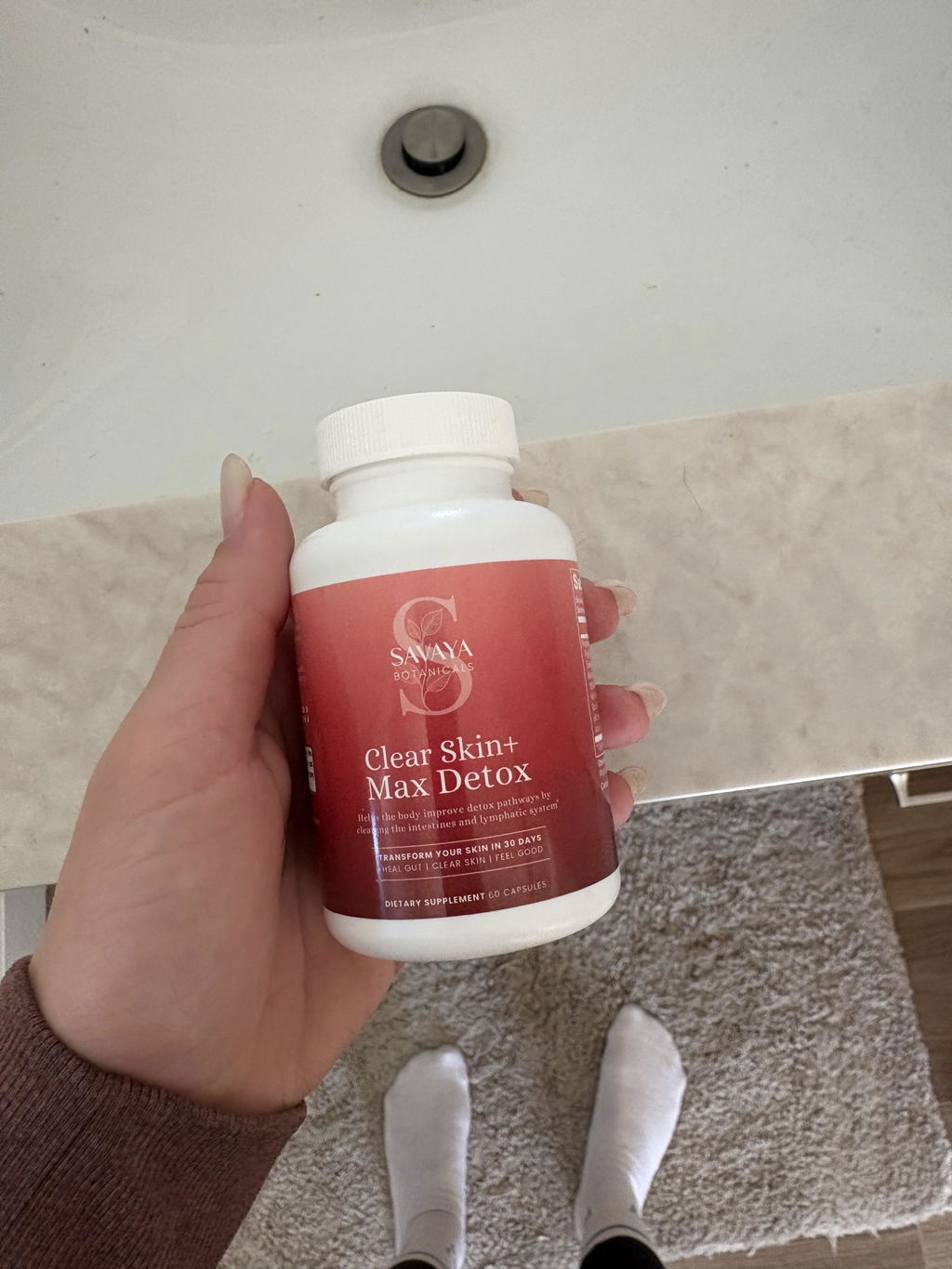
Pull out the drivers of zonulin release and immune noise. For most of my clients that means a strict trial off gluten (the loudest zonulin trigger documented), industrial seed oils, refined sugar, and alcohol. We also look at pathobiont overgrowth, chronic NSAID use, and over-reliance on acid blockers that raise gastric pH and let bacteria creep into the small bowel. A structured protocol like a targeted gut cleanse keeps this phase focused instead of chaotic.
Replace
Restore the digestive secretions that stress and age quietly erode. In women over thirty with bloating, this often means betaine HCl for low stomach acid, pancreatic enzymes for undigested fats, ox bile for sluggish gallbladder flow, and digestive bitters before meals to wake the vagus nerve. Mindful eating counts here too. Chew. Breathe. Put the phone down.
Reinoculate
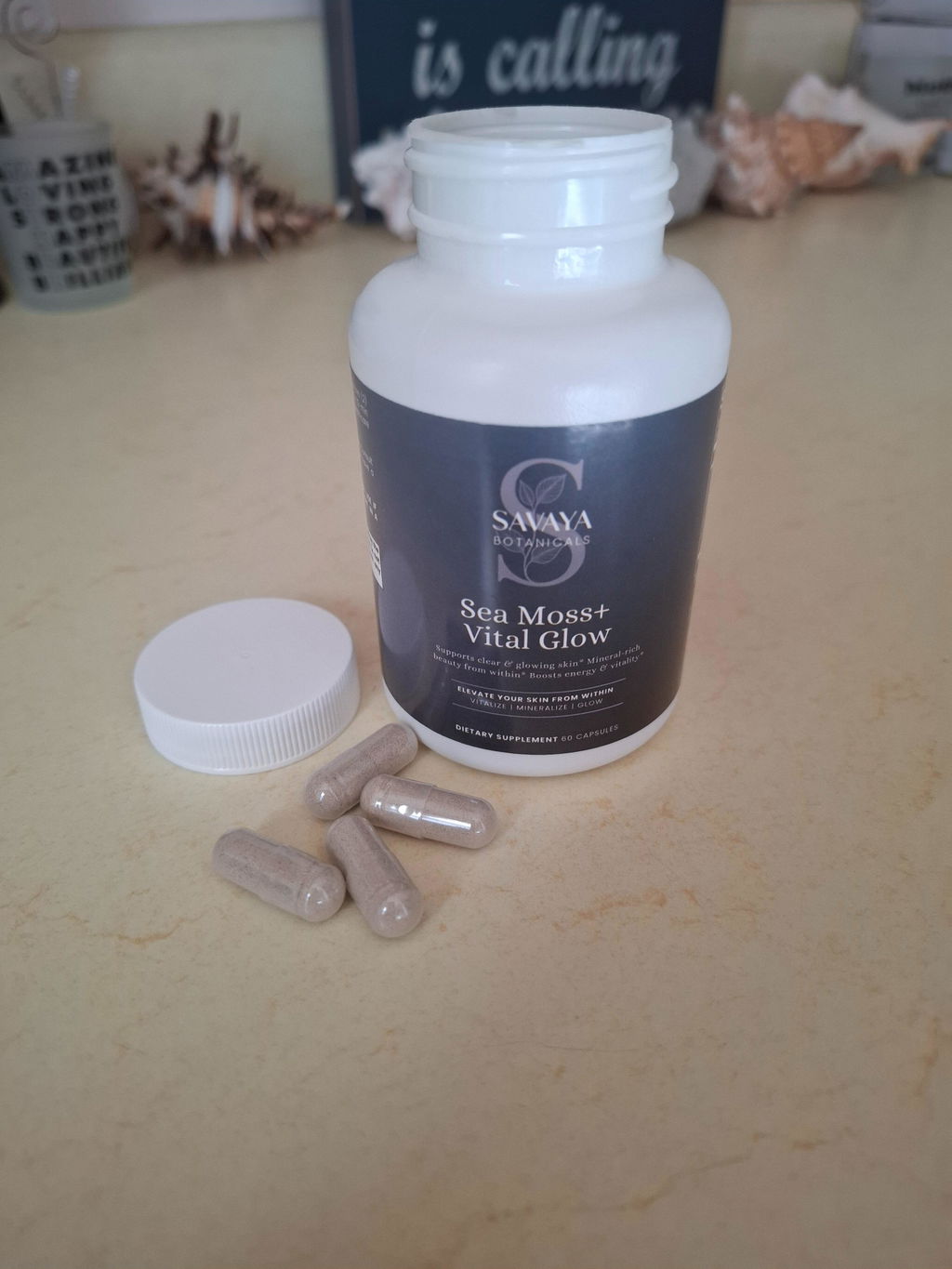
Rebuild microbial diversity with fermentation substrate and targeted strains. On the fiber side: resistant starch from green banana or cooked-cooled potato, inulin, and partially hydrolyzed guar gum (PHGG) feed butyrate producers and other short-chain fatty acids (Topping and Clifton, Physiol Rev 2001). On the fermented foods side: sauerkraut, kefir, and kimchi in small daily servings. On the probiotic side: Lactobacillus plantarum 299v (Niedzielin et al. 2001), Bifidobacterium longum, and Saccharomyces boulardii (McFarland 2010). Mineral status matters here too, which is why 92 trace minerals from the ocean works well for many of my clients at this phase. For deeper layered support, the deeper 12-week reset stacks phased botanicals with the strain work.
Repair
Feed the enterocyte and reseal the junctions. L-glutamine as the primary fuel for your intestinal cells, which preserves ZO-1, occludin, and claudin-1 under stress (Rao and Samak 2012; Kim and Kim 2017). Zinc carnosine for mucosal integrity (Mahmood et al., Gut 2007). DGL, slippery elm, marshmallow root, and aloe inner leaf as demulcents. Bone broth and bioavailable collagen support round out the amino acid pool for both gut lining and dermis. Omega-3 EPA and DHA to shift inflammatory signaling (Costantini et al. 2017). Vitamins A and D for mucosal differentiation and tight-junction gene expression. For clients who want everything sequenced for them, the 12-week gut-to-skin program maps this phase to the correct week.
A Realistic 12-Week Timeline
A twelve-week timeline matches how your gut and skin actually repair. Gut turnover is fast because enterocytes refresh every three to five days. Skin lags because the full keratinocyte cycle runs twenty-eight to forty days. Expect gut wins first, visible skin shifts last, and new breakouts to slow before old scars fade.
- Weeks 1 and 2. Remove. Bloating drops. Gas calms. Afternoon fog lifts a little. You may feel worse around day three as sugar cravings peak.
- Weeks 3 and 4. Replace. Bowels regulate. Protein feels easier to digest. Afternoon crashes shrink. Some skin texture softens.
- Weeks 5 to 8. Reinoculate. Mood lifts. Cravings fall. Inflammation markers like hs-CRP trend down. New breakouts slow, though scars from month two remain.
- Weeks 9 to 12. Repair. Skin visibly clears. Jaw and chin breakouts quiet down. Pores look smaller. Barrier function returns. This is the point where topicals finally hold.
Where Topicals Actually Fit
Topicals belong at the end of this story, not the beginning. Once the gut barrier is calming and the immune system stops shouting, a well-chosen moisturizer or balm can lock in the gains. Before the inside is quiet, topicals are mostly expensive patch work on a leaking roof that still has water pouring through.
At this stage I introduce a barrier-repairing tallow cream to soothe the thinned, over-washed skin left by years of actives. The lipid profile is close to human sebum, which gives the stratum corneum a familiar substrate to rebuild on. The inside work is still doing most of the heavy lifting. The topical is finishing the sentence.
Her chin cleared in week ten. Her jaw in week twelve. Her chest took sixteen weeks. The pattern holds. Gut first, skin after.
If any of this sounds like you, start inside out: calm zonulin, feed the butyrate makers, and give the barrier the raw materials it needs for a full enterocyte cycle. Topicals will do more once the inside stops shouting.
• • •
Common Questions I Hear in My Practice
These are the five questions I hear most in my practice from women who are already deep in the research but still untangling the mechanism. The answers below stay short, mechanism-first, and honest about where the evidence lives. Pin them if they help, and send them to the friend who still thinks adult acne is only a face problem.
What is leaky gut in simple terms?
Leaky gut is when the tight junctions in your small intestine loosen, letting food fragments and bacterial pieces cross into your bloodstream and set off low-grade inflammation. It is a mechanism, not a disease label, and it shows up in many skin, mood, and immune patterns.
Why does leaky gut cause breakouts?
When the barrier leaks, bacterial LPS and inflammatory cytokines reach sebocytes through the circulation and activate oil-producing pathways. Cortisol and IGF-1 climb at the same time, which pushes sebum, keratinocyte proliferation, and breakouts along the jaw, chin, and chest.
How long does it take to see clearer skin after addressing leaky gut?
Most women notice gut changes in two to four weeks and visible skin changes between weeks nine and twelve. Skin lags gut by weeks because the keratinocyte cycle runs twenty-eight to forty days, and old scars take longer than new breakouts to resolve.
Can I just use probiotics and skip the diet changes?
Probiotics help, but they rarely finish the job alone. Without removing zonulin triggers and feeding butyrate producers with real food, the new strains lose ground quickly. Pair strains with resistant starch, PHGG, and fermented foods for a durable shift in microbiota.
Is testing for intestinal permeability safe and worth it?
Yes. The lactulose-mannitol test uses two inert sugars and a six-hour urine collection. Serum zonulin and fecal calprotectin are simple blood and stool tests. They cost less than a season of serums and give you a baseline to measure against twelve weeks later.