Why Everything I Tried for My Acne Stopped Working — And What Finally Did
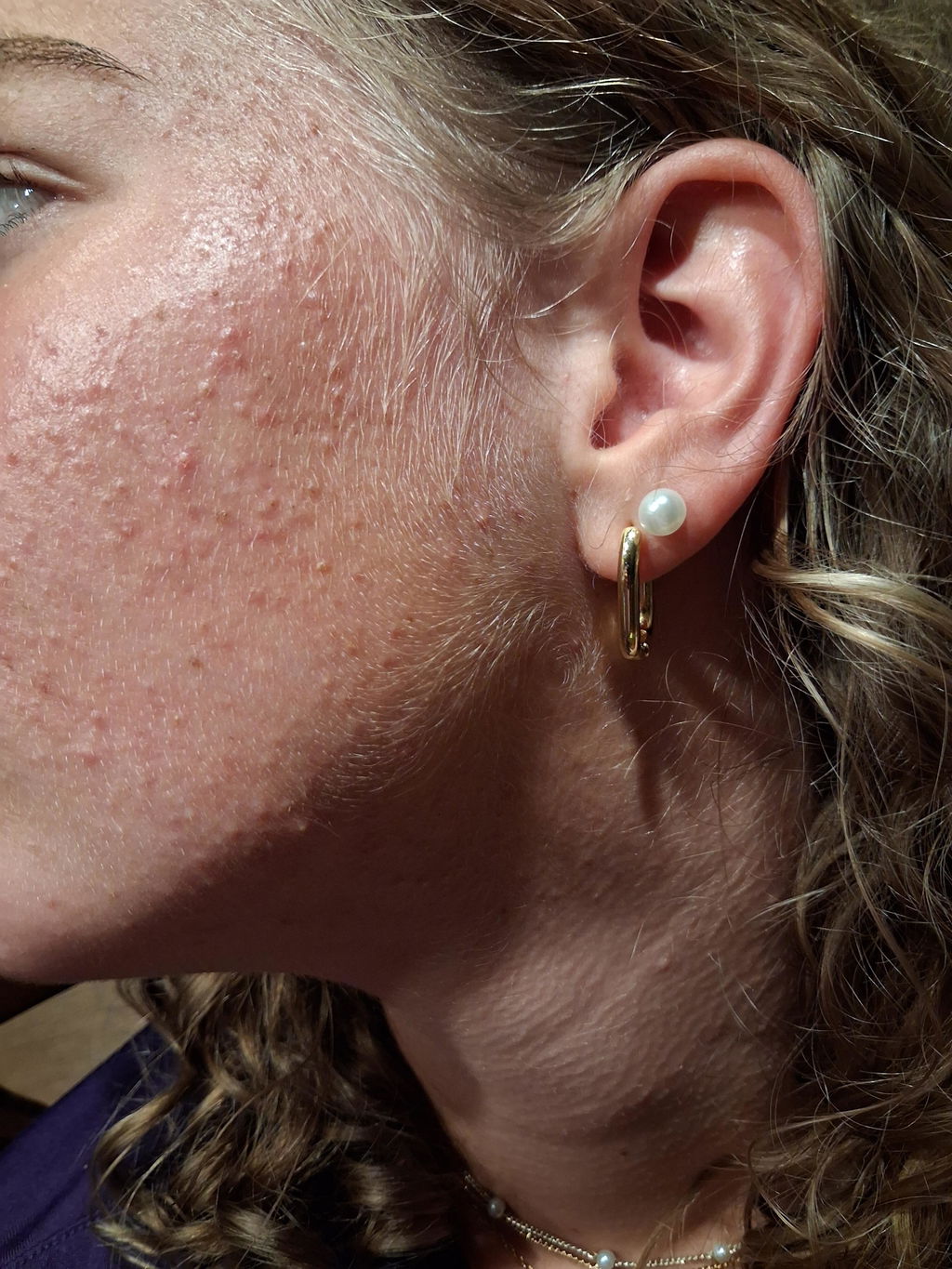
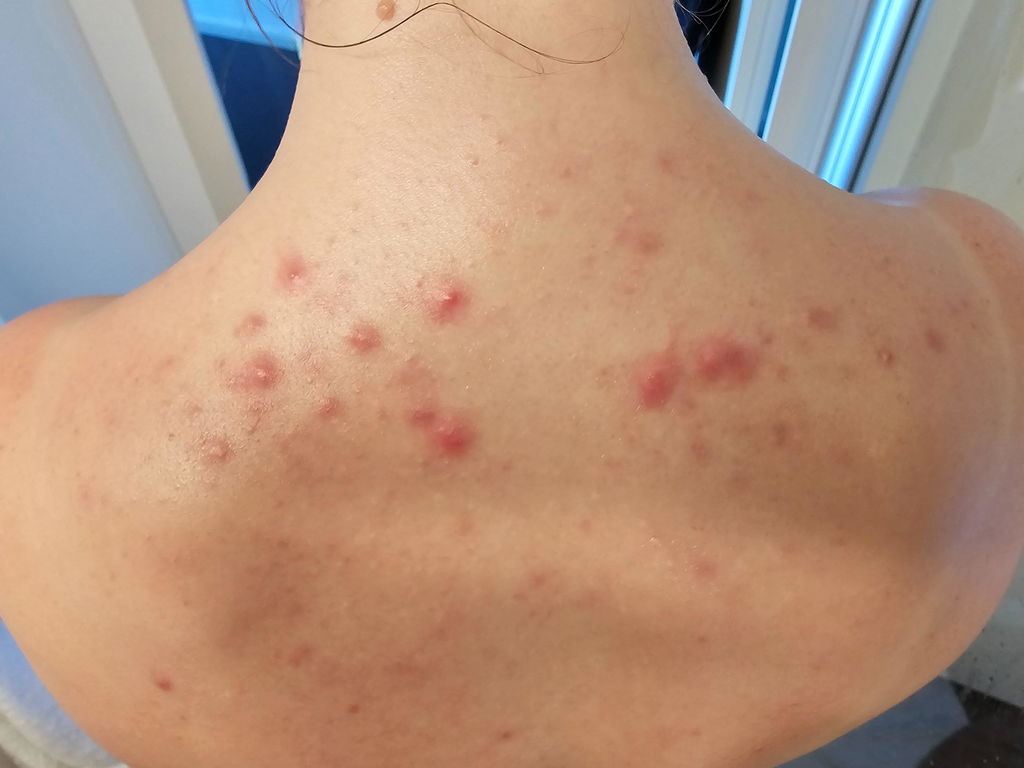
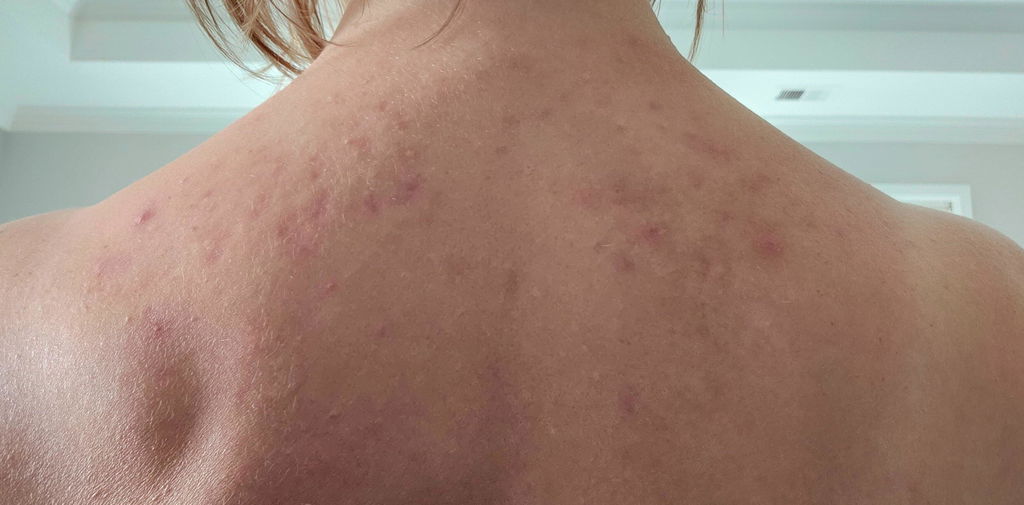
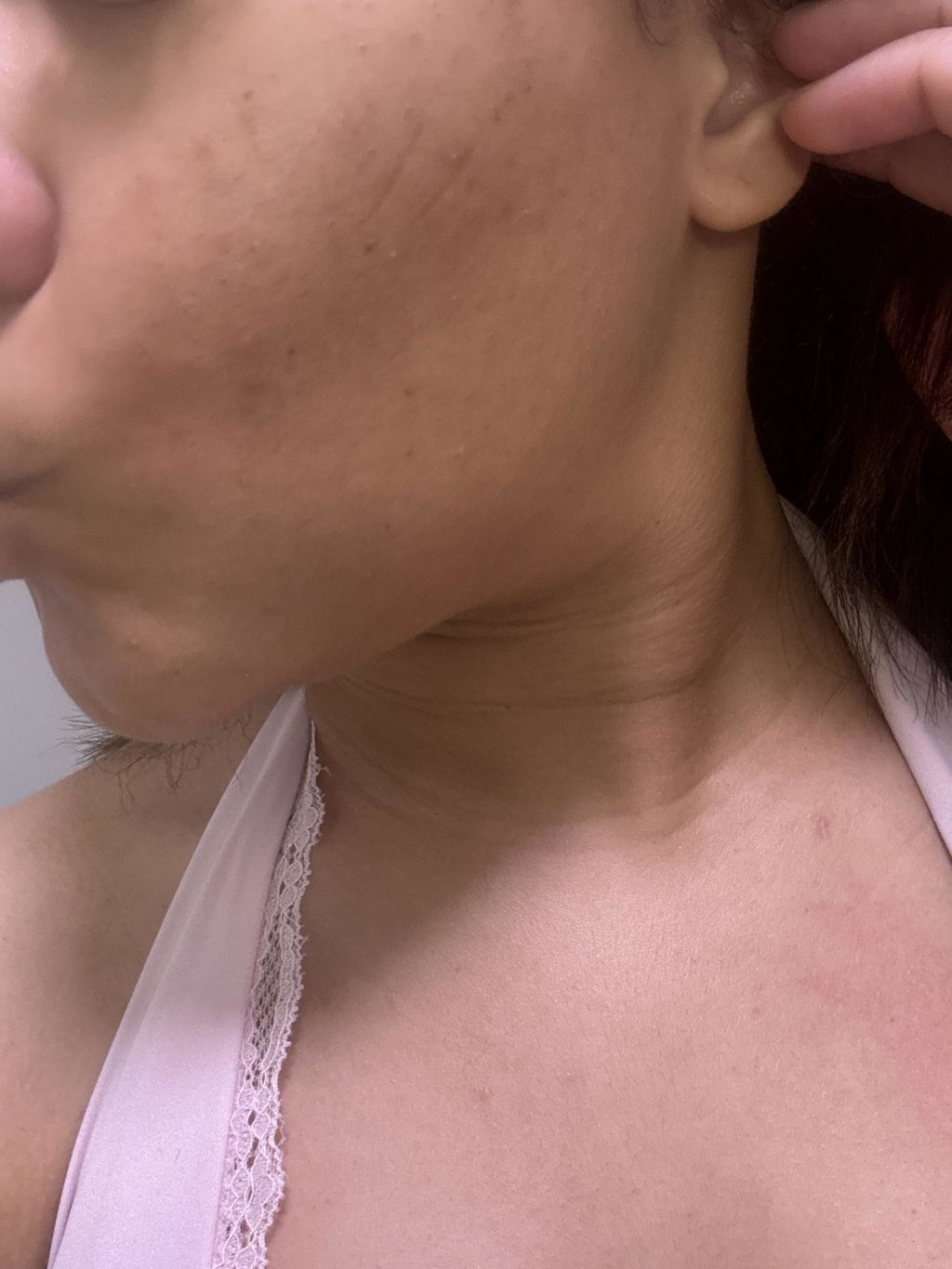
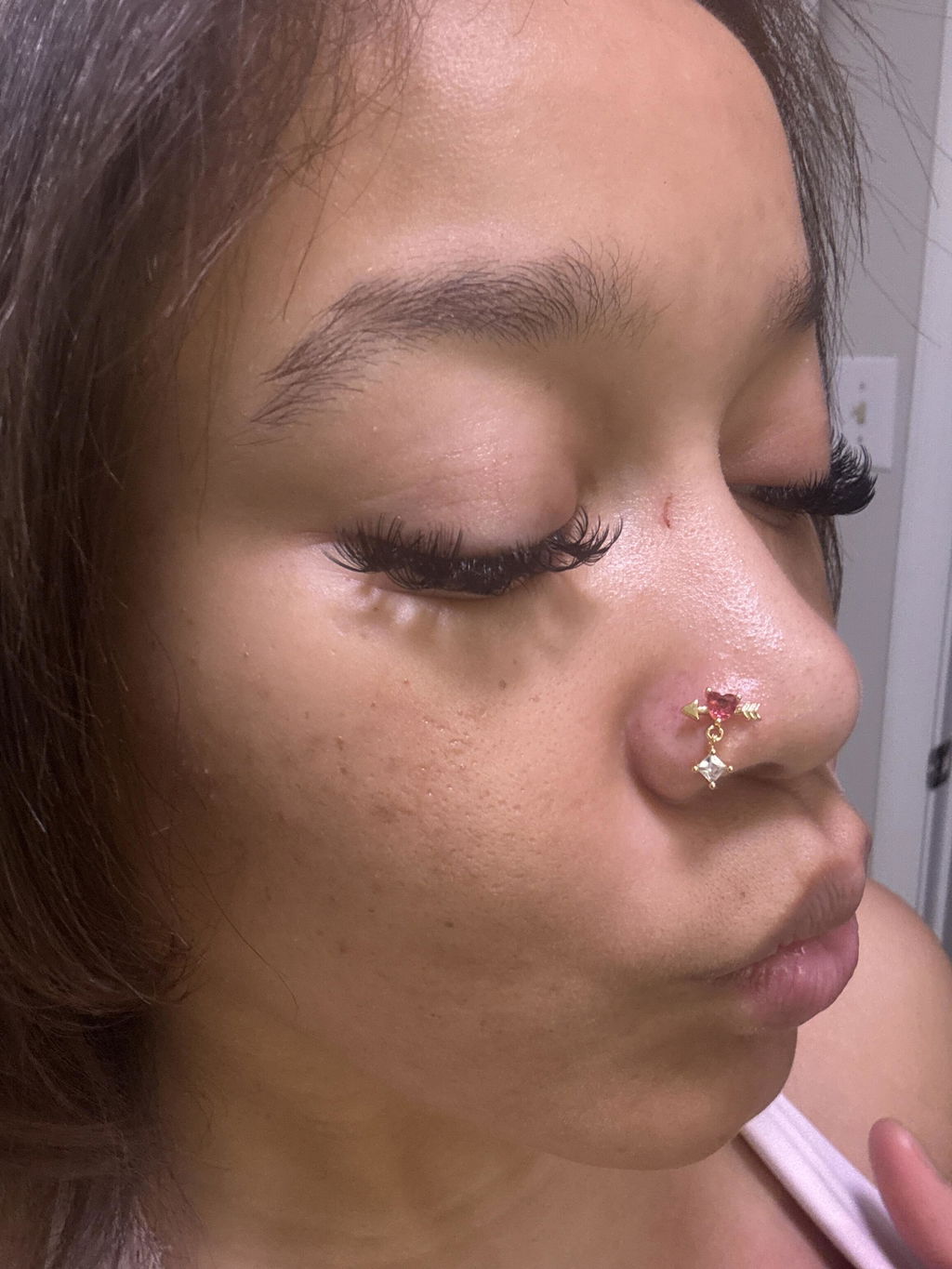
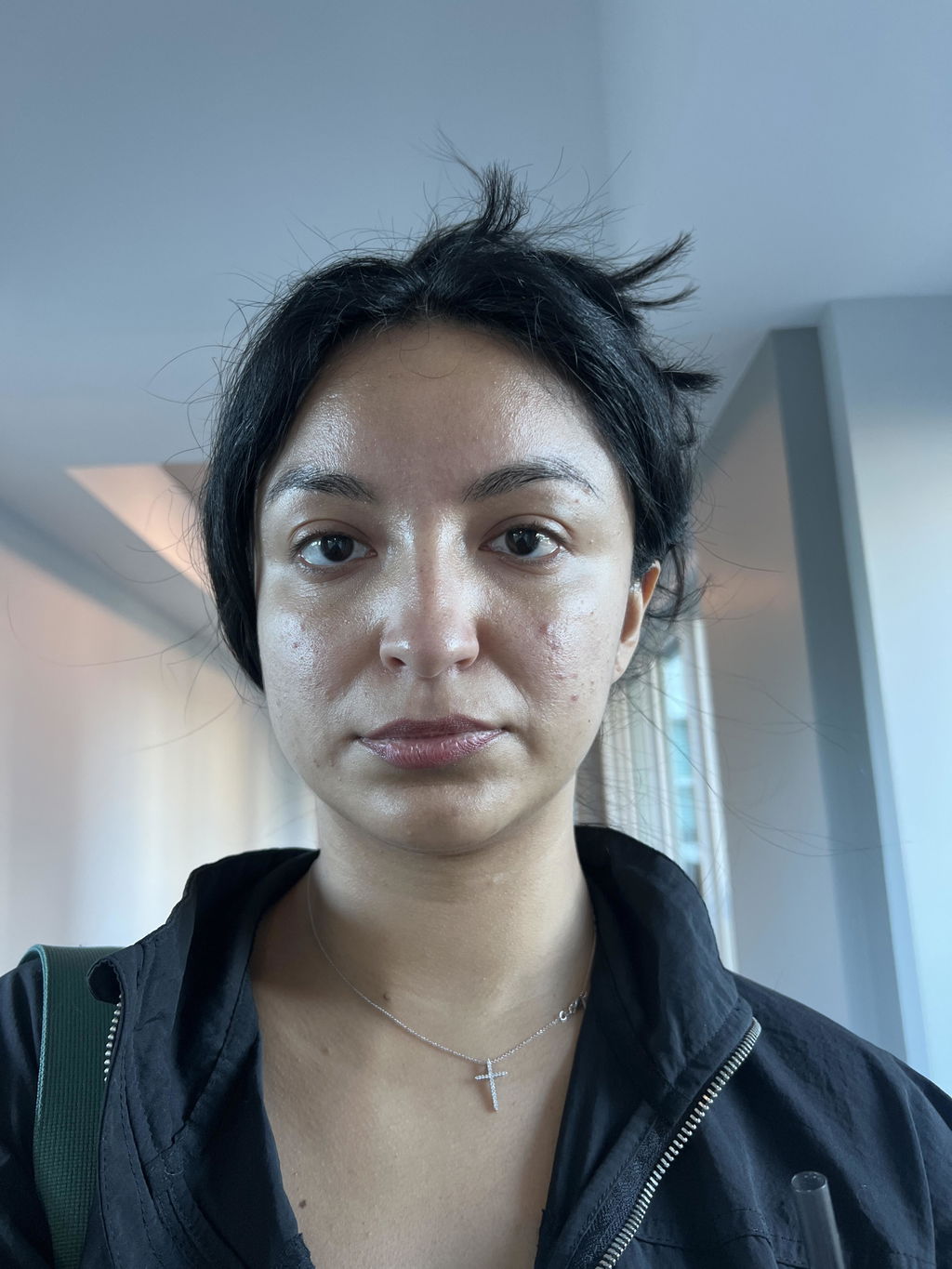
I spent four years handing my skin over to dermatologists. Four years of antibiotic cycles, two rounds of retinoids, and more topical prescriptions than I care to count. And every single time — within six to eight weeks of stopping a course of treatment — my skin went right back to where it started. Sometimes worse.
It wasn't until I started asking why — not just what — that things began to shift. Because here's what nobody in that clinical setting ever told me: acne is not a skin disease. It's a systemic signal. The breakouts are the symptom. The cause lives deeper — in your gut, your hormones, your inflammation pathways, your micronutrient status.
What I'm sharing below is the supplement stack that changed my skin over a 12-week period. It's backed by specific clinical research. It's largely ignored by conventional dermatology. And it works from the inside out — which is the only direction that actually matters long-term.
———
Why Topical-Only Treatments Keep Failing You
Before we get into the supplements, let's address the elephant in the room: creams, gels, and antibiotics manage symptoms at the surface level. They do not address the internal environment that generates those symptoms.
A 2021 review published in Frontiers in Medicine concluded that persistent acne vulgaris is strongly associated with gut dysbiosis, systemic inflammation, and nutritional deficiencies — none of which a topical retinoid can touch. When your gut microbiome is imbalanced, when your zinc is depleted, when your inflammatory load is chronically elevated, no amount of benzoyl peroxide will stop your body from pushing that inflammation outward through your skin.
Topicals can be a useful short-term bridge. But if they're your whole strategy, you're fighting the same battle on repeat. Here's the stack that goes after the actual root causes.
———
1. Zinc — The Mineral That Outperforms Antibiotics in Clinical Trials
If there is one supplement with the most direct, replicated evidence for acne, it's zinc. Zinc regulates sebum production, inhibits the growth of Cutibacterium acnes, and modulates the innate immune response that triggers inflammatory lesions.
A landmark trial by Dreno et al. published in the European Journal of Dermatology found that zinc gluconate (30 mg elemental zinc daily) reduced inflammatory acne lesions by 31.2% — comparable to low-dose antibiotic therapy, but without disrupting the gut microbiome or fueling antibiotic resistance. A 2013 meta-analysis in the Journal of Drugs in Dermatology reviewed 17 randomized controlled trials and confirmed zinc supplementation consistently outperformed placebo across both inflammatory and non-inflammatory acne phenotypes.
The mechanism goes deeper than surface-level antimicrobial action: zinc is a critical cofactor for over 300 enzymatic reactions, including those governing skin cell turnover, collagen cross-linking, and the regulation of nuclear factor-kB — one of the master switches of inflammatory gene expression.
Dose: 30–45 mg elemental zinc daily (zinc picolinate or zinc bisglycinate for best absorption). Take with food to avoid nausea. Supplement for a minimum of 8–12 weeks before evaluating results.
2. Omega-3 EPA — Cooling the Inflammatory Fire at Its Source
Not all omega-3s are created equal when it comes to skin. EPA (eicosapentaenoic acid) is the anti-inflammatory heavy-hitter, and it's the specific fraction most directly relevant to acne pathophysiology.
A 2012 randomized controlled trial by Khayef et al., published in Lipids in Health and Disease, followed participants supplementing with EPA and DHA for 12 weeks. The result: inflammatory acne lesions decreased by 42% and non-inflammatory lesions dropped by 35%. The mechanism is EPA's ability to suppress leukotriene B4 — a potent pro-inflammatory eicosanoid that drives the redness, swelling, and pain of active breakouts.
Most people with chronic acne are significantly omega-6 dominant due to processed foods and seed oils. Restoring the omega-3 to omega-6 ratio through EPA supplementation fundamentally shifts your body's inflammatory set point — and your skin reflects that shift within weeks.
Dose: 2–3 g EPA daily from a high-quality fish oil. Look for the triglyceride form for superior bioavailability. Take with your fattiest meal of the day.
3. Vitamin D3 + K2 — The Hormonal Modulator Hiding in Plain Sight
Vitamin D functions more like a hormone than a vitamin, and its deficiency is strikingly prevalent in people with persistent acne. A 2016 study by Lim et al. in the Journal of the American Academy of Dermatology found that acne patients had significantly lower serum vitamin D levels than healthy controls — and that correction through supplementation meaningfully reduced acne severity scores over 8 weeks.
Vitamin D regulates the innate immune response, reduces inflammatory cytokine production (specifically IL-1β and TNF-α), and supports the skin barrier's antimicrobial peptide expression — particularly cathelicidins, which help keep C. acnes populations in check naturally. It also modulates insulin sensitivity, which matters because insulin spikes drive IGF-1 production, which in turn stimulates sebaceous gland activity.
The K2 pairing isn't optional. At therapeutic D3 doses, K2 (specifically MK-7) ensures calcium is directed into bones and teeth rather than soft tissue — and has independent anti-inflammatory effects that complement D3's skin-focused mechanisms.
Dose: 5,000 IU vitamin D3 + 100–200 mcg vitamin K2 (MK-7) daily. Test your serum 25(OH)D — optimal for skin is typically 50–80 ng/mL.
4. Sea Moss — 92 Minerals Your Skin May Be Starving For
Sea moss (Chondrus crispus) is one of the most mineral-dense foods on earth — containing 92 of the 102 minerals the human body uses. For skin, the key players are iodine, selenium, sulfur, zinc, and magnesium, which collectively support thyroid function, collagen synthesis, glutathione production, and systemic detoxification.
A 2021 review in Marine Drugs highlighted the anti-inflammatory and antimicrobial properties of sea moss polysaccharides, particularly fucoidan-adjacent fractions, noting significant reductions in pro-inflammatory markers relevant to inflammatory skin conditions. The sulfur content is particularly noteworthy — sulfur is required for glutathione synthesis (your body's master antioxidant) and for the structural integrity of both collagen and keratin. Low-sulfur environments in the body correlate directly with poor skin resilience and elevated inflammatory burden.
I added sea moss to my morning routine about three weeks into this protocol. The first thing I noticed was improved texture and a visible reduction in surface dullness — before the deeper acne-clearing effects of the full stack became apparent.
5. Gut Cleanse — The Root Cause Nobody Wants to Talk About
This is the one most dermatologists will actively sidestep — because it falls entirely outside their pharmacological framework.
The gut-skin axis is one of the most well-documented relationships in modern dermatology research. A 2011 paper by Bowe and Logan published in Gut Pathogens established that intestinal permeability, dysbiosis, and SIBO (small intestinal bacterial overgrowth) are directly correlated with acne severity. The mechanism: when gut barrier integrity is compromised, bacterial endotoxins (lipopolysaccharides) enter systemic circulation and trigger inflammatory cascades that express — predictably — at the skin. It's your body's loudest available exit point.
A gut cleanse is a targeted intervention to remove pathogenic overgrowth, reset the intestinal environment, and restore the barrier that is supposed to prevent that systemic inflammatory leak in the first place.
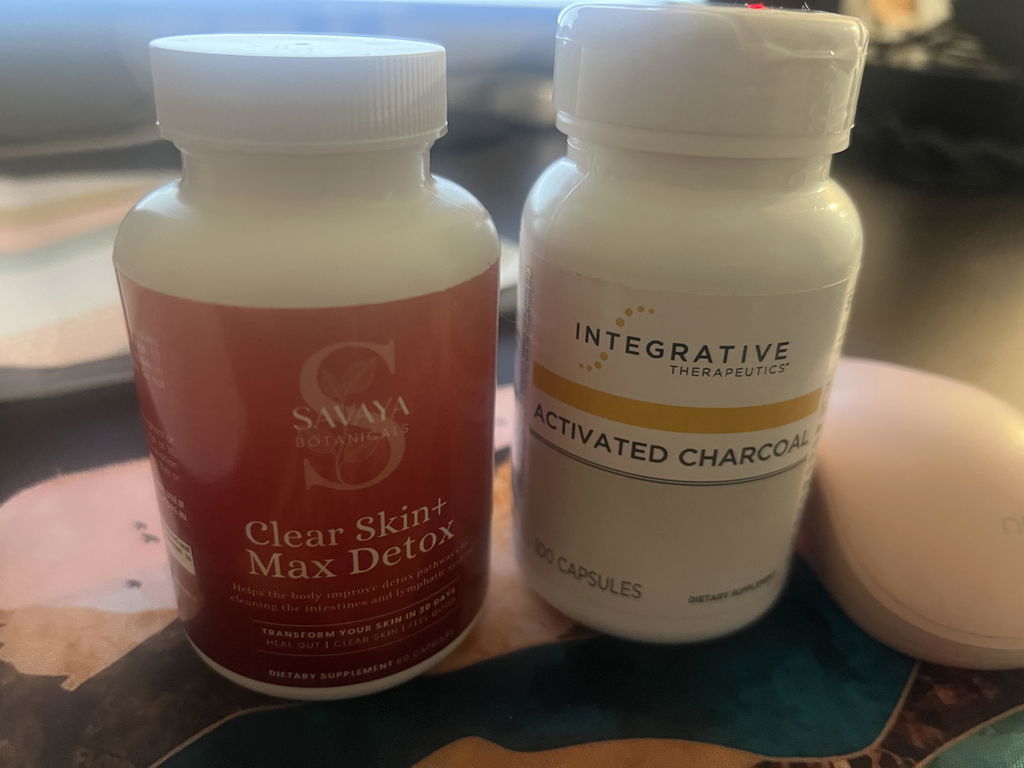
I used the Microbiome Gut Cleanse sachets daily during weeks one through four. For a more comprehensive reset, the Max Detox Açaí Detox protocol combines herbal cleansing with microbiome replenishment — which I moved into for month two. The difference in my skin at week six compared to week one was not subtle. Inflammation dropped. The frequency of new breakouts slowed dramatically. This is where the real work happens.
6. Collagen — Rebuilding What Years of Inflammation Damaged
Once you've addressed the inflammatory root causes, your skin needs raw material to repair. Collagen peptides — specifically types I and III — provide the amino acids (glycine, proline, hydroxyproline) that your dermis uses to rebuild damaged tissue, reduce scarring depth, and restore the structural integrity that years of inflammatory acne quietly degrades.
A 2014 double-blind, placebo-controlled study by Proksch et al. in Skin Pharmacology and Physiology found that oral collagen peptide supplementation (2.5–5 g daily) significantly improved skin elasticity, hydration, and dermal collagen density after 8 weeks — with benefits continuing to compound at the 12-week measurement point.
For post-acne skin specifically, collagen support addresses the hyperpigmentation, texture irregularities, and superficial scarring that persistent breakouts leave behind. It's the rebuilding phase — and it matters as much as the clearing phase. The Beauty Collagen Strips are my preferred format: they dissolve instantly and deliver 5 g of hydrolyzed collagen per strip with measurably faster absorption than standard powder mixed in water.
———
Why Dermatologists Default to Antibiotics and Retinoids (And Why That's Incomplete)
I want to be fair here: dermatologists are working within a system that rewards pharmaceutical interventions. The clinical evidence base they train on is dominated by drug trials funded by pharmaceutical companies. Nutraceutical and functional medicine research — even when methodologically rigorous — rarely receives the same institutional visibility in medical education or continuing professional development.
Beyond that, antibiotics and retinoids work. They produce measurable results in 6–12 weeks. They're familiar. They're reimbursable. From a liability perspective, prescribing a well-studied drug is always lower-risk than recommending a supplement protocol that requires active patient compliance over months.
That doesn't make them wrong. It makes them incomplete. The problem is when they're positioned as the full solution rather than a short-term tool within a broader protocol. Antibiotics in particular actively worsen gut dysbiosis — which, as we've established, is one of the primary internal drivers of inflammatory acne. It's a cycle that keeps many patients returning to their dermatologist year after year, frustratingly unsatisfied and increasingly dependent.
———
The 12-Week Protocol That Sequences All of It
What I've described above works best as a coordinated, phased protocol — not a collection of isolated supplements thrown at the problem simultaneously. The Clear Skin 12-Week Full Acne Detox is designed around exactly this sequence: gut cleanse and microbiome reset in weeks one through four, nutritional foundation-building and inflammation suppression in weeks five through eight, and active skin repair and barrier restoration through weeks nine through twelve.
It's not a quick fix. It's a systems intervention. And systems interventions take the time they take — but when they work, they change your baseline permanently, not just your surface temporarily.
———
Frequently Asked Questions
How long does it take for supplements to clear acne?
Most people see initial changes between weeks 3–6, with significant improvement visible by weeks 8–12. The timeline depends on the severity of your gut dysbiosis, your baseline nutrient deficiencies, and protocol consistency. Zinc and omega-3 EPA tend to produce the fastest initial results, while gut repair and collagen rebuilding operate on a longer biological cycle.
Can I take all of these supplements together safely?
Yes — zinc, omega-3, vitamin D3+K2, sea moss, and collagen have complementary rather than competing mechanisms and are safe to combine at the doses described. One caution: if you take blood thinners, consult your practitioner before adding high-dose omega-3s. Introduce each new supplement one at a time over two to three days to identify any individual sensitivities before stacking everything together.
Why does acne sometimes get worse when starting a gut cleanse?
This is a well-documented die-off response — as pathogenic bacteria are cleared, they release endotoxins that can temporarily increase systemic inflammatory load, which can express through the skin. This typically peaks at days 5–10 and subsides by week two. Supporting your liver and lymphatic drainage pathways (hydration, fiber, and the Max Detox protocol) during this phase significantly reduces intensity.
Does this supplement stack work for hormonal acne specifically?
Yes. Zinc directly modulates 5-alpha reductase — the enzyme that converts testosterone to DHT, a primary driver of hormonal acne along the jawline and chin. Vitamin D3 supports insulin sensitivity, reducing IGF-1-driven sebaceous gland stimulation. Omega-3 EPA lowers the systemic inflammation that amplifies hormonal fluctuations at the skin level. Sea moss supports thyroid function, which governs broader hormonal balance. This stack addresses multiple hormonal acne mechanisms simultaneously rather than suppressing the surface expression of one.
What's the difference between this approach and just eating a cleaner diet?
Diet is the foundation — removing high-glycemic foods, dairy, and processed seed oils makes a meaningful difference for most people. But even a genuinely clean diet cannot rapidly restore the depleted nutrient levels and microbiome damage that years of standard eating, chronic stress, and antibiotic use create. Targeted supplementation addresses specific deficiencies and pathogenic states that dietary change alone cannot reverse quickly enough to break the active acne cycle. Think of diet as building the house — supplementation is the foundation repair that makes building possible.
———
Start From the Inside Out
If you've cycled through prescriptions and topicals without lasting results, the supplement stack above is exactly where I would begin. But if you want a structured protocol that sequences everything correctly — gut cleanse, nutritional rebuild, skin repair — the Clear Skin 12-Week Full Acne Detox removes the guesswork and gives your skin the systematic, inside-out support it has been waiting for.
Your skin has been trying to tell you something. It's time to listen to what's underneath.
— Sarah Mitchell, Holistic Health Practitioner