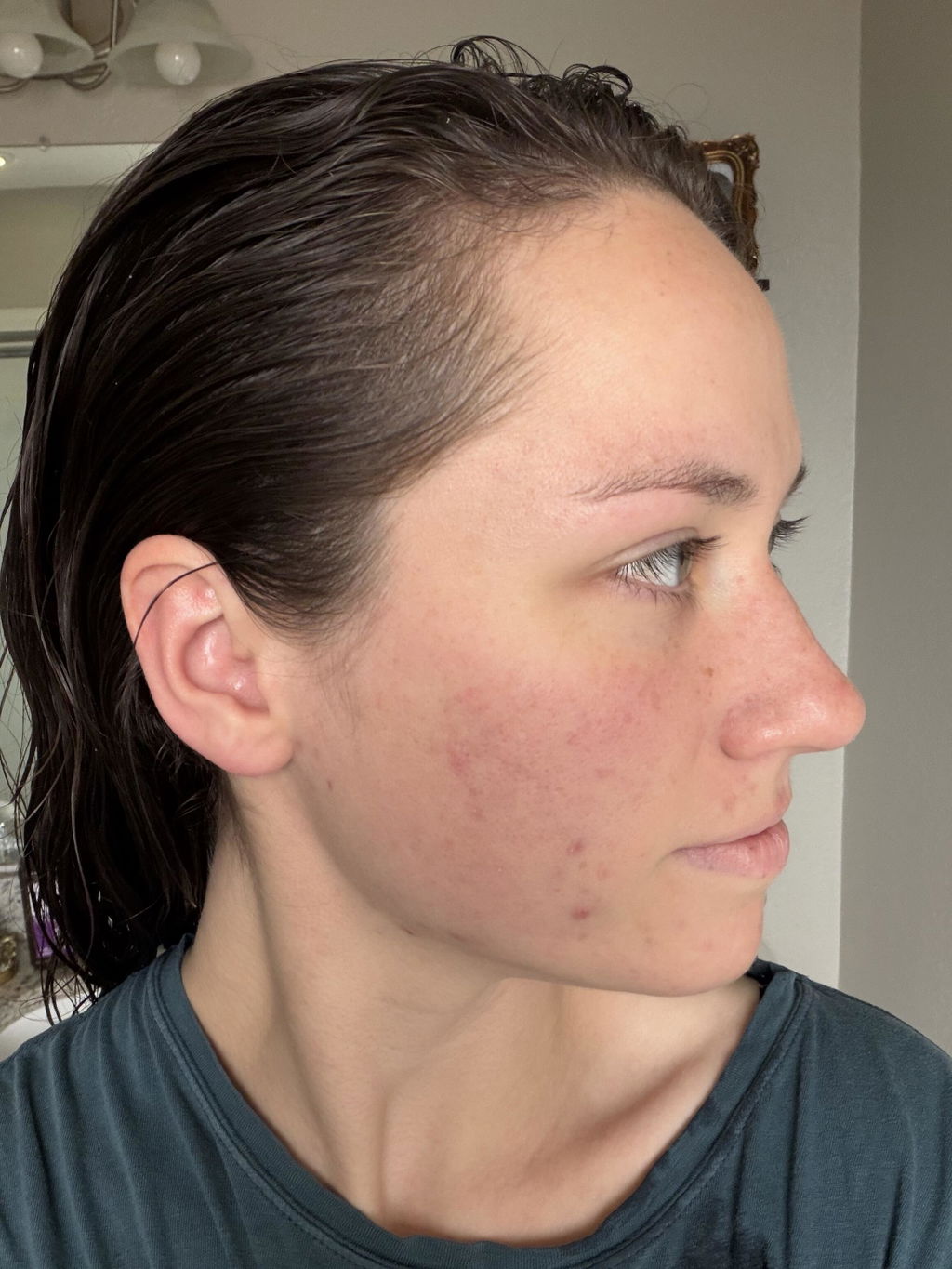
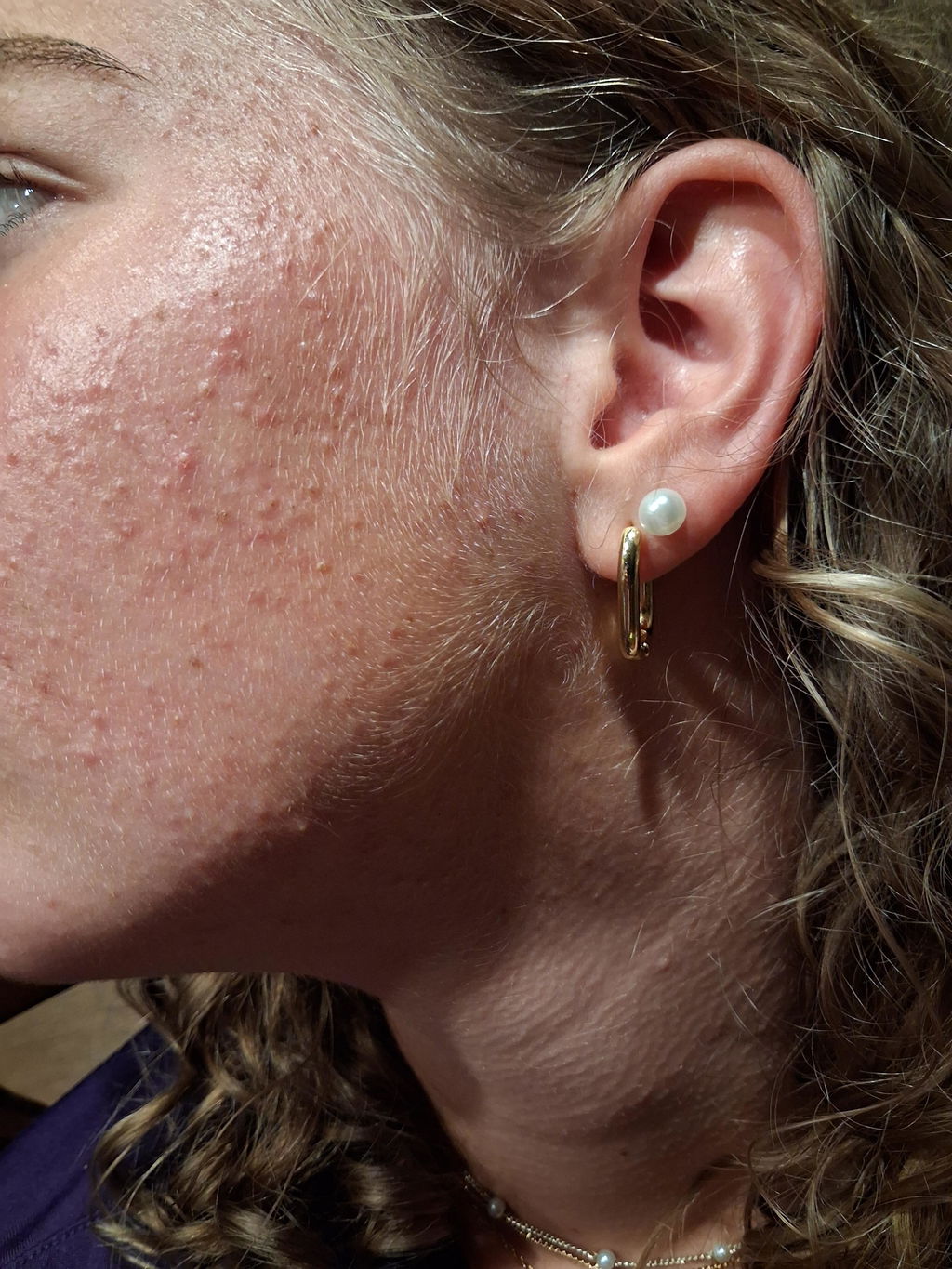
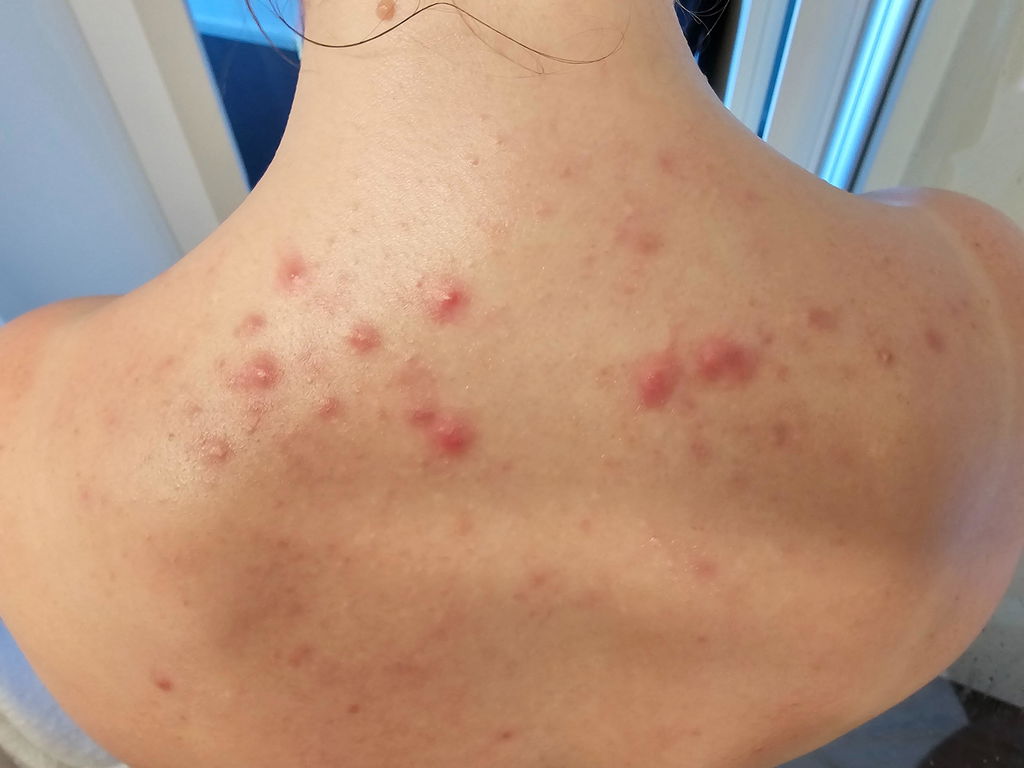
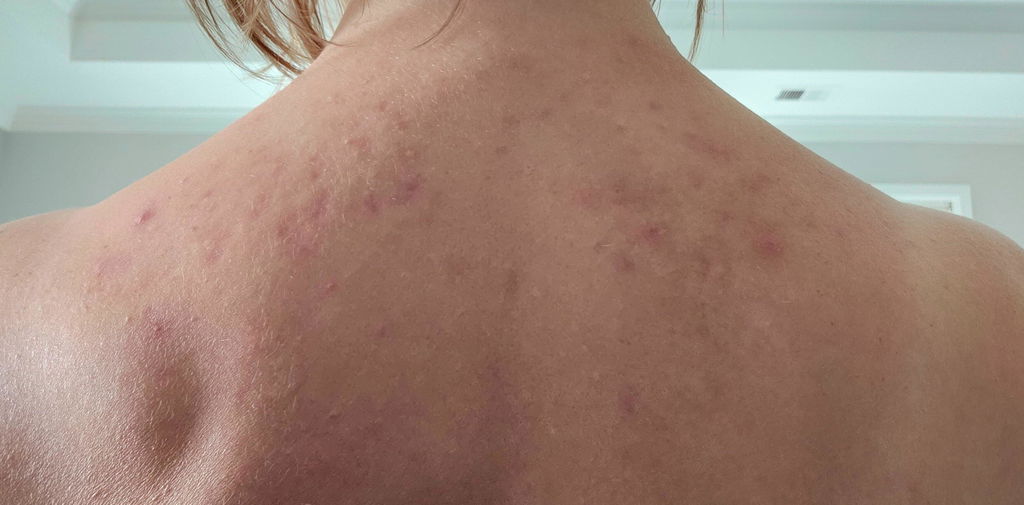
I need to tell you something my dermatologist never asked about: what was happening in my gut the week before every single breakout.
For years I tracked my skin the way most people do. New products, my cycle, the weather, what I ate the night before. What I never tracked, until a brutal deadline week left my jawline covered in the kind of deep, painful cysts that laugh at spot treatment, was my stress level. That breakout sent me down a research rabbit hole into something scientists call the gut-brain-skin axis, and what I found changed how I think about acne completely. Stress doesn't just make you tired and tense. It sets off a chain reaction that starts in your brain, moves through the lining of your gut, and ends up on your face as inflammation you can see in the mirror.
What Is the Gut-Brain-Skin Axis?
The term was formalized in a 2011 paper published in the journal Gut Pathogens by researchers Whitney Bowe and Alan Logan, who described a three way communication loop between your central nervous system, your gastrointestinal tract, and your skin. Their argument, which has only gained more evidence since, was that acne is rarely just a skin problem. It's often the visible endpoint of a stress response that starts much deeper in the body.
Here's the short version: your brain and your gut are in constant conversation, and your skin is essentially listening in. When that conversation turns stressful, your skin hears it loud and clear, usually in the form of a breakout that shows up two to five days later.
Your HPA Axis: The Stress Response That Forgets to Turn Off
Every stress response you've ever had ran through the same circuit: the hypothalamic pituitary adrenal axis, or HPA axis. Your hypothalamus senses a threat (a deadline, a conflict, a doom scroll session) and releases corticotropin releasing hormone, or CRH. That signals your pituitary gland to release ACTH, which tells your adrenal glands to pump out cortisol.
In short bursts, this system is brilliant. It sharpens focus and mobilizes energy. The problem is that most of us aren't living through short bursts of stress anymore. We're living in a low grade, near constant state of alert, and an HPA axis that never gets the signal to stand down keeps cortisol elevated for weeks or months at a time. That's when the gut starts to pay the price.
How Elevated Cortisol Breaks Down Your Gut Lining
Your intestinal wall is held together by tight junction proteins, a kind of cellular caulking that decides what gets absorbed into your bloodstream and what stays out. Chronic cortisol exposure loosens that caulking.
A frequently cited 2014 study published in the journal Gut found that psychological stress and CRH directly increase intestinal permeability in humans through a mast cell dependent mechanism. In plain language: stress hormones tell your gut lining to get leakier, and mast cells (immune cells usually associated with allergic reactions) help carry out the order. This is the biological reality behind the term "leaky gut," and it isn't just a wellness buzzword. It's a measurable, published physiological event.
From Leaky Gut to Breakout: The Inflammation Pathway
Once your gut lining loosens, bacterial fragments called lipopolysaccharides (LPS) that should stay contained in your digestive tract slip into your bloodstream. Your immune system treats this as an invasion and responds with inflammatory messengers like IL 6, TNF alpha, and CRP, the same markers doctors measure to check for systemic inflammation.
Here's where it gets interesting for your skin specifically. Sebaceous glands, the oil producing glands tied to nearly every acne breakout, actually carry receptors for CRH, the same stress hormone released at the very start of the HPA axis cascade. Research on human sebocytes has shown that CRH exposure increases lipogenesis, meaning your stress hormones can directly tell your oil glands to produce more sebum. Combine that extra oil with circulating inflammation and a gut derived immune response, and you've built the perfect environment for Cutibacterium acnes to overgrow and clog pores. Your face isn't malfunctioning. It's responding exactly as designed to a chemical signal that started in your gut.
The Vagus Nerve: Your Gut's Direct Line Back to the Brain
If cortisol is the messenger traveling down from brain to gut, the vagus nerve is the return line. It's the longest cranial nerve in your body, and roughly 80 to 90 percent of its fibers carry signals upward from your gut to your brain, not the other way around, which is part of why gut health has such an outsized effect on mood and stress resilience.
The vagus nerve also runs what researchers call the cholinergic anti-inflammatory pathway, a mechanism described by immunologist Kevin Tracey, in which vagal signaling can dial down inflammatory cytokine production. A well toned vagus nerve, something you can actually track at home through heart rate variability, is associated with a calmer inflammatory response throughout the body, including in the gut lining itself. A poorly toned one leaves you more reactive to every stressor that comes your way, which is exactly why the practices later in this article target vagal tone directly.
What the Research Actually Shows About Stress and Acne
This isn't just theory. A widely cited study published in the Archives of Dermatology followed college students through both low stress and high stress periods, specifically around exam weeks, and found a meaningful correlation between rising stress levels and worsening acne severity, even though the students' skin care routines hadn't changed. The researchers concluded that stress alone, independent of diet or hygiene, was enough to intensify breakouts.
That lines up with what I hear constantly from clients: "nothing about my routine changed, but my skin got so much worse." Usually, something did change. It just wasn't sitting on a bathroom shelf.
Breaking the Cycle: Stress Reduction Techniques That Heal Your Gut and Your Skin
The encouraging part of all this research is that the gut-brain-skin axis runs in both directions. If stress can inflame your gut and trigger breakouts, calming your nervous system can help repair your gut lining and calm your skin. A few practices have real evidence behind them.
Cold exposure. A 2014 study published in the Proceedings of the National Academy of Sciences found that participants trained in a combination of cold exposure and breathing techniques were able to voluntarily influence their own immune response, showing a reduced inflammatory reaction compared to untrained participants. Cold exposure appears to build parasympathetic resilience over time, essentially training your nervous system to recover faster after a stressor instead of staying stuck in fight or flight. A thirty to sixty second cold finish at the end of a shower is enough to start building this response.
Breathwork. Slow, extended exhale breathing, think four seconds in and six to eight seconds out, directly stimulates vagal afferents and raises heart rate variability. A few minutes of this before a stressful meeting or before bed sends a real, measurable signal to your gut lining that the threat has passed.
Sleep hygiene. Cortisol is supposed to follow a rhythm, high in the morning to help you wake up, low at night to let your body repair. Inconsistent sleep flattens that rhythm and keeps cortisol elevated when it should be dropping. Deep sleep is also when your gut runs its migrating motor complex, a housekeeping wave that clears bacteria and debris from your small intestine. Skip consistent deep sleep, and you skip a huge part of your gut's nightly repair window.
Supporting Your Gut From the Inside Out
Alongside these nervous system practices, I've found that giving the gut lining itself some direct support makes a noticeable difference in how quickly skin calms down. A daily gut cleanse can help clear out the bacterial buildup that accumulates during high stress stretches, while a full acai detox protocol gives your system a deeper reset when things have been out of balance for a while.
Sea moss is one of my personal staples here, largely because it delivers around 92 trace minerals that support the gut lining and the connective tissue underneath your skin, both of which take a hit during chronic stress. I also lean on collagen strips for the same reason, since collagen is a structural building block for both your gut wall and your skin barrier.
On the topical side, while the internal work is happening, a nourishing tallow cream at night can support your skin barrier and take the edge off visible redness and irritation while the deeper gut and nervous system repair catches up.
Frequently Asked Questions
Can stress really cause acne, or is that just a myth?
It's not a myth. Chronic stress raises cortisol, which increases intestinal permeability and systemic inflammation, and sebaceous glands have receptors for the same stress hormones released early in that process. Published research, including a well known study on college students during exam periods, has directly linked rising stress with worsening acne severity.
What is gut permeability and how does it relate to acne?
Gut permeability, often called leaky gut, refers to a weakening of the tight junctions that normally keep your intestinal lining sealed. When cortisol loosens these junctions, bacterial fragments can enter the bloodstream and trigger inflammation that travels throughout the body, including to the skin, where it can worsen acne.
How long does it take to see skin improvements after reducing stress?
Most people notice a difference within four to six weeks of consistently lowering stress and supporting gut health, since skin cell turnover and gut lining repair both take time. Sebaceous gland activity tends to respond faster than deeper inflammatory patterns, so surface oiliness often improves before cystic breakouts fully calm down.
Can breathwork alone clear up stress-related acne?
Breathwork is a powerful piece of the puzzle because it directly stimulates the vagus nerve and lowers cortisol, but it works best alongside gut support and consistent sleep. Think of it as one lever among several, rather than a standalone fix.
What's the difference between stress acne and hormonal acne?
The two overlap more than most people realize, since cortisol is itself a hormone and interacts with estrogen, progesterone, and androgens. Stress acne tends to flare in direct response to a specific stressful period and often appears along the jawline and chin, while classic hormonal acne follows a more predictable monthly cycle. In both cases, the gut-brain-skin axis plays a role.
• • •
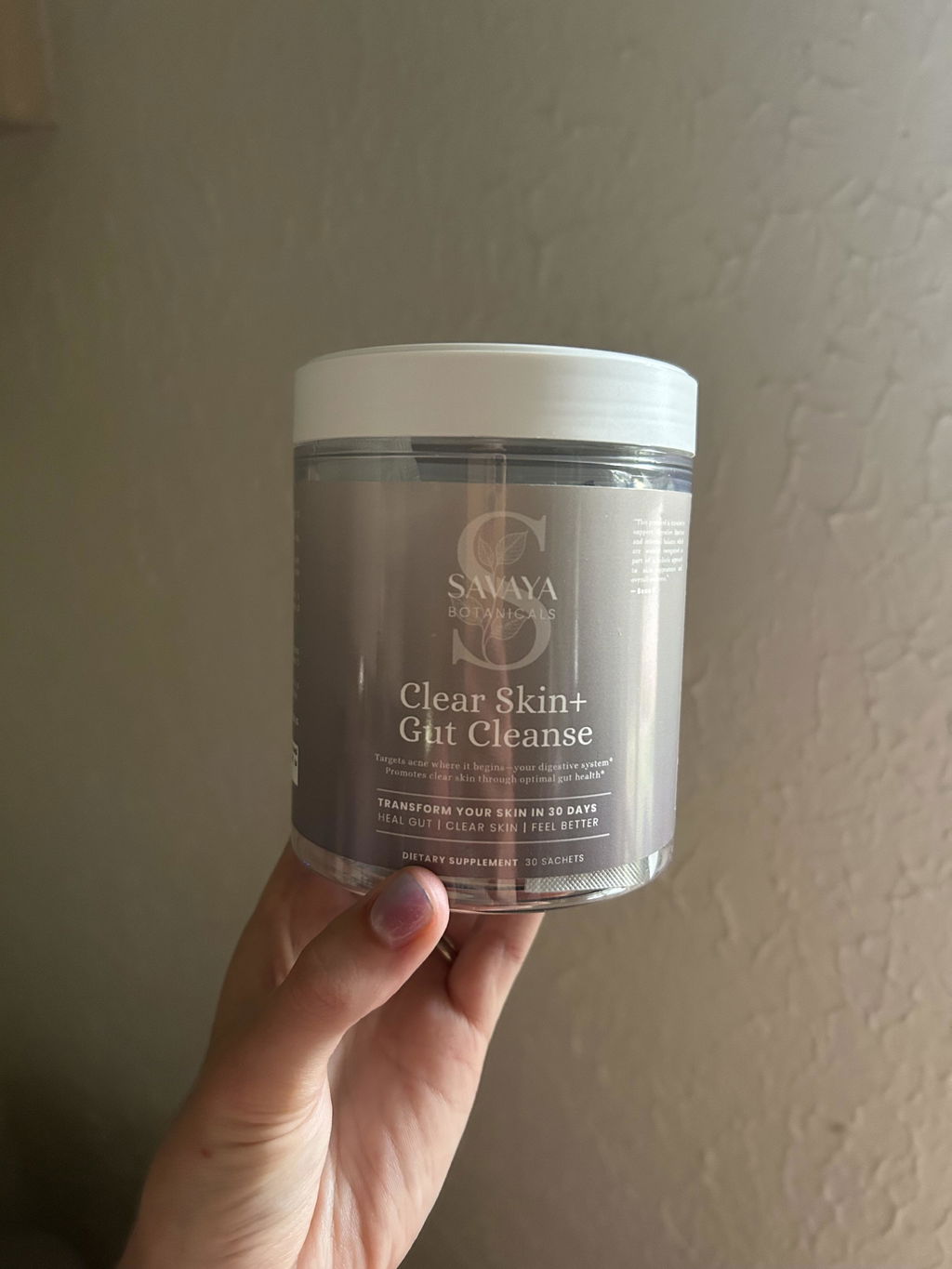
If any of this sounds familiar, the good news is you don't have to overhaul your entire life to start calming the cycle. Start where the research points: support your gut lining, calm your nervous system, and give your skin the time it needs to reflect the change. Our Clear Skin+ Max Detox acai blend helps support that same gut-skin pathway, adding one simple daily habit while your skin does its own work from the inside out.