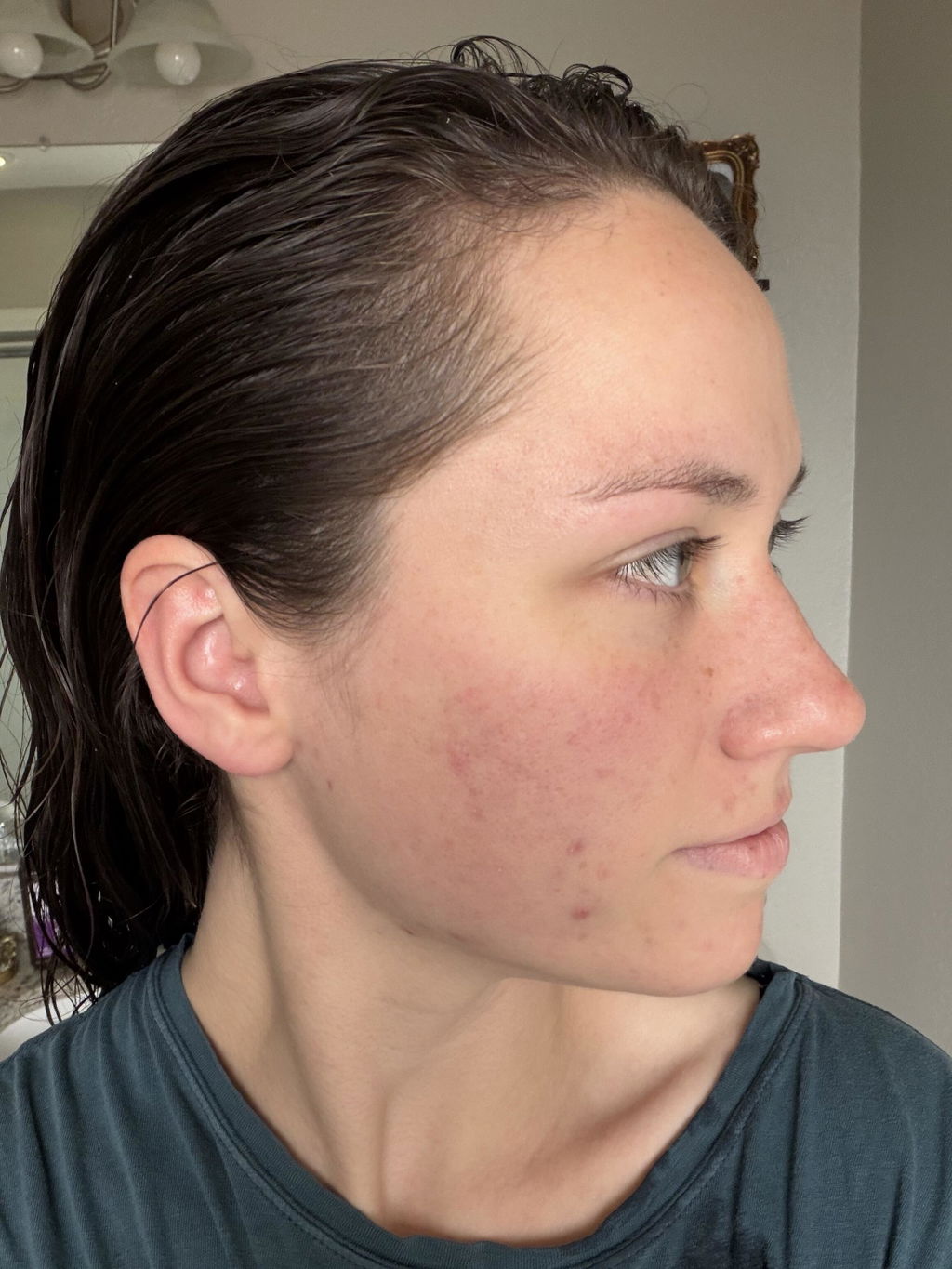
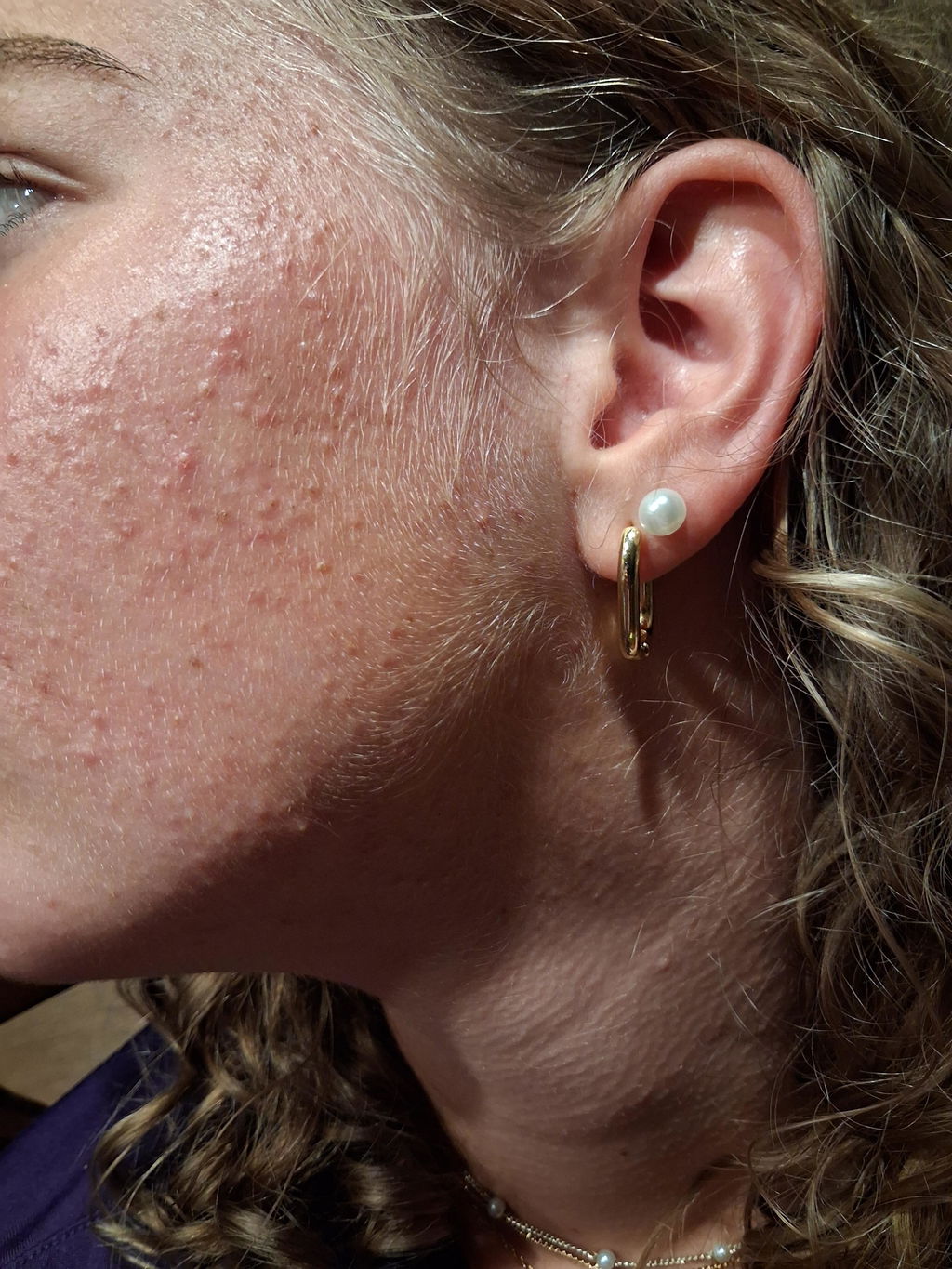
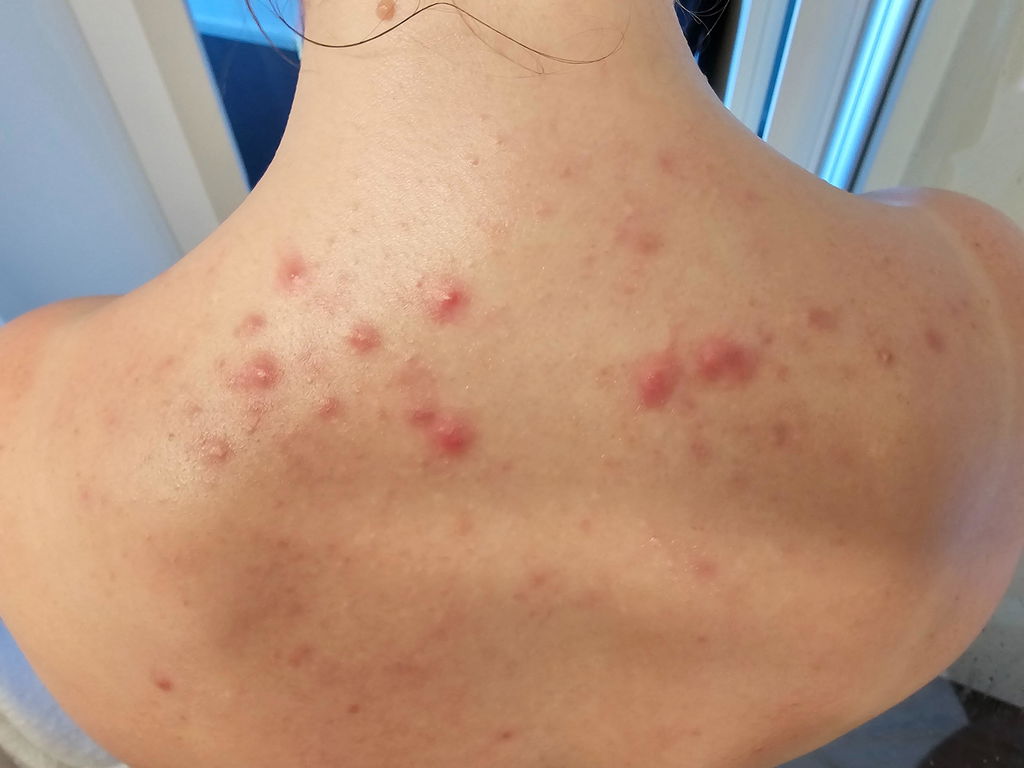
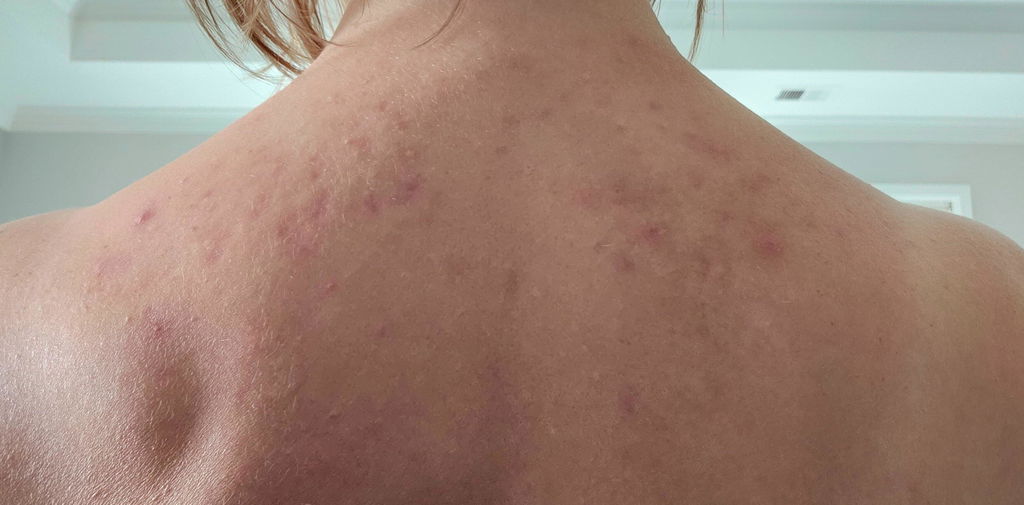
The dermatologist visit usually ends the same way. A prescription for tretinoin. Maybe doxycycline for three months. A six-month plan that suppresses what is showing up on your face without ever asking why it is showing up in the first place. The skin is the last place inflammation surfaces, not the first. By the time a breakout appears, your gut, your liver, and your hormones have been trying to get your attention for weeks. So why does almost no one ask what is happening inside?
Why Dermatologists Default to Antibiotics and Retinoids
Dermatologists reach for topical retinoids and oral antibiotics because that is what residency emphasizes and what insurance reimburses quickly. The American Academy of Dermatology clinical guidelines list these as first-line care. Root-cause work, like gut repair and nutrient repletion, sits outside the scope of a fifteen-minute appointment.
None of this is malicious. The system is built around symptom suppression. A prescription pad is faster than asking about your stool, your stress, your last antibiotic course, or whether you have been quietly low in zinc since your second pregnancy. In my practice, I see the same pattern again and again. Women come in after three rounds of doxycycline and a year of tretinoin, with the same breakouts and a barrier so thin you can almost see the capillaries through it.
That is when we stop looking at the surface and start looking at the inside.
Zinc: The Mineral Your Sebocytes Are Begging For
Zinc supports skin healing by regulating sebum production inside the sebocytes, calming inflammation, and slowing the bacteria associated with breakouts. Most women with persistent acne run low on it. The research points to 30 to 40 mg of elemental zinc daily, taken with food, ideally as zinc gluconate or bisglycinate for absorption.
The Dreno study published in Dermatology in 2001 compared oral zinc gluconate to minocycline, an antibiotic, in a multicenter randomized trial. Zinc was modestly less effective than the antibiotic on inflammatory lesions, but it still cleared a meaningful percentage of them without disrupting the gut microbiome the way long-course antibiotics do. A later Iranian trial by Faghihi and colleagues in 2014 found that zinc sulfate significantly reduced acne lesion counts compared to placebo.
Here is the thing. Zinc does not work overnight. Give it eight to twelve weeks. And do not megadose. More than 50 mg a day for months can deplete copper, and copper deficiency can actually make skin worse.
Omega-3 EPA: Calming the Fire Beneath the Skin
Omega-3 fatty acids, specifically EPA, lower the inflammatory signaling that drives red, painful, cystic acne. EPA competes with arachidonic acid in your cell membranes and produces calmer prostaglandins. Most women eating a modern Western diet sit at roughly a 15-to-1 omega-6 to omega-3 ratio, when something closer to 4-to-1 is more aligned with how the human body evolved.
A 2014 trial by Jung and colleagues, published in Acta Dermato-Venereologica, gave acne patients omega-3 supplementation for ten weeks. Both inflammatory and non-inflammatory lesions decreased significantly in the supplemented group compared to controls. The mechanism is straightforward. Less inflammatory fuel means smaller, less angry pimples and faster healing.
Look for a fish oil with at least 1000 mg of EPA per serving. Algae oil works for vegetarians. Take it with a meal that contains fat, because EPA is fat-soluble and an empty stomach absorbs almost nothing.
Vitamin D3 with K2: The Hormone You Are Probably Low In
Vitamin D is not really a vitamin. It is a steroid hormone, and it regulates hundreds of immune and skin processes. Lim and colleagues, in a 2016 study published in PLOS ONE, found that vitamin D deficiency was significantly more common in patients with acne than in healthy controls, and that supplementation improved inflammatory lesions over eight weeks.
K2 is its partner. D3 tells your gut to absorb calcium. K2 (as MK-7) tells the calcium where to go, into bone and out of soft tissue. Without K2, high-dose D3 can route calcium into the wrong places. In my practice, I aim for 2000 to 5000 IU of D3 paired with around 100 mcg of K2 daily, adjusted to bloodwork.
Take it with breakfast that has fat. Sunlight helps too, but for most women in winter, food and supplementation is what actually moves the needle.
Sea Moss: Mineral Density the Modern Diet Forgot
Sea moss is a marine algae rich in trace minerals, including iodine, zinc, selenium, magnesium, and potassium. These minerals act as cofactors in the enzymes that build collagen, regulate hormones, and turn over skin cells. Modern soil is depleted, and the women I work with usually are too.
Iodine is the mineral people fear. The acne world picked up an older study that used pharmacologic doses, not food-level amounts, and the panic has lingered ever since. Natural iodine from mineral-rich sea moss sits within the range your thyroid actually uses, not the range that triggers iodine acne in already-sensitive people.
I have had clients shift from a stack of seven pills a day to 92 trace minerals from the ocean and watch their hair, nails, and skin tighten up within a single season. The body remembers what whole food feels like.
Gut Cleanse: Pulling the Acne Out by the Root
The gut-skin axis is not fringe anymore. Dysbiosis, the imbalance of gut bacteria, increases intestinal permeability. Zonulin opens the tight junctions between gut cells, lipopolysaccharides leak into the bloodstream, and the immune system responds with systemic inflammation that surfaces on the face. Bowe and Logan reviewed this connection in 2011 in Gut Pathogens, and the evidence has only grown since.
The skin does not break out because you put the wrong thing on it. It breaks out because the inside is trying to talk to you.
This is why a targeted gut cleanse works where topical retinoids stall. You are not numbing the alarm. You are turning off the smoke. A microbiome reset that includes prebiotic fiber, binders, and gentle antimicrobials brings down systemic inflammation, restores short-chain fatty acid production, and lets the skin reset its own immune signaling.
For deeper cases, especially in women who have done multiple antibiotic courses or isotretinoin, I recommend a full detox protocol that supports liver clearance alongside the gut. Phase one detox without phase two support is a big part of why so many people break out worse before they get better.
Collagen: The Rebuild Phase
Once the inflammation is calming and the gut is sealing, the skin needs raw materials. Collagen peptides supply the glycine, proline, and hydroxyproline your dermis uses to rebuild. Proksch and colleagues, in a 2014 trial published in Skin Pharmacology and Physiology, showed that women taking hydrolyzed collagen daily improved skin elasticity and hydration significantly compared to placebo after eight weeks.
That study was about aging skin, not acne specifically. But the mechanism applies the same way to post-acne scarring and a weakened barrier. Bioavailable collagen support in strip form is just easier to stay consistent with than a tub of powder that sits forgotten in the cupboard.
Why Topical-Only Approaches Fail
Topicals work on the outermost layer of the skin. Acne is not an outermost-layer problem. It starts in the sebaceous unit, deeper in the dermis, and it is fed by signals from your gut, your HPA axis, and your hormones. A retinoid speeds up cell turnover and absolutely can help. But if the inflammatory inputs upstream are still firing, you are sanding paint while the wall behind it is wet.
The barrier also pays a price. Years of acid washes, benzoyl peroxide, and prescription retinoids leave the stratum corneum stripped and the vagus nerve in a chronic guard pattern. That is part of why so many adult acne sufferers also have rosacea, eczema flares, or background redness that never resolves. A barrier-repairing tallow cream at night, while the inside work is happening, is often what finally calms the surface enough to see real progress.
How to Stack These Together Without Overwhelm
You do not have to start everything at once. The stack works best in phases, because the body heals in order. Calm the fire first. Then reset the gut. Then refeed the minerals. Then rebuild the structure.
- Weeks 1 to 4: begin gut cleanse, zinc, omega-3 EPA, vitamin D3 with K2. Cut refined sugar and seed oils.
- Weeks 5 to 8: add sea moss for trace minerals. Keep the core stack steady. Begin gentle barrier repair at night.
- Weeks 9 to 12: add collagen peptides. Continue gut support. Skin starts to thin out actively breaking lesions and shift into a healing phase.
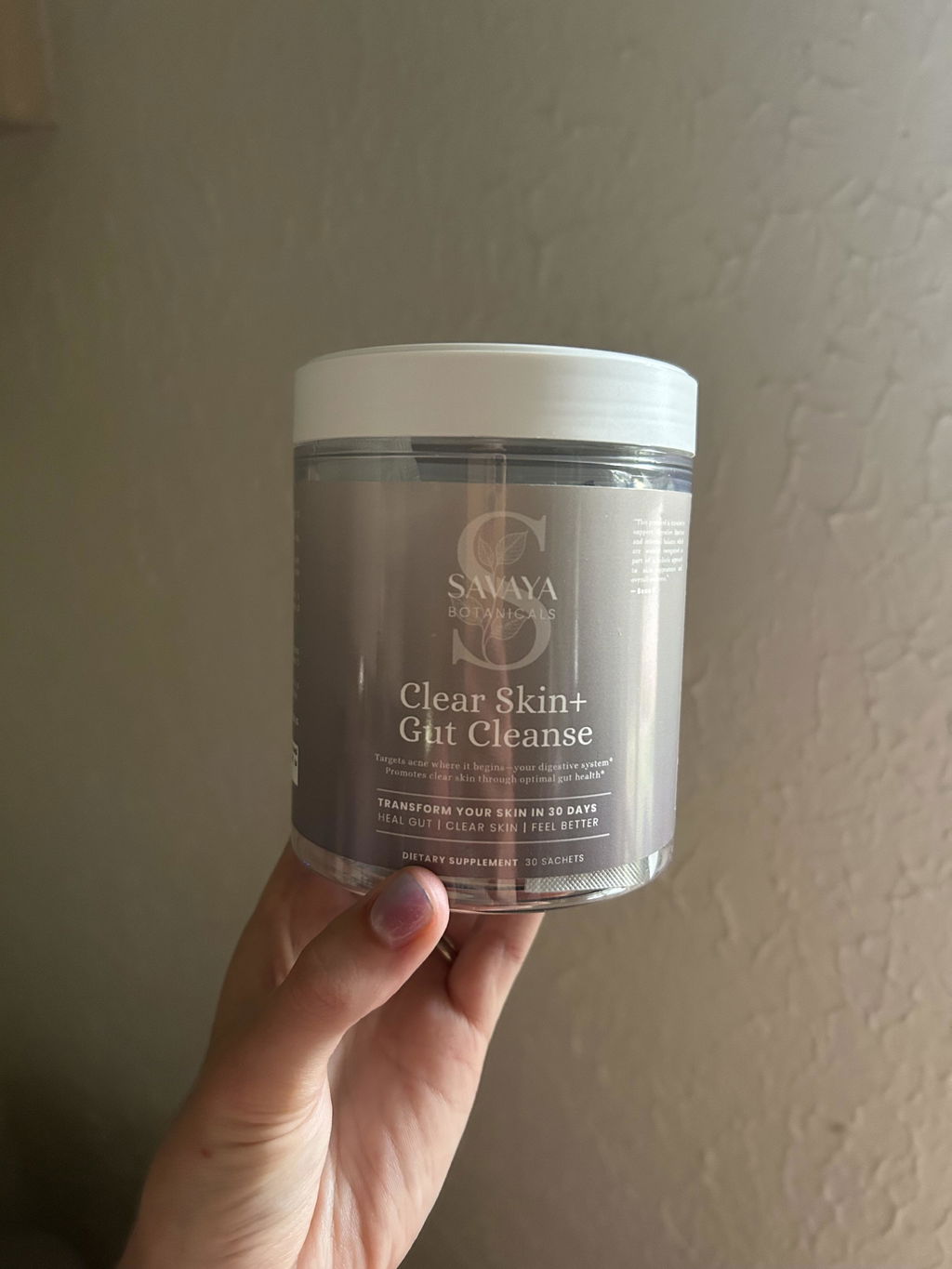
Many women reach for something like this after trying everything already, including isotretinoin, multiple antibiotic courses, and years of failed topicals. Clear Skin+ Max Detox is a simple daily addition that helps support skin from the inside out.
• • •
If you are tired of suppressing what your skin is trying to tell you, the inside-out approach is not a quick fix. It is a reset, and it works because it respects the order the body actually heals in.
Frequently Asked Questions
What is the best supplement stack for acne?
The most evidence-supported acne stack includes zinc (30 to 40 mg elemental), omega-3 EPA (1000 mg or more daily), vitamin D3 (2000 to 5000 IU) paired with K2 (around 100 mcg), trace minerals from sea moss, a gut microbiome reset, and hydrolyzed collagen for skin rebuilding. Address gut health first, or every other supplement has to work twice as hard.
How long does it take for gut healing to clear acne?
Most women see a meaningful shift between weeks 8 and 12 of consistent gut work. The first 2 to 4 weeks can bring a temporary breakout as the system clears itself. By the third month, lesions are usually smaller, fewer, and the skin barrier feels noticeably stronger. Hormonal acne tied to PCOS or thyroid issues can take longer.
Can I take zinc and omega-3 together?
Yes, they work on different pathways. Zinc regulates sebum and inflammation at the sebocyte level. Omega-3 EPA lowers systemic inflammation through cell membrane signaling. Take zinc with food to prevent nausea, and take omega-3 with a meal containing fat for absorption.
Is sea moss actually good for skin?
Sea moss is dense in trace minerals like iodine, zinc, magnesium, and selenium, which serve as cofactors in collagen synthesis, hormone balance, and skin cell turnover. Modern diets are typically low in these. Sea moss does not treat acne directly. It supplies the raw materials the skin needs to repair itself from the inside.
Why will my dermatologist not recommend supplements?
Dermatology training centers on pharmaceutical and topical interventions. Nutrition, gut health, and trace mineral status are not a meaningful part of standard residency. Insurance reimburses for prescriptions and procedures, not for root-cause investigation. Many dermatologists are excellent at what they do, but their toolkit does not include the inside-out approach that persistent acne usually requires.